|

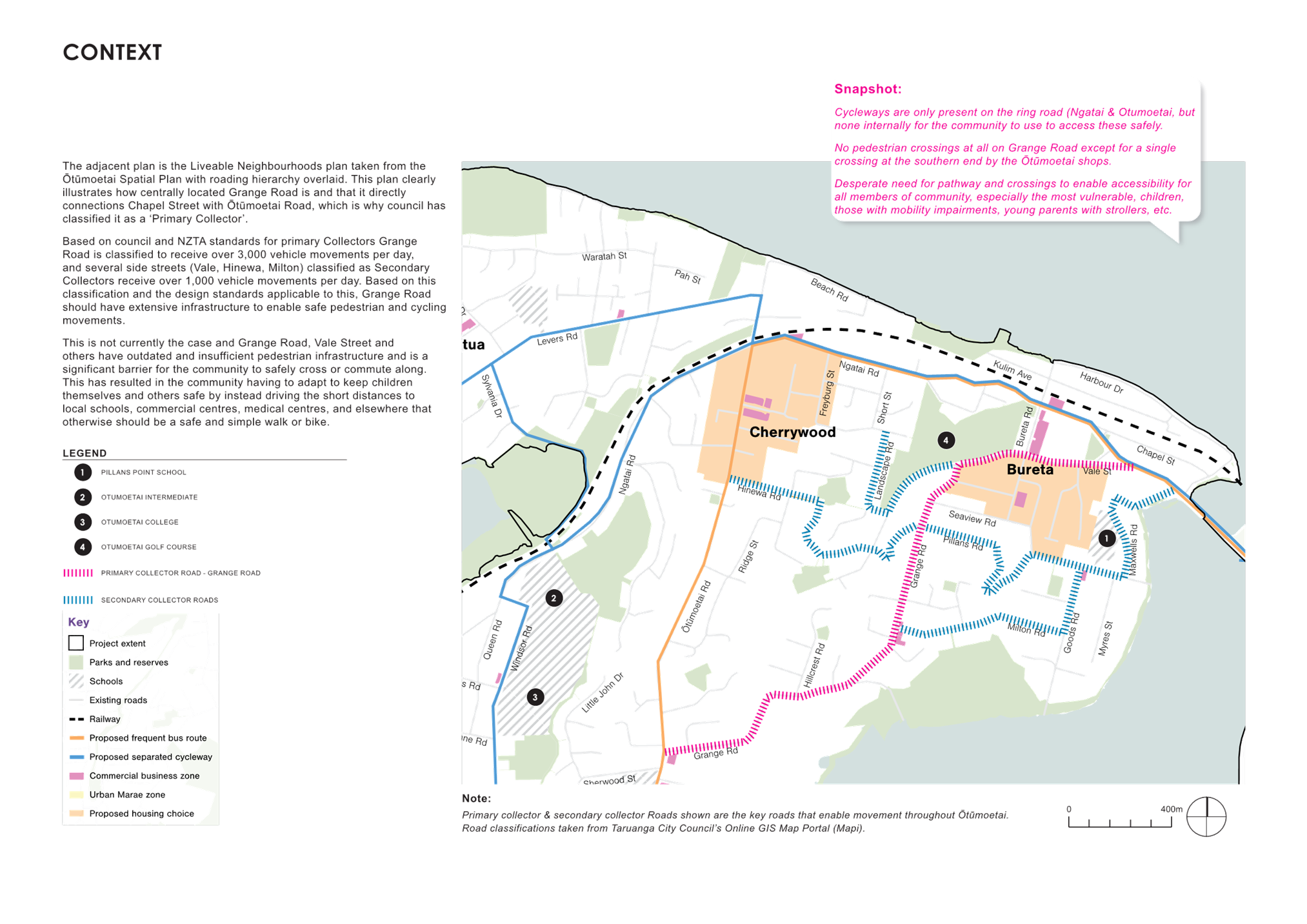
|
|
AGENDA
City Future Committee meeting
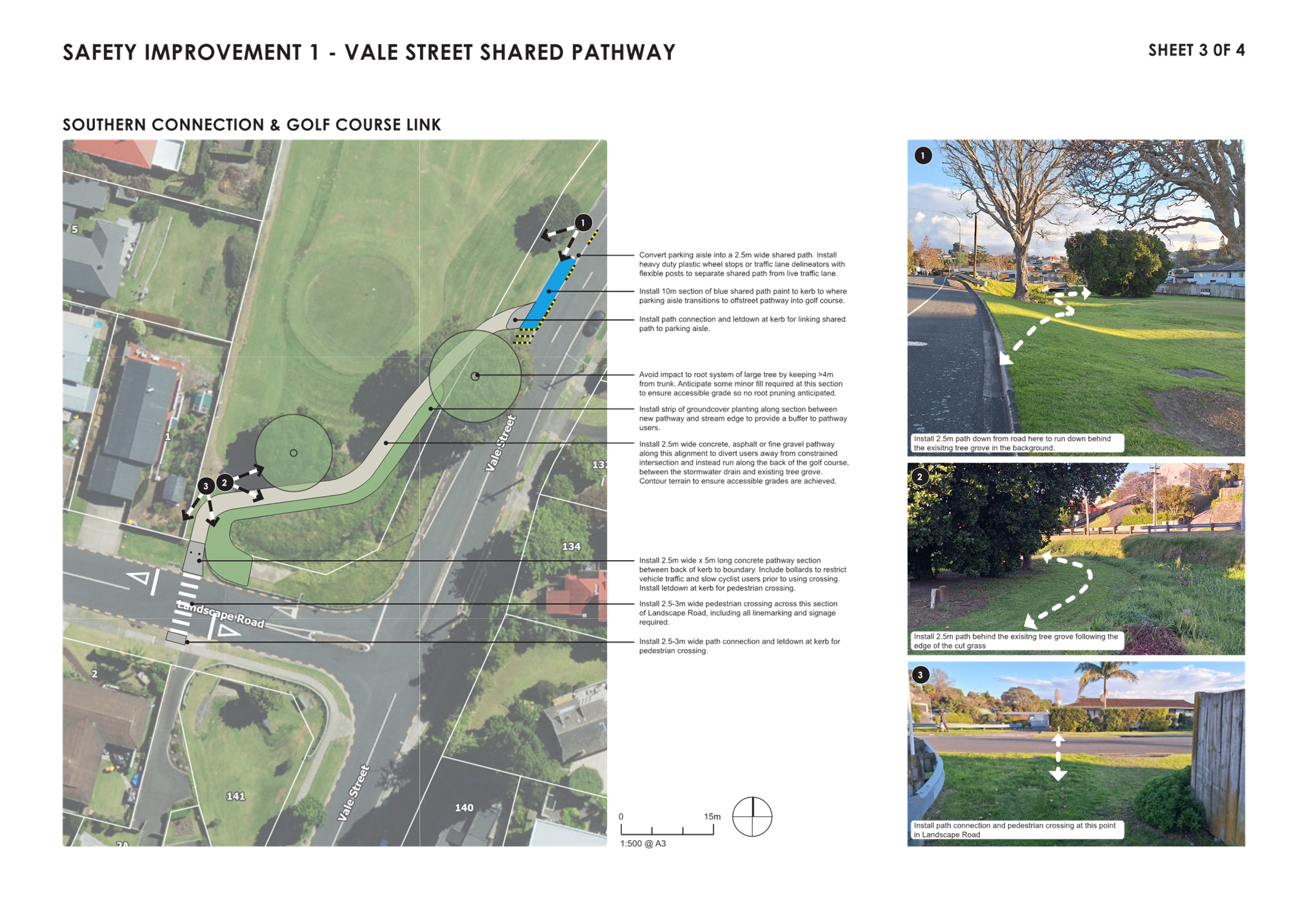
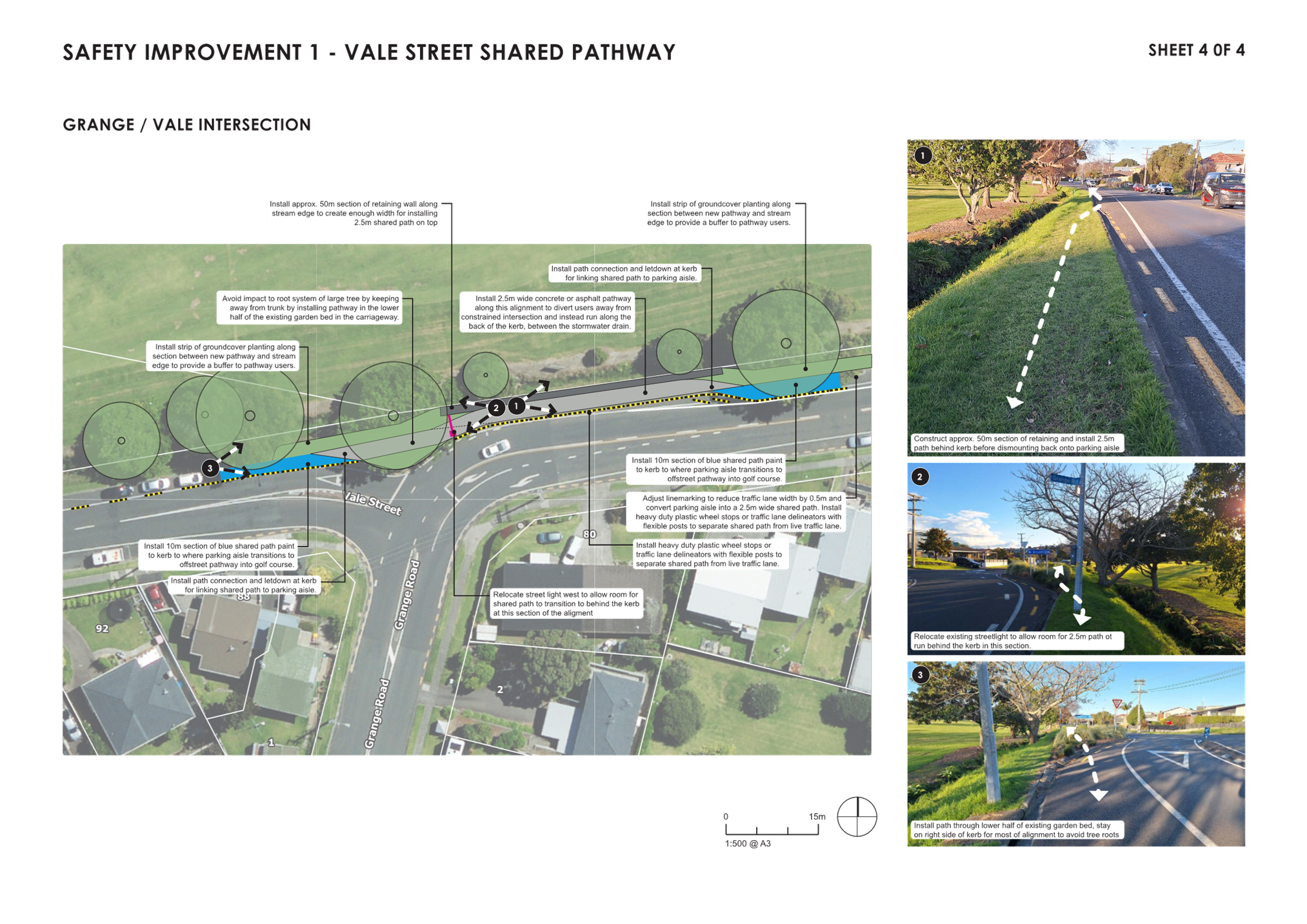
Tuesday, 14 October 2025
|
|
I hereby give notice that a City Future Committee
meeting will be held on:
|
|
Date:
|
Tuesday, 14 October 2025
|
|
Time:
|
9.30am
|
|
Location:
|
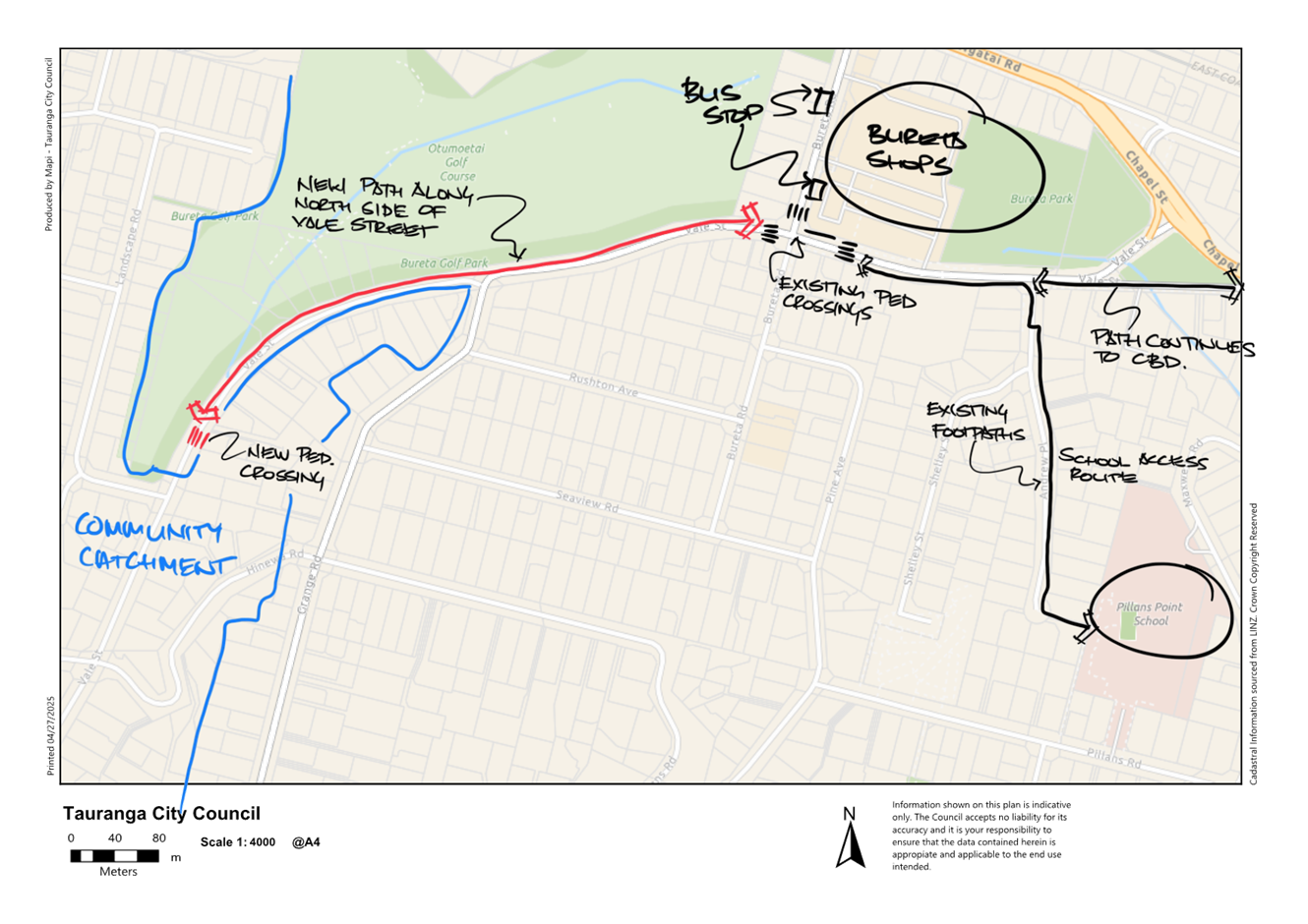
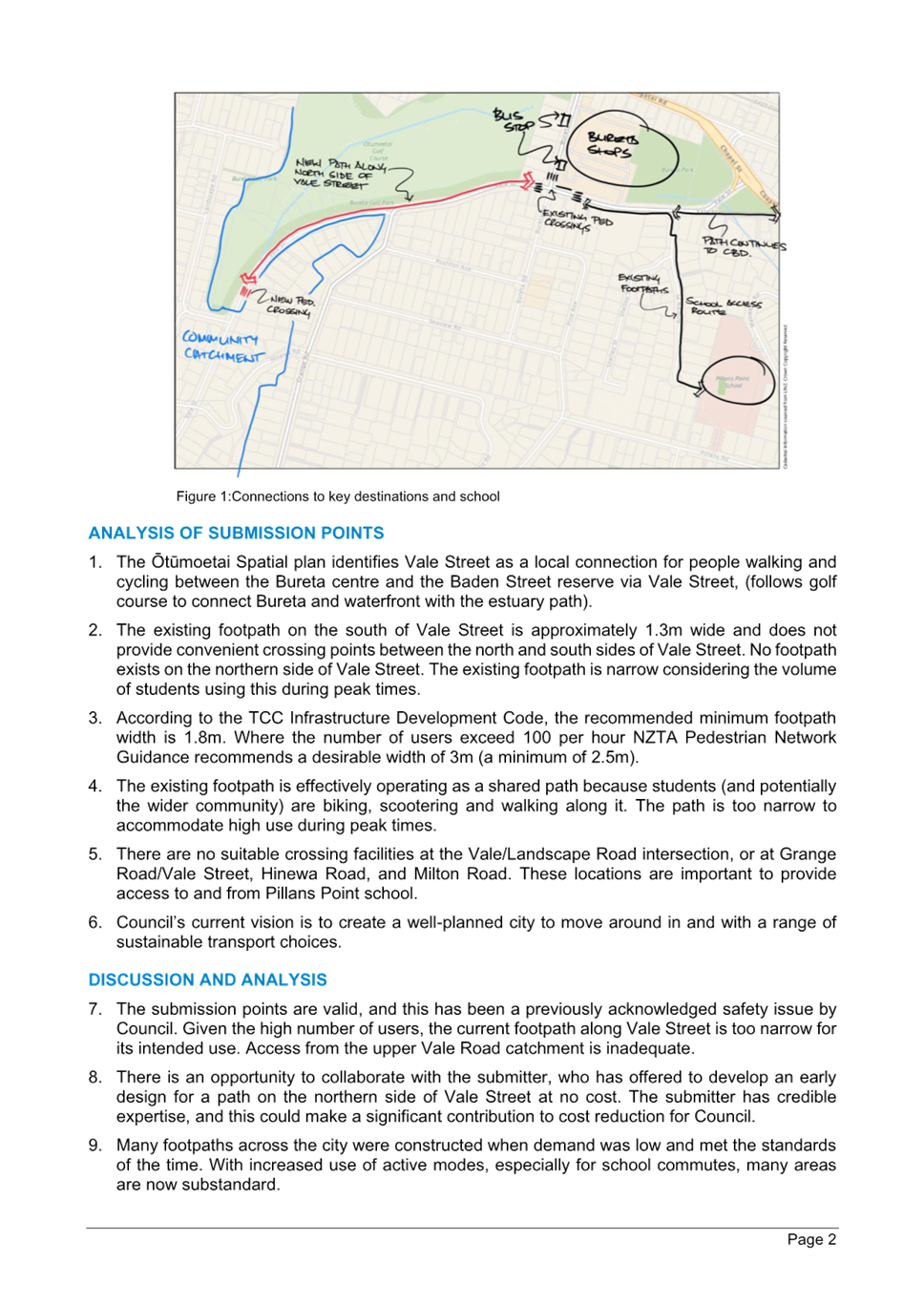
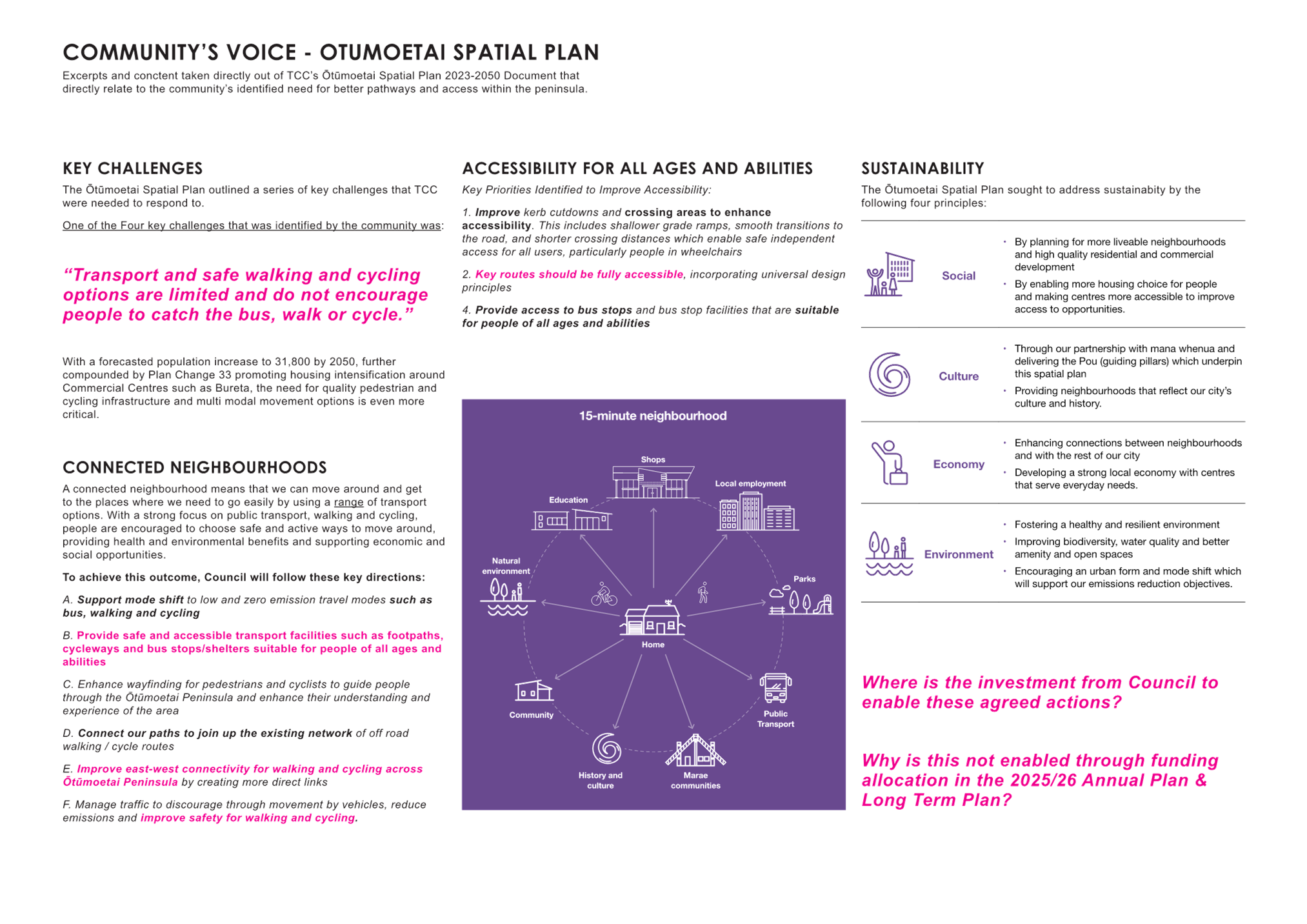
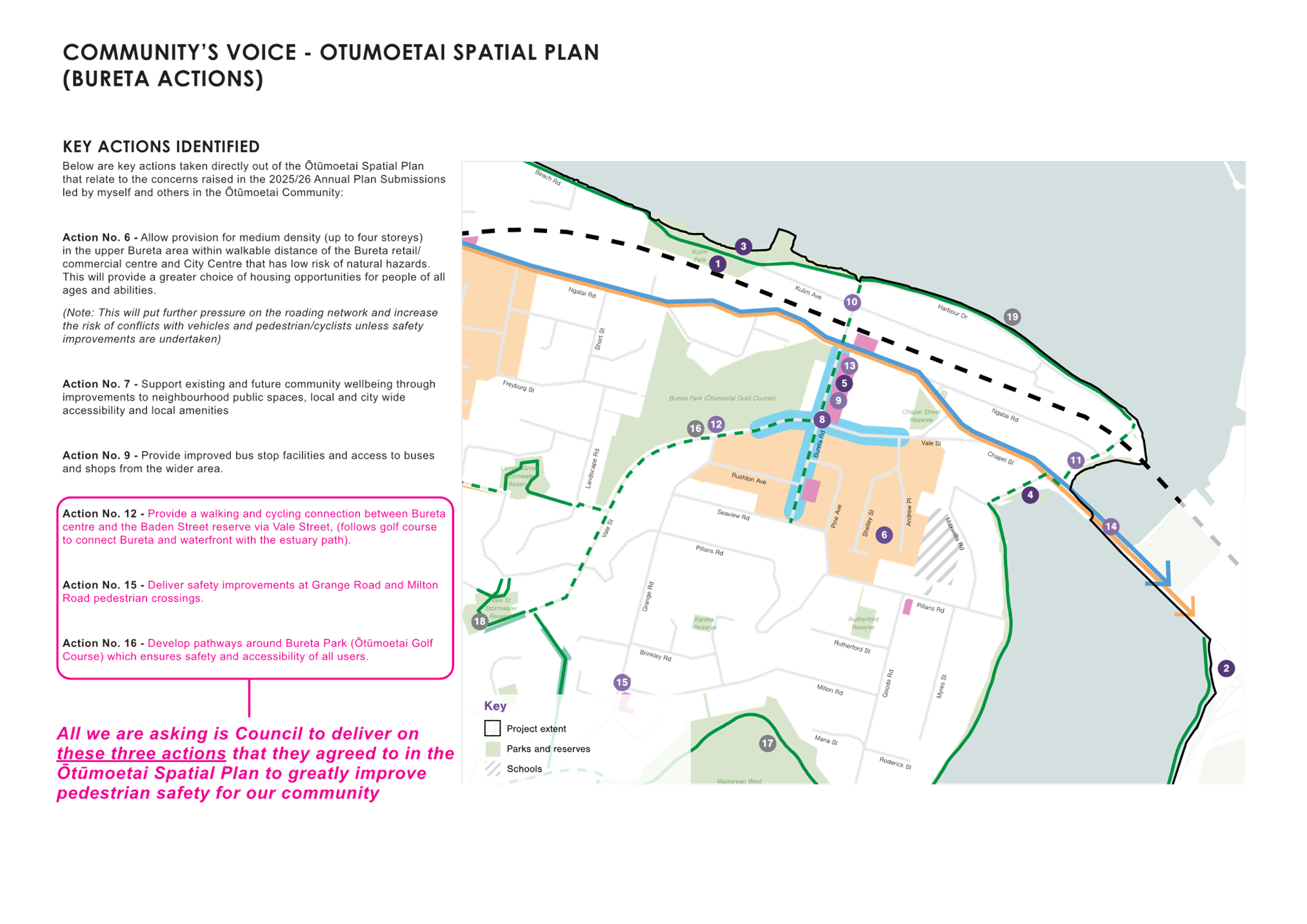
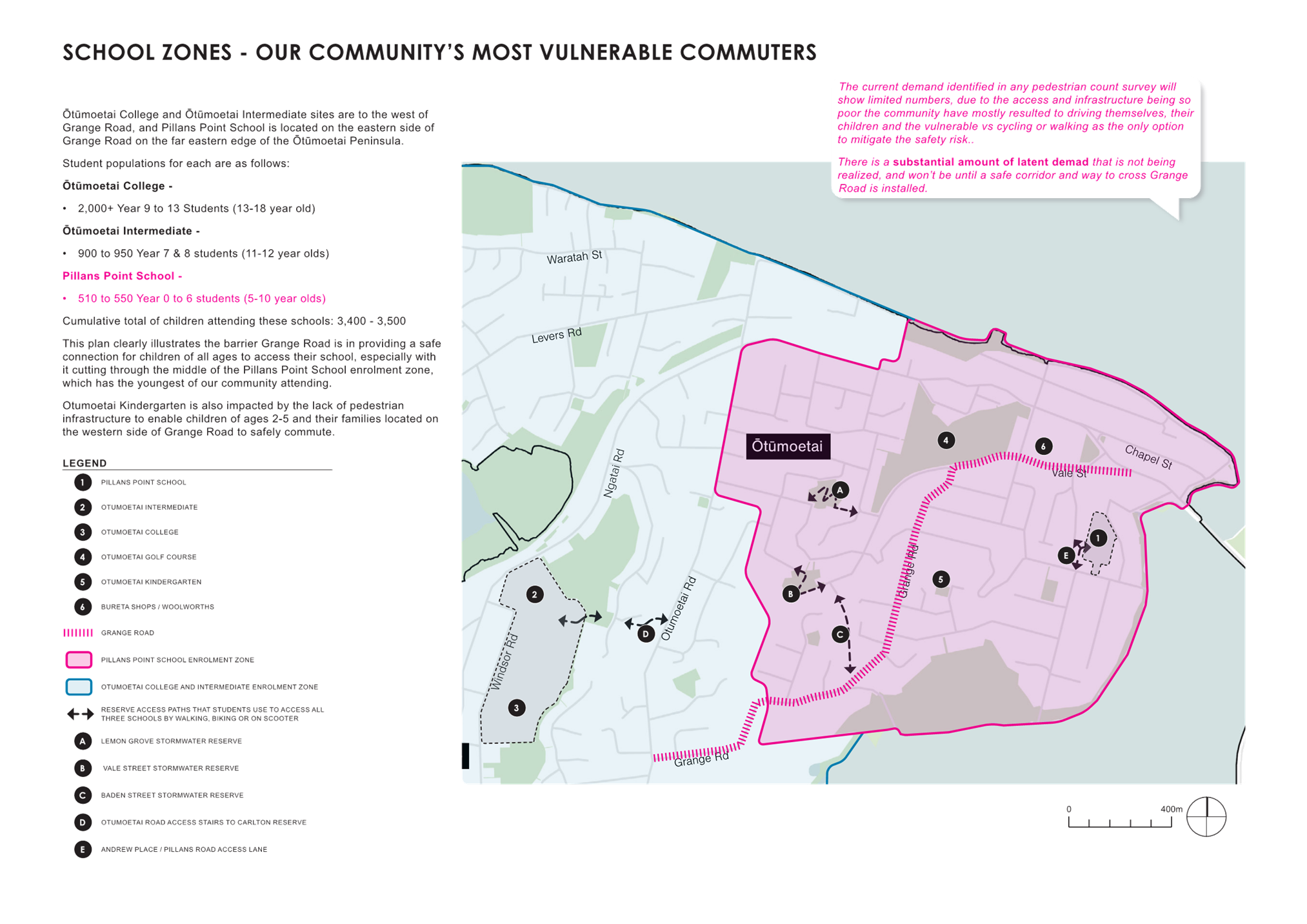
Tauranga City Council Chambers
Level 1 - 90 Devonport Road
Tauranga
|
|
Please note that this
meeting will be livestreamed and the recording will be publicly available on
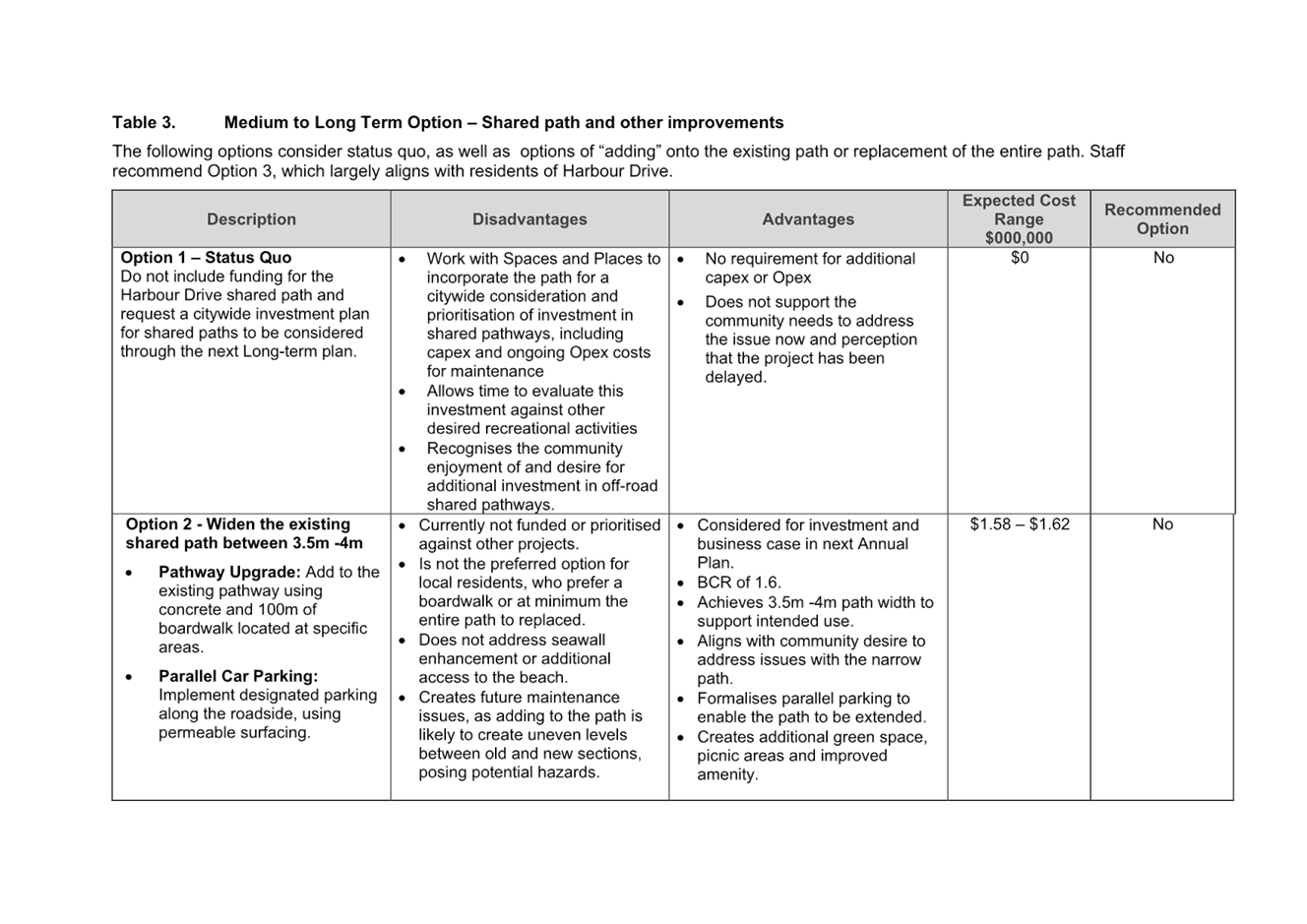
Tauranga City Council's website: www.tauranga.govt.nz.
|
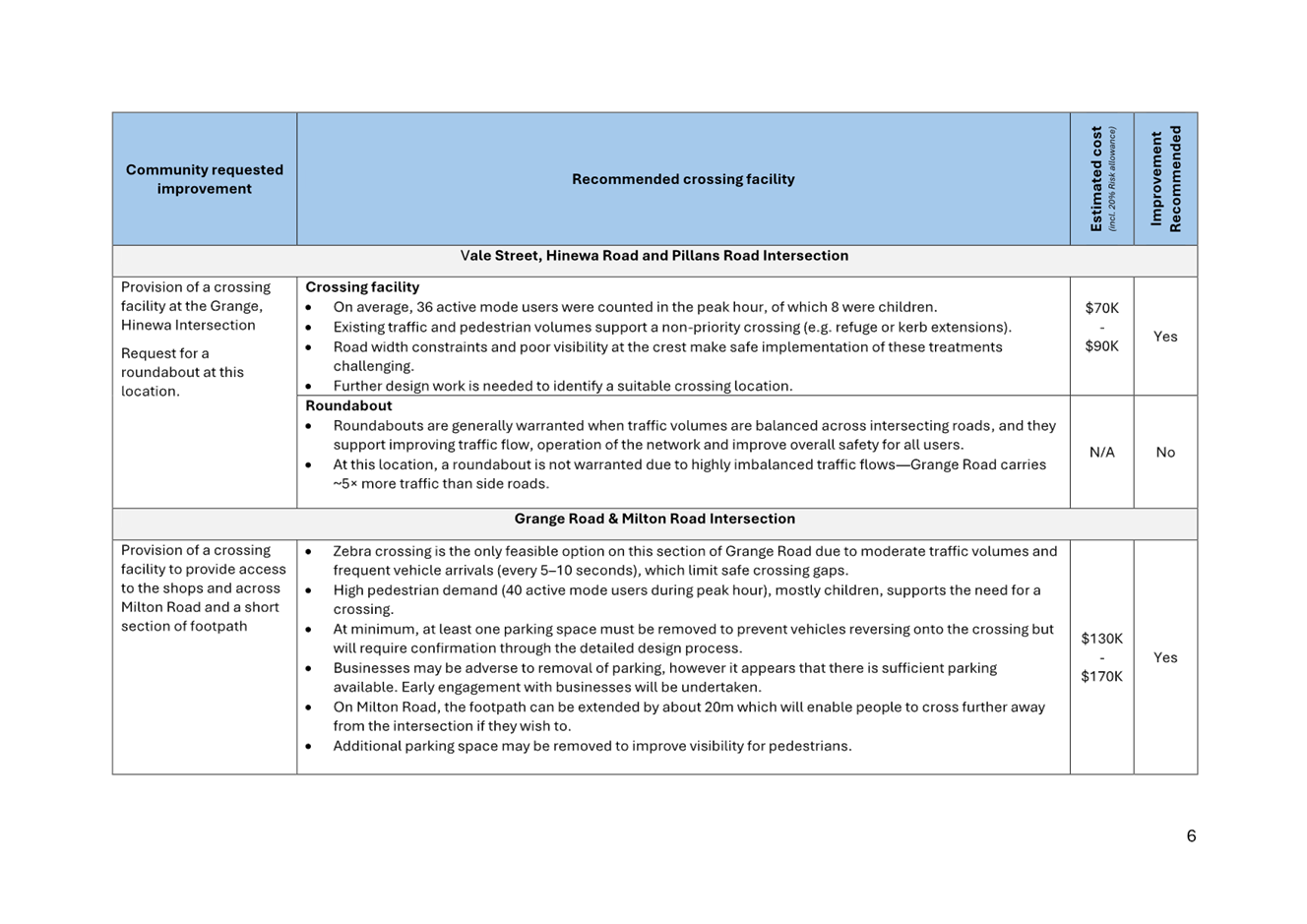
|
Marty Grenfell
Chief Executive
|
Terms of reference – City Future Committee
Common responsibility and delegations
The following common responsibilities and delegations apply
to all standing committees.
Responsibilities of standing committees
· Establish priorities and guidance on programmes relevant to the Role
and Scope of the committee.
· Provide guidance to staff on the development of investment options
to inform the Long Term Plan and Annual Plans.
· Report to Council on matters of strategic importance.
· Recommend to Council investment priorities and lead Council
considerations of relevant strategic and high significance decisions.
·
Provide guidance to
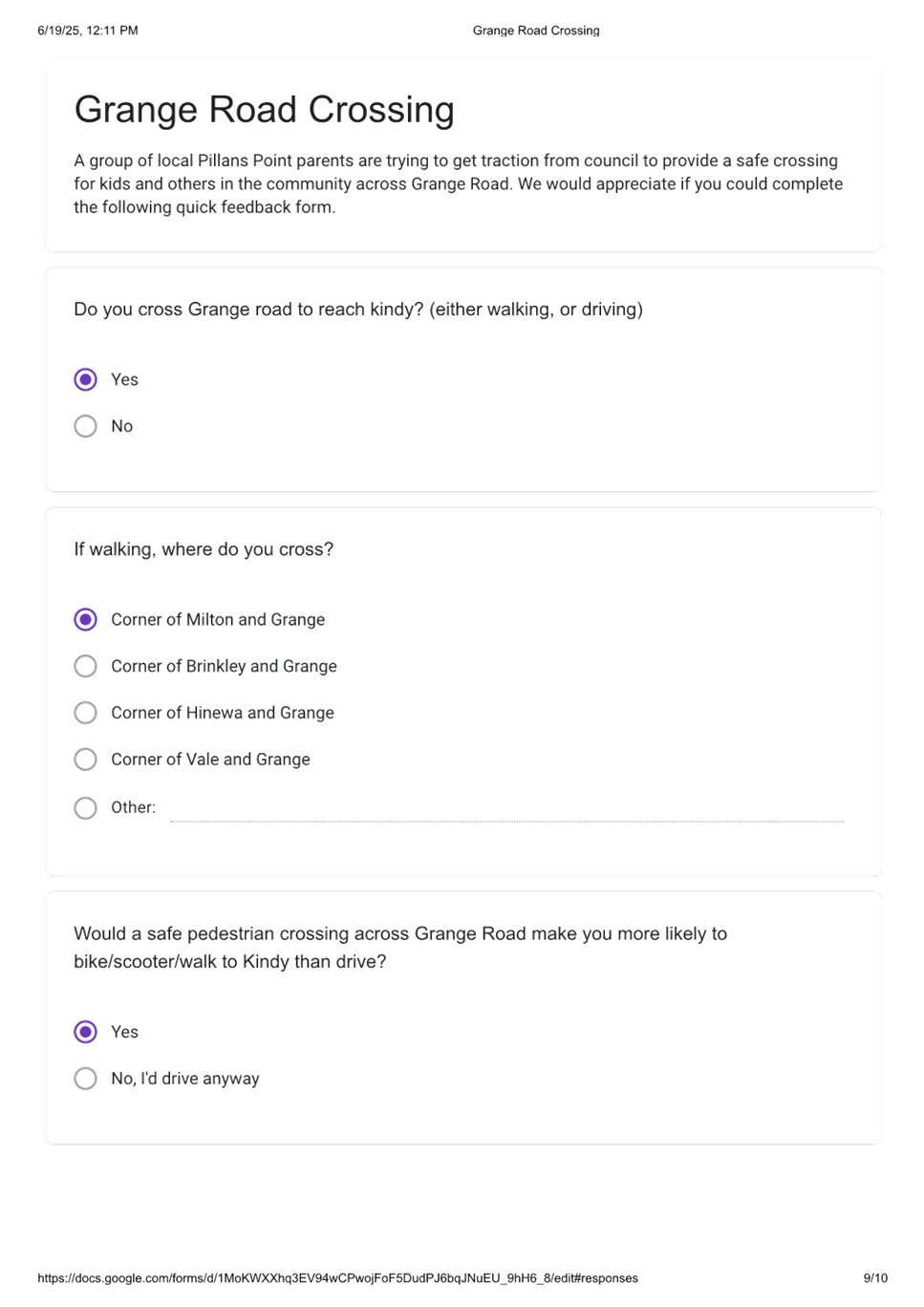
staff on levels of service relevant to the role and scope of the committee.
· Establish and participate in relevant task forces and working
groups.
· Engage in dialogue with strategic partners, such as Smart Growth
partners, to ensure alignment of objectives and implementation of agreed
actions.
· Confirmation of committee minutes.
Delegations to standing committees
· To make recommendations to Council outside of the delegated
responsibility as agreed by Council relevant to the role and scope of the
Committee.
· To make all decisions necessary to fulfil the role and scope of the
Committee subject to the delegations/limitations imposed.
· To develop and consider, receive submissions on and adopt
strategies, policies and plans relevant to the role and scope of the committee,
except where these may only be legally adopted by Council.
· To consider, consult on, hear and make determinations on relevant
strategies, policies and bylaws (including adoption of drafts), making
recommendations to Council on adoption, rescinding and modification, where
these must be legally adopted by Council.
· To approve relevant submissions to central government, its agencies
and other bodies beyond any specific delegation to any particular committee.
· Engage external parties as required.
Terms of reference – City Future
Committee
Membership
|
Chair
|
Cr
Marten Rozeboom
|
|
Deputy chair
|
Cr Rod Taylor
|
|
Members
|
Mayor Mahé Drysdale (ex officio)
Arthur Flintoff - Tangata Whenua Representative
|
|
Non-voting members
|
(if any)
|
|
Quorum
|
Half of the members
present, where the number of members (including vacancies) is even;
and a majority of the members present, where the number of members
(including vacancies) is odd.
|
|
Meeting frequency
|
Six weekly
|
Role
The role
of the City Future Committee is:
· To consider strategic issues and
opportunities facing the city and develop a pathway for the future.
· To consider Tauranga’s strategic
responses at a sub-regional, regional, and national level as appropriate.
· To ensure there is sufficient land
supply for housing and for commercial and industrial purposes.
· To ensure there is sufficient and
appropriate housing supply and choice in existing and new urban areas to meet
current and future needs.
· To ensure that Tauranga’s urban
form and transport system enables, supports and shapes current and future
sustainable, vibrant and connected communities.
· To ensure there is a clear and agreed
approach to achieve measurable improvement in transport outcomes in the medium
to long-term including transport system safety, predictability of travel times,
accessibility, travel choice, mode shift and improved environmental outcomes.
· To enable Tauranga’s urban centres
to thrive and provide a sense of place.
· To ensure that council and partner
investments in Tauranga’s build environment are economically and
environmentally resilient.
· To work with all key partners to
enhance, protect and restore (where necessary) the wellbeing of our natural
environment and harbour to ensure the people of Tauranga can thrive and enjoy
the lifestyle this city provides.
· To review and determine the policy
framework that will assist in achieving the desired strategic and operational
priorities and outcomes for the city.
Scope
· Development and ongoing monitoring and
update of the Western Bay of Plenty Transport System Plan and associated
programmes and network operating plans.
· Development and ongoing monitoring and
update of the Future Development Strategy and urban settlement patterns,
including structure plans as required.
· Development and oversight of urban
centres strategies, neighbourhood plans and master-plans.
· Development and oversight of the Compact
City programme in support of higher development densities and the provision of
a greater range of housing options.
· Development of City Plan changes and
related matters for adoption by Council.
· Contribution to matters related to the
SmartGrowth Strategy and input to the SmartGrowth Leadership Group.
· Regular monitoring of future strategic
and growth-related projects including future strategic transport projects (i.e.
projects where the project purpose definition, business case, and funding are
yet to be in place).
· Development of strategies, policies,
plans and programmes for the medium to long term delivery of social,
environmental, economic, cultural and resilience outcomes.
· Ensuring that social, environmental,
economic and cultural wellbeings are promoted through all strategic work
considered by the Committee.
· Consideration of significant natural
hazards risks across the city, as they apply to current and future land-form
and built environment.
· Develop, review and approve policies,
including as appropriate the development of community consultation material,
the undertaking of community consultation, and the hearing of and deliberating
on community submissions.
· Develop, review and approve bylaws to be
publicly consulted on, hear and deliberate on any submissions and recommend to
Council the adoption of the final bylaw. (The Committee will recommend the
adoption of a bylaw to the Council as the Council cannot delegate the adoption
of a bylaw to a committee.)
Power to Act
· To
make all decisions necessary to fulfil the role, scope and responsibilities of
the Committee subject to the limitations imposed.
· To
establish sub-committees, working parties and forums as required.
Power to Recommend
· To
Council and/or any standing committee as it deems appropriate.
Chair and Deputy Chair acting as Co-Chairs
· While
the Chair and Deputy Chair of the Committee roles are separately appointed it
is the intention that they act as co-chairs.
○ Only
one person can chair a meeting at any one time. The person chairing the meeting
has the powers of the chair as set out in standing orders and has the option to
use the casting vote in the case of an equality of votes.
○ The rotation
of the meeting chairs is at the discretion of the Chair and Deputy Chair and
subject to their availability, however it is expected that they will alternate
chairing meetings when possible.
○ When the
Deputy Chair is chairing the meeting, the Chair will vacate the chair and
enable the Deputy Chair to chair the meeting. The Chair will be able to stay
and participate in the meeting unless they declare a conflict of interest in an
item, in which case they will not participate or vote on that item.
○ The Chair and
Deputy Chair will attend pre-agenda briefings and split any other duties
outside of meetings, e.g. spokesperson for the Committee.
○ The Chair and
Deputy Chair will jointly oversee and co-ordinate all activities of the
Committee within their specific terms of reference and delegated authority,
providing guidance and direction to all members and liaising with Council staff
in setting the content and priorities of meeting agendas.
○ The Chair and
Deputy Chair will be accountable for ensuring that any recommendations from the
Committee are considered by the Tauranga City Council.
|
City Future Committee meeting Agenda
|
14 October 2025
|
3 Public
forum
3.1 Scott
Adams - Te Tumu
Attachments
Nil
3.2 Geoffrey
Ford - Te Tumu
Attachments
Nil
3.3 Jacqui-Ellen
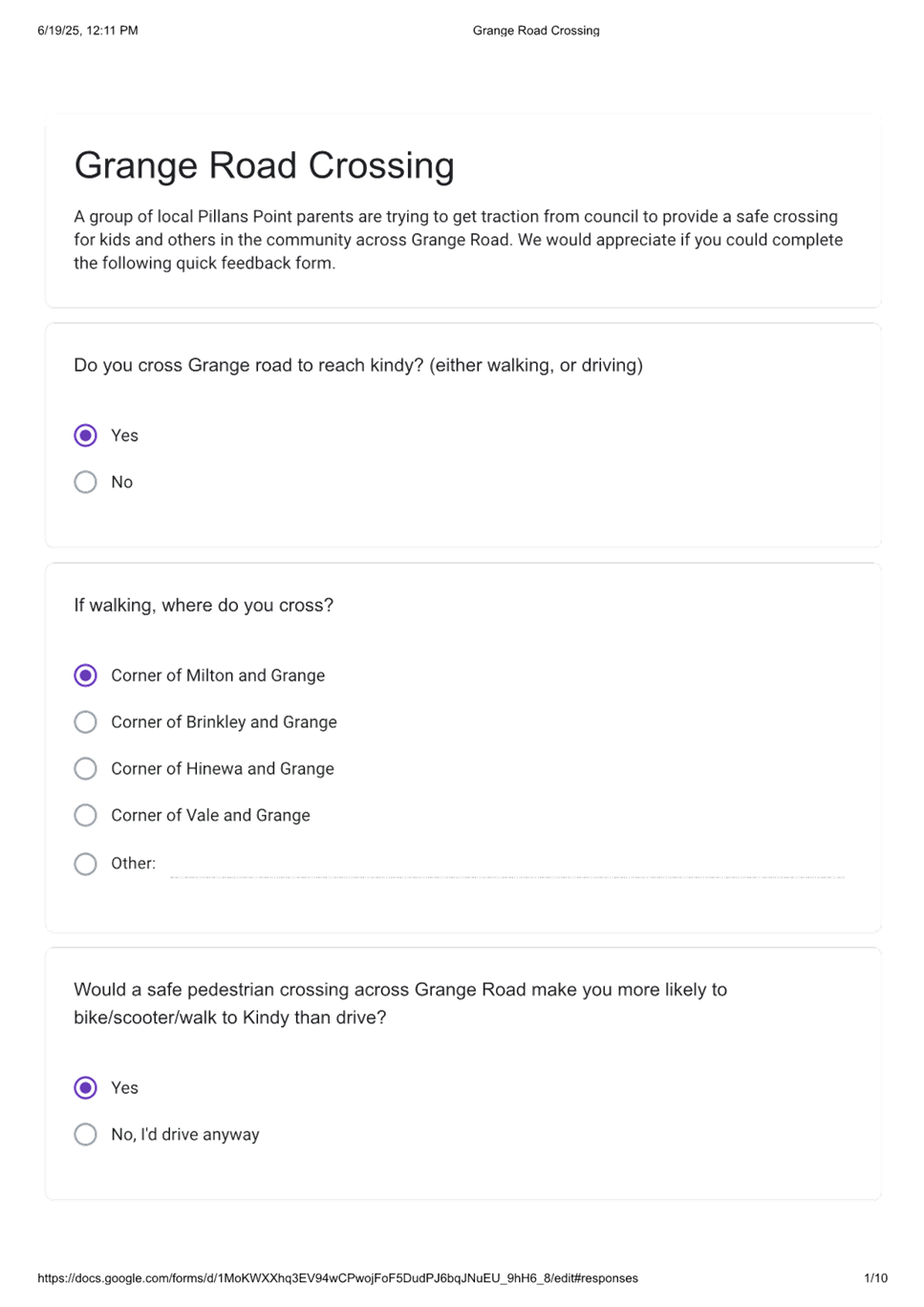
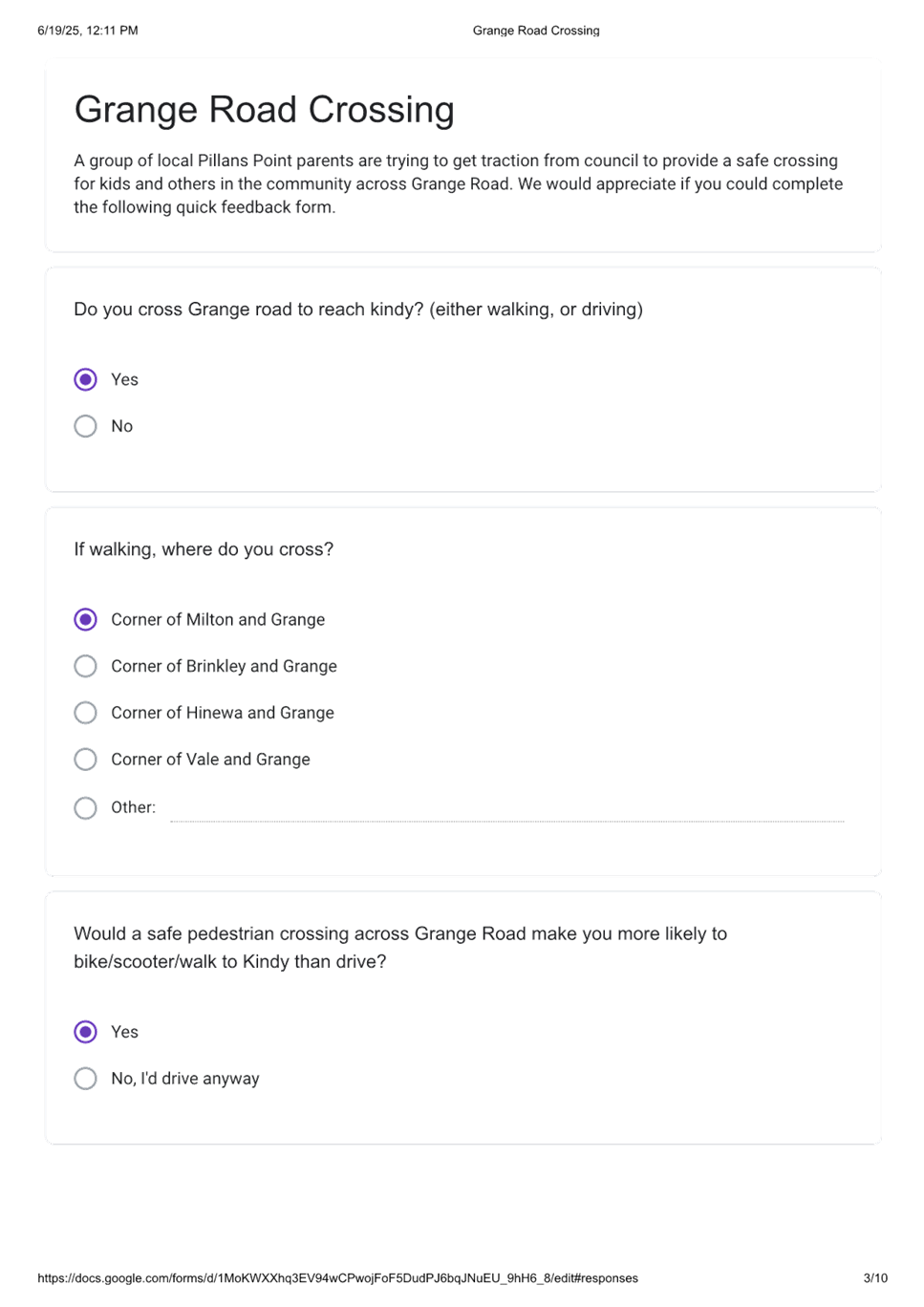
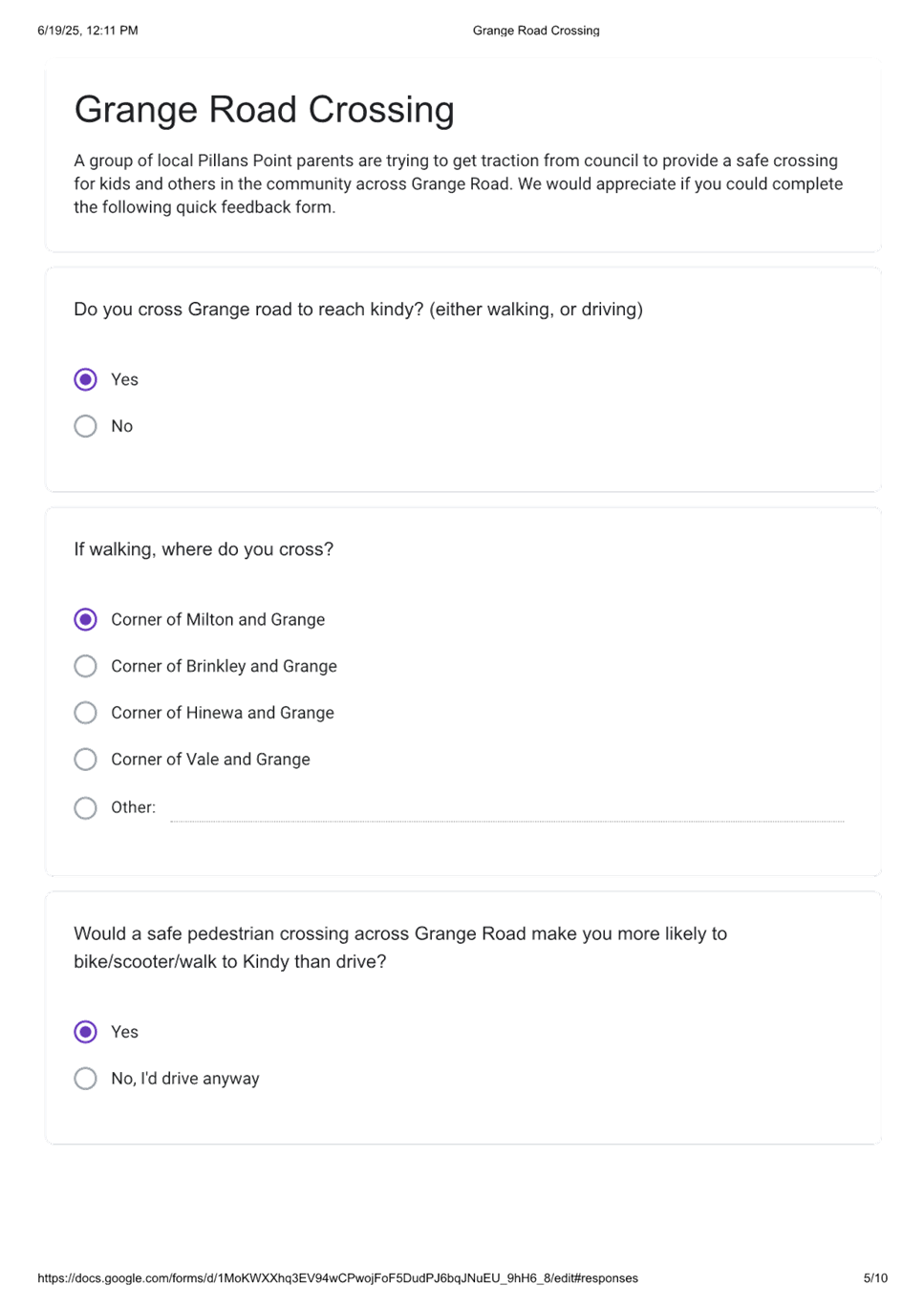
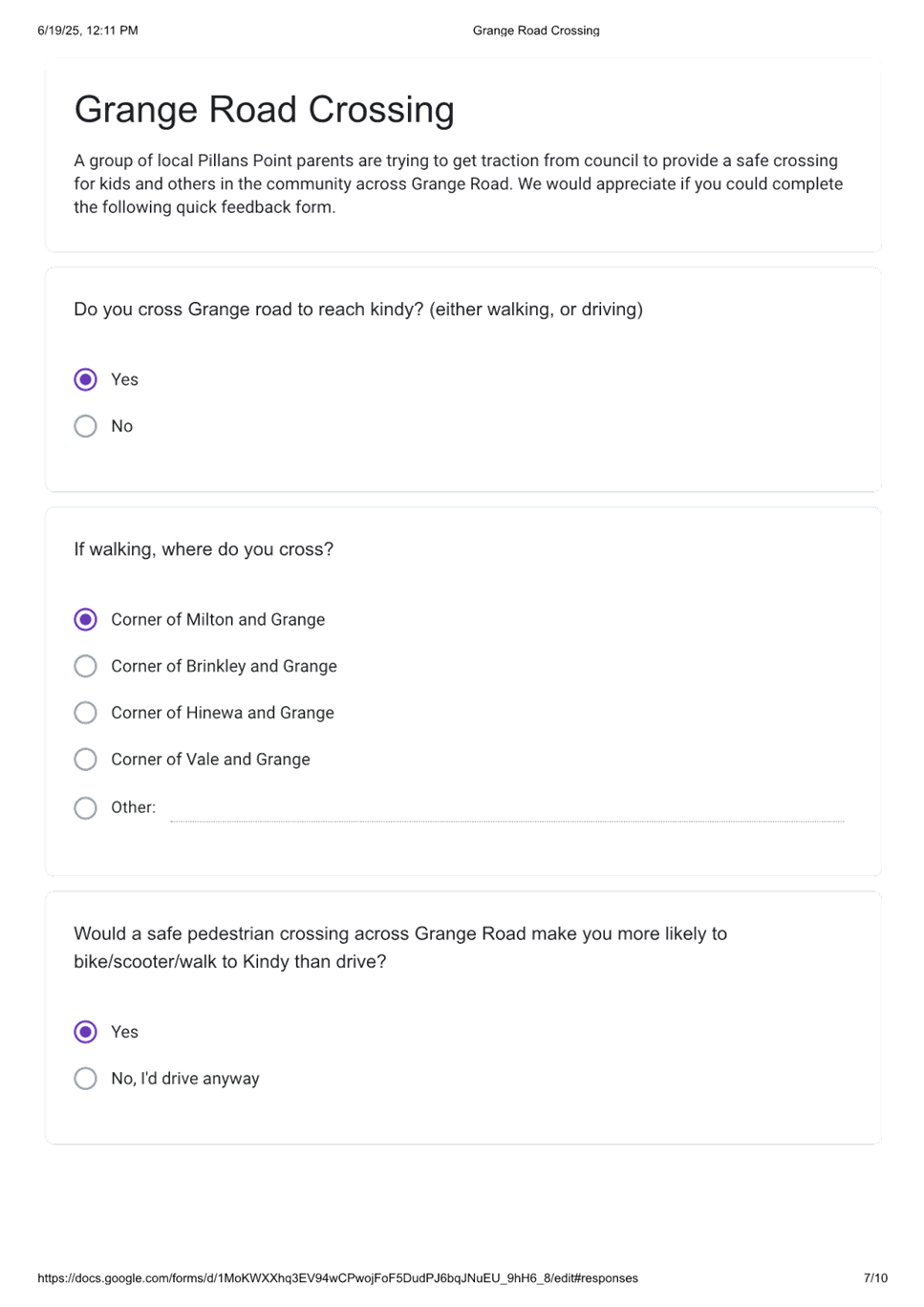
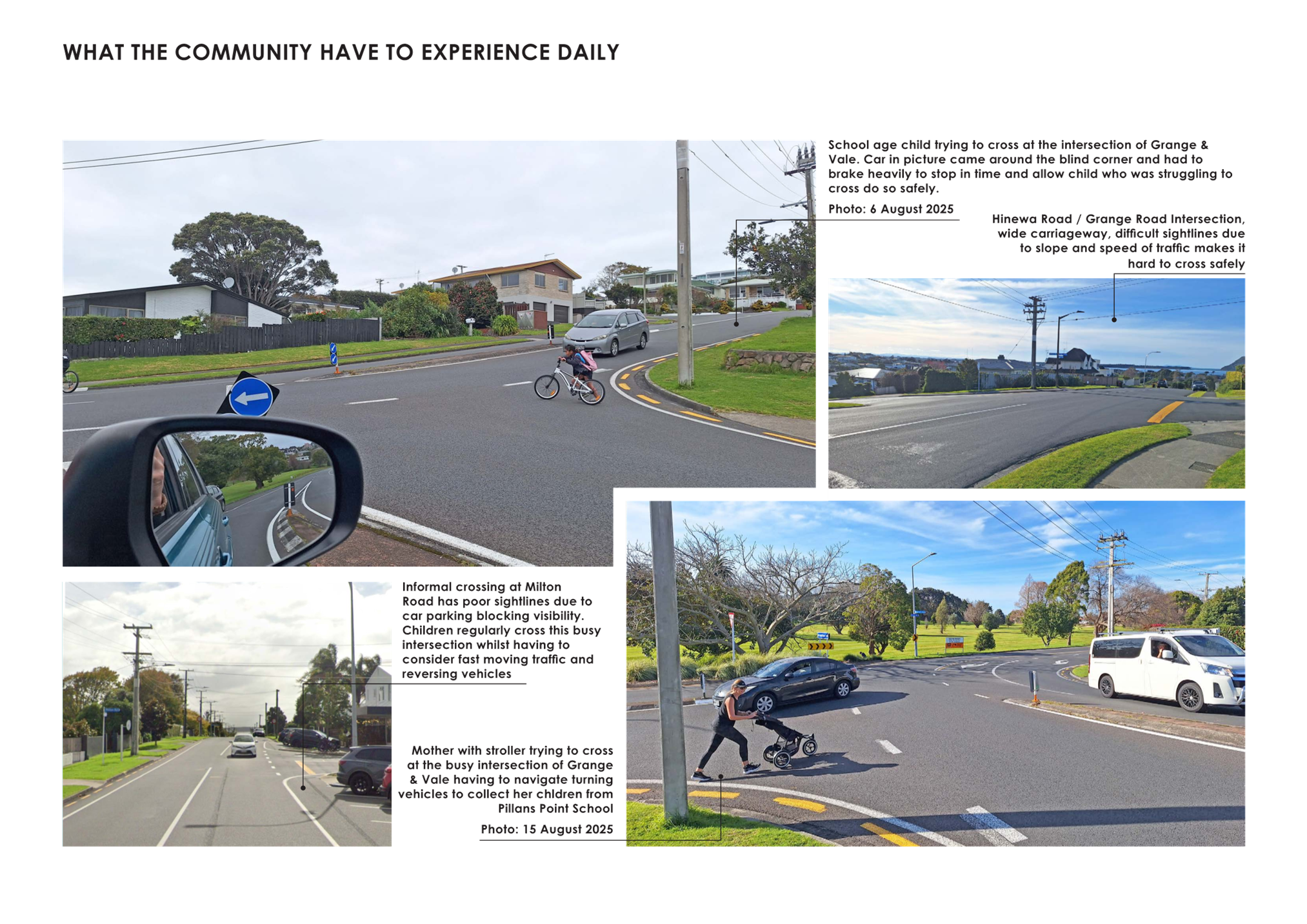
Price - Principal, Pillars Point School - Student Safety on Grange Road.
Attachments
Nil
3.4 Kate
McAuley - Safety Concerns on Grange Road
Attachments
Nil
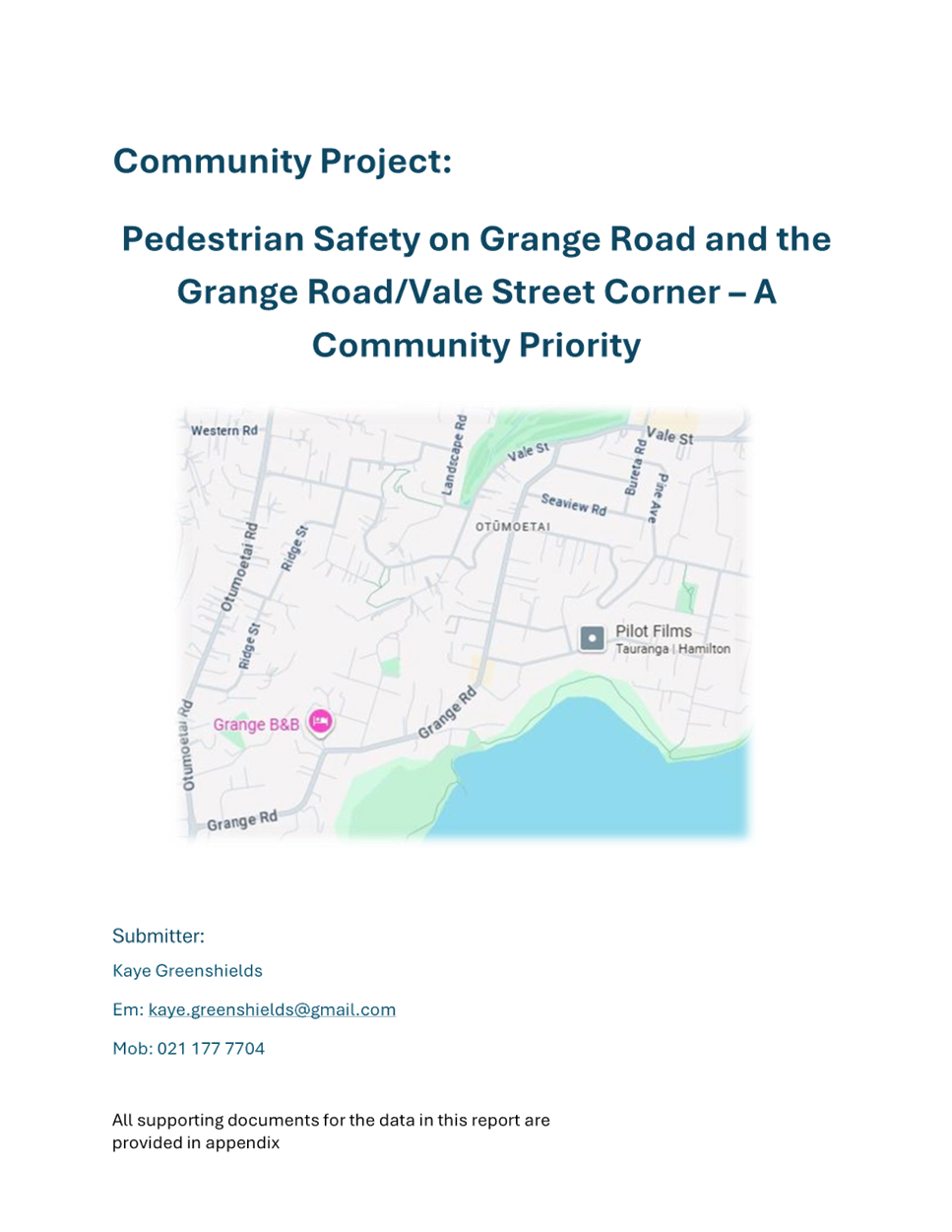
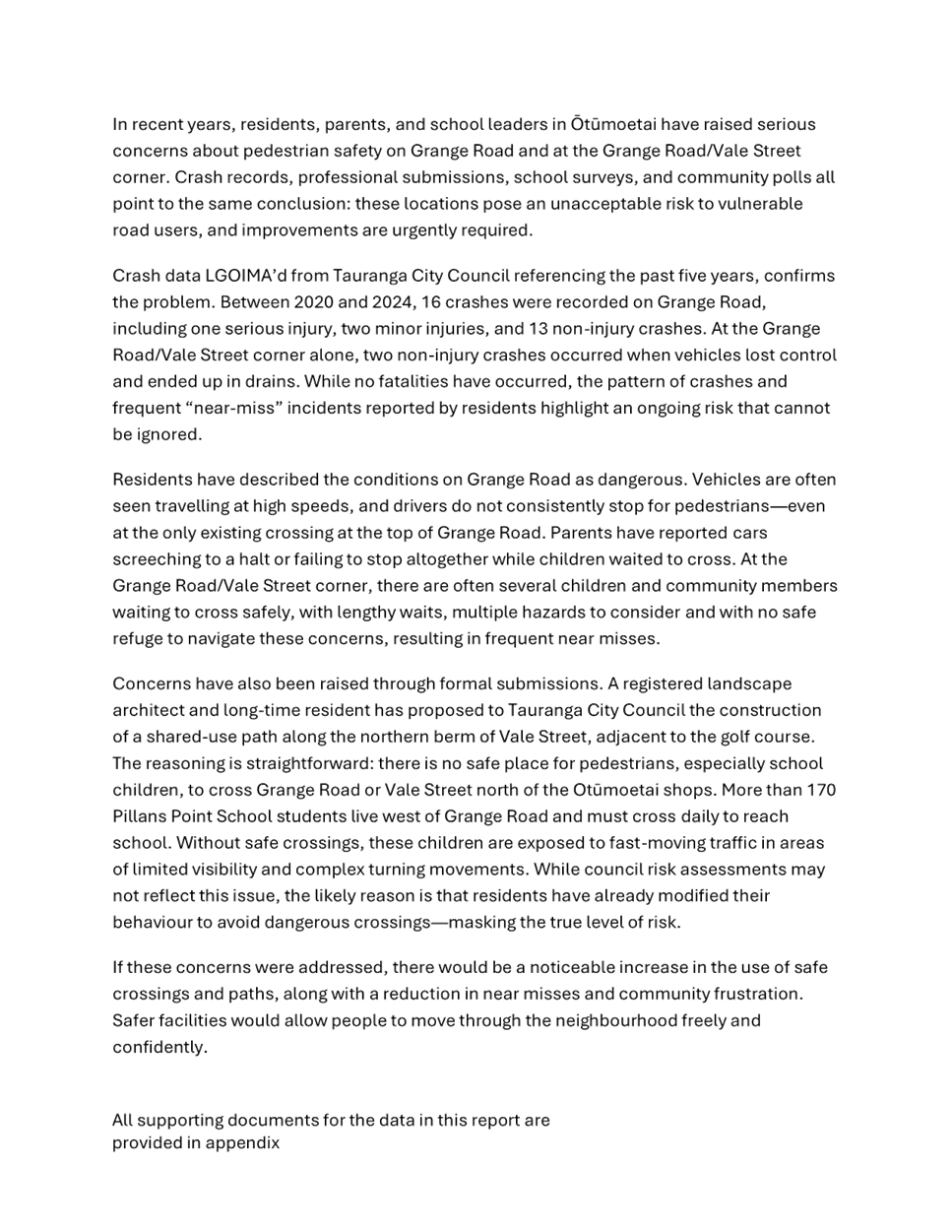
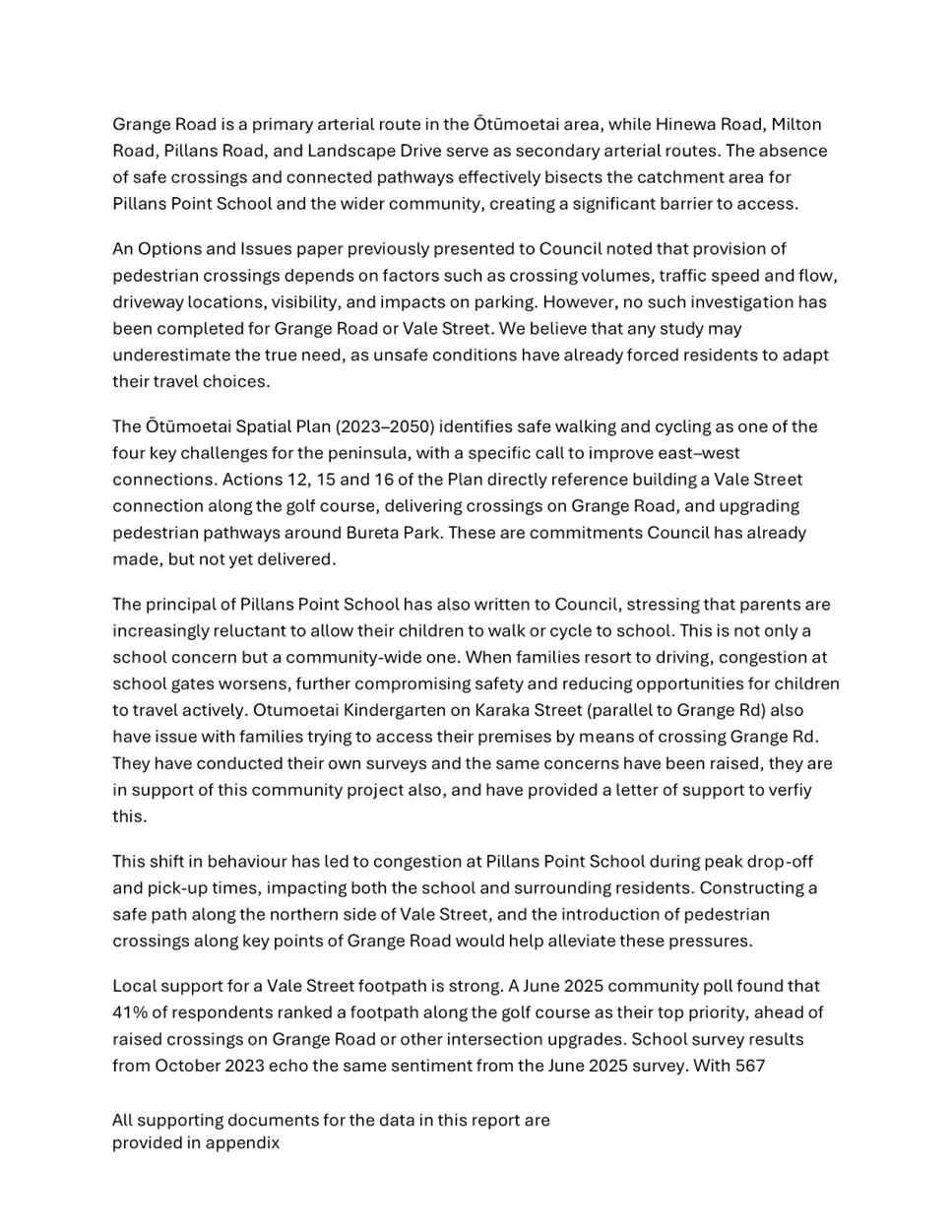
3.5 Kaye
Greenshields - Safety Concerns on Grange Road
Attachments
1. Kaye
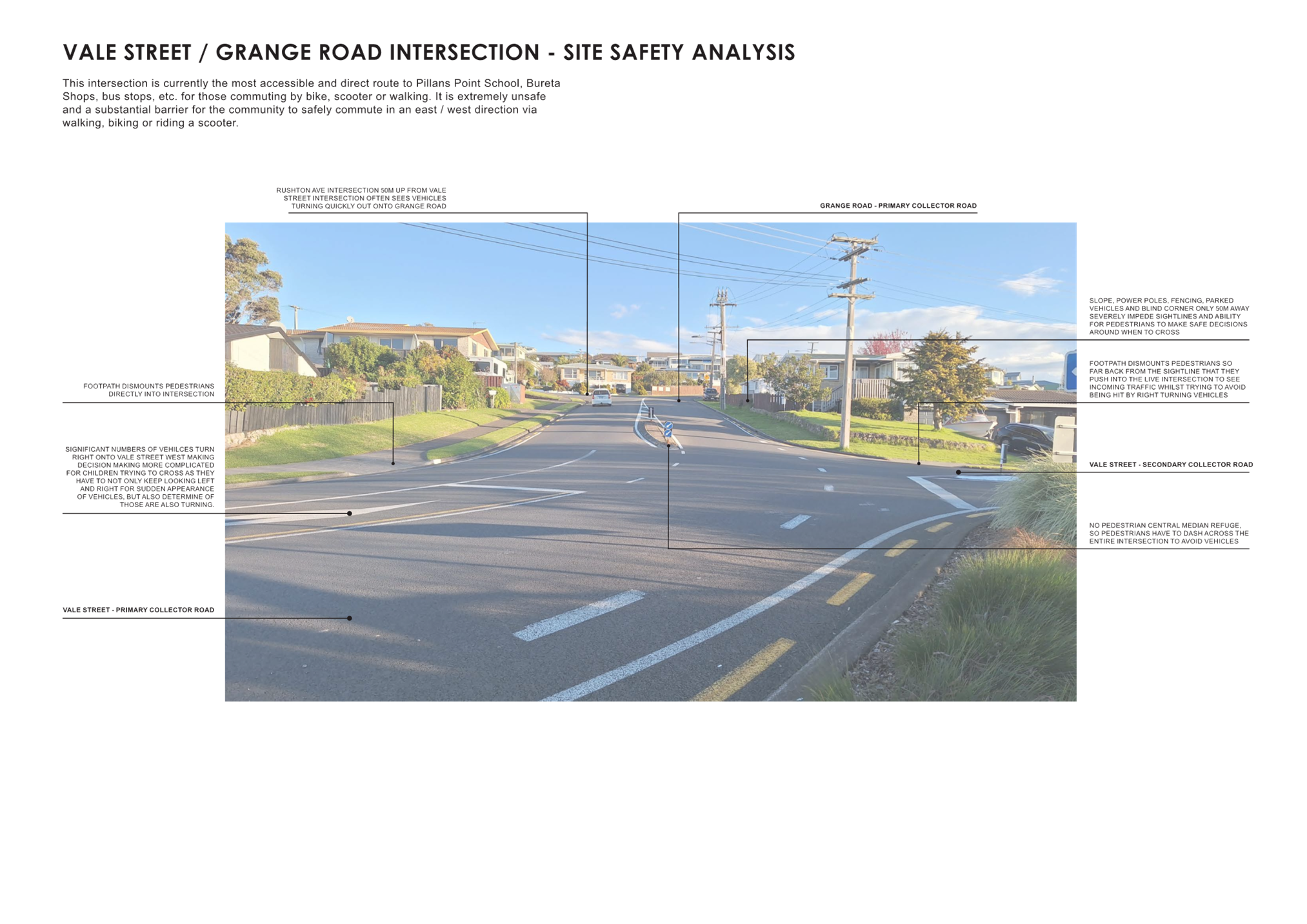
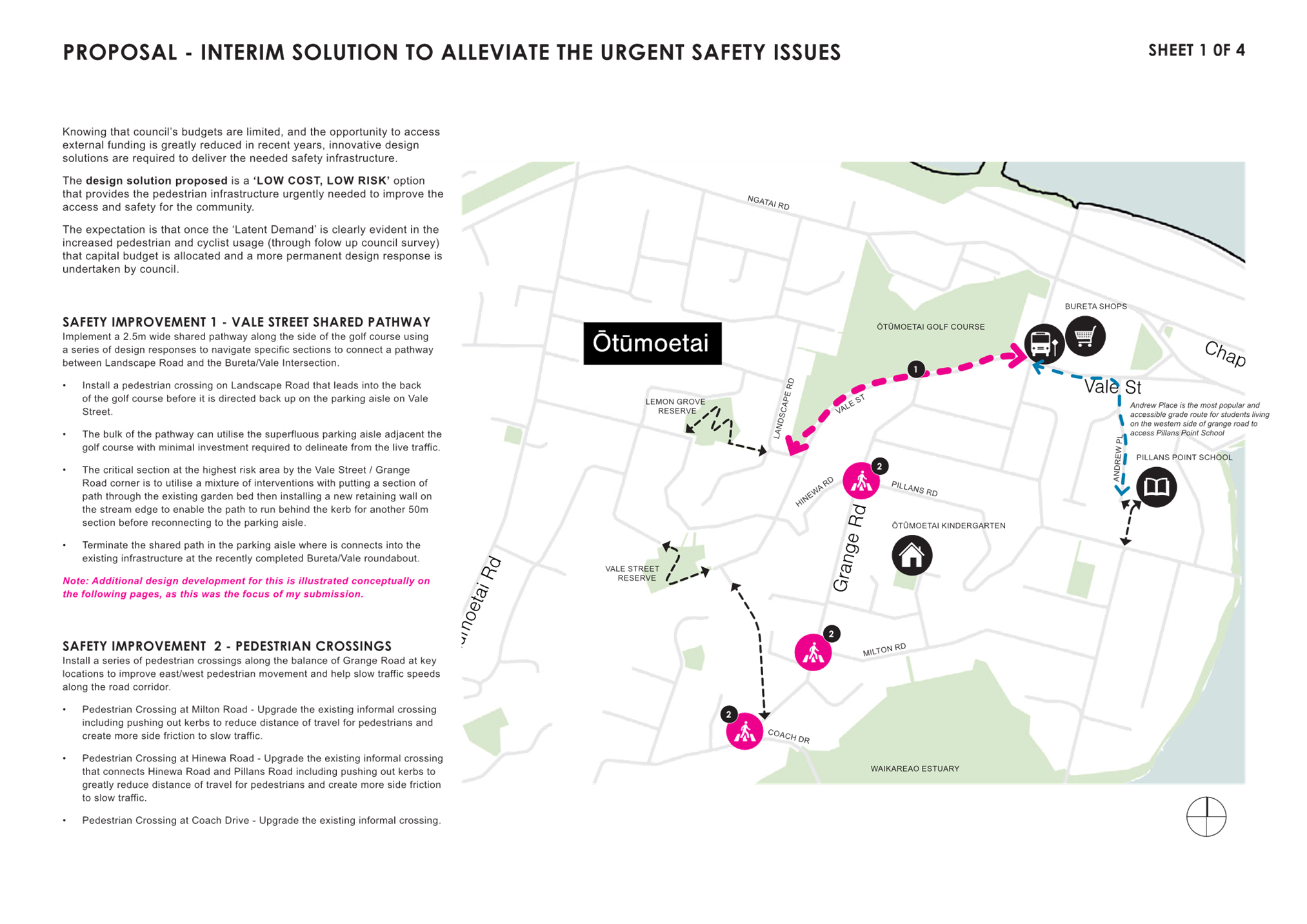
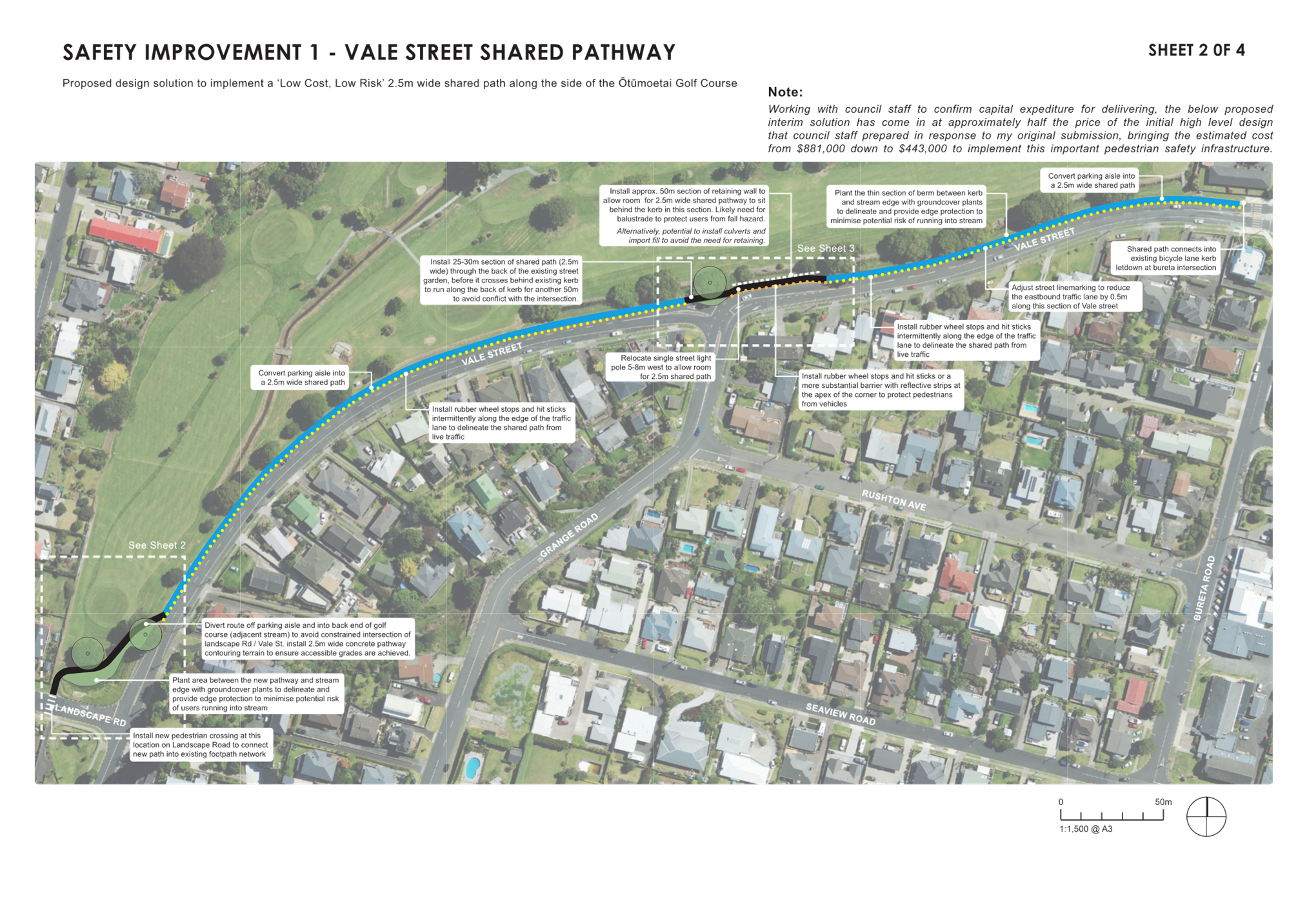
Greenshields Public Forum - Pedestrian safety GrangeRd ValeSt - A18942503 ⇩ 
|
City
Future Committee meeting Agenda
|
14
October 2025
|
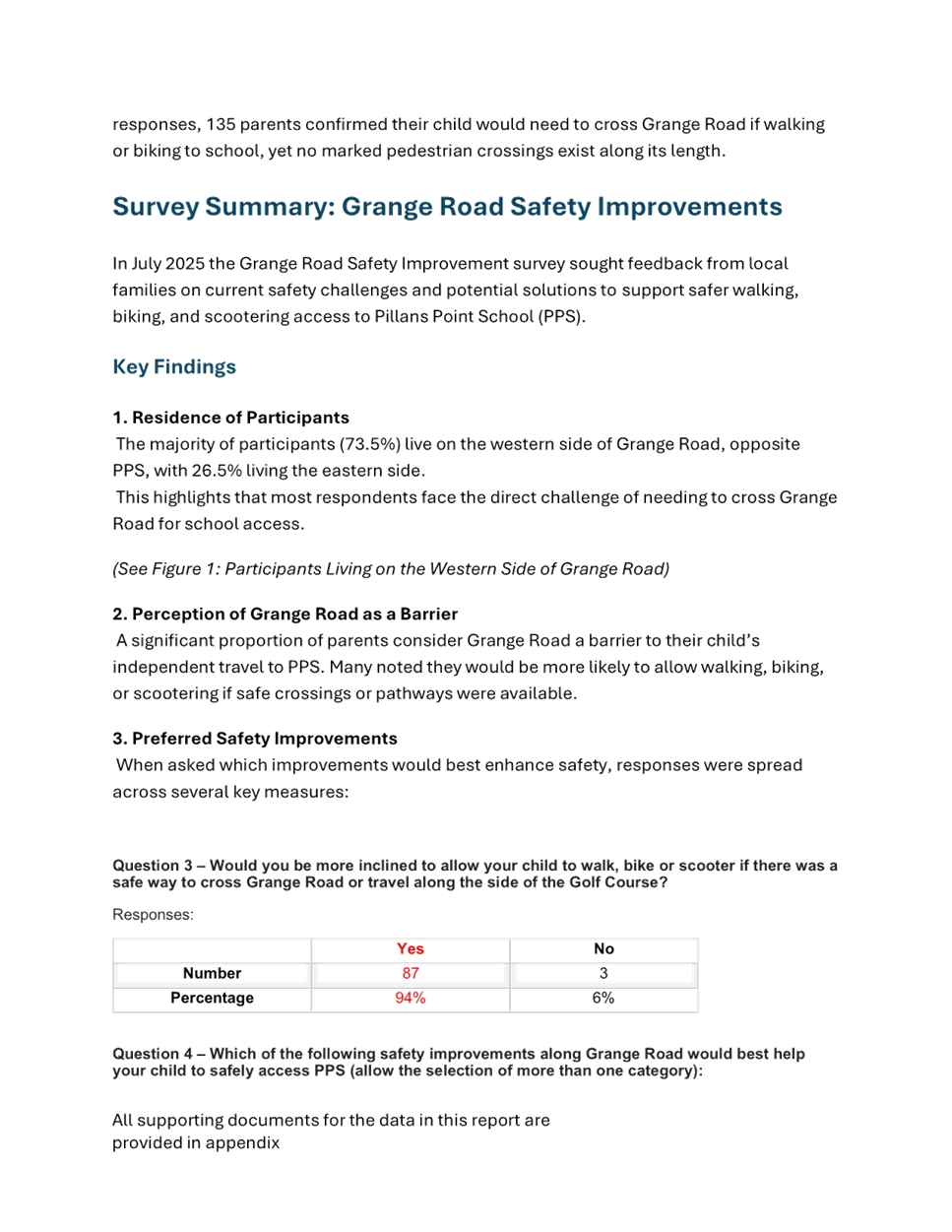
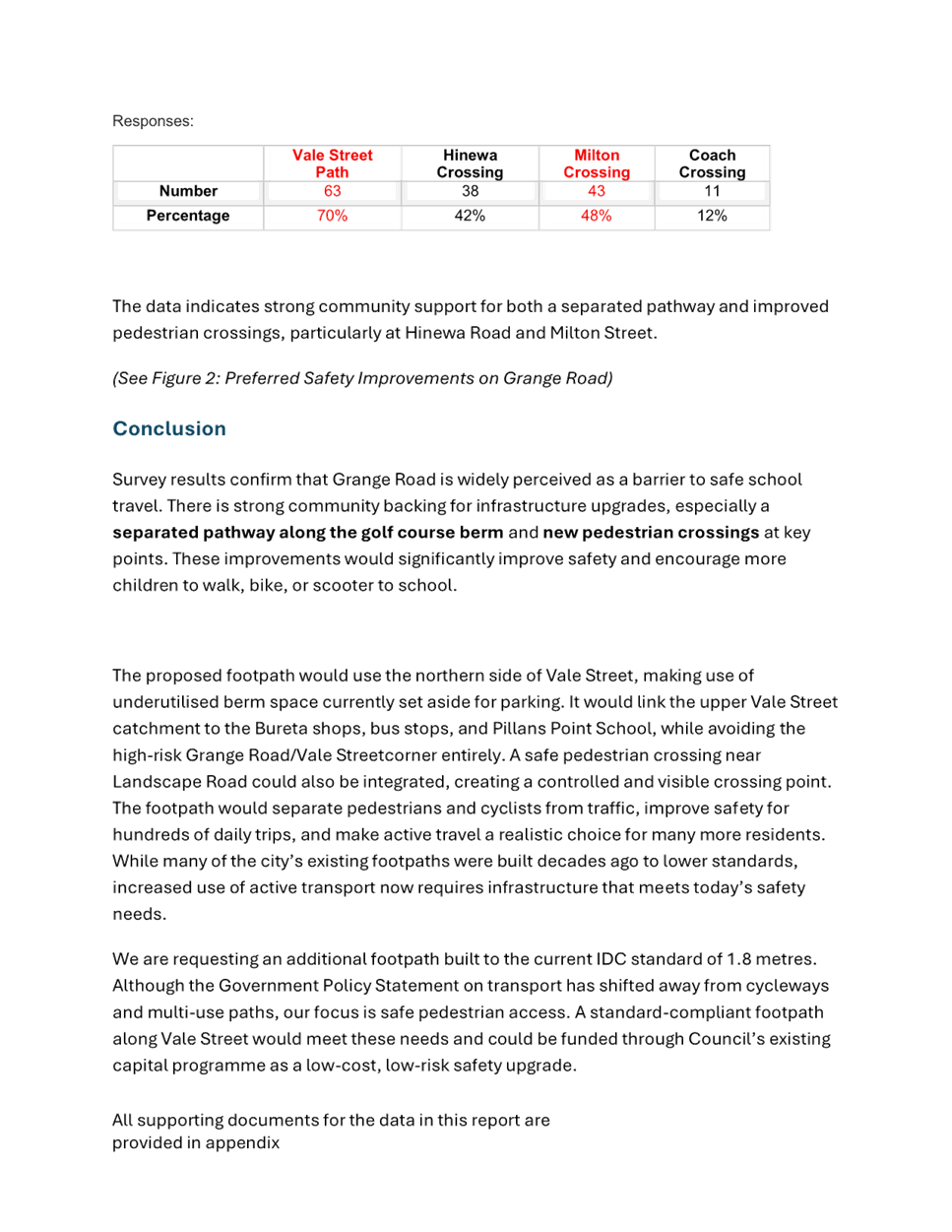
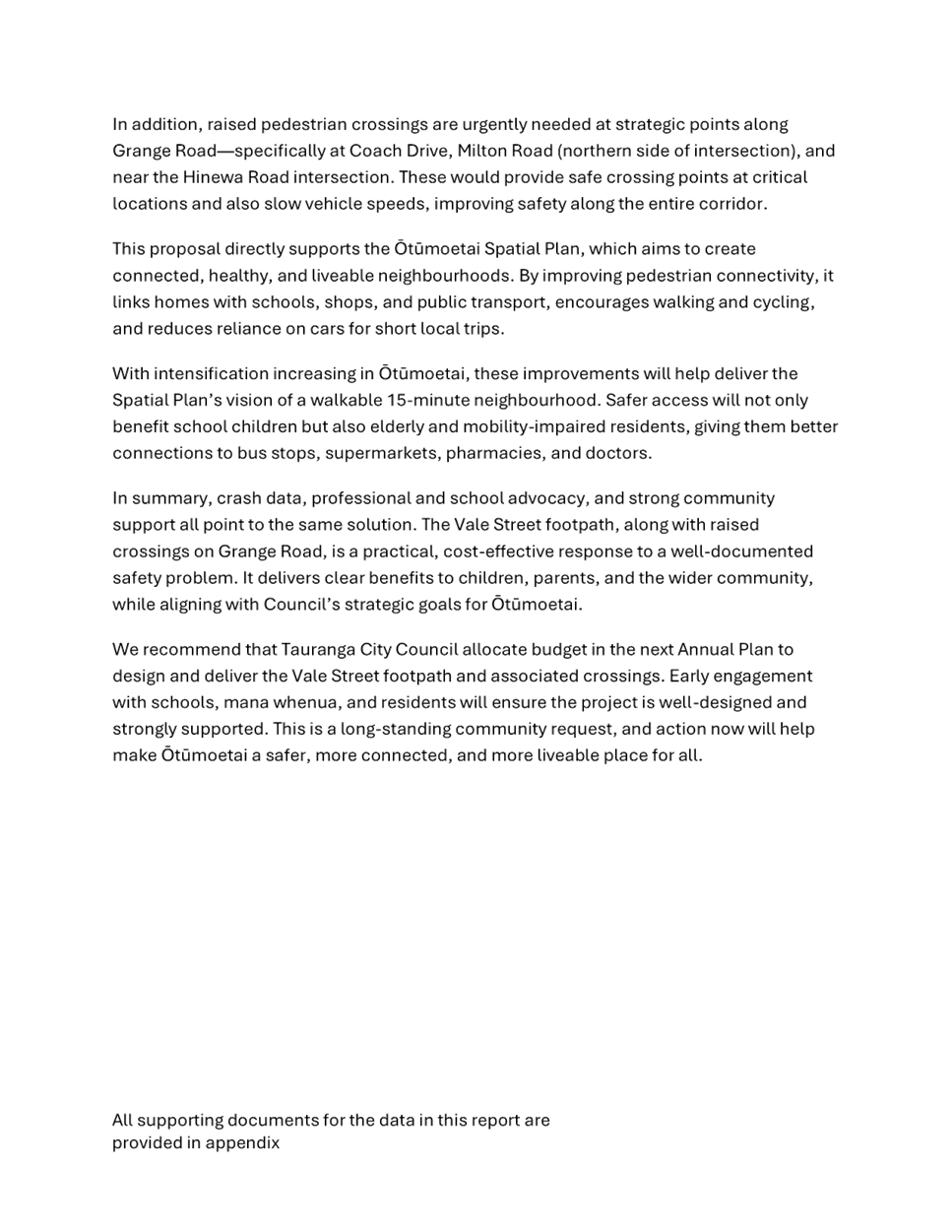

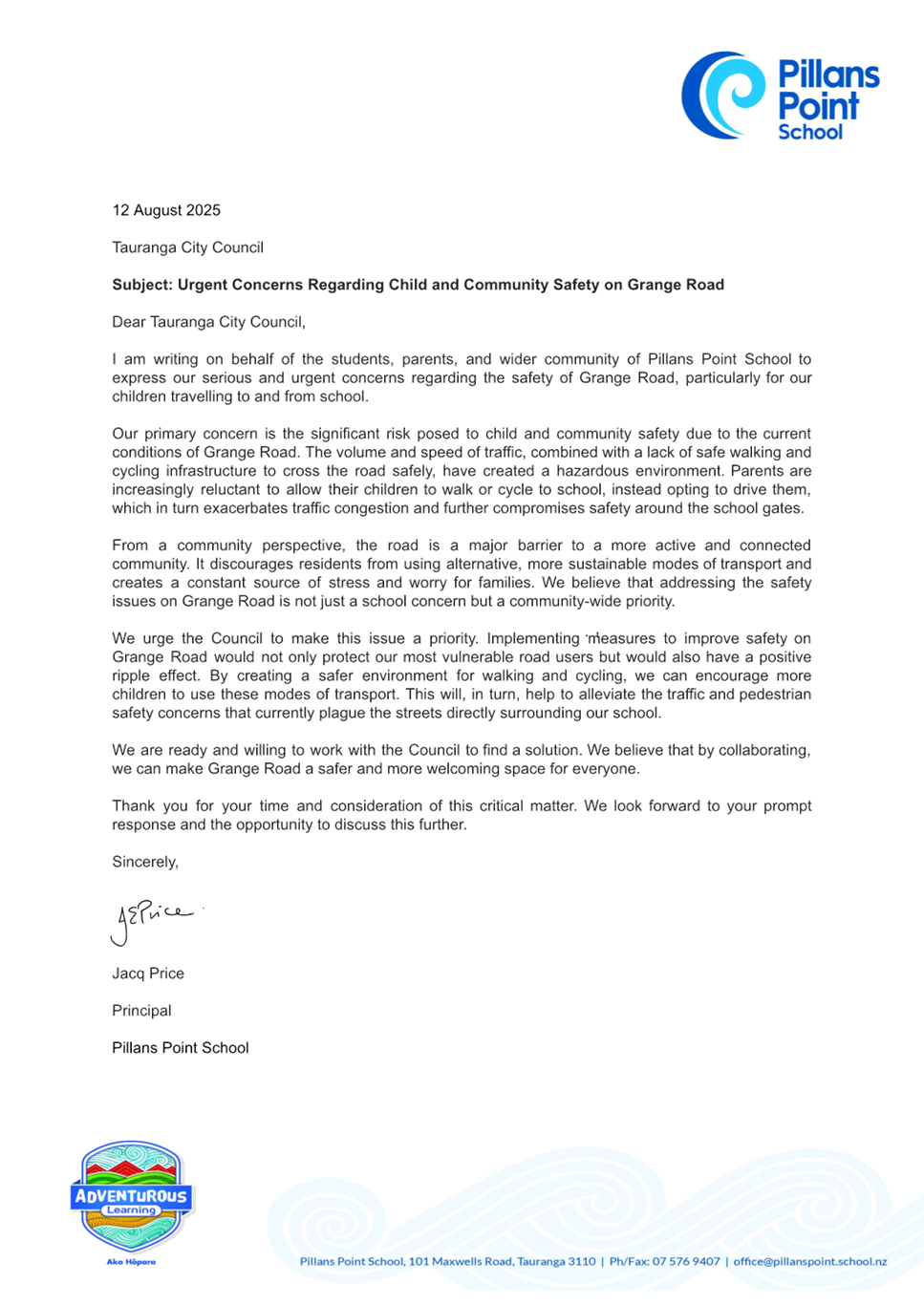
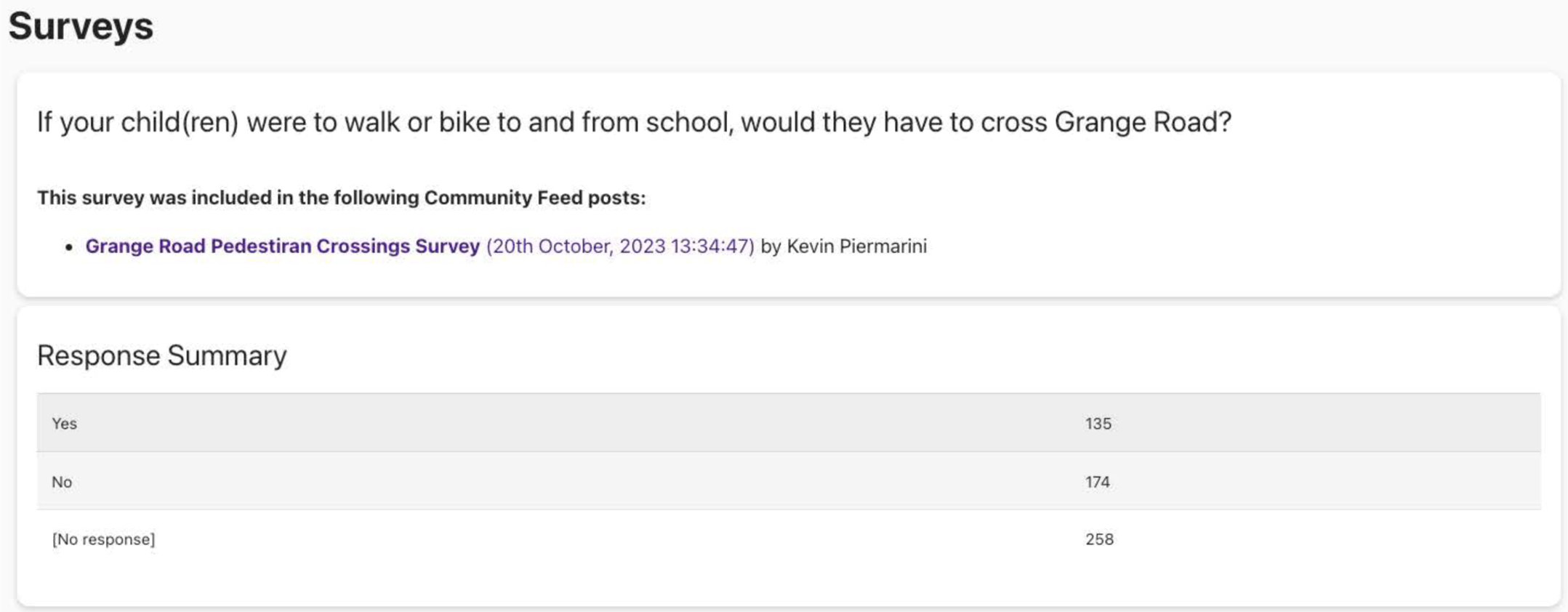
3.6 Bryan
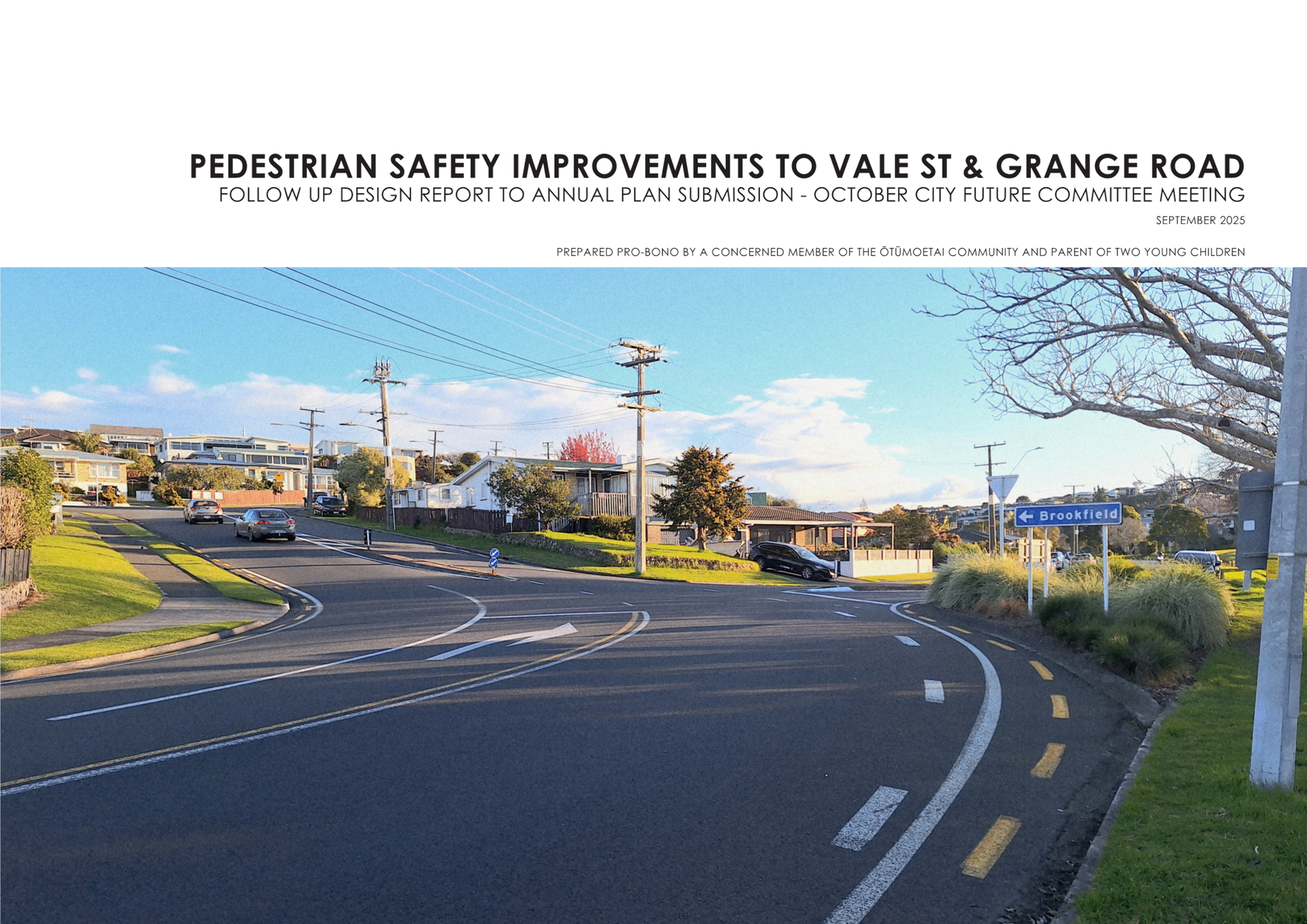
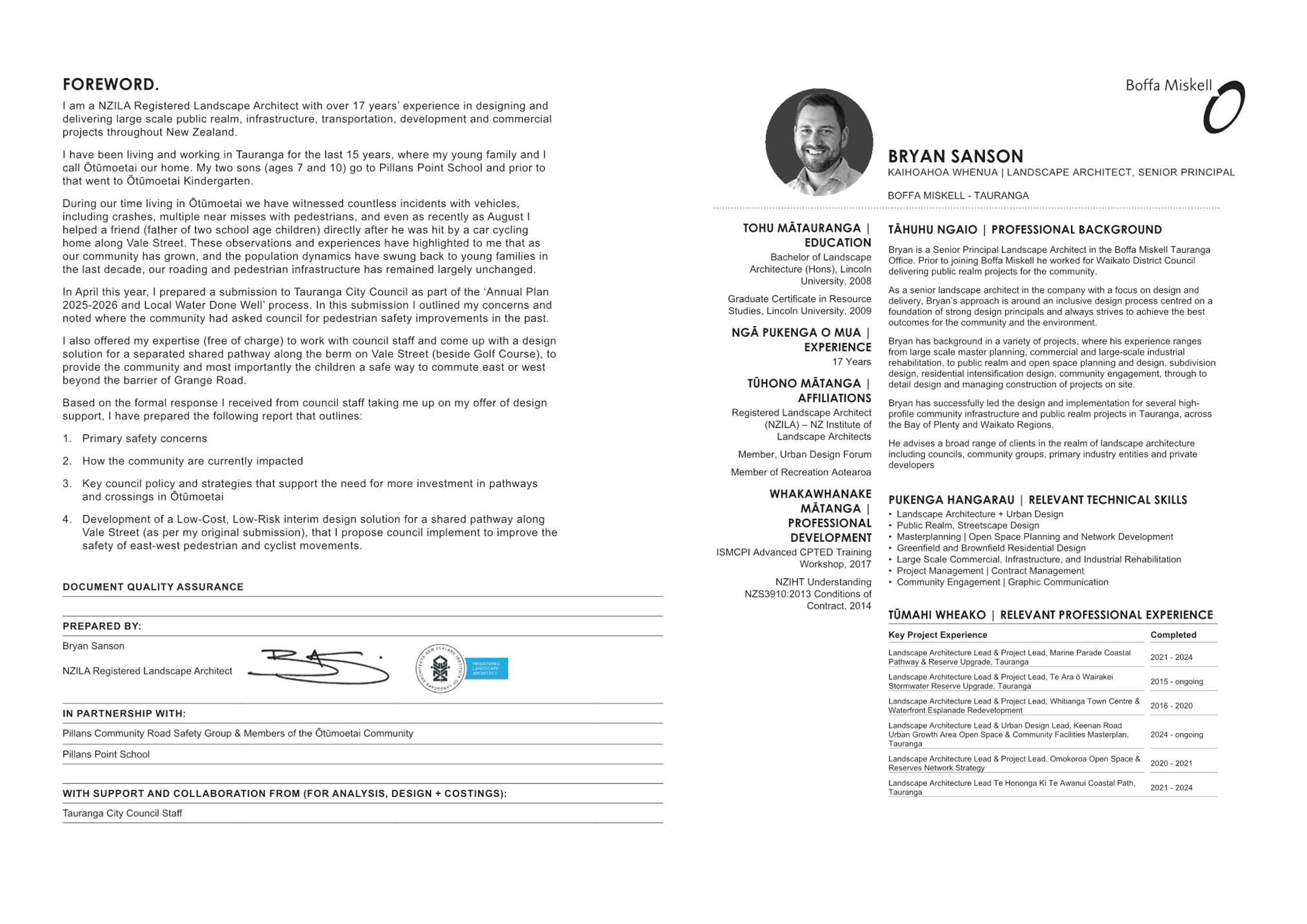
Sanson - Safety Concerns on Grange Road
Attachments
1. Bryan
Sanson - Public Forum - Otumoetai_Pedestrian_Safety_Improvements_Report_FINAL -
A18942536 ⇩
|
City
Future Committee meeting Agenda
|
14
October 2025
|
|
City Future Committee meeting Agenda
|
14 October 2025
|
7 Confirmation
of minutes
7.1 Minutes
of the City Future Committee meeting held on 12 August 2025
File
Number: A18935757
Author: Anahera
Dinsdale, Governance Advisor
Authoriser: Jeremy
Boase, Head of Strategy, Governance & Climate Resilience
|
Recommendations
That the Minutes of the
City Future Committee meeting held on 12 August 2025 be confirmed as a true
and correct record.
|
Attachments
1. Minutes
of the City Future Committee meeting held on 12 August 2025
|
City Future
Committee meeting minutes
|
12 August 2025
|

|

|
|
MINUTES
City Future Committee meeting
Tuesday, 12 August 2025
|
Order of
Business
1 Opening karakia. 3
2 Apologies. 3
3 Public forum.. 4
3.1 Liz Davies - SociaLink - Speaking about planning for people and
social infrastructure in new developments. 4
3.2 Teisha Jackson - Speaking about 'Sleep n Go Pod' 4
4 Acceptance of late items. 5
5 Confidential business to be transferred into the open. 5
6 Change to order of business. 5
7 Confirmation of minutes. 5
7.1 Minutes of the City Future Committee meeting held on 16 June 2025. 5
8 Declaration of conflicts of interest 5
9 Business. 5
9.1 Status Update on actions from prior City Future Committee meetings. 5
9.2 Quarterly Update - Growth, Land Use Planning and Transport Strategy
Projects - August 2025. 6
9.3 Te Tumu Wastewater Servicing Options. 6
9.4 Waters Planning Update. 7
9.5 Submission on Phase 2 of the Resource Management Reforms - Going for
Housing Growth. 8
9.6 Lead Level of Service Policy Review.. 8
10 Discussion of late items. 9
11 Closing karakia. 9
MINUTES OF Tauranga City
Council
City Future Committee meeting
HELD AT THE Tauranga City
Council Chambers, Level 1 - 90 Devonport Road, Tauranga
ON Tuesday, 12 August 2025 AT
9.30am
|
MEMBERS
PRESENT:
|
Cr Marten
Rozeboom (Chair), Cr Rod Taylor, Cr Hautapu Baker, Cr Glen Crowther, Cr Rick
Curach, Cr Steve Morris, Cr Kevin Schuler, Mayor Mahé Drysdale, Mr
Arthur Flintoff, Cr Hēmi Rolleston
|
|
IN
ATTENDANCE:
|
Marty Grenfell
(Chief Executive), Paul Davidson (Chief Financial Officer), Barbara Dempsey
(General Manager: Community Services), Nic Johansson (General Manager:
Infrastructure), Christine Jones (General Manager: Strategy, Growth &
Governance), Alastair McNeill (General Manager: Corporate Services), Sarah
Omundsen (General Manager: Regulatory & Compliance), Gareth Wallis
(General Manager: City Development & Partnerships), Andy Mead (Manager:
City Planning & Growth), Carl Lucca (Team Leader: Structure Planning),
Brad Bellamy (Principal Planner (Structure Planning)), Wally Potts (Director:
City Waters), Peter Bahrs (Manager: Water Services), Claudia Hellberg (Team
Leader: City Waters Planning), Clare Sullivan (Team Leader: Governance
Services) and Anahera Dinsdale (Governance Advisor).
|
|
EXTERNAL:
|
Liz Davies
(SociaLink), Teisha Jackson & Rānui Samuels (Sleep N Go Pod)
|
Timestamps are included at the start of each item and signal
where the agenda item can be found in the recording of the meeting held on 12 August 2025 on Council's
YouTube channel.
1 Opening
karakia
Cr Hēmi Rolleston opened the meeting
with a karakia.
2 Apologies
|
Apology
|
|
Committee Resolution CFC/25/5/1
Moved: Cr
Rick Curach
Seconded: Cr Marten Rozeboom
That the apology for absence received
from Deputy Mayor Jen Scoular and lateness from Mayor Drysdale be accepted.
Carried
|
3 Public forum
Timestamp: 2:03 minutes
|
3.1 Liz
Davies - SociaLink - Speaking about planning for people and social
infrastructure in new developments
|
|
Key Points
·
Community wellbeing had to be placed at the
heart of planning for the city’s future.
·
Thriving communities didn’t just happen,
they were the result of intentional planning.
·
Ms Davies had been asked by Councillors, in
response to community request, to undertake a community and social services
assessment in Pāpāmoa East due to the lack of services and
community spaces available, to support people who were unable to travel to
Tauranga. She had also made a submission to the Annual Plan based on
social infrastructure.
·
Council needed to rely on Central Government
to assist in social infrastructure and this was lacking at times.
·
Ms Davies noted that she was available and
open to kōrero with Councillors.
In response
to questions
·
A report on an assessment of social
infrastructure for Pāpāmoa East would be developed by Socialink and
be available November 2025. It would be useful to hold a workshop with
Elected Members once the report was completed for further discussion on the
issue.
|
Timestamp: 10:05 minutes
|
3.2 Teisha
Jackson and Rānui Samuels - Speaking about 'Sleep n Go Pod'
|
|
Key Points
·
Tauranga faced a problem of people finding
somewhere safe to sleep. Homelessness in Tauranga was rising, noting that many
people worked but could not afford to pay rent.
·
Manaakitanga was at the heart of Sleep N Go.
The solution was practical, scalable and designed to meet the multiple needs
of travellers, workers and those in need.
·
The Sleep N Go initiative offered three models
all fitted with power source, ventilation and lighting. These included:
o Pods in small fixed locations located in CBD areas ideally near
transport hubs.
o Buses converted to coach with private sleeping bags and available
and on demand.
o Sleep N Go Motel, housing 30-40 pods in a warehouse.
·
The Sleep N Go initiative was of a high
standard, had controlled entry, CCTV, fire safety and at base bookings where
appropriate.
·
Mr Samuels noted they would like to partner
with Council and with Council’s support, Sleep N Go pods would be able
to deploy within months and not years.
Action
·
That staff report back to Elected Members on
other avenues of funding and grants outside of the Annual Plan.
|
4 Acceptance of
late items
Nil
5 Confidential
business to be transferred into the open
Nil
6 Change to
order of business
Nil
7 Confirmation
of minutes
Timestamp: 20:50 minutes
8 Declaration
of conflicts of interest2QQ
Nil
9 Business
Timestamp: 21:37 minutes
|
9.1 Status
Update on actions from prior City Future Committee meetings
|
|
Staff Christine Jones, General Manager: Strategy, Growth &
Governance
|
|
Committee
Resolution CFC/25/5/3
Moved: Cr
Hautapu Baker
Seconded: Cr Marten Rozeboom
That the City
Future Committee:
(a) Receives the
report "Status Update on actions from prior City Future Committee
meetings".
Carried
|
Timestamp: 22:12 minutes
|
9.2 Quarterly
Update - Growth, Land Use Planning and Transport Strategy Projects - August
2025
|
|
Staff Andy Mead, Manager: City Planning & Growth
Christine
Jones, General Manager: Strategy, Growth & Governance
Nic
Johansson, General Manager: Infrastructure
Actions
·
Staff provide a report to the Tauranga and
Western Bay of Plenty Transport Committee around the connection between Transport
Strategy Projects and the New Zealand Transport Association Arterial routes
projects.
·
Staff provide the Committee with a report that
includes the minimum, medium and maximum average costs for the new dwellings
typologies.
At 10.08am, Mayor Mahé Drysdale
entered the meeting.
|
|
Committee Resolution CFC/25/5/4
Moved: Cr
Rod Taylor
Seconded: Cr Rick Curach
That the City
Future Committee:
(a) Receives the
report "Quarterly Update - Growth, Land Use Planning and Transport
Strategy Projects - August 2025".
(b) Notes that
the Government’s ‘plan stop’ announcements are highly
likely to affect the planning pathway for the following projects with low
probability for a plan change under the RMA:
(i) Keenan
Road urban growth area
(ii) Review
of industrial and commercial zoned areas
(iii) Proposed
Upper Belk Road urban growth area.
(c) Notes that
the Government’s ‘plan stop’ announcements may also affect
the planning pathway for the Te Tumu urban growth area project in the same
way as (b) above, and that staff will report back in the near future when
further information is available.
Carried
|
Timestamp: 56:48 minutes
|
9.3 Te
Tumu Wastewater Servicing Options
|
|
Staff Claudia Hellberg, Team Leader: City Waters Planning
Andy
Mead, Manager: City Planning & Growth
Brad
Bellamy, Principal Planner (Structure Planning)
Nic
Johansson, General Manager: Infrastructure
Actions
That staff
report back to the Committee on:
·
The resilience of the wastewater system if
delivered.
·
The impact costs if delivered in an
alternative way.
·
The cost breakdown for Te Tumu wastewater
services and include the Development Contribution’s depended on if
needed to complete the project and what does not need to be included in the
delivery.
|
|
Committee Resolution CFC/25/5/5
Moved: Mayor
Mahé Drysdale
Seconded: Cr Steve Morris
That the City
Future Committee:
(a) Receives the
report "Te Tumu Wastewater Servicing Options ".
(b) Notes the
Eastern Corridor Wastewater options reassessment project programmed for the
2025/26 financial year and that this project will involve the Te Tumu
landowners and the parallel wastewater investigations they are undertaking.
(c) Notes that
staff will continue to liaise with developers who wish to deliver alternative
wastewater infrastructure at their own cost, subject to all relevant
planning, technical, and statutory requirements, and that staff will report
back on the options developers have considered.
(d) Notes that
there is infrastructure challenges associated with Te Tumu other than
wastewater servicing (particularly access and stormwater management) and
these need to be resolved as a package to enable development to proceed.
Carried
|
At 11.05am the meeting adjourned.
At 11.15am the meeting reconvened.
Timestamp: 1 hour 46:30 minutes
|
9.4 Waters
Planning Update
|
|
Staff Claudia Hellberg, Team Leader: City Waters Planning
Peter Bahrs, Manager: Water Services
Nic Johansson, General Manager: Infrastructure
Actions
That staff
provide the Committee with:
·
The indicative costs for Cameron Road
stormwater delivery.
·
The Cherrywood Shopping Centre stormwater
costs and funding source (development contributions and rates funded).
·
The Mana whenua working group names mentioned
in paragraph 13 of the report.
|
|
Committee Resolution CFC/25/5/6
Moved: Cr
Glen Crowther
Seconded: Cr Marten Rozeboom
That
the City Future Committee:
(a)
Receives the report "Waters Planning
Update".
Carried
|
Timestamp: 2 hours 11:40 minutes
|
9.5 Submission
on Phase 2 of the Resource Management Reforms - Going for Housing Growth
|
|
Staff Carl Lucca, Team Leader: Structure Planning
Ashlee Peters, Senior Planner (Policy)
Andy Mead , Manager: City Planning & Growth
Christine
Jones, General Manager: Strategy, Growth & Governance
The Chair noted
that the members had previously held open meetings and workshops on this item
which were available on Council’s YouTube Channel and invited any
members of the public who wished to have a further discussion on this to
reach out to any of the Elected Members.
|
|
Committee Resolution CFC/25/5/7
Moved: Cr
Glen Crowther
Seconded: Cr Hautapu Baker
That the City
Future Committee:
(a) Receives the
report "Submission on Phase 2 of the Resource Management Reforms - Going
for Housing Growth".
(b) Endorses the
submission on Phase 2 of the Resource Management Reforms – Going for
Housing Growth (Attachment 1).
(c) Approves
delegation to the General Manager: Strategy, Growth & Governance to make
minor and editorial changes to the submission.
Carried
|
Timestamp: 2 hours 11:45 minutes
|
9.6 Lead
Level of Service Policy Review
|
|
Staff Vicky Grant-Ussher, Policy Analyst
Christine
Jones, General Manager: Strategy, Growth & Governance
|
|
Committee Resolution CFC/25/5/8
Moved: Cr
Rod Taylor
Seconded: Cr Marten Rozeboom
That the City
Future Committee:
(a) Receives the
report "Lead Level of Service Policy Review".
(b) Agrees to
update the name of the policy to “Standards for Developing Levels of
Service Policy”
(c) Agrees to
adopt the updated Standards for Developing Levels of Service Policy with
immediate effect (attachment 1).
Carried
|
10 Discussion of late items
Nil
11 Closing karakia
Cr Hēmi Rolleston closed the meeting
with a karakia.
The meeting closed at 12pm.
The minutes of this meeting were
confirmed as a true and correct record at the City Future Committee meeting
held on 14 October 2025.
......................................................
Cr Marten Rozeboom
CHAIR
|
City Future Committee meeting Agenda
|
14 October 2025
|
8 Declaration
of conflicts of interest
|
City Future Committee meeting Agenda
|
14 October 2025
|
9 Business
9.1 Vale
Street, Windsor Road and Grange Road Safety Improvement Options
File
Number: A18654007
Author: Rhulani
Mothelesi, Senior Transport Engineer
Karen Hay, Team
Leader: Engineering Services
Authoriser: Nic
Johansson, Acting GM Transport & Water's divisions
Purpose of the Report
1. To update the City
Futures Committee on investigations into community-requested safety
improvements submitted through the 2025/26 Annual Plan process.
2. To present options
for improving access and safety along several routes and intersections
identified in the submissions
|
Recommendations
That the City Future
Committee:
(a) Receives the report
"Vale Street, Windsor Road and Grange Road Safety Improvement Options
".
(b) Thanks, Mr Sanson, Pillans
Point School principal and local community members, for their contribution to
this report and the effort and time taken to support the initiatives.
(c) Endorses the following
recommended option and associated costs:
(i) On-road path along Vale
Street using existing shoulder and a pedestrian refuge near Grange Road.
Estimated cost ~$443 to~$497K.
(ii) Convert Windsor Road
to one-way southbound with a bi-directional cycleway on the eastern side.
~200k
(iii) Install a zebra crossing
near Milton Road to support vulnerable users. ~ $150-$170K
(iv) Undertake further design to
determine the possibility of a crossing upgrades at
Grange–Pillans–Hinewa intersection, noting the current
constraints.
(d) Notes that the following are
not recommended at this stage but will be monitored.
(i) A pedestrian crossing
at Vale–Landscape intersection and
(ii) The upgrade of the
pedestrian island at Grange-Coach as it is deemed appropriate given traffic
volumes.
(e) Endorses the inclusion of the
recommended safety improvement projects in the transport capital programme.
Due to the scale of the programme and existing budget constraints, these
projects will be prioritised against other projects and considered through the
Annual Plan and Long-Term Plan processes.
(f) Targets delivery in the
2026/27 financial year, subject to prioritisation and funding approval.
(g) Funding of these projects is
expected to be fully covered by Council, as NZTA is unlikely to contribute
51%, given current government priorities.
|
Executive Summary
3. Following
Council’s 26 May 2025 annual plan deliberations, staff investigated
safety concerns raised in submissions about pedestrian and cycle access in
Ōtūmoetai — including access to Pillans Point School and Bureta
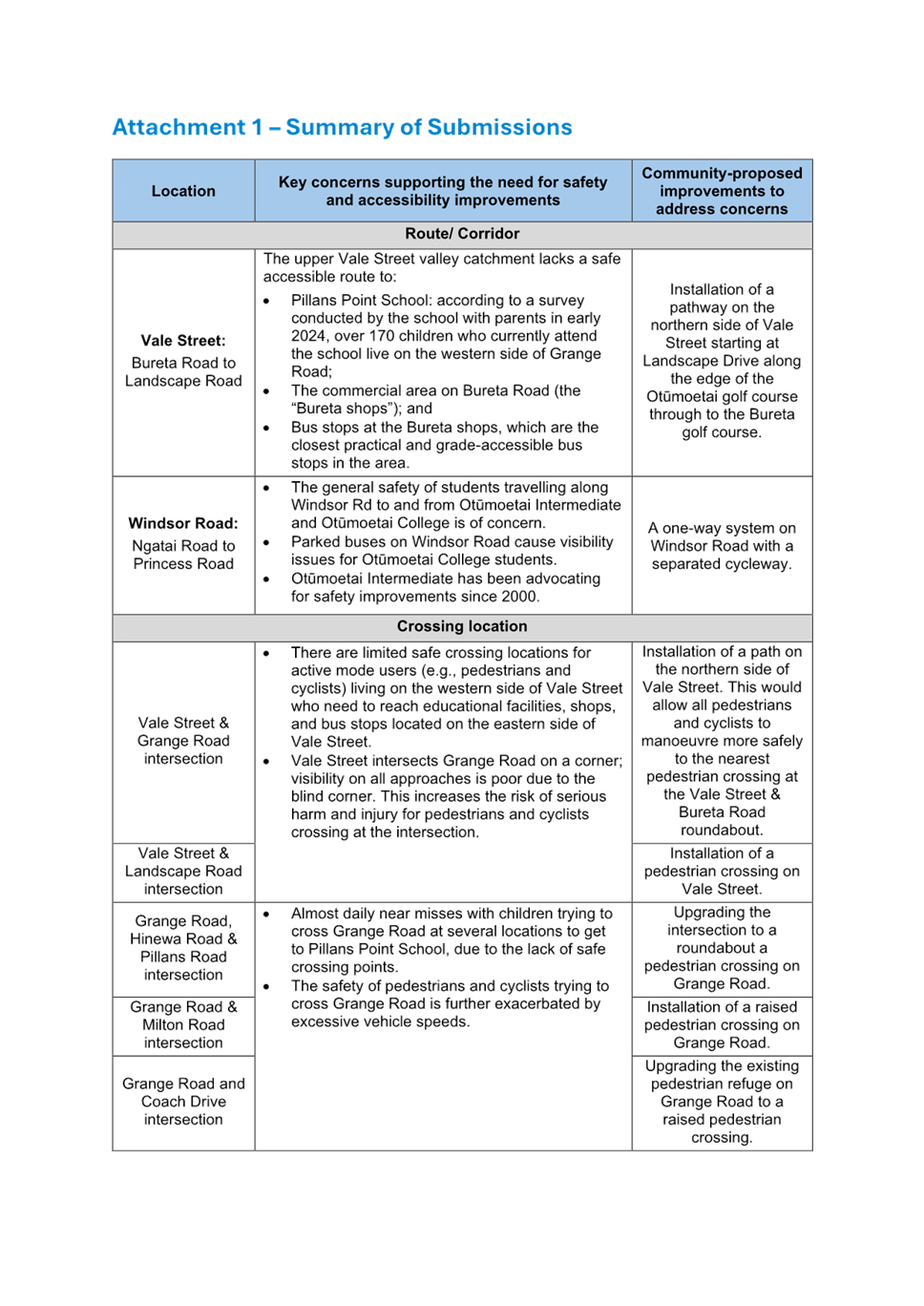
Shops. A summary of those submissions are attached in Attachment 1.
4. Council requested
further investigation into demand, work with submitter, engage with schools and
report back.
5. Staff collaborated
with Mr Sanson, who developed a concept plan for Vale Street outlined in
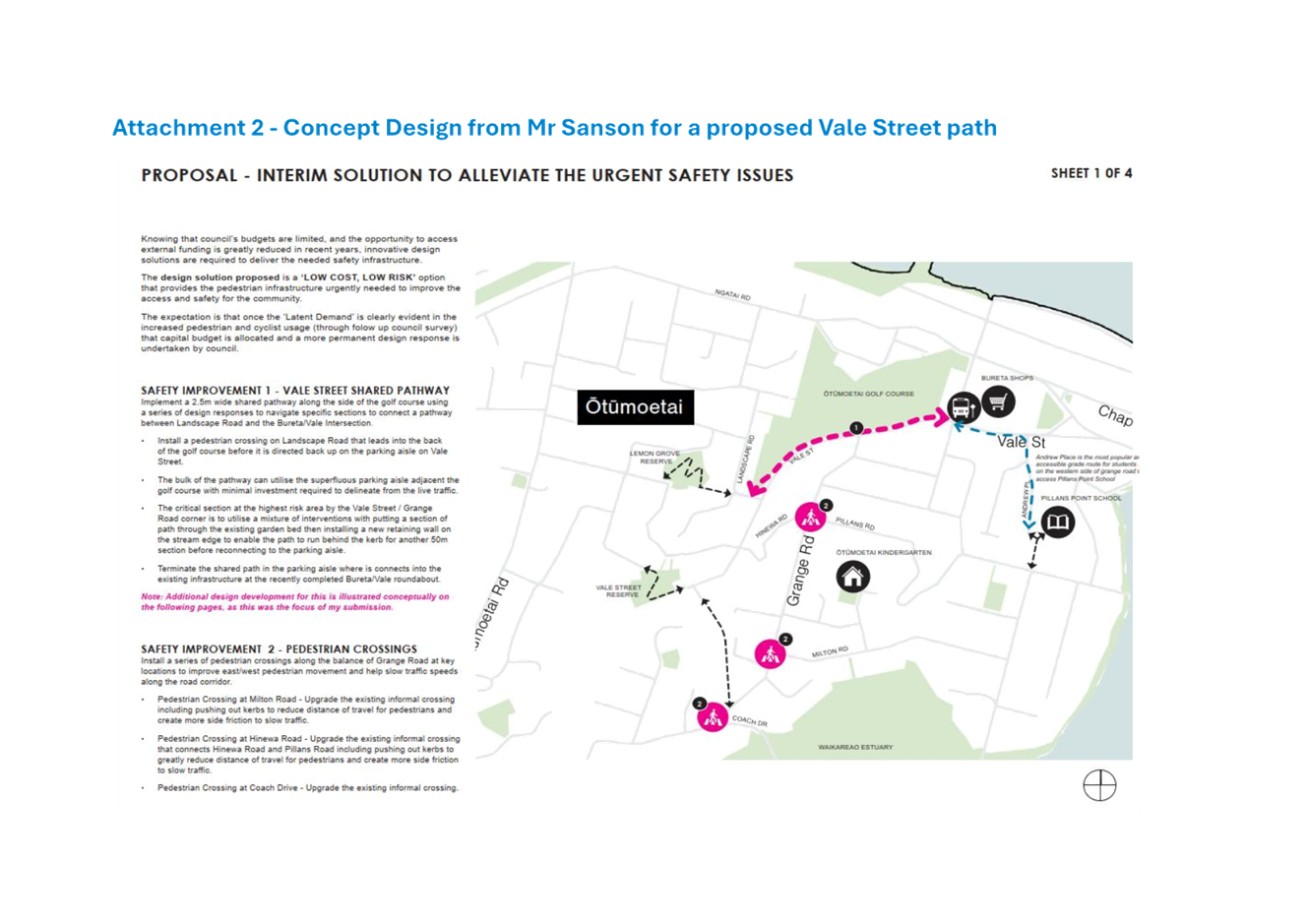
(Attachment 2). We acknowledge the significant effort from both Mr Sanson and
other members from the community, including Pillans Point school in preparing
their submission and supporting material.
6. Key routes and
intersections were assessed —specifically Vale Street, Windsor Road, and
parts of Grange Road. This included site visits, school engagement, traffic
data analysis, and demand assessments.
7. Based on the
investigations, safety improvements are recommended as outlined in the proposed
resolutions of this report.
8. The recommended
safety improvements range in cost from $60K to $497K, with a total estimated
cost ranging between $801K to $946K. Costs will be refined during the design
process. Early concept designs are included in Attachment 2,3 and Attachment 4.
9. Due to budget
constraints, delivery will need to be carefully programmed within the transport
capital programme. If savings are realised, and with Council approval,
smaller-scale projects may be delivered earlier—subject to
prioritisation.
10. Each intervention is proposed
to be delivered as a stand-alone project. This means each project can progress
as soon as its funding is confirmed. This approach allows enables the potential
to deliver outcomes sooner.
Background
11. Concerns about pedestrian and
cyclist safety in the Ōtūmoetai area such as Vale Street and various
locations on Grange Road - particularly for children - were raised by the
community through 2025/26 Annual Plan submissions.
12. The Council resolved
(CO/25/14/15) that:
(a) Requests staff
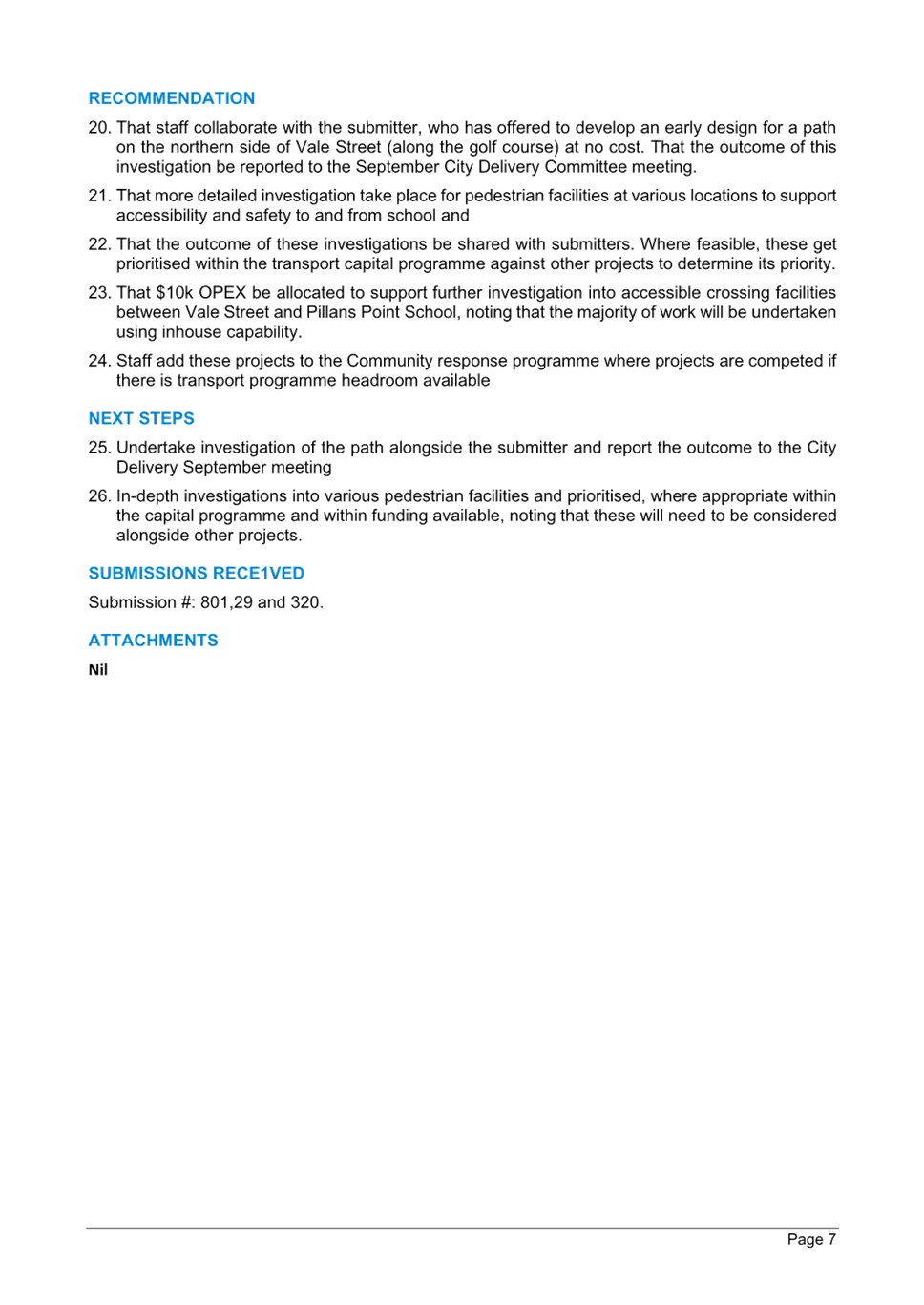
to collaborate with the submitter, who has offered to develop an early design
for a path on the northern side of Vale Street (along the golf course) at no
cost.
(a) Requests that
the outcome of this investigation be reported to the September City Future
Committee meeting.
(b) Work with
schools and community to understand pedestrian demand at various locations to
support accessibility and safety to and from school.
(c) Ensures that
the outcomes of these investigations are shared with the submitters, and that,
where feasible, the projects are to be prioritised within the transport capital
programme against other projects to determine their priority.
(d) Allocates
$10,000 operational expenditure to support further investigation into
accessible crossing facilities between Vale Street and Pillans Point School,
noting that the majority of work will be undertaken using in-house capability.
(e) Adds these
projects to the Community Response Programme, where they may be progressed if
there is available budget within the transport programme.
13. Additionally, staff were asked:
(a) To determine
if a zebra crossing instead of signalised pedestrian crossing would be feasible
across Ngatai Road in the vicinity of Short Street and;
(b) That Windsor
Road also be reviewed in the context of demand and if any interim measures
/minimum viable product could be delivered.
Barriers
to walking and cycling to and from school
14. NZTA’s national
research highlights that the key barriers to walking and biking to school
include unsafe routes, fast and heavy traffic, hard to cross roads, and
concerns about personal safety. Having safer routes together with education
initiatives encourages more students to walk, bike or scooter to school, which
in turn supports reduced congestion.
15. The transport capital programme
continues to support projects to make school journeys safer. TravelSafe also
undertakes practical education initiatives to support journeys to and
from school. Tauranga’s active mode use (10-14 year olds) is lagging
behind the national average, except for cycling, which is slightly ahead. See
Figure 1 for details.


Pedestrian and cycling
demand analysis
16. The community often asks why
pedestrian facilities or footpaths are not delivered more quickly, or why some
are not recommended at all. Staff apply a consistent prioritisation approach to
pedestrian crossing requests. This ensures fairness, transparency, and equity
in decision-making. It also supports efficient use of resources and helps build
public confidence in our processes.
17. Requests are assessed using
Austroads’ standard tool. This evaluates demand, traffic conditions, user
vulnerability, travel time impacts, and cost. The approach is evidence-based
and aligns with NZTA guidance and Safe System principles. It helps identify the
most cost-effective and appropriate crossing solution for each location.
Engineering expertise is also applied, considering onsite conditions, road
geometry, safety risks, and local factors.
18. The examples below are from the
tools assessment. The first example shows the outcome for a road with over
10,000 vehicles a day. Most vehicles exceed the 50km/h speed limit, and 20 to
40 pedestrians and cyclists cross during peak hours.
19. In this scenario, a zebra
crossing may be appropriate. While a signalised crossing generally has a lower
Benefit Cost Ratio (BCR) due to higher construction and maintenance costs, it
may still be justified based on context-specific needs, reduced traffic delays,
or other safety risks. Figure 2 provides an overview of all crossing
options and their associated BCRs.


20. In contrast, roads with ~1,000
vehicles/day and similar pedestrian demand and similar vehicle speeds may not
warrant formal crossings. The “no facility” option may still meet
acceptable safety levels.
21.  Figure 3
illustrates a typical output for such a scenario, where all feasible options
return a BCR of less than one. As the pedestrian Level of Service and perceived
safety for the “no facility” option is rated Level D (i.e.
acceptable), a formal crossing is not warranted.
Figure 3
illustrates a typical output for such a scenario, where all feasible options
return a BCR of less than one. As the pedestrian Level of Service and perceived
safety for the “no facility” option is rated Level D (i.e.
acceptable), a formal crossing is not warranted.
Prioritisation of
recommended safety improvements
22. Safety improvements identified
as needing intervention are then prioritised based on the following criteria:
(a) Safety
risk/ exposure (e.g. Traffic volumes, speed, crash history);
(b) Pedestrian
and cyclist demand (especially vulnerable users);
(c) Community
support and strategic alignment; and
(d) Cost-effectiveness
and feasibility.
Ōtūmoetai accessibility context
23. The Ōtūmoetai Spatial
Plan (2023–2050) is a long-term framework to guide future development
across the Ōtūmoetai Peninsula. The plan was shaped by community
input and reflects shared aspirations for a vibrant, resilient future, and how
people will move around. The plan provides a clear foundation for investment
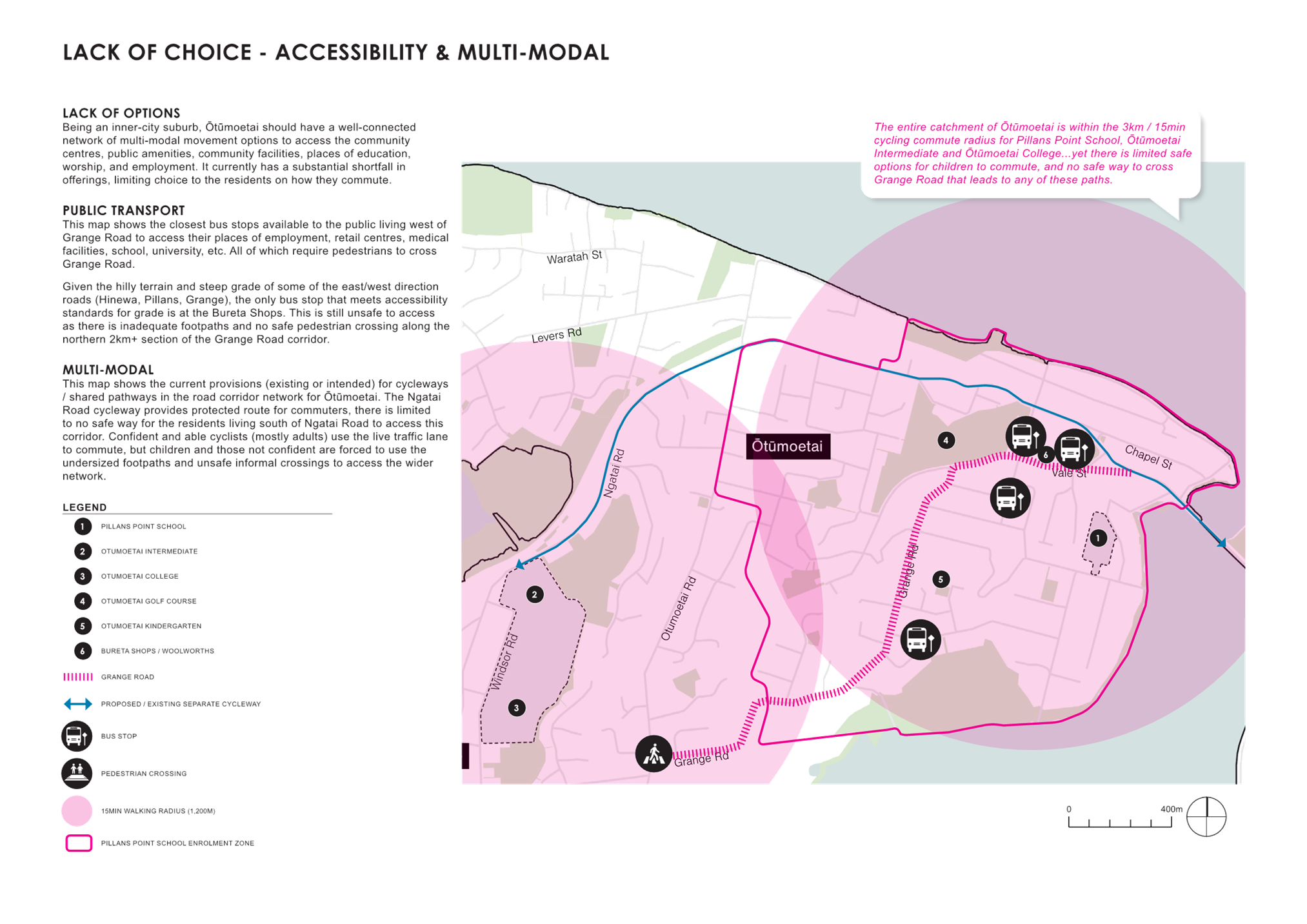
decisions that improve travel choices, access and network resilience.
24. Figure 4 below, shared by Mr
Sanson, shows key local connections that support students travelling to
the Ōtūmoetai cluster of schools. It highlights the most direct route
to Pillans Point School, along Vale Street that connects to Bureta shops and
public transport facilities. The largest safety barrier is the lack of a
safety crossing at the Grange and Vale Street intersection.


Statutory Context
25. The provision of safe and
accessible routes to schools, shops, and public transport in New Zealand is
guided by several key frameworks:
(a) Land
Transport Act 1998: Establishes the legal basis for transport safety and
infrastructure planning.
(b) Safer
Journeys for Schools Guidelines: Promotes a Safe System approach to improve
safety around schools.
(c) NZTA’s
Pedestrian Network Guidance: promotes a Safe System approach and inclusive
design, encouraging road controlling authorities (RCAs) to consider the needs
of all users, particularly vulnerable road users, when planning and
implementing pedestrian facilities (paths and crossings).
STRATEGIC ALIGNMENT
26. This contributes to the
promotion or achievement of the following strategic community outcome(s):
|
Contributes
|
|
We are an inclusive city
|
ü
|
|
We value, protect and enhance the environment
|
ü
|
|
We are a well-planned city
|
ü
|
|
We can move around our city easily
|
ü
|
|
We are a city that supports business and education
|
ü
|
27. Providing safe and accessible
routes aligns with Council’s vision of developing a well-planned city
that supports movement and offers a range of sustainable transport choices,
which also supports carbon emission reduction.
28. Accessible routes with safe
crossing facilities enable local communities to navigate the city safely and
inclusively, whether travelling to work, school, shops, or public transport,
while accommodating people of all ages and abilities.
Options Analysis
29. To inform the appropriate
safety and accessibility improvements, staff have undertaken site visits,
engaged with local schools and collected relevant data - including traffic
volumes, vehicle speeds, and active mode demand data.
Vale Street connection
between Landscape Road and Bureta Road
30. Vale Street carries approx.
2,200 vehicles/day between Landscape Rd and Grange Rd, and 7,300 vehicles/day
between Grange Rd and Bureta Rd. A peak hour count recorded more than 40 active
mode users or 84 over the two hour morning peak, with ~50% cycling/scootering
on-road. Over the two hour period, ~12 were students. .
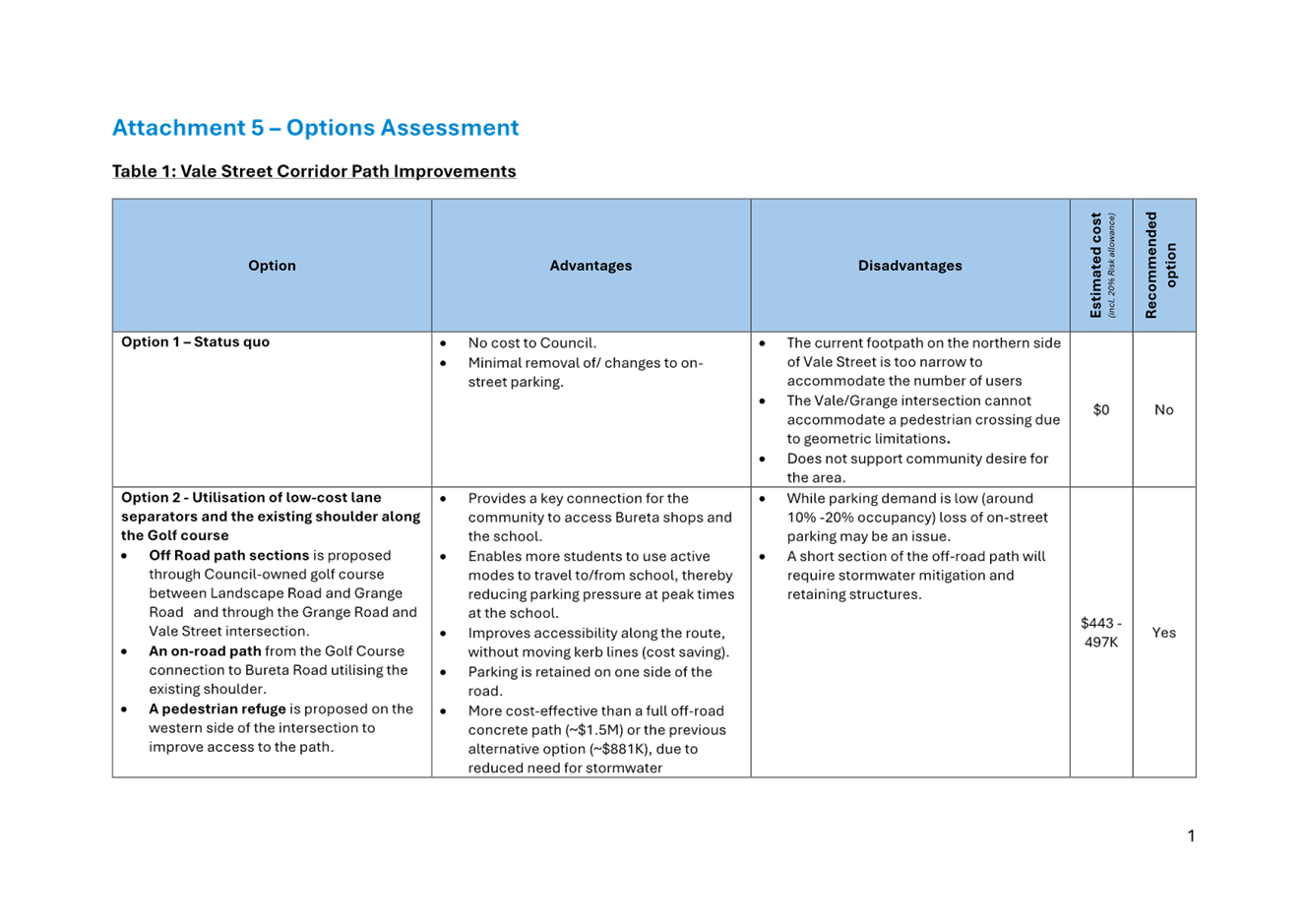
31. Four options have been
developed for consideration. A detailed comparison and assessment of the
options is presented in Table 1 of Attachment 5:
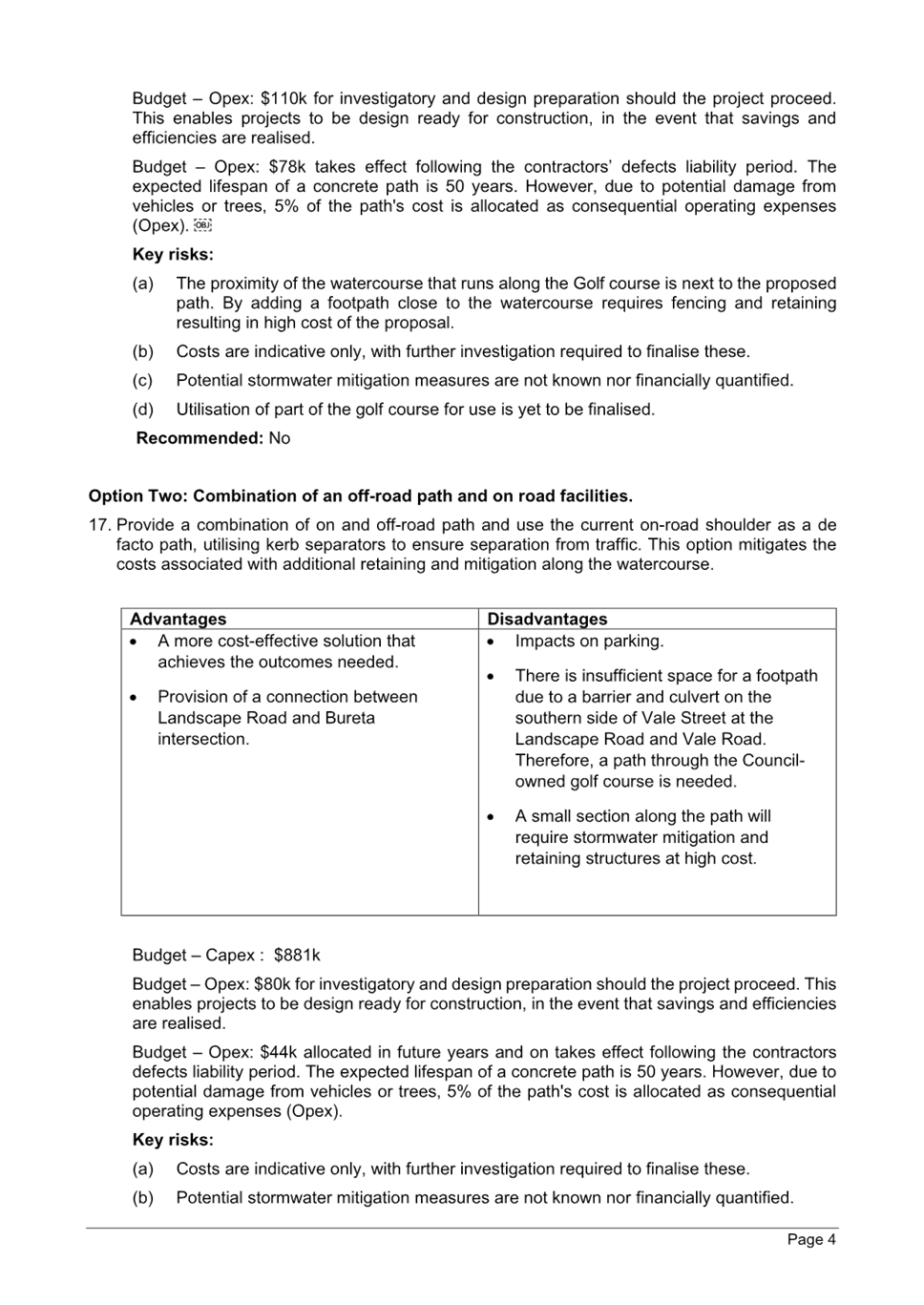
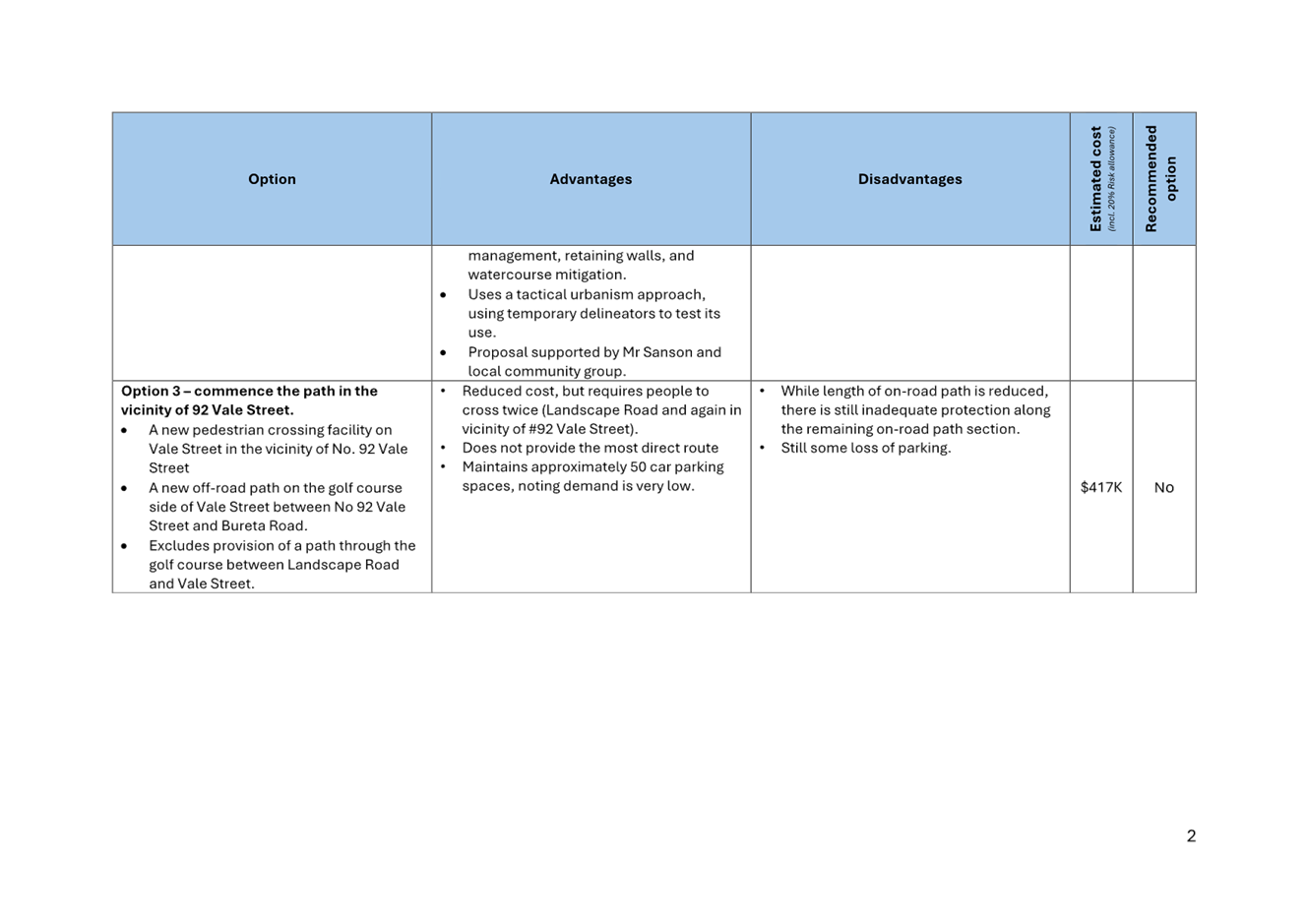
(a) Option 1 is to retain the
status quo. Not recommended as it does not address the identified
accessibility and safety issues raised by the community.
(b) Option 2: Using tactical
urbanism approach using temporary, lower-cost interventions is recommended.
Mr Sanson prepared a concept plan which is attached in Attachment 2. The
concept includes.
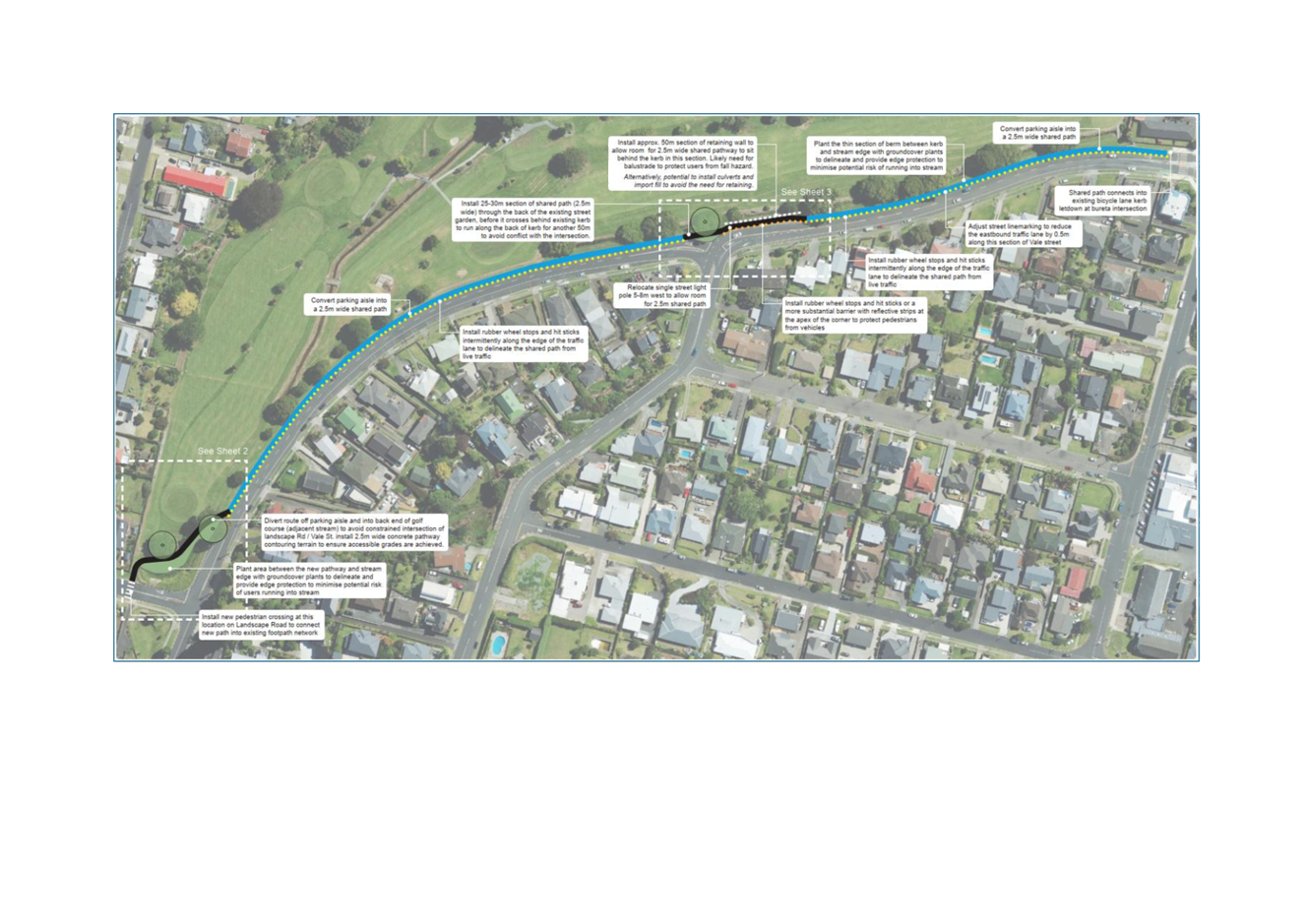
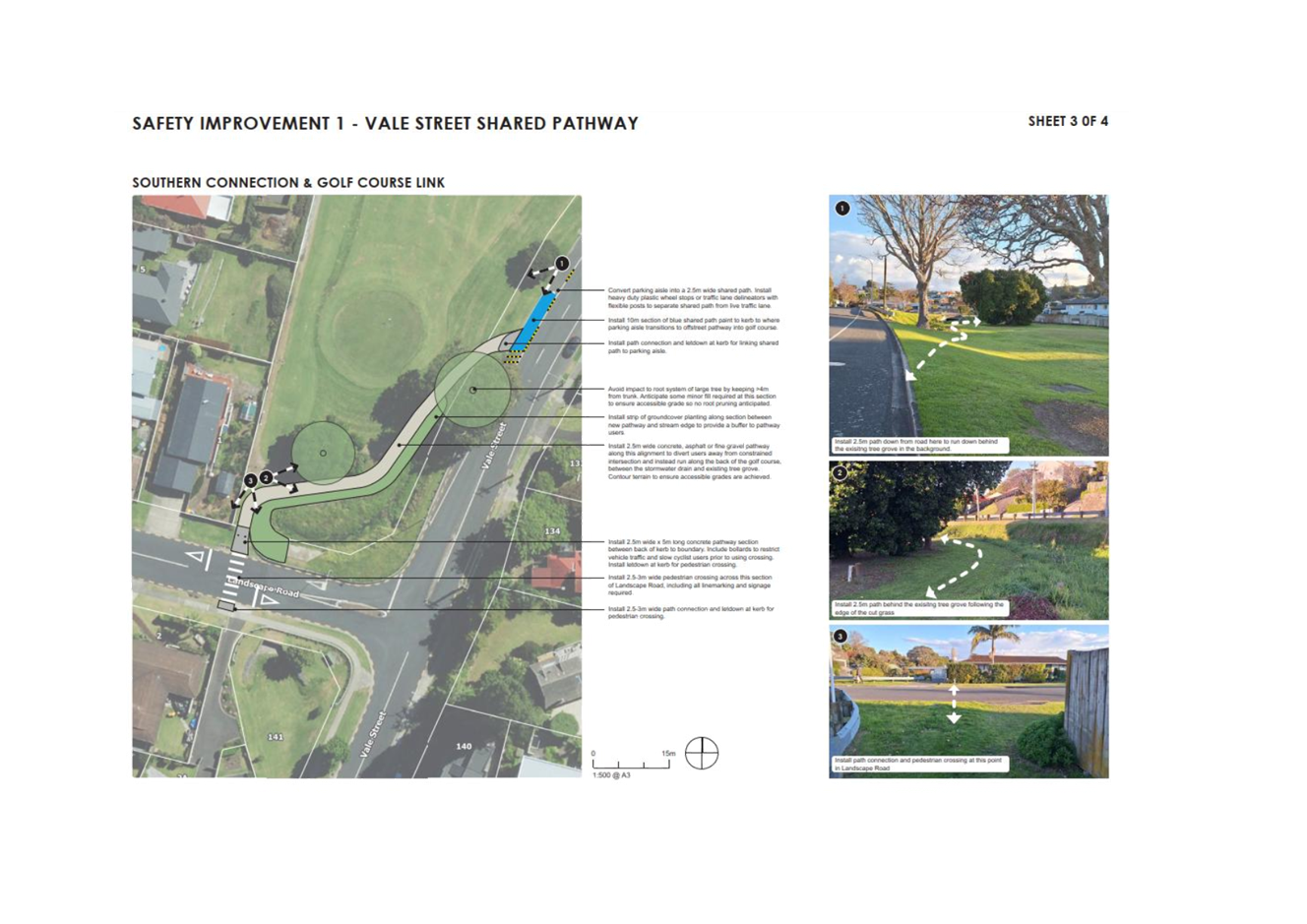
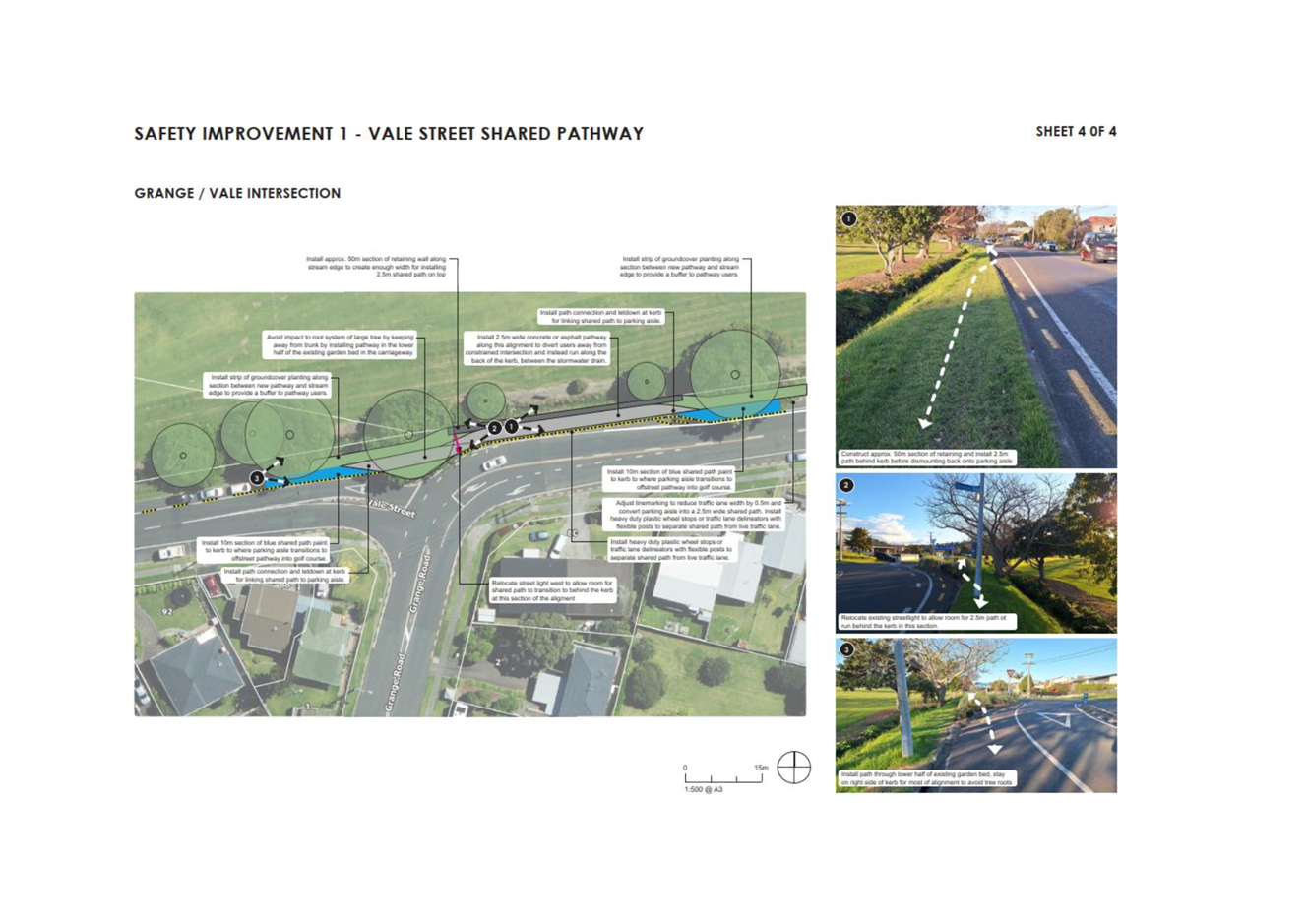
(i) a mostly on-road path
that uses the existing shoulder to connect Vale Street from Landscape Road,
through the golf course, to the Bureta Road intersection. This is contingent on
successful negotiation with the golf course.
(ii) a pedestrian refuge is
proposed on the western side of the Vale Street–Grange Road intersection
to improve access.
(iii) This option is recommended as
it provides the most direct route to Pillans Point School and is more
cost-effective at $497K, (compared to the $880K option presented
previously) avoiding the high stormwater mitigation costs of the original
off-road proposal. The option returns a BCR of 6.7.
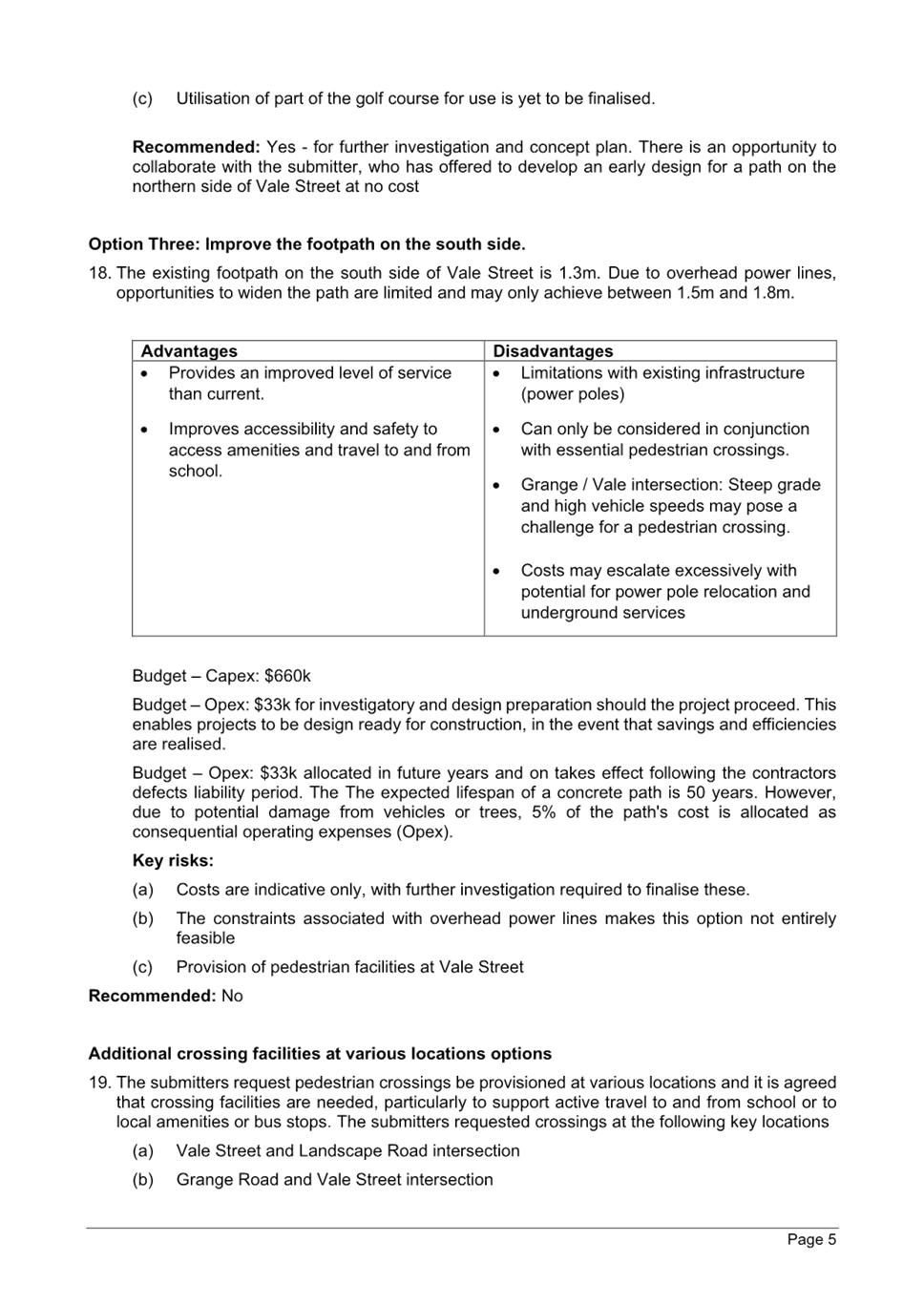
(c) Option 3 is a scaled-down
version of Option 2 is not recommended The on-road path would start at the
proposed pedestrian refuge (#92 Vale Street), not at Landscape Road. This
option retains some parking on the golf course side. It comes at a reduced cost
of $417K but does not offer the most direct connection between Landscape Road
and Bureta Road.
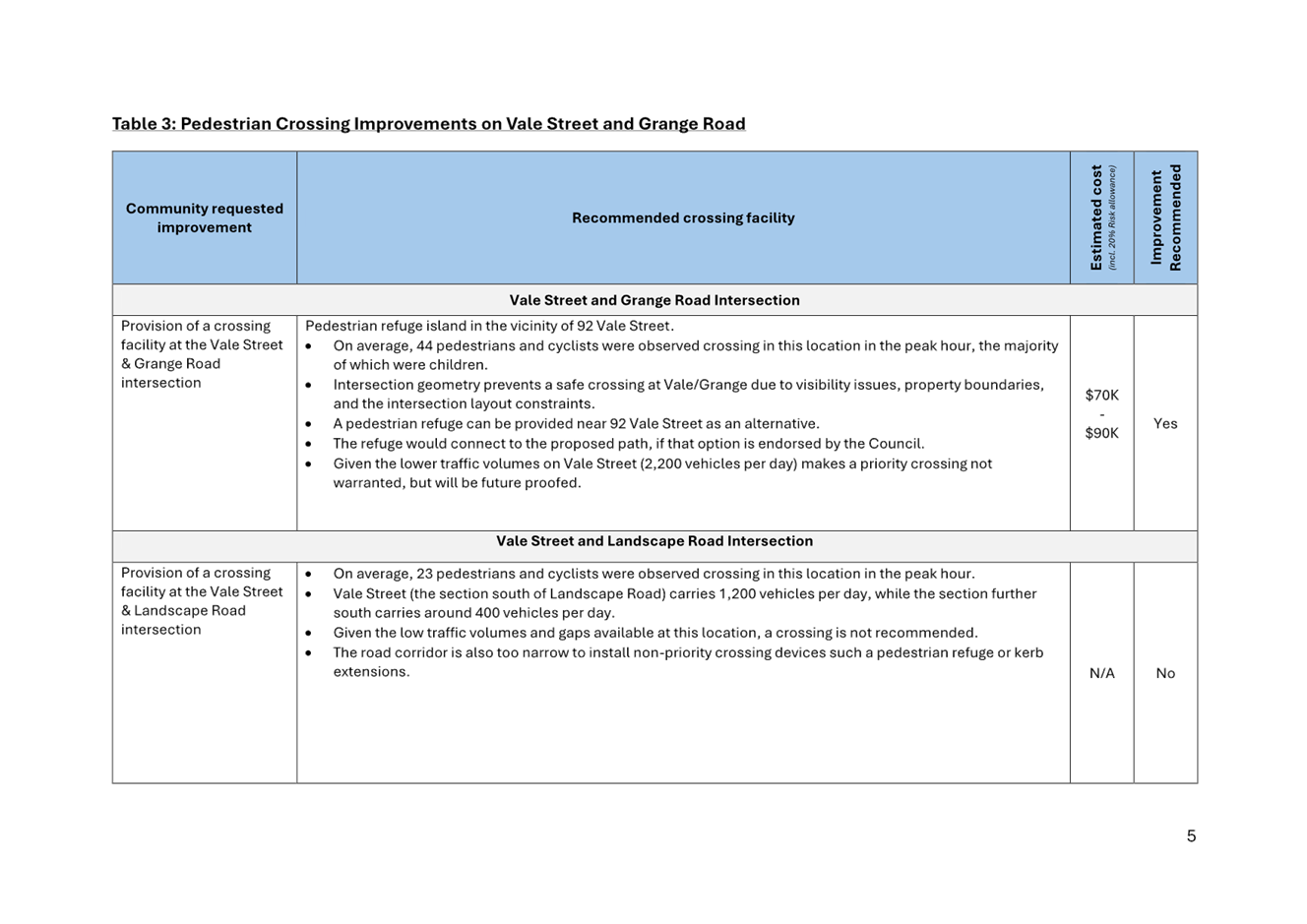
(d) Option 4 - a crossing at the
Grange Road and Vale Street intersection only. This is not possible without
a major upgrade to the intersection, due to poor road geometry and intersection
layout, property boundary constraints and limited visibility. The cost would be
significant. A pedestrian refuge can be placed further along Vale Street to
support access to the proposed on-road path if that option proceeds.
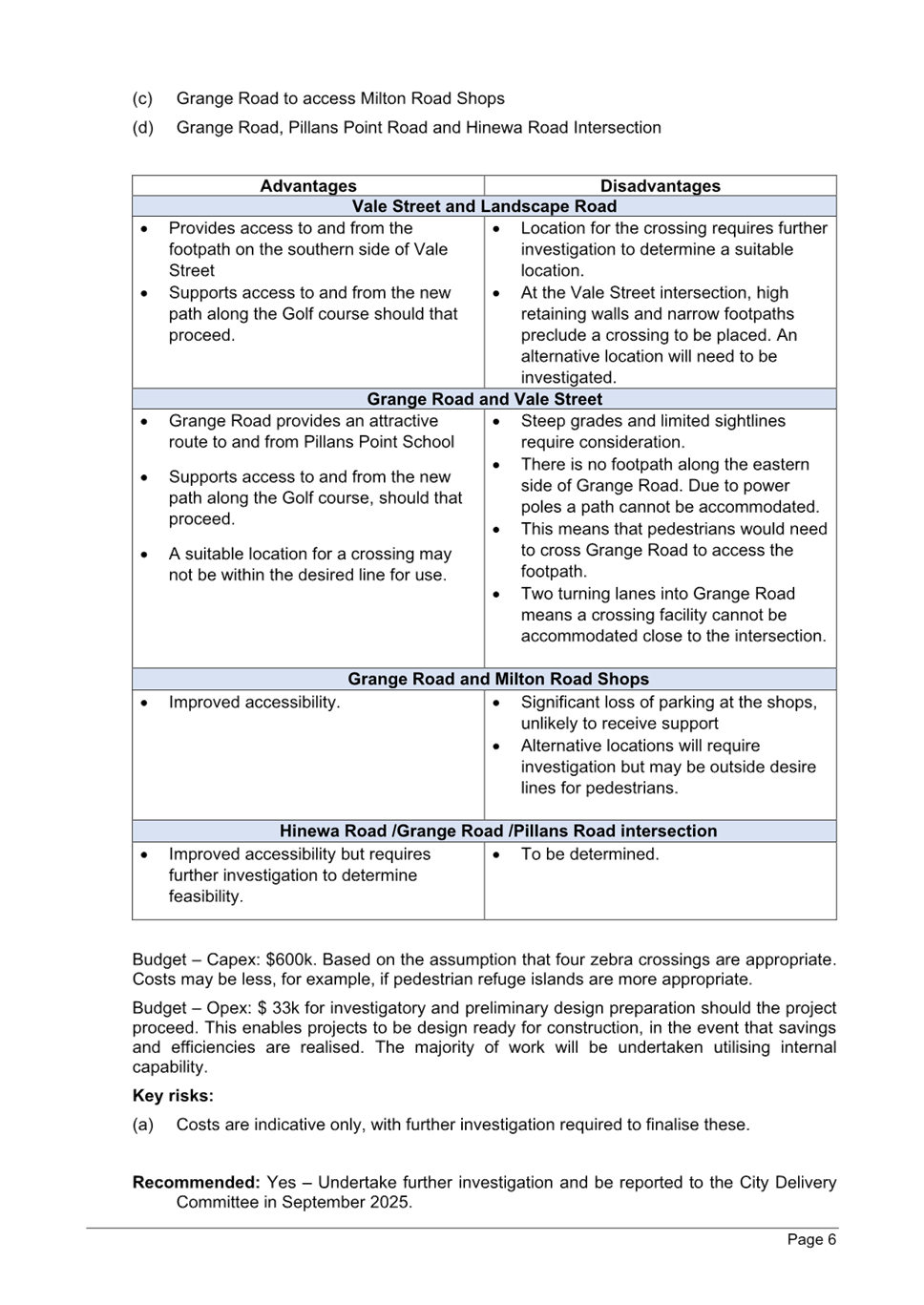
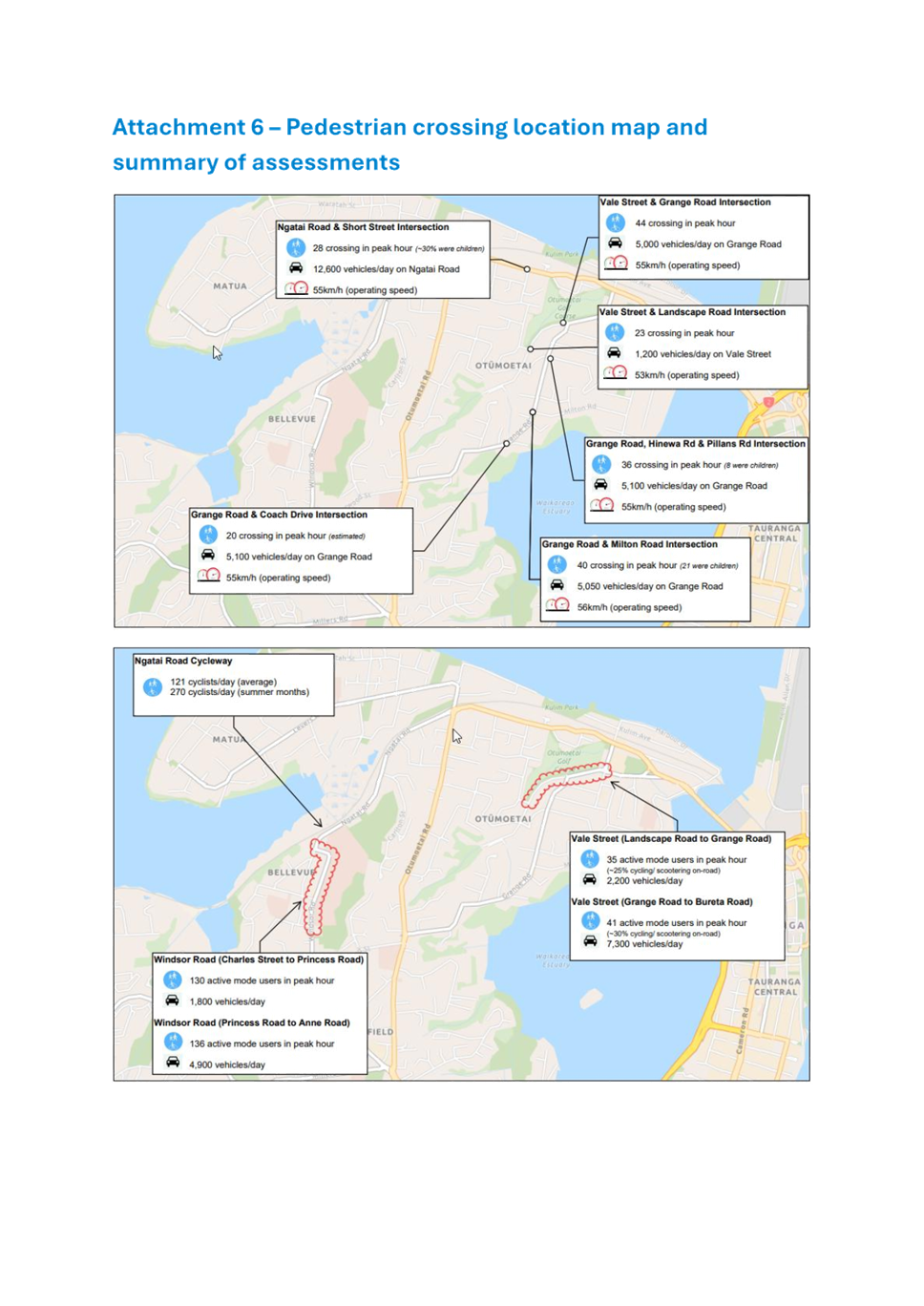
Pedestrian crossing
assessments
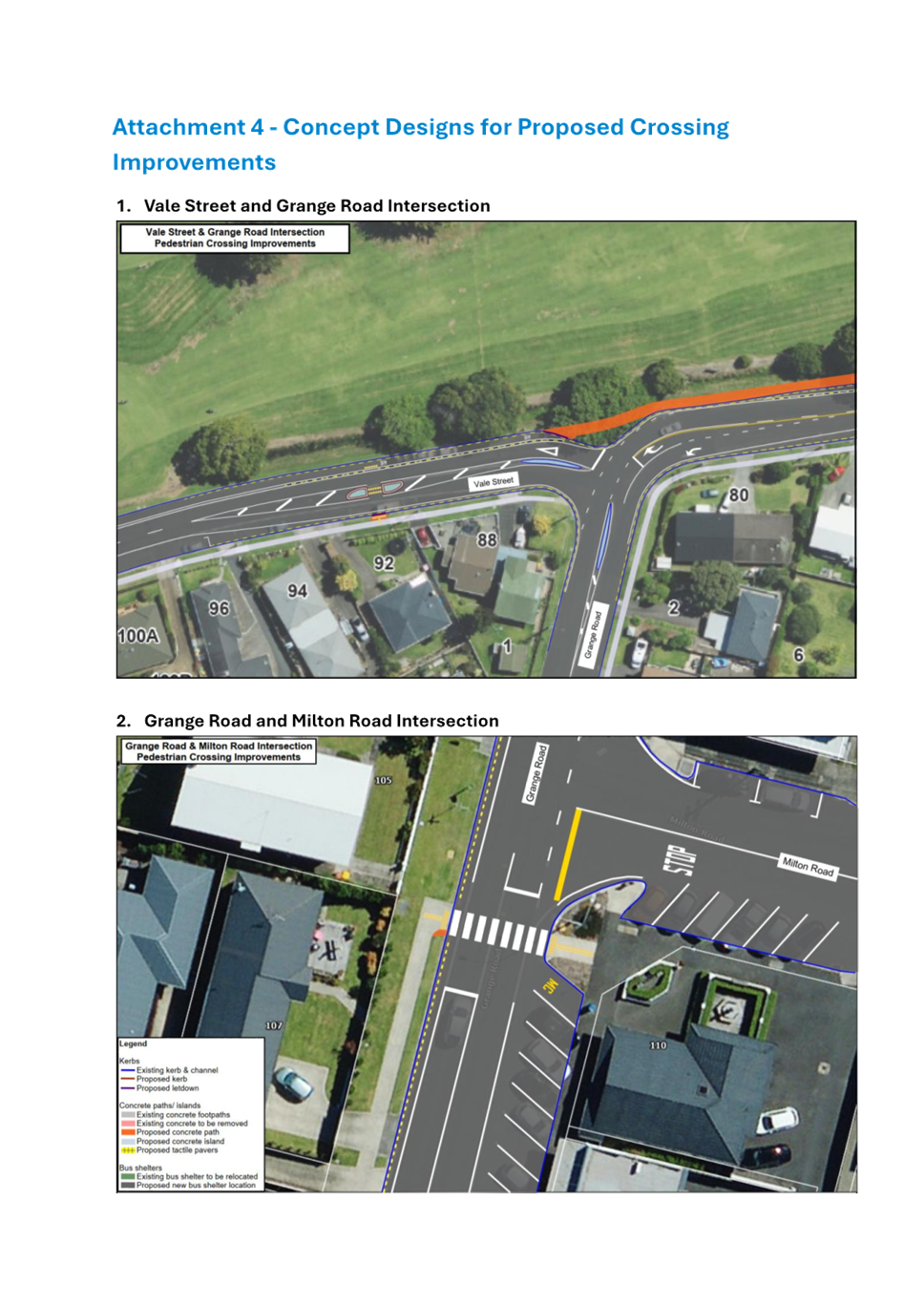
32. The following assessments have
been made for various crossing as requested by the local community with a
location map in Attachment 6.
33. The following are recommended
(subject to prioritisation and funding):
(a) Grange Road at Milton Road
intersection.
(i) 58 active mode users
during a peak hour
(ii) more than half
comprising children or elderly individuals
(iii) one or two carparks are
needing removal, which may not be supported by businesses
(iv) A footpath extension of 20m is
included on Milton Road to provide access across Milton Road further away from
the intersection.
(b) Grange Road intersection
with Pillans Road and Hinewa Road.
(i) The existing traffic
volumes and pedestrian demand support the provision of a non-priority crossing
facility (e.g. a refuge or kerb extensions).
(ii) However, the road is too
narrow to accommodate these treatments, and visibility is significantly
constrained due to the intersection’s location on a crest.
(iii) Further design work is
required to identify a suitable location for a crossing facility at this
location.
34. Crossing improvements are not
recommended at this stage for the following locations:
(a) Vale Street and Landscape
Road intersection:
(i) Low vehicle volumes at
this location
(ii) Vehicle arrivals during
peak periods occurring approximately every 30
seconds, allowing sufficient gaps for pedestrians to safely cross.
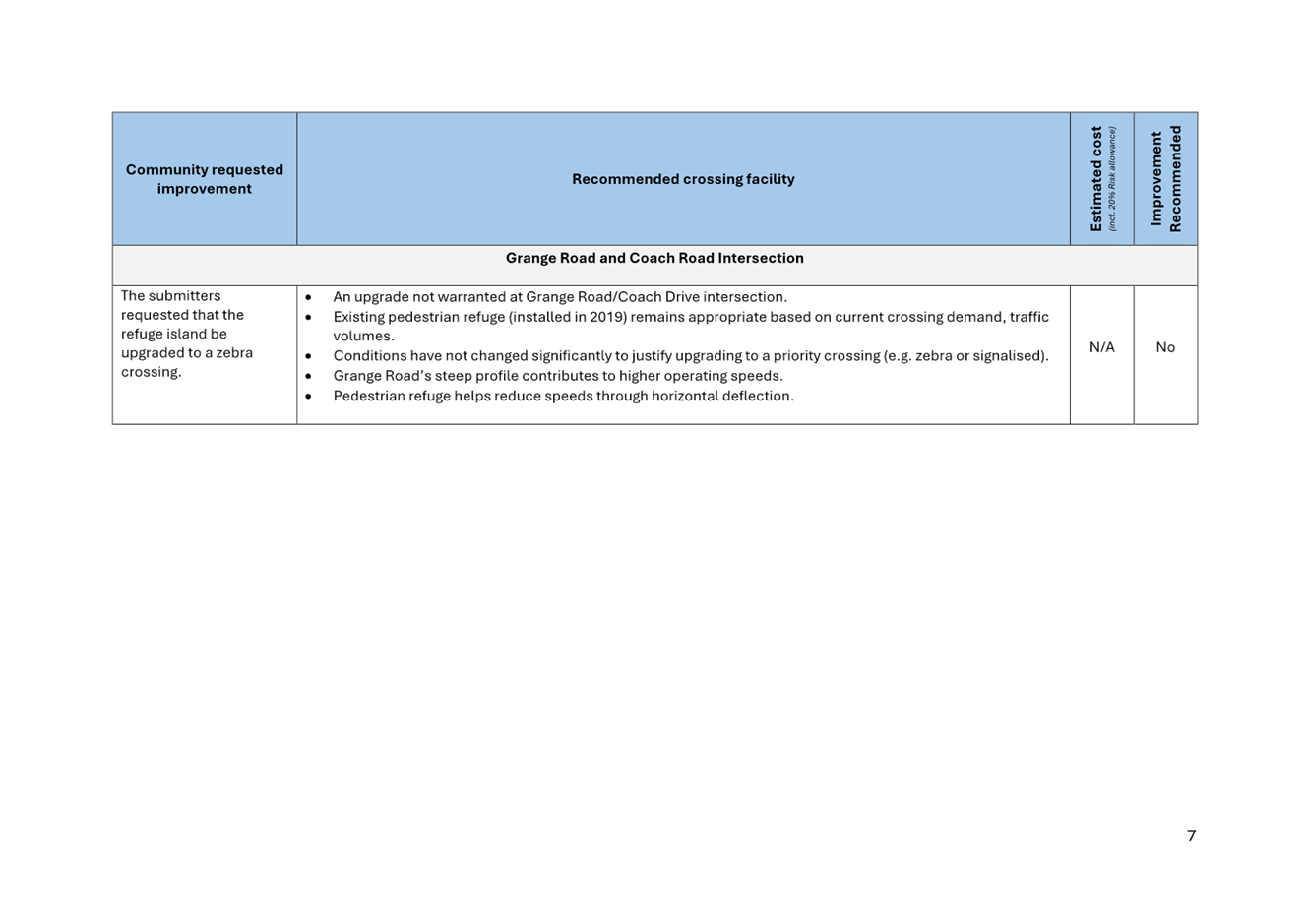
(b) Grange Road and Coach Drive
intersection:
(i) The existing pedestrian
refuge, which was constructed in 2019, remains appropriate given the traffic
volumes and estimated demand.
(ii) A zebra crossing at this
location results in an indicative BCR of 0.6.
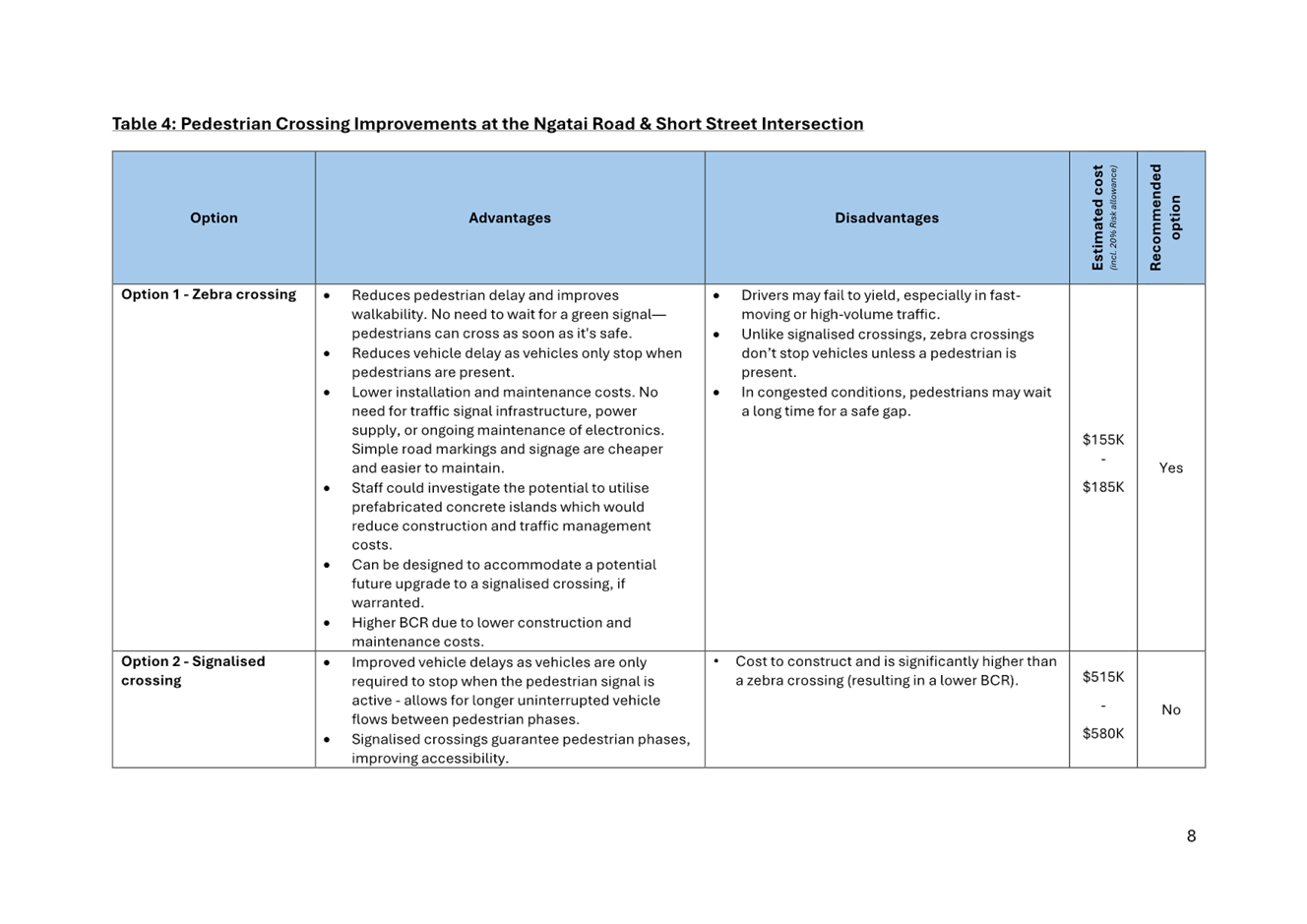
Ngatai Road &
Short Street Pedestrian Crossing
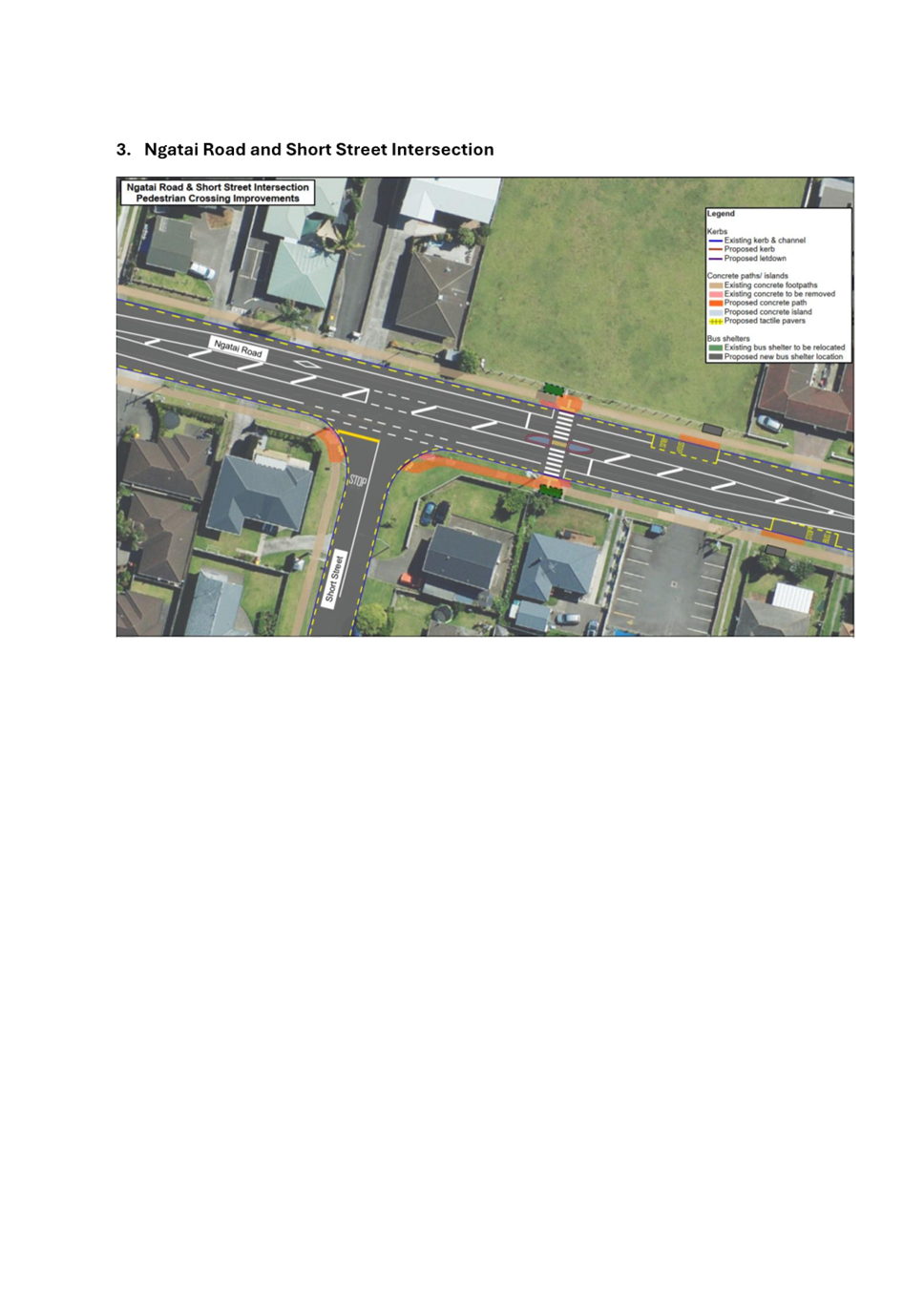
35. We have reassessed the planned
signalised crossing on Ngatai Road near Short Street. It is already funded and
scheduled. The signalised crossing was based on demand form Accessible Streets
for Ōtūmoetai project.
36. Revised analysis shows a zebra
crossing will meet current demand and is feasible at this location. It will
cost around $150,000 to $170,000, compared with the $594,000 currently
allocated for a signalised crossing. This change means the remaining budget could
be redirected to other higher-priority projects.
Windsor Road Corridor
Safety Improvements
37. Windsor Road carries between
1,800 and 4,900 vehicles per day, with higher volumes between Princess Road and
Anne Road. Peak hour counts show 130 active mode users near Charles Street and
136 near Princess Street.
38. To achieve similar safety and
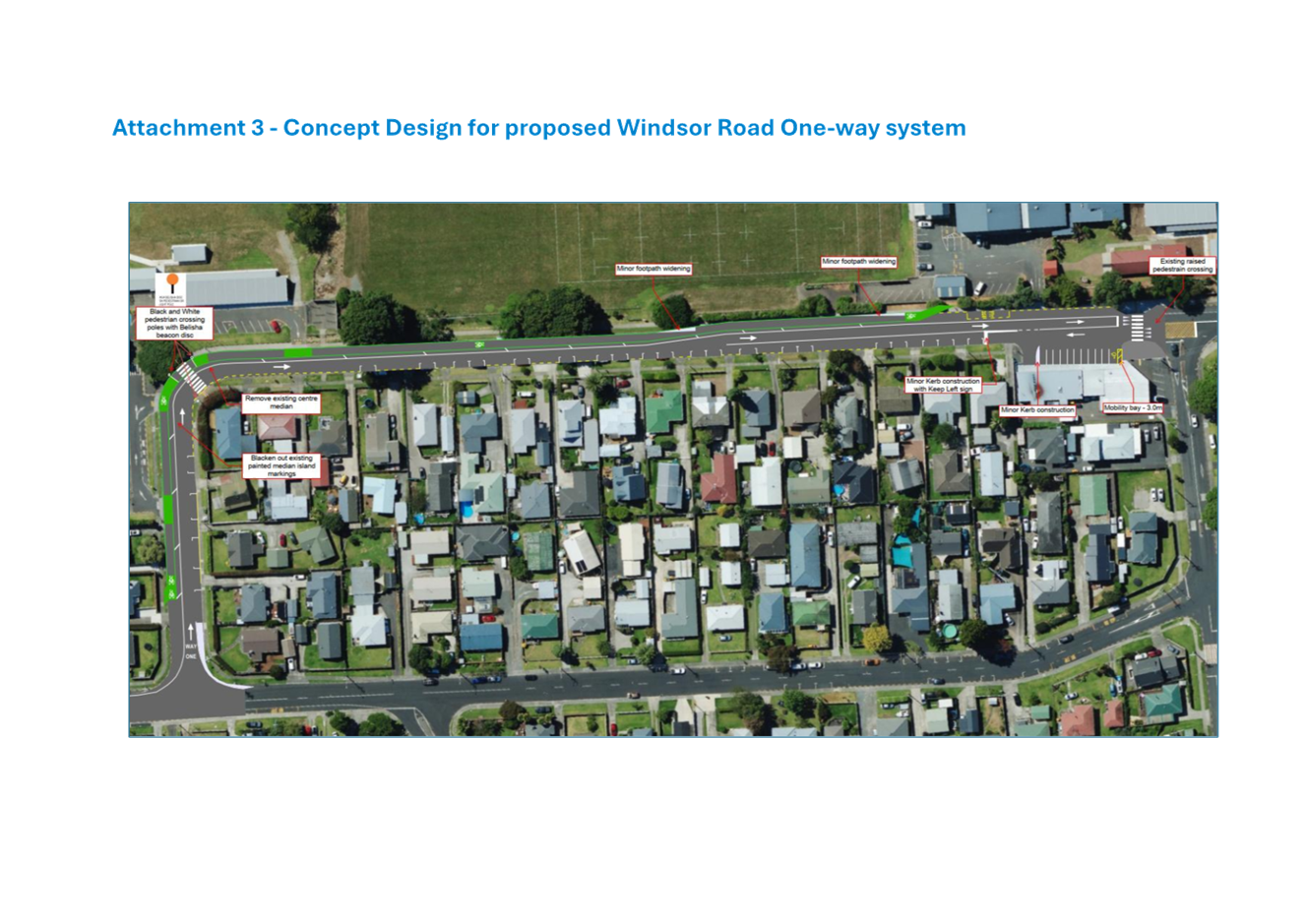
accessibility outcomes as Vale Street at lower cost, staff investigated a
value-for-money alternative to the previous Accessible Streets proposal. This
approach reallocates road space without moving kerbs and uses bolt-down lane
separators instead of concrete kerbing, reducing construction costs to around
$200K.
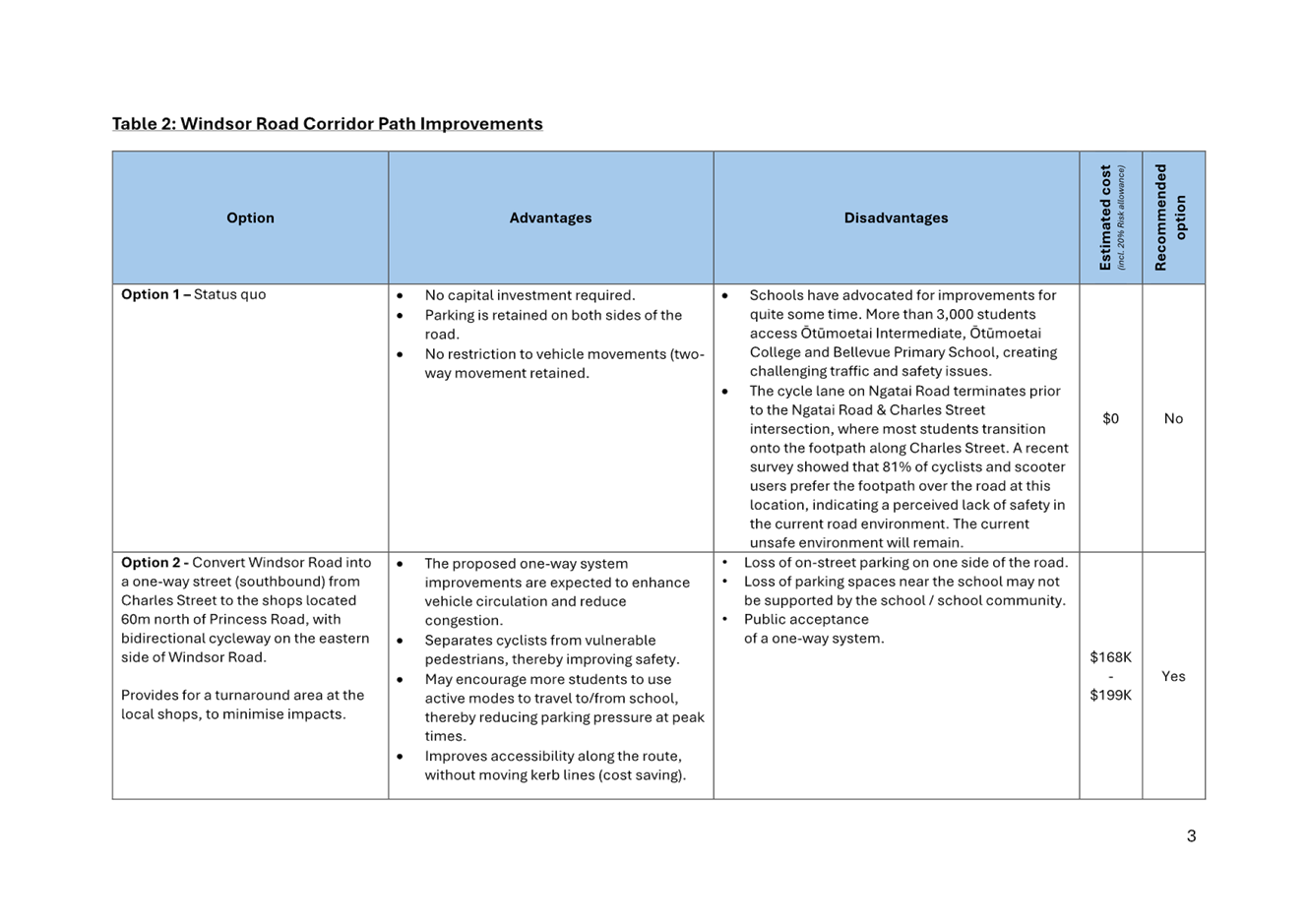
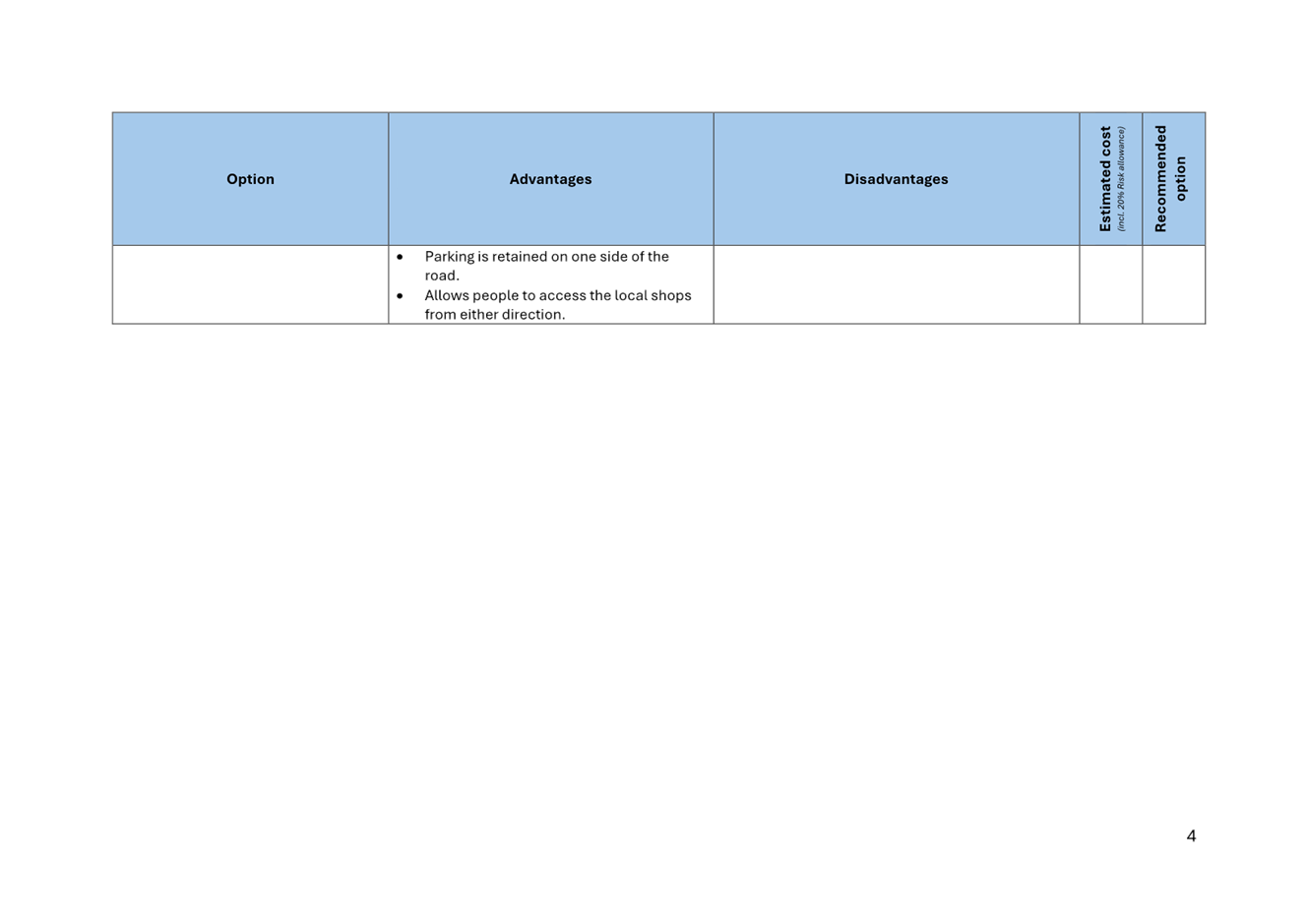
39. Advantages and disadvantages
are outlined in Table 2 of Attachment 5, including a comparison with a
“do-nothing” scenario. A high-level concept plan is included in
Attachment 3.
Financial Considerations
40. For the medium to long term
option that includes all recommended options above, the Transport’s
capital programme is constrained. Due to the reduction in NZTA partnership
funding, Council’s ability to deliver capital projects is reduced.
41. NZTA funding contributions for
walking and cycling projects in this 2024-2027 NLTP round is highly unlikely.
42. The projects could be
considered as part of upcoming annual plan deliberations or the next Long Term
Plan. An option does exist that savings within the Transport programme is
utilised to support delivery, where possible.
43. Summary of costs are outlined
in Figure 5 below, including a 20% risk allowance and priority comparisons.


44. The
table below outlines the typical cost range for crossing improvements in
Tauranga. compared against similar projects in other territorial authorities,
where such information is available.

45. While crossing costs in
Tauranga are in line with other major cities, several site-specific and market
factors can increase costs. These include:
(i) Material and freight
costs – Transporting concrete and asphalt into the Bay of Plenty is
expensive, especially for smaller jobs with limited bulk buying.
(ii) Contractor availability
– High demand and low local capacity mean contractors charge more,
particularly for short or low-margin projects.
(iii) Traffic management –
Urban roads need extensive traffic control, adding cost even for short-term
works.
(iv) Drainage complexity –
Coastal and flood-prone areas often need extra stormwater infrastructure, even
for minor upgrades.
(v) Design and consenting –
Small projects still require full design, safety audits, possible consents,
lighting, and power connections, which can drive up total cost.
(vi) Site constraints –
Narrow corridors, underground services, and existing infrastructure often need
custom solutions, which may increase cost.
Legal Implications / Risks
46. The key identified risks
include:
(a) The transport capital programme
is constrained due to reduced NZTA partnership funding, limiting the Council's
ability to deliver capital projects. An option exists where minor projects may
proceed earlier if transport savings are realised and prioritised.
(b) Parking loss is likely to be
unpopular. This risk will be mitigated through clear communication and
engagement to explain the benefits and gather feedback.
(c) Implications for the leased
golf course for the Vale Street option. Collaboration with the golf course will
seek to mitigate any potential challenges.
TE AO MĀORI APPROACH
47. If improvements proceed, local
hapū will be engaged to ensure their views are considered and
incorporated.
CLIMATE IMPACT
48. The recommended crossing
improvements support the Climate Investment and Action plan as it supports
walking, biking, and micro-mobility transport modes and improves access to
public transport.
Consultation / Engagement
49. The TravelSafe team engaged
with local schools in late May 2025 to discuss the identified safety and
accessibility issues and gather feedback on the most significant transport
challenges currently affecting their students. A summary of the feedback received
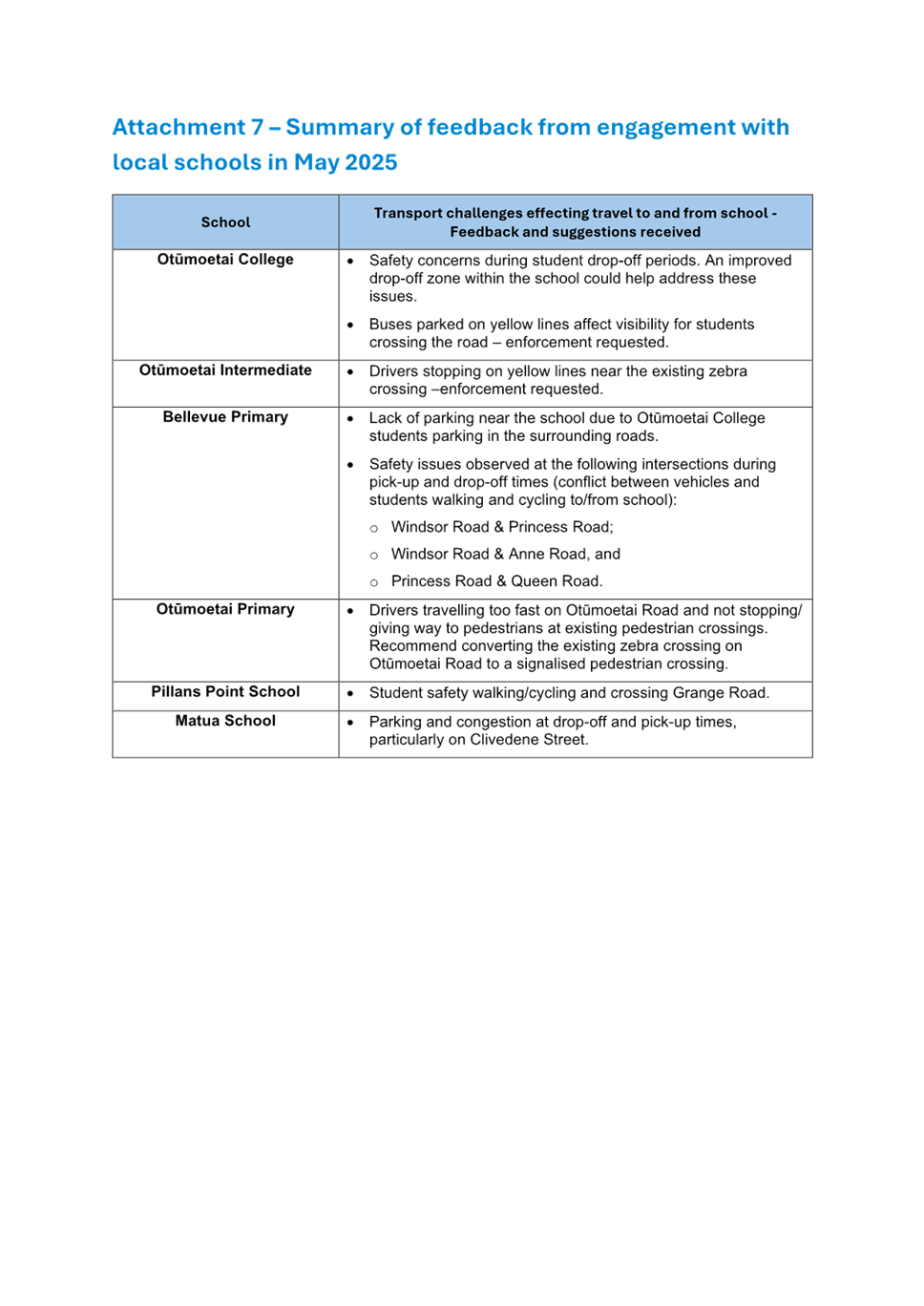
is provided in Attachment 7.
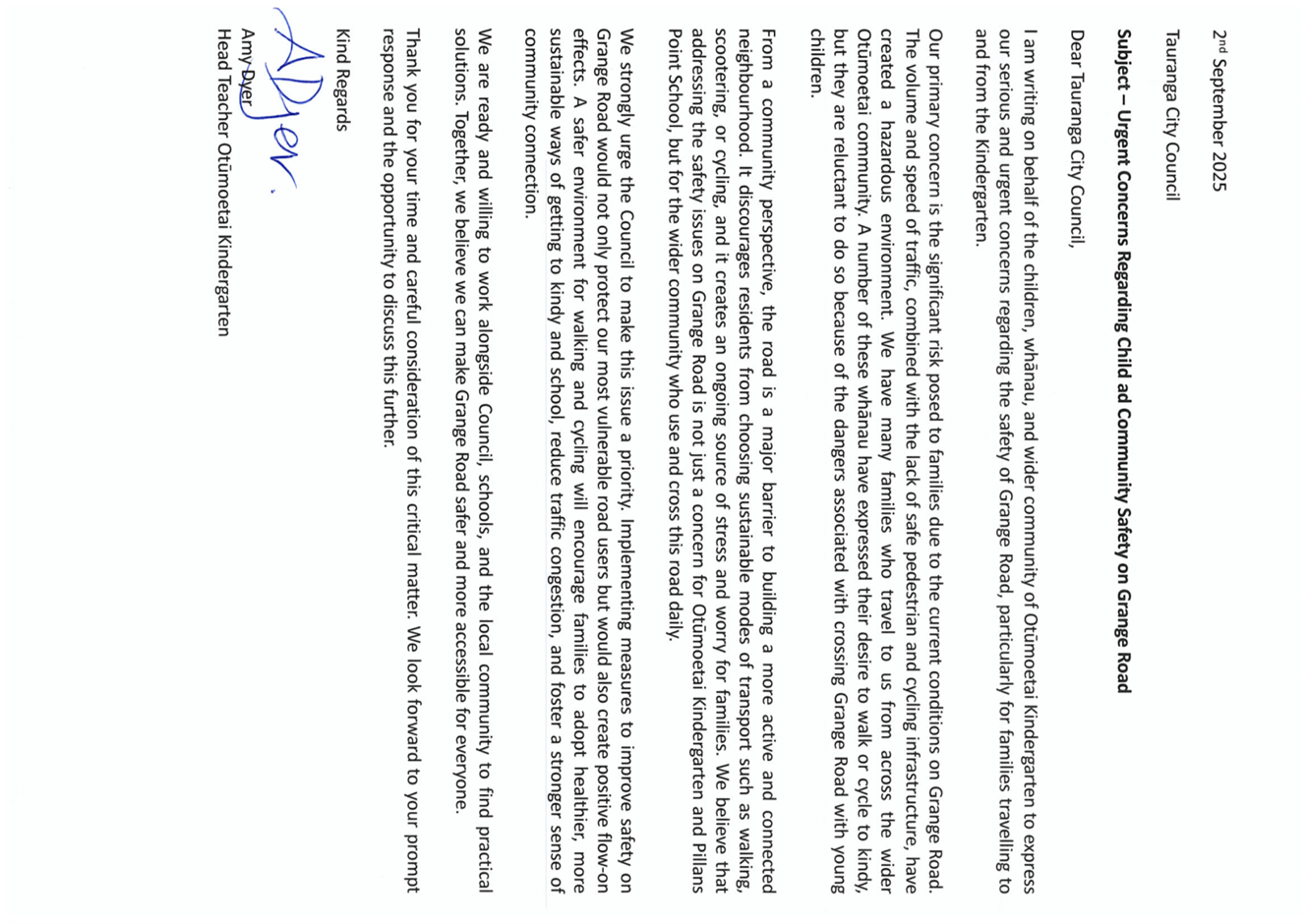
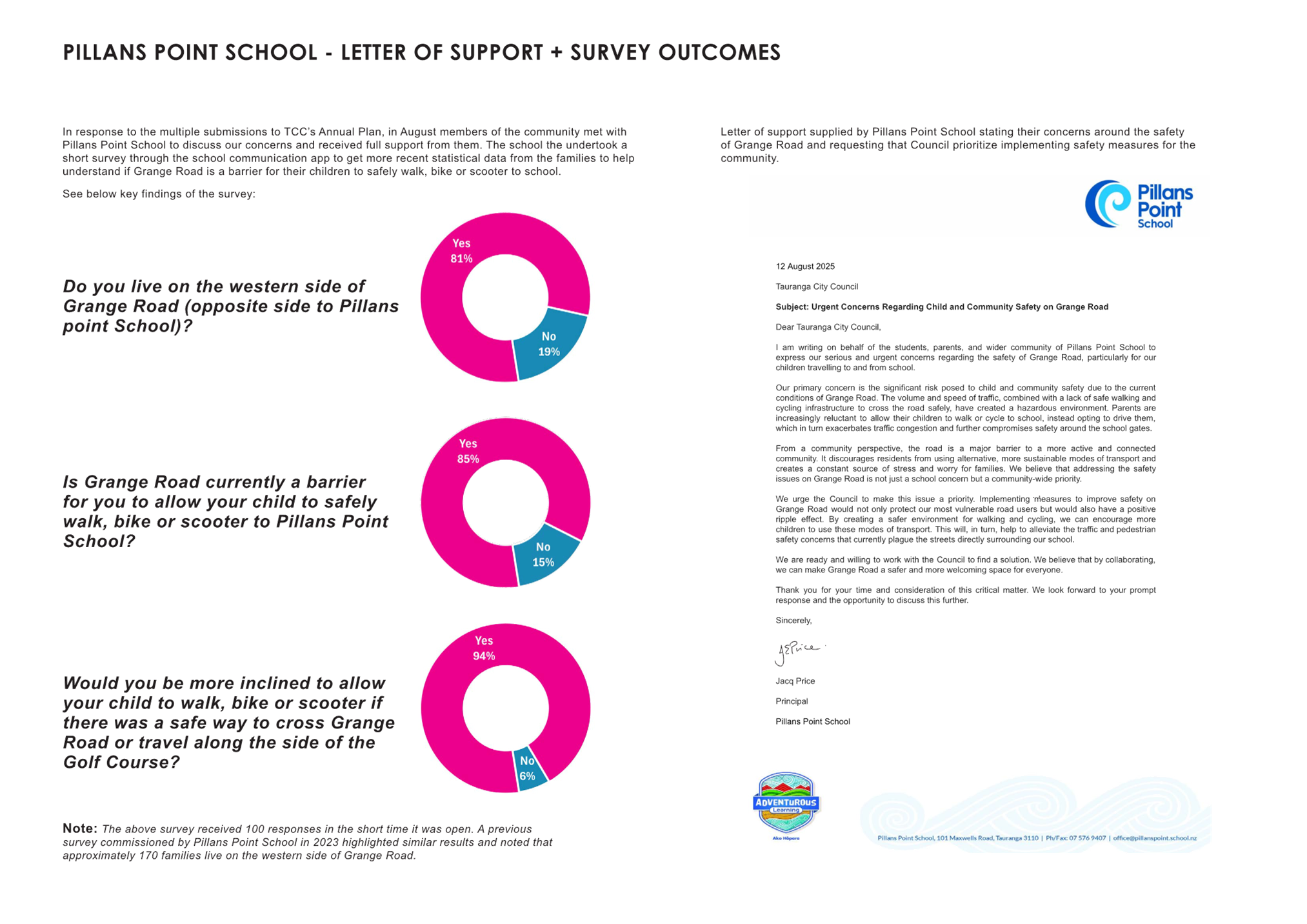
50. A letter from the Principal at
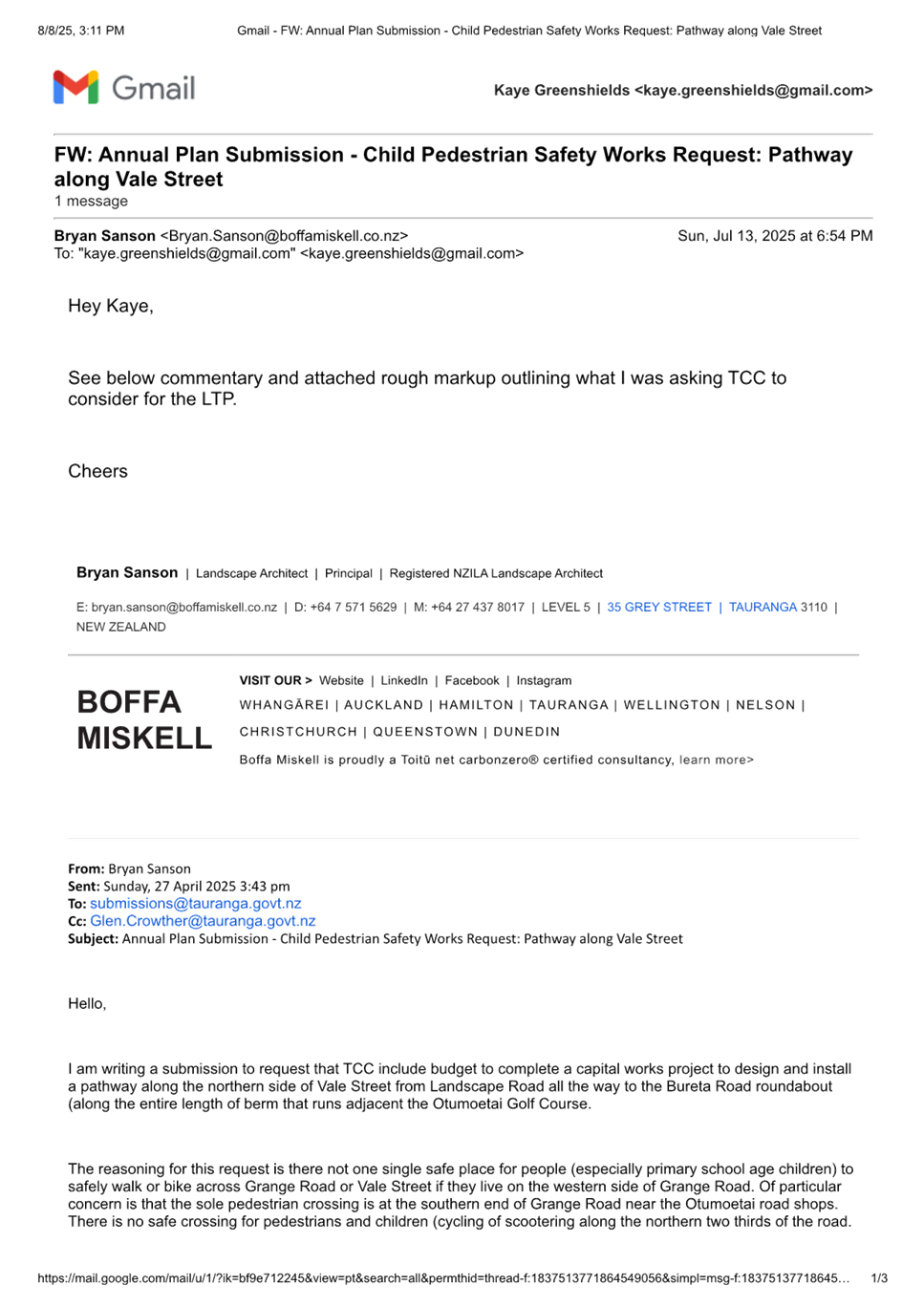
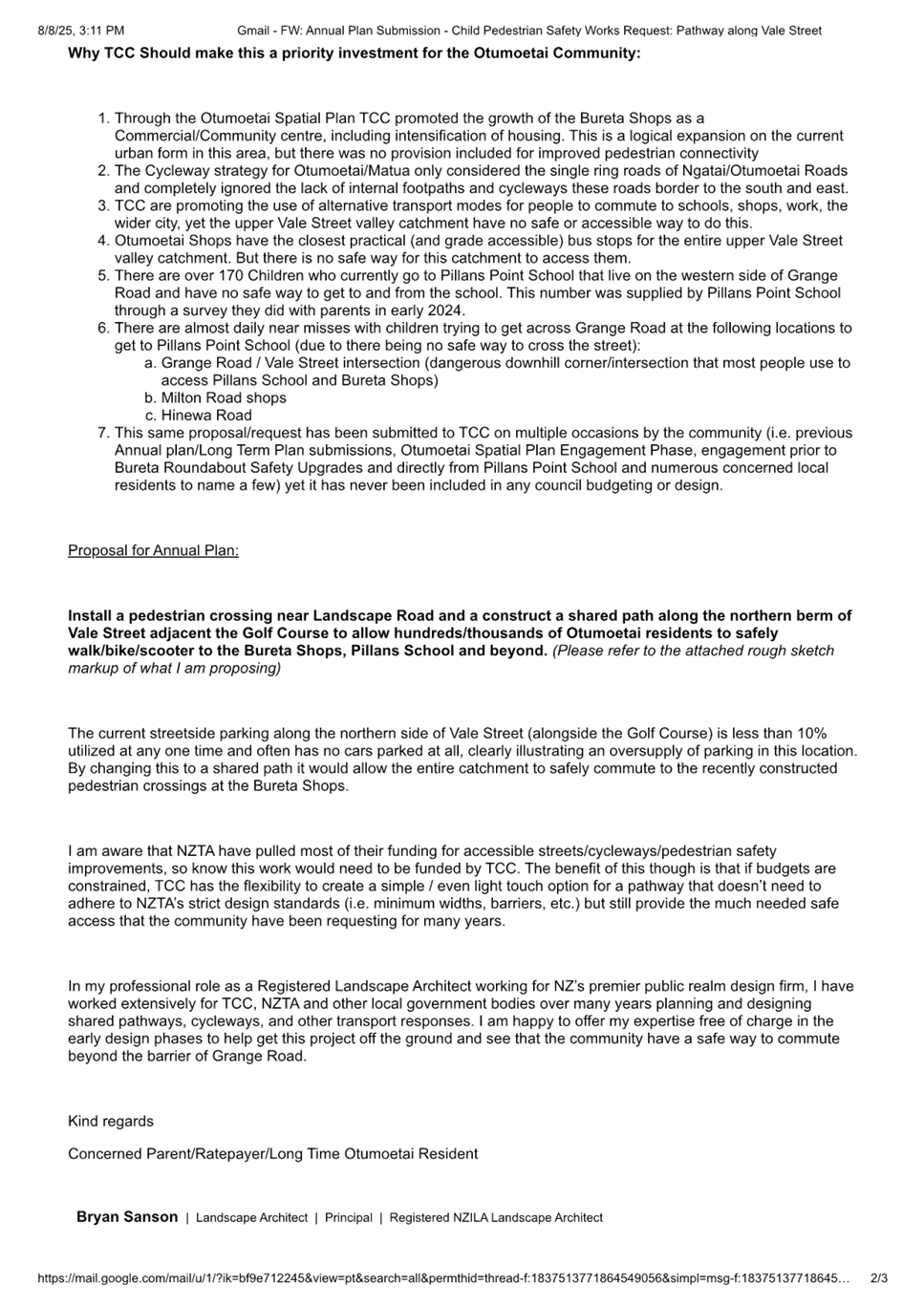
Pillans Point was shared as part of Mr Sanson’s report and
reads :
“I am writing on
behalf of the students, parents, and wider community of Pillans Point School to
express our serious and urgent concerns regarding the safety of Grange Road,
particularly for our children travelling to and from school.
Our primary concern is
the significant risk posed to child and community safety due to the current
conditions of Grange Road. The volume and speed of traffic, combined with a
lack of safe walking and cycling infrastructure to cross the road safely, have created
a hazardous environment. Parents are increasingly reluctant to allow their
children to walk or cycle to school, instead opting to drive them, which in
turn exacerbates traffic congestion and further compromises safety around the
school gates.
From a community
perspective, the road is a major barrier to a more active and connected
community. It
discourages residents from using alternative, more sustainable modes of
transport and creates a constant source of stress and worry for families. We
believe that addressing the safety issues on Grange Road is not just a school
concern but a community-wide priority.”
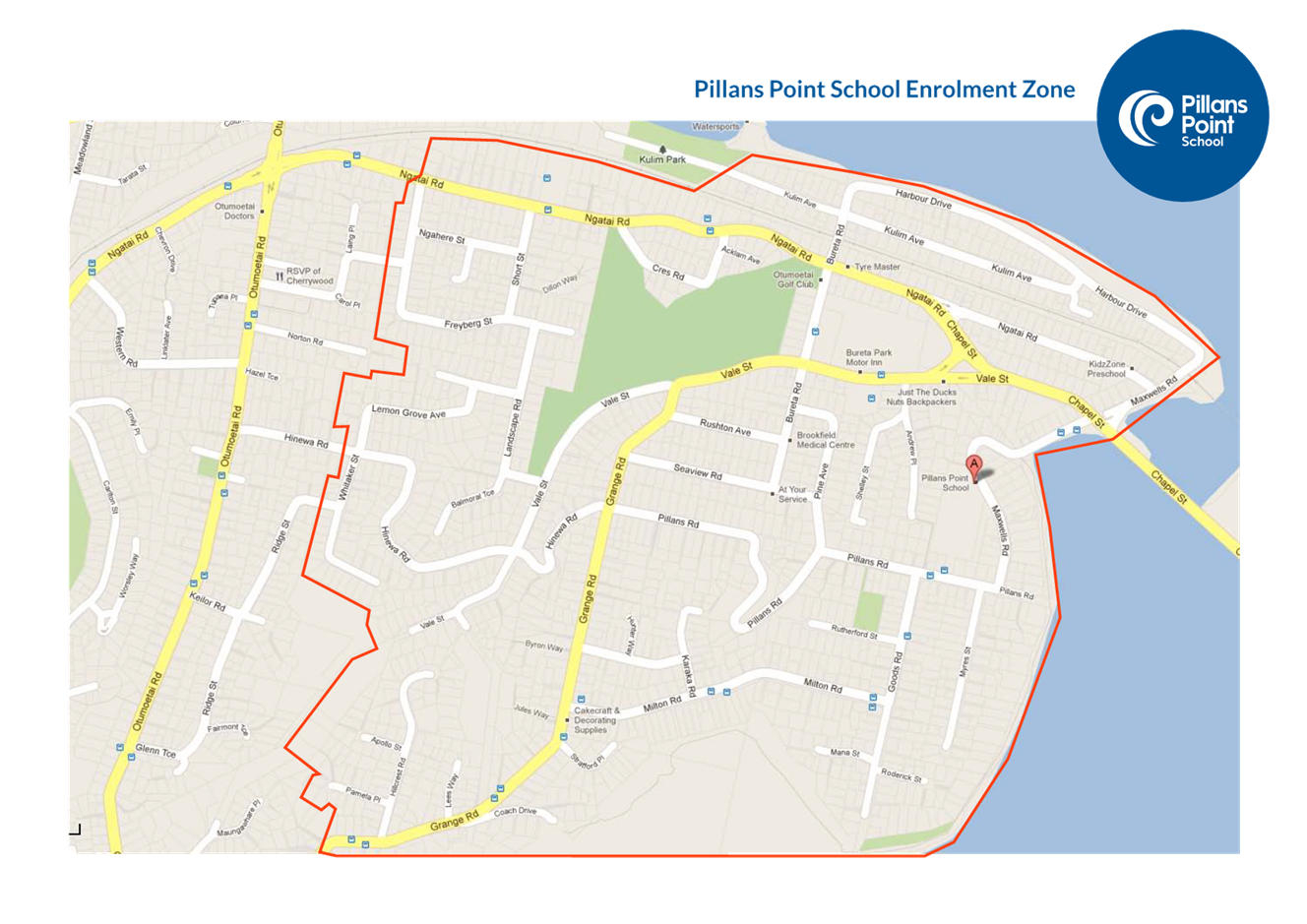
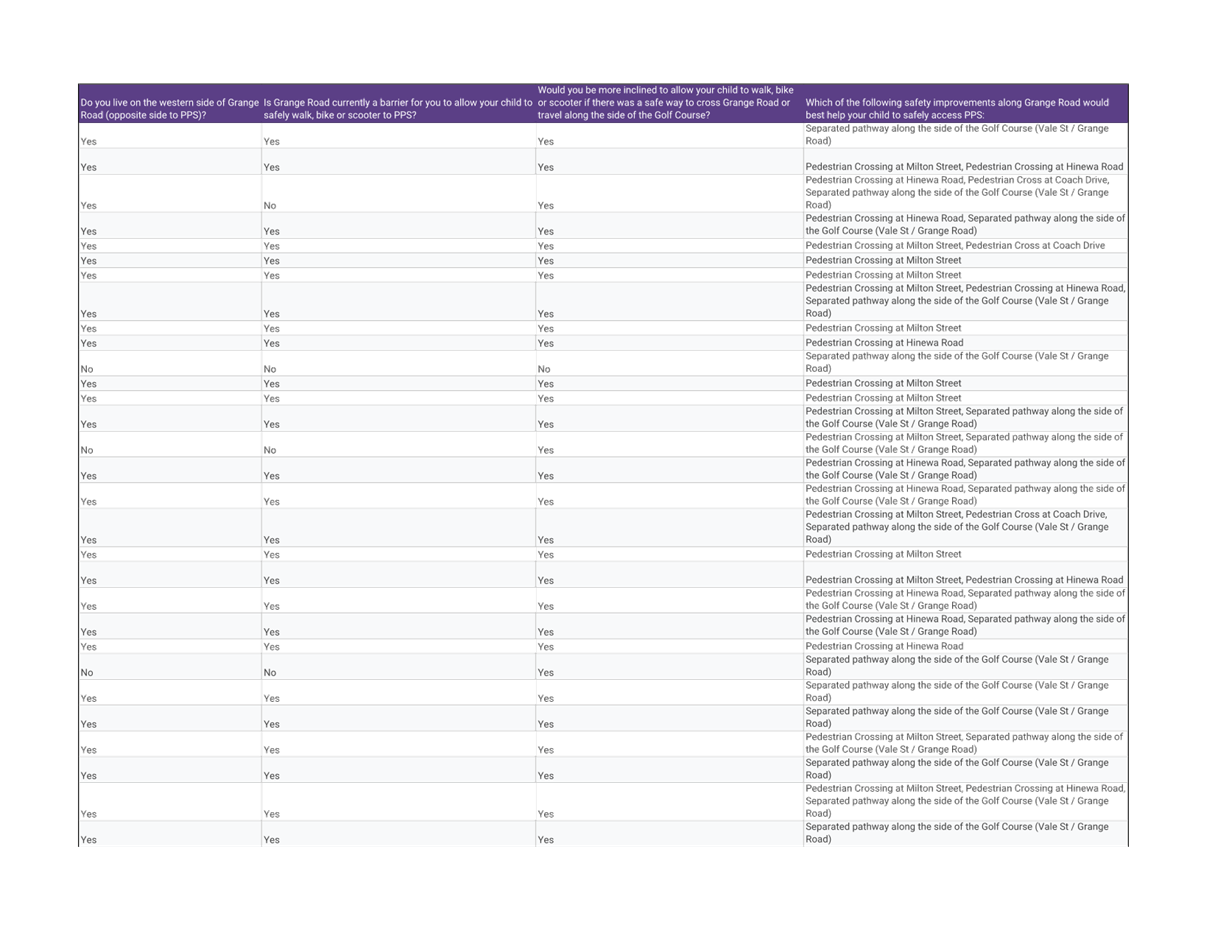
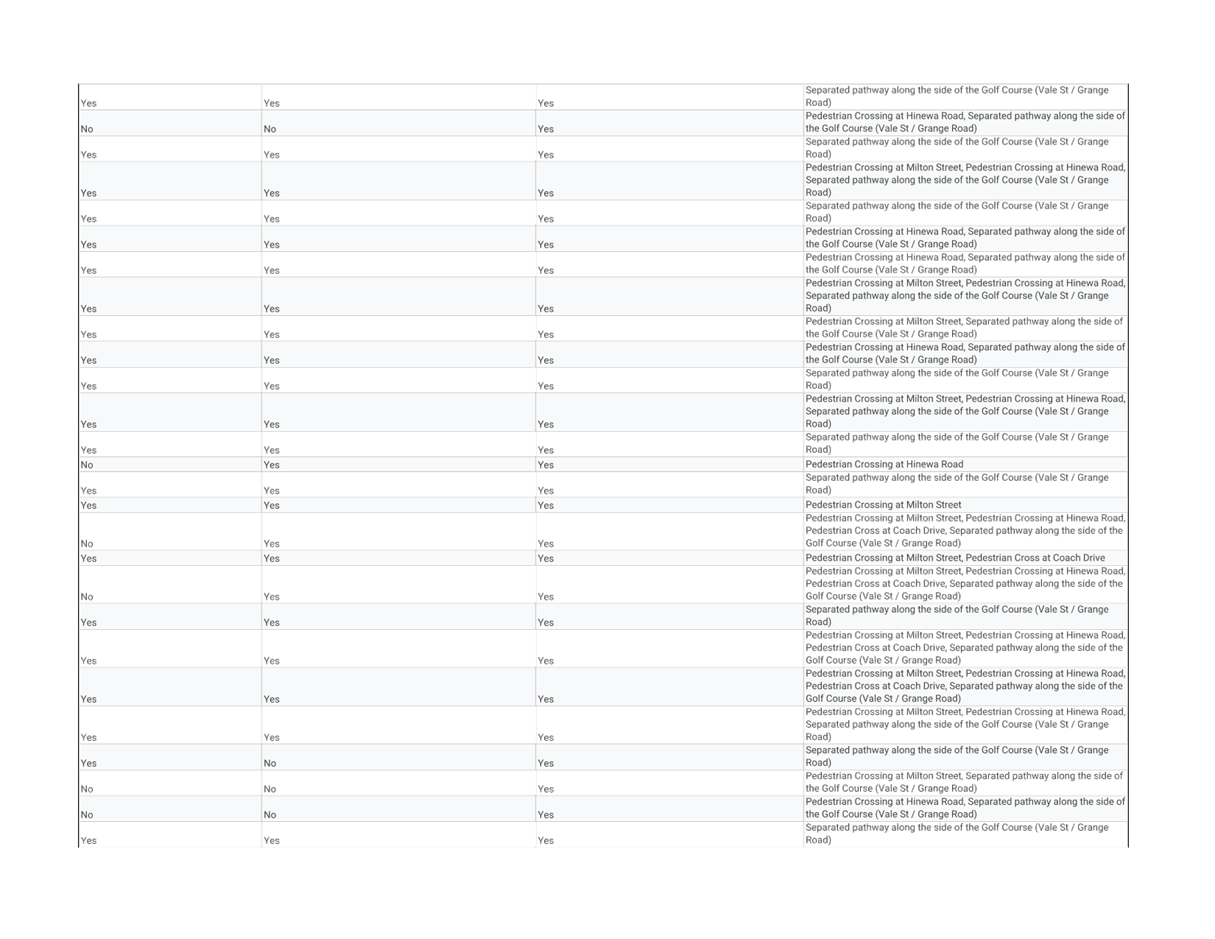
51. The school also undertook a
survey of the local school community and in summary,
(a) 81% live on the western side of
Grange Road,
(b) 85% said that Grange Road was a
barrier to allow students to walk or bike to school.
(c) 94% said they would be more
inclined to allow their child to walk, bike or scooter if there was a safe way
to cross Grange Road or travel along the side of the Golf Course.
52. At this stage, no further
community engagement is considered necessary until funding of the recommended
crossing improvements is allocated. Once funding is allocated, community and
iwi engagement will be undertaken during design development of the recommended
crossing improvements. Feedback will be sought and incorporated into the
designs where possible.
Significance
53. The Local Government Act 2002
requires an assessment of the significance of matters, issues, proposals and
decisions in this report against Council’s Significance and Engagement
Policy. Council acknowledges that in some instances a matter, issue, proposal
or decision may have a high degree of importance to individuals, groups, or
agencies affected by the report.
54. In making this assessment,
consideration has been given to the likely impact, and likely consequences for:
(a) the current and future social,
economic, environmental, or cultural well-being of the district or region.
(b) any persons who are likely to
be particularly affected by, or interested in, the decision.
(c) the capacity of the local
authority to perform its role, and the financial and other costs of doing so.
55. In accordance with the
considerations above, criteria and thresholds in the policy, it is considered
that the proposal is of medium significance. However, this matter is
likely to be of high interest to the local community.
ENGAGEMENT
56. Taking into consideration the
above assessment, that the proposal is of medium significance, officers are of
the opinion that the following consultation/engagement be undertaken:
57. Staff will share the outcome of
the investigation with members of the community who made the submissions to the
Annual Plan, including the locations where crossing improvements are not
warranted or recommended.
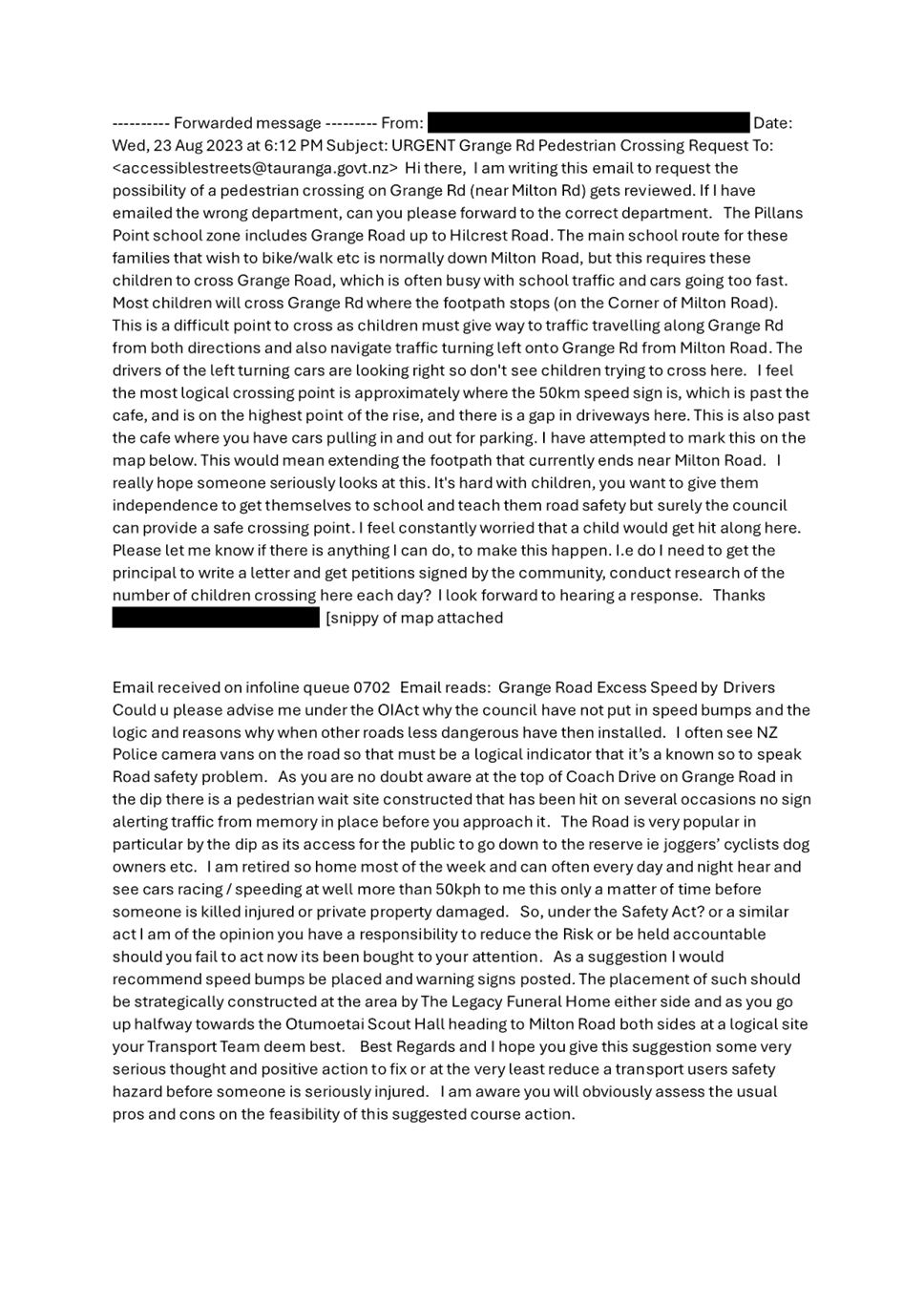
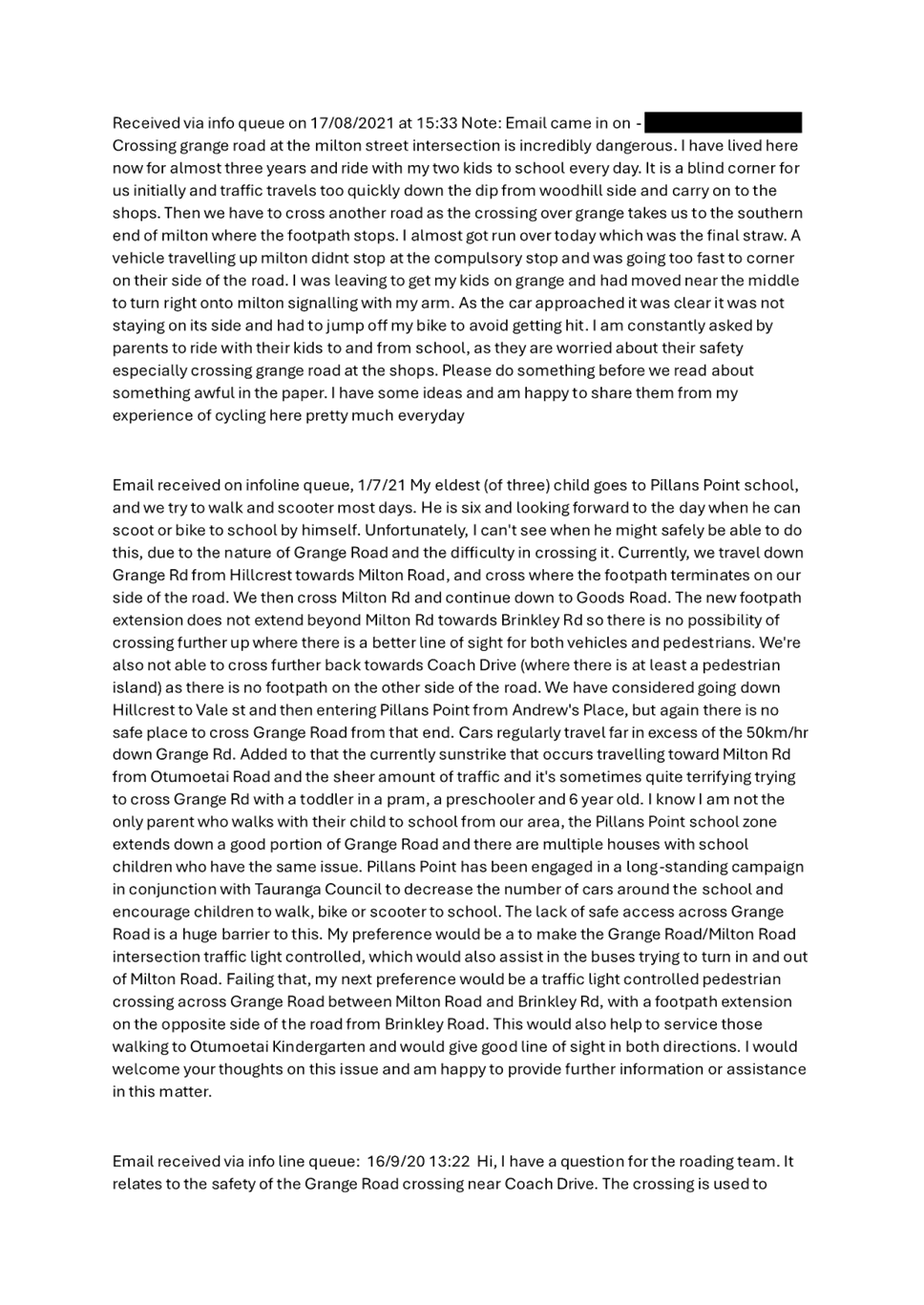
58. Once
a project’s approved, staff will consult with affected parties and
interested groups. This ensures we get the right input before the design
progresses and prior to implementation.
Next Steps
59. Should the City Futures
Committee accept the recommendations, the recommended crossing improvements
will be included for Council’s consideration at the upcoming Annual Plan
and/or LTP deliberations.
60. While Spaces and Places support
the path the leased golf course, further engagement with the golf course is
required to address any potential concerns.
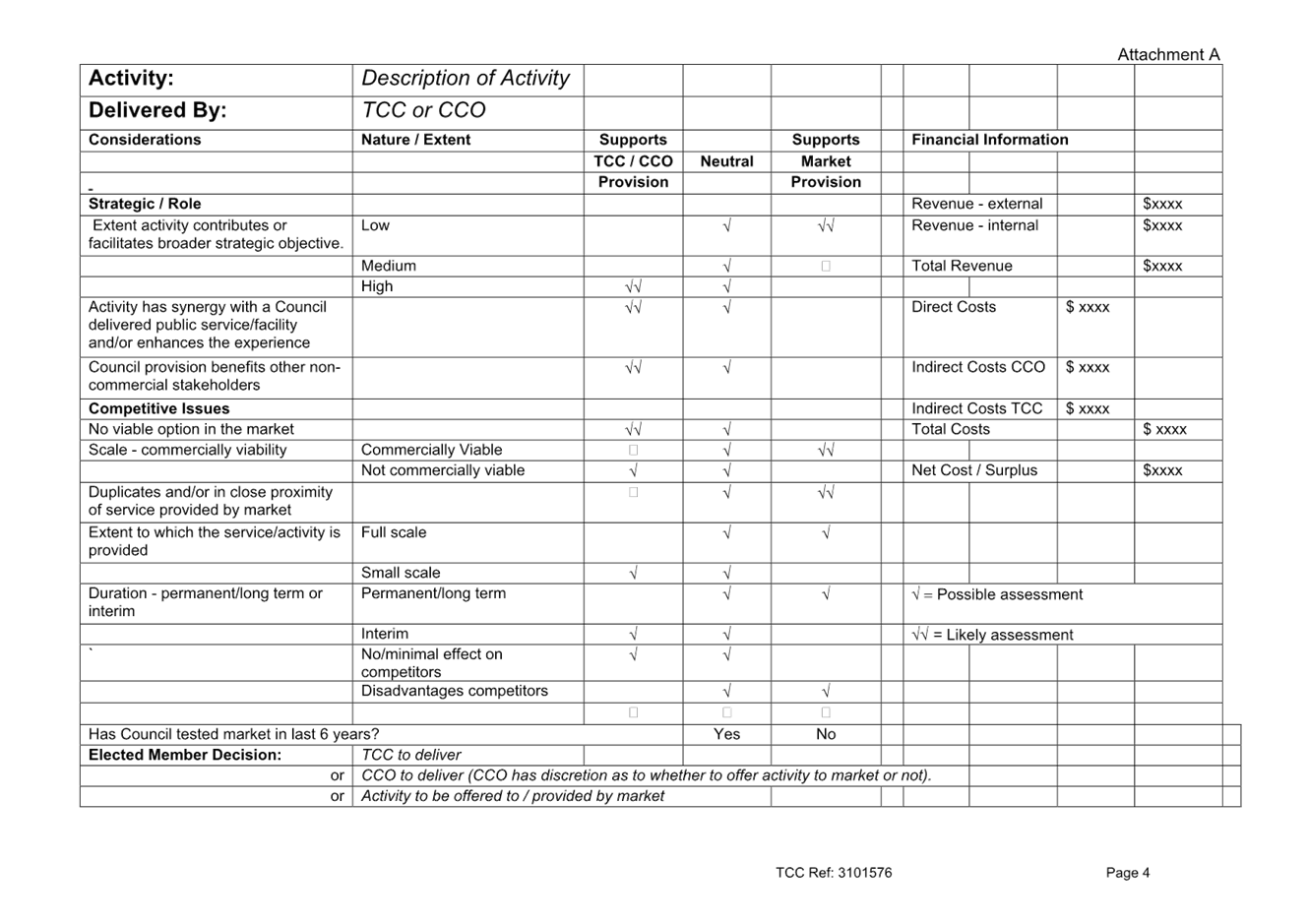
Attachments
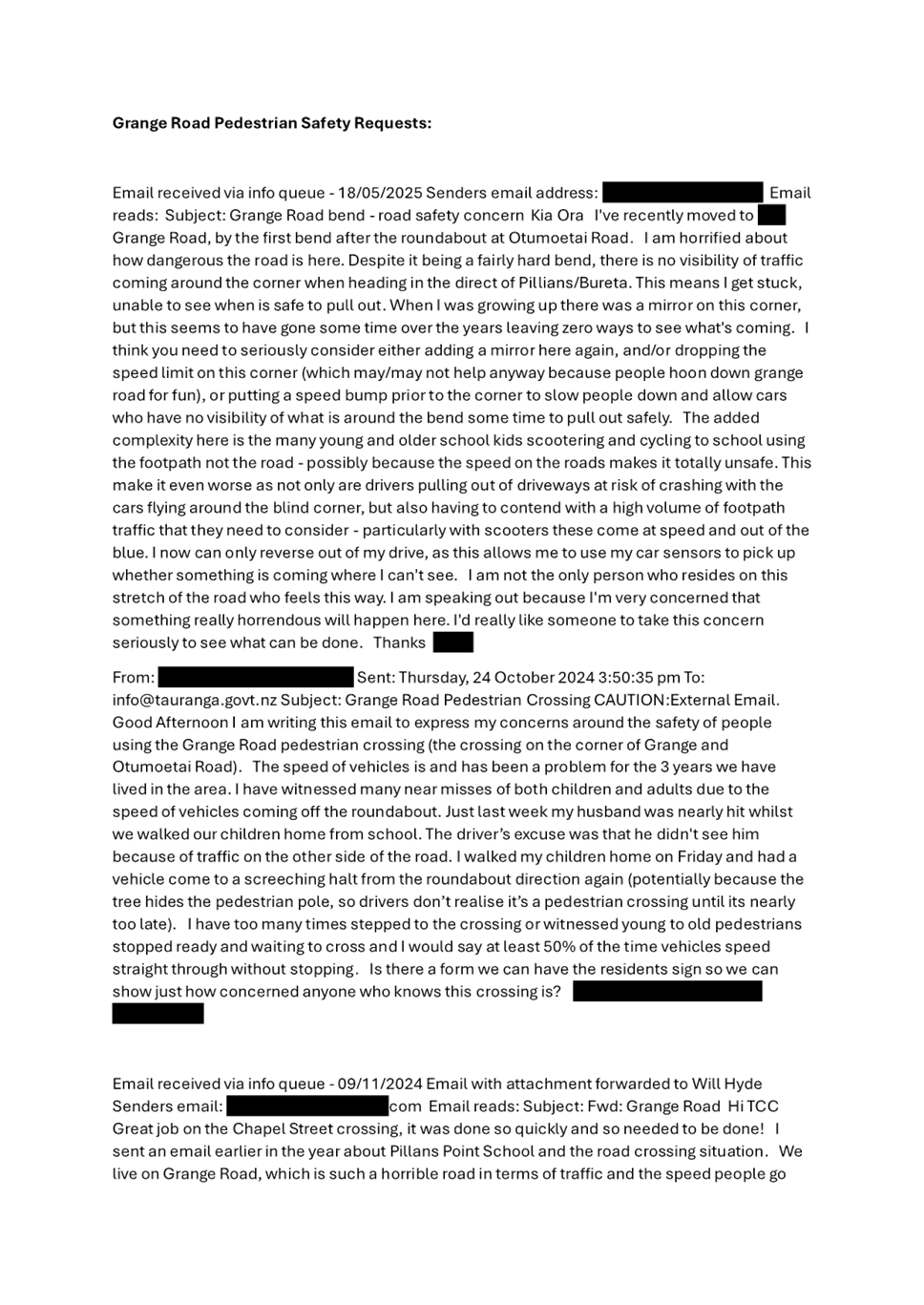
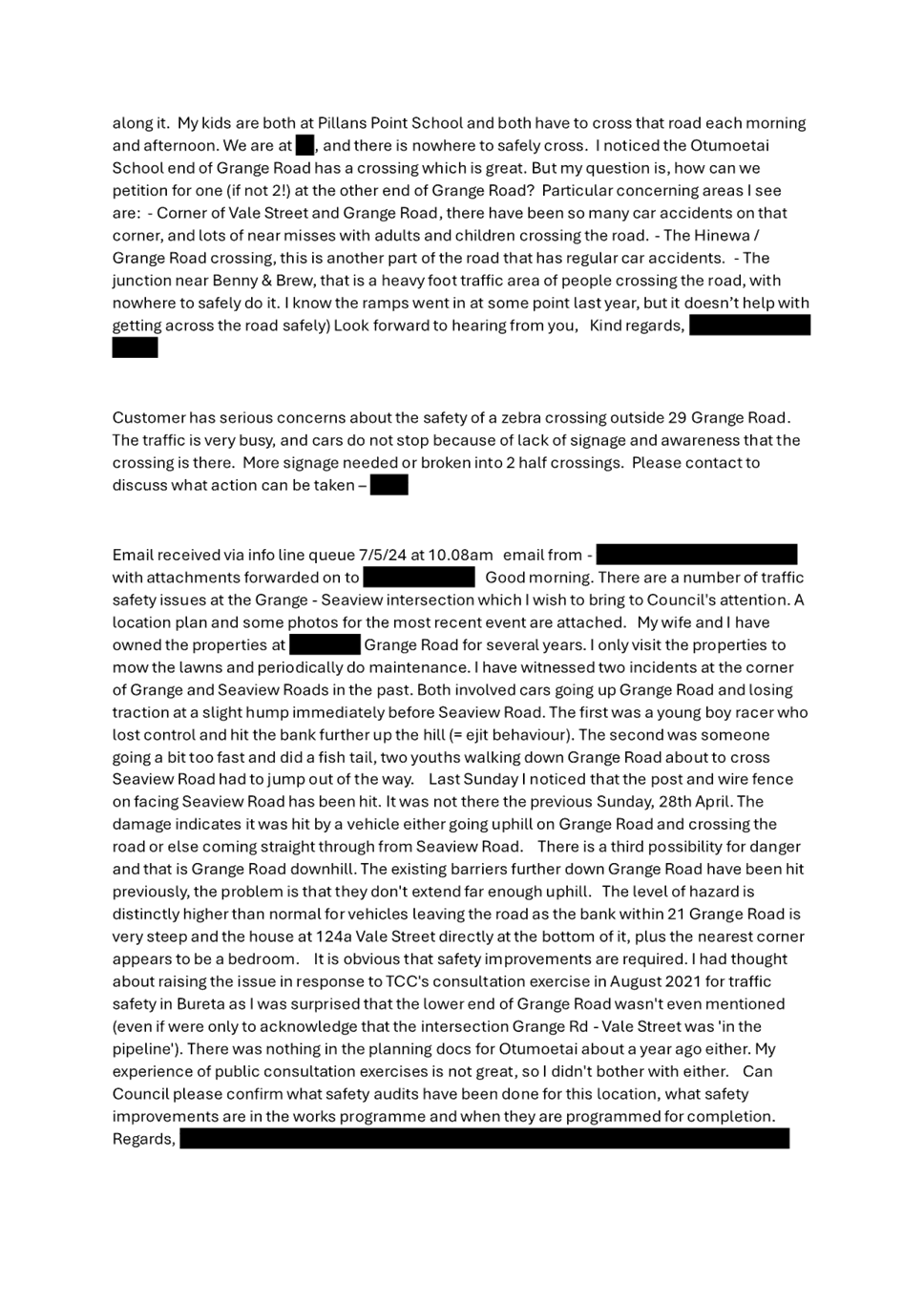
1. Attachment
1 - Summary of submissions - A18900798 ⇩
2. Attachment
2 - Concept Design from Mr Sanson - A18900797 ⇩
3. Attachment
3 - Concept Design for proposed Windsor Road One-way system - A18900795 ⇩
4. Attachment
4 - Concept designs for proposed crossing improvements - A18900793 ⇩
5. Attachment
5 - Options assessment - A18900792 ⇩
6. Attachment
6 - Pedestrian crossing location map and summary of assessments - A18900796 ⇩
7. Attachment 7 -
Summary of feedback from engagement with local schools in May 2025 - A18900794 ⇩
|
City
Future Committee meeting Agenda
|
14
October 2025
|
|
City
Future Committee meeting Agenda
|
14
October 2025
|
|
City
Future Committee meeting Agenda
|
14
October 2025
|
|
City
Future Committee meeting Agenda
|
14
October 2025
|
|
City
Future Committee meeting Agenda
|
14
October 2025
|
|
City
Future Committee meeting Agenda
|
14
October 2025
|
|
City
Future Committee meeting Agenda
|
14
October 2025
|
|
City
Future Committee meeting Agenda
|
14
October 2025
|
9.2 Harbour
Drive Safety Improvement Options
File
Number: A18653997
Author: Karen
Hay, Team Leader: Engineering Services
Authoriser: Nic
Johansson, Acting GM Transport & Water's divisions
Purpose of the Report
1. To present short and
long-term options for consideration. Short-term measures aim to address
immediate safety and amenity concerns, while long-term options could be
considered during the next Annual Plan or Long-term Plan (LTP) deliberations.
|
Recommendations
That the City Future
Committee:
(a) Receives the report
"Harbour Drive Safety Improvement Options".
(b) Approves the short-term
option to:
(i) install boulders
(ii) change angle parking
to parallel parking
(iii) upgrade areas where cars
park to reduce rutting
(c) Approves that the
$35,000–$38,000 to fund the short term option will be funded using
savings from Transport’s existing FY26 budget, noting this is solely
Council funded.
(d) Endorses Option 3 as the
preferred option at an estimate of $2.3M that includes:
(i) Replacing the exiting
path to between 3.5m and 4m along its length
(ii) Includes provision of
approximately 32 parallel parking spaces, picnic tables, traffic calming
using chicanes, additional planting and 200m of boardwalk.
(iii) Notes the benefit cost
ratio of 2 associated with this investment.
(e) Note that the recommended
medium-term option will need to be considered through the upcoming Annual
Plan/ LTP deliberations. Given the current national funding priorities, it is
unlikely this project will receive NZTA funding contribution.
(f) If funding is
confirmed, then engagement with the local community and hapū will be
undertaken to help inform design.
(g) Thanks Mr McHardy and
residents for their time and effort to collaborate with Council staff on this
matter.
|
Executive Summary
2. The Ōtūmoetai
Spatial Plan identifies a number of connections that link neighbourhoods with
centres, schools, employment, public transport, parks, and community
facilities. The plan promotes safe, walkable environments and better travel
options for people of all ages and abilities. Harbour Drive and surrounding
paths are highly utilised facilities that provide for recreation and connect
local neighbourhoods.
3. On 22 July 2025, Harbour
Drive resident Matt McHardy addressed the City Delivery Committee, voicing
concerns about narrow footpaths, antisocial behaviour, berm damage, and
offering the following suggestions for Council consideration to improve safety
and amenity in the area.
(a) Introduce a
one-way traffic system to help reduce antisocial behaviour and improve traffic
flow.
(b) Lower the
speed limit from 50km/h to 40km/h for improved safety.
(c) Install
temporary or permanent speed humps to calm traffic.
(d) Widen the
shared path and install boulders (as on Beach Road) to prevent berm damage and
vehicle encroachment.
(e) Convert angle
parking to parallel to deter drug-related activity and other anti-social
behaviour patterns.
4. Staff have met with Mr
McHardy and several residents to present and gather feedback on the proposals
outlined in this report. There is alignment around the preferred short-term
option of using boulders and parallel parking and not progressing a one-way system.
The community's preference is to replace the entire existing path—ideally
with a boardwalk, include the upgrade of the seawall and provide more access
points to the beach.
5. The medium term
recommended option (Option 3) is replacing the existing shared path, provision
of picnic tables, rubbish bins, reseeding the area, planting and 200m of
boardwalk at key locations at a cost of $2.3M.
6. The cost includes a
standard 30% risk allowance to cover uncertainties at this early stage, such as
potential cost increases due to design changes, unforeseen site conditions, and
market fluctuations.
7. With changes in
government priorities and ongoing financial pressures, walking and cycling
projects—such as Harbour Drive—have been reprioritised resulting in
no co-funding available for this type of project currently. In response,
Council could consider the following recommended options:
(a) Approval of recommended option
as a short-term solution to deter antisocial behaviour on the berm, by
converting parking to parallel configuration. This will be delivered within
existing budgets, with repairs and grass seeding already underway.
(b) Notes that changing parking may
be perceived by the wider community as spoiling their current enjoyment of the
area; however the trade-off is to provision more green space and accommodate
future widening of the shared path.
(c) Recommend the Harbour Drive
medium – long term solution (Option 3) be included as part of the
upcoming annual Plan/Long-term plan deliberations noting this would be solely
Council funded at this point.
Background
8. There is currently no
funding available for the Harbour Drive shared path. A budget bid was prepared
for walkway or pathway development for the 2024-2034 LTP and submitted as part
of a previous Low-Cost Low Risk (LCLR) bid to NZ Transport Agency (NZTA). Given
the change in government priorities, funding was not allocated for this or any
other walking and cycle related projects.
9. Harbour Drive - Kulim
Park is highly utilised route for walking and cycling. The count comparisons
below are based on data from electronic counters currently available on the
network. A count was undertaken on Harbour drive comparing the volume of users
in the highest hour peak against that of Kulim Park. 82% used Harbour
Drive or estimated at 708 average weekday number.

Figure 1: Average daily pedestrian and cycle volumes 2024
Statutory Context
10. The provision of safe and
accessible routes in New Zealand is guided by several key frameworks including:
(a) Land Transport Act 1998:
Establishes the legal basis for transport safety and infrastructure planning.
(b) NZTA’s Pedestrian Network
Guidance: promotes a Safe System approach and inclusive design that considers
the needs of all users, when planning and implementing pedestrian facilities
(paths and crossings).
STRATEGIC ALIGNMENT
11. This contributes to the
promotion or achievement of the following strategic community outcome(s):
|
Contributes
|
|
We are an inclusive city
|
ü
|
|
We value, protect and enhance the environment
|
ü
|
|
We are a well-planned city
|
ü
|
|
We can move around our city easily
|
ü
|
|
We are a city that supports business and education
|
ü
|
12. The
recommendations support local communities in moving around the city safely and
inclusively, catering to all ages and abilities, while supporting how we value
and protect our environment.
13. Safer roads and
environments encourage more people to walk, cycle, or use public transport,
promoting healthier lifestyles and supporting environmental outcomes.
Options Analysis
One Way Traffic System
(Not recommended)
14. The suggestion to consider
a one-way traffic system on Harbour Drive to help reduce antisocial behaviour
and improve traffic flow was investigated. With around 600 vehicles per day, a
one-way route from Bureta Road to Maxwells Road is the only feasible option due
to the left-in/left-out configuration at the Maxwells Road and Chapel Street
intersection. However, this would divert traffic to Kulim Avenue and Ngatai
Road, unlikely to be supported by residents in those streets.


Figure
1: One Way System overview
Speed reduction from
50km/h to 40km/h (Not recommended)
15. Under the Land
Transport Rule: Setting of Speed Limits 2024, lowering speed limits from
the default 50 km/h—such as to 30 or 40 km/h—is considered
an exception and must meet specific criteria before approval by the
NZTA Director.
16. Lowering the speed limit from
50 km/h to 30 or 40 km/h requires evidence of safety risk (e.g. crash history
or infrastructure ratings), public consultation of at least six weeks, a
cost-benefit disclosure outlining safety, travel time, and cost impacts, and
approval as an Alternative Method Proposal by the Director.
17. The proposed limit must also
align with rule classifications or justify why speed reduction is preferred
over other safety measures. Harbour Drive is unlikely to meet these criteria
due to low risk and lack of crash data, albeit the potential for strong community
support is demonstrated.
Install temporary or
permanent speed humps to calm traffic.
18. While speed humps are effective
in slowing traffic, staff have highlighted concerns about increased noise and
potential vibration. Chicanes, which reduce speed by altering the road layout,
offer a quieter and smoother alternative, though they require more space.
Chicanes are an alternative and are recommended instead.
Short, medium and to
longer-term options
19. While an option of ‘do
nothing’ exists, community feedback does indicate a desire for
improvement. Detail of the short and longer term options are attached in
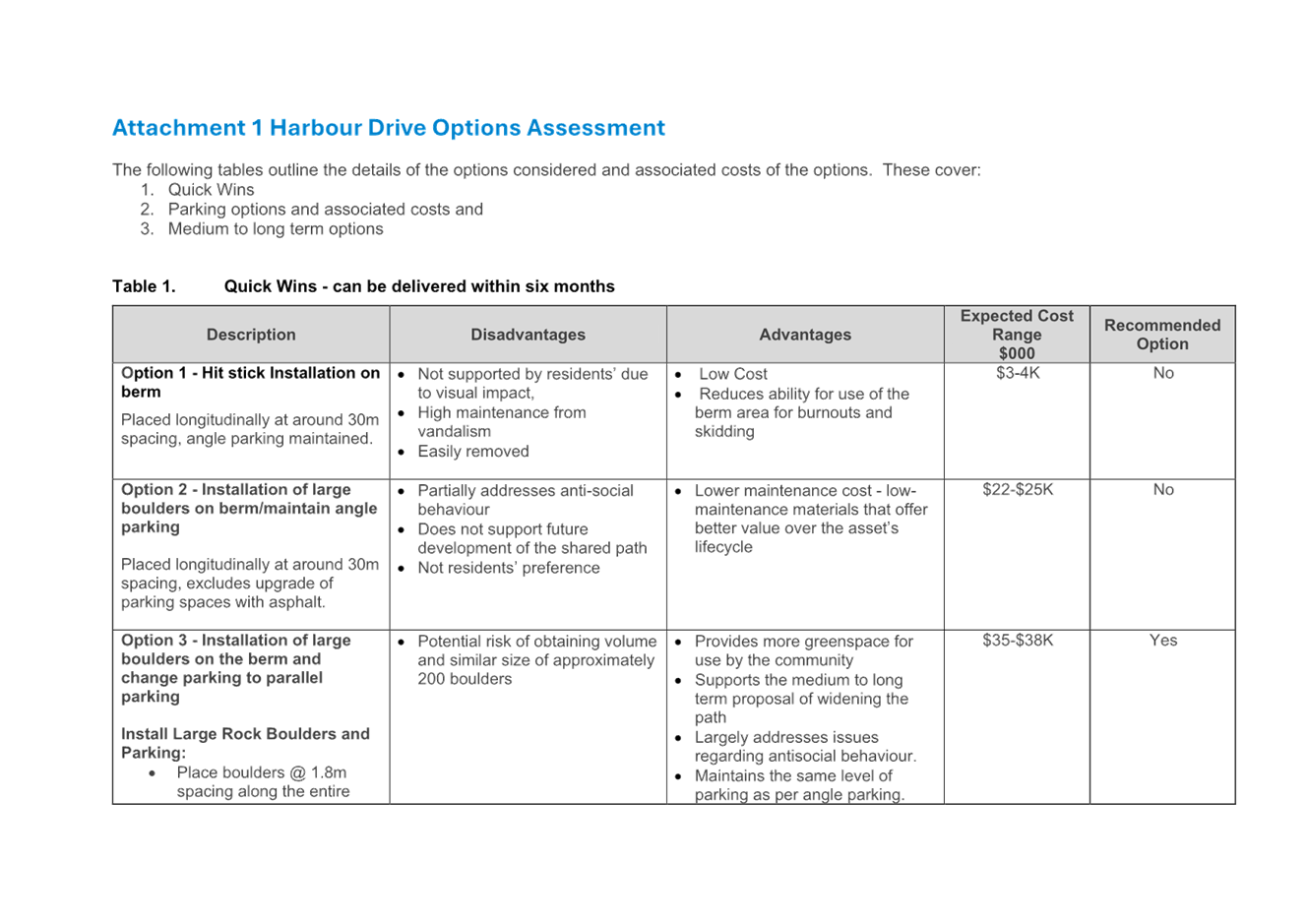
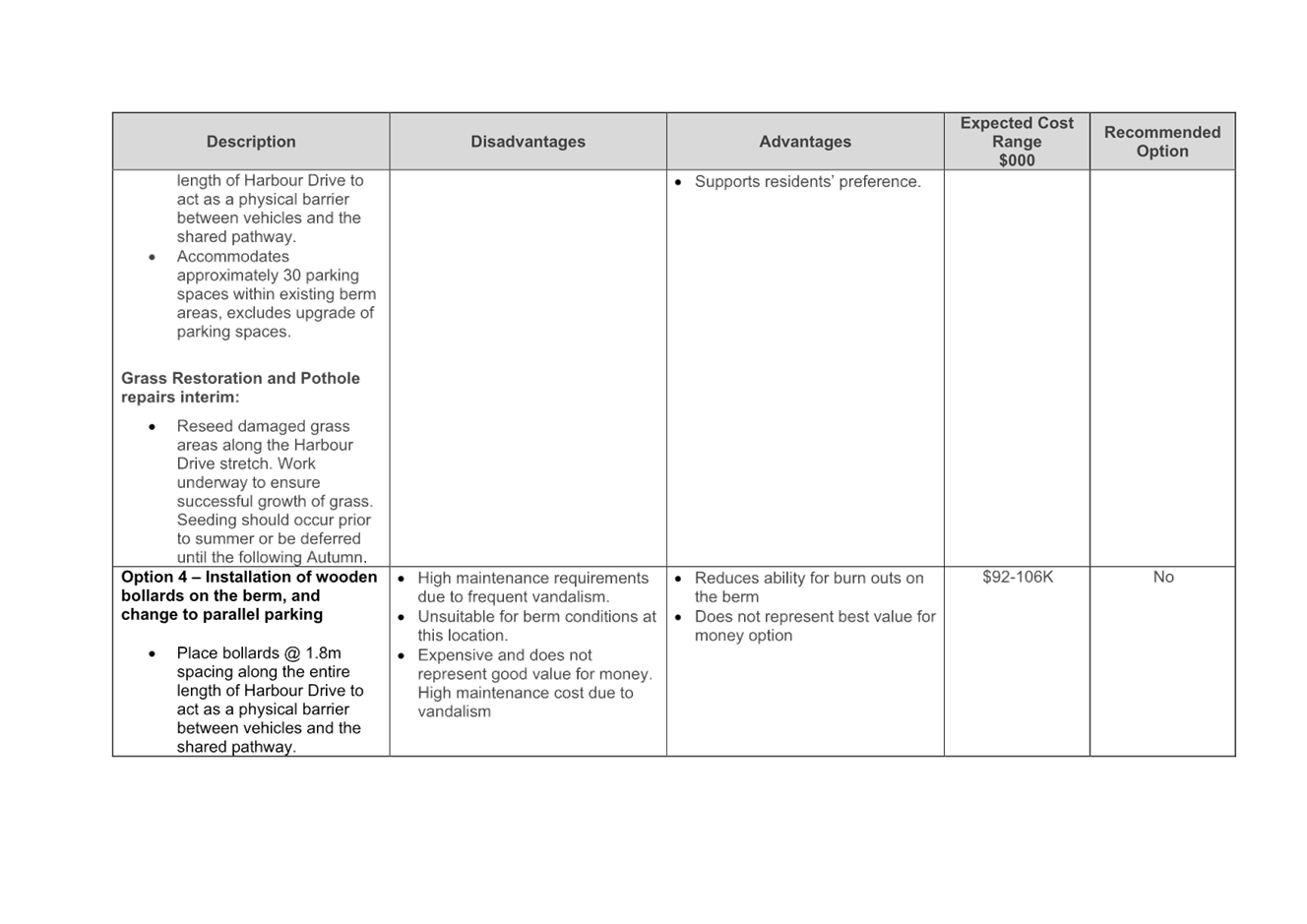
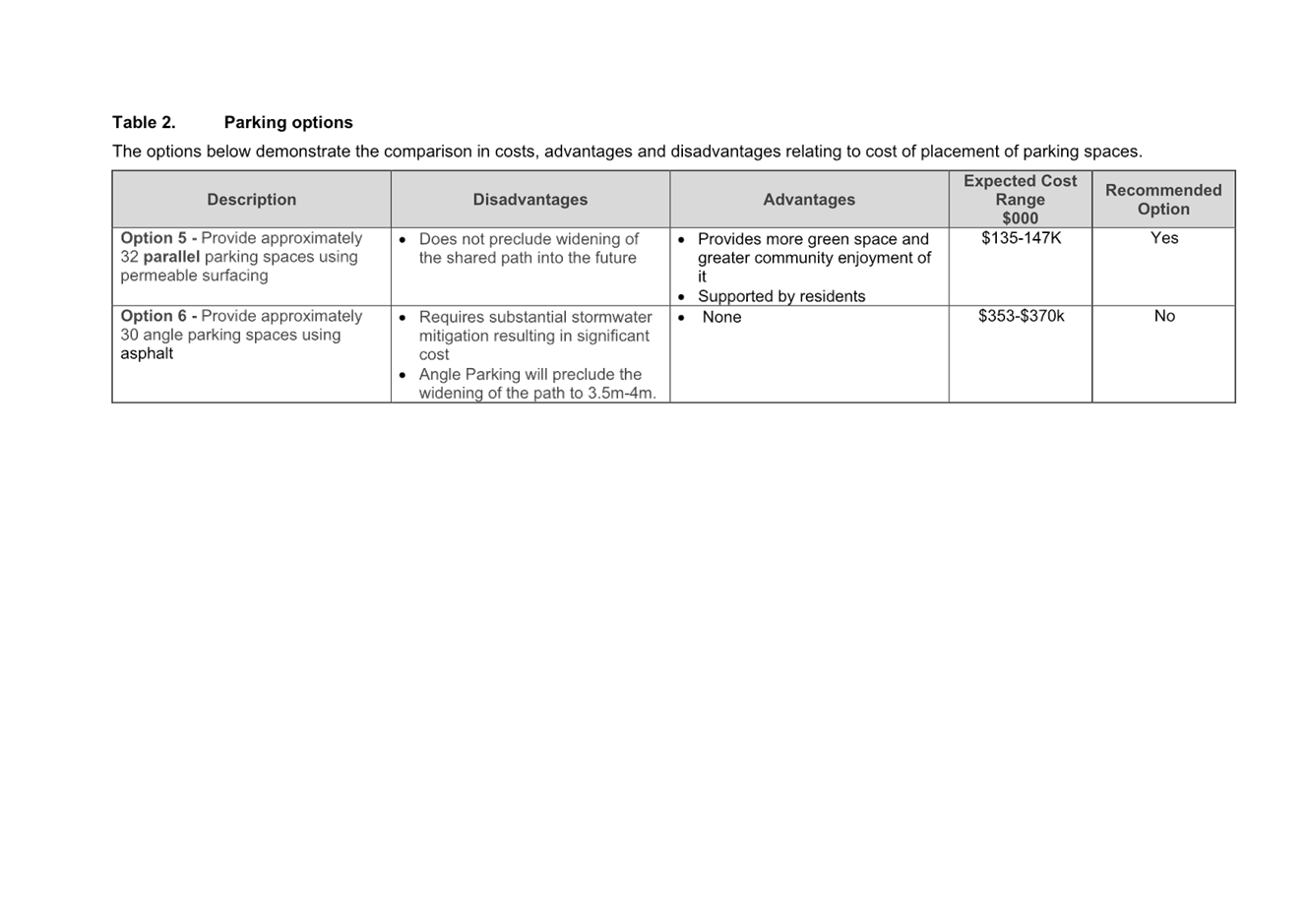
Attachment 1.
20. In the short term the
recommended option is to change the parking to parallel and utilise boulders to
formalise parking arrangements. Additionally, an upgrade of the newly parked
area will be upgraded to help reduce rutting.
21. This option provides more
greenspace for use by the community, supports the medium to long term
proposal of widening the path and precludes people using the berm area for
antisocial behaviour.
22. The cost estimate is between
$35-$38K and can be accommodated within Transport programme, where savings can
be reallocated.
23. Reseeding of damaged berm
and remediating potholes along the berm will be undertaken through the
maintenance programme.
Medium to Long Term
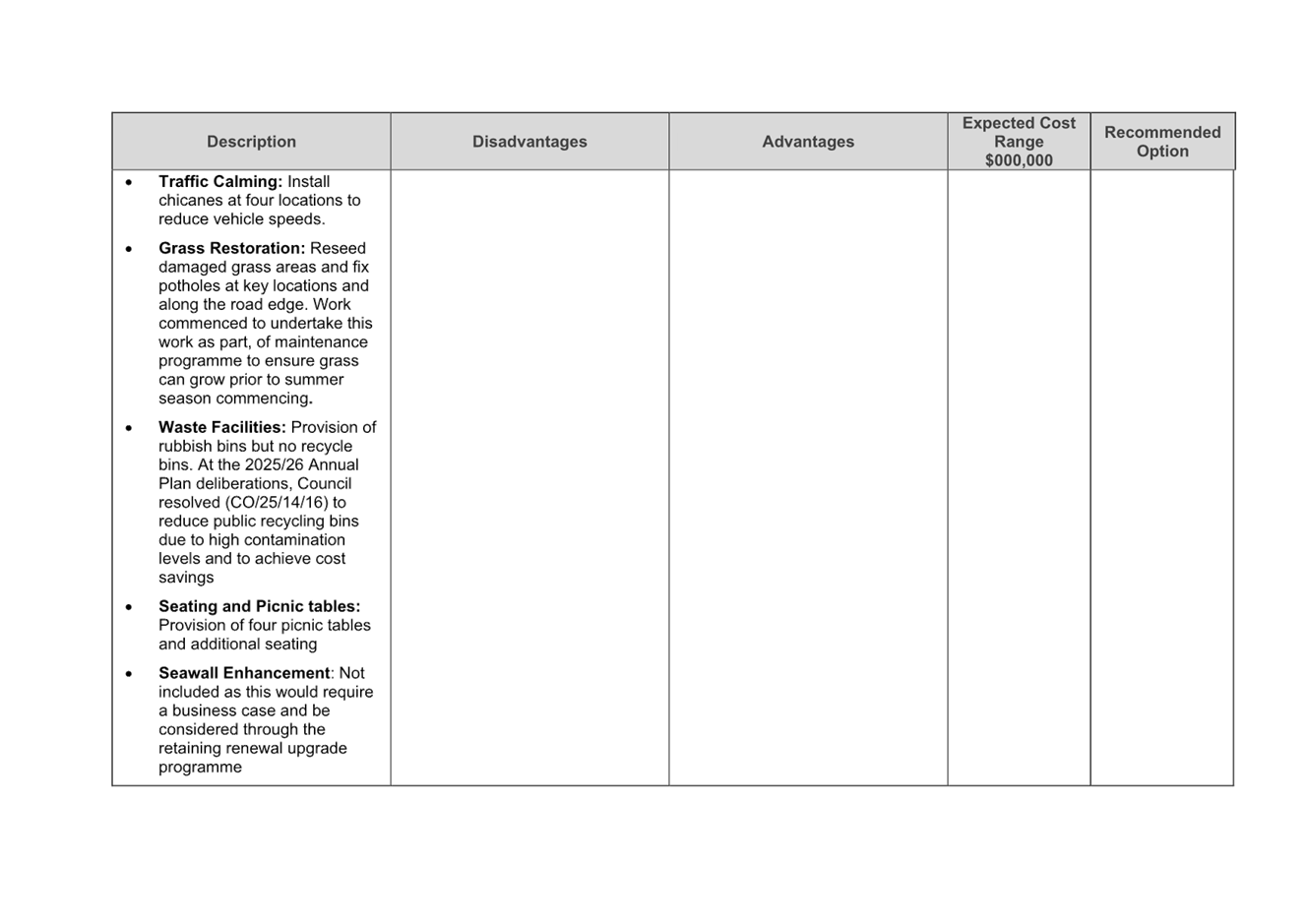
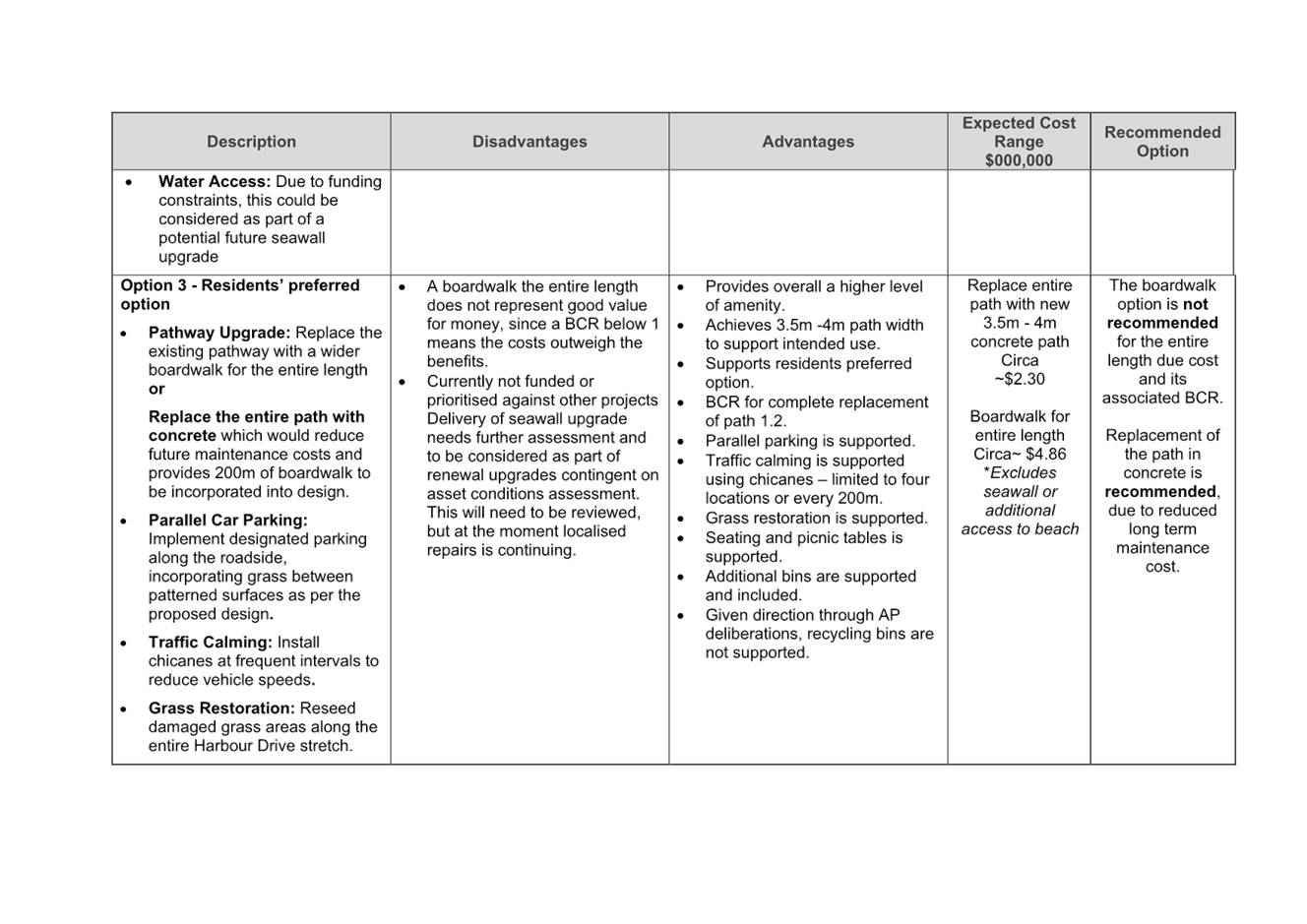
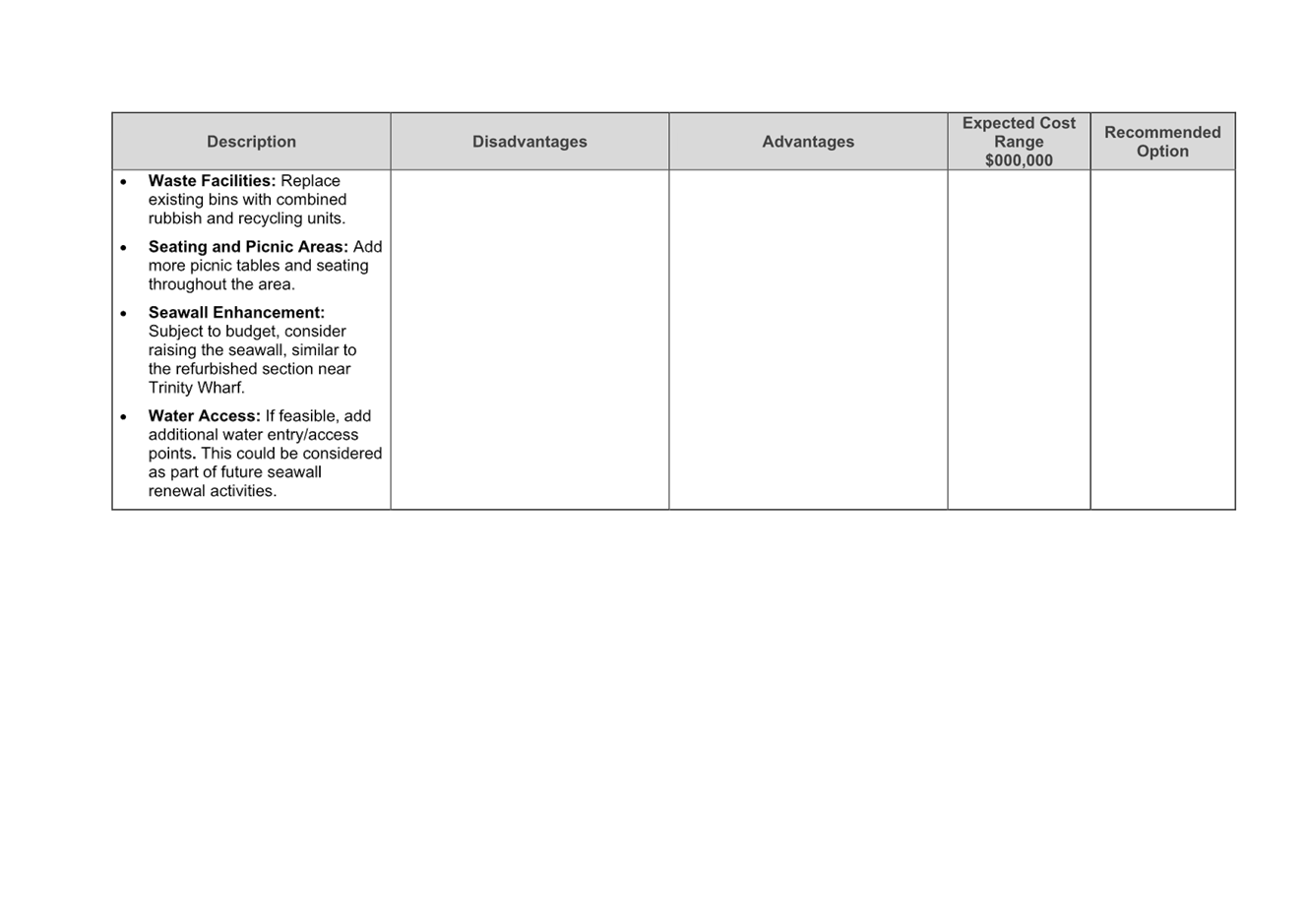
Option – Shared path and other improvements
24. The recommended width of shared
paths is based on peak-hour use by both pedestrians and cyclists. A minimum
width of 3 metres is needed, with 4 metres preferred to comfortably accommodate
current and future demand.

Figure 2: Average daily
pedestrian and cycle volumes 2024
25. The current path width ranges
between 1.2m and 1.4m along its length. The options presented in Attachment 1
include formalising parking, provision of additional planting and widening the
path to 3.5m for the majority of its length.
26. We recommend replacing the entire
path rather than adding to the existing one. Matching levels between old and
new sections is difficult and could lead to uneven surfaces and safety risks. A
full replacement avoids these issues and reduces long-term maintenance.
27. The preferred option is estimated to
cost $2.3M,(including 30% risk allowance given the early stages of the
project development). An indicative BCR is 2.
28. In summary, the following is
included in the cost estimate above.
(a) Replace the entire path with
concrete which would reduce future maintenance costs and provides 200m of
boardwalk to be incorporated at key locations.
(b) Change parking to parallel car
parking along the roadside, incorporating grass between patterned surfaces.
(c) Install chicanes at four
locations to reduce vehicle speeds and preclude the challenges with burnouts
and excessive speed.
(d) Replace existing rubbish bins,
excluding recycling bins in line with Council resolution CO/25/14/16, which
aims to reduce public recycling bins due to high contamination levels and to
achieve cost savings.
(e) Addition of picnic tables and
seating.
Financial Considerations
29. If Council endorses spending the
recommended quick win option of installing bollards and changing parking to
parallel parking, this can only be delivered by using savings through the
existing transport budget to a maximum of $35-$38K, noting this is solely
Council funded.
30. For the medium to long term option,
Transport’s capital programme is constrained. Due to the reduction in
NZTA partnership funding, Council’s ability to deliver capital projects
is reduced. Prioritisation of this project against several other projects will
be required with delivery timeframes yet to be finalised. This project could be
considered by Council through the next Annual Plan process.
31. A value for money lens has been
applied against the options. A summary of each of the options and costs is
outlined in the table below. NZTA does not require economic evaluations for
projects under $2 million, given the known overall benefits these bring. For
this project, an assessment has been undertaken using NZTA’s Monetised
Benefits and Costs Manual relating to walking and cycling.
32. The BCR shows if a project’s
benefits are worth the cost. If the BCR is over 1, the benefits outweigh the
cost resulting in good investment. The higher the number, the better the value
for money.
33.  The
recommended option has a BCR of 2 i.e. replacing of the path. The higher
BCR is due to reduced overall long-term maintenance costs The recommended
option has a BCR of 2 i.e. replacing of the path. The higher BCR is due
to reduced overall long-term maintenance costs. The table below presents cost
of options and associated BCR’s.
The
recommended option has a BCR of 2 i.e. replacing of the path. The higher
BCR is due to reduced overall long-term maintenance costs The recommended
option has a BCR of 2 i.e. replacing of the path. The higher BCR is due
to reduced overall long-term maintenance costs. The table below presents cost
of options and associated BCR’s.
34. Permeable parking options like
grasscrete or gobi blocks cost $219K less than asphalt which represents a
better value for money option.
Legal Implications / Risks
35. The key risks identified include:
(a) Constrained funding associated
with walking and cycling projects due to lack of NZTA funding and its
priorities.
(b) Consultation may not receive
the level of support needed for the project which may impact cost and time.
(c) There is a risk that changes to
parking may be unpopular with some residents. Council will address this through
clear communication and engagement to explain the benefits and gather feedback.
TE AO MĀORI APPROACH
36. We take a deliberate approach to engaging
with Tangata Whenua. Staff have initiated contact with local hapū, and if
the project proceeds, further engagement with hapū representatives will
ensure Māori perspectives are reflected through a Te Ao Māori lens
through the design process.
CLIMATE IMPACT
37. The proposed changes on Harbour
Drive support the Climate Investment and Action plan as it supports use of the
street for a variety of public transport, walking, biking, and micro-mobility
transport modes.
Consultation / Engagement
Previous Engagement
38. Following multiple requests from
Harbour Drive residents in 2024, Council proposed to install 10-12 new LED
streetlights to help improve safety and visibility by illuminating the car
parking areas on the northern/harbour side of the street, especially at night.
Council staff door-knocked and hand delivered letters to about 60 Harbour Drive
properties in February 2025 seeking their feedback on the proposal. The
majority of feedback received – in-person and via emails and phone calls
- was not in favour of the proposed streetlights due to potential increased
light spill onto their properties, spoiling their views of the harbour, and
devaluing their properties.
39. Many residents felt that other
measures, such as the ones discussed in this report, would be more effective at
deterring antisocial behaviour. A decision was made not to go ahead with the
streetlighting which was communicated to residents in April 2025.
Recent Engagement
40. Staff met with Mr McHardy and
other resident representatives to work through the options presented in this
report. There is a desire to complete additional works which include:
(a) Upgrade of the seawall to
remediate areas of failure and align with Trinity Wharf Level of Service. This
is part of Council’s renewal programme and falls outside of the scope of
this project and is not programmed within the LTP. Notwithstanding, routine
maintenance is undertaken, and on updated assessments identifying further
significant intervention, these are then programme for consideration in Long
Term Plans.
(b) Replace the path in its
entirety with the preferred option of a boardwalk. While Council could consider
this as a preferred option, note the return on investment is negative. A
boardwalk is expensive and therefore not considered the best value for money.
(c) Additional access points to the
beach. There are currently three access points to the beach. While more access
could be beneficial, it is not included in the current options. However, it
could be considered as part of future planning. Any additional access
would best be undertaken with a longer term seawall renewal work and would come
with extra costs.
41. Overall the proposals presented in
this report are supported, noting the financial and value for money
challenges.
Significance
42. The Local Government Act 2002
requires an assessment of the significance of matters, issues, proposals and
decisions in this report against Council’s Significance and Engagement
Policy. Council acknowledges that in some instances a matter, issue, proposal
or decision may have a high degree of importance to individuals, groups, or
agencies affected by the report.
43. In making this assessment,
consideration has been given to the likely impact, and likely consequences for:
(a) the current
and future social, economic, environmental, or cultural well-being of the
district or region
(b) any persons who are likely to be
particularly affected by, or interested in, the issue.
(c) the capacity of the local authority
to perform its role, and the financial and other costs of doing so.
44. In accordance with the
considerations above, criteria and thresholds in the policy, it is considered
that the proposal is of medium significance.
45. However, this matter is of high
interest to local communities affected by the decision.
ENGAGEMENT
46. Taking into consideration the above
assessment, that the matter is of medium significance, officers are of the
opinion that the following consultation/engagement is suggested/required under
the Local Government Act.
(a) Provide residents on Harbour
Drive and the wider community an update in relation to the short-term option of
using boulders and amending parking arrangements to parallel parking, noting
that maintenance is already underway.
(b) When funding is confirmed,
further engagement on the preferred option of extending the path, seating and
other amenity improvements will take place, prior to finalising the design.
Next Steps
47. Provide an update to residents on the
outcome of this meeting and Harbour Drive and proposal to address the issues in
the short term.
48. Utilise savings from existing
Transport Programme (~ $35-$38K) to deliver the quick wins. Procurement
opportunities will be reviewed to ensure the best value for that delivery
occurs and determine if it could be done for less.
Attachments
1. Attachment
1 - Harbour Drive Option Analysis - A18901451 ⇩
|
City
Future Committee meeting Agenda
|
14
October 2025
|
|
City
Future Committee meeting Agenda
|
14
October 2025
|
9.3 Commercial Activities in Council Facilities Policy Review
File
Number: A15797762
Author: Sandy
Lee, Policy Analyst
Gert van Staden,
S&P Partnerships and Facilitation Team Leader
Alison Law, Head of
Spaces & Places
Authoriser: Barbara
Dempsey, Acting General Manager Infrastructure and Operations
Purpose of the Report
1. To rescind the Commercial
Activities in Council Facilities Policy 2010.
|
Recommendations
That the City Future
Committee:
(a) Receives the report
"Commercial Activities in Council Facilities Policy Review".
(b) Approves the recommendation
to rescind the Commercial Activities in Council Facilities Policy 2010.
|
Executive Summary
2. Tauranga City
Council’s (the council) Commercial Activities in Council Facilities
Policy 2011 (the policy) was developed in 2010 following some public concerns
about council operating commercial activities that compete with the private
sector. The policy was put in place to outline what factors will be taken into
consideration when the council is deciding whether to provide a commercial
activity.
3. As the policy has
not been reviewed since it was adopted, a review was undertaken to check
whether it still aligns with current practices and if the policy is still
necessary. Feedback was sought from relevant council staff, Bay Venues Limited
(BVL) and the mainstreet organisations. Discussions indicated that the policy
is no longer in use, the ownership and operation of commercial activities has
changed, and new policies now guide decision-making.
4. The City Future
Committee is asked to rescind the policy. There are no legal or financial risks
associated with the decision.
Background
5. During the 2009-19
Long Term Plan (LTP) consultation process, a few submitters raised concerns
about the council operating the gym at Baywave and the unfair competitive
advantage over the private sector given alleged ratepayer subsidies. Their key
concerns were that:
· The
council should not provide commercial services/facilities that compete with the
private sector;
· The
private sector should have competitive opportunities to secure the rights to
provide commercial activities;
· The
private sector is disadvantaged when the council provides services/facilities
at a subsidised rate.
6. The policy outlines
the four factors that the council will consider in decision-making, these are:
financial considerations, strategic/role alignment, competitive issues, and
whether the commercial activity will be provided by the council or a Council Controlled
Organisation (CCO). Financial aspects included whether the activity could help
generate revenue and reduce rates requirements, and the policy was developed as
a support policy for the lead Revenue and Financing Policy.
7. Since the policy was
adopted in 2011, BVL has been formally established as a CCO to take
over the ownership and/or operation of key recreational and community
facilities on the council’s behalf, including the facilities at Baywave[1].
Review
of the policy
8. Feedback on the
policy was sought from staff in relevant teams to understand how and when the
policy is used. The conversations highlighted little awareness of the policy
and how it compared to commercial activities under the Use of Council Land
Policy 2022.
9. Feedback was also
sought from BVL to determine whether they use the policy, as well as from the
four mainstreet organisations[2]
representing the businesses in their local areas.
10. The Use of Council Land Policy,
which is currently under review, makes provision for commercial activities on
council land, stating that while land is primarily for community use, private
or commercial use may also be allowed. The provisions for commercial use can be
found in the principles section of the Use of Council Land Use Policy, as well
as Section 6 and 7, which indicates how commercial activities are to be
managed.
11. It is important to note that
the Use of Council Land Policy provides for a different set of commercial
activities, in contrast to the Commercial Activities in Council Facilities
Policy, which specifically provides guidance on activities within a Council-owned
facility.
Statutory Context
12. Under Part 5 of the Local
Government Act 2002 (LGA), local authorities may conduct commercial activities
through Council-Controlled Organisations or Council-Controlled Trading
Organisations[3]
with certain expectations and obligations to enable council oversight and to
ensure transparency, accountability, and alignment with community interests.
strategic alignment
13. This contributes to the
promotion or achievement of the following strategic community outcome(s):
|
Contributes
|
|
We are an inclusive city
|
ü
|
|
We value, protect and enhance the environment
|
☐
|
|
We are a well-planned city
|
☐
|
|
We can move around our city easily
|
☐
|
|
We are a city that supports business and education
|
ü
|
14. The recommendation to rescind
the policy helps remove an unnecessary and out-dated document. This helps
ensure decision-making about commercial activities is informed by the more
recent Use of Council Land Policy which supports a strong and vibrant city,
including through the activation of the city through businesses that have a
community benefit.
Options
Analysis
Whether
to continue with this policy
15. The main commercial activities
operated by the council are the leasing and hiring out of land and facilities
and the operation of Tauranga Airport. Other commercial activities, including
cafes and eateries, are run by private sector operators who lease facilities
from the council. Guidance on whether to provide a lease for a commercial
activity is informed by the Use of Council Land Policy[4] where a proposed activity is
assessed against the principles of the policy.
16. In 2022, BVL developed their
own Local Competition Policy (attachment 2) with reference to the
council’s Commercial Activities in Council Facilities Policy and sets out
when they might get involved in providing a commercial activity. The policy was
to address similar concerns about BVL’s unfair competitive advantage due
to funding from the council, with the policy clearly stating that council
funding goes towards the provision of community facilities and not their
commercial activities. Council staff provided feedback on the policy before it
was finalised by BVL.
Options table for the
commercial activities policy
|
|
Options
|
Advantages
|
Disadvantages
|
|
a.
|
Rescind
the Commercial Activities in Council Facilities Policy 2010.
Recommended.
|
· Saves resources on updating an unused, out of date policy.
· Decision-making on commercial activities in council facilities can
continue to be guided by the Use of Council Land Policy.
· Avoids any confusion by staff and stakeholders about which policy
applies to what type of commercial activity.
· BV have their own Local Competition Policy that informs their
decision-making.
|
· Without
a policy, Council would rely on case-by-case decisions for commercial
activities in facilities, which may create uncertainty and inconsistent
decisions.
|
|
b.
|
Merge
the Commercial Activities in Council Facilities Policy with the Use of
Council Land Policy 2022 that is currently under review.
|
· Specific consideration of the competition issues, as well as the
financial and strategic issues, can be included into the Use of Council Land
Policy to inform decision-making.
|
· The factors for consideration specified in the policy are already
taken into account when deciding whether to provide a lease to a commercial
activity under the Use of Council Land Policy.
· Many aspects of the commercial activities policy are unnecessary
in the land use policy.
|
|
c.
|
Status
quo. Continue with the Commercial Activities in Council Facilities Policy.
|
· None.
|
· Time and resources used to keep an unused policy updated.
· Contrary to the views of operational staff.
|
Financial Considerations
17. There are no financial
implications associated with the decisions in this report.
Legal Implications / Risks
18. There are no legal implications
associated with the decisions in this report.
Consultation / Engagement
19. Discussions took place with
staff within the council’s Spaces and Places team to understand how and
when the policy is currently used. Most of the staff were not aware of the
policy and had therefore not used it, while some in the property leasing team
were unsure when this policy should be used or when the Use of Council Land
Policy was more appropriate.
20. BVL was also contacted for
feedback on the policy who indicated that they do not use council’s
policy as they have their own policy that informs when and where they may get
involved in providing a commercial activity.
21. All four mainstreet
organisations were contacted via email and invited to provide feedback on the
policy. The Mount Business Association raised concerns about the frequency of
markets on council land and the negative impacts they had on established local
businesses. Their feedback was noted but they were also informed that
activities on council land such as markets are covered under the Use of Council
Land Policy which was to be reviewed this year.
Significance
22. The Local Government Act 2002
requires an assessment of the significance of matters, issues, proposals and
decisions in this report against Council’s Significance and Engagement
Policy. Council acknowledges that in some instances a matter, issue,
proposal or decision may have a high degree of importance to individuals,
groups, or agencies affected by the report.
23. In making this assessment,
consideration has been given to the likely impact, and likely consequences for:
(a) the current
and future social, economic, environmental, or cultural well-being of the
district or region
(b) any persons who are likely to be
particularly affected by, or interested in, the decision.
(c) the capacity of the local authority to
perform its role, and the financial and other costs of doing so.
24. In accordance with the
considerations above, criteria and thresholds in the policy, it is considered
that the decision is of low significance.
ENGAGEMENT
25. Taking into consideration the
above assessment, that the decision is of low significance, officers are of the
opinion that no further engagement is required prior to Council making a
decision.
Click here to view the
TCC
Significance and Engagement Policy
Next
Steps
26. Following
direction from the committee, the policy will be removed from the council
webpage.
Attachments
1. Commercial
Activities in Council Facilties Policy 2011 - A18803265 ⇩
2. Local Competition
Policy BVL - A18828188 ⇩
|
City
Future Committee meeting Agenda
|
14
October 2025
|
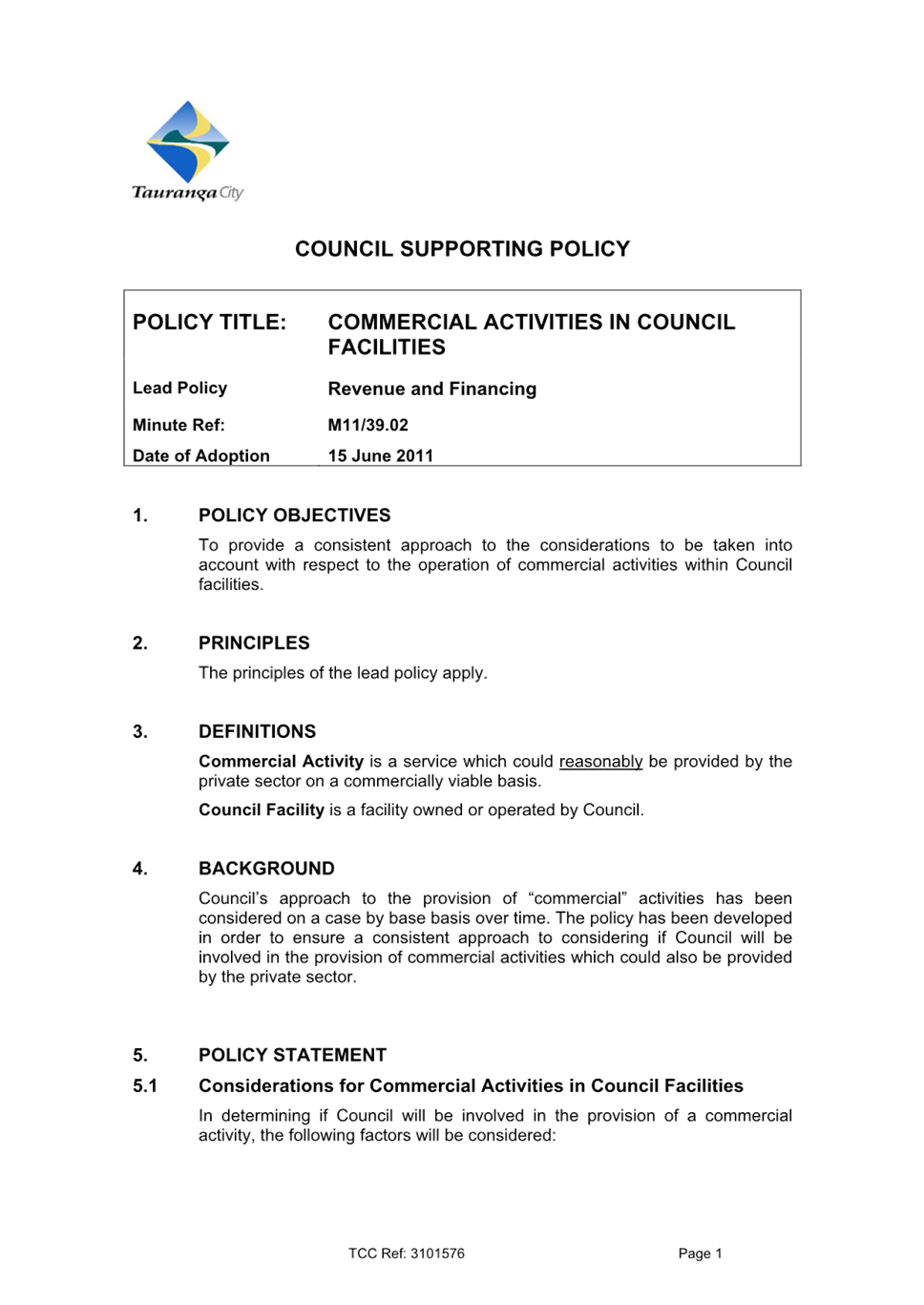
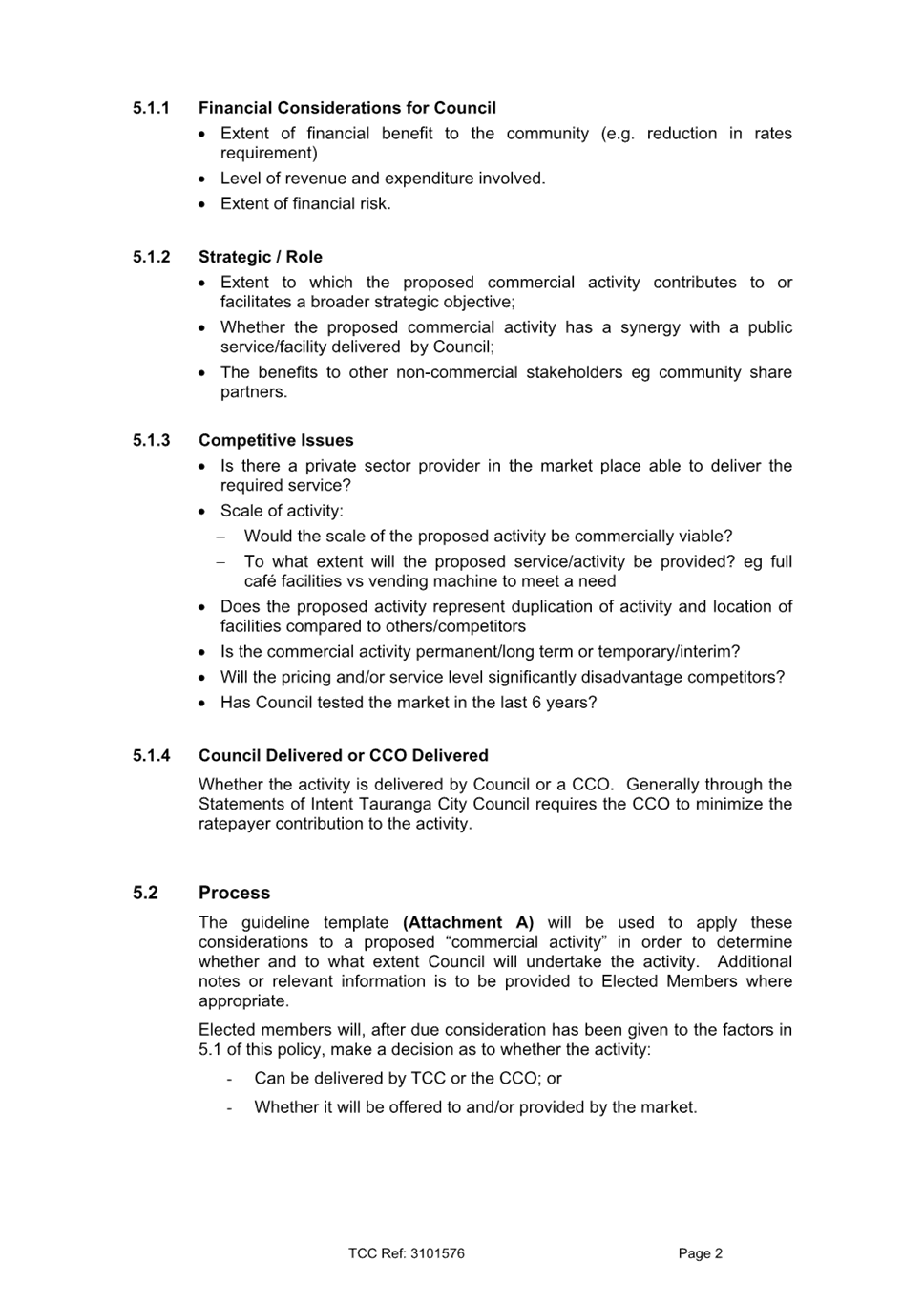

|
City
Future Committee meeting Agenda
|
14
October 2025
|
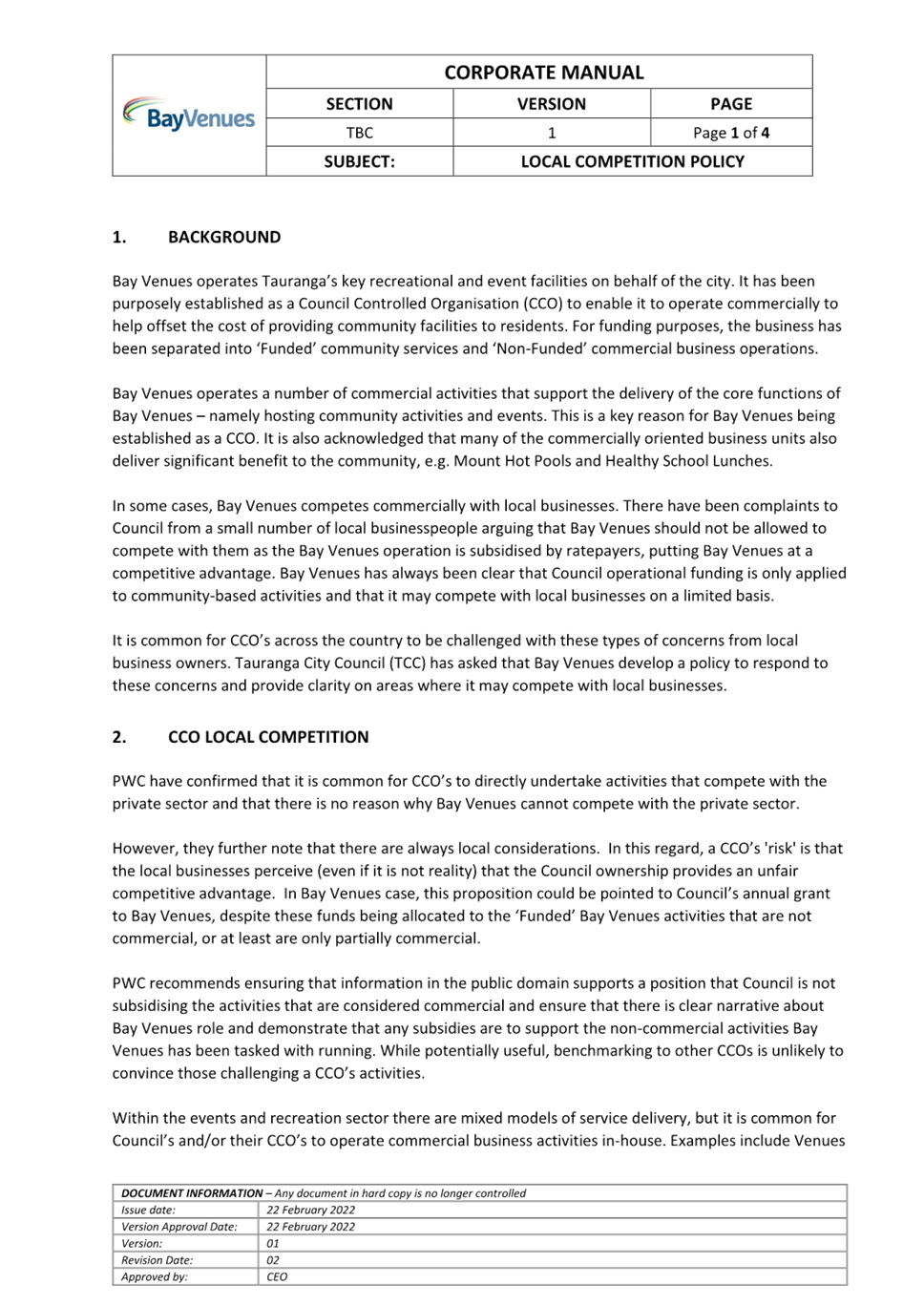
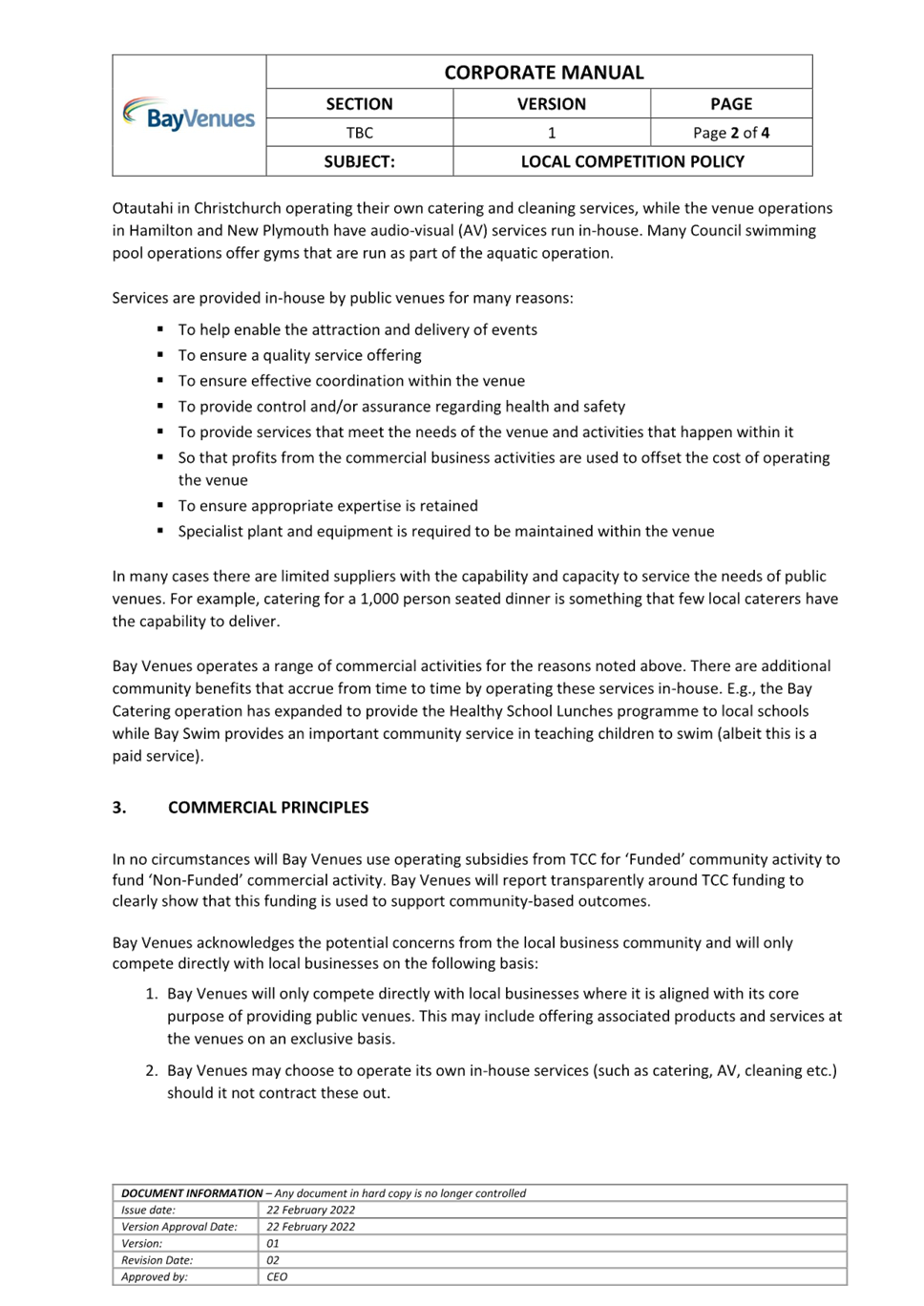
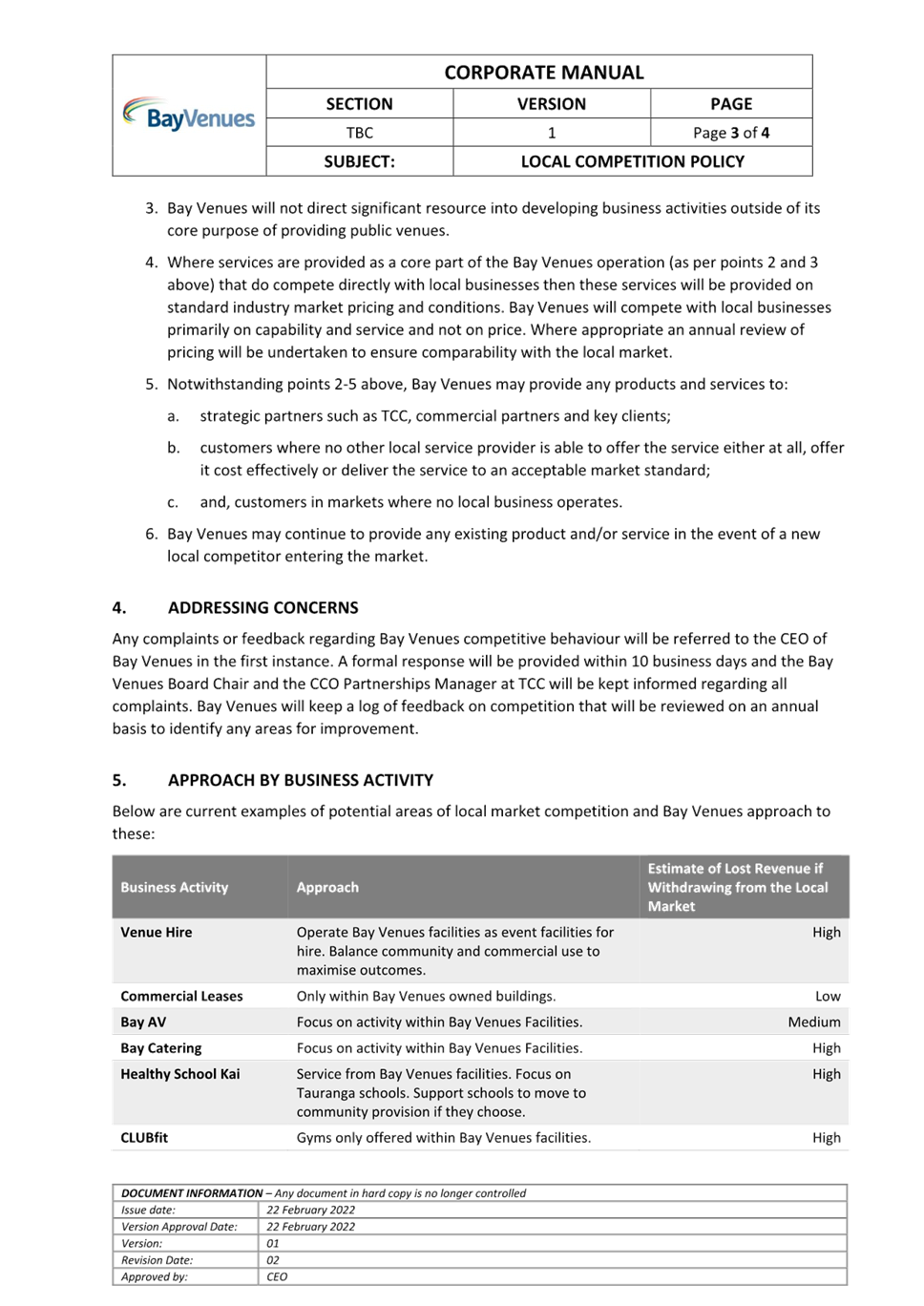
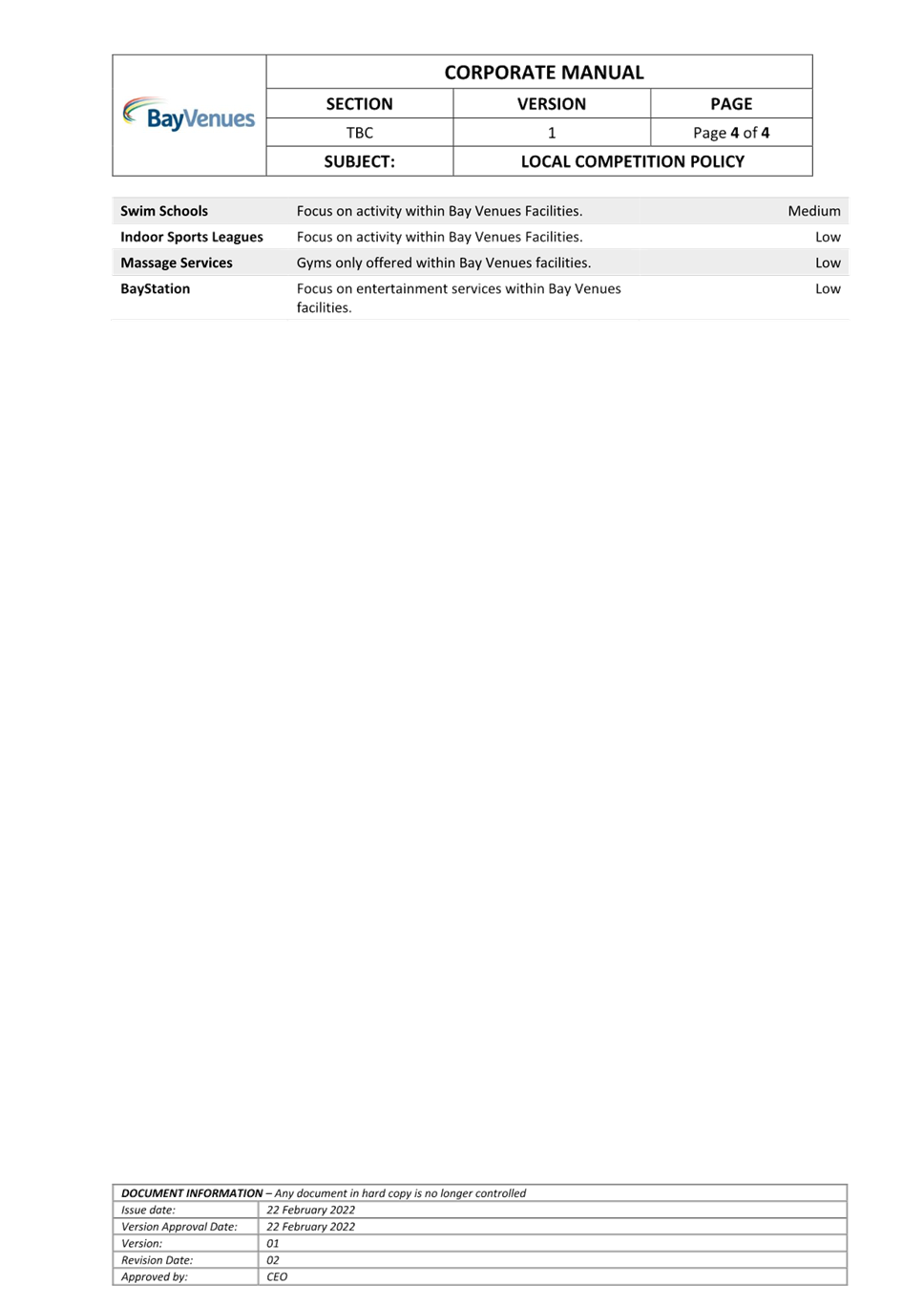
|
City
Future Committee meeting Agenda
|
14
October 2025
|
9.4 Prioritising
Use of Indoor Facilities Policy Review
File
Number: A18182348
Author: Sandy
Lee, Policy Analyst
Reena Snook,
Baycourt Community & Arts Centre Manager
Nelita Byrne,
Manager: Venues & Events
Authoriser: Sarah
Omundsen, General Manager: Regulatory and Community Services
Purpose of the Report
1. To rescind the
Prioritising Use of Indoor Facilities Policy 2011.
|
Recommendations
That the City Future
Committee:
(a) Receives the report
"Prioritising Use of Indoor Facilities Policy Review".
(b) Approves the recommendation
to rescind the Prioritising Use of Indoor Facilities Policy 2011.
|
Executive Summary
2. Tauranga City
Council’s (the council’s) Prioritising Use of Indoor Facilities
Policy 2011 (Attachment 1) was developed to address the issue of booking
conflicts in council’s network of community facilities, specifically,
indoor sports facilities, community halls and centres, and Baycourt Community
& Arts Centre (Baycourt). The policy outlines the factors that will be considered when deciding how bookings will be
prioritised in conflict situations.
3. A review of the
policy was signalled as an action in the council’s Community Centres
Action and Investment Plan 2023[5],
as the policy has not been reviewed since it was developed. Baycourt is now the
only facility covered by the policy that is still under the ownership and
management of the council, with most other facilities having been transferred
over to Bay Venues Limited (BVL).
4. The teams managing
the council’s three community facilities[6]
indicated that booking conflicts are not a current issue and they do not have
any use for the policy. BVL also indicated they are developing their own
prioritisation policy and will seek input from Councillors and the appropriate
council teams in the process.
5. The City Future
Committee is asked to rescind the policy. There are no legal or financial risks
associated with the decision.
Background
6. When
the Prioritising Use of Indoor Facilities Policy 2011 was developed, booking
conflicts were primarily experienced in the indoor sports facilities network,
and particularly at the Queen Elizabeth Youth Centre (QEYC), which was often
booked for non-sport exhibitions and events. Though the construction of the Mercury Baypark Arena was intended to
help alleviate some of the demand issues, the policy was still deemed necessary
to deal with booking conflicts if they arose[7].
7. In 2013/14, BVL
was established to take over the ownership and operation of the network
of swimming pools, indoor sports facilities, and community halls and centres on
behalf of the council[8].
In August 2015, a contractual obligation was created requiring BVL to follow
the Prioritising Use of Indoor Facilities Policy[9]
in their operations, but the contract was superseded by the
Enduring Letter of Expectation in 2018 with no explicit requirement carried
forward.
Review of the policy
8. In reviewing the
policy, we spoke to the council teams that currently manage the community
facilities, the CCO Specialist, and BVL staff to understand whether booking
conflicts are an issue and what the best way of managing the prioritisation of
use is to ensure alignment with the council’s strategic priorities.
9. Feedback from the
council teams was that booking conflicts are rarely, if ever, an issue and the
strategic priorities for each facility inform their prioritisation decisions as
and when needed. For Baycourt facilities, the Venue Prioritisation Procedure and
the Baycourt Booking Procedure[10]
guide how bookings are managed and processed.
10. BVL staff who manage the
swimming pools, community halls and centres, and indoor sports facilities,
indicated booking conflicts generally only occur with the indoor sports
facilities and the 25m pool at Baywave, with most users wanting to use the
courts and pool during the same ‘peak’ times. BVL work with the
sports codes and users to find the best possible outcome. With the compromise
from the sports users, booking conflicts are otherwise relatively rare and the
stated purpose for each facility generally guides booking prioritisations[11]. Rather than
continue with the council’s policy, BVL preferred instead to develop
their own prioritisation policy to formalise their approach with Councillor and
council staff input.
11. We also researched how other
councils manage booking conflicts which highlighted that booking
prioritisations tend to be in specific terms and conditions, rather than a
policy.
Statutory Context
12. Under section 10(b) of the
Local Government Act 2022 (the Act), local authorities are required to promote
the social, economic, environmental, and cultural well-being of their
communities. Community facilities are integral to this requirement, providing spaces
for people to connect, socialise and participate in a wide range of social,
cultural, sporting and recreational activities[12].
STRATEGIC ALIGNMENT
13. This contributes to the
promotion or achievement of the following strategic community outcome(s):
|
Contributes
|
|
We are an inclusive city
|
ü
|
|
We value, protect and enhance the environment
|
☐
|
|
We are a well-planned city
|
☐
|
|
We can move around our city easily
|
☐
|
|
We are a city that supports business and education
|
☐
|
14. The
provision of community facilities plays an important role in supporting the
wellbeing of communities which is a key goal in creating an inclusive city.
Ensuring access to these facilities by different community groups is best
achieved by the organisation responsible for managing the facilities, as they
can work directly with the communities to understand and respond to their
needs.
Options Analysis
Whether to continue with the
policy
15. Based on the current levels of
demand for the use of spaces within Baycourt, The Cargo Shed and The Historic
Village, booking conflicts are not an issue and staff have indicated that the
few situations that do arise are manageable with the existing strategies and
procedures in place.
16. BVL is developing their own
prioritisation policy for all the community halls and centres, and indoor
sports facilities that they own and/or manage on the council’s behalf.
BVL will seek input from Councillors and relevant council teams on the policy
once drafted.
17. There is therefore no use for
this policy.
Table 1: Options for whether
to continue to the policy
|
|
Options
|
Advantages
|
Disadvantages
|
|
1a
|
Rescind
the council’s Prioritising Use of Indoor Facilities Policy 2011.
Recommended
|
· Staff can continue to manage booking prioritisation decisions with
the existing strategies and procedures in place.
· Eliminates the need for resources to keep an unused and
unneccesary policy updated.
· BV are better positioned to develop a prioritisation policy for
the facilities they own and manage.
· Relevant council staff can input on BV’s policy to ensure
alignment with the council’s strategic priorities.
· A policy can be developed at a later stage if/when booking
conflicts become an issue.
|
· May be more demand on these facilities, as well as the new
community facilities within Te Manawataki o Te Papa, at
a later stage that necessitate a prioritisation policy.
|
|
1b
|
Update
the Prioritising Use of Indoor Facilities Policy with only the community
facilities currently operated by the council in scope.
|
· Greater consistency and transparency in how prioritisation
decisions are made for the facilities.
· Enables BVL to develop their own prioritisation policy with
Councillor and council staff input.
|
· Different strategic purposes for each of the facilities mean an
overarching prioritisation policy may not be appropriate.
· Resources required to keep the policy updated when it does not
address a current issue in the facilities.
· Duplicates the existing strategies and procedures already in place
that guide decision-making when required.
|
|
1c
|
Update
the Prioritising Use of Indoor Facilities Policy with all community
facilities managed by the council and by BVL in scope.
|
· Greater consistency and transparency in how prioritisation
decisions are made for all community facilities.
|
· Inconsistent with BVL’s preference to develop their own
prioritisation policy for the facilities they own and/or operate.
· No legal obligation for BVL to follow the policy unless the next
Letter of Expectations (2026/27) to BVL states that the policy is to be
included in their next Statement of Intent (2026/29).
|
Financial Considerations
18. There are no financial impacts
associated with the decision in this report.
Legal Implications / Risks
19. There are no legal implications
associated with the decision in this report.
TE AO MĀORI APPROACH
20. The recommendation to rescind
the policy does not have any direct impact on the council’s Te Ao
Māori approach. However, supporting BVL to develop their own
prioritisation policy for the indoor community facilities they own and operate,
will enable them to work directly with mana whenua, as well as other facility
users, to ensure their prioritisation approach in accordance with the principle
of rangatiratanga and responds to the needs and interests of mana whenua.
Consultation / Engagement
21. Engagement with the council
teams who manage Baycourt, The Cargo Shed and The Historic Village indicated
that all three facilities have slightly different utilisation and strategic
priorities. As a community arts centre, Baycourt facilities are prioritised for
community uses/users with travelling commercial acts typically scheduled around
them. Bookings at The Historic Village are generally on a first-come,
first-served basis, while The Cargo Shed, under shared management with
Otamataha Trust through the Taumata Kahawai Governance Group, have an agreement
that the space is used equally for cultural, community and commercial events.
22. For indoor sports facilities,
BVL run biannual workshops with sports codes to understand what their needs are
for courts for the incoming season and when they need them, and workshop with
the sports codes and clubs a prioritisation approach.
Significance
23. The Local Government Act 2002
requires an assessment of the significance of matters, issues, proposals and
decisions in this report against Council’s Significance and Engagement
Policy. Council acknowledges that in some instances a matter, issue, proposal
or decision may have a high degree of importance to individuals, groups, or
agencies affected by the report.
24. In making this assessment,
consideration has been given to the likely impact, and likely consequences for:
(a) the current
and future social, economic, environmental, or cultural well-being of the
district or region;
(b) any persons who are likely to be
particularly affected by, or interested in, the decision; and
(c) the capacity of the local authority
to perform its role, and the financial and other costs of doing so.
25. In accordance with the
considerations above, criteria and thresholds in the policy, it is considered
that the decision is of low significance.
ENGAGEMENT
26. Taking into consideration the
above assessment, that the decision is of low significance, officers are of the
opinion that no further engagement is required prior to Council making a
decision.
Click
here to view the TCC
Significance and Engagement Policy
Next Steps
27. Following direction from the
committee, the policy will be removed from the council webpage.
28. Council staff will work with
BVL staff on BVL’s prioritisation policy to ensure alignment with the
council’s strategic priorities.
29. Staff will
also update the Baycourt Booking Procedure to include a strategic
statement to formalise the existing strategic objective for the facility which
will be signed-off by the executive leadership team.
Attachments
1. Prioritising
Use of Indoor Facilities Policy 2011 - A18801465 ⇩
2. Ownership and
Managment of Indoor Community Facilities List - A18806134 ⇩
|
City
Future Committee meeting Agenda
|
14
October 2025
|
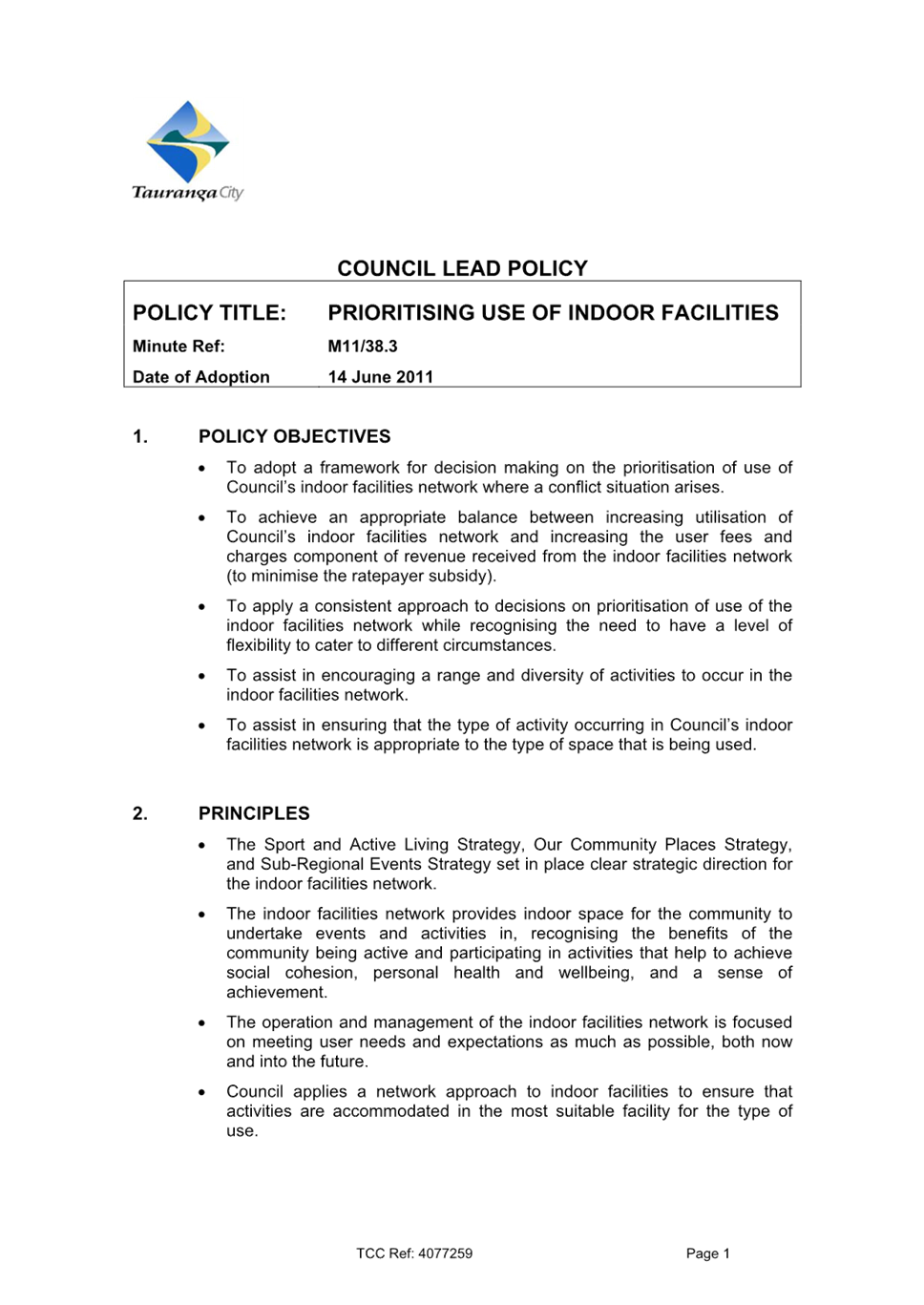
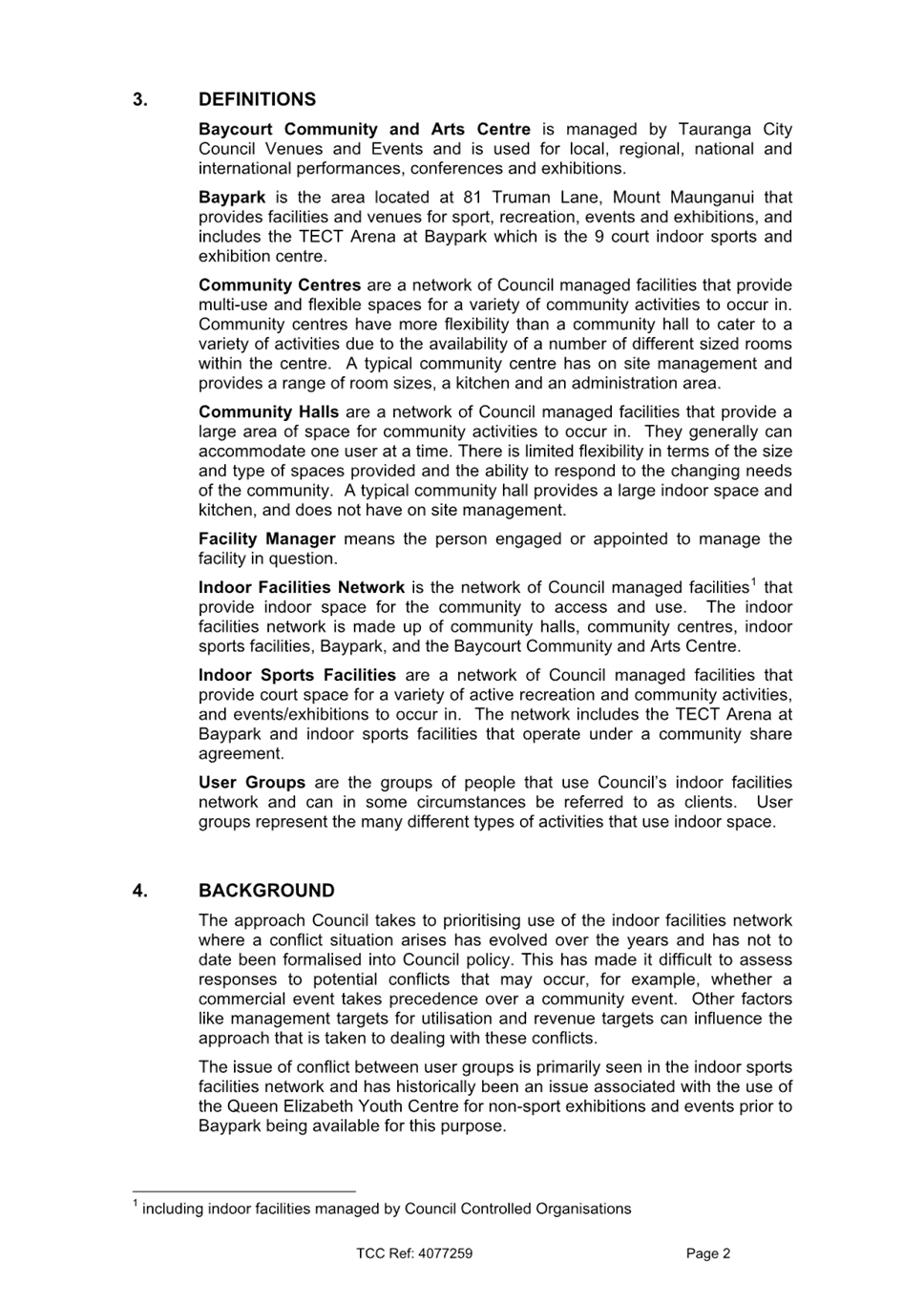

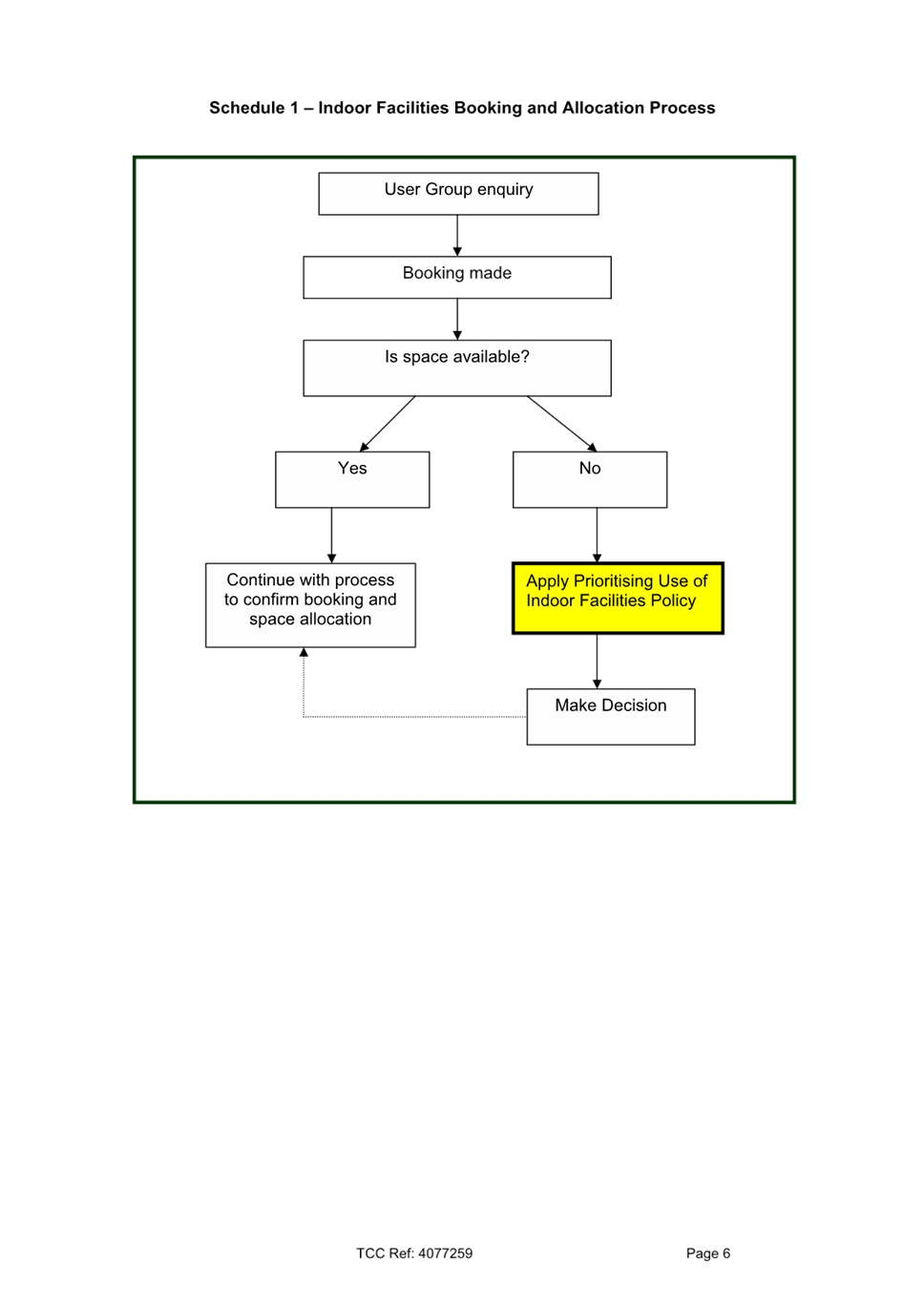
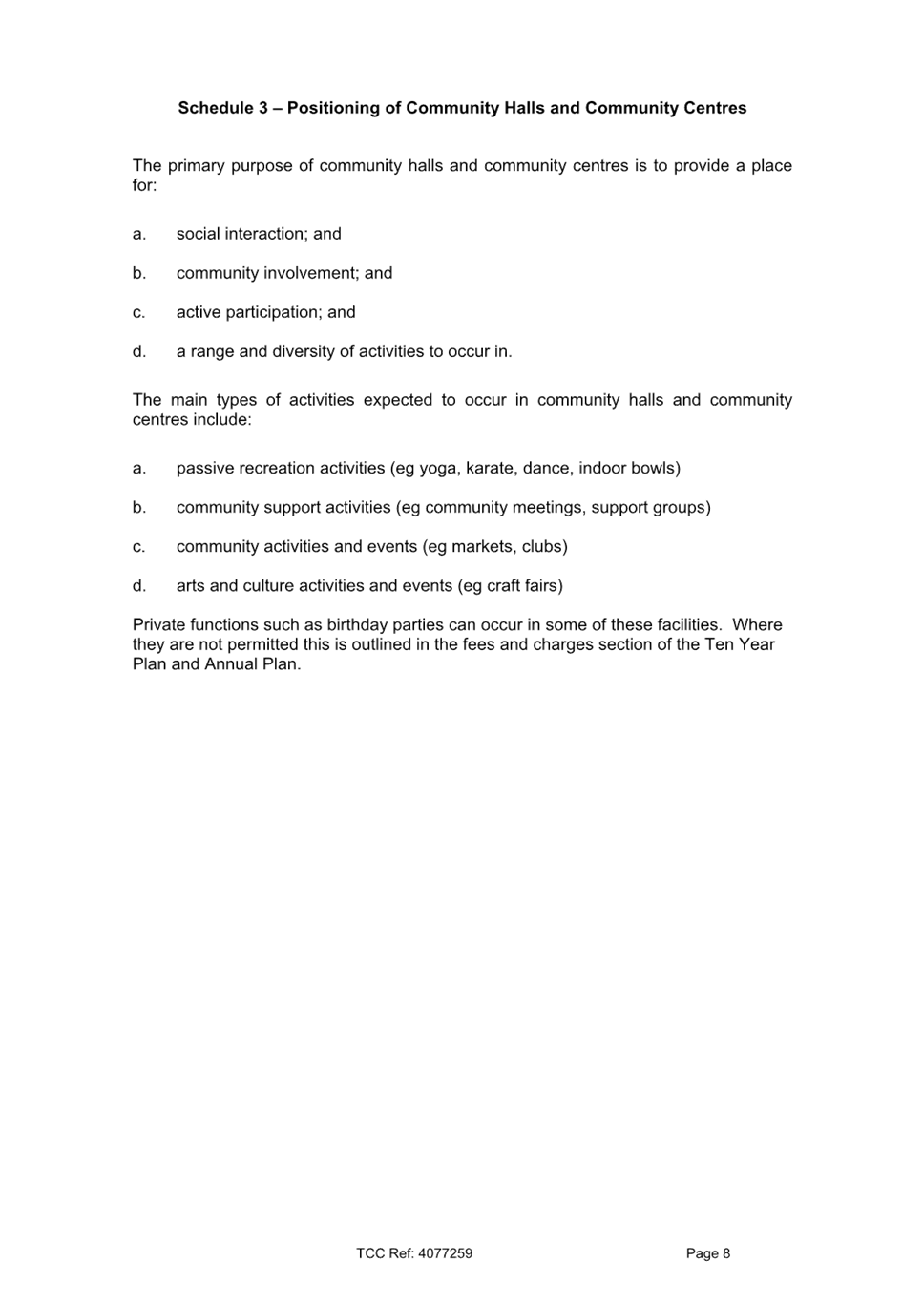
|
City
Future Committee meeting Agenda
|
14
October 2025
|
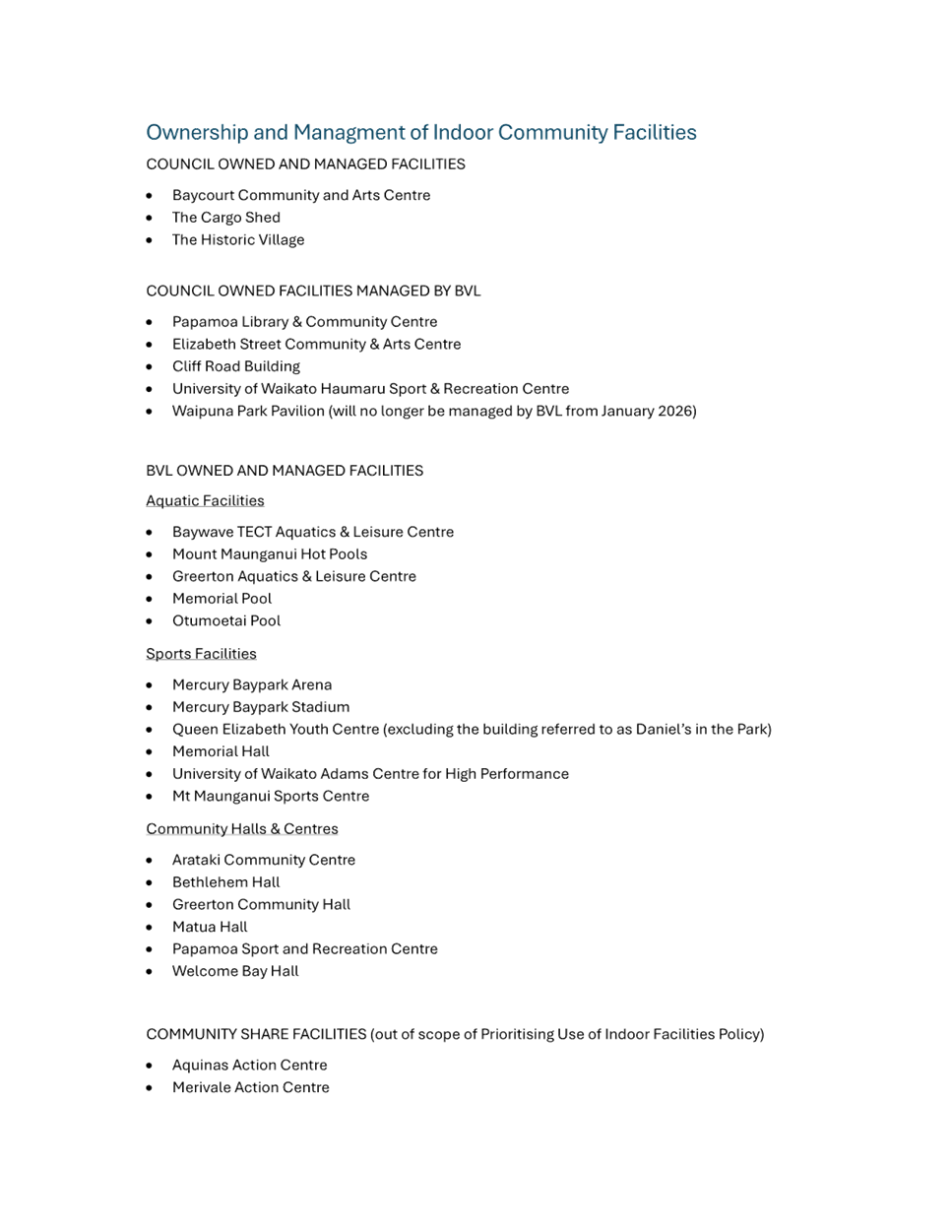
|
City
Future Committee meeting Agenda
|
14
October 2025
|
9.5 Updating
Policy Delegations Due to Organisational Reset
File
Number: A18717553
Author: Sharon
Herbst, Policy Analyst
Josh Logan, Team
Leader: Policy & Corporate Planning
Authoriser: Christine
Jones, General Manager: Strategy, Partnerships & Growth
Purpose of the Report
1. The purpose of this
report is to update delegations to external policies due to an organisational
reset.
|
Recommendations
That the City Future
Committee:
(a) Receives the report
"Updating Policy Delegations Due to Organisational Reset".
(b) Notes the administrative
updates required to policy documents following the recent organisational
reset, as outlined in the attached table.
(c) Agrees that these updates do
not alter the intent or substance of the policies and therefore do not
require formal consultation.
(d) Delegates authority to the
General Manager: Strategy, Partnerships & Growth to make the necessary
amendments to the policy documents to reflect the updated role titles,
including minor formatting amendments.
|
Executive Summary
2. Following the recent
organisational reset, a review of existing policy documents was undertaken to
identify any references to roles or positions that have since changed. This
assessment has confirmed that while several role titles have been updated or redefined,
the substantive content and intent of the policies remain unaffected.
3. To ensure clarity
and accuracy in our documentation, we propose updating the relevant policy
documents to reflect the new role titles. A summary table outlining the
proposed changes is attached for reference. The table also includes some
policies that require updating that are already in planned reviews and thus
will be updated in that process.
4. As these updates are
administrative in nature and do not alter the policy content, scope, or
application, formal consultation is not required. The changes will support
consistency across policy documents and improve ease of interpretation for
staff and stakeholders.
STRATEGIC ALIGNMENT
5. This contributes to
the promotion or achievement of the following strategic community outcome(s):
|
Contributes
|
|
We are an inclusive city
|
ü
|
|
We value, protect and enhance the environment
|
ü
|
|
We are a well-planned city
|
ü
|
|
We can move around our city easily
|
ü
|
|
We are a city that supports business and education
|
ü
|
Collectively,
the policies being updated contribute to all the Strategic Community Outcomes.
Options Analysis
Issue 1: Updating policy delegations
6. Following the
recent organisational reset, an assessment of existing policy documents has
confirmed that while several role titles have been updated or redefined, the
substantive content and intent of the policies remain unaffected. To ensure
clarity and accuracy in our documentation, we propose updating the relevant
policy documents to reflect the new role titles. A summary table outlining the
proposed changes is attached for reference (Attachment One).
7. Table
1: Updating policy delegations
|
Option
|
Advantages
|
Disadvantages
|
|
1a
|
Update
the relevant policy delegations as proposed in the attached table
Recommended
|
· Ensures
policy documents accurately reflect the current organisational structure
· Reduces
confusion by aligning role titles with actual responsibilities
· Maintains
trust in governance by keeping documentation current and clear
|
· Requires
administrative effort to update multiple documents
· May
prompt minor queries or clarification requests during transition
|
|
1b
|
Retain the status quo
and do not update relevant delegations.
|
· Avoids
immediate administrative workload
|
· Delegations
may reference outdated or incorrect role titles, leading to confusion or
misinterpretation
|
Financial Considerations
8. There are no
financial considerations associated with this report
Legal Implications / Risks
9. There are no legal
or risk matters associated with this report.
Significance
10. The Local Government Act 2002
requires an assessment of the significance of matters, issues, proposals and
decisions in this report against Council’s Significance and Engagement
Policy. Council acknowledges that in some instances a matter, issue,
proposal or decision may have a high degree of importance to individuals,
groups, or agencies affected by the report.
11. In making this assessment,
consideration has been given to the likely impact, and likely consequences for:
(a) the current
and future social, economic, environmental, or cultural well-being of the
district or region
(b) any persons who are likely to be
particularly affected by, or interested in, the matter.
(c) the capacity of the local authority
to perform its role, and the financial and other costs of doing so.
12. In accordance with the
considerations above, criteria and thresholds in the policy, it is considered
that the decision is of low significance.
ENGAGEMENT
13. Taking into consideration the
above assessment, that the matter is of low significance, officers are of the
opinion that no further engagement is required prior to Council making a
decision.
Next Steps
14. The minor changes to policy
documents will be made and the documents uploaded to the council website.
Attachments
1. Summary
Table of Proposed changes to External Policy Delegations - A18901026 ⇩
|
City
Future Committee meeting Agenda
|
14
October 2025
|
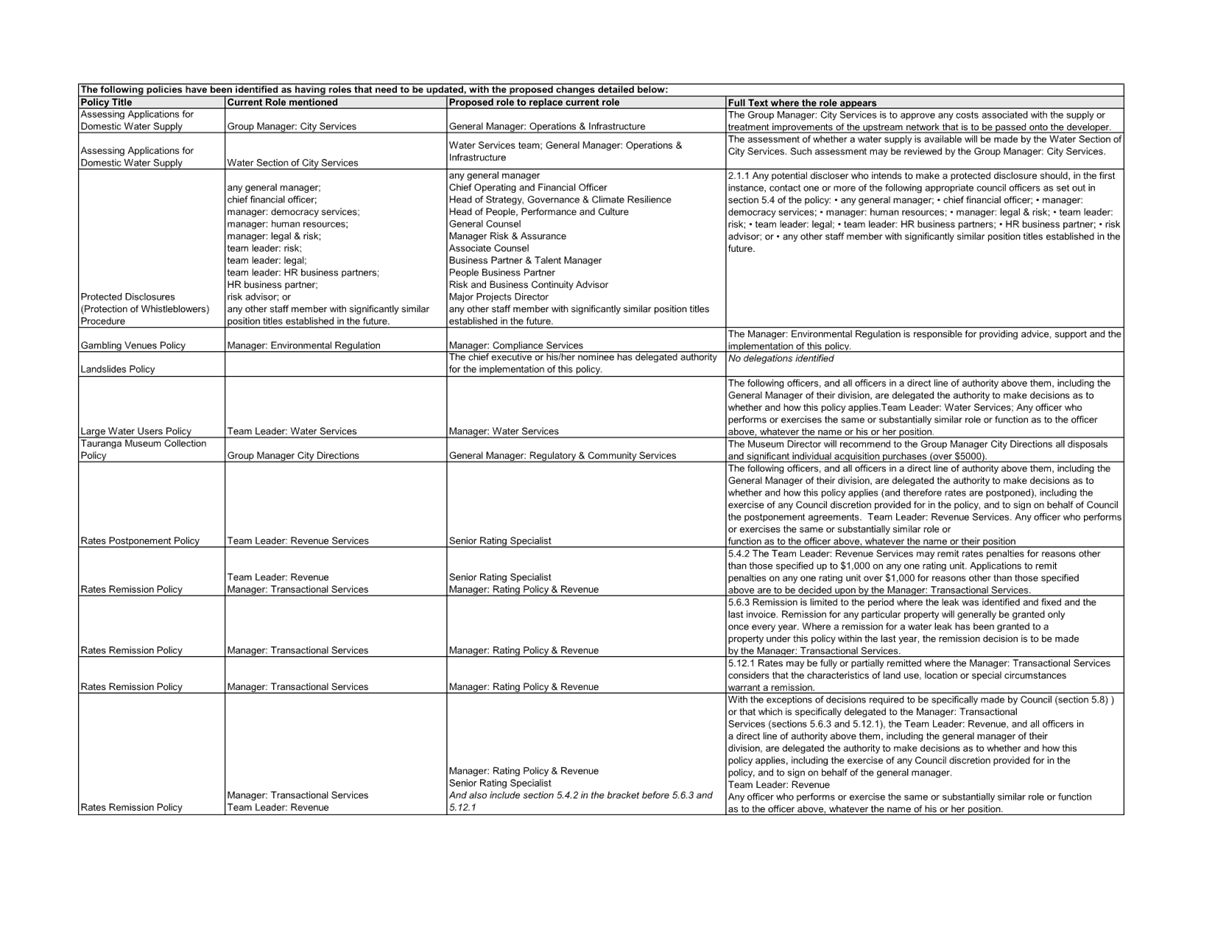
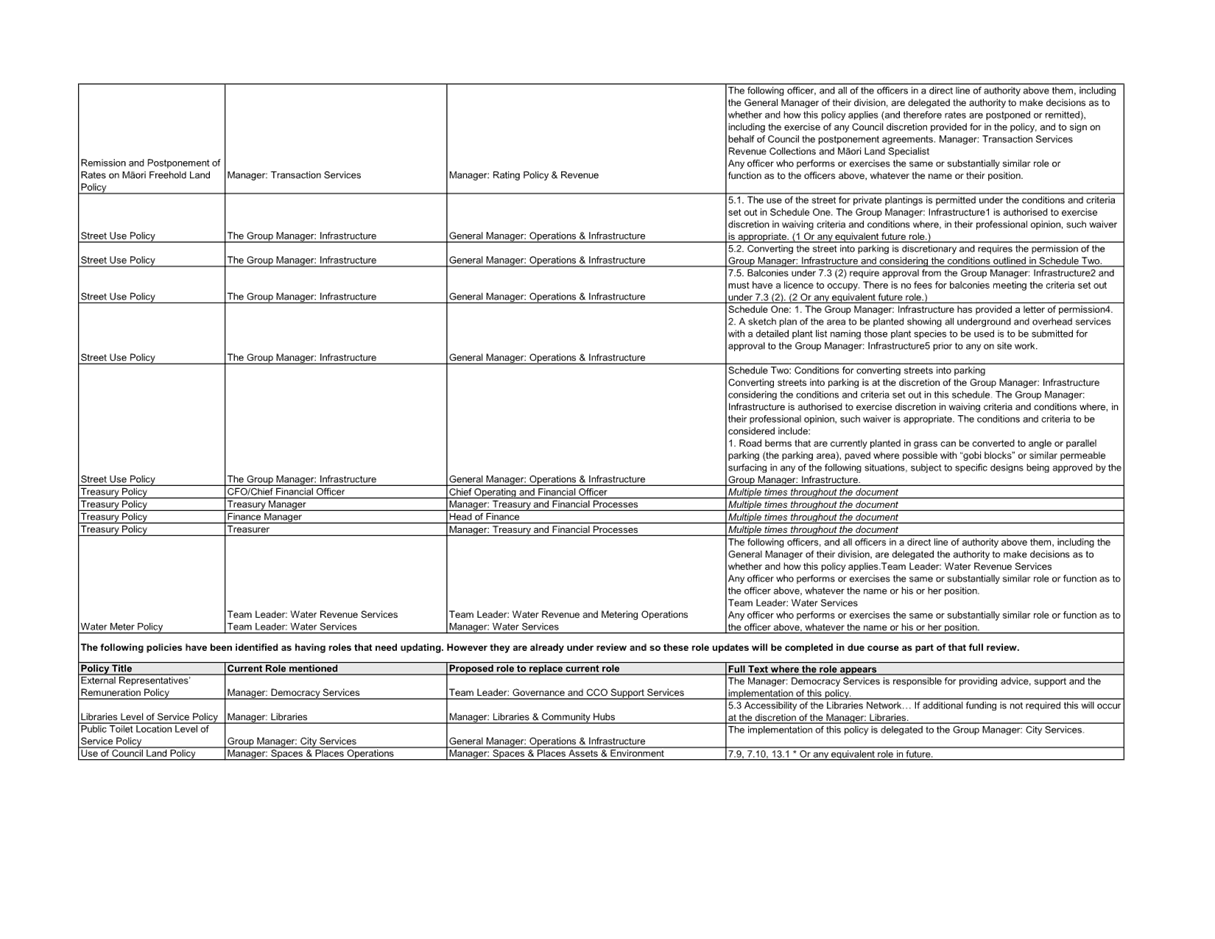
|
City
Future Committee meeting Agenda
|
14
October 2025
|
9.6 City Future
Committee Work Programme - November 2025 to June 2026
File
Number: A18837279
Author: Josh
Logan, Team Leader: Policy & Corporate Planning
Carl Lucca, Team
Leader: Structure Planning
Authoriser: Christine
Jones, General Manager: Strategy, Partnerships & Growth
Purpose of the Report
1. The purpose of this
report is to provide an update on and seek endorsement of the City Future
Committee Work Programme – November 2025 to June 2026.
|
Recommendations
That the City Future
Committee:
(a) Receives the report
"City Future Committee Work Programme - November 2025 to June
2026".
(b) Endorses that the following
policy reviews be put on hold at this time for reasons outlined in Table 1,
Option B:
(i) Large Water Users
Policy 2019
(ii) Water Meters Policy
2019
(iii) Airport Bylaw 2016
(c) Endorses the
Committee’s Proposed Work Programme, and notes that the programme will
continue be updated on an ongoing basis and reported to this Committee.
|
Executive Summary
2. The City Future
Committee was established by Council on 10 December 2024. The approved Terms of
Reference determine the scope and role of the Committee.
3. The proposed work
programme for the Committee over the next eight months is outlined in
Attachments one to three.
4. The attached work
programme includes reporting relating to the following key areas of Council:
(a) City Planning and Growth
(Attachment A)
(b) Infrastructure, including
transport, 3-waters, waste and sustainability (Attachment A)
(c) Council’s policy
programme (noting that some specific policies go to Audit & Risk and the
full bylaw programme to Council). (Attachment B)
5. For context, the
attachment also includes a table outlining reporting to full Council and other
committees, that inter-relates to the City Future Committee work programme,
e.g., approval of City Plan changes under the Resource Management Act, together
with various policy and bylaws not covered by the City Future Committee.
6. The proposed City
Future Committee work programme will continually be updated and discussed with
the Chair and Deputy Chair of the Committee on an ongoing basis. It is expected
that it will be reported on a six-monthly basis to the Committee.
STRATEGIC ALIGNMENT
7. This contributes to
the promotion or achievement of the following strategic community outcome(s):
|
Contributes
|
|
We are an inclusive city
|
ü
|
|
We value, protect and enhance the environment
|
ü
|
|
We are a well-planned city
|
ü
|
|
We can move around our city easily
|
ü
|
|
We are a city that supports business and education
|
ü
|
8. Collectively, the
matters considered by the City Future Committee will contribute to all the
Strategic Community Outcomes.
Options Analysis
9. As part of the
policy work programme (Attachment 3) it is proposed that staff put three
policies on hold at this time for the reasons outlined in Table 1 below.
Table 1 –
Reasons for and against continuing with the review of waters policies and the
airport bylaw.
|
Policy
|
Option A: Reasons for doing the review now
|
Option B: Reasons against doing the review, at this time (Recommended)
|
|
Large Water Users
Policy 2019
It guides allocation of
water resources efficiently and sustainably and to ensure the allocation
assessment for large water user applicants is transparent.
|
Current policy notes March
2023 as a review date, so a review is due.
Waters team undertook a preliminary review of the policy in April
2024, identifying areas for consideration in a review.
|
The Council decision to
move water services to a Water
Organisation (WO) by July 2027 is likely to
result in new policies being adopted by the new water services
organisation.
The proposed WO is likely
to take a different approach to a LWUP with both urban and rural users
involved and therefore the policy will need a significant overhaul for it to
work in the context of a future WO.
The policy revision and
update will be on the items for consideration as part of the transition plan
to a WO.
As relatively few Large
Water User applications are received annually, they can continue to be
managed within the principles of the existing policy. The level of change to
the policy at this time would be minor and would be outweighed by the more
significant changes needed once the WO is established.
The areas for
consideration in a policy review that were identified in the preliminary
review in April 2024 may still inform a future review of this policy.
|
|
Water Meters Policy
2019
It sets out the
responsibilities for the management of water meters.
|
Current policy notes March
2023 as a review date, so a review is due.
|
Waters team have advised
that changes are not necessary for this policy.
The Council decision to
move water services to a WO by July 2027 is likely to result in new policies
being adopted by the new water services organisation.
|
|
Airport Bylaw 2016
The purpose of this Bylaw is to protect the safety of
Airport users and property used in connection with the Airport.
|
Although there is no legal
requirement for the bylaw to be reviewed it is good practice to regularly
review the rules for ensure safety of airport users and property used
in connection with the airport.
|
The current Airport
Bylaw is made under the Airport Authorities Act 1966, this has now been
replaced by the Civil Aviation Act 2023 (CAA). The CAA retains the ability to
make bylaws and requires airports be registered by 5 April 2030, before
bylaws can be made under this Act, or current bylaws can remain in force.
There is no information to date on how long the
registration and assessment process would take. The Ministry of Transport is
leading the registration process. We therefore recommend pausing the review
until more information is available.
|
Legal Implications / Risks
10. There are no legal or risk
matters associated with this report.
TE AO MĀORI APPROACH
11. Matters of specific relevance
to Mana Whenua are included in the work programme, and over time additional
matters of relevance will be added. Individual matters on the work programme
that have a Te Ao Māori impact will be addressed in those respective
reports. Council staff have presented to the Rangapu on the draft Work
Programme (28 August 2025), and this provided Rangapu members an opportunity to
provide a view on those matters which they have an interest in being involved
in.
CLIMATE IMPACT
12. Matters with a climate impact
are included in the work programme, and over time additional matters will be
added. Individual matters on the work programme that have a climate impact will
be addressed in those respective reports.
Consultation / Engagement
13. It is not proposed that
consultation be undertaken on the work programme itself. Matters will be
identified for inclusion in the work programme through a range of sources
including connection with the community. Individual matters on the work
programme will require consultation / engagement, and that will be addressed in
those respective reports.
Significance
14. The Local Government Act 2002
requires an assessment of the significance of matters, issues, proposals and
decisions in this report against Council’s Significance and Engagement
Policy. Council acknowledges that in some instances a matter, issue,
proposal or decision may have a high degree of importance to individuals,
groups, or agencies affected by the report.
15. In making this assessment,
consideration has been given to the likely impact, and likely consequences for:
(a) the current
and future social, economic, environmental, or cultural well-being of the
district or region
(b) any persons who are likely to be
particularly affected by, or interested in, the matter.
(c) the capacity of the local authority
to perform its role, and the financial and other costs of doing so.
16. In accordance with the
considerations above, criteria and thresholds in the policy, it is considered
that the decision is of low significance.
ENGAGEMENT
17. Taking into consideration the
above assessment, that the issue is of low significance, officers are of the
opinion that no further engagement is required prior to Council making a
decision.
Next Steps
18. The Committee’s forward
work programme will continue to evolve and be updated over time.
Attachments
1. Attachment
A: City Future Committee 2025-2026 Reporting Programme - A18848189 ⇩
2. Attachment B:
Policy and Bylaw - Work Plan - For CFC - A18889108 ⇩
|
City
Future Committee meeting Agenda
|
14
October 2025
|
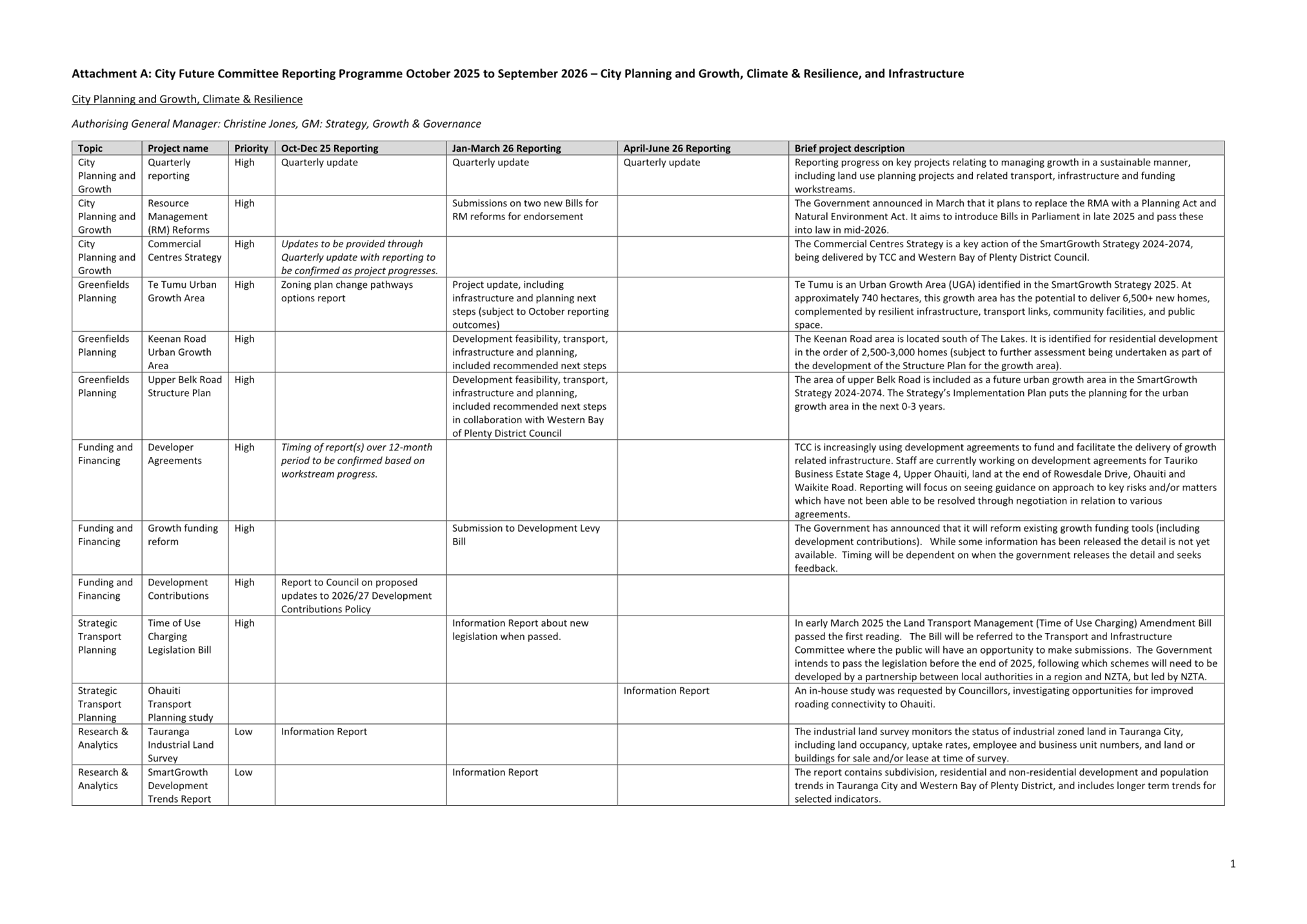
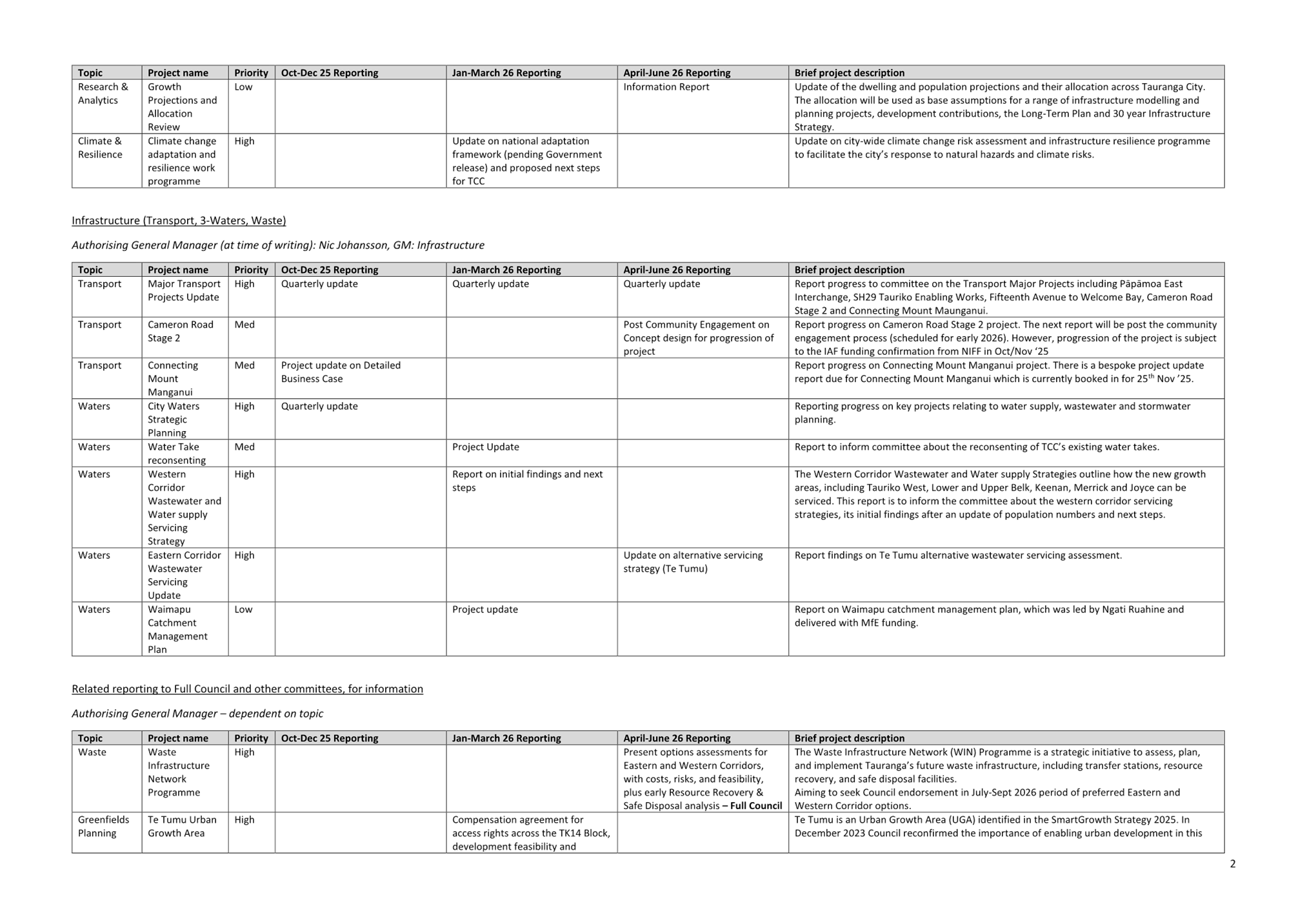
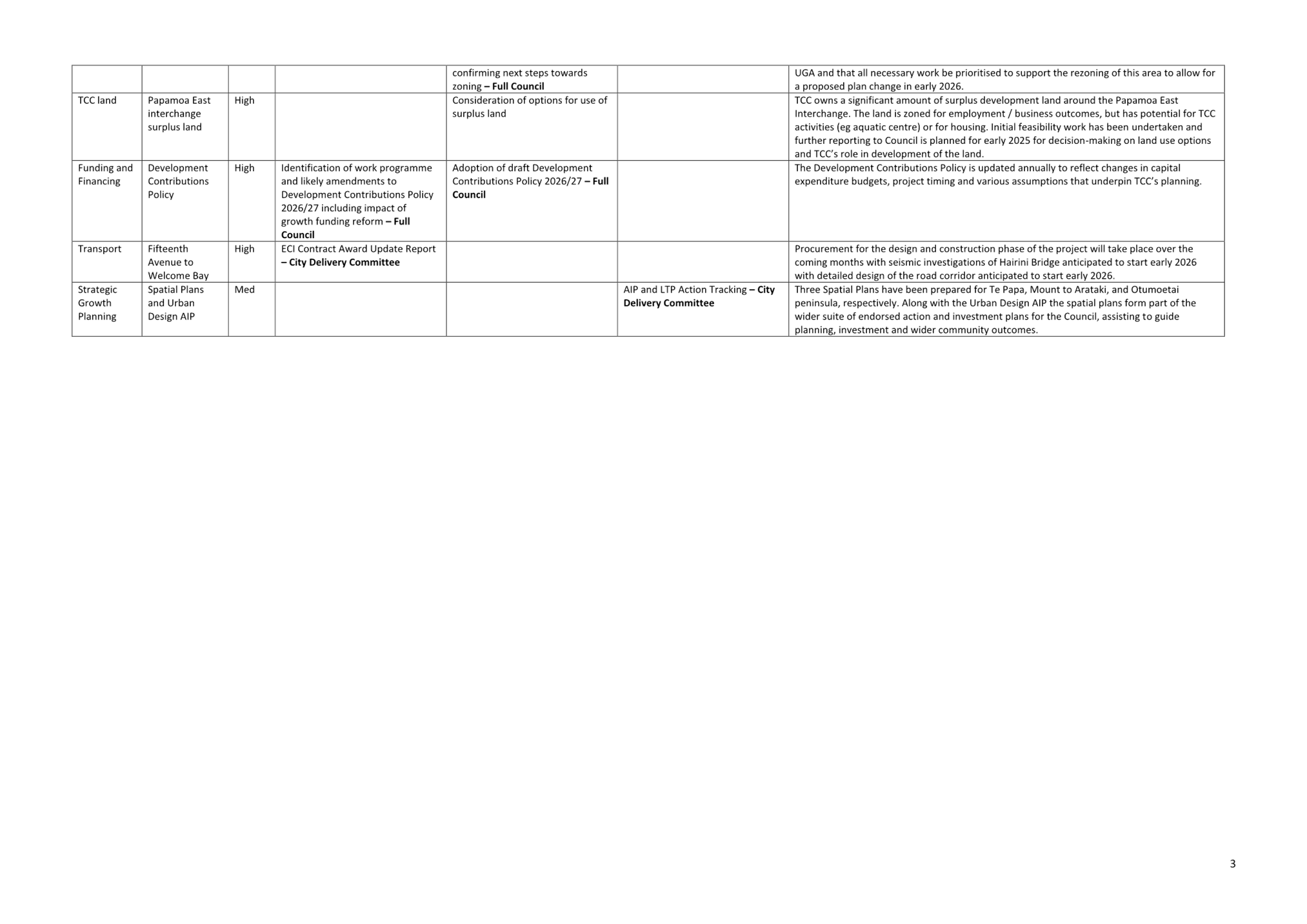
|
City
Future Committee meeting Agenda
|
14
October 2025
|
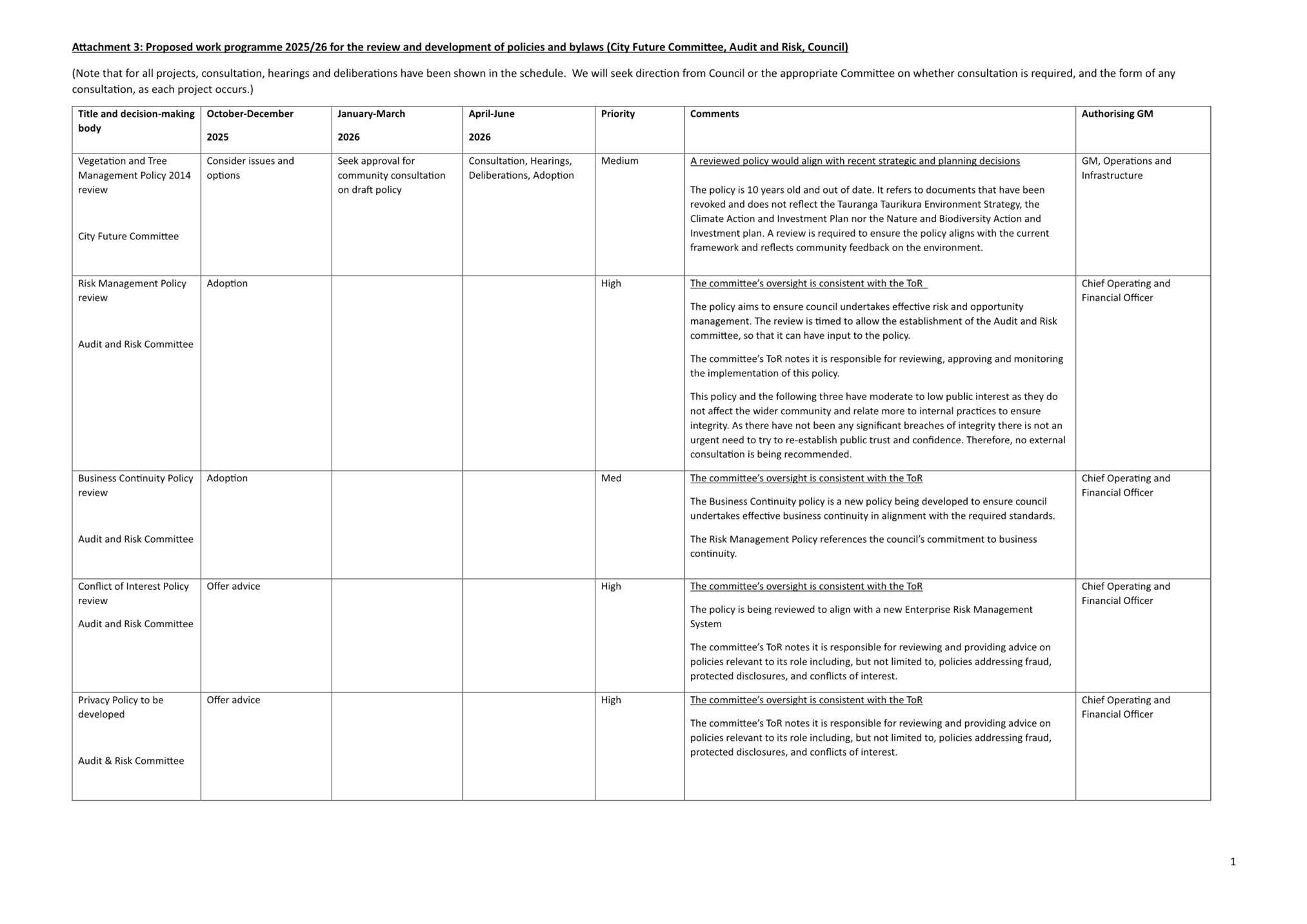
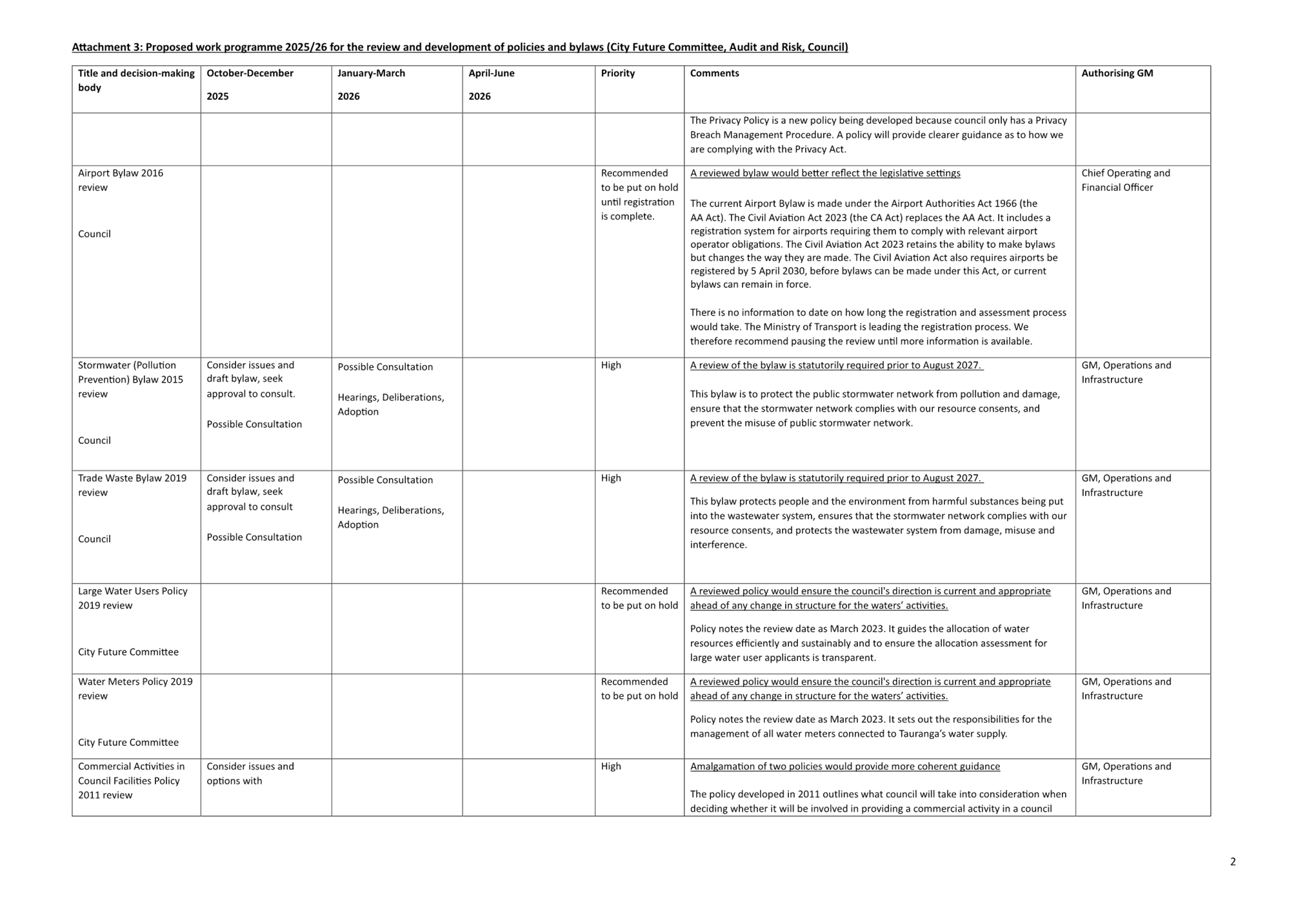
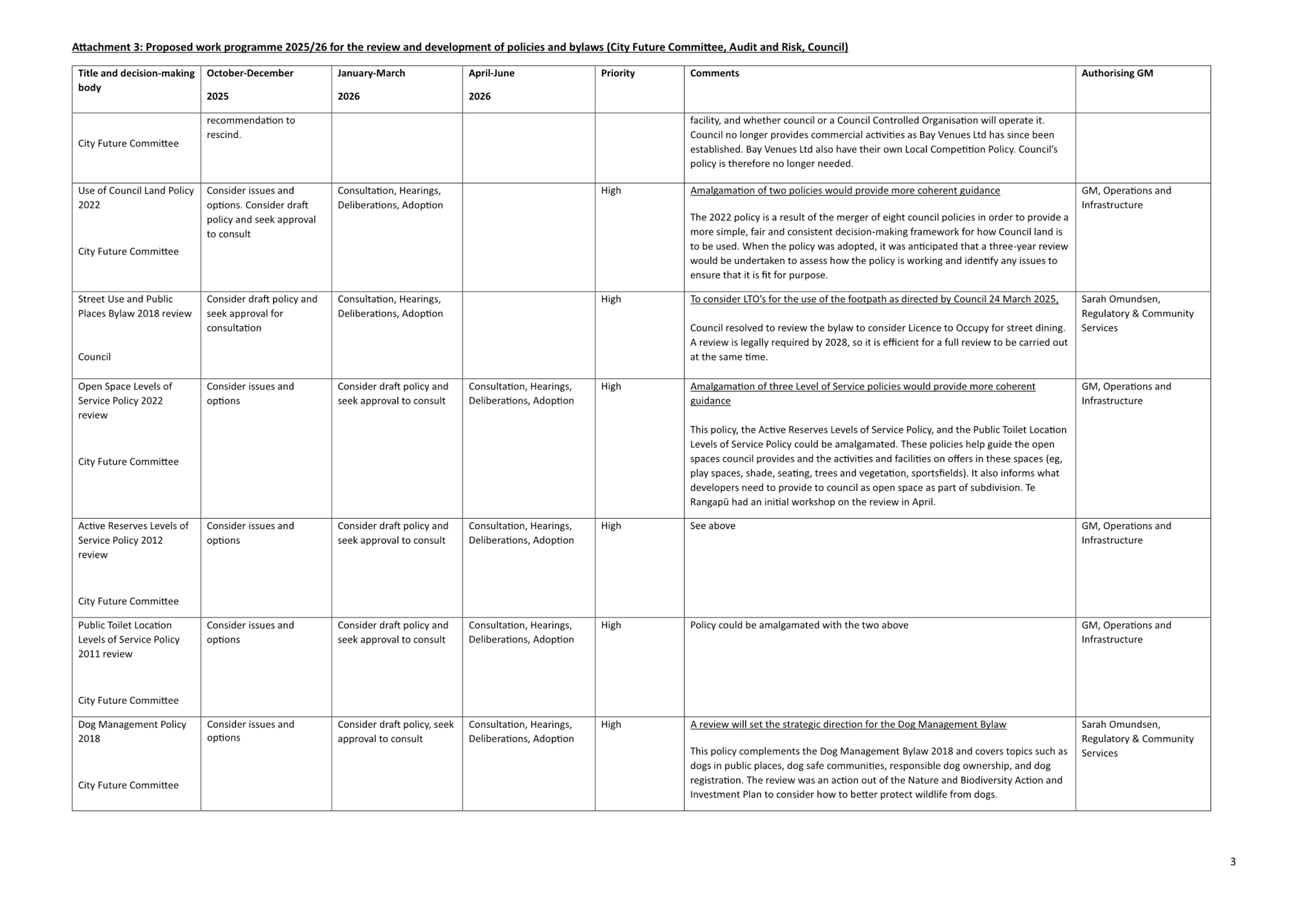
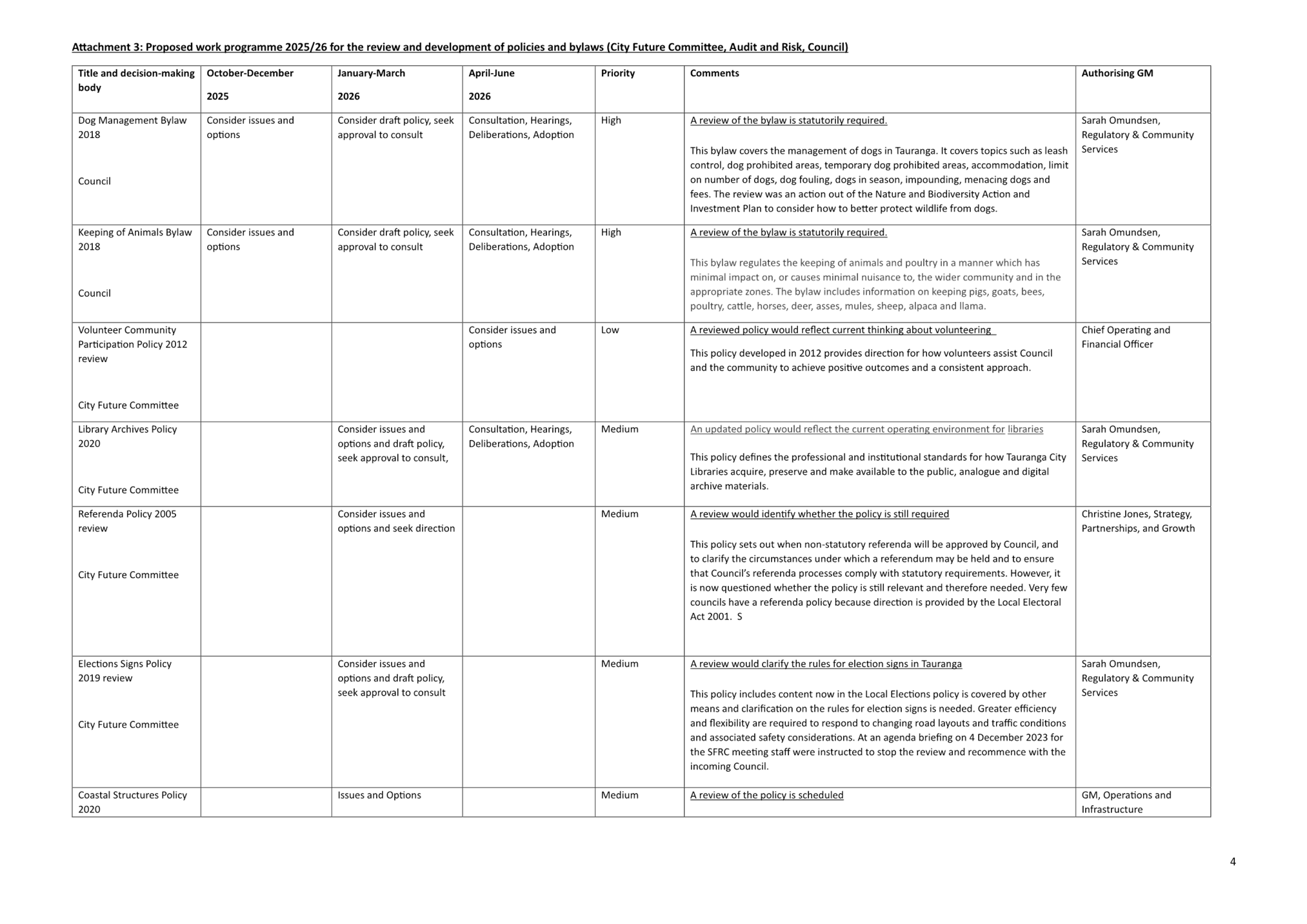
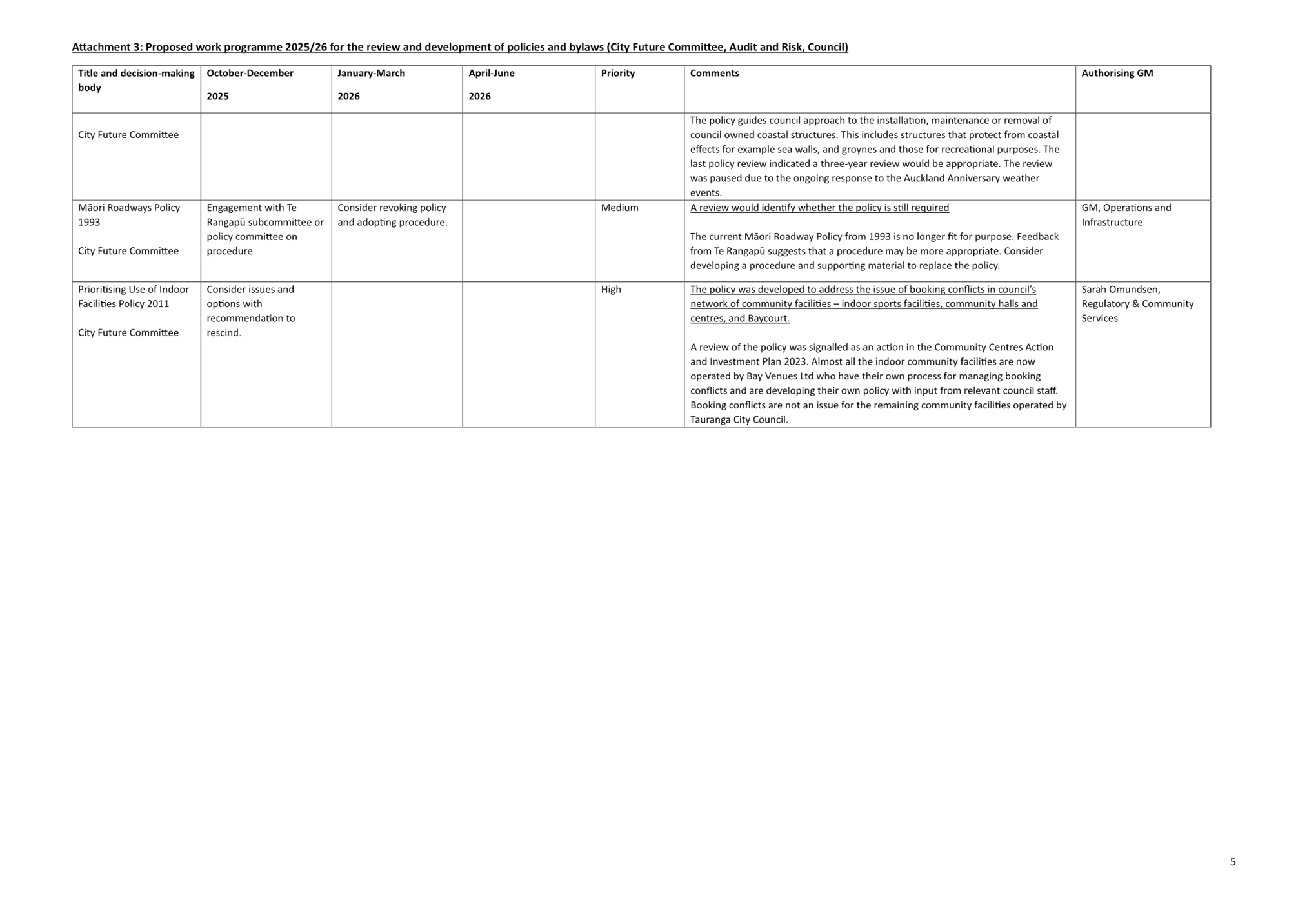
|
City
Future Committee meeting Agenda
|
14
October 2025
|
9.7 Status
Update on actions from prior City Future Committee meetings
File
Number: A18935453
Author: Anahera
Dinsdale, Governance Advisor
Authoriser: Christine
Jones, General Manager: Strategy, Partnerships & Growth
Purpose of the Report
1. This report provides
a status update on actions requested during previous City Future Committee
meetings.
|
Recommendations
That the City Future
Committee:
(a) Receives the report
"Status Update on actions from prior City Future Committee
meetings".
|
Background
2. This is a recurring
report provided to every City Future Committee meeting. The next report will be
to the 25 November 2025 meeting.
3. The attached update
includes all open actions and actions completed since the last report on 12
August 2025.
4. Once reported,
completed actions are archived and made available in the Stellar library[13].
discussion
5. The action status
update report for the City Future Committee as at 6 October 2025 is provided as
Attachment 1 to this report, and is summarised in the table
below.
|
Status of actions
|
No. actions
|
|
Closed (completed since
the last report)
|
8
|
|
In progress
|
4
|
|
Pending (waiting on
something)
|
1
|
|
To be actioned
|
0
|
|
Total actions
included in this report
|
13
|
Attachments
1. Actions
from City Future Committee - as at 6 October 2025 - A19029231 ⇩
|
City
Future Committee meeting Agenda
|
14
October 2025
|
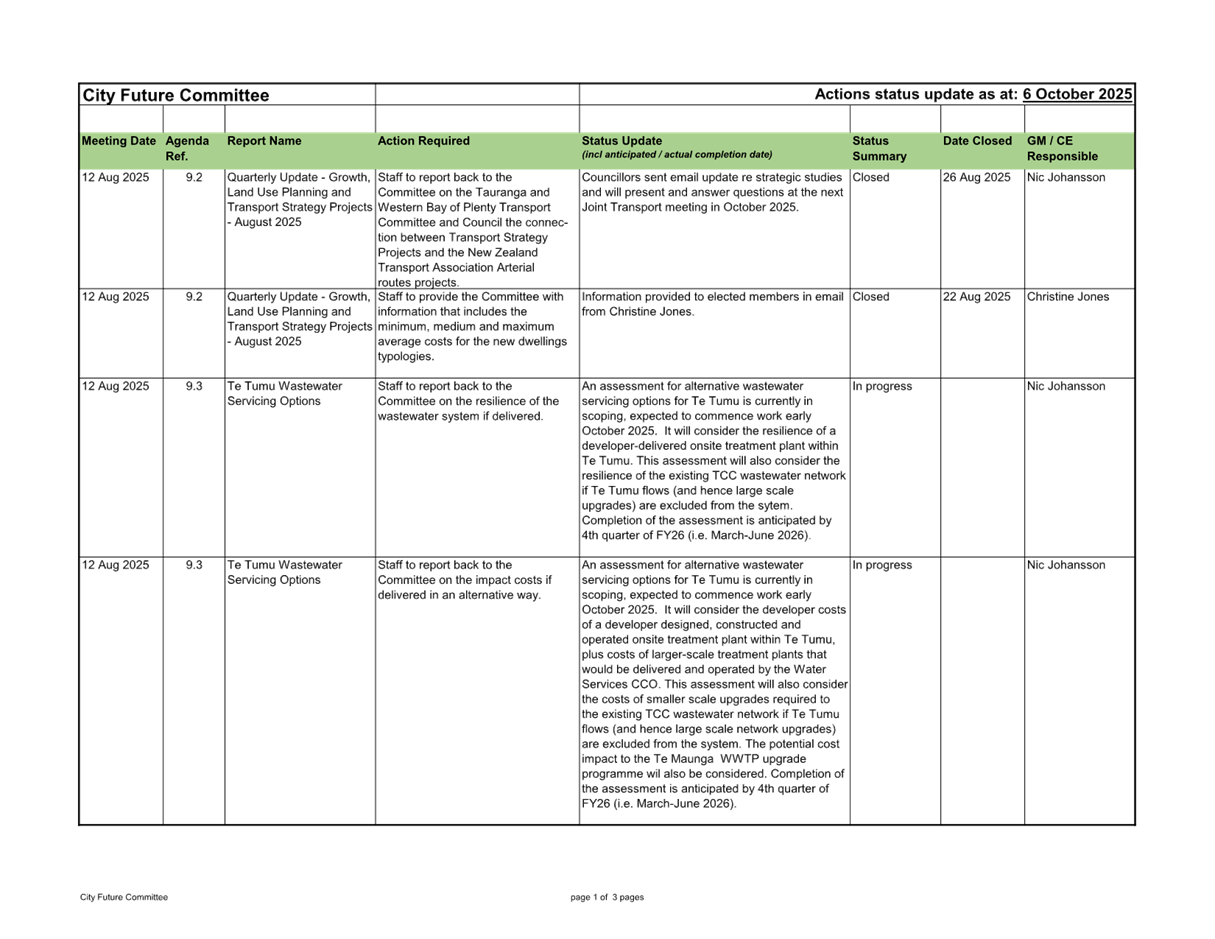
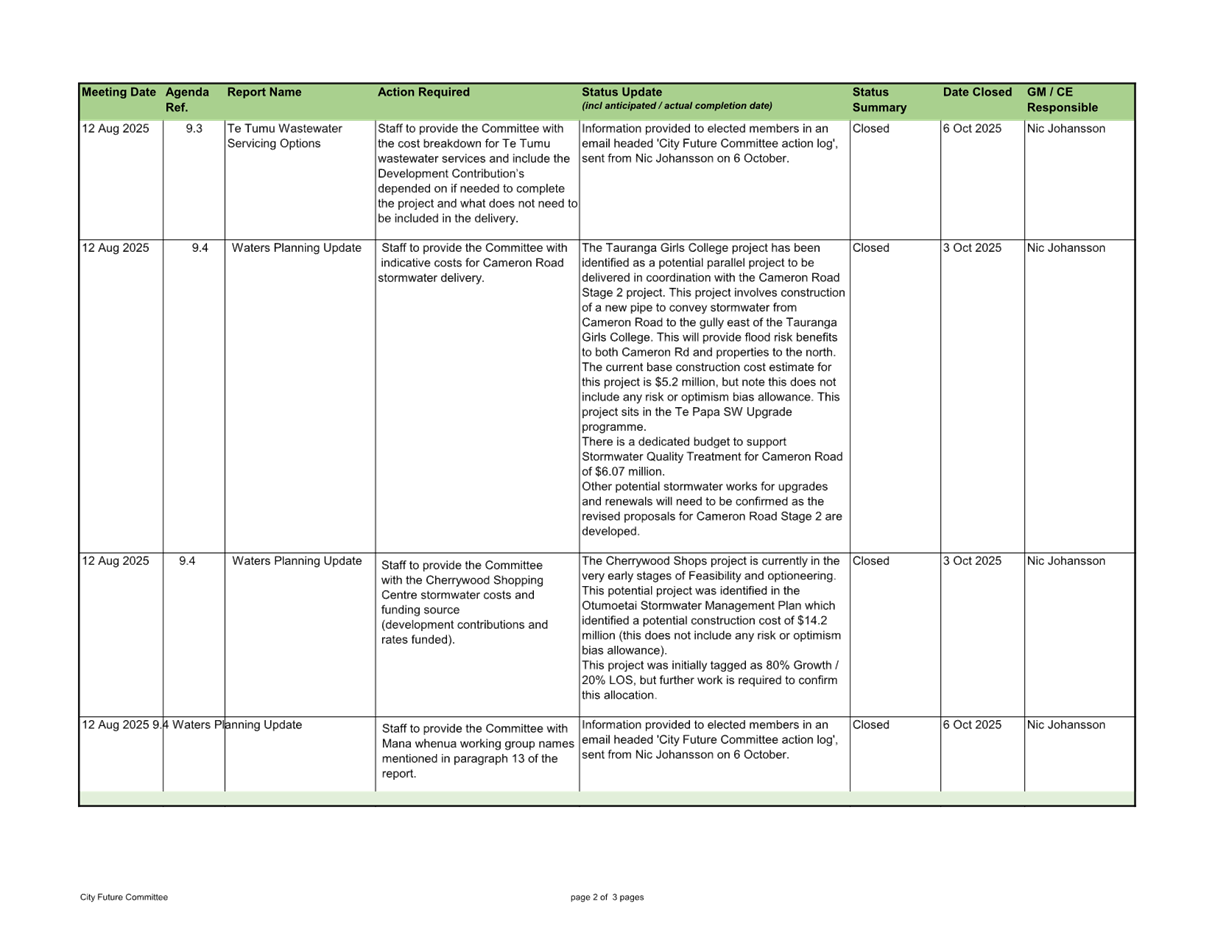
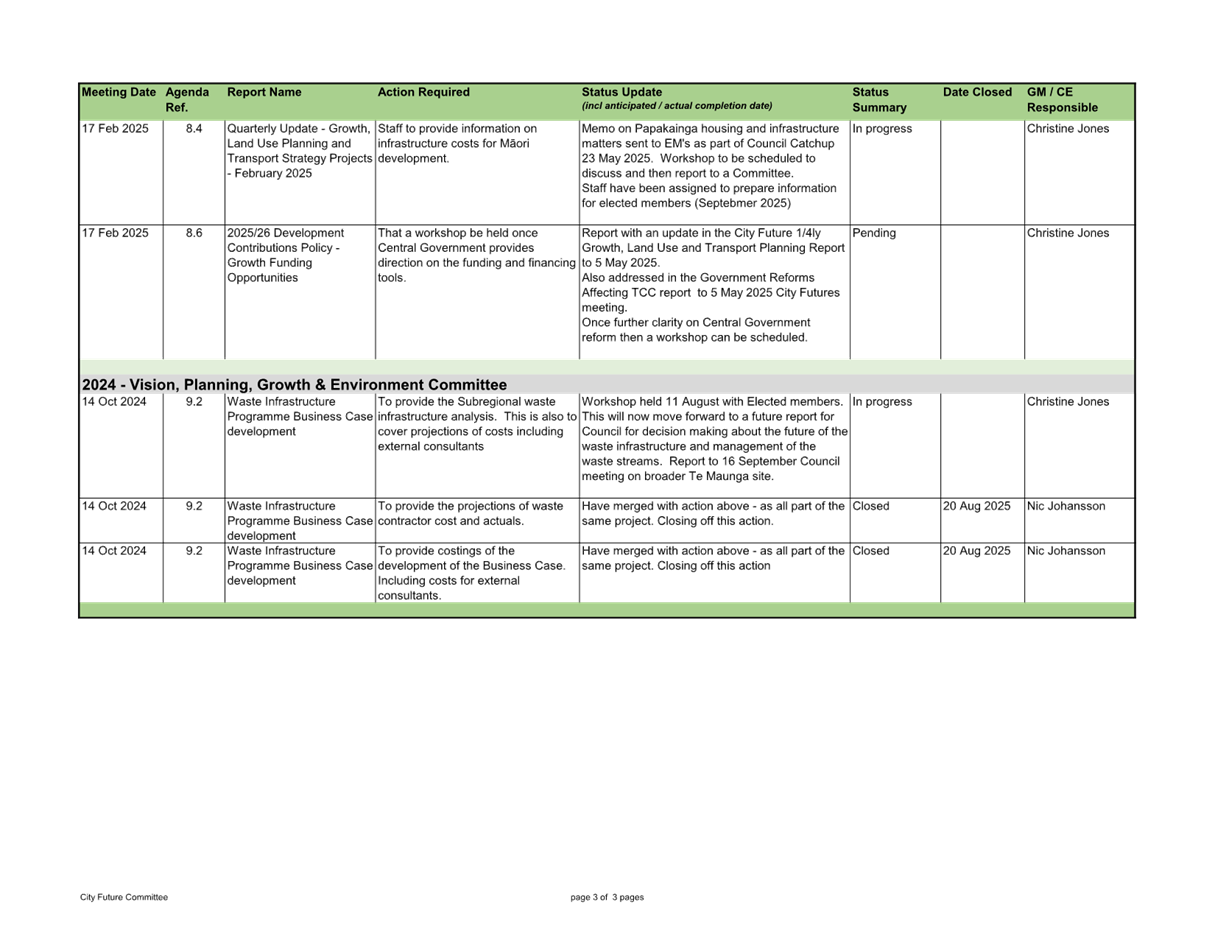
|
City Future Committee meeting Agenda
|
14 October 2025
|
10 Discussion of late
items
11 Closing
karakia