|

|
|
AGENDA
Ordinary Council meeting
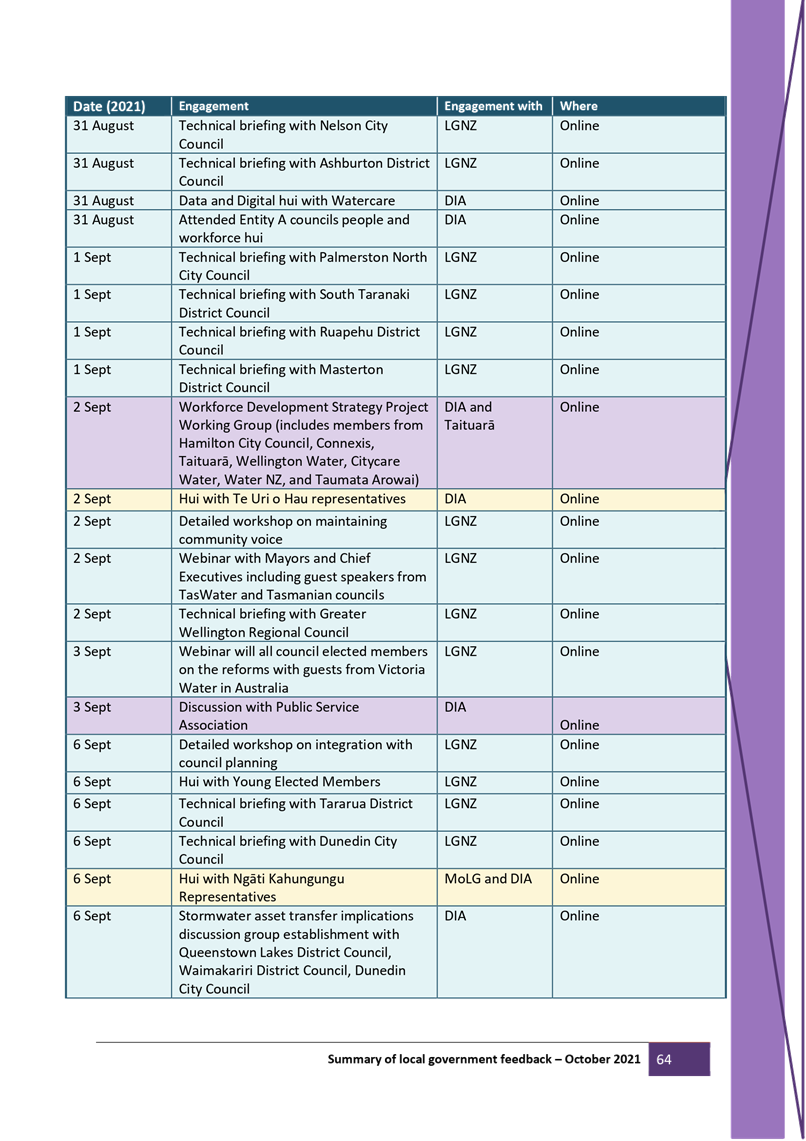
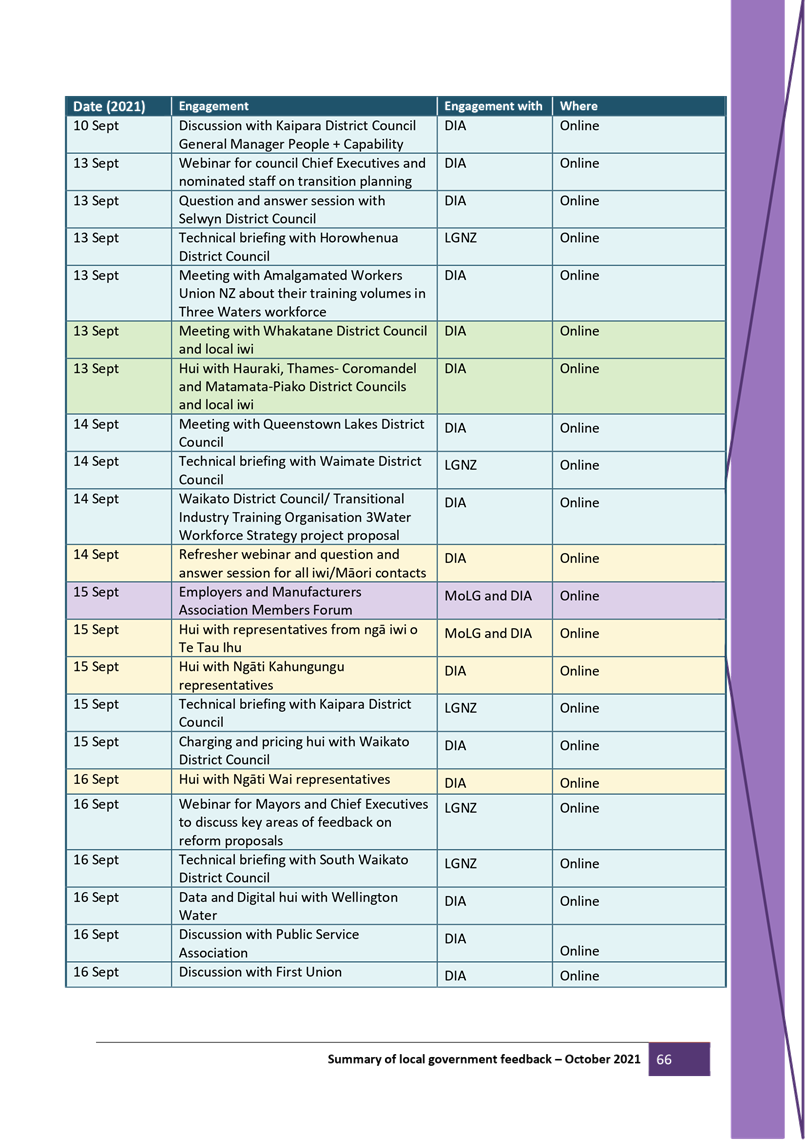
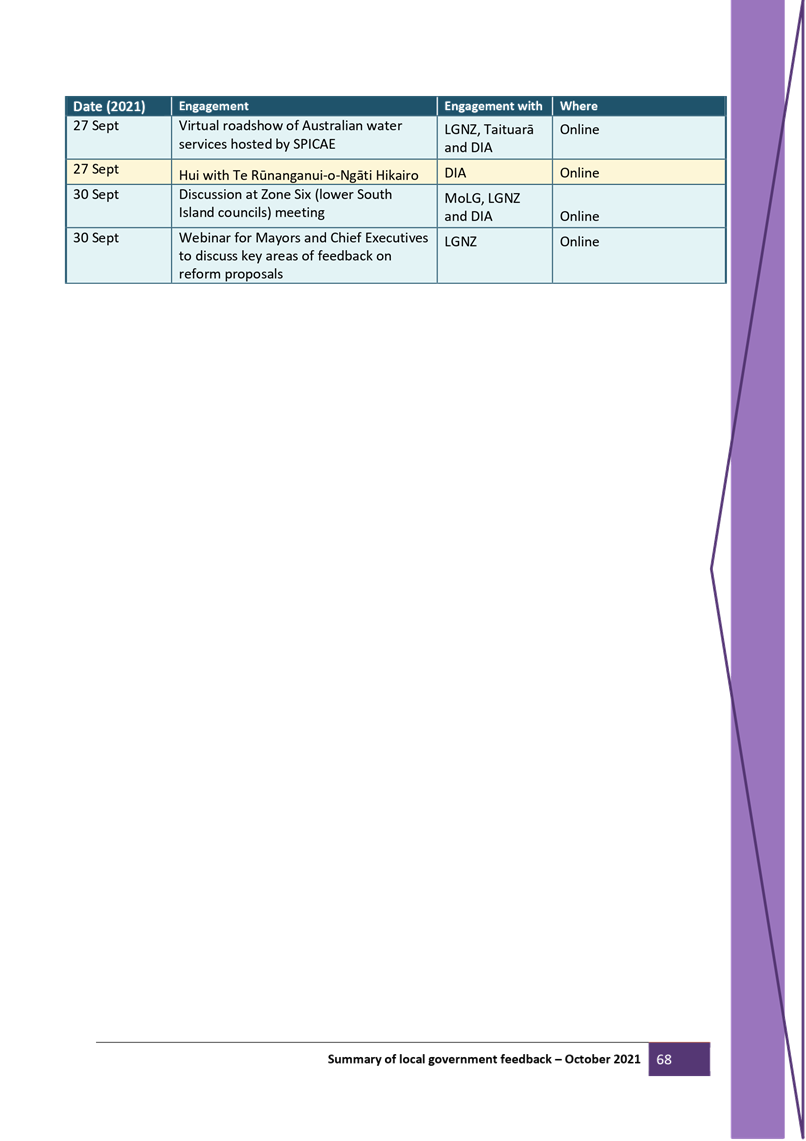
Monday, 13 December 2021
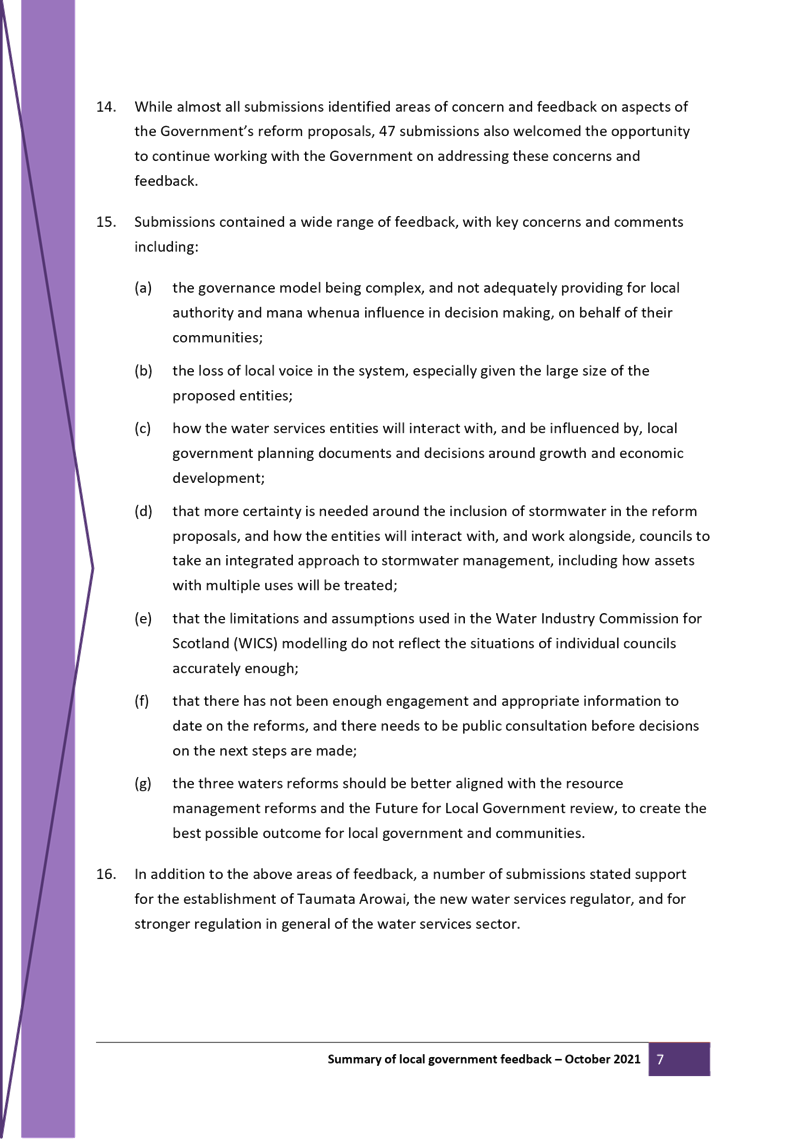
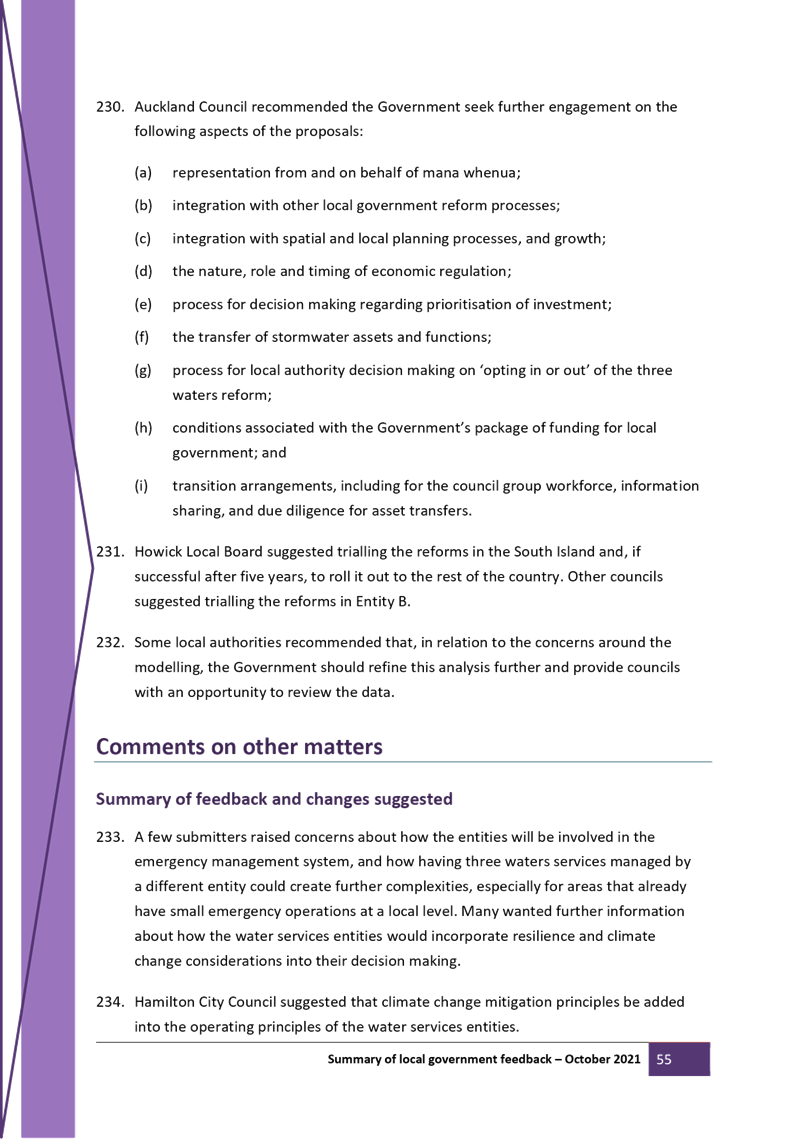
|
|
I hereby give notice that an Ordinary Meeting of
Council will be held on:
|
|
Date:
|
Monday, 13 December 2021
|
|
Time:
|
to start at the conclusion of the Strategy, Finance
& Risk Committee meeting
|
|
Location:
|
Tauranga City Council
Council Chambers
91 Willow Street
Tauranga
|
|
Please note that this
meeting will be livestreamed and the recording will be publicly available on
Tauranga City Council's website: www.tauranga.govt.nz.
|
|
Marty Grenfell
Chief Executive
|
Membership
|
Chairperson
|
Commission Chair Anne Tolley
|
|
Members
|
|
|
Quorum
|
Half
of the members physically present, where the number of members (including
vacancies) is even; and a majority of the members physically
present, where the number of members (including vacancies) is odd.
|
|
Meeting frequency
|
As
required
|
Role
·
To ensure the effective and
efficient governance of the City
·
To enable leadership of the City
including advocacy and facilitation on behalf of the community.
Scope
·
Oversee the work of all
committees and subcommittees.
·
Exercise all non-delegable and
non-delegated functions and powers of the Council.
·
The powers Council is legally prohibited from delegating include:
o
Power to make a rate.
o
Power to make a bylaw.
o
Power to borrow money, or purchase or dispose of assets, other
than in accordance with the long-term plan.
o
Power to adopt a long-term plan, annual plan, or annual report
o
Power to appoint a chief executive.
o
Power to adopt policies required to be adopted and consulted on
under the Local Government Act 2002 in association with the long-term plan or
developed for the purpose of the local governance statement.
o
All final decisions required to be made by resolution of the
territorial authority/Council pursuant to relevant legislation (for example:
the approval of the City Plan or City Plan changes as per section 34A Resource
Management Act 1991).
·
Council has chosen not to delegate the following:
o
Power to compulsorily acquire land under the Public Works Act
1981.
·
Make those decisions which are required by legislation to be made
by resolution of the local authority.
·
Authorise all expenditure not delegated to officers, Committees
or other subordinate decision-making bodies of Council.
·
Make appointments of members to the CCO Boards of Directors/Trustees
and representatives of Council to external organisations.
·
Consider any matters referred from any of the Standing or Special
Committees, Joint Committees, Chief Executive or General Managers.
Procedural matters
·
Delegation of Council powers to Council’s committees and
other subordinate decision-making bodies.
·
Adoption of Standing Orders.
·
Receipt of Joint Committee minutes.
·
Approval of Special Orders.
·
Employment of Chief Executive.
·
Other Delegations of Council’s powers, duties and
responsibilities.
Regulatory matters
Administration, monitoring and
enforcement of all regulatory matters that have not otherwise been delegated or
that are referred to Council for determination (by a committee, subordinate
decision-making body, Chief Executive or relevant General Manager).
7 Confirmation
of Minutes
7.1 Minutes
of the Council meeting held on 8 November 2021
File
Number: A13116051
Author: Robyn
Garrett, Team Leader: Committee Support
Authoriser: Robyn
Garrett, Team Leader: Committee Support
|
Recommendations
That the Minutes of the Council meeting held on 8 November
2021 be confirmed as a true and correct record.
|
Attachments
1. Minutes
of the Council meeting held on 8 November 2021
|
 Ordinary Council meeting Minutes Ordinary Council meeting Minutes
|
8 November 2021
|
|

|
|
MINUTES
Ordinary Council meeting
Monday, 8 November 2021
|
Order of Business
1 Opening Karakia. 3
2 Apologies. 3
3 Public Forum.. 3
4 Acceptance of late items. 4
5 Confidential business to be transferred into the open. 4
6 Change to the order of business. 4
7 Confirmation of Minutes. 4
7.1 Minutes of the Council meeting held on 18 October 2021. 4
8 Declaration of conflicts of interest 4
9 Deputations, Presentations, Petitions. 4
Nil
10 Recommendations from Other Committees. 4
Nil
11 Business. 4
11.1 Representation Review - Deliberations on submissions to Initial
Proposal and adoption of Final Proposal 4
11.2 Water Conservation Strategy Update. 15
12 Discussion of Late Items. 15
13 Public excluded session. 15
13.1 The Pacific Apartments, 8 Maunganui Road, Mount Maunganui 16
14 Closing Karakia. 16
MINUTES
OF Tauranga City Council
Ordinary Council meeting
HELD AT THE Tauranga City
Council, Council Chambers, 91 Willow Street, Tauranga
ON Monday, 8 November 2021 AT
10.30am
PRESENT: Commission Chair Anne Tolley, Commissioner Shadrach Rolleston,
Commissioner Stephen Selwood, Commissioner Bill Wasley
IN ATTENDANCE: Paul
Davidson (General Manager: Corporate Services), Barbara Dempsey (General
Manager: Regulatory & Compliance), Susan Jamieson (General Manager: People
& Engagement), Nic Johansson (General Manager: Infrastructure), Christine
Jones (General Manager: Strategy & Growth), Gareth Wallis (General Manager:
Community Services), Peter Bahrs (Team Leader: Water Services), Coral Hair
(Manager: Democracy Services), Robyn Garrett (Team Leader: Committee Support)
Acknowledgment
Commission
Chair Anne Tolley acknowledged the sudden passing of kaumatua Huikakahu
Kawe. Mr Kawe had been an advisor and kaumatua to Tauranga City Council
for a number of years, had chaired the joint Tangata Whenua/Tauranga City Council
standing committee and had assisted at citizenship ceremonies. The
Commission wished to pass on their condolences to family and whanau.
Commissioner
Rolleston acknowledged Mr Kawe’s whakapapa and noted his contribution to
Tauranga Moana with the mahi undertaken in both Tauranga Moana and the Waikato.
He had played a significant role in the community as a mediator and a leader,
contributed both to TCC and the wider community, and would be sadly missed.
1 Opening
Karakia
Commissioner
Rolleston opened the meeting with a Karakia.
2 Apologies
Nil
3 Public
Forum
Nil
4 Acceptance
of late items
|
Resolution CO21/21/1
Moved: Commissioner Stephen
Selwood
Seconded: Commissioner
Shadrach Rolleston
That the following
items be included in the agenda:
11.2 Water
Conservation Strategy Update
13.1 The
Pacific Apartments, 8 Maunganui Road, Mount Maunganui (public excluded)
Carried
|
5 Confidential
business to be transferred into the open
Nil
6 Change to
the order of business
Nil
7 Confirmation
of Minutes
8 Declaration
of conflicts of interest
Nil
9 Deputations,
Presentations, Petitions
Nil
10 Recommendations
from Other Committees
Nil
11 Business
|
11.1 Representation
Review - Deliberations on submissions to Initial Proposal and adoption of
Final Proposal
|
|
Staff Coral
Hair, Manager: Democracy Services
Key points
·
50% submissions agreed with the initial
proposal; 49% were against.
·
Submissions made around the establishment of a
Māori ward were outside
the scope of the review; submitters on this topic could not appeal the
commissioners decision on the initial proposal.
·
Te Rangapū had gifted the name Te Awanui for the Māori ward. Adoption of a name for the Māori ward was considered an amendment
to the initial proposal.
·
There was no one-size-fits-all model to
follow; each community must choose the model that best fitted that community;
to provide for fair and effective representation of the communities of
interest.
·
Submitters in support generally discussed the
advantages of a single member geographical ward system.
·
Submitters against the initial proposal
generally noted the advantages of at large or mixed model systems; many
wished to vote for the majority of councillors and to have a wide range of
candidates to vote for.
·
The legislation did not allow for a fully at
large model in Tauranga.
·
Option 2 was the closest to an “at
large” model but was inequitable in terms of Māori vs general roll vote.
·
Submitters suggested a variety of mixed model
variants and multi member options. One five-ward model was supported by
a number of submitters but was non-complying in terms of the +/- 10%
requirement. A variation of a 5-ward system was modelled but required
significant boundary changes from those proposed by the submitter to make
compliant. Non-complying proposals tended to be for isolated or rural
areas, not in a clearly defined urban setting such as Tauranga.
·
A number of submissions were received
regarding community boards. If there was a groundswell of support from
a particular community in support of a board, establishment could be
considered at any time.
·
Noted the submitted ward boundary changes to
the Pāpāmoa and Arataki boundaries; the
change could be adopted as submitted and be complying.
·
A decision was required on the name of the
Matua ward.
·
Summarised the options available to the
Commissioners for their decision.
·
Reasons for rejecting submissions must be
included in the resolutions.
·
Outlined the next steps in the process.
In response
to questions
·
The information that would be provided to the
Local Government Commission if there were appeals/objections was clarified.
·
Responses to submitters were planned to be
emailed on Friday with an individual response to each submitter and a copy of
the Public Notice.
Discussion
points raised
·
Noted that the option included in the report
of the remodelled five-ward system, based on the submission received by the
Sustainability Trust, had not been seen by the public or passed by the
submitter; and as such would not be included as part of the substantive
decision.
·
The commissioners had undertaken a number of
discussions with a large range of people and organisations, and thanked the
submitters who attended the hearing.
·
Noted the findings of the Review and Observer
Team, particularly around mandate and leadership of the Mayor and effective
operation of the Council.
·
Numbers of submitters was quite small with the
majority from a narrow demographic in the city; it was a challenge to get
wide representation of views from the city. The number of submitters aged
under 50 was minimal. Local government affected the day to day lives of
every member of the city.
·
Considered the initial proposal was equitable
in terms of number of votes per voter, whether Māori or non-Māori,
with one vote for councillor and one for Mayor.
·
Considered that having a number of smaller
wards would require collaboration and promote a greater cooperation/need for
coalitions across council.
·
The initial proposal gave a clear mandate to
the Mayor as the only member voted for across the whole city.
·
Greater consistency of mandate and defined
communities of interest should facilitate better citywide decision
making. Although a representative for a ward, a councillor must act in
the interests of the whole of the city and take collective responsibility for
council decisions.
·
Commissioners needed to ensure an effective
form of democracy for the transition back to elected democracy for Tauranga.
·
Noted the challenge of getting a range of
views from a wide selection of the city’s residents. Recognised the
number of submissions that supported an at large structure, but a true at
large system was not available.
·
Possible capture of ward councillors by ward
constituents was mitigated by the number of ward members – each one
would need to collaborate with other councillors and must act in the
interests of the wider city.
·
There was no unanimity amongst submitters that
opposed the single member ward model; no one solution was particularly supported.
·
Supported a reduction in the number of
councillors; considered this would enable more efficient decision making.
·
Equity and fairness for voters was important,
both for the Māori
community and the wider community. Noted the previous significant
decision to establish the Māori ward.
·
Noted that Christchurch City Council had this
representation arrangement for a number of years.
·
Tauranga was a compact city so did not see
such a need for community boards; there had been challenges in terms of
policy directive and strategy for overall council and city-wide decisions
where community boards were used.
·
Noted the submission on the use of community
juries as a form of engagement; would support a trial of this being adopted
for an upcoming Council process such as the Annual Plan.
|
|
Resolution CO21/21/3
Moved: Commissioner Stephen
Selwood
Seconded: Commissioner
Shadrach Rolleston
That
the Council:
|
(a) Receives
the report “Representation Review – Deliberations on
submissions to Initial Proposal and adoption of Final Proposal”.
(b) Having
considered all submissions received on the Initial Proposal and in
accordance with sections 19M and 19N of the Local Electoral Act 2001,
determines that the following changes be made to the Initial Proposal: the
name of the Māori ward to be Te Awanui, the name of the Matua ward to change to
Matua-Otūmoetai and
changes to the ward boundaries of the three coastal wards; and the
following proposal will apply for the Tauranga City Council for the
elections to be held on 8 October 2022:
(i) The
Tauranga City Council shall comprise a Mayor and nine councillors.
(ii) Eight
of the proposed members of the Tauranga City Council are to be separately
elected by the electors of eight general wards and one member is to be
separately elected by the electors of one Māori
ward. The Mayor will be elected at large by all the electors of Tauranga
City.
(iii) The
name of the Māori
ward will be “Te Awanui” as gifted by Te Rangapū
Mana Whenua o Tauranga Moana.
(iv) The
proposed names of the wards, the number of members to be elected by the
electors of each ward, and the population each member will represent are
set out in the table below together with the compliance with the fairness
population rule for the general wards.
|
Ward Name
|
Number of Members to be elected
|
Population Per Member
|
+/- 10%
|
|
Te
Awanui Ward
|
1
|
15,300
|
N/A
|
|
Mauao/Mount Maunganui
|
1
|
15,650
|
-8.24
|
|
Arataki
|
1
|
17,050
|
-0.04
|
|
Pāpāmoa
|
1
|
17,800
|
4.36
|
|
Welcome Bay
|
1
|
18,000
|
5.53
|
|
Matua-Otūmoetai
|
1
|
18,050
|
5.83
|
|
Bethlehem
|
1
|
17,550
|
2.89
|
|
Te Papa
|
1
|
16,400
|
-3.85
|
|
Tauriko
|
1
|
15,950
|
-6.49
|
|
Total
|
9
|
|
|
(v) In
accordance with section 19V(2) of the Local Electoral Act 2001, the
population that each member of a general ward represents is within the
range of 17,056 +/- 10% (15,350 to 18,762)
(vi) The
proposed boundaries of each ward are those set out in the map below.
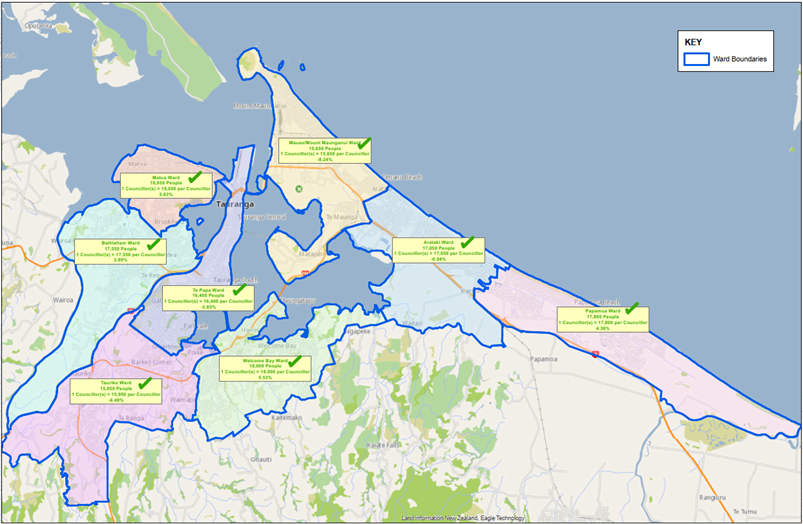
(vii) That
in accordance with section 19T of the Local Electoral Act 2001, the wards provide effective representation of
the following communities of interest:
|
Ward Name
|
Description of communities of
interest
|
|
Te
Awanui
|
This ward reflects the community of
interest for Māori electors and those in the Māori community
across the entire Tauranga City.
|
|
Mauao/Mount Maunganui
|
This ward includes Mount Maunganui, Omanu, Bayfair and Matapihi. It forms part of the coastal
strip and recognises the unique feature of Mauao which is an important
cultural, historic, and geographical feature. This ward has a focus on
leisure and tourism, faces increased tsunami risk, sea level rise and
coastal hazards due to its location. Improved transportation links to the
City via state highways are of importance to residents.
|
|
Arataki
|
This ward includes Arataki, Te Maunga, Palm Beach and Kairua. It
forms part of the coastal strip. Like the Mauao/Mount Maunganui ward, the
residents have strong links to the unique feature of Mauao and the ward has a focus on leisure and tourism, faces increased
tsunami risk, sea level rise and coastal hazards due to its location.
Improved transportation links to the City via state highways are of
importance to residents.
|
|
Pāpāmoa
|
This ward includes
Pāpāmoa, Golden Sands, Wairakei and Te Tumu. This coastal strip area will continue to have accelerating
population growth. In the next 10 years an estimated 2-3,000 new
homes will be built in the areas already zoned for housing and 7-8,000
homes once Te Tumu is zoned for housing. It also faces increased tsunami
risk, sea level rise and coastal hazards due to its location. Improved
transportation links to the City as well as the construction of a direct
link to the Tauranga Eastern Link via the Pāpāmoa East
Interchange are of importance to residents.
|
|
Welcome Bay
|
This ward includes Welcome Bay, Maungatapu, Kaitemako, Poike and Ohauiti. These
areas have a reliance on services and facilities
located in other suburbs and transportation to the city centre is an
important issue for local residents. More rural based residents
have specific needs related to rural living.
|
|
Matua-Otūmoetai
|
This ward includes Matua, Otūmoetai, Bellevue and Brookfield.
With a large population living close to the city centre, the residents of
this ward are impacted by the increase of infill housing, are interested
in safer transport options and the development of community facilities.
|
|
Bethlehem
|
This ward includes Bethlehem and Judea.
With a large population living close to the city centre, the residents of
this ward are impacted by the increase of infill housing, are interested
in safer transport options and the development of community facilities.
|
|
Te Papa
|
This ward includes Te Papa Peninsula, Sulphur Point, CBD, Fraser Cove, Gate Pa,
Tauranga South, Merivale, Yatton Park and Greerton (north of Chadwick
Road). The Te Papa Spatial Plan, with its focus
on increased density and city-living type housing, is estimated to
increase the number of residents on the Te Papa Peninsula by 15,000 by
2050. The Cameron Road redevelopment project with improved passenger
services and transport choices will have a major impact on residents. The
development of community facilities, spaces and places and the inner-city
revitalisation are of importance to residents.
|
|
Tauriko
|
This ward includes Pyes Pa, Hairini, Oropi, Greerton (south of Chadwick Road), The Lakes and Tauriko. The expansion of the city to the west has seen
boundary changes with Western Bay to facilitate the development of
business, industry and residential growth. It is estimated in the next 10
years that 3-4,000 new homes will be built, improvements will be made to
SH29 and connections to it, and an additional 100-150 hectares of
business land will be provided creating an additional 2,000 jobs. This
ward includes rural based residents that have specific needs related to
rural living.
|
(viii) That no community
boards be established.
(c) As
required by sections 19T and 19W of the Local Electoral Act 2001, the
boundaries of the nine wards coincide with the current statistical
meshblock areas determined by Statistics New Zealand.
(d) Notes
that Tauranga City has experienced a crisis in leadership, such that the
Minister of Local Government in February 2021 appointed a Commission to
replace the elected Council. This representation review is focused on
ensuring the city can return to an efficient and effective representative
Council, and takes into account the Review and Observer Team’s
comments and observations on representation.
Peter
Winder, Chairperson of the Review and Observer Team, recommended that all
councillors, except the Māori councillor, be elected from a larger number of smaller wards,
with boundaries that reflected communities of interest. This would,
in Mr Winder’s opinion “create a clear and certain mandate
from the public and provide a better than even chance of delivering a
functional council than the one the Team observed”.
(e) In
accordance with section 19N of the Local Electoral Act 2021, the reasons
for the Final Proposal are:
(i) This
proposal recognises the distinct communities of interest in the City based
on geographical areas and provides for fair and effective representation of
those communities of interest.
(ii) This
proposal is seen as more equitable as both general and Māori electors vote for one councillor.
(iii) This
proposal has a more even distribution of persons per councillor for the
general wards.
(iv) This
proposal has the potential for a more efficient governance model with a
reduction in the number of councillors from ten to nine.
(v) This
proposal is more easily understood than other representation arrangements
and has a direct relationship between electors and the ward councillor.
(vi) This
proposal has the potential for less costs for candidates standing in
general wards.
(vii) This
proposal may address the concerns and issues raised by the Review and
Observer Team.
(viii) This
proposal provides the Mayor with a clear leadership role across the city as
the Mayor is elected at large (by all voters).
(ix) The
structure provides for greater clarity and simplicity which will make the
process more approachable and easier to engage with for the community and
remove the potential for power imbalance amongst Councillors.
(x)
The structure encourages a culture of collective
responsibility. With greater consistency
of mandate and responsibility, the proposed structure will support a collaborative
environment within elected members.
(xi)
Alongside this structure, the Commission recommends additional
steps, outside of the representation review, to enhance local
democracy including:
a. Enhanced
briefings for incoming Council
b. Greater
collaboration with community
c. Continue
the increased Council focus on community
d. Initiatives
to encourage voter participation and more diversity of candidates standing
for office.
(f) In
accordance with section 19N of the Local Electoral Act 2021, the reasons
for the rejection of submissions are included in the public notice and are
set out below:
|
Category of submission objecting to
the Initial Proposal
|
Number of submitters
|
Reason for rejecting matters raised
in submissions
|
|
At large councillors – wanted to
vote for councillors city-wide
|
17
|
An
‘at large’ only option is not permitted by the Local
Electoral Act 2001 when a Māori ward is established. Option 2 in the
pre-engagement survey is the closest to an at large model for people
enrolled on the general electoral roll.
|
|
Option 2 in the pre-engagement survey
to be chosen
(10 councillors plus a mayor, with one
general ward of nine councillors and one Māori
ward with one councillor)
|
9
|
Option 2 does not provide for
geographical representation of separate communities within the
City. It is the most inequitable model of representation for Māori as voters on the general electoral roll would each be voting
for eight of the nine councillors plus the mayor and the voters on the Māori electoral roll would be voting for one of the nine
councillors plus the mayor.
|
|
Mixed
model with councillors elected by wards and at large
|
16
|
The
mixed model includes councillors of different status, some elected by
wards and some at large; and the Review and Observer Team believed that
this model contributed to the dysfunction of the previous council. The
Council agreed with the Review and Observer Team’s opinion and
considered that, on balance, the disadvantages of a mixed model
outweighed the advantages.
|
|
Multi-member
ward model with 5 general wards with 2 councillors and 1 Māori ward
with 1 councillor
|
6
|
The
multi-member ward model with five general wards has less geographical coverage of communities of interest than the
Initial Proposal.
This representation model has not been
seen by the public and its acceptance as a representation model has not
been tested; however, the multi-member ward model in the
pre-engagement survey was the least popular option.
The original submission was
substantially non-complying; substantial amendments were made to the
submitted boundaries in an attempt to achieve compliance. On balance, the
Commissioners are of the view that even a modified model would not be
optimal from an efficiency or effectiveness view.
Suggested ward boundaries for this
model were amended from those proposed by the submitter to achieve
compliance with the fairness rule. This proposal only just achieves
compliance with the +/- 10% rule, with some communities of interest being
split to achieve this compliance. These changes may be unacceptable to
the submitter.
|
|
Ward
councillors captured by ward interests
|
10
|
The
Council recognises the perception that ward councillors could be captured
by their ward interests, and that this was a potential disadvantage of
any ward-based model. The Council also noted the perception that councillors
elected at large could be captured by interest groups if they stand for
office representing a particular group or stand on a single issue.
However, the Council gave greater weight to the fact that all councillors
make a declaration when they take office that they will act in the best
interests of Tauranga City, and took into account the Bay of Plenty
Regional Council evidence that their councillors, though elected from
geographic wards (called constituencies), take a region-wide view and
effectively represent the entire region.
|
|
Ward
boundaries – requested amendments to ward boundaries
|
7
|
The Council considered a number of changes to the ward
boundaries as suggested by submitters, and agreed to move the boundary
between the Mauao/Mount Maunganui and Arataki wards to Girven Road, and
to move the boundary between the Pāpāmoa and Arataki wards to include Pāpāmoa Plaza, Fashion Island and surrounding residential areas, as
these changes better reflect the communities of interests in those wards,
and still enables the proposal to comply with the +/- 10% rule.
The
Council made no other changes to the remaining ward boundaries.
The Council considered the
submission to create a separate Greerton ward; however, that
would result in a non-complying proposal and distortions of other ward
boundaries.
The Greerton community
will be represented by two councillors,
from the Te Papa and Tauriko wards.
|
|
Ward
names
|
6
|
The Council received submissions to
change the name of the Matua ward to Otūmoetai. The ward name will be Matua-Otūmoetai.
|
|
Proposing
another option
|
11
|
Various scenarios for mixed model
representation were proposed and one for a multi-member ward. The
reasons for rejecting these options are the same as those outlined above
in the sections on mixed model and multi-member ward.
|
|
Community
Boards – requested these be established
|
14
|
The
Council confirmed its decision not to establish community boards for the
following reasons:
(a) Tauranga City has not previously established community
boards and, given the Local Government Review underway that will
consider the future of local government over the next 30 years, it
is considered premature to introduce community boards at this time.
(b) There has been no significant demand
from one or more specific communities to establish a community board. The
Council can consider a demand from the community at any time to establish
a community board.
(c) Fair and effective representation for individuals and
communities would be provided through the proposed representation
arrangements without the need to establish community boards.
(d) The Remuneration Authority’s conclusion, following its
review of community board remuneration, that it was timely for a central
government agency to review the functions, representation levels and
associated characteristics of community boards.
(e) Establishment
of a further tier of local government bureaucracy will add an additional
burden in terms of administration and efficiency; and may detract from
achieving a Tauranga City vision on fiscal strategy and other potential
policies.
(f) Alternative options are available to the Council following the
2022 elections to ensure local
community views are heard and advocated for. These include
establishing community committees or setting up place-based community
groups for particular projects.
|
|
Number
of councillors and uneven number of elected members
|
14
|
The Council considers that the complex issues raised by governing a rapidly growing city
could be reasonably met by a reduction from ten councillors and a mayor
to nine councillors and a mayor; and noted that
the Commission was modelling the efficiencies and effectiveness of
smaller governance for the City.
The request for an uneven number of
elected members was rejected. A casting vote is provided for in the
Council’s Standing Orders for the Mayor or chairperson of a
committee to use in the case of an equality of votes.
|
|
Increase
Māori representation
|
8
|
The number of Māori
members is set through a formula in Schedule 1A of the Local Electoral
Act 2001 and, at present for Tauranga City, is one Māori member. To have two Māori
councillors requires either an increase in the Māori
Electoral Population or an increase in the number of ward councillors to
15.
|
|
Māori
ward – disagree with establishment
|
21
|
The representation review does not
provide an opportunity to revisit the decision to establish a Māori ward.
|
|
Commissioners
– retain Commissioners
|
4
|
This representation arrangement is not
available to the Council under the Local Electoral Act 2001. The
Minister of Local Government has the power to decide on the term of the
Commissioners. Legislative changes would be required for a hybrid model
of representation to include appointed Commissioners and elected
councillors.
|
|
Quality
of candidates
|
7
|
The representation review does not
provide for the Council to consider restricting candidates from standing
for office. The Local Electoral Act 2001 sets out the criteria for
standing for council. The Electoral Officer is required to take
nominations from any person wishing to stand as a candidate who meets
that criteria.
|
|
Other
Mayor
elected by councillors.
The second highest polling mayoral
candidate be appointed as the Deputy Mayor.
Limit
candidates to stand for mayor or councillor, not both.
Appointments
Committee be set up with 50% councillors
appointed and up to 50% elected.
Councillor
to represent commercial ratepayers.
Address
population growth
Citizens’
Assemblies to be established
|
12
|
The Local Electoral Act 2001 (LEA) does
not provide for the Council to give relief to any of these
submissions.
The Mayor is required to be elected by
the voters of the city.
The Local Government Act 2002 sets out
the process for the appointment of the Deputy Mayor and any changes would
require legislative change.
Candidates can stand for both positions
of mayor and councillor.
Voters elect the mayor and councillors.
The Minister of Local Government has the power to appoint Commissioners. Legislative
change would be required for a hybrid model of appointed Commissioners
and elected members.
A councillor to represent commercial
ratepayers is not provided for as the legislation is focused on fair and
effective representation of people. Ward boundaries must be
physically mapped on a boundary using Statistics New Zealand mesh blocks.
The LEA requires the Council to use
either census data or the latest population estimates when completing the
review. The representation review has used the 2020 population
estimates as these provide more up to date population data.
Establishing
Citizens’ Assemblies sits outside the scope of the representation
review. The Council may establish Citizens’ Assemblies at any
point.
|
(g) In
accordance with section 19N of the Local Electoral Act 2001, the Council
will give public notice of this proposal on 12 November 2021; and
that those persons or organisations who made submissions on the Initial
Proposal may appeal the final proposal and those who have not submitted may
object to the final proposal, with appeals and objections closing at 5 pm
on 13 December 2021.
(h) Approves
the recommended responses to submitters on the Initial Proposal as set out
in Attachments 4 and 5, subject to any amendments as determined by the
Council.
|
Carried
|
|
11.2 Water
Conservation Strategy Update
|
|
Staff Nic
Johansson, General Manager: Infrastructure
Peter
Bahrs, Team Leader: Water Services
Key points
·
The new water conservation strategy was to be
pushed from this week; this report had been brought to the meeting to bring
the new stricter view on water conservation into the public arena.
·
Outlined the restriction regime proposed.
In response
to questions
·
Regular updates on how water sources were
tracking would be provided regularly, monthly or by exception, with an early
alert if things were not tracking as expected. A seven-day rolling
average was provided on the website.
·
The December – March regime would start
on 1 December, with some minor restrictions in place from 22 November.
It was planned to move down to a lighter version of restrictions from April,
depending on the community response during the December-March period. The aim
was to build an ongoing behavioural change to get people to value water and
use it wisely.
|
|
Resolution CO21/21/4
Moved: Commissioner Bill
Wasley
Seconded: Commissioner
Stephen Selwood
That
the Council receives this
late report on the water conservation strategy update.
Carried
|
12 Discussion
of Late Items
Discussed as part
of business.
13 Public excluded session
RESOLUTION
TO EXCLUDE THE PUBLIC
|
Resolution CO21/21/5
Moved: Commissioner Shadrach
Rolleston
Seconded: Commissioner
Bill Wasley
That
the public be excluded from the following parts of the proceedings of this
meeting.
The
general subject matter of each matter to be considered while the public is
excluded, the reason for passing this resolution in relation to each matter,
and the specific grounds under section 48 of the Local Government Official
Information and Meetings Act 1987 for the passing of this resolution are as
follows:
|
General subject of each
matter to be considered
|
Reason for passing this
resolution in relation to each matter
|
Ground(s) under section 48
for the passing of this resolution
|
|
13.1 - The Pacific
Apartments, 8 Maunganui Road, Mount Maunganui
|
s7(2)(a) - The withholding of the
information is necessary to protect the privacy of natural persons,
including that of deceased natural persons
s7(2)(g) - The withholding of the information
is necessary to maintain legal professional privilege
s7(2)(i) - The withholding of the
information is necessary to enable Council to carry on, without prejudice
or disadvantage, negotiations (including commercial and industrial
negotiations)
|
s48(1)(a) - the public conduct of the
relevant part of the proceedings of the meeting would be likely to result
in the disclosure of information for which good reason for withholding
would exist under section 6 or section 7
|
Carried
|
14 Closing Karakia
Commissioner
Rolleston closed the meeting with a Karakia.
The
meeting closed at 12.05pm.
The
minutes of this meeting were confirmed as a true and correct record at the
Ordinary Council meeting held on 13 December 2021.
........................................................
CHAIRPERSON
11 Business
11.1 Adoption
of Tauranga City Council Annual Report 2020/21 for the year ended 30 June 2021
File
Number: A13016645
Author: Kathryn
Sharplin, Manager: Finance
Josh Logan, Team Leader:
Corporate Planning
Tracey Hughes, Financial
Insights & Reporting Manager
Authoriser: Paul
Davidson, General Manager: Corporate Services
Purpose
of the Report
1. To adopt the Tauranga
City Council Annual Report 2020/21 for the year ended 30 June 2021.
|
Recommendations
That the Council:
(a) Receives
Report – Adoption of Tauranga City Council Annual Report 2020/21.
(b) Receives
the Audit report on the Annual Report 2020/21.
(c) Adopts
the Audited Tauranga City Council Annual Report 2020/21 pursuant to the
provisions of the Local Government Act 2002.
(d) Authorises
the Chief Executive to make any necessary minor numerical, drafting or
presentation amendments to the Annual Report 2020/21 prior to final printing.
(e) Notes
the audited summary annual report will be published using summarised material
from the approved annual report. It will be presented to council for
information in February 2022.
|
Executive
Summary
2. The Annual Report is
presented for adoption by Council.
3. Audit New Zealand has
audited the Annual Report 2020/21 and will present its report to this meeting
after which it is recommended that Council adopt the audited Annual Report for
the year ended 30 June 2021.
4. The draft annual report
was presented twice to Strategy, Finance and Risk Committee (SFRC) on 20
September and 1 November 2021. There have been some changes to the
financial results after further discussions with Audit New Zealand, and review
of the revaluation of three waters assets. The net effect of these changes is
an increase in weathertight and other provisions expense to $26.4m from $7m and
a reduction of $3.5m in expenditure, primarily depreciation. The
consolidated surplus after tax is $66.4m
5. The financial results for
Tauranga City Council and Group are as follows:
|
Tauranga City
Council
|
|
$790m rates
surplus with $695k interest surplus transferred to an interest rate
management reserve.
|
$65m surplus
before tax
|
|
$586m net debt
– 209% debt to revenue ratio
|
$182m capital
expenditure
|
|
Tauranga
Council (Group)
|
|
$64m
consolidated surplus before tax
|
Net Debt $586m,
debt to revenue ratio 203%
|
The non-financial results for the
year include:
|
53%
|
37%
|
10%
|
|
78/148 measures achieved.
|
55/148 measures not achieved.
|
15/148 measures unable to be assessed.
|
Background
6. The Annual Report (Attachment
1) is presented for adoption by Council.
7. The Summary Annual Report
will be completed using sections from this report. and presented to Council at
a later date for information.
8. The draft Annual Report
was presented to SFRC on 20 September with key themes for the year discussed.
9. While the key themes
remain as discussed at SFRC, there have been amendments to the financials
agreed with Audit New Zealand. The main change affecting the statement of
comprehensive revenue and expense has been a change to provision expense
relating to a weathertight claim. The provision has been increased from
$7m to $26.4m to reflect an agreed settlement. Offsetting this change,
the contingent liability (note 41) has been decreased. In addition, there
was a reduction in depreciation associated with a lowering of the upward
revaluation in three waters assets ($3.5m). The consolidated surplus before tax
is $64m.
10. A number of issues have made this
year’s audit more challenging and time consuming than usual. These
include impacts of a new finance system, revaluation of three waters assets
ahead of their normal three-yearly valuation cycle, and the extra work
pressures and time constraints since Covid19.
11. This is the first year using the SAP
financial system and teething problems with the system, the lack of some
reports in formats suitable for audit as well as staff not sufficiently
familiar with the system have all led to significant challenges and delays for
both TCC staff and the audit team. The finance team and digital services will
prioritise some process change, documentation, and report development to
address these issues.
12. Three waters reform and increasing
costs in our recent three waters investments meant TCC chose to bring forward
the revaluation of three waters ahead of its normal three-yearly
revaluation. This put both our valuers and TCC under additional time
pressure and the revaluation was completed very late in the year. It has
been subject to a number of amendments in consultation with Audit NZ and the
valuers. Staff are currently considering whether to undertake a further three
waters revaluation as at 30 June 2022 to reflect ongoing increases in costs.
13. Resource challenges exist both
within TCC and Audit NZ, which arise from the delays to annual plans and annual
reports since Covid19 first impacted in 2020. This pressure will continue
into next year. The workload related to assets, revaluation and financial
reporting requirements continues to increase for TCC particularly with the
large and increasing capital programme. Additional finance resources are
being recruited to support this work.
14. Audit NZ has completed its audit and
various amendments have been reflected in the financials and the notes to the
accounts. The Audit Director will provide the audit opinion at the
meeting.
15. Once Audit New Zealand has presented
its audit opinion, Council adopts the audited financial report. The
audited Annual Report will be made publicly available.
16. The Summary Annual Report 2020/21
has yet to be finalised and audited. This summarises financial
information, along with extracts from the front sections of the Annual
Report. The summary report is also required to be audited and published
within one month after adoption of the Annual Report. The summary does not
require specific adoption by council as it is a summary of the adopted annual
report material. It will be presented to council for information in
February 2022.
Strategic / Statutory
Context
17. The Annual Report must be prepared
each year in accordance with generally accepted accounting practice in New
Zealand and compliant with the requirements Section 98 of the Local Government
Act 2002. The annual report must be completed, and the audited annual report
adopted by Council. As per Section 98 (3), usually this adoption must occur
within four months of the end of the financial year.
18. However, due to the impacts of COVID-19
on the reporting cycle, the Local Government Act 2002 was amended to add
Section 98 (7) which extends the timeframe for adoption of annual reports to 31
December for the 2020/21 and 2021/22 financial years.
19. Council must also make publicly
available within one month of adoption of the annual report, both the report
and a summary report prepared under section 98 (4)(b) of the Local Government
Act 2002.
Options Analysis
20. No options are presented.
Financial Considerations
21. The annual report provides a report
to the community of Councils performance against the proposed services and
capital investment set out in the annual plan and long-term plan.
Consultation /
Engagement
22. Within one month of adoption,
Council must make publicly available the annual report and a summary of the
information contained in the annual report.
Significance
23. The
Local Government Act 2002 requires an assessment of the significance of
matters, issues, proposals and decisions in this report against Council’s
Significance and Engagement Policy. Council acknowledges that in some
instances a matter, issue, proposal or decision may have a high degree of
importance to individuals, groups, or agencies affected by the report.
24. In
making this assessment, consideration has been given to the likely impact, and
likely consequences for:
(a) the current
and future social, economic, environmental, or cultural well-being of the
district or region
(b) any persons who are likely to be
particularly affected by, or interested in, the matter.
(c) the capacity of the local authority to
perform its role, and the financial and other costs of doing so.
25. In
accordance with the considerations above, criteria and thresholds in the
policy, it is considered that the matter is of medium significance.
ENGAGEMENT
26. Taking
into consideration the above assessment, that the matter is of medium significance,
officers are of the opinion that no further engagement is required prior to
Council making a decision.
Next Steps
27. The adopted report will be loaded to
the TCC website and copies of the summary annual report distributed once this
has been completed and audited.
Attachments
1. Draft
Annual Report - A13008026 (Separate Attachments 1) 
2. Annual Report Summary -
A13074149 (Separate Attachments 1)
11.2 Annual
Plan 2022/23 - Indicative Draft Budget
File
Number: A13015539
Author: Josh
Logan, Team Leader: Corporate Planning
Kathryn Sharplin, Manager:
Finance
Tracey Hughes, Financial
Insights & Reporting Manager
Authoriser: Paul
Davidson, General Manager: Corporate Services
Purpose
of the Report
1. In
accordance with the Local Government Act 2002, Council is required to produce
and adopt an annual plan, by 30 June 2022.
2. This
report seeks your approval of the indicative Annual Plan 2022/23 budget
identified in this report and seeks your direction on the issues and options
relevant to the budget.
|
Recommendations
That the Council:
(a) Receives
the report Annual Plan 2022/23 - Indicative Draft Budget
(b) Endorses
in principle the Annual Plan draft budget for capital and operations as
summarised in Attachments A.
(c) Confirms the funding mix for
general rates, stormwater, resilience and community targeted rates between
the commercial/industrial sector and the residential sector will at least be
maintained at 76%/24% once the property revaluation process on capital values
is completed for the 2022/23 financial year
(d) Endorses the principle that
the benefits provided by the transport activity be further considered in
February 2022, to more fairly allocate rate revenue funding between the
commercial/industrial sector and residential sector, for inclusion in the
draft 2022/23 draft Annual Plan.
(e) Plan to consult with the
community during the 2022/23 Annual Plan process on how best to transition to
a higher differential for the commercial/industrial sector to align with
benefits received from council investment to ensure the rate funding mix is
better balanced across all its activities.
|
Executive
Summary
3. This
report provides a draft budget for the 2022-23 Annual plan which is year 2 of
the 2021-31 Long term plan (LTP). The draft budget includes matters
outlined at Council on 6 December 2021 in report 11.9 Annual Plan 2022-23 Key
Issues and Approach.
4. There
have been updates to capital and operating budgets to reflect resourcing
requirements and timing and cost changes in the capital programme. Overall, the
key financials in the annual plan include some minor variances to year 2 of the
LTP. There has been a redirection of debt retirement of $1.1m for the year from
stormwater to address unfunded debt from weathertight claims.
5. The
draft budget includes loan funding of expenditure associated with planning and
consultancy where this is of a one-off nature to support new areas of planning,
design and engagement associated with the capital programme and one-off new
initiatives including government initiatives.
6. Review
of how rates should be allocated amongst residential and commercial rating
categories has focussed on the benefits and funding of transportation
investment and services. Interim findings support an increase in the commercial
contribution to rates revenue over the residential contribution.
Background
Annual Plan Financials
7. The
LTP identified the need to invest more in core infrastructure to address
traffic and essential service demands and to provide for population
growth. Further investment in community facilities and services was also
agreed.
8. TCC
has ramped up its resourcing to deliver the additional capital programme. However,
challenges have been experienced in the form of supply constraints and
increasing costs of resources – staff, consultants, and materials.
Changes have been made to draft budgets to reflect these impacts on costs and
timing, which affect both capital and operational costs. There are also
adjustments to costs to reflect likelihood that there will be some delays or
unavailability of resources including recruitment of new staff.
9. Workloads
have continued to increase across areas of service provision such as planning
and building services and in response to new initiatives including government
reform initiatives. Revenue increases offset some of these cost increases,
while other one-off areas of work, such as planning for intensification, which
have long term benefits are proposed to be covered through loan funding which
will be retired over a period of five years.
10. Key
Financials for the Draft annual plan compared with year 2 of the LTP are set
out as follows.
|
Financial Measure
|
Year 2 of LTP
|
Indicative Annual Plan 2022-23
|
Variance
|
|
Operational Expenditure $m
|
348
|
356
|
8
|
|
Operational revenue $M
|
335
|
341
|
6
|
|
Rate requirement $m
|
268
|
270
|
2
|
|
Overall rates increase % (after growth)
|
12%
|
13%
|
1%
|
|
Capital Expenditure
|
392
|
365
|
-27
|
|
Net debt
|
952
|
921
|
-31
|
|
Debt to revenue ratio% (incl BVL revenue)
|
220%
|
214%
|
-6%
|
11. More
detail of variance analysis is included as Attachment A.
Review of aspects of rating
structure
12. A
review of aspects of the rating structure has been undertaken with an initial focus
on the costs and benefits of transportation investment and services. The full
analysis and report is still underway from Fraser Colgrave at Insight
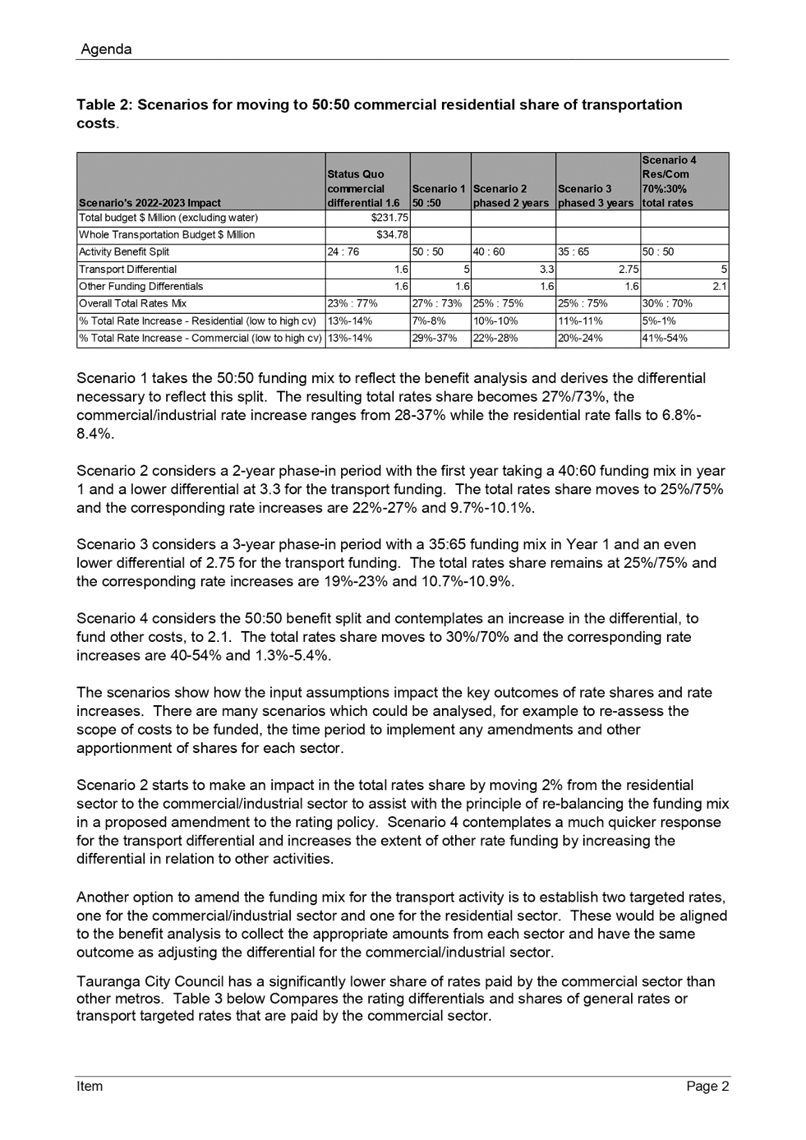
economics. Initial analysis included as Attachment B shows that the
commercial/industrial sectors account for more than 50% of the road usage and
therefore the benefit from and impact on the transportation activity (capital
investment and services). At present, this commercial/industrial sector
pays only 23% of the rates for funding for this activity with 77% coming from
the residential sector.
13. The
Insight Economic’s report will be finalised and reported to Council in
February 2022 to enable consideration of rating structure changes that reflect
a fairer allocation. At that time council will be provided options for
the timing of any changes between different categories of users. Indications of
the impact of different scenarios are included in Attachment B.
Strategic / Statutory
Context
14. The
preparation of an annual plan is required under the Local Government Act 2002.
Options Analysis
15. The
budget has arisen from decisions around investment and levels of service.
The options for these have been considered through separate council decisions
and during the LTP. There are therefore no specific options presented in
this report.
Financial Considerations
16. This
report forms part of the process of preparing a draft budget for the 2022/23
financial year. This draft will be consulted on in March/April 2022.
Consultation /
Engagement
17. Consultation
on the annual plan will be in accordance with the requirements of the Local
Government Act and the details of engagement will be further developed and
presented at meetings in February and March 2022. This process will
include early engagement with stakeholders regarding proposed changes to
aspects of the rating structure.
Significance
18. The matter considered by this
report, the draft Annual Plan 2022/23, is considered of high significance in
terms of council’s Significance and Engagement Policy. This is
because it affects all residents, ratepayers and businesses in, and visitors
to, the city, and because it involves council’s resource allocation
decisions and rating decisions for the next year.
19. However, the decisions to be made in
response to this report are considered of low significance as they are just one
interim step in the process of developing the draft annual plan.
Next Steps
20. The
draft budget for consultation will be approved on 21 February after
consideration of changes arising from issues and options papers being
considered at 8 February 2022 and any further updates or refinement of projects
and initiatives during that time.
Attachments
1. Attachment
A - All of Council high level information - A13106834 ⇩
2. Attachment B - Rating
Differential Changes to Align with Transportation Benefits - A13107599 ⇩
|
Ordinary Council meeting Agenda
|
13 December 2021
|

|
Ordinary Council meeting Agenda
|
13 December 2021
|


11.3 Twelfth
Avenue Community Issues Update
File
Number: A13088694
Author: Paul
Mason, Safe & Resilient Communities Advisor
Anne Blakeway, Manager:
Community Partnerships
Authoriser: Gareth
Wallis, General Manager: Community Services
Purpose
of the Report
1. To
provide an update on the Twelfth Avenue community issues.
|
Recommendations
That the Council:
(a) Receives
the Twelfth Avenue Community Issues Update Report.
|
Executive
Summary
2. On
2 August 2021, Council received a Twelfth Avenue Community Issues Update
report, which provided an update on staff investigations into; (1) the process
and conditions for a temporary alcohol ban, (2) their work with the NZ Police
to implement an action plan for Twelfth Avenue, and (3) a report back on
progress.
3. At
the 2 August 2021 meeting, Council requested that staff report back to Council
in December 2021 with an update (Resolution CO15/21/3).
DISCUSSION
Background
4. On
10 May 2021, Council received two petitions from local residents and businesses
regarding homelessness and anti-social behaviour in Twelfth Avenue. One of the
petitions requested that Council put in place an alcohol ban.
5. Council
considered this request at their meeting on 21 June 2021 and asked staff to
investigate the process and conditions for a temporary alcohol ban, to continue
to work with the NZ Police to implement an action plan for Twelfth Avenue, and
to report back on the progress in six weeks’ time.
6. The
problems faced by the residents of Twelfth Avenue stem from the underlying
issue of homelessness in our city. Homelessness is deeply complex and is driven
by structural issues, system failures (such as poverty and lack of employment
opportunities), and individual vulnerabilities or circumstances (such as
trauma, exposure to family violence, mental health and addictions, relationship
breakdowns, ill health and periods of imprisonment).
7. A
temporary alcohol ban does not address this underlying issue and is more than
likely to result in displacement, moving the problems of litter, waste and
residents feeling unsafe to another part of the city.
8. Several
statutory criteria must be met before introducing a new alcohol-free area. In
particular, Council must be satisfied that there is evidence of a high level of
crime and disorder caused, or made worse by, alcohol consumption in that same
area.
9. Western
Bay of Plenty Police have reviewed the evidence and concluded that “there
is no demonstrable link between alcohol and offending in and around Twelfth
Avenue, as a result Police will not be in a position to support the imposition
of a liquor ban in that area.”
10. Council
has been working with the Police and other organisations to help address the
concerns and problems faced by the Twelfth Avenue residents. One of the
business owners reported on 14 July 2021 that this work has reduced the
problems. This message was reiterated on 22 July 2021 when it was reported that
they were “very pleased with the response and current positive change”.
Update –
December 2021
11. In
response to the request from Commissioners to look at further options for
addressing the underlying issues of homelessness and anti-social behaviour in
the area, staff proposed the concept of a Community Outreach programme, working
in conjunction with key partners.
12. A
pilot programme has been proposed, to provide time to develop the necessary
trust-based relationships, engagement with local services and agencies, and the
tracking of wellbeing outcomes for people experiencing homelessness. The
proposal is currently being considered by the Ministry of Social Development,
along with funding and implementation options.
13. A
recent update provided by the Western Bay of Plenty Police indicates a
significant decrease in calls for service to the Twelfth Avenue area. Police
have indicated this confirms their position at this time that there is no
support for the introduction of a liquor free zone.
14. Tauranga
City Council Bylaws staff continue to proactively visit the area several times
a week and have reported no recent issues.
15. Businesses
and residents who participated in the original petition to Tauranga City
Council have said that “the problem has all but gone; there has been
the occasional person present, but no issues or confrontation”.
16. Any
matters that have arisen have been dealt with promptly by the NZ Police. The
business owner wished to thank the Council team, NZ Police and wider networks
for assisting with the issue, and appreciated Council following through.
Next Steps
17. In
respect of the Community Outreach proposal, discussions regarding funding will
continue with the Ministry of Social Development. If this proves to be
unsuccessful, other funding and implementation options will be investigated.
18. Tauranga
City Council Bylaws staff will continue to proactively monitor the area,
networking with businesses and residents, and addressing any emerging concerns
whilst continuing to work closely with Western Bay of Plenty Police.
Attachments
Nil
11.4 Update
- Three Water Reforms
File Number: A13074763
Author: Cathy
Davidson, Manager: Directorate Services
Authoriser: Nic
Johansson, General Manager: Infrastructure
Purpose
of the Report
1. This report provides an
update of the Government’s Three Waters Reform, and Tauranga City Council
(TCC) Three Waters Reform project.
2. Council’s feedback
is being sought by Ministry of Business, Innovation and Employment (MBIE) on a
discussion paper around the proposed Economic Regulation and Consumer
Protection structure for Three Waters Services in New Zealand.
|
Recommendations
That the Council:
(a) Receives the report Update -
Three Waters Reform; and
(b) Approves that Tauranga City
Council provides a response to the Ministry of Business, Innovation and
Employment (MBIE) on proposed economic and consumer protection regulation
regime for Three Waters
|
DISCUSSION
Government Three
Waters Reform (3WR) Update
3. The last update to
Council on three water reforms was submitted 04 October 2021.
4. On 27th
October 2021, Minister of Local Government announced three water reforms would
be Government mandated in order to realise national interest benefits.
5. Tauranga City Council
(TCC) response to the proposed three water reforms, as approved by Council, was
sent to the Minister of Local Government. A report summarising all local
government formal responses was jointly prepared by Department of Internal
Affairs (DIA), Local Government New Zealand (LGNZ) and Taituarā.
(See Attachment One – DIA Summary of Submissions Report)
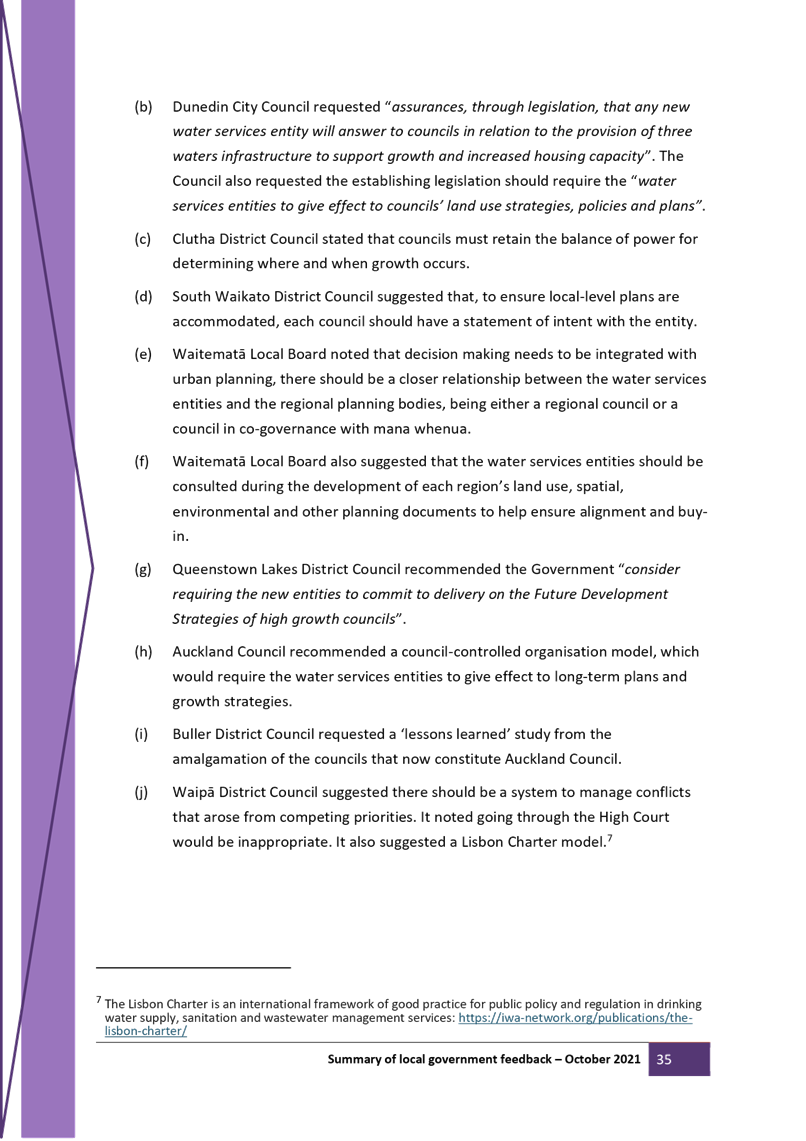
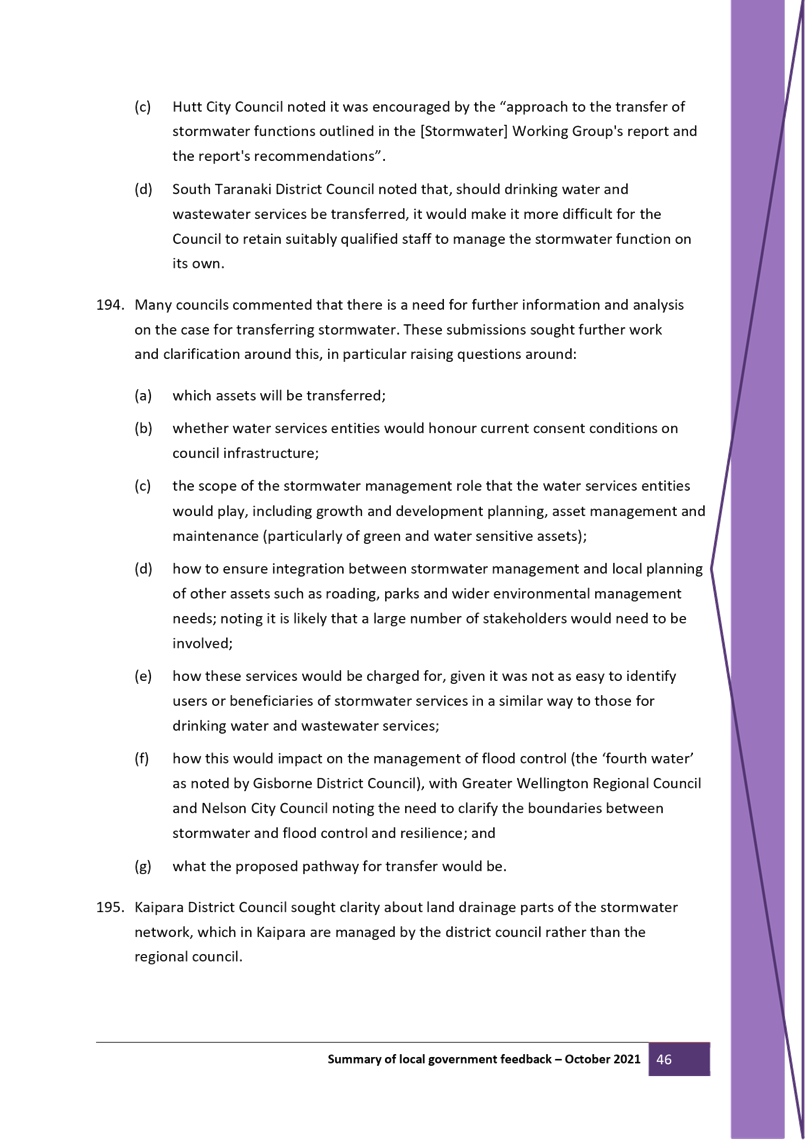
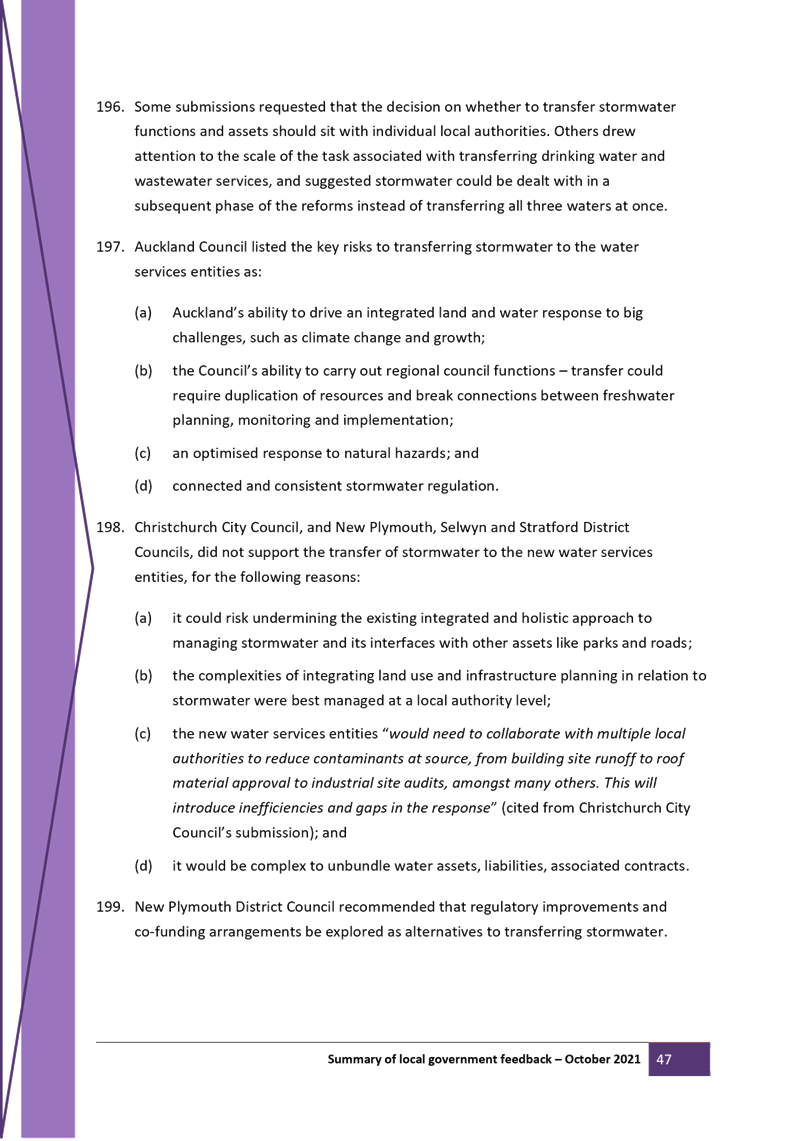
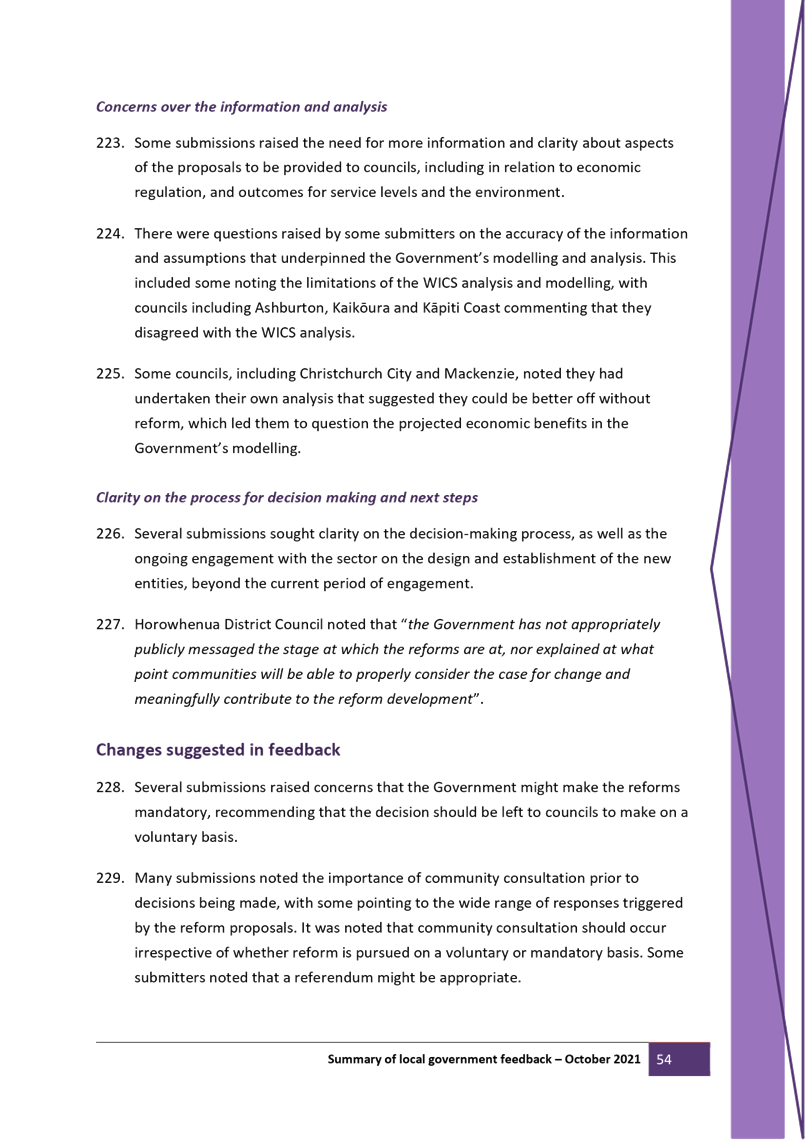
6. The executive overview of
feedback being:
(a) the governance model being
complex, and not adequately providing for local authority and mana whenua
influence in decision making, on behalf of their communities;
(b) the loss of local voice in the
system, especially given the large size of the proposed entities;
(c) how the water services
entities will interact with, and be influenced by, local government planning
documents and decisions around growth and economic development;
(d) that more certainty is needed
around the inclusion of stormwater in the reform proposals, and how the
entities will interact with, and work alongside, councils to take an integrated
approach to stormwater management, including how assets with multiple uses will
be treated;
(e) that the limitations and
assumptions used in the Water Industry Commission for Scotland (WICS) modelling
do not reflect the situations of individual councils accurately enough;
(f) that there has not been
enough engagement and appropriate information to date on the reforms, and there
needs to be public consultation before decisions on the next steps are made;
(g) the three waters reforms
should be better aligned with the resource management reforms and the Future
for Local Government review, to create the best possible outcome for local
government and communities.
(h) Minister of Local Government
announced the establishment of a DIA Working Group to address local government
feedback on representation, governance and accountability of the new water
services entities on 10th November 2021.
National Transition Unit (See Attachment Two
– DIA National Transition Unit Update)
7. The Government has
established the National Transition Unit (NTU), a new DIA business unit to
execute Government decisions on Three Waters reform and through a consistent
and co-ordinated nationwide approach to transition.
8. NTU will set up four
local establishment entities (LEEs) to support transition within each
entity’s region. It is expected that further information will be provided
on the form and approach of transition prior to the end of the
year.
9. The LEEs will have a
Board, of three to six members, appointed by the Minister of Local
Government. That process will be led by the NTU, involving consultation
with councils and Iwi/Māori. The LEE Chief Executives will
also be appointed through processes led by the NTU.
10. Collaboration with Councils will
continue. This is to ensure Council have the opportunity to be consulted with
on board appointments, technical advice, local knowledge, staffing support and
reference groups.
11. The NTU will have dedicated
relationship leads for councils and Iwi/Māori.
12. Workforce retention is a key
priority for the industry. The NTU will be working with councils to
support the workforce through the changes ahead.
Economic
Regulation
13. Ministry of Business, Innovation and
Employment (MBIE) have provided the opportunity to make a submission on the
proposed economic and consumer protection. regulation regime for Three
Waters. The opportunity to make submissions is not limited to local
government, other groups or members of the public can make submissions.
14. The MBIE feedback/submission process
is an open process, and submissions will be publicly available via their
website.
15. The Three Waters Reform (3WR)
project team, together with input from Manager Finance and Director City
Waters, have drafted a submission on behalf of TCC. Further work to finalise
content is underway. The deadline for submissions is 20th
December 2021. Key areas that MBIE is seeking feedback on are:
· what form of economic
regulation should apply
· who should the economic regulator
be, and how should it be funded
· consumer protection
structures, and how those should be funded
· consumer disputes
Three Waters Reform
Project Status Update
16. DIA approval has been received for
CIP funding to financially support extra resource required to establish a Three
Waters Reform (3WR) project team.
17. Stephen Burton has been seconded for
six months to lead the Operations workstream within NTU’s Asset
Management, Operations and Stormwater Group. (AMOS)
18. TCC 3WR Project team and Project
Steering Group have been established, supported by an independent Chair.
Regular steering group meetings are now underway. The focus of the 3WR project
resources is on:
(a) establishing an information
base relating to three waters business systems, workforce and water services
operations
(b) understanding TCC impact of
government announcements and decisions
(c) identification and management
actions for mitigating risks
(d) building collaboration
opportunities and working relationships within Entity B and central government
(DIA Steering/Working Groups and NTU/LEE)
Next Steps
19. Finalise TCC economic and consumer
protection submission and submit to MBIE
20. Further detailed information is expected
to be announced by the NTU, regarding the proposed transition approach in
December 2021. This will likely include further details regarding the
financial support available, the criteria and associated timeframes as well as
further clarification on NTU and TCC’s role within the transition
process.
21. The 3WR project team will continue
to analyse and appraise information as it becomes available from Government,
with a focus on providing accurate information to internal and external
stakeholders.
Attachments
1. Council
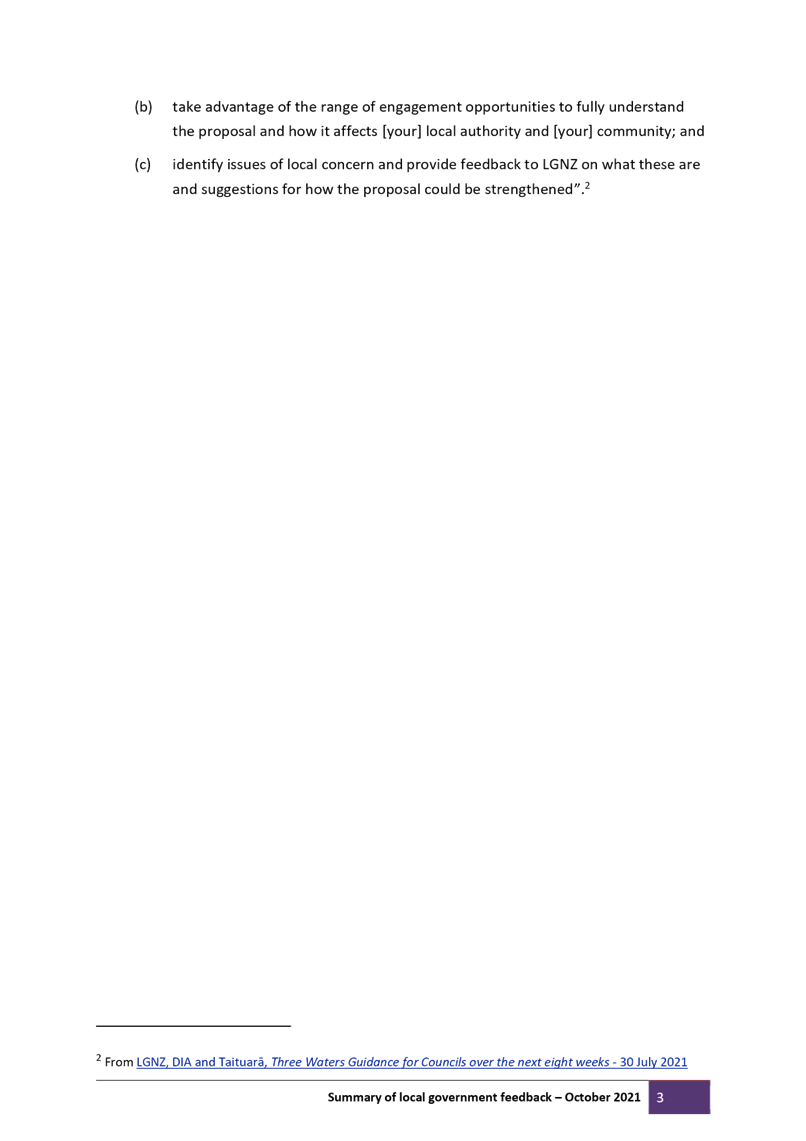
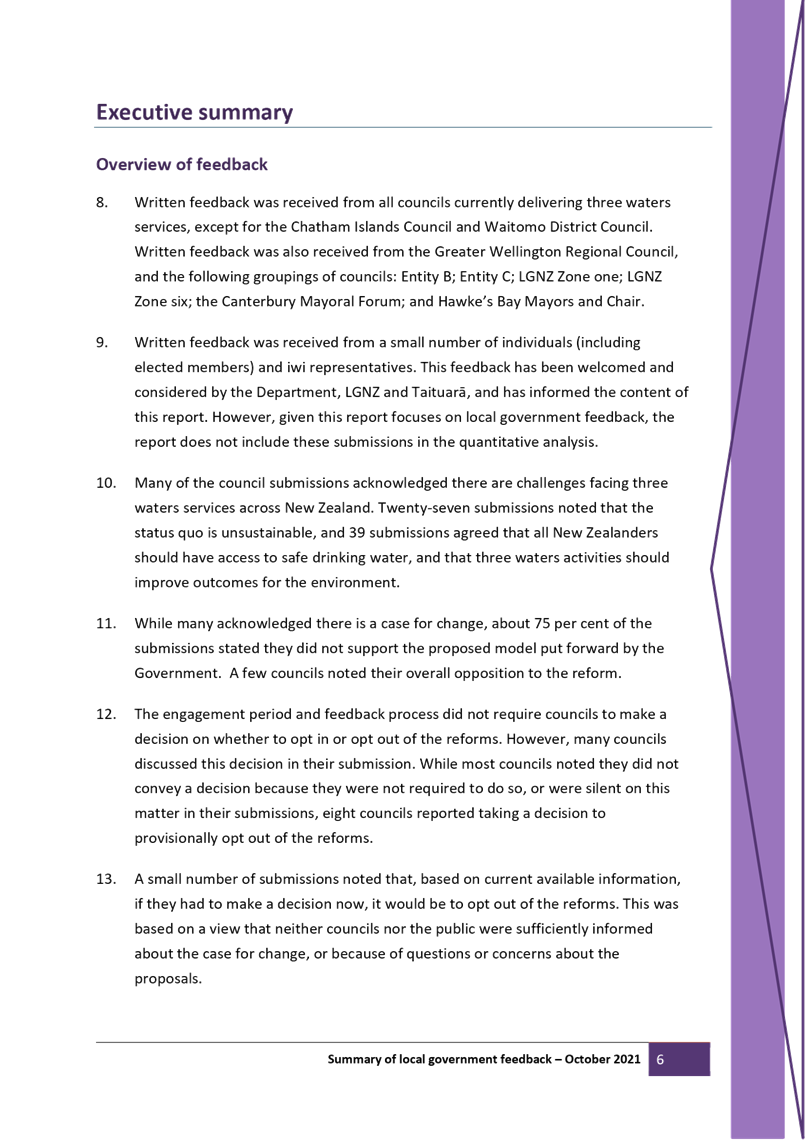
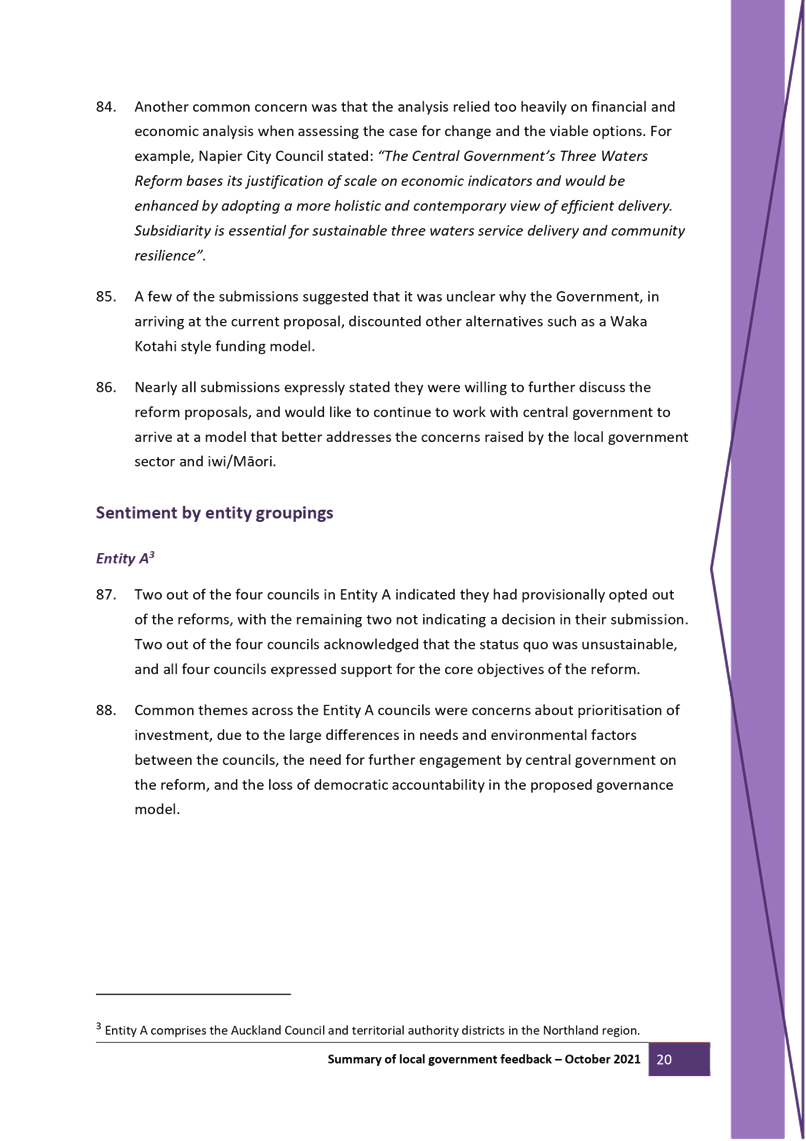
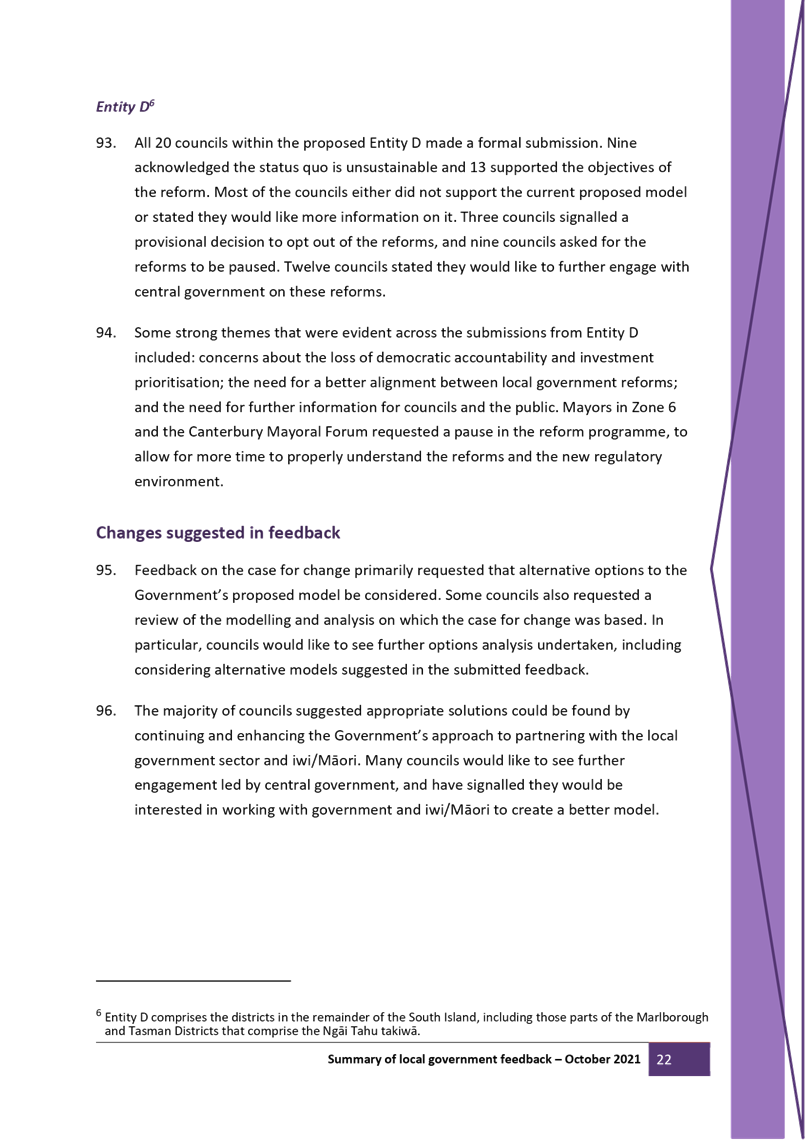
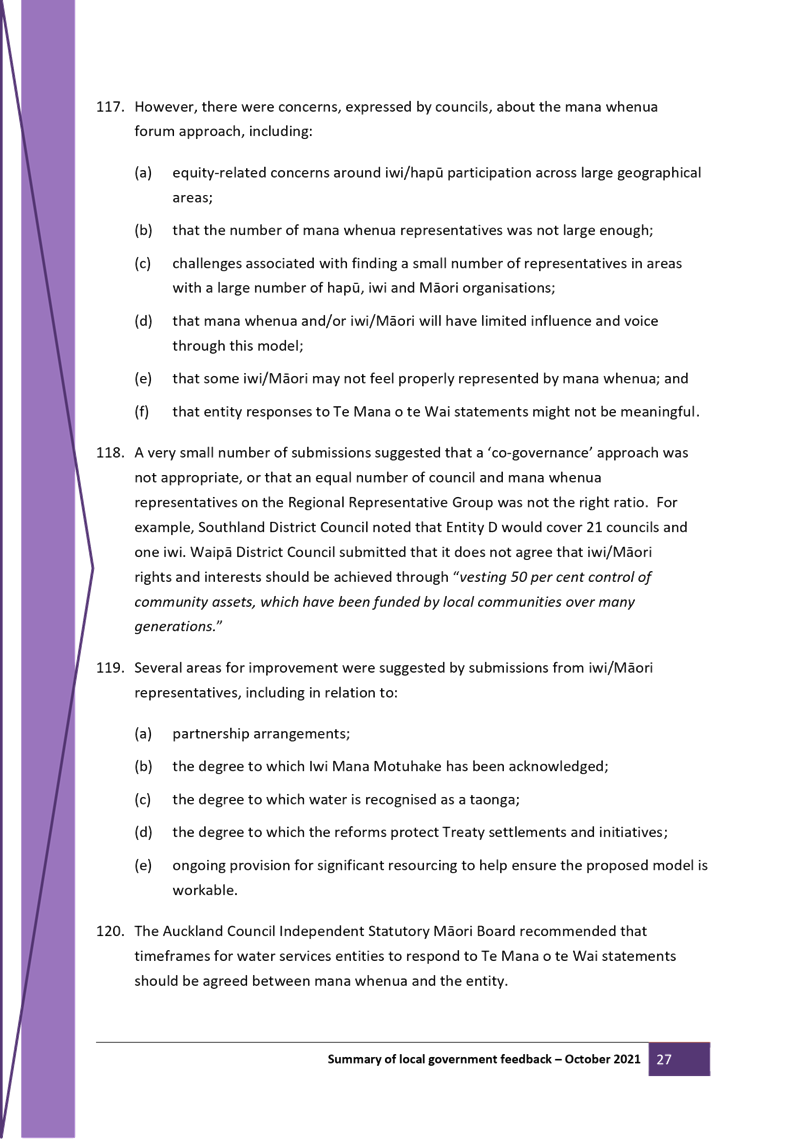
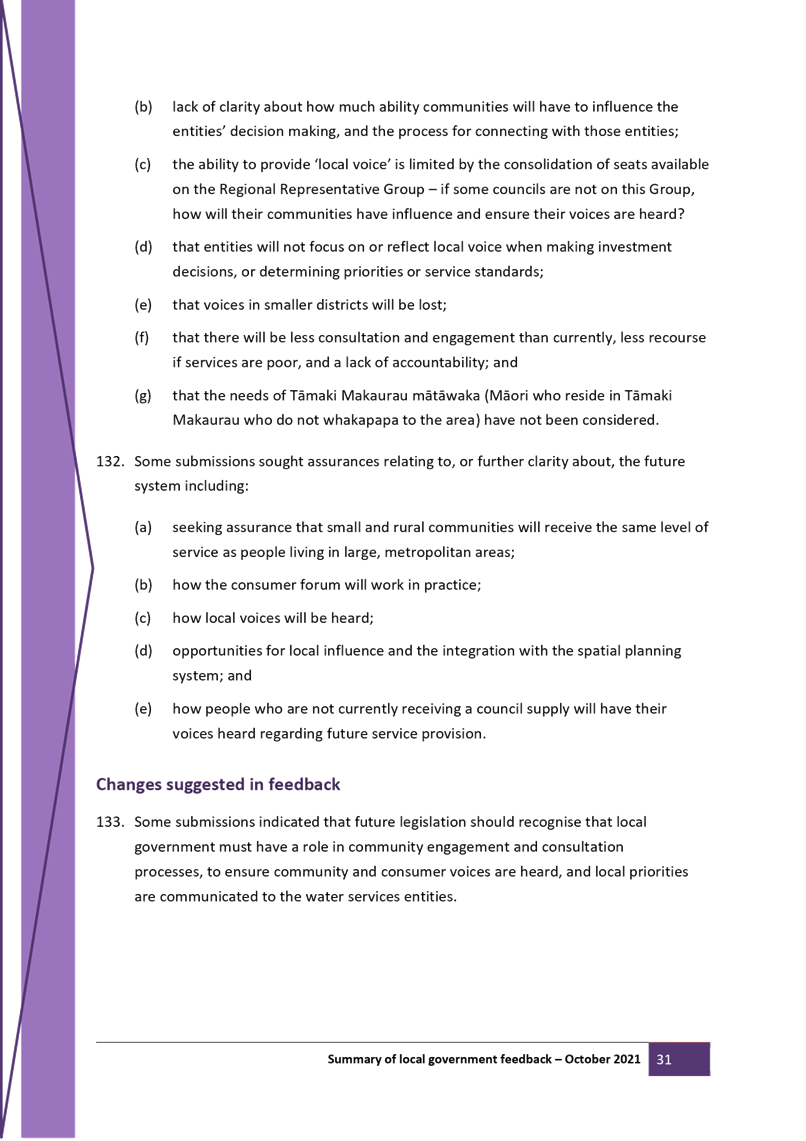
2021-12-13 Attachment One - Three Water Reforms - DIA Summary of Submissions
Report - A13102028 ⇩
2. Council 2021-12-13
Attachment Two - Three Water Reforms - DIA National Transition Unit Update -
A13102014 ⇩
|
Ordinary Council meeting Agenda
|
13 December 2021
|
























|
Ordinary Council meeting Agenda
|
13 December 2021
|


12 Discussion
of Late Items
13 Public
Excluded Session
RESOLUTION TO
EXCLUDE THE PUBLIC
|
Recommendations
That the public be
excluded from the following parts of the proceedings of this meeting.
The general subject
matter of each matter to be considered while the public is excluded, the
reason for passing this resolution in relation to each matter, and the
specific grounds under section 48 of the Local Government Official
Information and Meetings Act 1987 for the passing of this resolution are as
follows:
|
General subject of each matter to be
considered
|
Reason for passing this resolution in
relation to each matter
|
Ground(s) under section 48 for the
passing of this resolution
|
|
13.1 - Public Excluded Minutes of the
Council meeting held on 8 November 2021
|
s7(2)(a) - The withholding of the information is
necessary to protect the privacy of natural persons, including that of
deceased natural persons
s7(2)(g) - The withholding of the information is
necessary to maintain legal professional privilege
s7(2)(i) - The withholding of the information is
necessary to enable Council to carry on, without prejudice or disadvantage,
negotiations (including commercial and industrial negotiations)
|
s48(1)(a) - the public conduct of the relevant
part of the proceedings of the meeting would be likely to result in the
disclosure of information for which good reason for withholding would exist
under section 6 or section 7
|
|
13.2 - Access Options to Parau Farms
|
s7(2)(g) - The withholding of the information is
necessary to maintain legal professional privilege
s7(2)(h) - The withholding of the information is
necessary to enable Council to carry out, without prejudice or
disadvantage, commercial activities
s7(2)(i) - The withholding of the information is
necessary to enable Council to carry on, without prejudice or disadvantage,
negotiations (including commercial and industrial negotiations)
|
s48(1)(a) - the public conduct of the relevant
part of the proceedings of the meeting would be likely to result in the
disclosure of information for which good reason for withholding would exist
under section 6 or section 7
|
|
13.3 - Civic Precinct - Otamataha
Trust Accord
|
s7(2)(i) - The withholding of the information is
necessary to enable Council to carry on, without prejudice or disadvantage,
negotiations (including commercial and industrial negotiations)
|
s48(1)(a) - the public conduct of the relevant
part of the proceedings of the meeting would be likely to result in the
disclosure of information for which good reason for withholding would exist
under section 6 or section 7
|
|
13.4 - Marine Precinct Strategic
Refresh
|
s7(2)(b)(ii) - The withholding of the information
is necessary to protect information where the making available of the
information would be likely unreasonably to prejudice the commercial
position of the person who supplied or who is the subject of the
information
|
s48(1)(a) - the public conduct of the relevant
part of the proceedings of the meeting would be likely to result in the
disclosure of information for which good reason for withholding would exist
under section 6 or section 7
|
|
13.5 - Lease Negotiations 90 Devonport
Road update
|
s7(2)(b)(ii) - The withholding of the information
is necessary to protect information where the making available of the
information would be likely unreasonably to prejudice the commercial
position of the person who supplied or who is the subject of the
information
|
s48(1)(a) - the public conduct of the relevant
part of the proceedings of the meeting would be likely to result in the
disclosure of information for which good reason for withholding would exist
under section 6 or section 7
|
|
14 Closing
Karakia