|

|
|
AGENDA
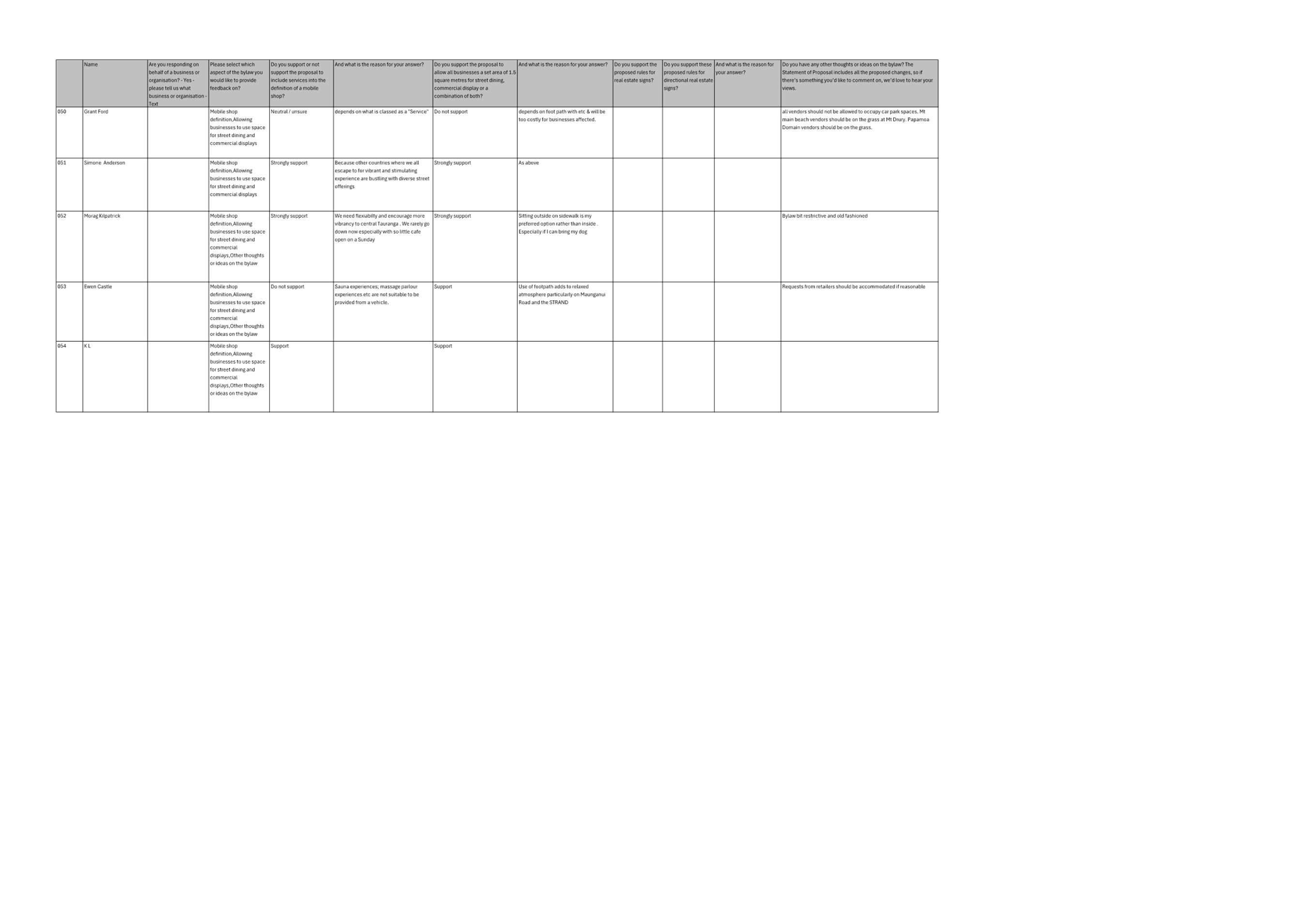
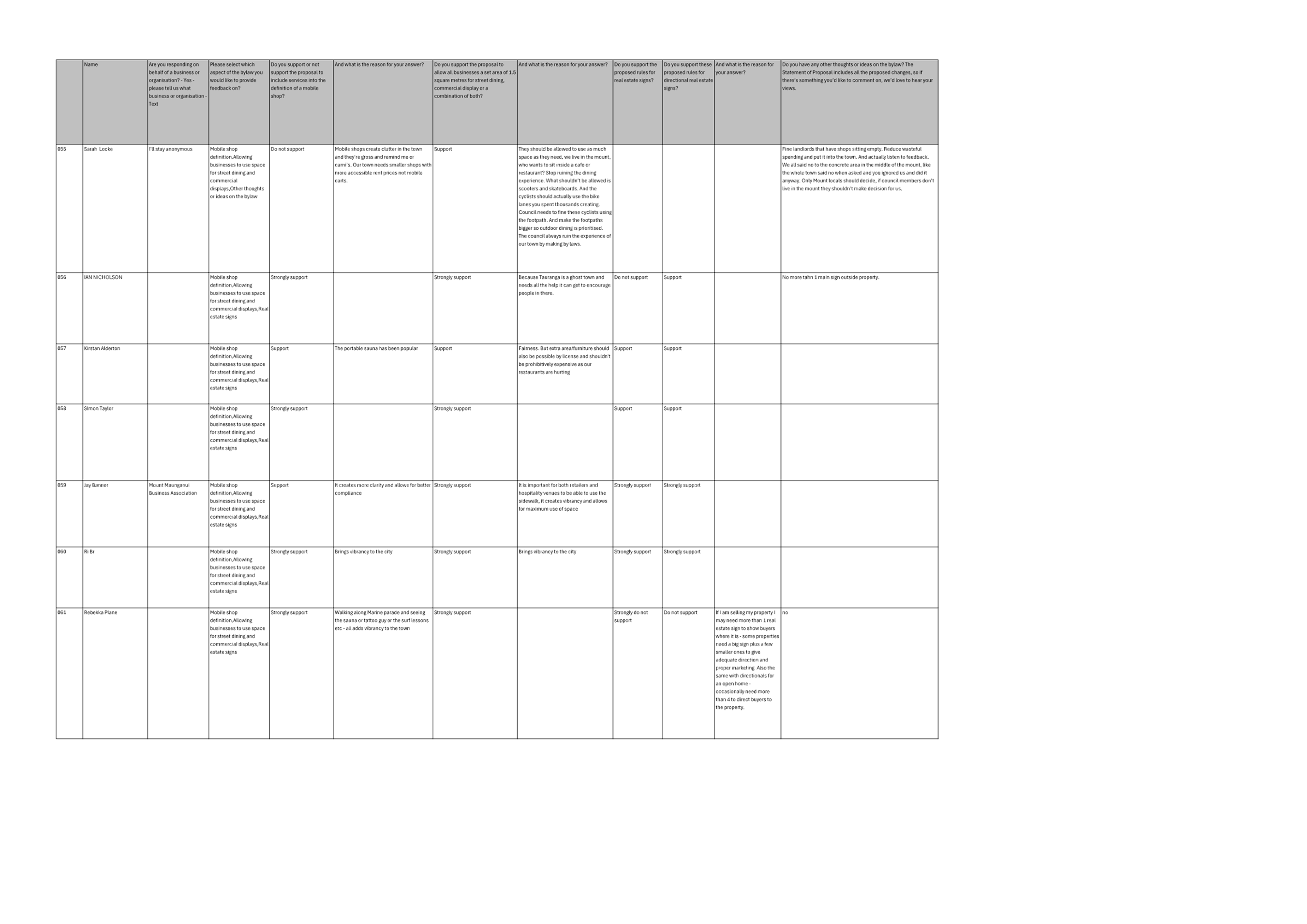
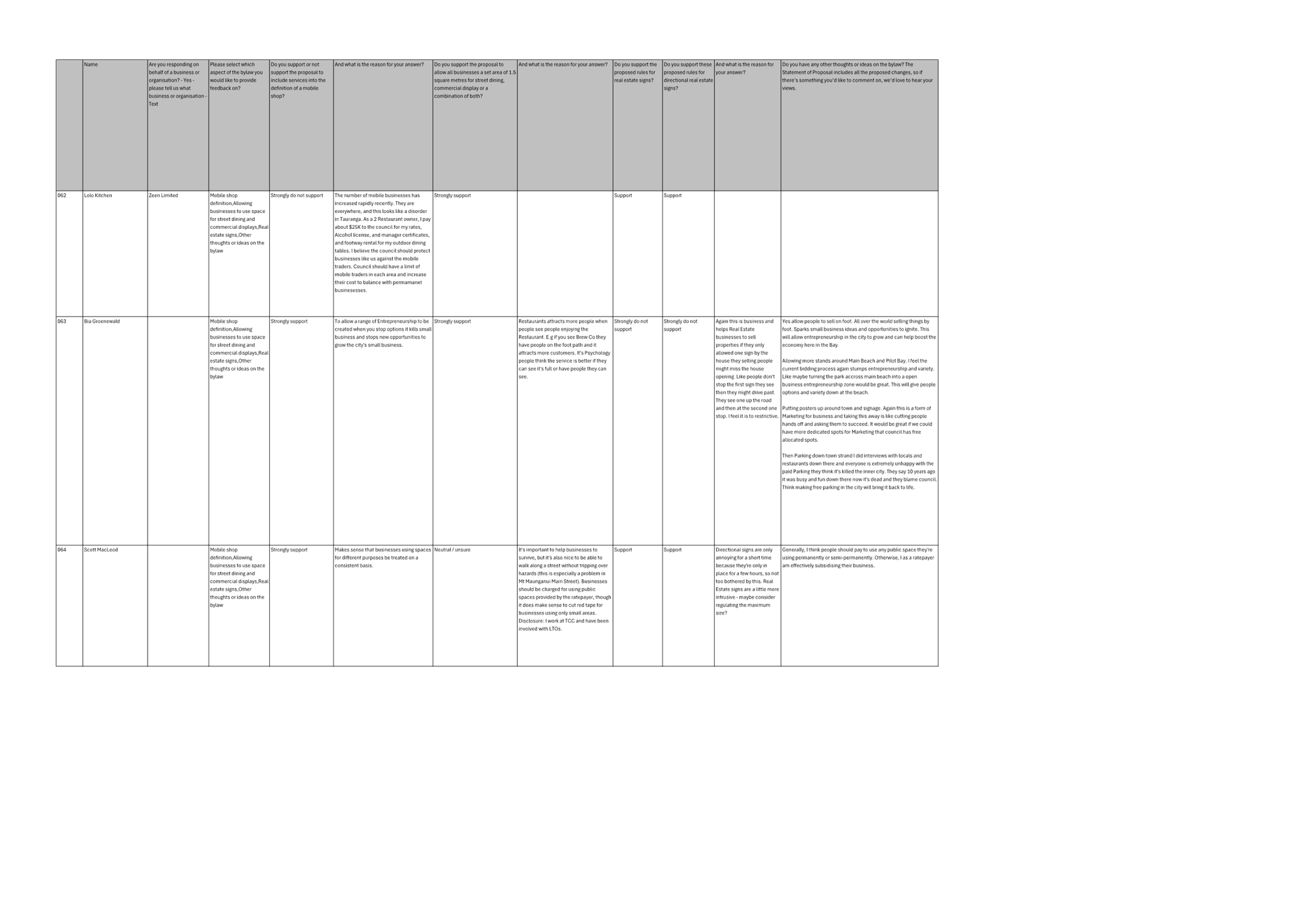
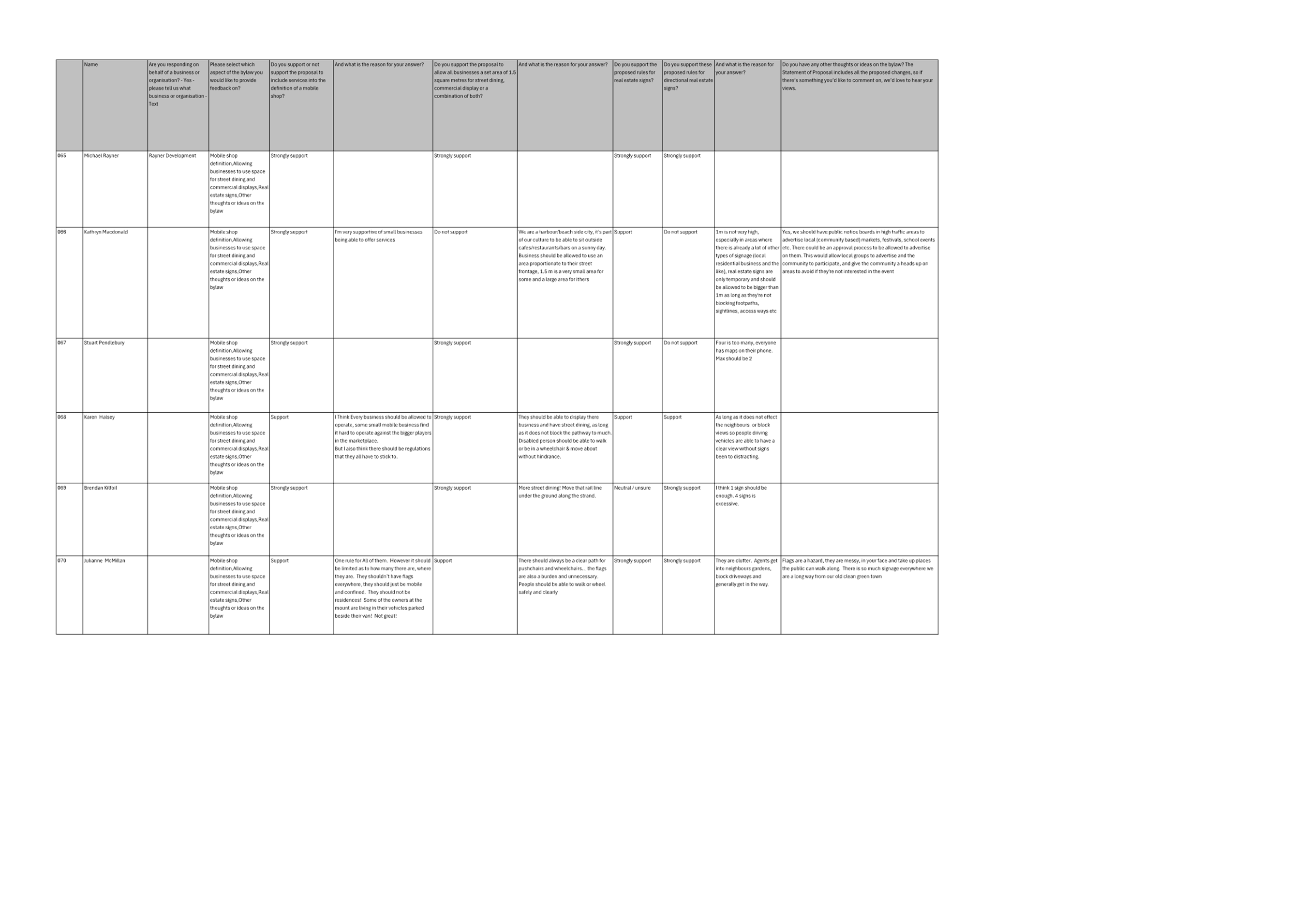
Ordinary Council meeting
Tuesday, 3 March 2026
|
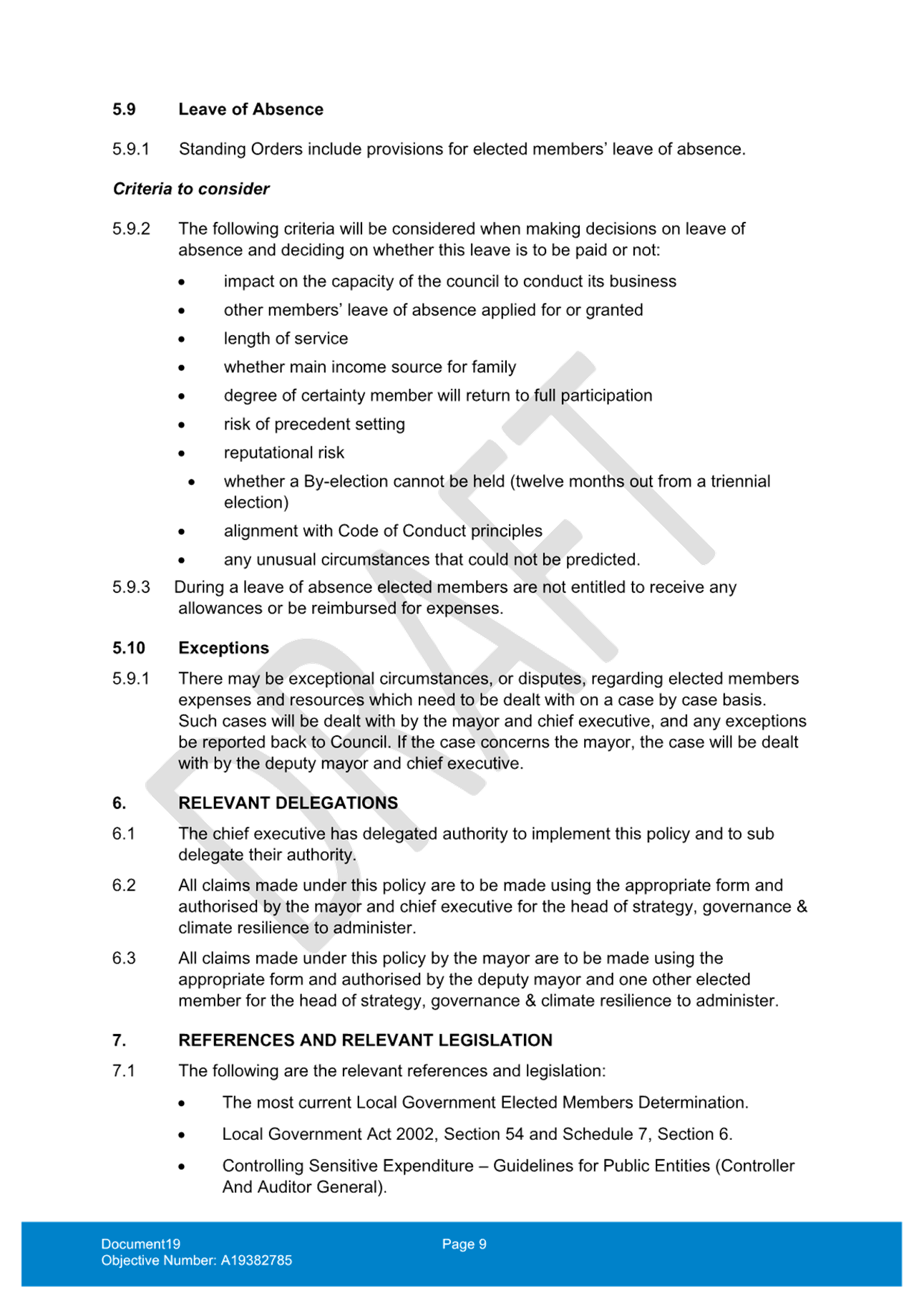
|
I hereby give notice that an Ordinary meeting of
Council will be held on:
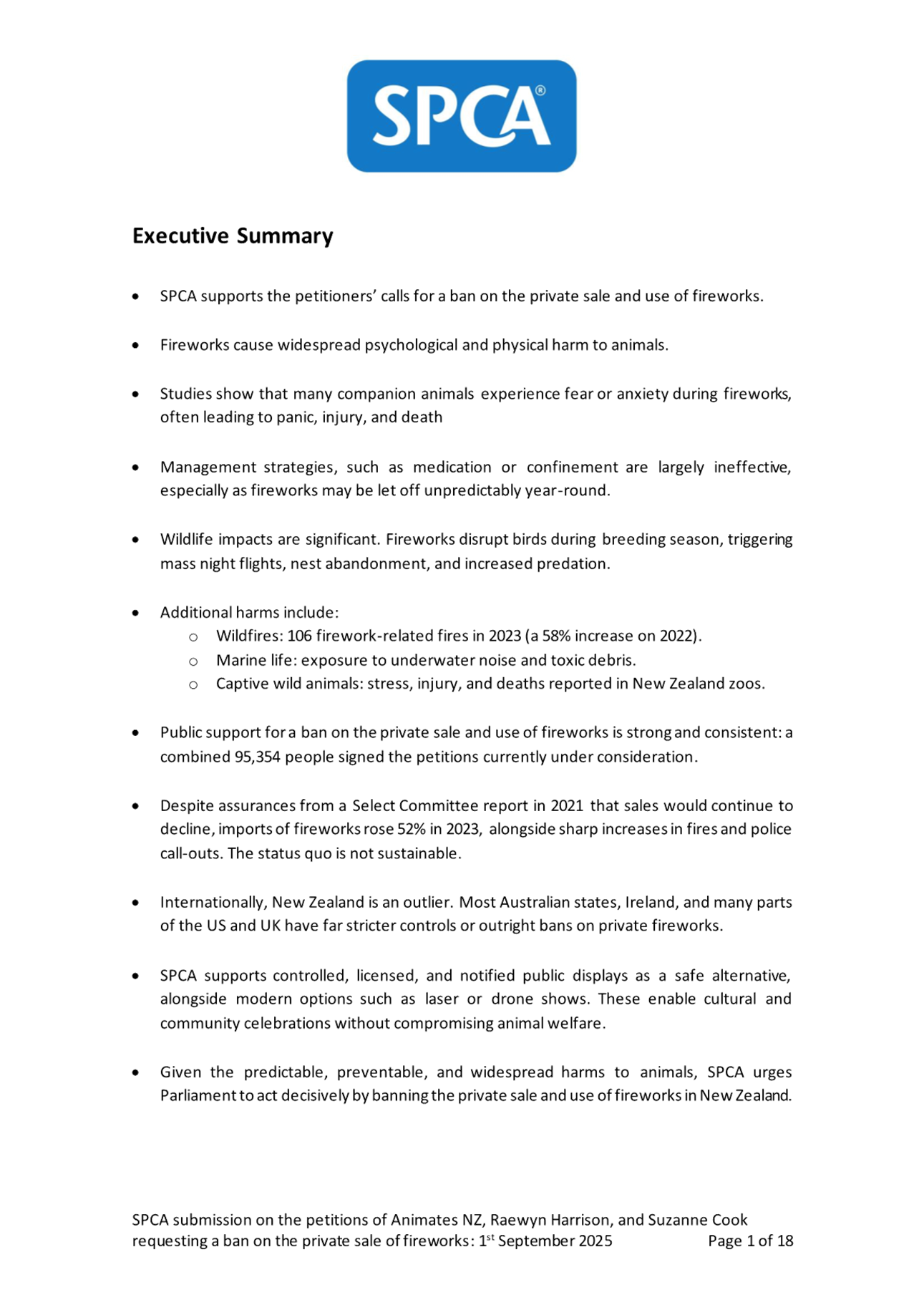
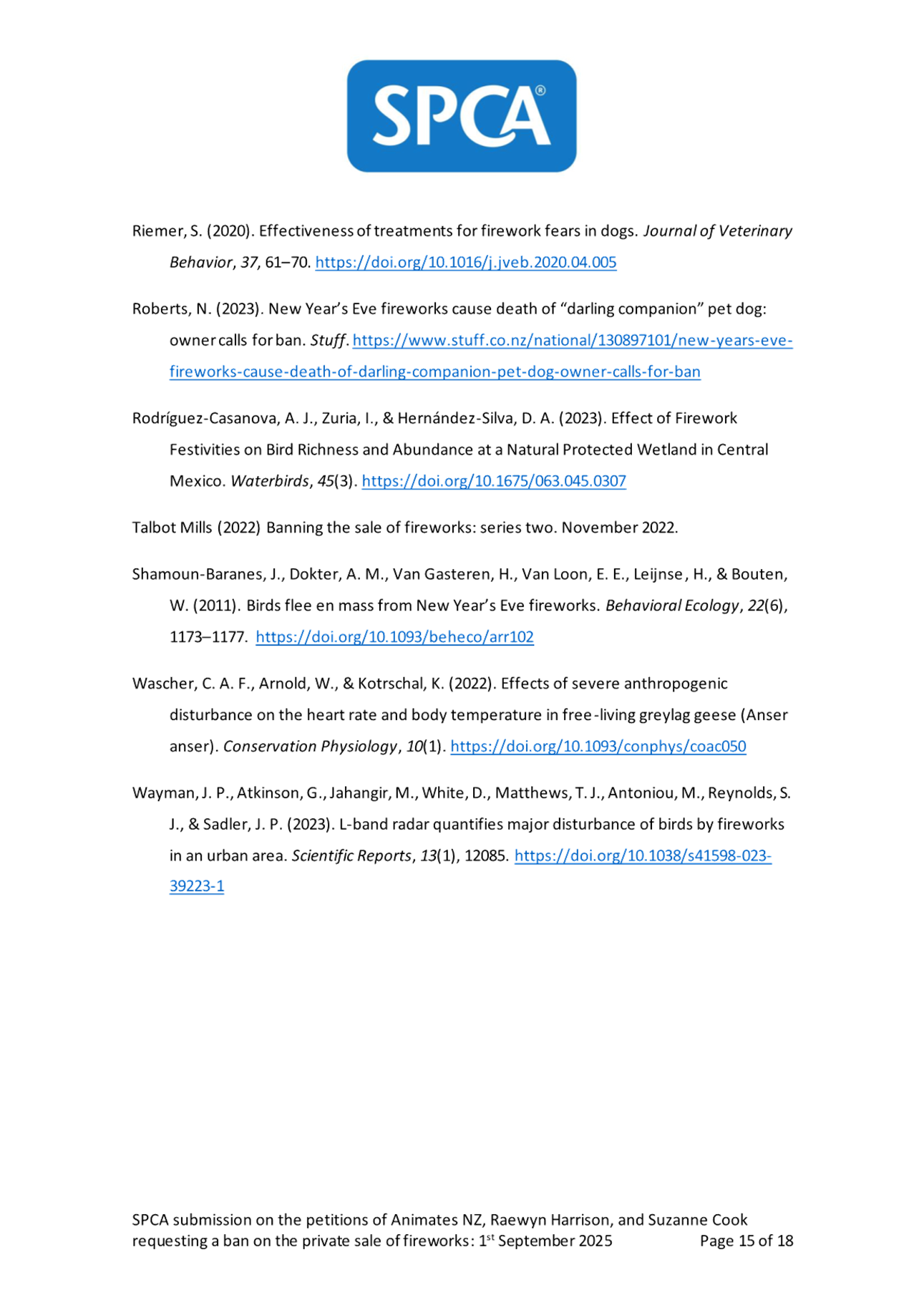
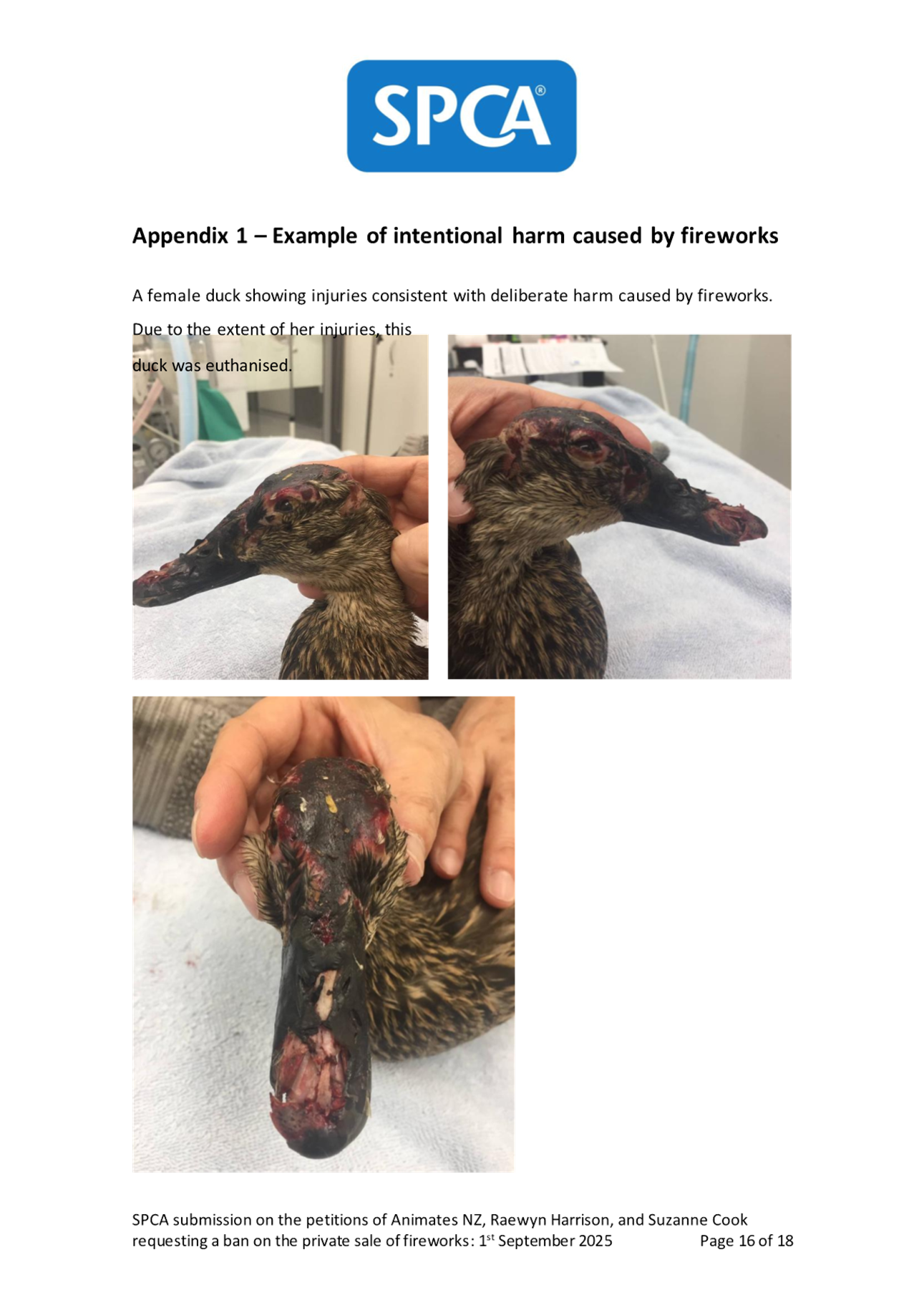
|
|
Date:
|
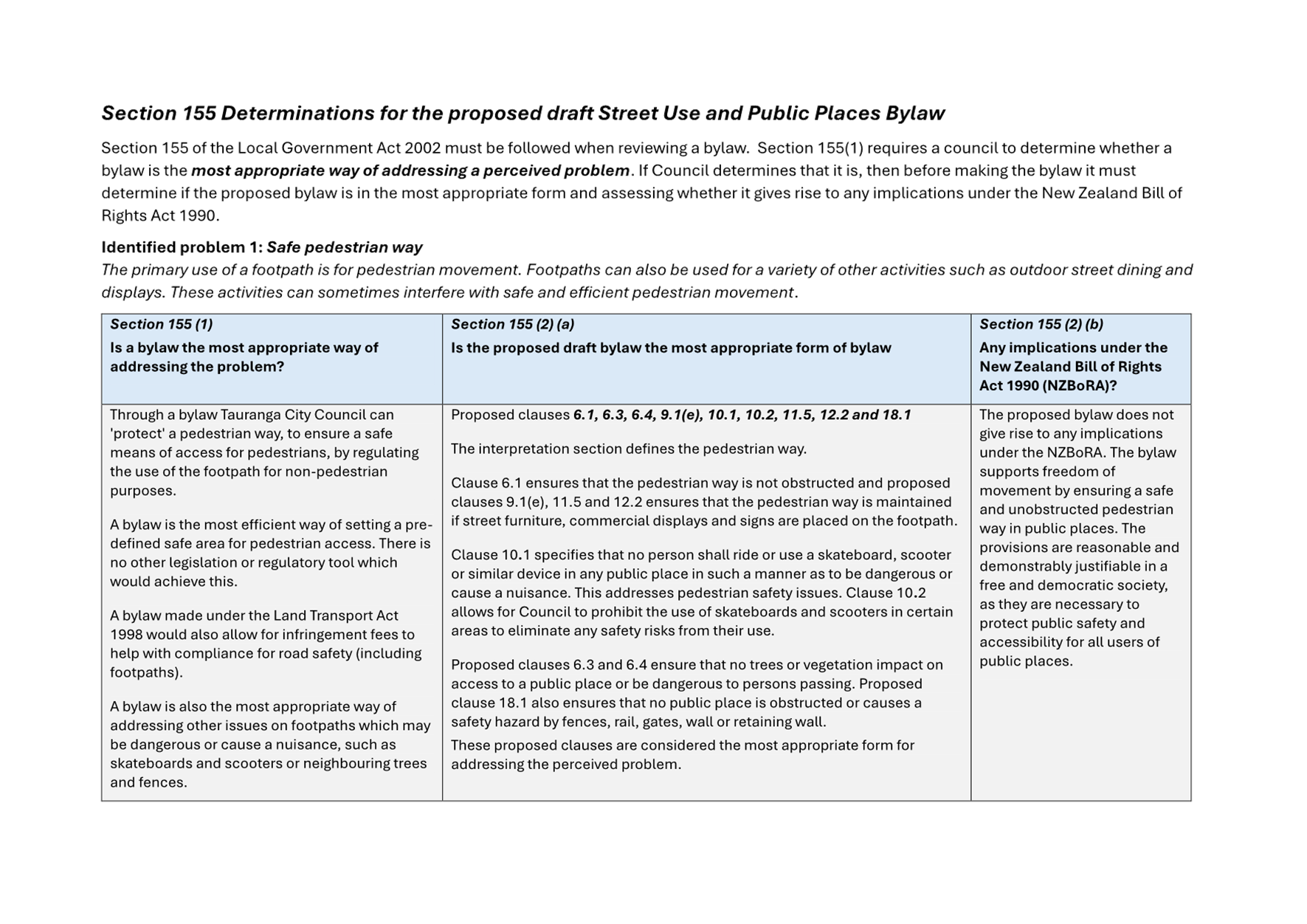
Tuesday, 3 March 2026
|
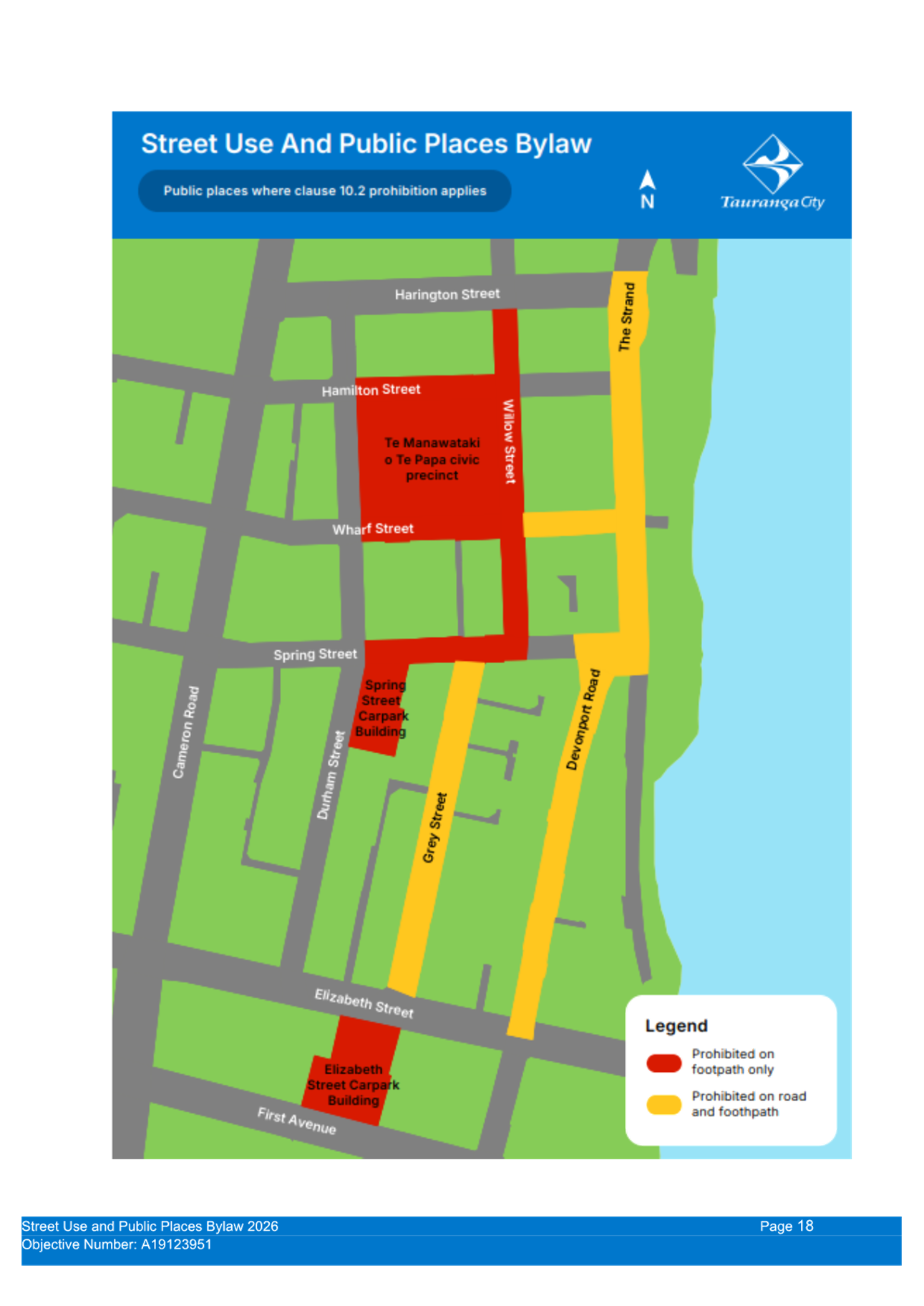
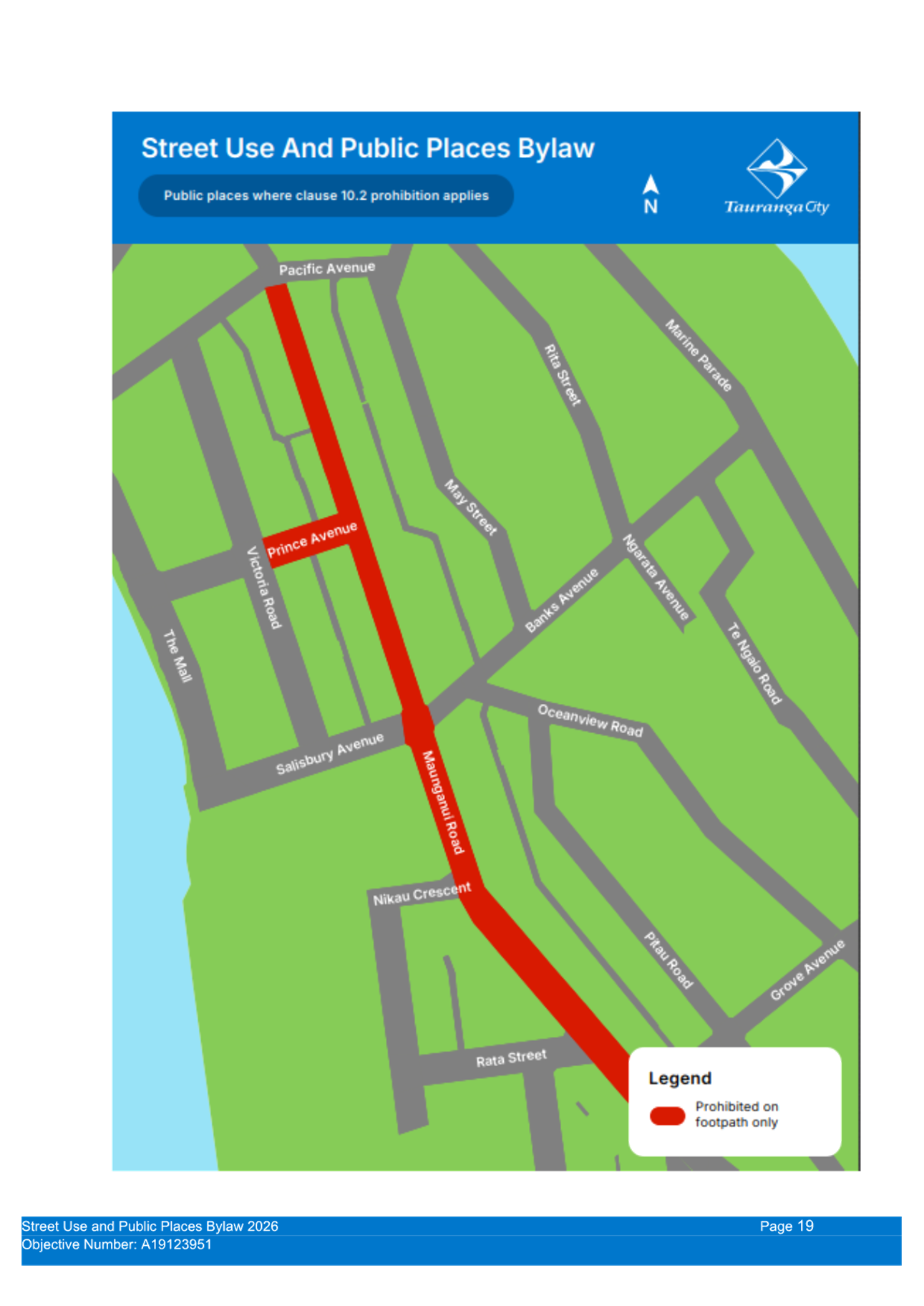
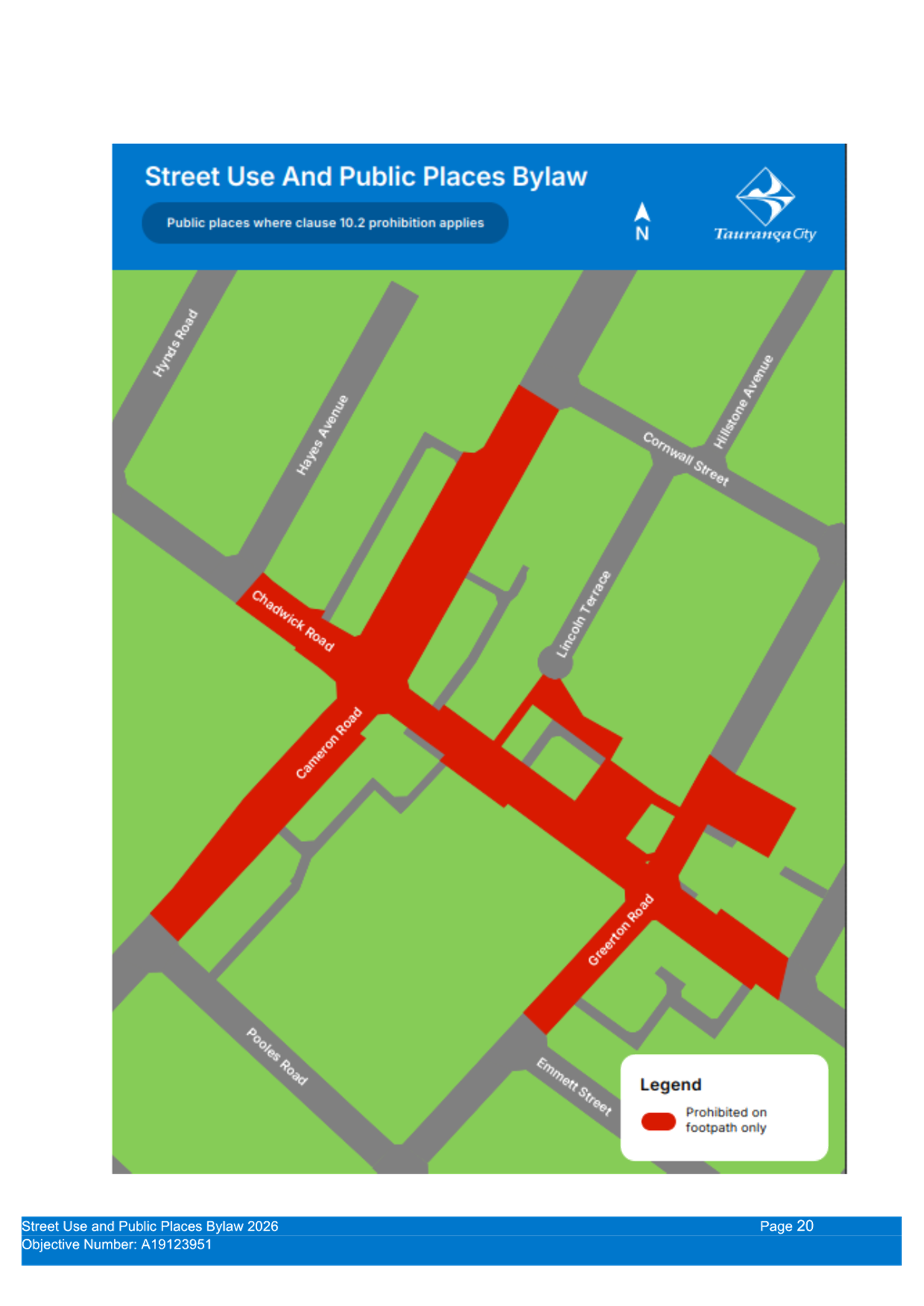
|
Time:
|
9:30 am
|
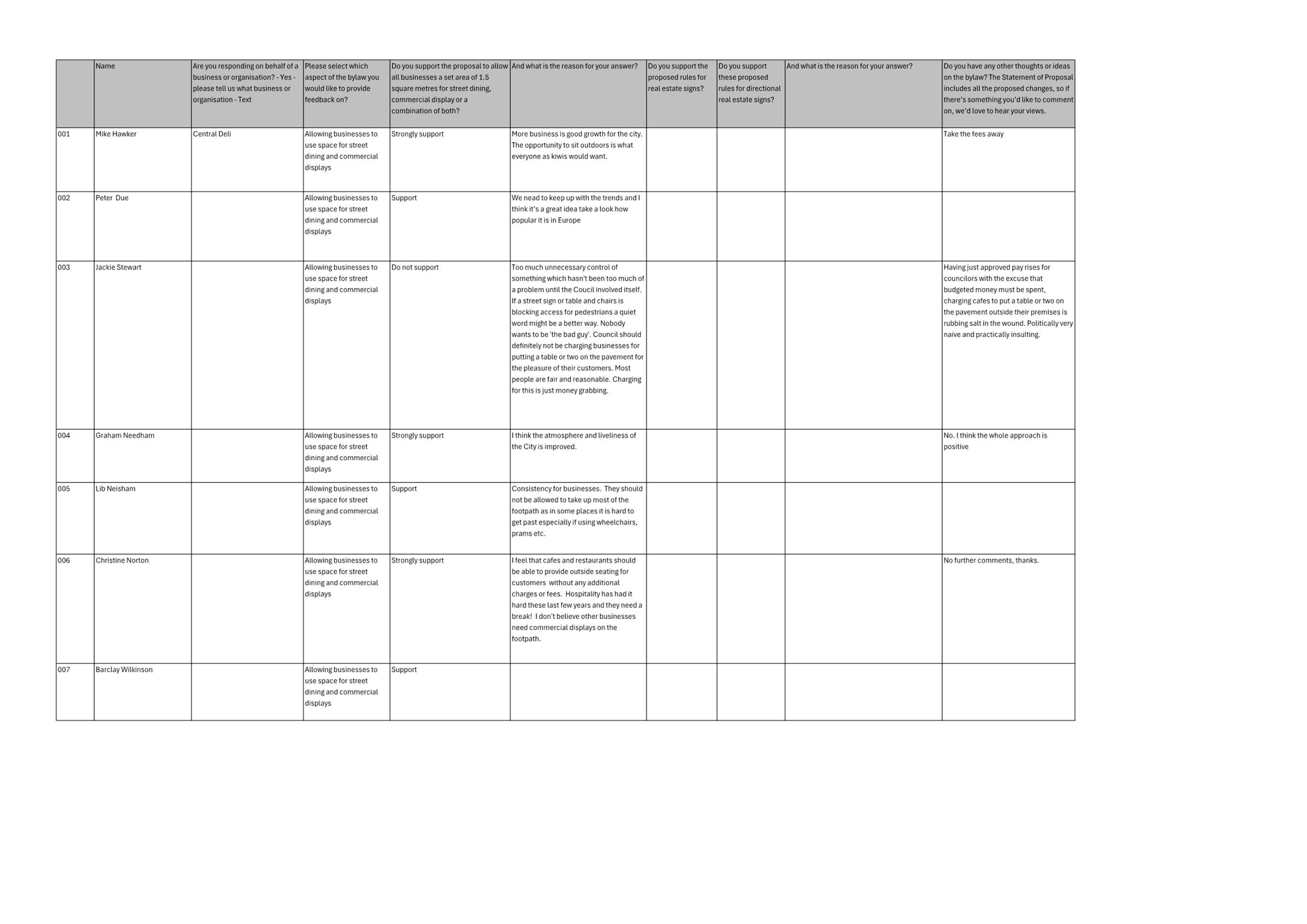
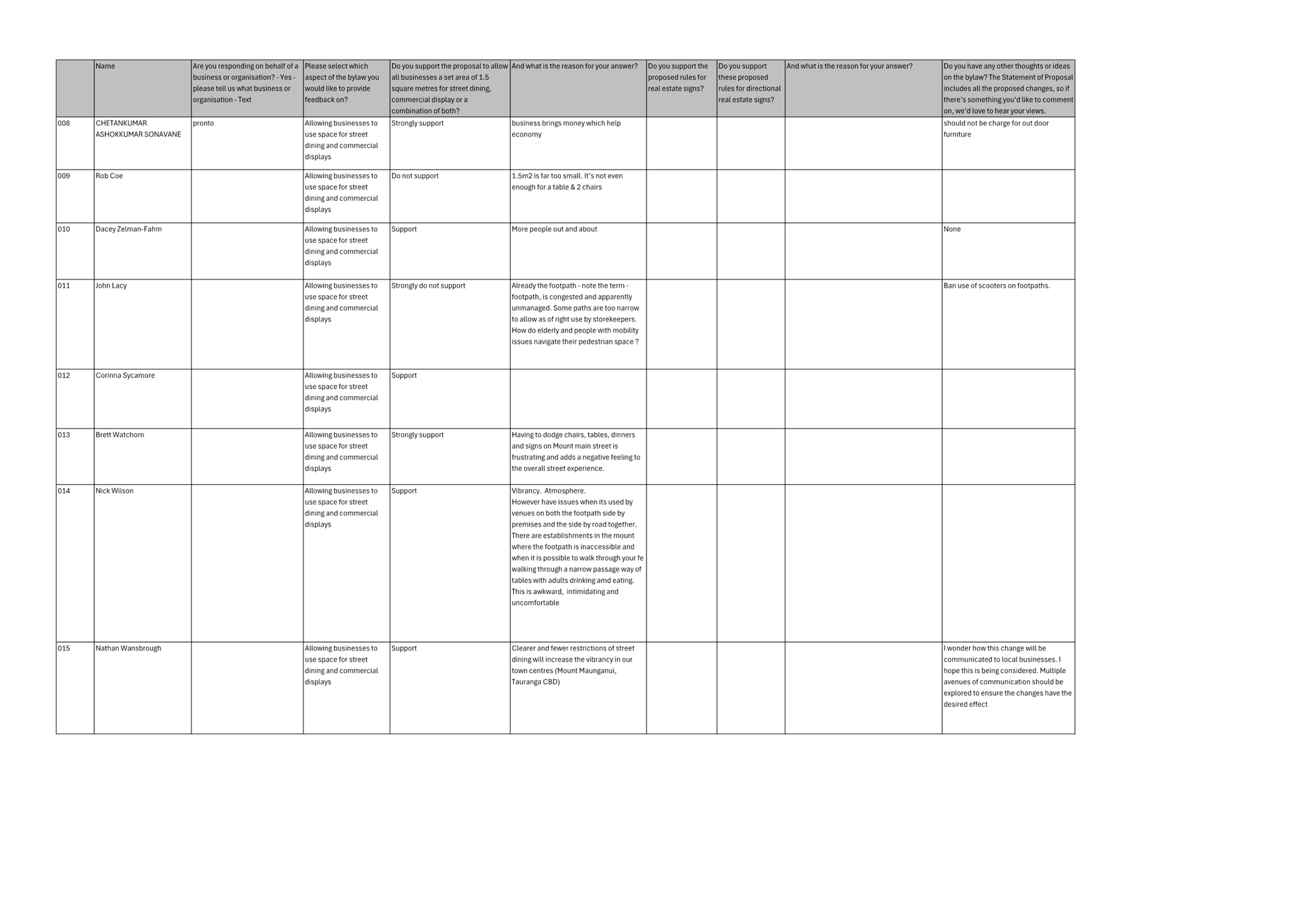
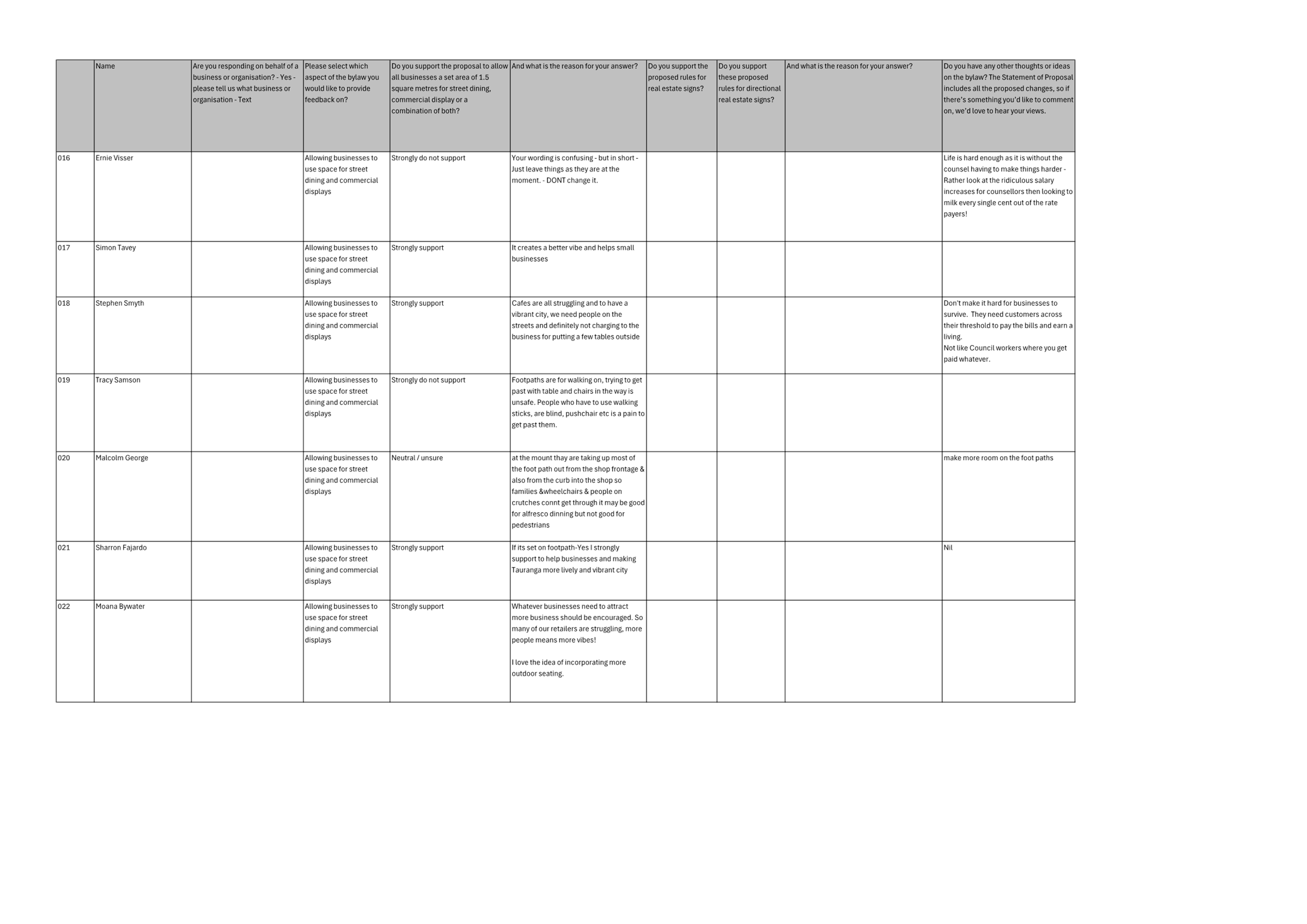
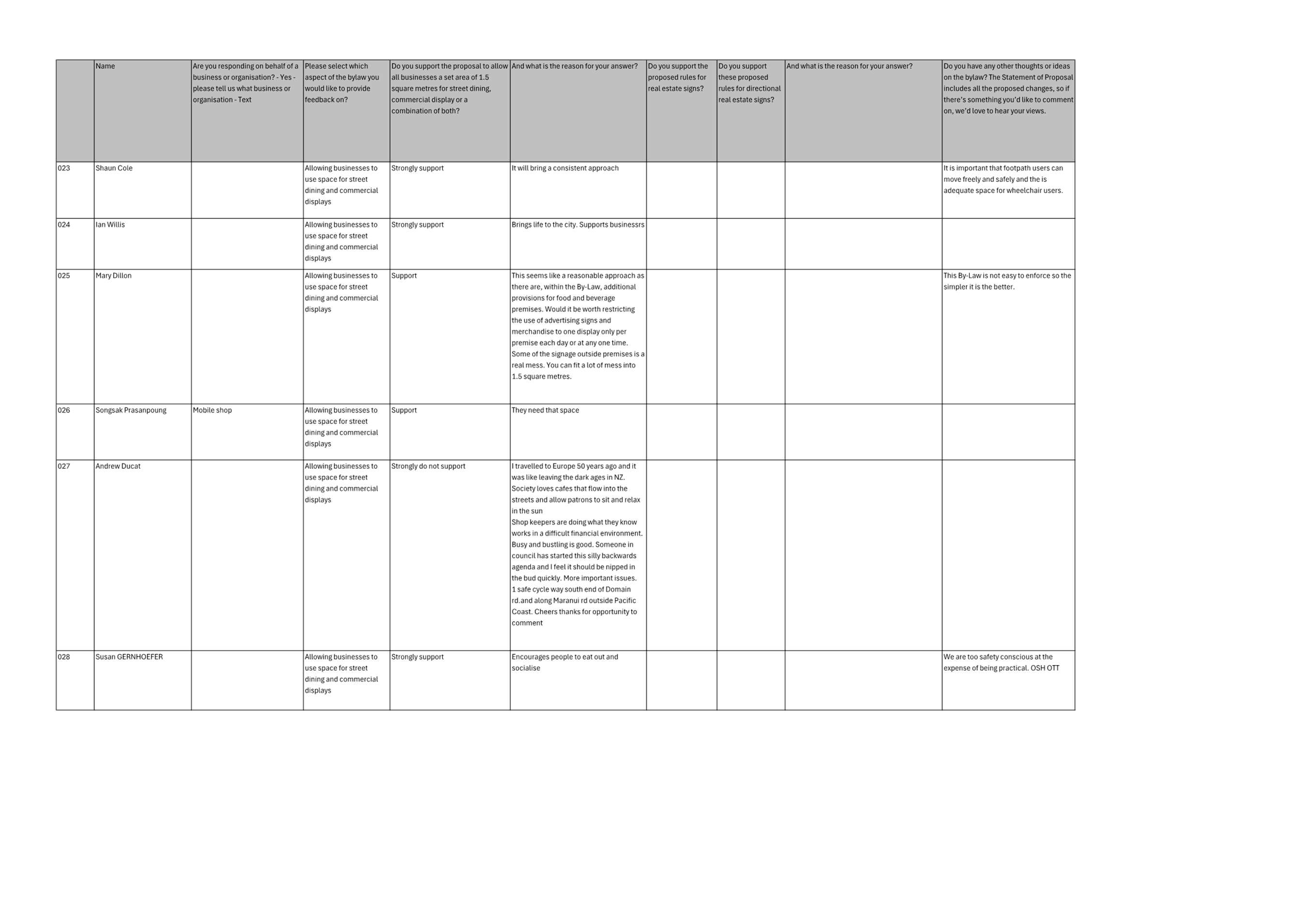
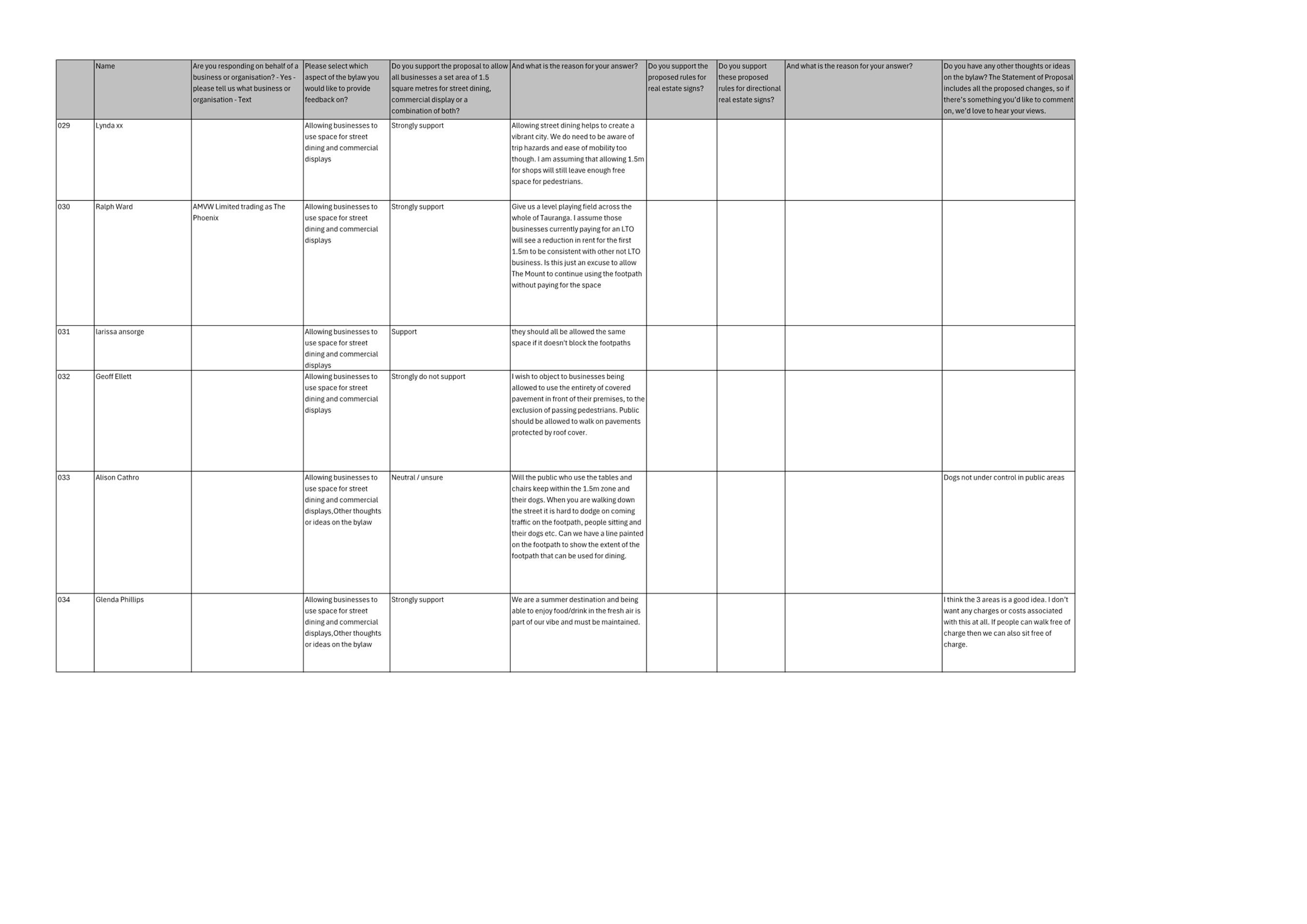
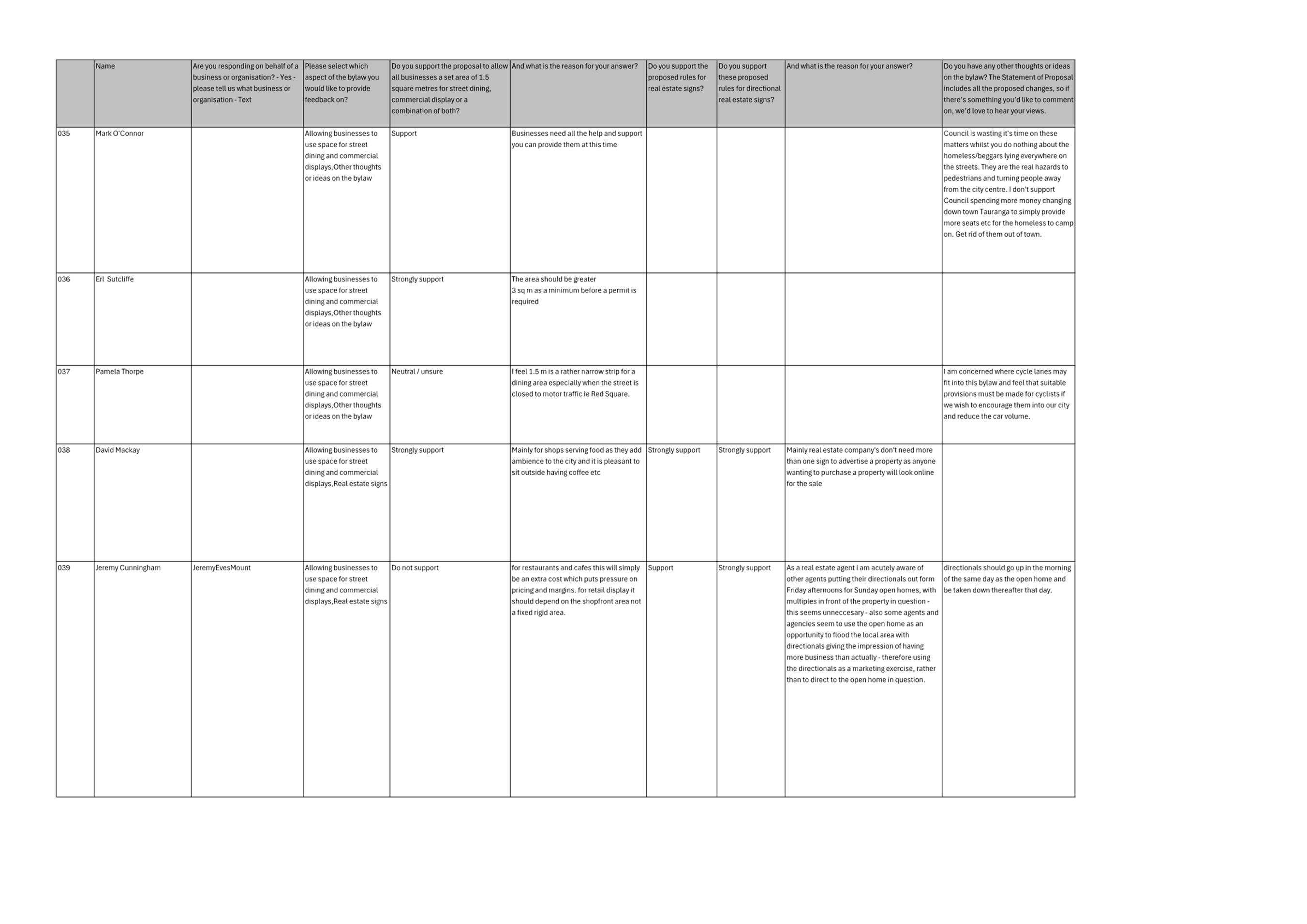
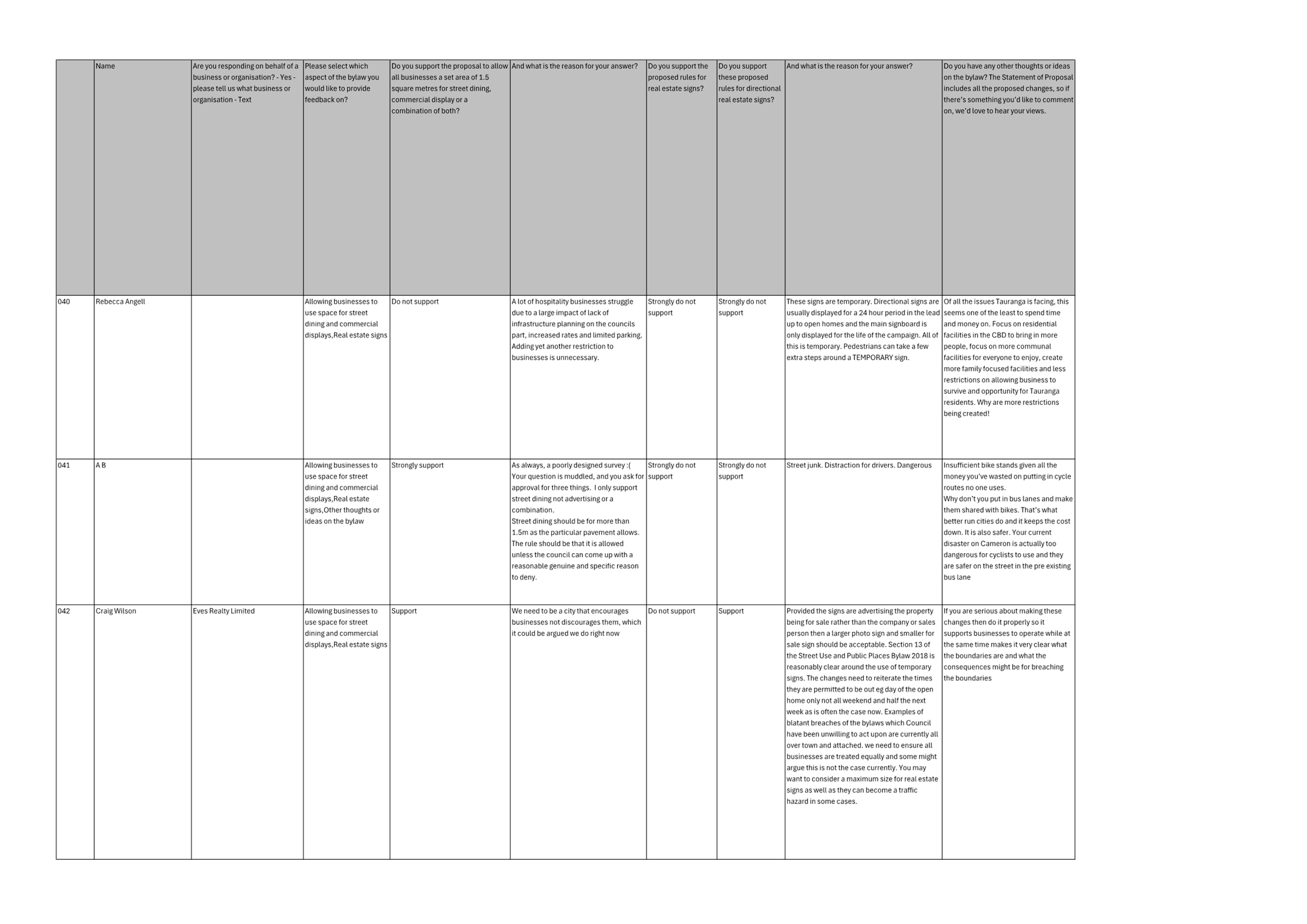
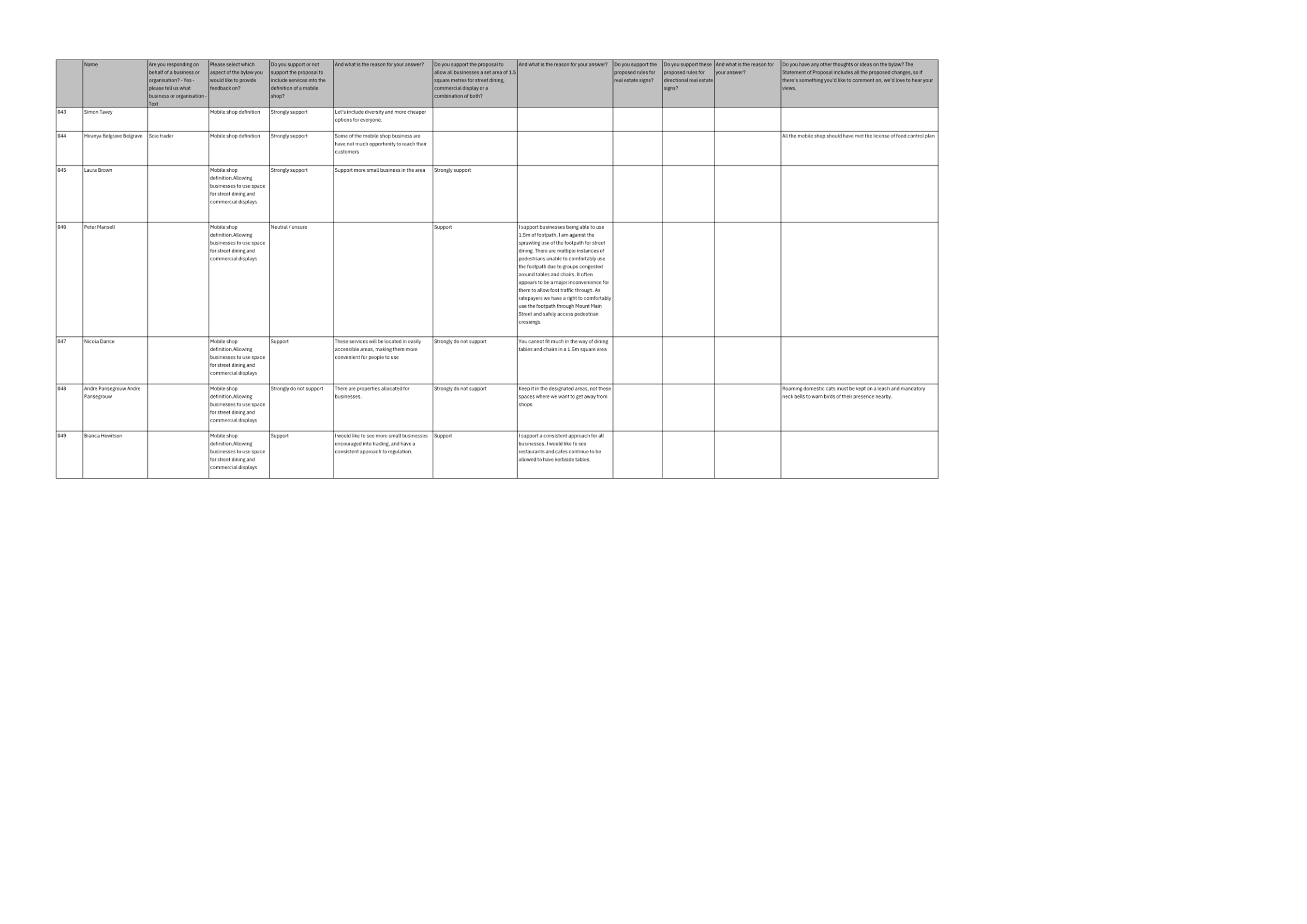
|
Location:
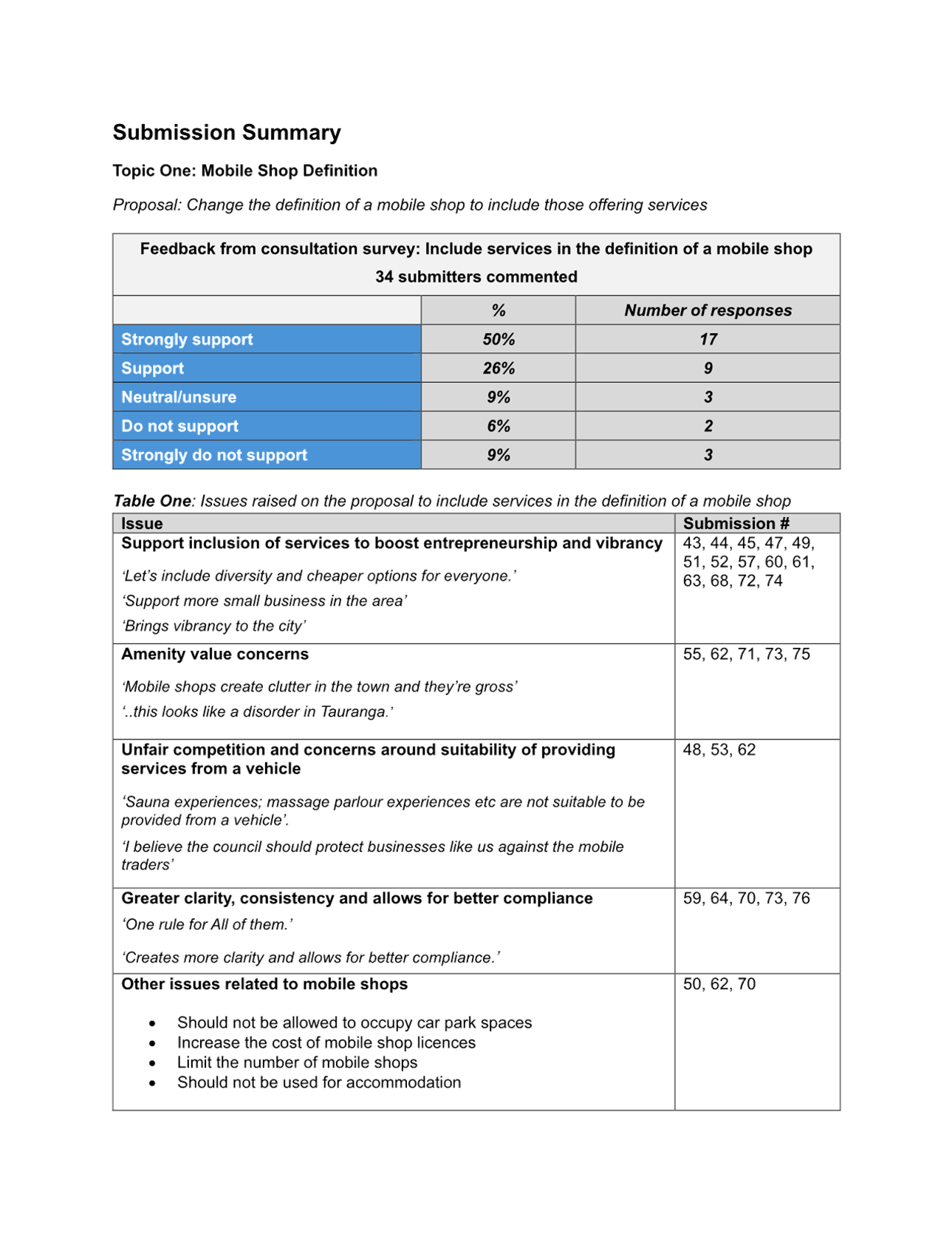
|
Tauranga City Council Chambers
L1, 90 Devonport Road
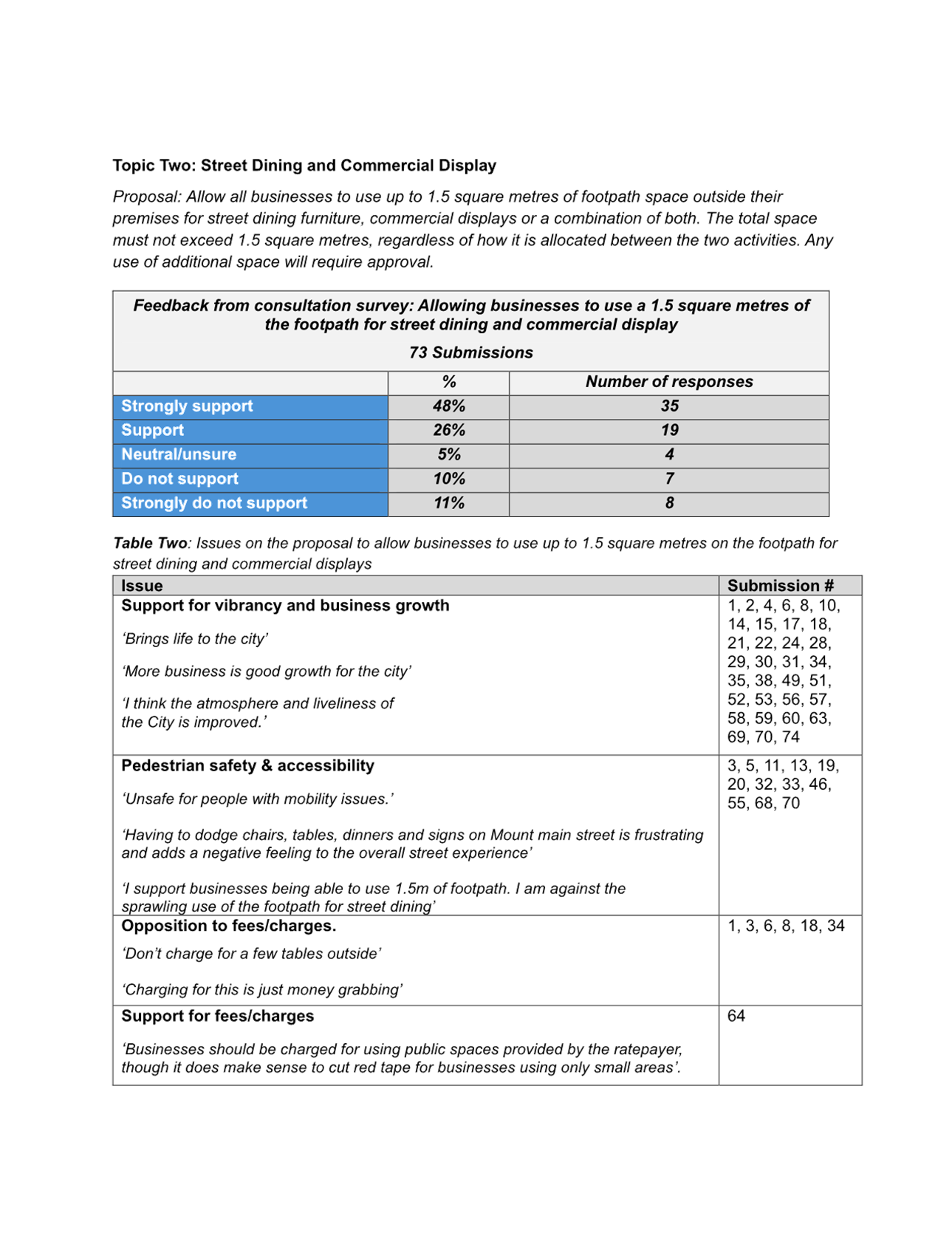
Tauranga
|
|
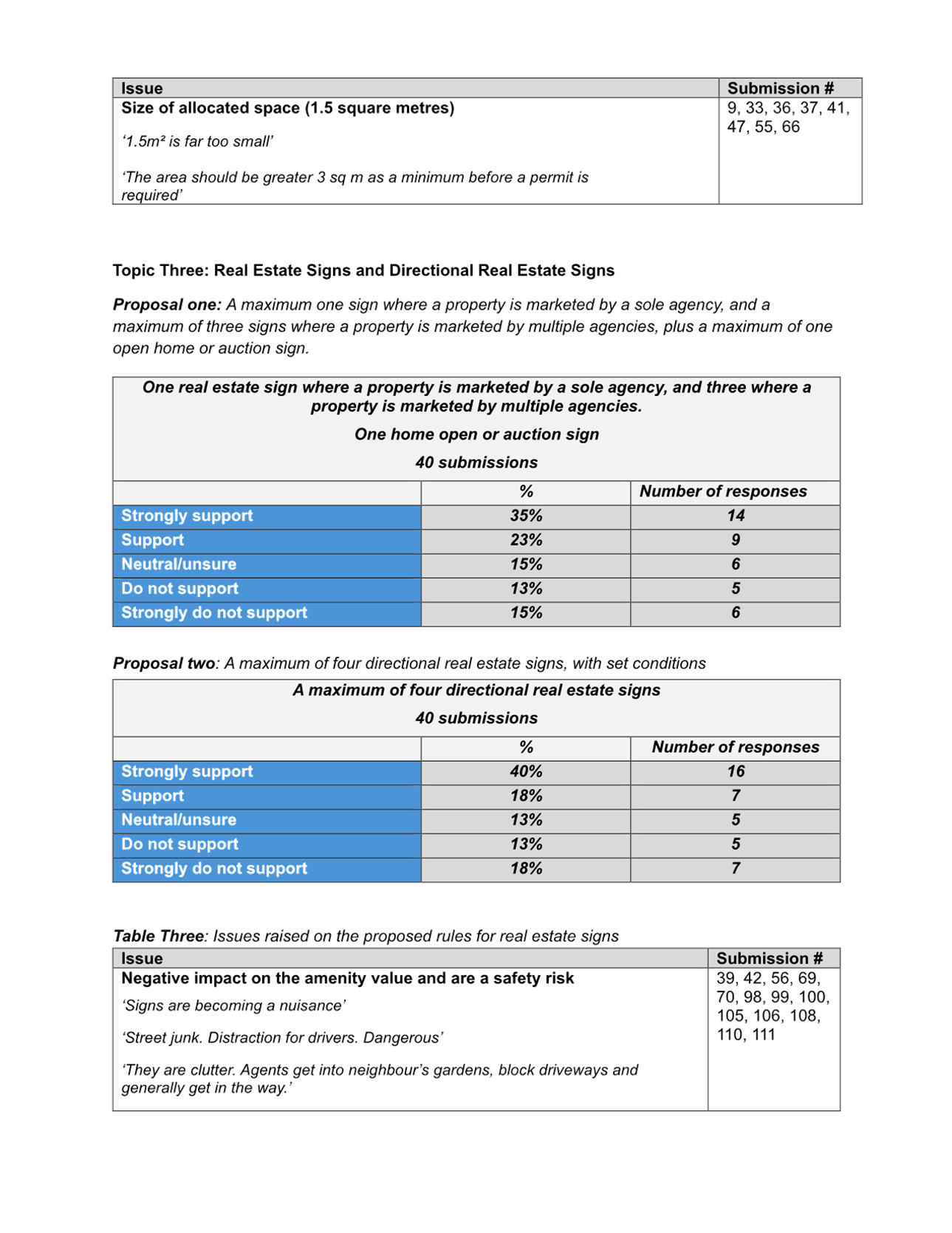
Please note that this
meeting will be livestreamed and the recording will be publicly available on
Tauranga City Council's website: www.tauranga.govt.nz.
|
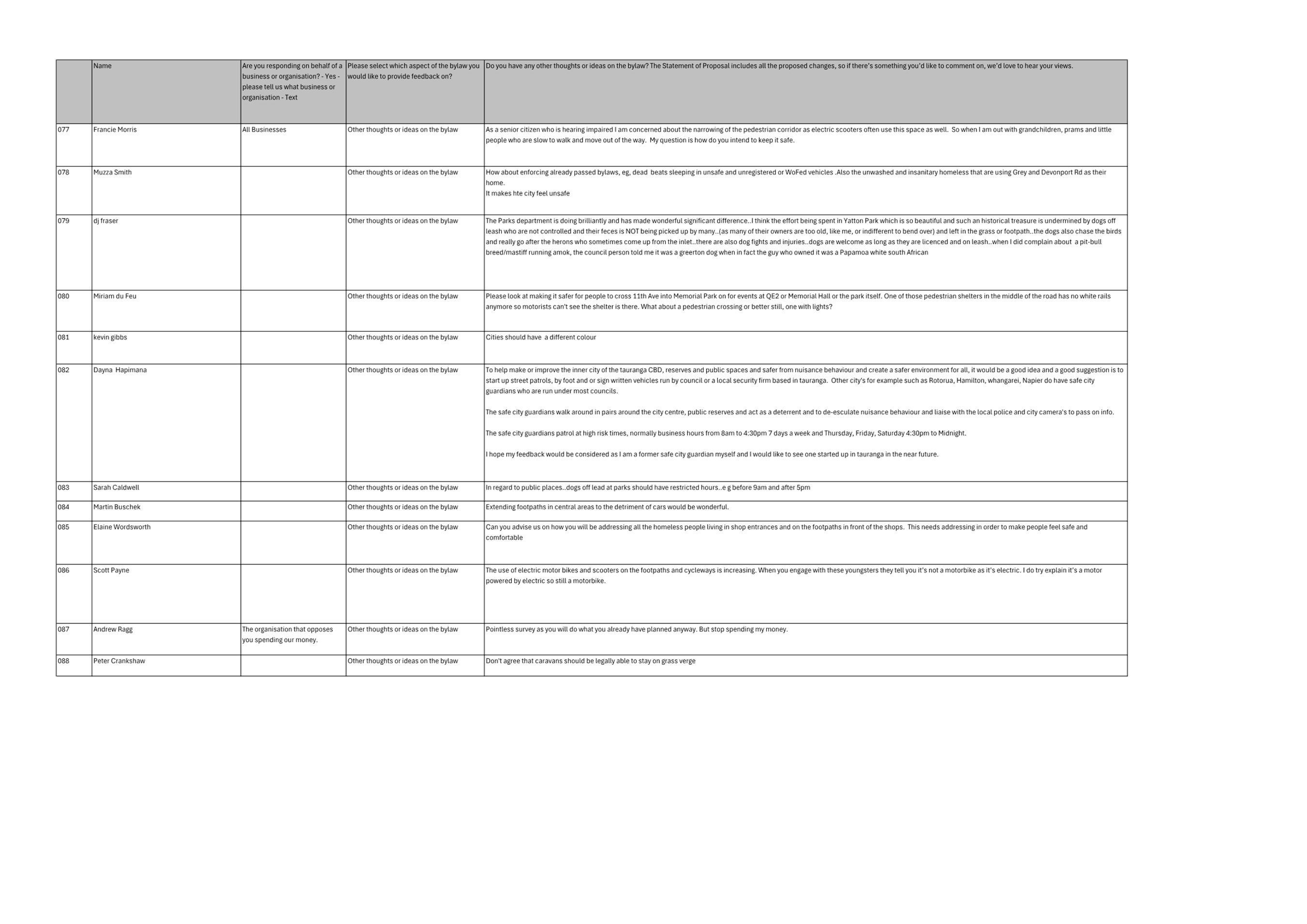
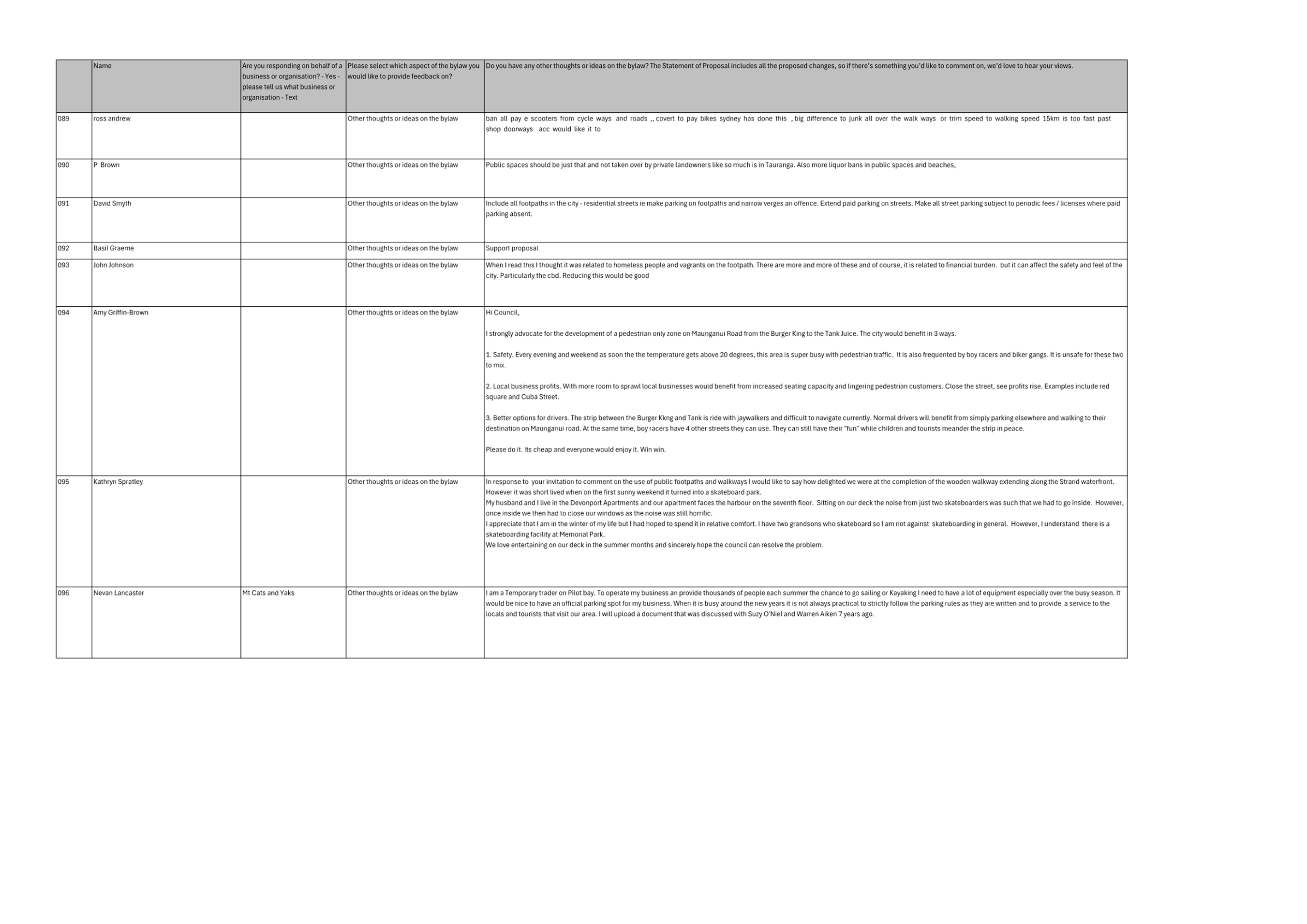
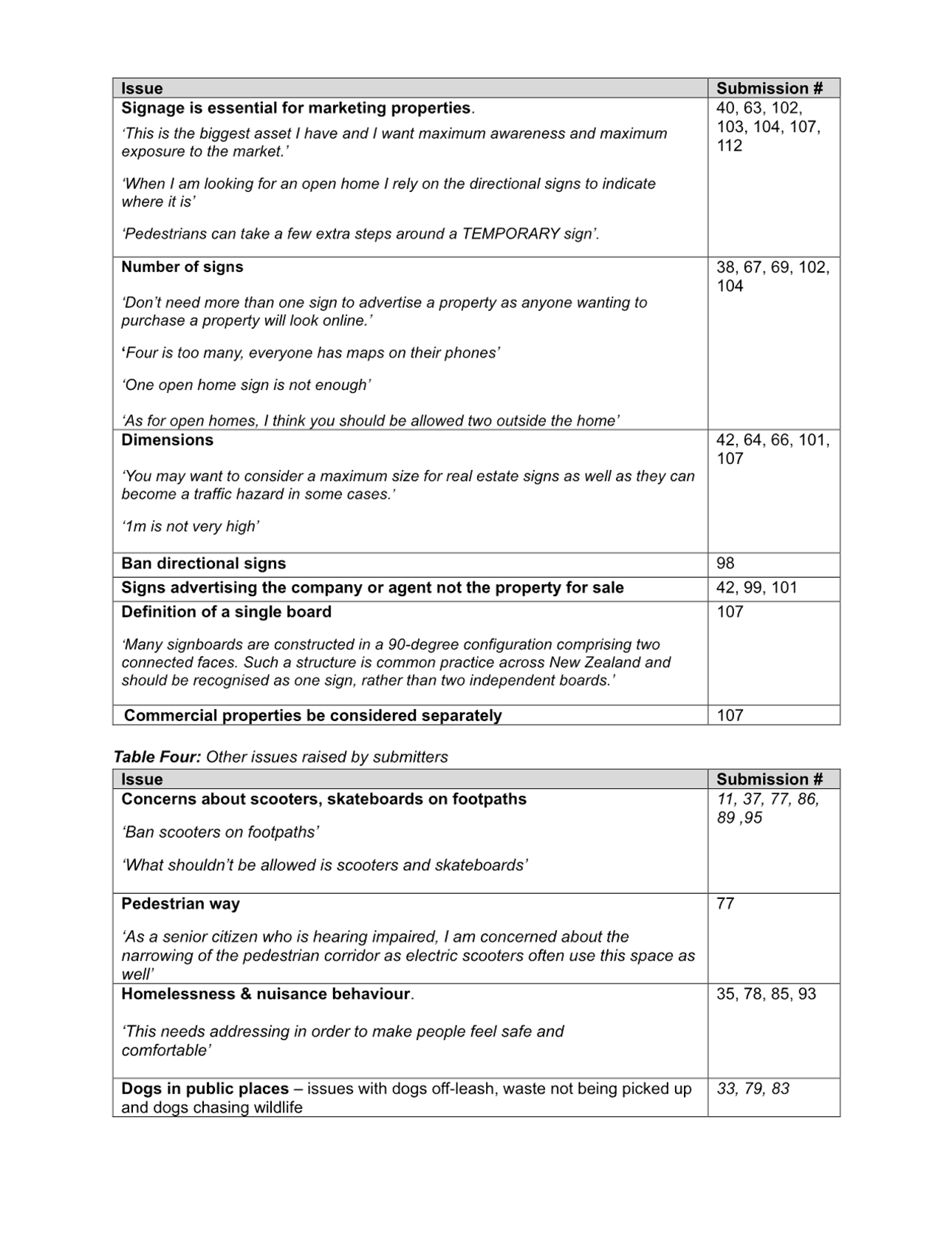
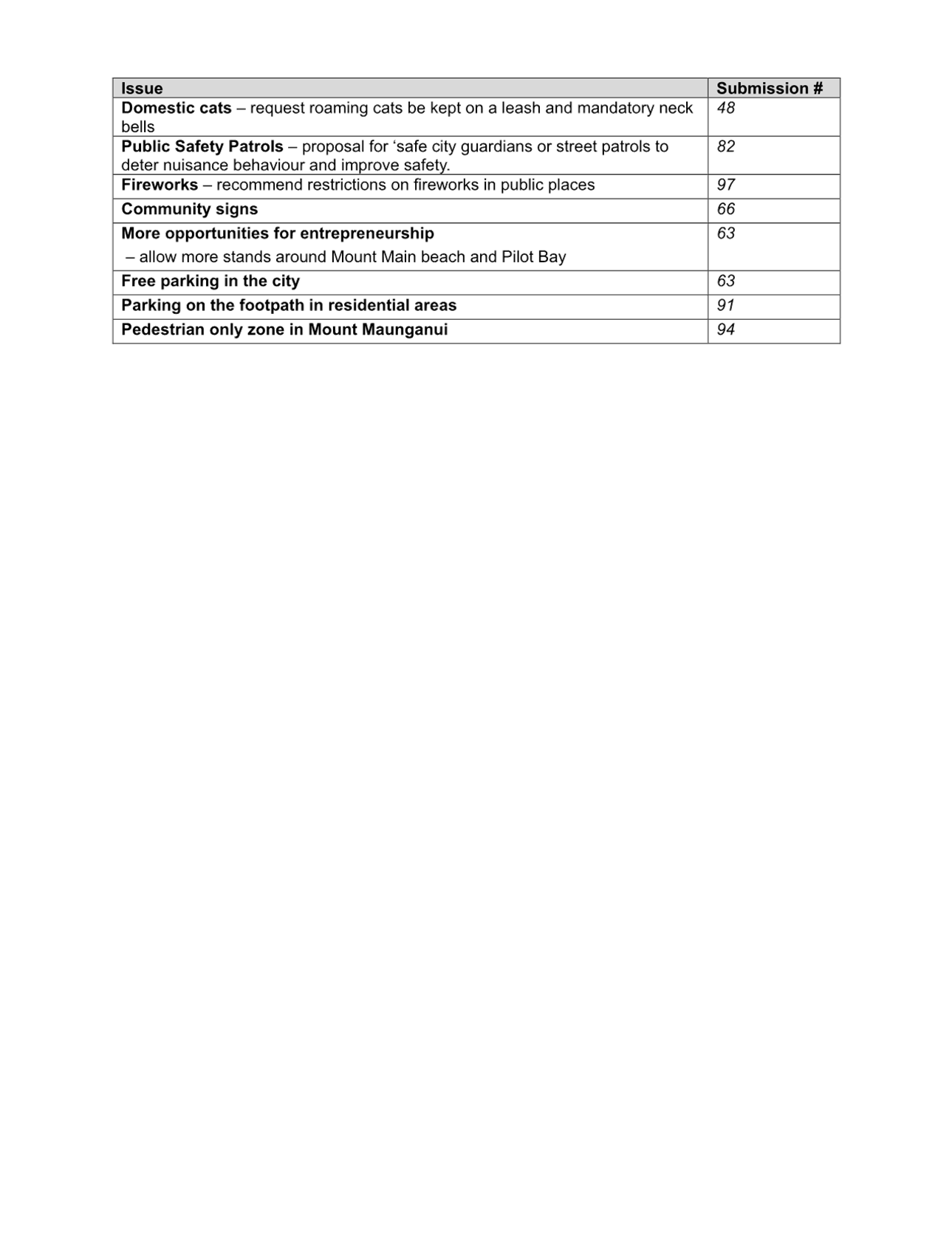
|
Marty Grenfell
Chief Executive
|
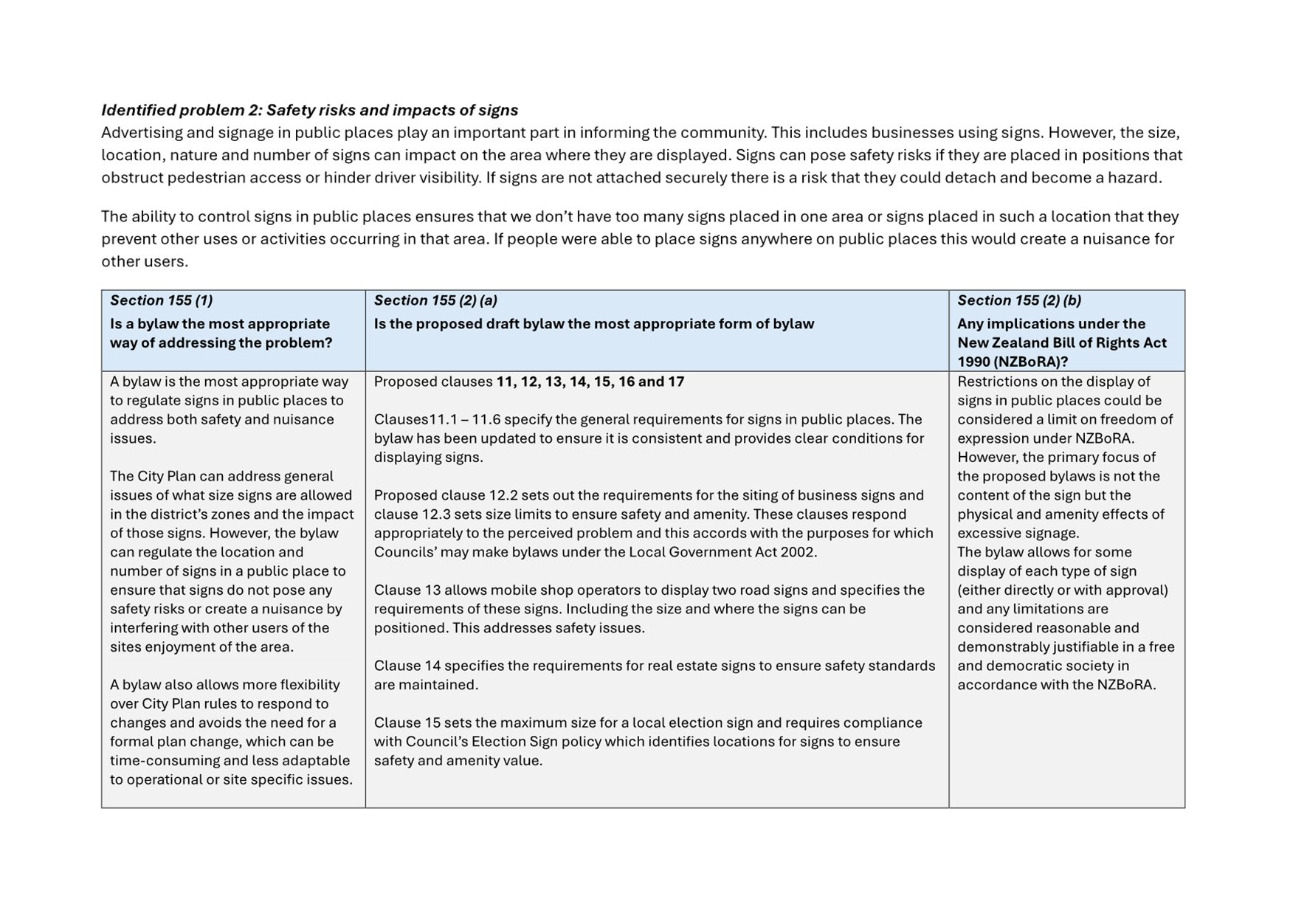
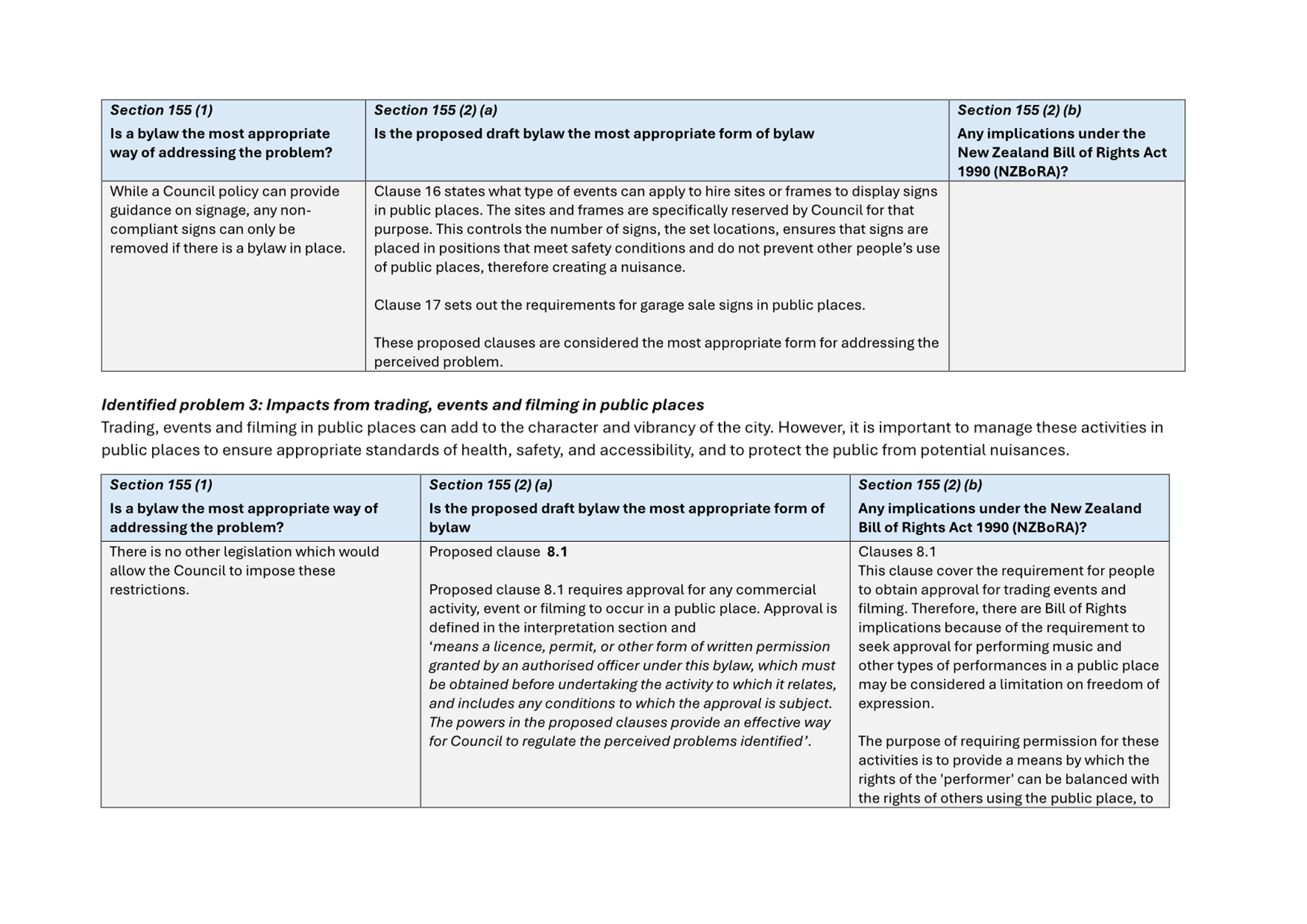
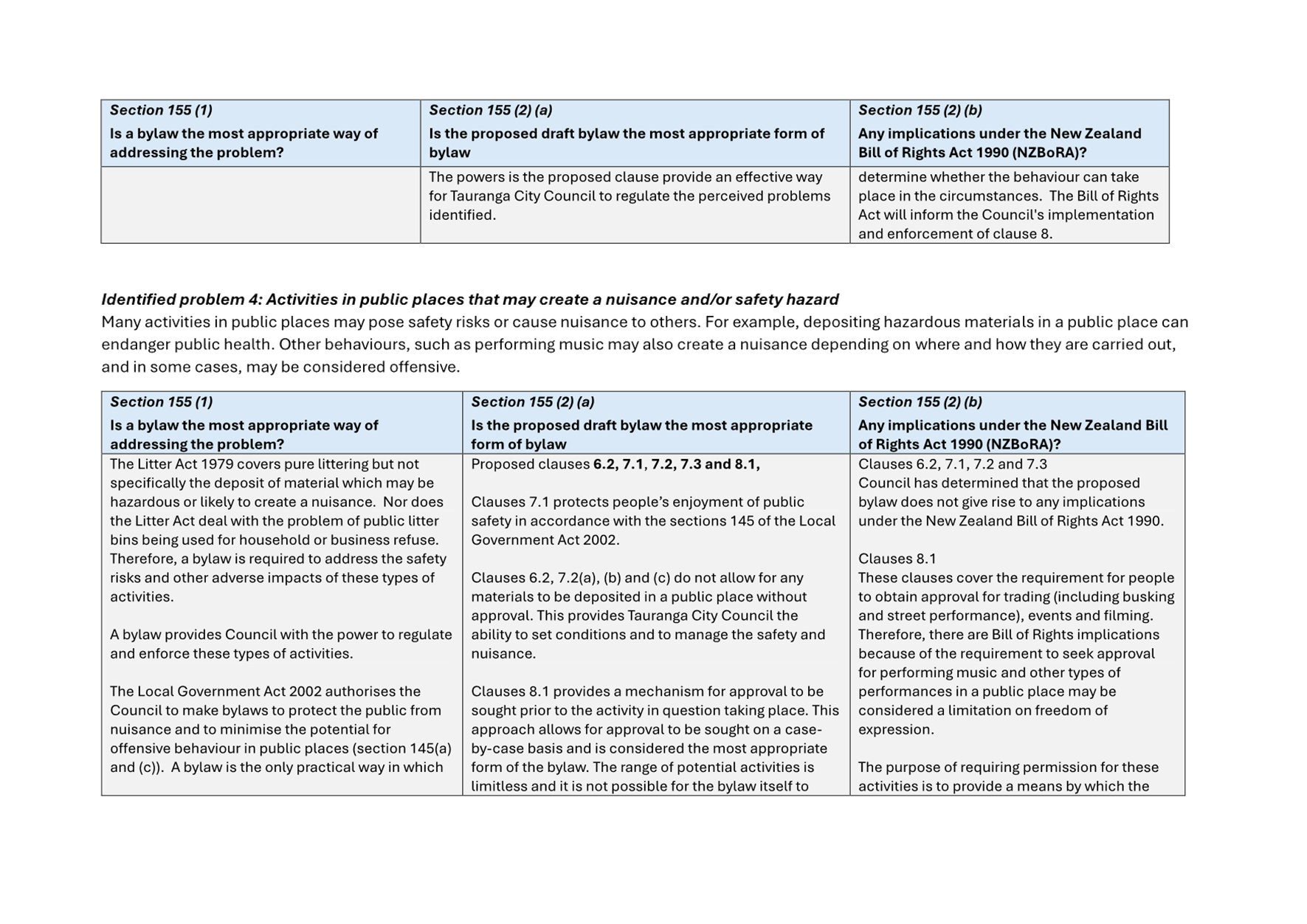
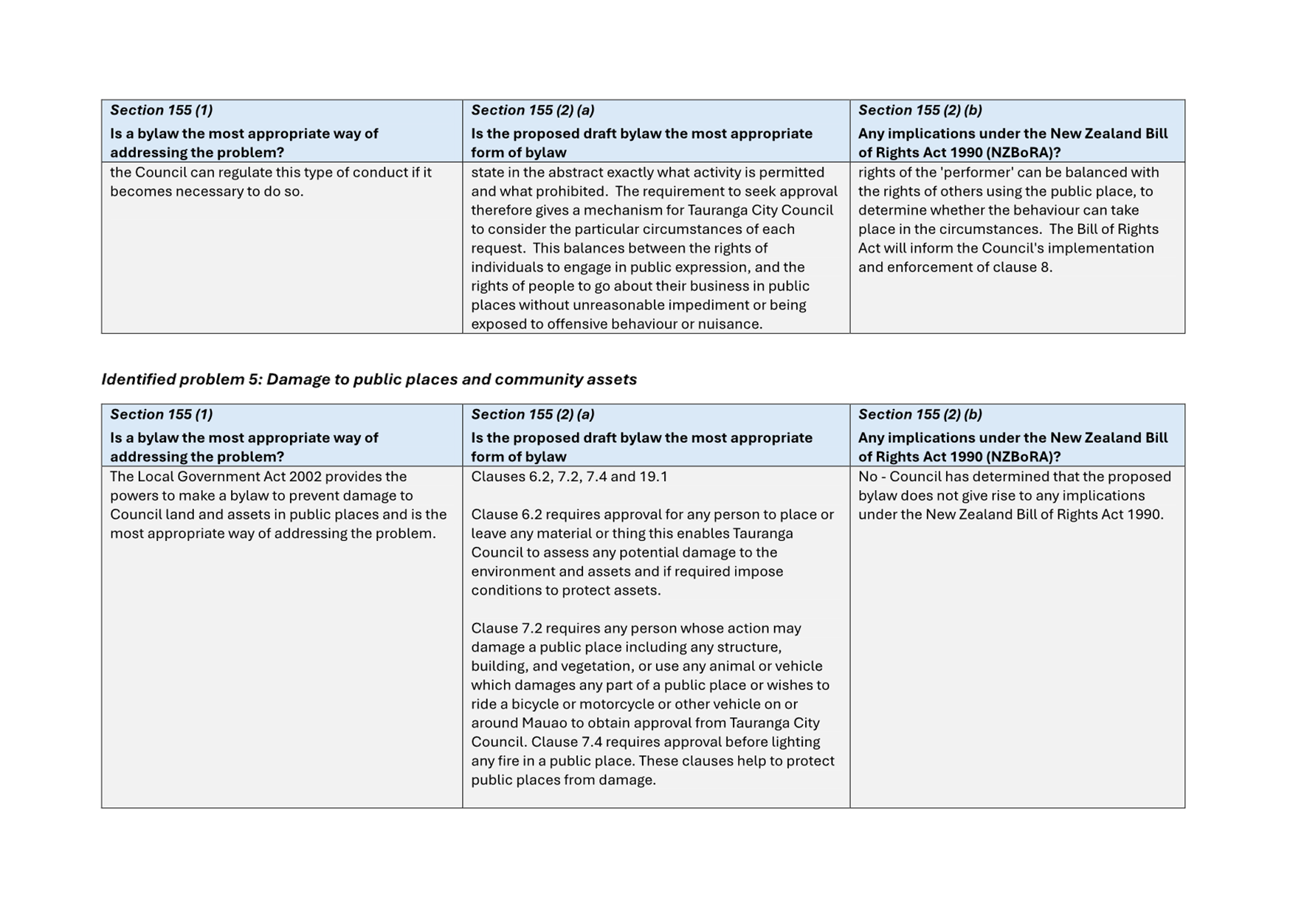
Terms of reference – Council
Membership
|
Chair
|
Mayor
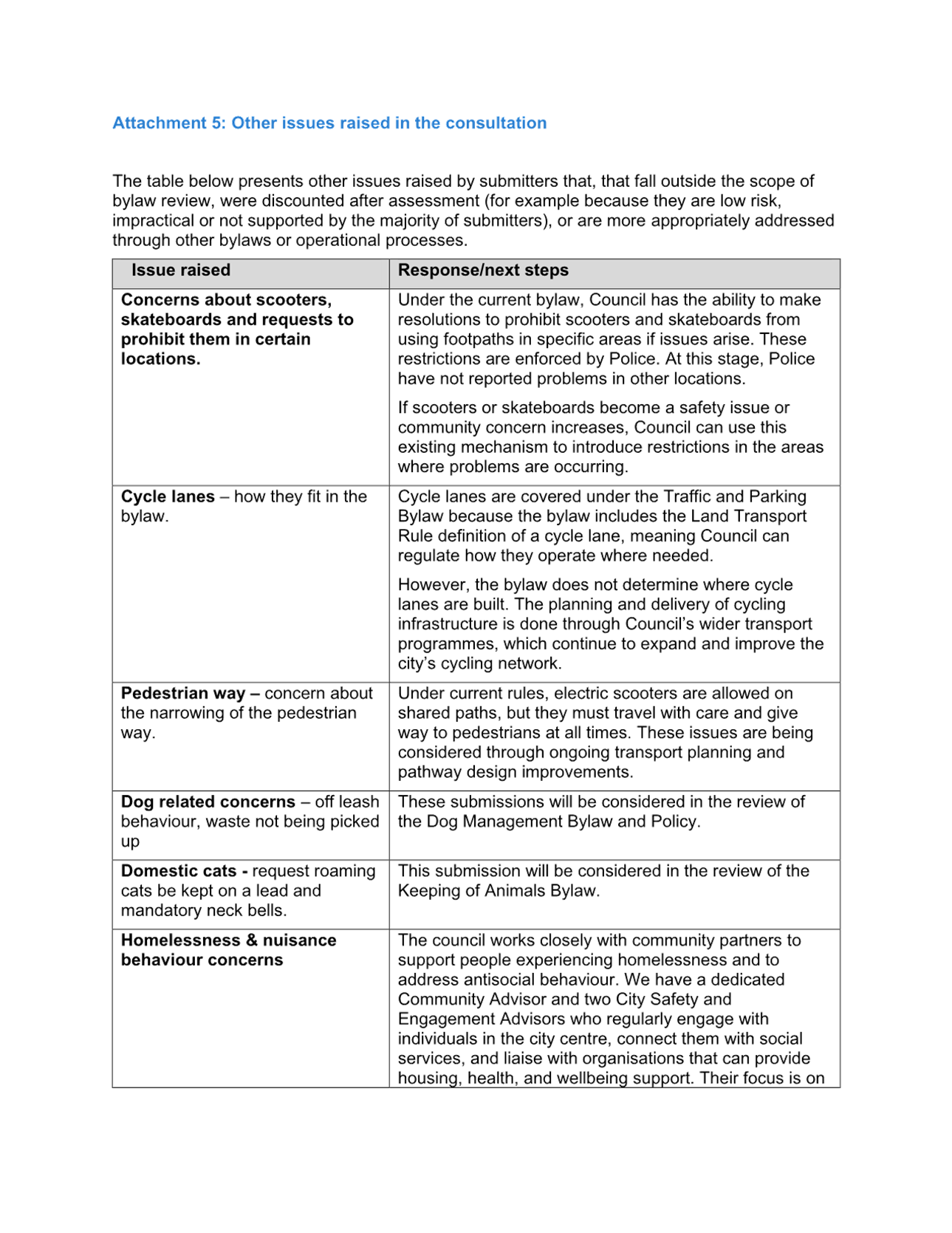
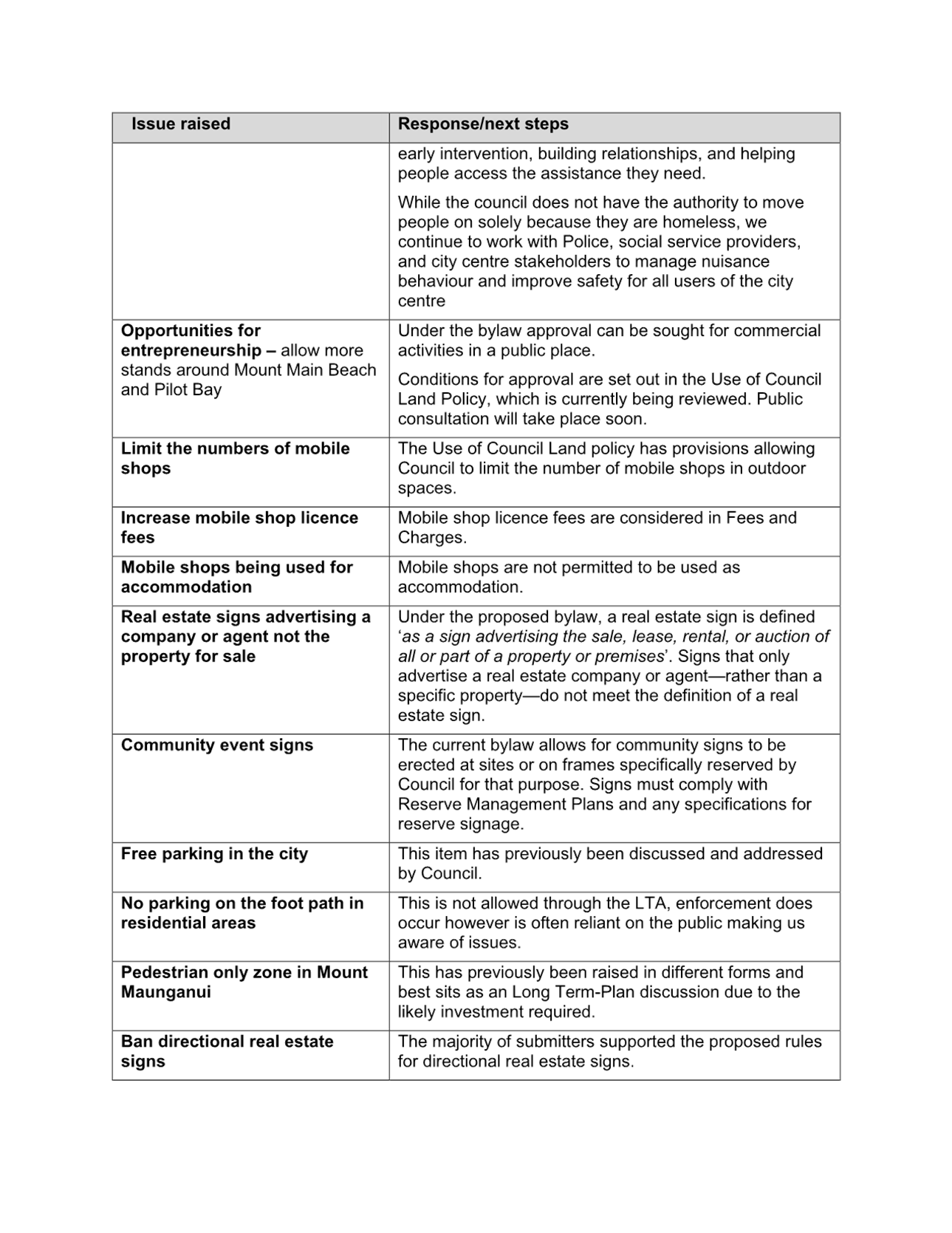
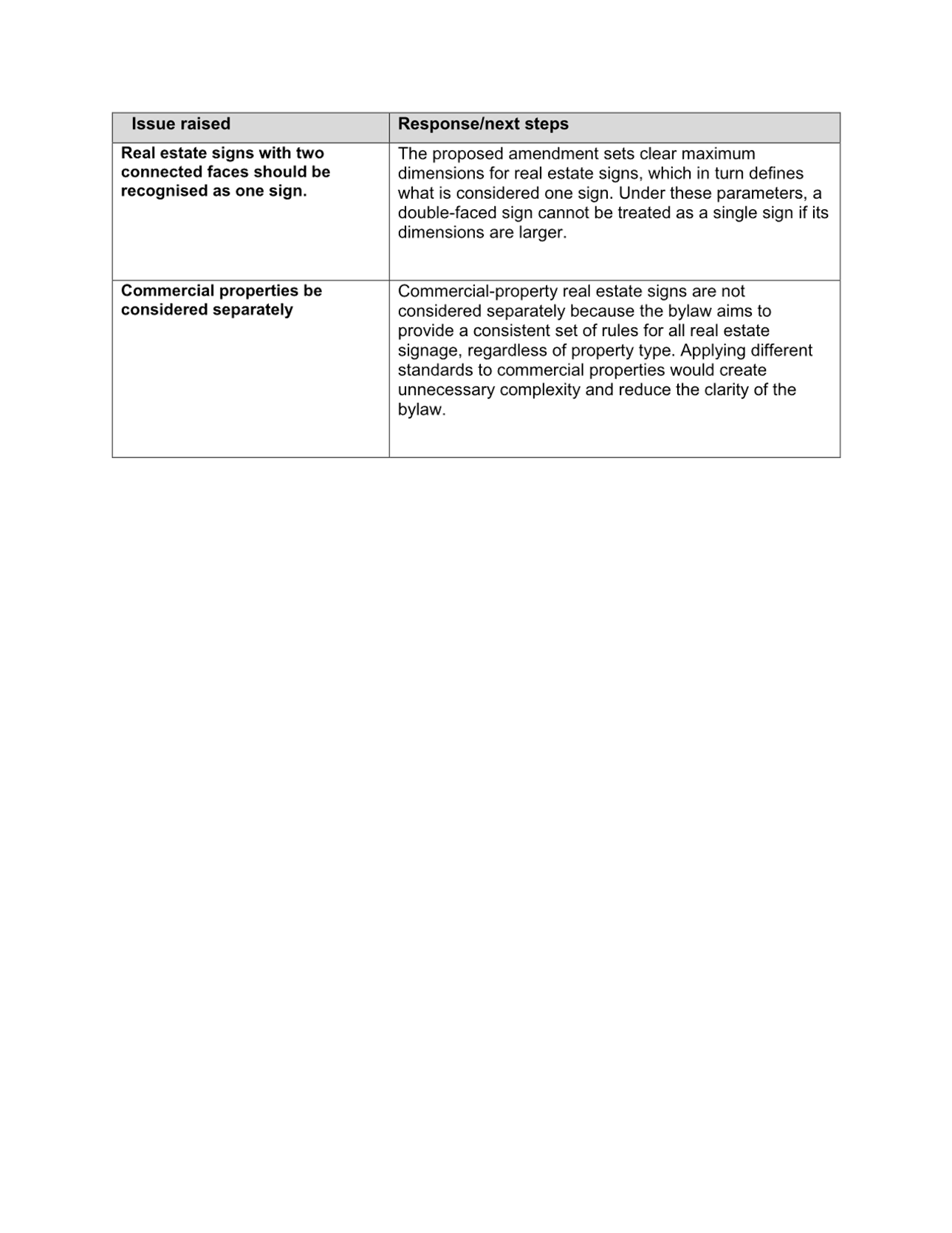
Mahé Drysdale
|
|
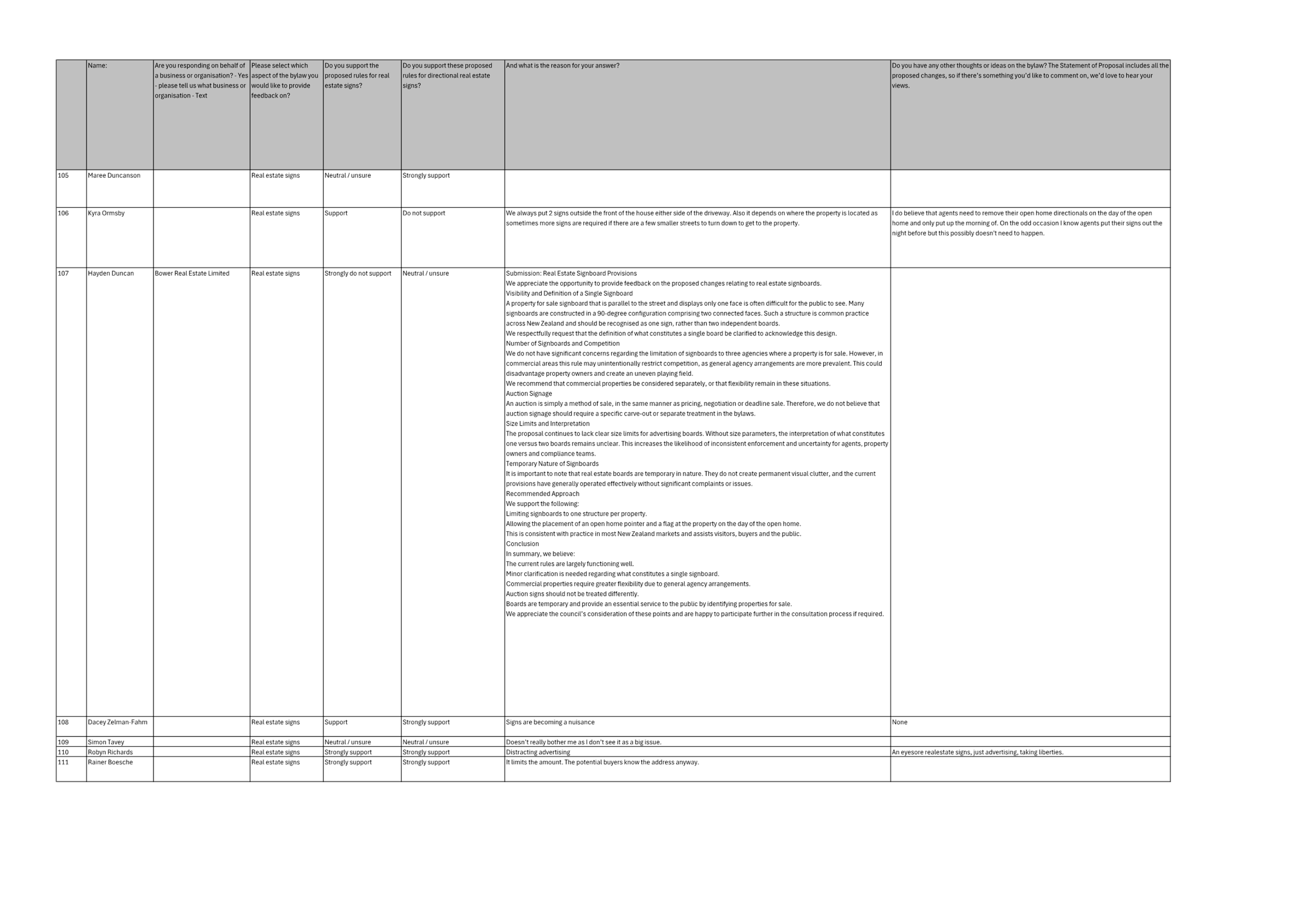
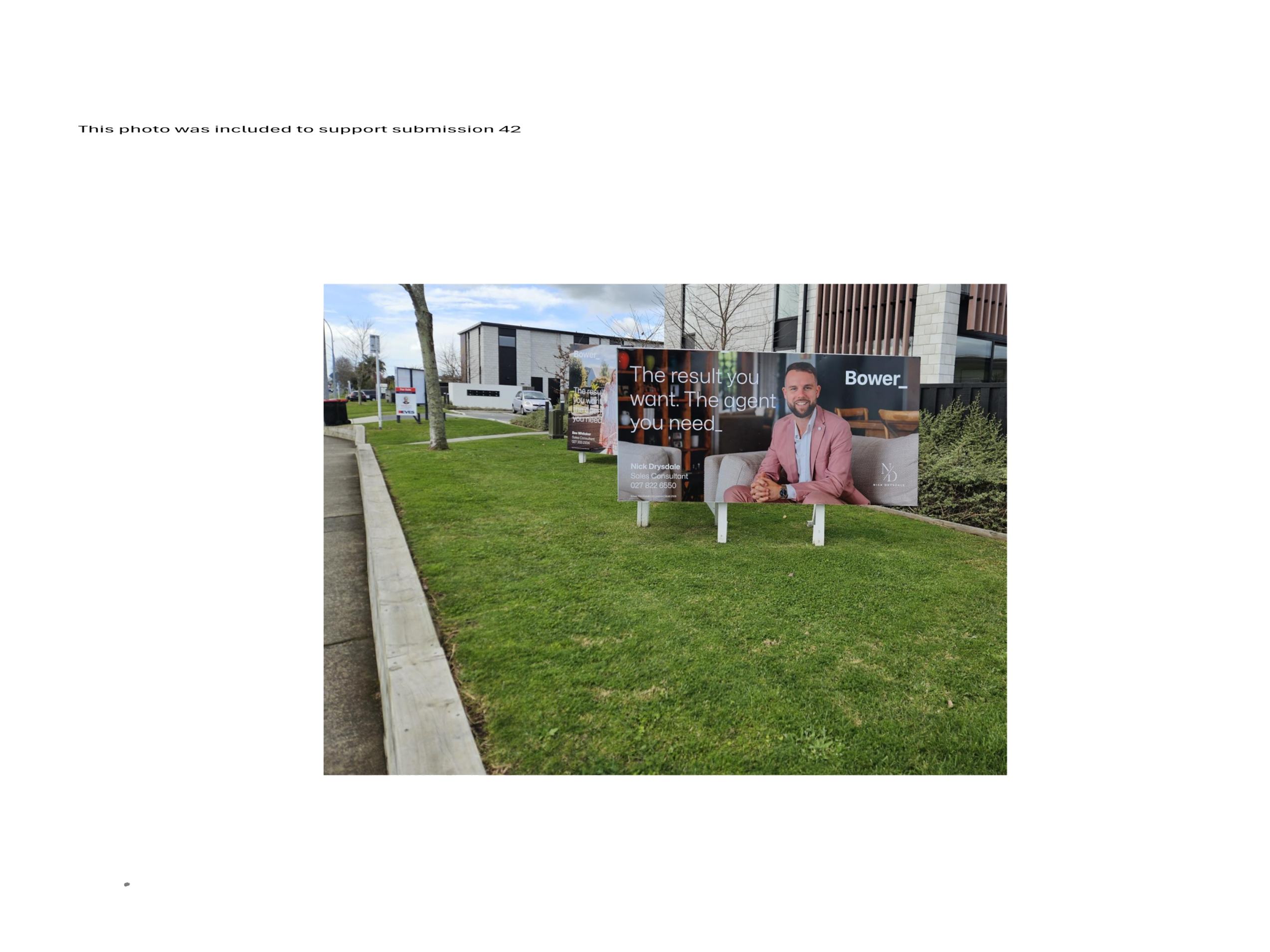
Deputy Chair
|
|
|
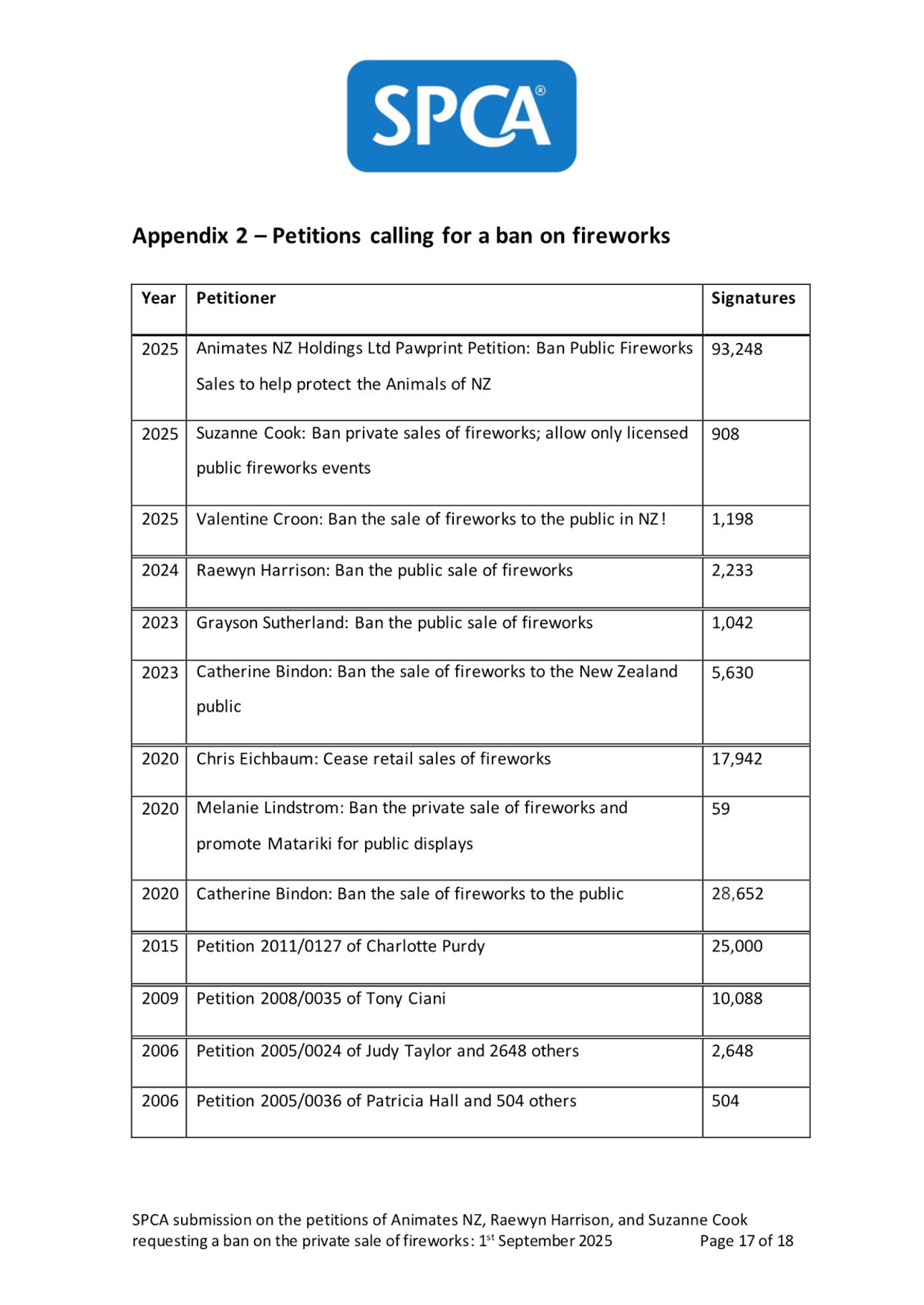
Members
|
|
|
Quorum
|
Half of the members
present, where the number of members (including vacancies) is even;
and a majority of the members present, where the number of members
(including vacancies) is odd.
|
|
Meeting frequency
|
Three weekly or as required
|
Role
·
To ensure the effective and efficient governance
of the City.
·
To enable leadership of the City including
advocacy and facilitation on behalf of the community.
·
To review and monitor the performance of the
Chief Executive.
Scope
· Oversee the work of all committees and subcommittees.
·
Exercise all non-delegable and non-delegated
functions and powers of the Council.
·
The powers Council is legally prohibited from
delegating include:
○
Power to make a rate.
○
Power to make a bylaw.
○
Power to borrow money, or purchase or dispose of
assets, other than in accordance with the long-term plan.
○
Power to adopt a long-term plan, annual plan, or
annual report
○
Power to appoint a chief executive.
○
Power to adopt policies required to be adopted
and consulted on under the Local Government Act 2002 in association with the
long-term plan or developed for the purpose of the local governance statement.
○
All final decisions required to be made by
resolution of the territorial authority/Council pursuant to relevant
legislation (for example: the approval of the City Plan or City Plan changes as
per section 34A Resource Management Act 1991).
·
Council has chosen not to delegate the
following:
○
Power to compulsorily acquire land under the
Public Works Act 1981.
·
Make those decisions which are required by
legislation to be made by resolution of the local authority.
·
Authorise all expenditure not delegated to
officers, Committees or other subordinate decision‑making bodies of
Council.
·
Make appointments of members to the council-controlled
organisation Boards of Directors/Trustees and representatives of Council to
external organisations.
·
Undertake statutory duties in regard to
Council-controlled organisations, including reviewing statements of intent,
with the exception of the Local Government Funding Agency where such roles are
delegated to the City Delivery Committee. (Note that monitoring of all
Council-controlled organisations’ performance is undertaken by the City
Delivery Committee. This also includes Priority One reporting.)
·
Consider all matters related to Local Water Done
Well.
·
Consider any matters referred from any of the
Standing or Special Committees, Joint Committees, Chief Executive or General
Managers.
·
Review and monitor the Chief Executive’s
performance.
·
Develop Long Term Plans and Annual Plans
including hearings, deliberations and adoption.
Procedural matters
·
Delegation of Council powers to Council’s
committees and other subordinate decision-making bodies.
·
Adoption of Standing Orders.
·
Receipt of Joint Committee minutes.
·
Approval of Special Orders.
·
Employment of Chief Executive.
·
Other Delegations of Council’s powers,
duties and responsibilities.
Regulatory matters
Administration, monitoring and
enforcement of all regulatory matters that have not otherwise been delegated or
that are referred to Council for determination (by a committee, subordinate
decision‑making body, Chief Executive or relevant General Manager).
1 Opening
karakia
2 Apologies
|
Ordinary Council meeting Agenda
|
3 March 2026
|
3 Public
forum
3.1 Jessica
Walker from the SPCA will address their submission on the Draft Street Use
& Public Places Bylaw
Attachments
Nil
3.2 Hayden
Duncan from Bower Real Estate will address their submission on the Draft Street
Use and Public Places Bylaw
Attachments
Nil
3.3 Residents
from Nautilus Apartments
Attachments
Nil
|
Ordinary Council meeting Agenda
|
3 March 2026
|
11 Business
11.1 Street
Use and Public Places Bylaw 2026 Deliberations
File
Number: A19546452
Author: Jane
Barnett, Policy Analyst
Shawn Geard,
Manager: Transport System Operations
Authoriser: Sarah
Omundsen, General Manager: Regulatory and Community Services
Purpose of the Report
1. To consider the issues
raised by submitters on the draft Street Use and Public Places Bylaw and decide
whether to adopt the bylaw.
|
Recommendations
That the Council:
(a) Receives the report
"Street Use and Public Places Bylaw 2026 Deliberations".
(b) Approves the following
amendments to the draft Street Use and Public Places Bylaw:
(i) a maximum size
requirement of 1200mm high x 800mm wide for real estate signs
(ii) open home and auction
signs may only be displayed on the day of the open home or auction.
(c) Resolves, in accordance with
section 155 of the Local Government Act 2002 that the proposed Street Use and
Public Places Bylaw (Attachment One):
(i) is the most appropriate
way to help protect the community from public nuisance and offensive
behaviour, protect public health and safety, and protect council-controlled
public places and the environment from misuse
(ii) is the most
appropriate form of the bylaw
(iii) is not inconsistent with
the New Zealand Bill of Rights Act 1990, noting that any implications are
considered reasonable and demonstrably justifiable in a free and democratic
society as they are necessary to protect public safety, amenity and the
rights of others using public places.
(d) Adopts the final Street Use
and Public Places Bylaw 2026, to come into force on 1 July 2026.
(e) Authorises the General
Manager: Regulatory and Community Services to make any necessary minor final
edits to the Street Use and Public Places Bylaw 2026, prior to publication.
(f) Directs
staff to prepare a draft amendment to the bylaw to prohibit fireworks in all
Council owned and or controlled public places.
|
Executive Summary
2. Council
approved the draft Street Use and Public Places Bylaw (the draft bylaw) for
community consultation on 29 October 2025.
3. The consultation
took place from 13 November 2025 to 16 December 2025, receiving 112 submissions
(included in Attachment Two), with two submitters wishing to speak to
Council today.
4. Of the 112
submitters, 34 submitters commented on the mobile shop definition, 73 commented
on the proposed footpath use for businesses, and 40 commented on the proposed
rules for real estate signs.
5. The consultation
results showed support for the proposed changes to the bylaw, including
expanding the definition of a mobile shop to include service providers (76%
support), enabling businesses to use 1.5 square metres of the footpath without
a licence (74% support), and introducing limits on real estate and directional
signs (58% support).
6. Submitters also
raised broader concerns, including pedestrian safety, dog control, skateboard
and scooter use, homelessness and parking. These matters will be considered
through other bylaw reviews, operational process or upcoming policy reviews.
7. The draft bylaw
responds to Council’s direction to ensure clearer, more consistent rules
for footpath use, mobile shops, real estate signage, and commercial activity in
public places.
8. The draft bylaw
simplifies several sections, updates definitions, improves structure and
clarity, and reduces duplication with existing legislation. It also
incorporates new provisions made under the Land Transport Act 1998, requiring
the final bylaw to be sent to the Minister of Transport[1].
9. After considering
submissions, council staff recommend adopting the draft bylaw with two
amendments:
· a
maximum size requirement of 1200mm hight x 800mm wide for real estate signs, to
ensure consistency with business signs and responding to submitter feedback.
· limit
open home and auction signs to being displayed only on the day of the open home
or auction, to reduce unnecessary visual clutter and ensure signs remain
relevant to the event.
10. One submission from the SPCA
calls for Council to prohibit setting off fireworks in public places unless
approval has been granted by the council. This has been included as
option because it reflects community concern, including past submissions, complaints
and national level petitions.
11. As regulating fireworks was not
included in the earlier draft bylaw consultation, Council will need to
undertake a separate consultation process if it wishes to include this
provision in the bylaw.
12. Staff recommend adopting the
bylaw now, and if Council wishes to consider regulating fireworks undertake
consultation in the first quarter of the new financial year. This timing would
allow any resulting amendments to come into effect before fireworks can be sold
from 2 November 2026 to 5 November 2026.
13. There are no immediate
financial implications associated with adopting the bylaw, although future fees
for footpath use may apply depending on decisions made through the fees and
charges process.
14. In accordance with the Local
Government Act 2002 (the LGA), the proposed bylaw is assessed as:
· the
most appropriate and proportionate method for managing public spaces
· the
most appropriate form of bylaw, and
· consistent
with the New Zealand Bill of Rights Act 1990.
15. Council is asked to consider
the issues raised by submitters, make determinations under section 155 of the
LGA, adopt the final bylaw, and provide direction on a potential bylaw
amendment prohibiting fireworks in public places.
Background
16. The Street Use and Public
Places Bylaw 2018 (the bylaw) sets rules for public spaces to ensure public
safety, accessibility and enjoyment. It covers a wide range of activities
including signage, trading, street dining, skating, scooter use, and busking.
17. On 24 March 2025, Council
directed council staff to review the bylaw, with a focus on street dining and
broader footpath use. The initial review identified several issues, which
Council considered and provided direction on at their meeting on 7 October 2025.
This direction was incorporated into a draft bylaw for community consultation
and included:
· changing
the definition of the pedestrian way
· expanding
the definition of a mobile shop to include service providers
· broadening
the scope of what can be displayed on the footpath by businesses
· applying
consistent rules for all businesses across the city wishing to use the footpath
for street dining and commercial displays (allowing a standard area to be used,
with any additional space requiring approval from Tauranga City Council)
· clarifying
rules for real estate signs and capping the number of directional real estate
signs.
18. The current bylaw sections on
trading, markets, mobile shops and events, have been replaced in the draft
bylaw with a single simplified clause requiring approval for all commercial
activity, large‑scale commercial filming, and events. This streamlines
how these activities are managed and makes the bylaw easier to understand.
19. The draft bylaw also removes
sections 23 to 28, as these matters are already covered by the LGA reducing
duplication and the risk of inconsistency. In addition, the draft bylaw
includes structural improvements, clearer language, updated and new definitions,
and includes a contents page and explanatory notes to support interpretation.
It also includes new definitions needed to reflect Council’s direction on
footpath use.
20. During consultation the
community was specifically asked if they:
· supported
expanding the definition of a mobile shop to include service providers;
· supported
allowing all businesses across the city to use a set area of the footpath (1.5
square metres) for street dining and commercial display without a licence;
· supported
limits on real estate signs (sole agency, multiple agencies, and open
home/auction) and directional real estate signs; and
· wanted
to provide any other feedback on the draft bylaw.
21. A total of 112 submissions were
received (Attachment Two). Of these, 34 submitters commented on the
mobile shop definition, 73 commented on the proposed footpath use for
businesses, and 40 commented on the proposed rules for real estate signs.
22. A summary of the submissions is
provided in Attachment Three.
Submission Summary
23. 76% of the 34 submitters who
commented supported expanding the definition of a mobile shop to include
service providers, noting benefits such as increased vibrancy, support for
small businesses, and clearer, more consistent rules.
24. Those
submitters who did not support the change were concerned about the suitability
of certain services in public spaces, potential impacts on amenity, fairness to
permanent businesses, and issues such as mobile shops occupying car parks or
creating visual clutter.
25. Other
issues relating to mobile shops were also raised including the limiting the
number or mobile shops, increasing licence fees and concerns about parking and
mobile shops being used for accommodation.
Chart One: Support for including services in the
mobile shop definition (34
submissions)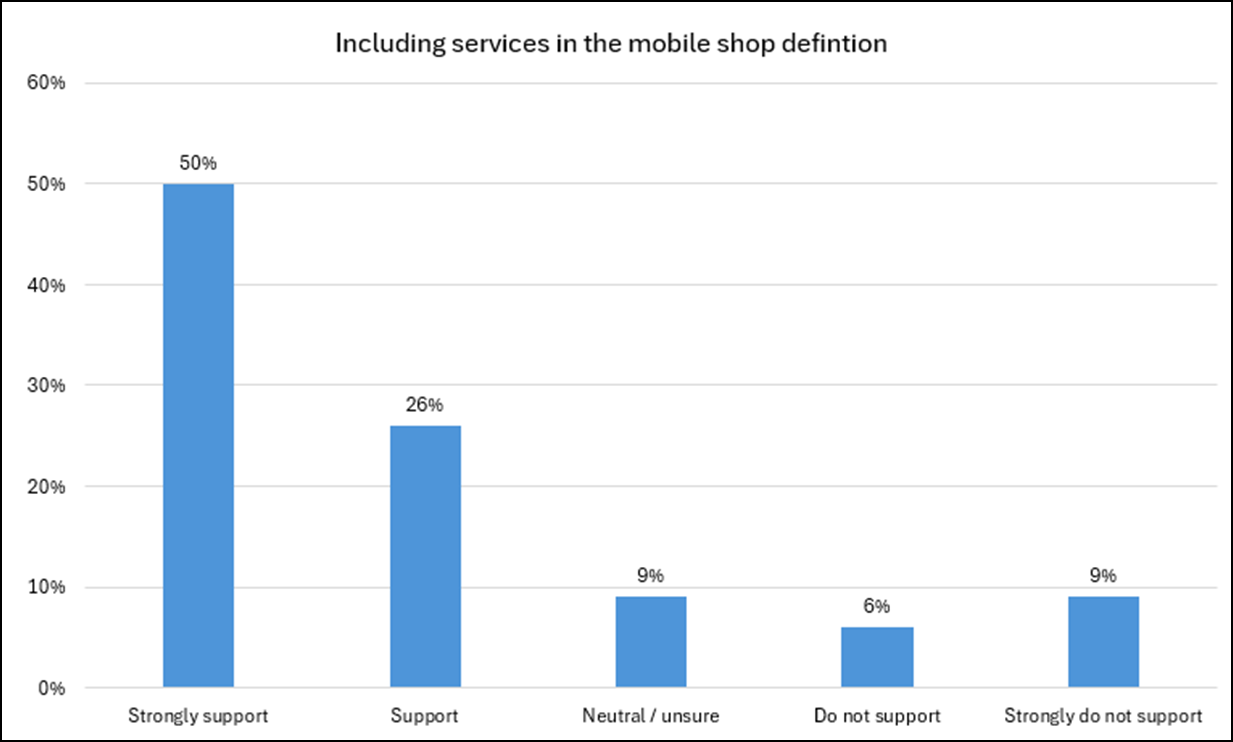
26. 74%
of the 73 submitters who commented supported allowing businesses to use a
standard 1.5 square metre area without a licence, highlighting benefits such as
added vibrancy, stronger hospitality and retail activity, and the city’s
outdoor culture.
27. However,
submitters also raised concerns about pedestrian accessibility and safety,
particularly for elderly people and those with disabilities, alongside existing
congestion and limited enforcement, and differing views on whether the proposed
area was too small.
Chart Two: Support for use of footpath for street
dining & commercial display (73 submissions) 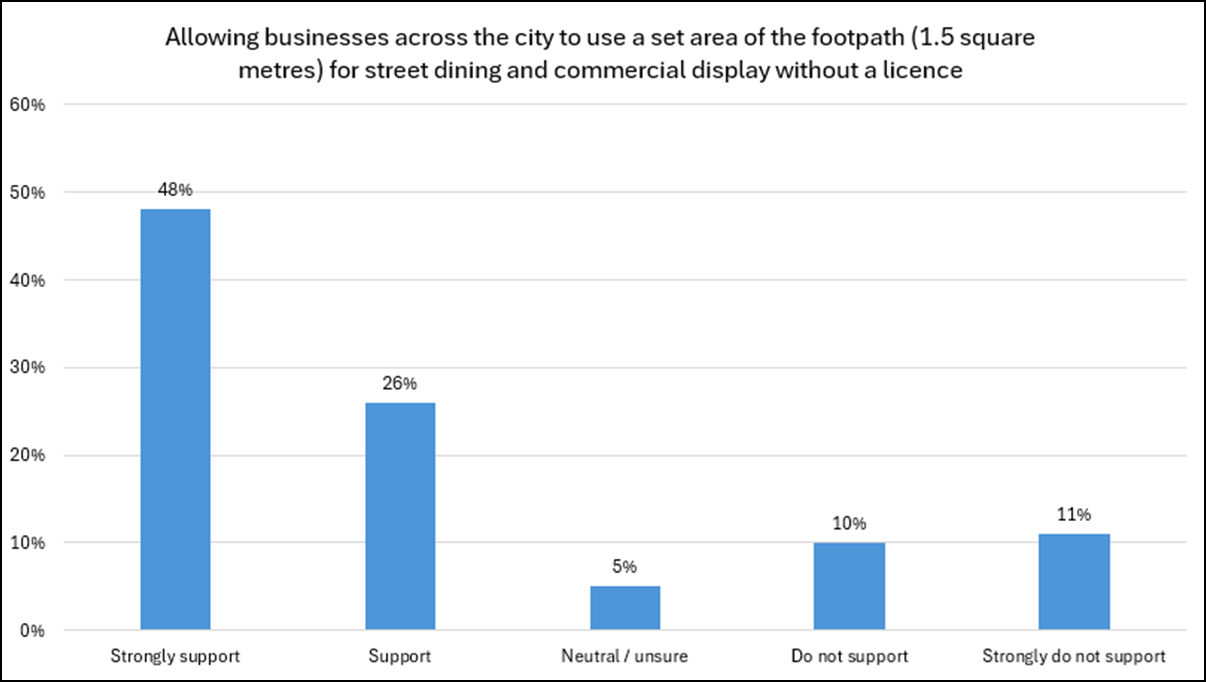
28. Some
submitters also noted their opposition to businesses being charged for the use
of the footpath and one said they should be charged for using public spaces.
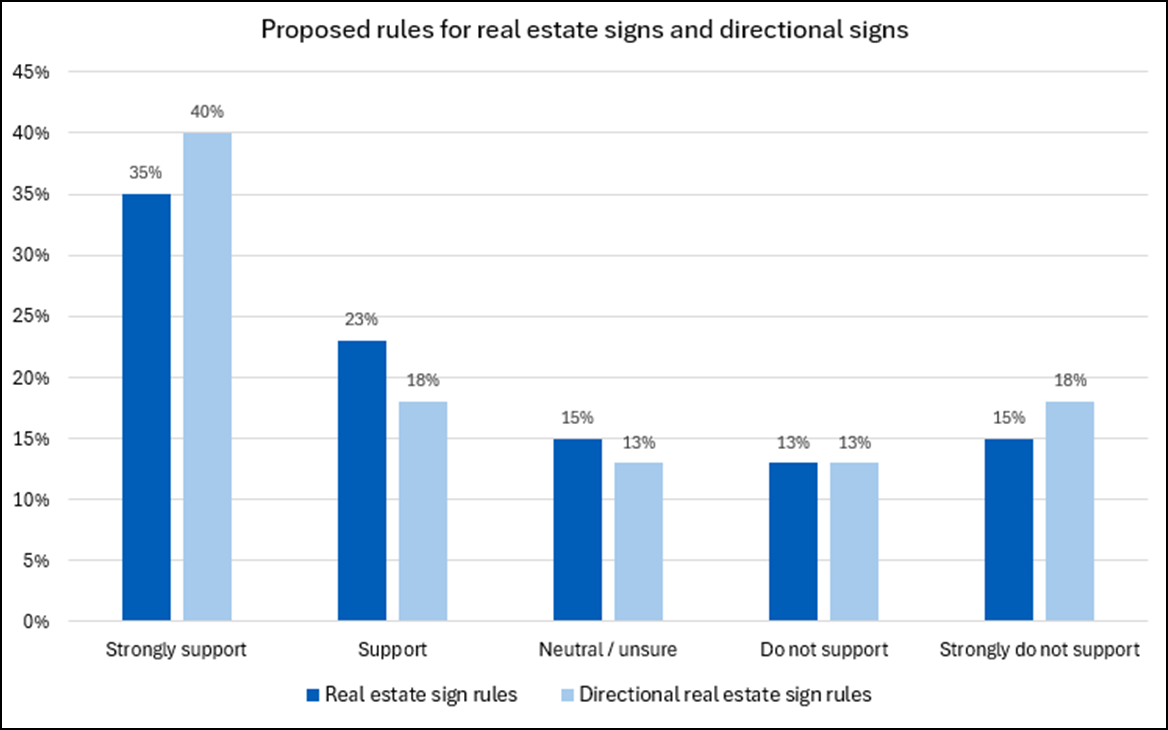
29. Of
the 40 submitters who commented, 58% supported the proposed limits on real
estate signs (covering sole‑agency, multi‑agency and open‑home
signage) and the same proportion supported the proposed cap of four directional
signs.
30. Supporters
highlighted reduced visual clutter, improved safety, and greater fairness
between agencies. However, some submitters were concerned that the restrictions
could reduce marketing effectiveness, while others either wanted fewer signs
(including a complete ban) or more flexibility, such as additional directional
signs for open homes. Several submitters also noted the need for clearer
definitions and size limits.
Chart Three: Support for proposed real estate sign
rules (40 submissions)
31. The SPCA’s submission
asks Council to prohibit setting off fireworks in public places unless approval
has been granted by the council to reduce harm to animals, prevent fire risks
and improve public safety.
32. Regulating fireworks was not
included in the Statement of Proposal and draft bylaw that was consulted on.
Under sections 82 and 156 of the LGA, Council cannot make a significant change
to a proposal after consultation without providing the community with the
opportunity to provide feedback on that change. A prohibition on fireworks in
public places is a substantive policy decision and therefore falls within this
requirement. If Council wishes to consider introducing a prohibition on
fireworks in public places, this will require additional consultation through a
Special Consultative Procedure.
33. Submitters also raised a range
of additional issues, including:
· safety
concerns about electric scooters and bikes on footpaths, with calls for
enforcement or speed limits
· dog
and cat related issues, such as dogs off-leash and leaving waste in public
spaces
· concerns
about homelessness and nuisance behaviour
· parking
concerns and a recommendation for a pedestrian only zone in Mount Maunganui
· requests
for public notice boards for community events and more opportunities for
commercial activities
34. These matters have either will
be considered through other bylaw reviews, operational process or upcoming
policy reviews (see Attachment Five).
Statutory Context
35. The ability for Council to make
a bylaw comes from the Local Government Act 2002 (LGA), the Health Act 1956 and
the Litter Act 1979.
36. Proposed amendments to the
bylaw include making both the pedestrian way and mobile shop provisions under
the Land Transport Act 1998 (LTA) in addition to the LGA due to the ability to
issue infringement fees under this legislation. Any bylaw made under the LTA
must be sent to the Minister, who may at any time disallow the bylaw or any
part of it.
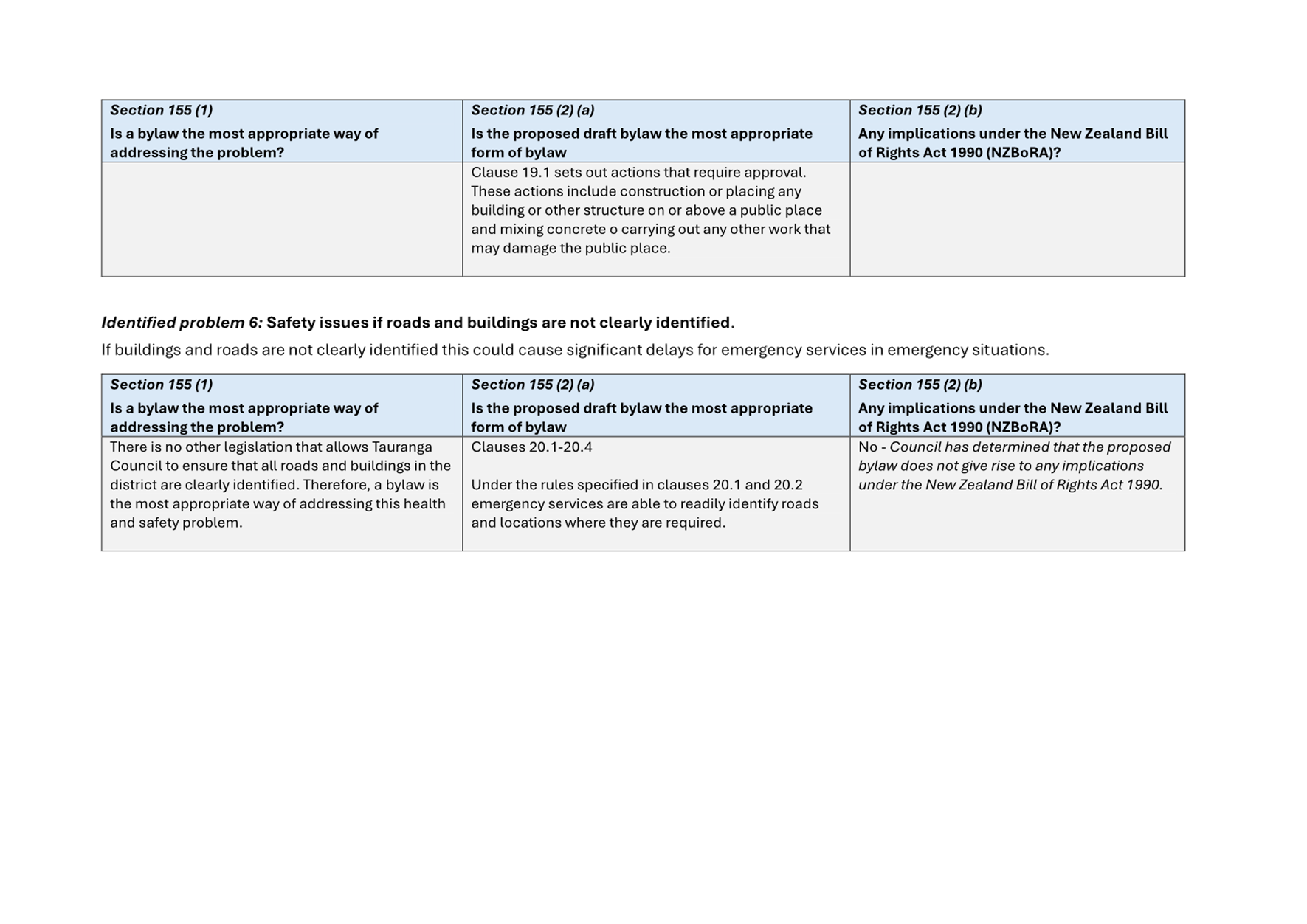
37. Section 155 of the LGA sets out
that Council must determine whether a bylaw is the most appropriate and
proportionate way of addressing the perceived problem and does not give rise to
any implications under the New Zealand Bill of Rights Act 1990. This analysis
is presented in Attachment Four.
STRATEGIC ALIGNMENT
38. This contributes to the
promotion or achievement of the following strategic community outcome(s):
|
Contributes
|
|
We are an inclusive city
|
ü
|
|
We value, protect and enhance the environment
|
ü
|
|
We are a well-planned city that is easy to move
around
|
ü
|
|
We are a city that supports
business and education
|
ü
|
|
We are a vibrant city that embraces
events
|
ü
|
39. The draft bylaw aligns with all
five community outcomes. It contributes to:
· an
inclusive city by ensuring public access and enjoyment of public spaces
· valuing,
protecting and enhancing the environment by setting rules around pollution and
damage of public places including trees and plants
· a
well-planned city that is easy to move around by setting rules for street
dining furniture, signage and trading in public places including mobile shops,
protecting pedestrian access, regulating footpath use, prohibiting the unsafe
use of skateboards and scooters and ensuring visibility and safety around
intersections and crossings
· being
a city that supports business and education by allowing business signs, retail
display, mobile shops and street dining to support commercial activity
· being
a vibrant city that embraces events by providing an approval process for events
on Council land and enabling street performances.
Options Analysis
40. For the matters consulted on
(mobile shop definition, footpath use by businesses and real estate sign rules)
on, the majority of submitters supported the draft approach, and those who
opposed it did not raise any new issues that had not already been considered.
Accordingly, the issues and options analysis contain in the original
report (item
11.5 Street Use and Public Places Bylaw Review: issues and Options )
remains valid and is not repeated here.
41. In addition, some submitters
raised other matters relating to real estate signage, specifically regarding
the permissible size of signs and the duration that open home and auction signs
may be displayed. These issues have been assessed under the ‘Other
matters relating to real estate signs’ section, which sets the options,
associated advantages and disadvantages, and a recommended approach.
42. The issue raised by the SPCA
regarding the regulating fireworks is addressed in the ‘Fireworks in
public places’ section. Direction is sought from Council on this matter.
43. Other issues and concerns
raised by submitters, that fall outside the scope of the bylaw review, were
considered but discounted after assessment, or are more appropriately addressed
through other bylaws or operational processes, are presented in Attachment
Five.
Other matters regarding real estate signage
44. The current bylaw allows real
estate signs to be placed outside the property being sold and requires their
removal within two weeks of the sale. It also permits open home and auction
signs to be displayed three hours prior to the event. However, the current
bylaw does not specify a limit on the number of signs permitted or provide for
directional real estate signs.
45. The draft bylaw included
definitions for real estate signs and directional real estate signs and set
limits on the number of each that may be displayed. As above (paragraph 40)
staff recommend Council adopt these provisions.
46. Some submitters highlighted the
need for maximum dimensions and the permitted times for auction/open home signs
to be specified in the bylaw.
‘The changes need to reiterate the times they are
permitted to be out eg day of the open
home only not all weekend and half the next week as is often the
case’
‘I think there also needs to be a size restriction for the
proposed one real estate sign.’
47. Council staff recommend
applying the same maximum dimensions as those currently used for business
signs. This ensures safety and consistency. Staff also recommend limiting the
display of auction or home open signs to the day of the open home or auction. This
aligns with the duration permitted for directional real estate signs in the
draft bylaw and provides greater clarity.
Issue One: Real estate
signage dimensions and duration of open home/auction signs
|
Options
|
Advantages
|
Disadvantages
|
|
Option 1A: No
amendment to the draft bylaw
|
· No
change for businesses.
· Allows
agents flexibility to choose sign size.
|
· Risk
of visual clutter or inconsistent sign size and signs remaining for longer
periods reducing amenity values.
· Potential
safety implications.
· Inconsistent
with the approach for business signs where a size limit is specified.
· Potential
for increasing sign sizes for competitive reasons.
· Does
not respond to the issues raised by submitters.
|
|
Option 1B: Amend the
draft bylaw by including:
· maximum sign dimension requirement 1200mm high x 800 mm
for real estate signs.
· open home and auction signs may only be displayed on the
day of the open home or auction.
Note: The proposed dimensions are equivalent to the
maximum dimensions for business signs set out in the current bylaw.
Recommended
|
· Reflects feedback from submitters on the need for size
specifications and duration limits.
· Reduces visual clutter and helps maintain amenity values.
· Supports pedestrian and road safety by minimising large
signage.
· Consistent maximum size dimensions for both business
signs and real estate signs.
· Provides consistency between the duration rules for
directional reals estate signage and open home/auction signs.
· Allows more time for open day and auction signs to be
displayed than in the current bylaw (3 hours prior and up until end of the
open home/auction).
|
· Could be viewed as overly restrictive.
· Decreased flexibility for agents to choose sign size.
|
Adoption of draft bylaw
48. The recommended option above
has been incorporated into the bylaw proposed for adoption.
Issue Two: Adoption of
the bylaw
|
Options
|
Advantages
|
Disadvantages
|
|
Option 2A: Do
not adopt the draft bylaw.
|
· No
change for businesses.
|
· No
updates from the outcome of the review will be reflected in the bylaw.
· Most
submitters support the proposed change indicating low support of the status
quo.
· The
bylaw cannot use Land Transport Act infringement fees to support compliance
of mobile shops.
· A
further review will be legally required to be undertaken in 2028.
|
|
Option 2B: Adopt the
draft bylaw with the following amendments:
· a maximum sign dimension requirement 1200mm high x 800 mm
wide.
· open home and auction signs may only be displayed on the
day of the auction or event.
Recommended
|
· Most submitters support the proposed changes.
· Allows for infringement fees under the Land Transport Act
to be applied to help improve compliance.
· The proposed bylaw includes clearer language, updated and
new definitions, and includes a contents page and explanatory notes to
support interpretation.
· Helps maintain safety and amenity values by setting a
clearer rule for real estate signage.
|
· Requires administrative changes and may have
implementation costs.
· May result in additional costs for businesses in non LTO
zones that wish to use space beyond the set area allowance.
|
Fireworks in public places
49. The regulation of fireworks,
raised by the SPCA has been included as an option for Council to consider
because it reflects increased community concern and ongoing feedback to
Council.
50. Regulation of fireworks has
been raised with council in past submissions, complaints, and consultation
processes. It has also been raised by the public at national level, including
recent petitions to Parliament calling for tighter controls, signalling growing
interest in reducing harm associated with fireworks.
51. Other councils (including
Auckland, Wellington, and Hamilton) already have stronger regulatory
approaches, including bans on fireworks in public places such as beaches,
reserves, and sports fields.
52. The table below outlines the
advantages and disadvantages of regulating fireworks in public places. It is
recommended Council consider prohibiting fireworks in public places. If Council
decides to propose proceeding with a prohibition, further community consultation
will be required.
Issue Three: Fireworks
in public places
|
Options
|
Advantages
|
Disadvantages
|
|
Option 3A: Retain
current approach for fireworks - not prohibited in public places by the
bylaw.
(Status quo)
|
· Retains
scope for traditional celebrations and community practices.
· Avoids
any potential delays to the bylaw and additional consultation costs.
· Does
not require additional enforcement responsibilities.
· Prevents
any displacement to private property.
|
· Does
not address safety, and nuisance concerns.
· Does
not respond to growing concern about safety, nuisance and environmental
impacts associated with fireworks.
· Continued
impact on animals and people, particularly those with sensory sensitivities
and young children.
· Inconsistent
with regulatory approaches in other metro councils (Auckland, Hamilton,
Wellington and Christchurch).
· Does
not address the costs of the damage caused by fireworks.
|
|
Option 3B: Propose
to prohibit setting off fireworks in public (as defined by the draft bylaw[2])
places without approval from the council.
Directs staff a prepare a draft amendment to the bylaw prohibiting
fireworks in public places.
Note: Any
community consultation would be undertaken during the first quarter of the
new financial year. This would allow any potential changes to be put in place
through a bylaw amendment before fireworks can be sold from 2 November to 5
November 2026.
Recommended
|
· Reflects growing concern about safety, nuisance and
environmental impacts associated with fireworks.
· Provides for the opportunity for the community to give
feedback.
· Potential to reduce costs associated with fireworks
damage (playgrounds, bins, vegetation, and wildlife harm).
· Reduces fire risk and noise disturbance.
· Potential to reduce fireworks injuries.
· Aligns with the approach in Hamilton, Auckland and
Wellington.
|
· May limit traditional celebrations and restrict community
practices.
· Could be seen as overly restrictive and that responsible
users are punished for the behaviour of a minority.
· May result in more fireworks on private property which
could be less safe or more densely built up.
· Enforcement challenges and greater demands on enforcement
officers.
|
Financial Considerations
53. The financial considerations
are dependent on the fees associated with the approval process required under
the proposed bylaw. These fees will be considered in the fees and charges
process for the next financial year.
54. The cost of consulting on the
proposed bylaw amendment on fireworks will be funded from the existing policy
and bylaws budget.
Legal Implications / Risks
55. There is a risk that the
proposed changes to the bylaw could be perceived negatively by businesses and
the wider community.
56. There are legal implications if
Council considers changing the rules on fireworks on public places without
community consultation.
TE AO MĀORI APPROACH
57. The
review of the bylaw reflects the principles of Manaakitanga by
supporting considerate and respectful use of public spaces, with a focus on
community wellbeing. It also aligns with Kaitiakitanga by encouraging
care for shared environments and community assets. The bylaw provides guidance
for how certain activities are managed in public places, helping to ensure they
are carried out appropriately and in ways that minimise disruption to others.
58. The proposed amendment to the
mobile shop definition enables traditional Māori healing practices such as
mirimiri[3]
and romiromi[4]
to be offered from mobile shops. This responds to feedback from Te Rangapū
and supports Māori-led enterprise.
CLIMATE IMPACT
59. There are no direct or specific
climate change impacts resulting from considering the options in the bylaw
review. However, the bylaw itself provides an important regulatory tool to help
protect environmental assets in public spaces, in particular trees and other
vegetation, that help contribute to climate resilience.
Consultation / Engagement
60. Consultation was carried out of
the draft bylaw in accordance with the Local Government Act 2002. Further
consultation will be required if Council wish to consider prohibiting fireworks
on public places.
Significance
61. The Local Government Act 2002
requires an assessment of the significance of matters, issues, proposals and
decisions in this report against Council’s Significance and Engagement
Policy. Council acknowledges that in some instances a matter, issue,
proposal or decision may have a high degree of importance to individuals,
groups, or agencies affected by the report.
62. In making this assessment,
consideration has been given to the likely impact, and likely consequences for:
(a) the current
and future social, economic, environmental, or cultural well-being of the
district or region
(b) any persons who are likely to be
particularly affected by, or interested in, the decision.
(c) the capacity of the local authority
to perform its role, and the financial and other costs of doing so.
63. In accordance with the
considerations above, criteria and thresholds in the policy, it is considered
that the decision is of medium significance.
ENGAGEMENT
64. Taking into consideration the
above assessment, that the issue is of medium significance, and consultation
has been undertaken on the draft bylaw, officers are of the opinion that no
further engagement is required prior to Council making a decision.
65. However, any decision on the
issue of fireworks will require consultation. Staff considered the option of
delaying the adoption of the bylaw until Council made a decision on fireworks
and any resulting consultation had taken place, but this option was discounted
because it would delay unrelated provisions of the bylaw. Conducting separate
consultation on fireworks also allows for more focused engagement solely on
this issue.
Next Steps
66. If Council adopts the bylaw, it
will be sent to the Minister of Transport in accordance with the Land Transport
Act. The Minister may, at any time disallow the bylaw or any part of it.
67. If adopted, the bylaw would
come into effect on the 1 July 2026. This effective date allows time for the
approval process and associated fees for footpath use beyond the standard 1.5
square metres to be established and also provides for any changes that may be
required as a result of the Minister of Transport’s review.
68. If Council decides to consider
prohibiting fireworks public places, staff will prepare an amendment to the
bylaw. This will be presented to Council for approval, with the intention that
consultation occurs in the new financial year so that any potential changes can
be in place before fireworks can be sold from 2 November to 5 November 2026.
Attachments
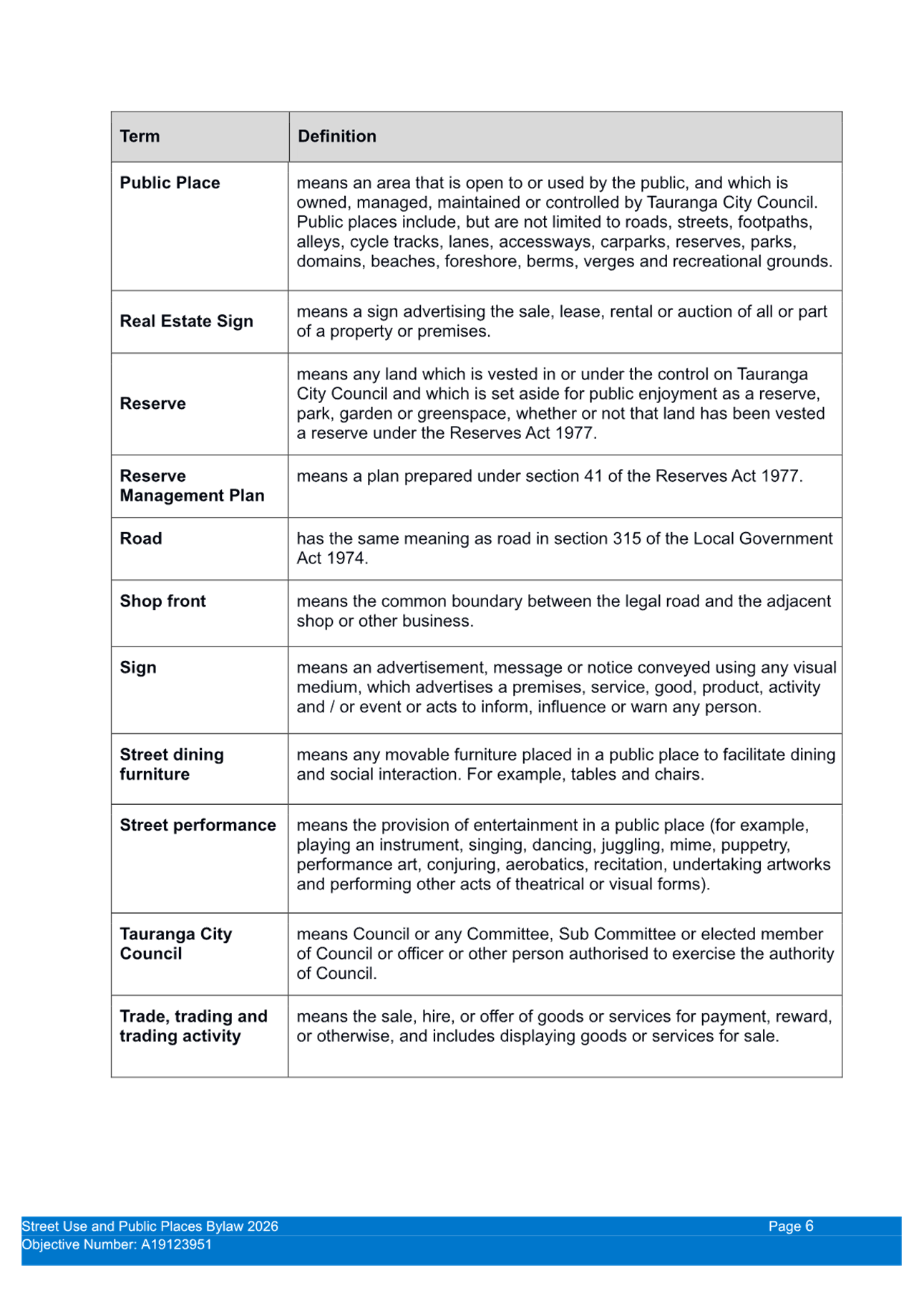
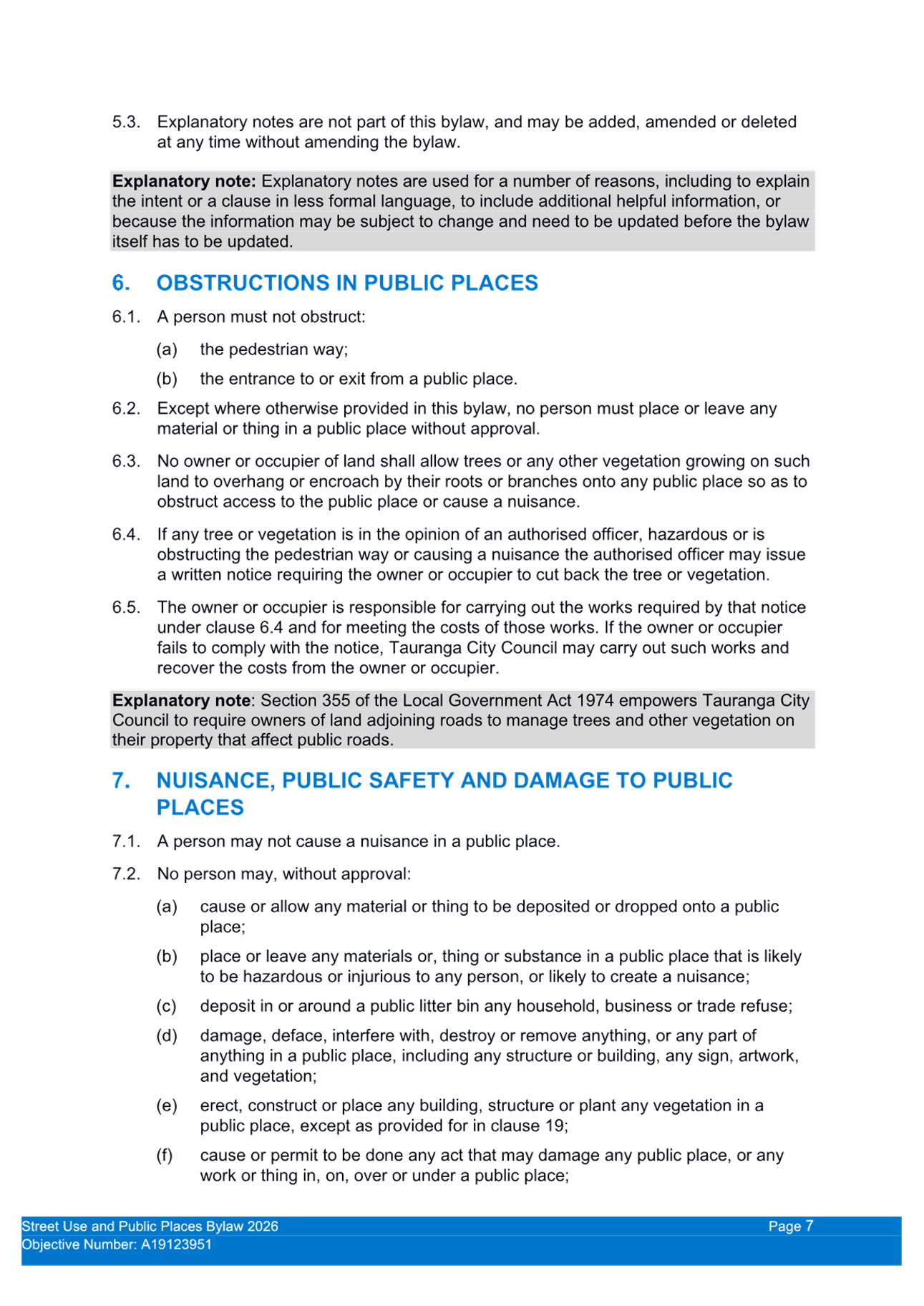
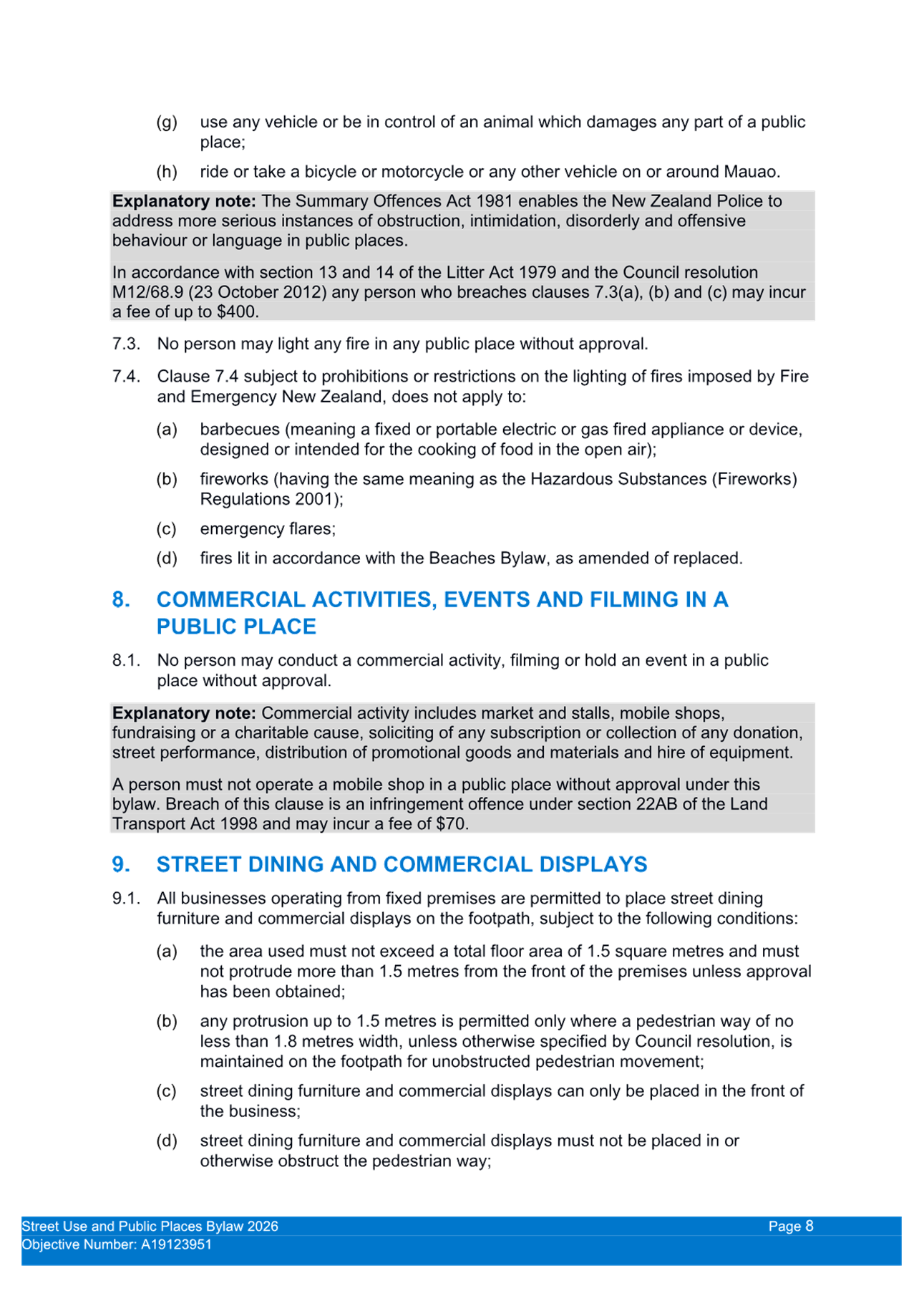
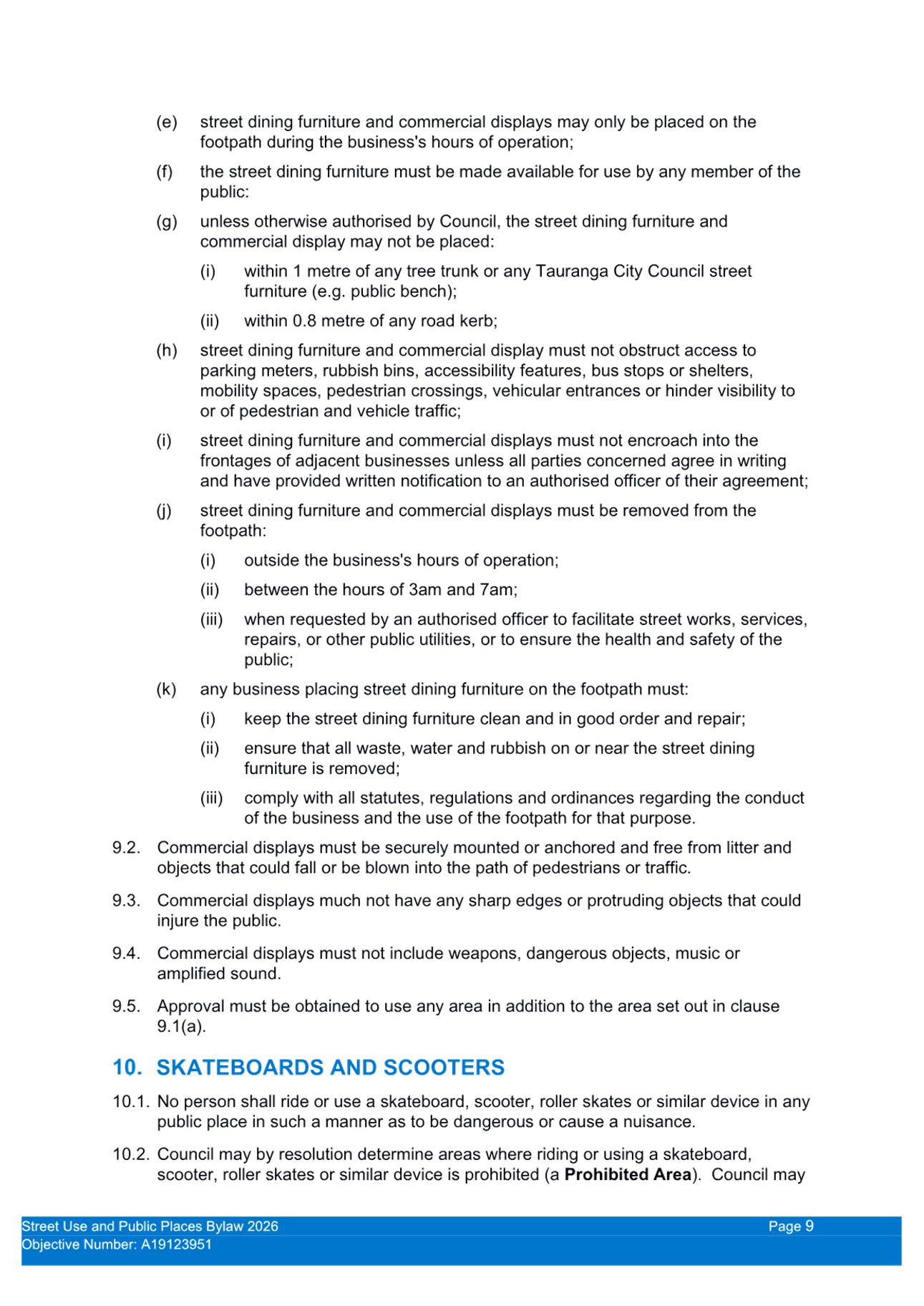
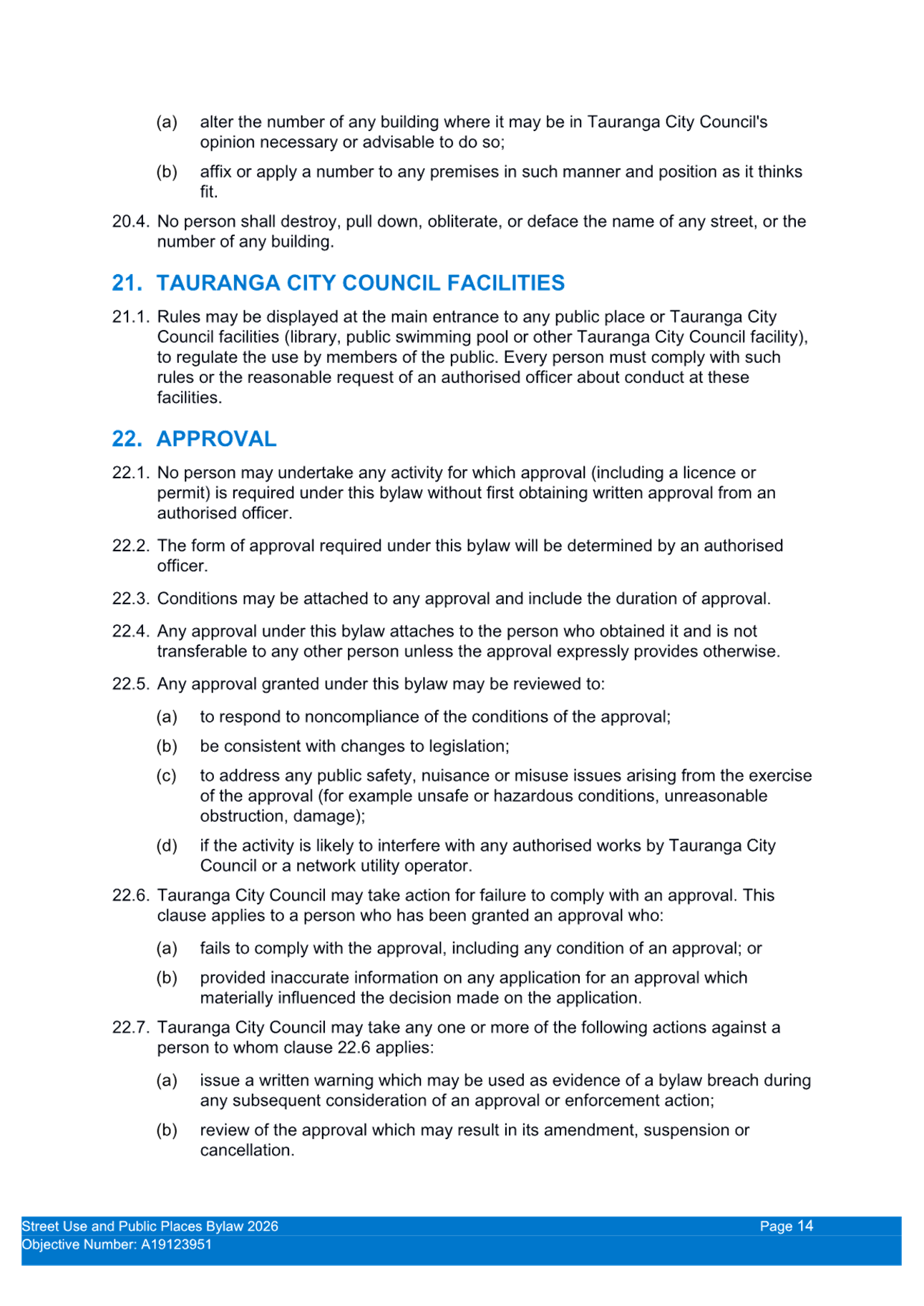
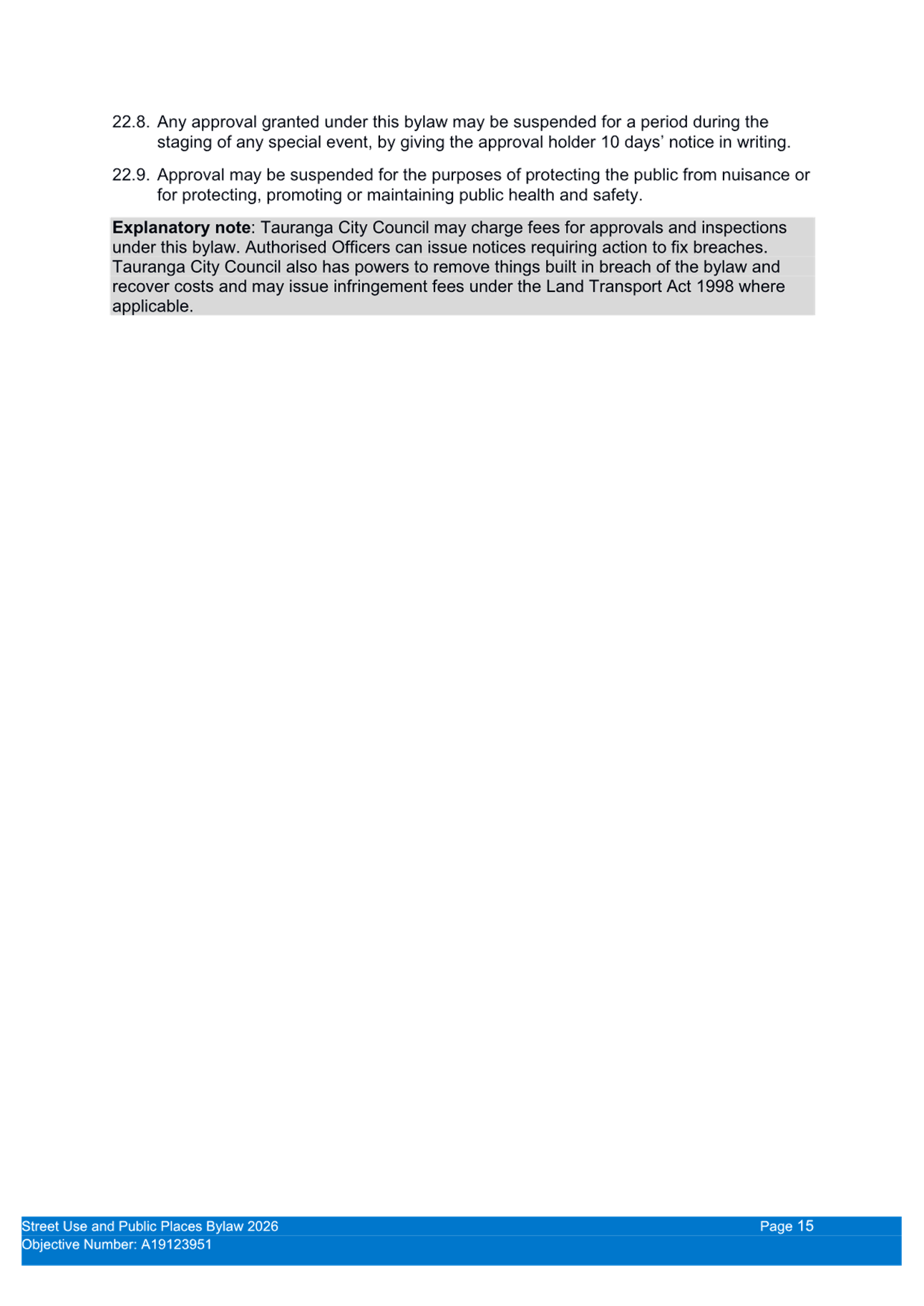
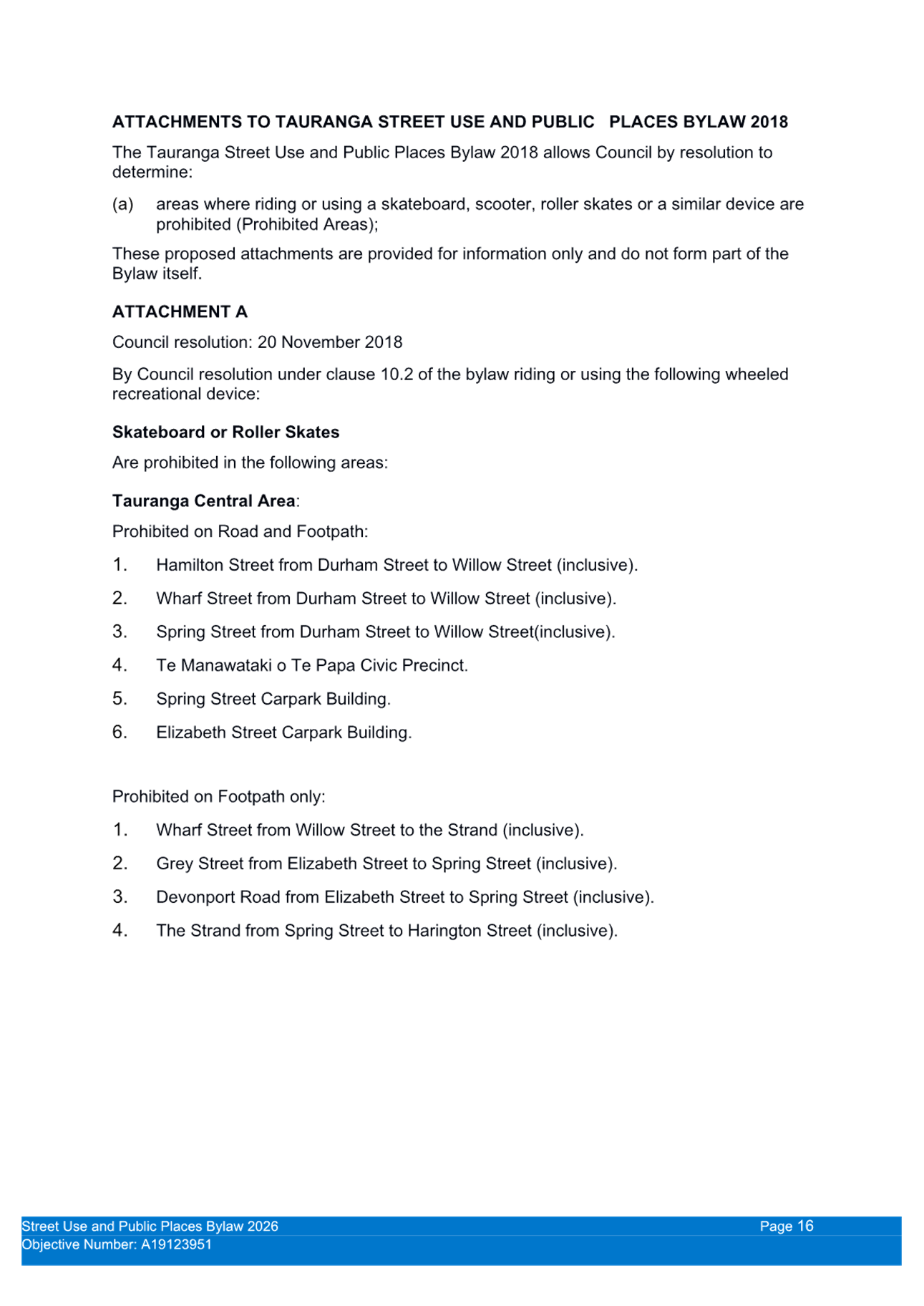
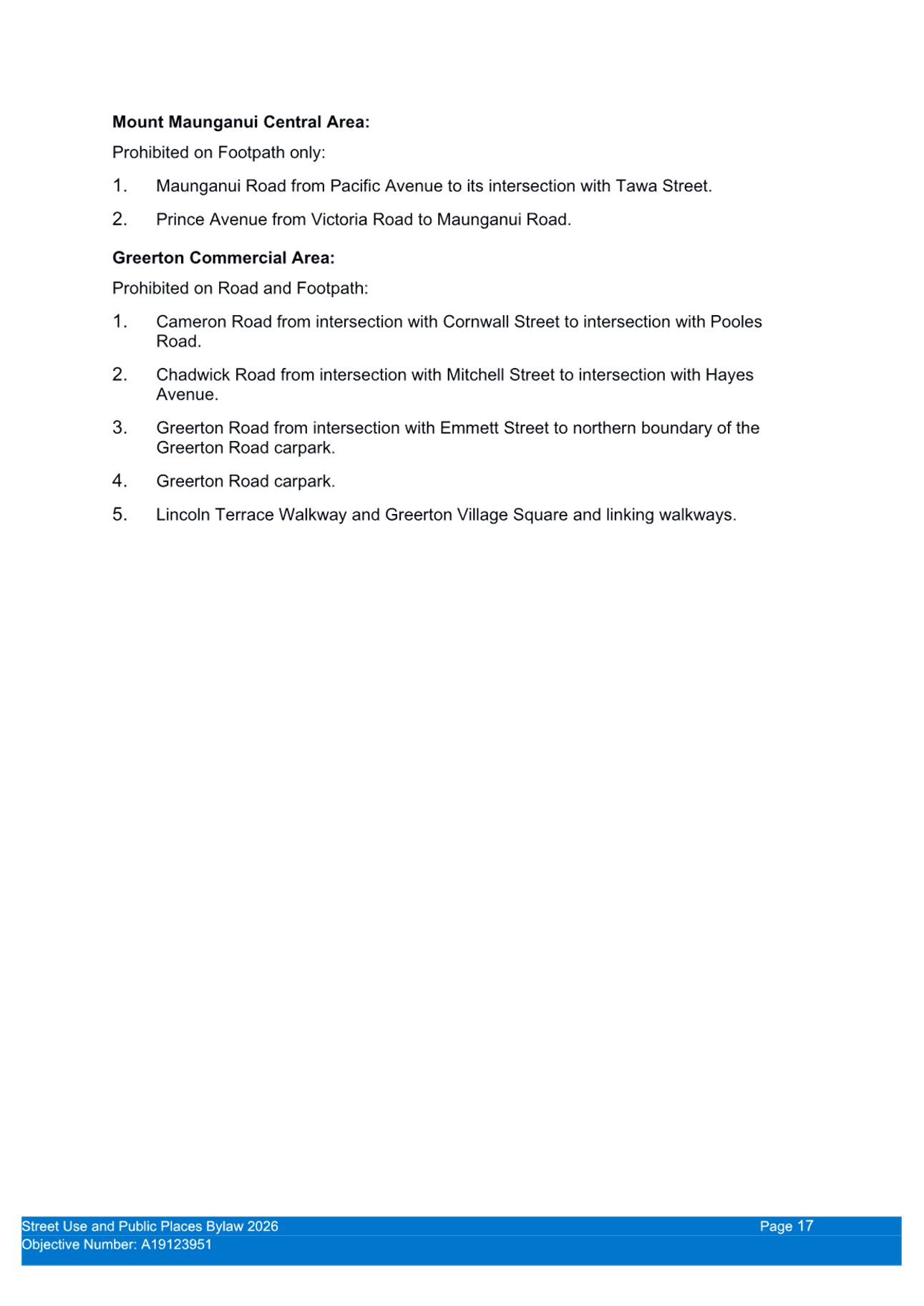
1. Proposed
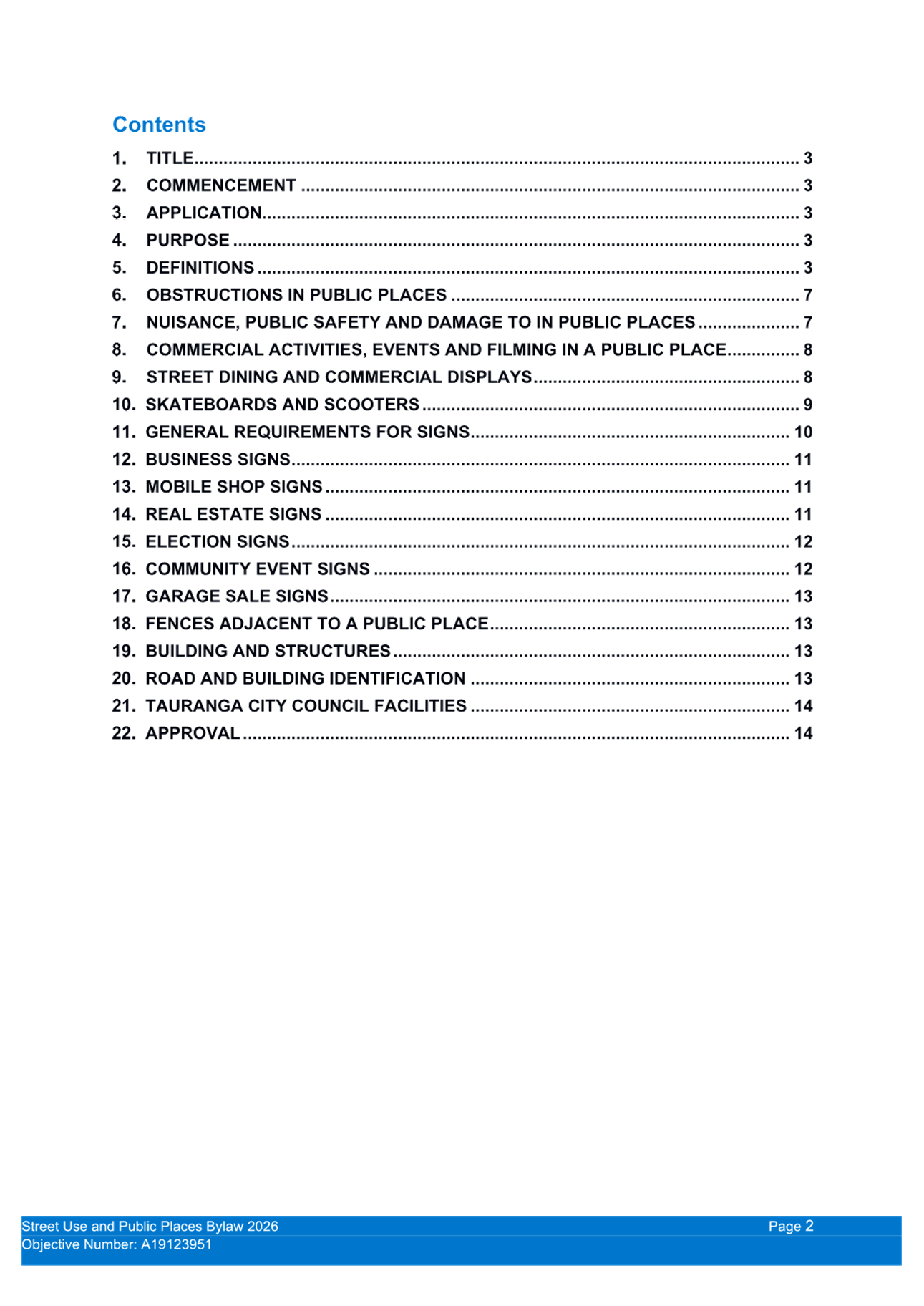
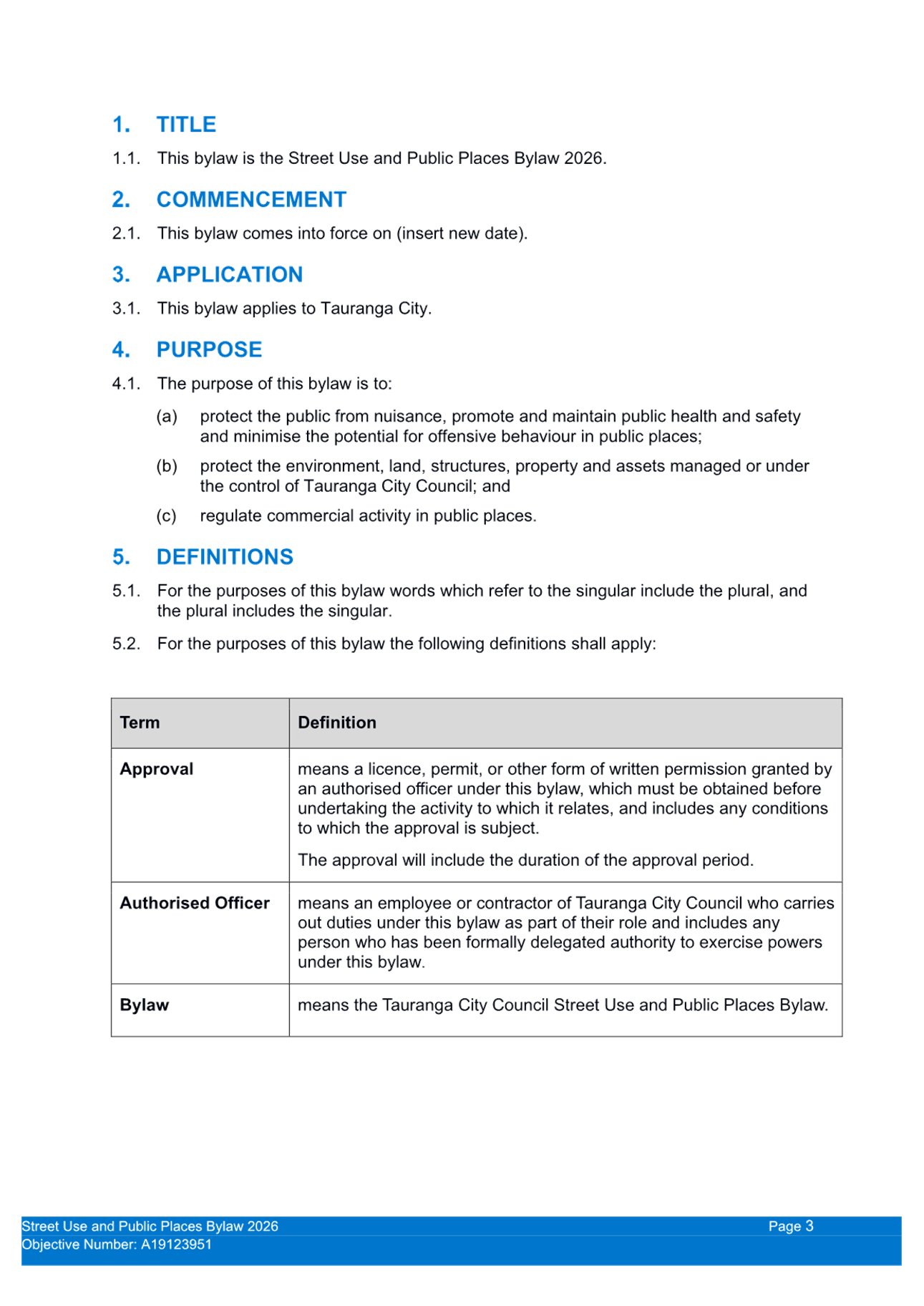
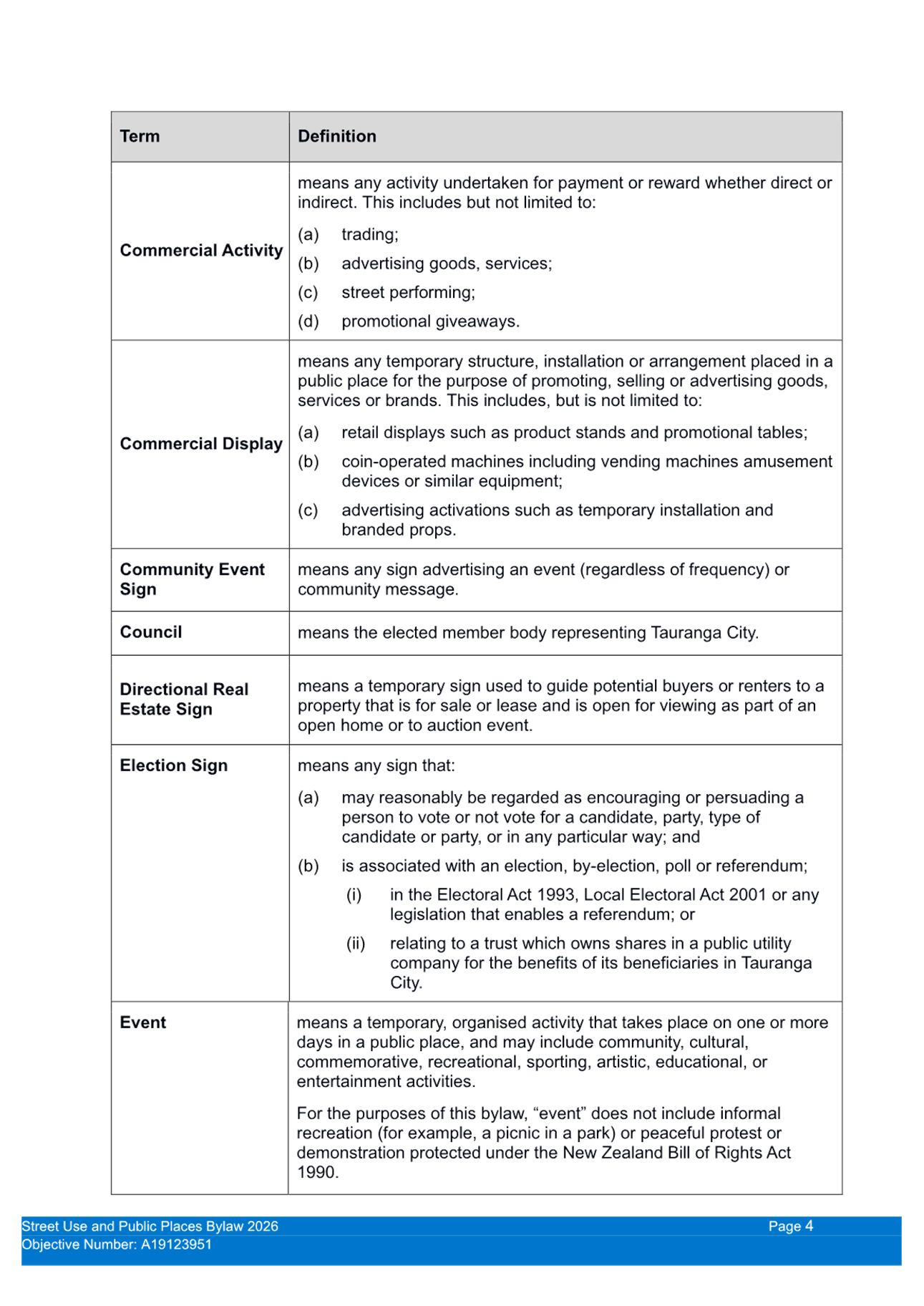
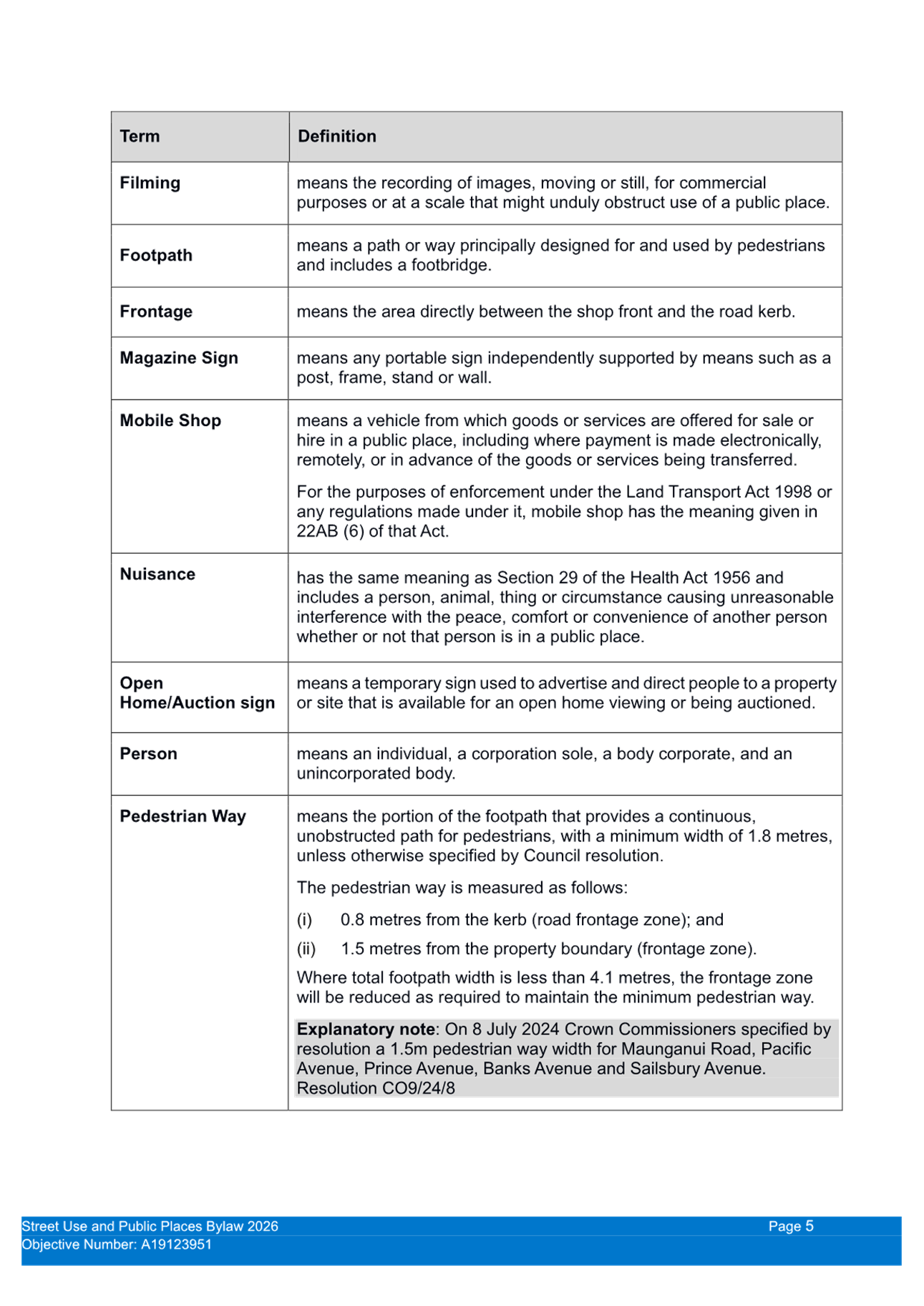
Street Use and Public Places Bylaw 2026 - A19123951 ⇩ 
2. Submissions
on the draft Street Use and Public Places Bylaw - A19688645 ⇩
3. Submission
summary - A19596195 ⇩
4. Section
155 Analysis - A18993609 ⇩
5. Responses to
other issues raised by submitters - A19767443 ⇩
|
Ordinary
Council meeting Agenda
|
3
March 2026
|
|
Ordinary
Council meeting Agenda
|
3
March 2026
|


|
Ordinary
Council meeting Agenda
|
3
March 2026
|
|
Ordinary
Council meeting Agenda
|
3
March 2026
|
|
Ordinary
Council meeting Agenda
|
3
March 2026
|
|
Ordinary
Council meeting Agenda
|
3
March 2026
|
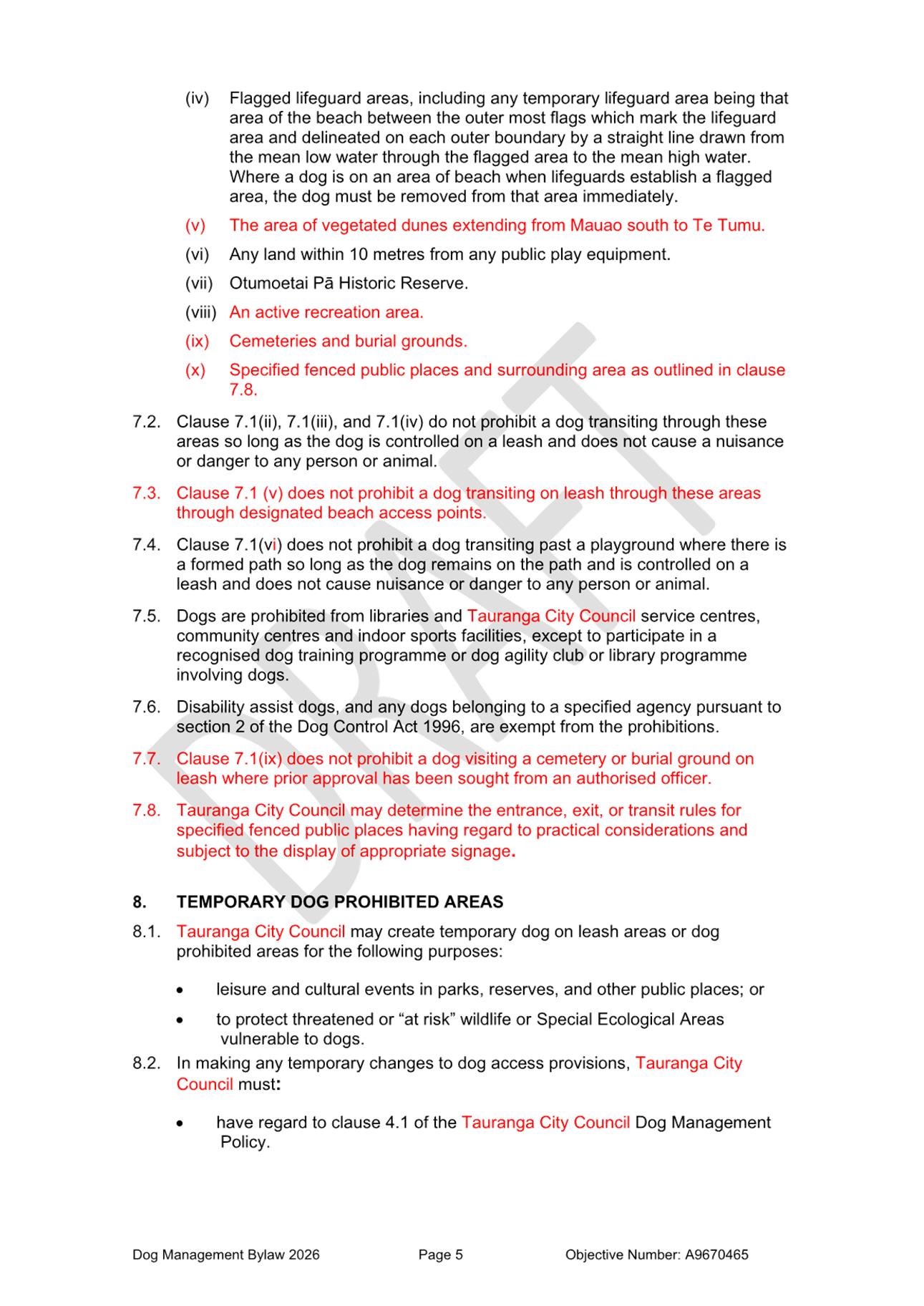
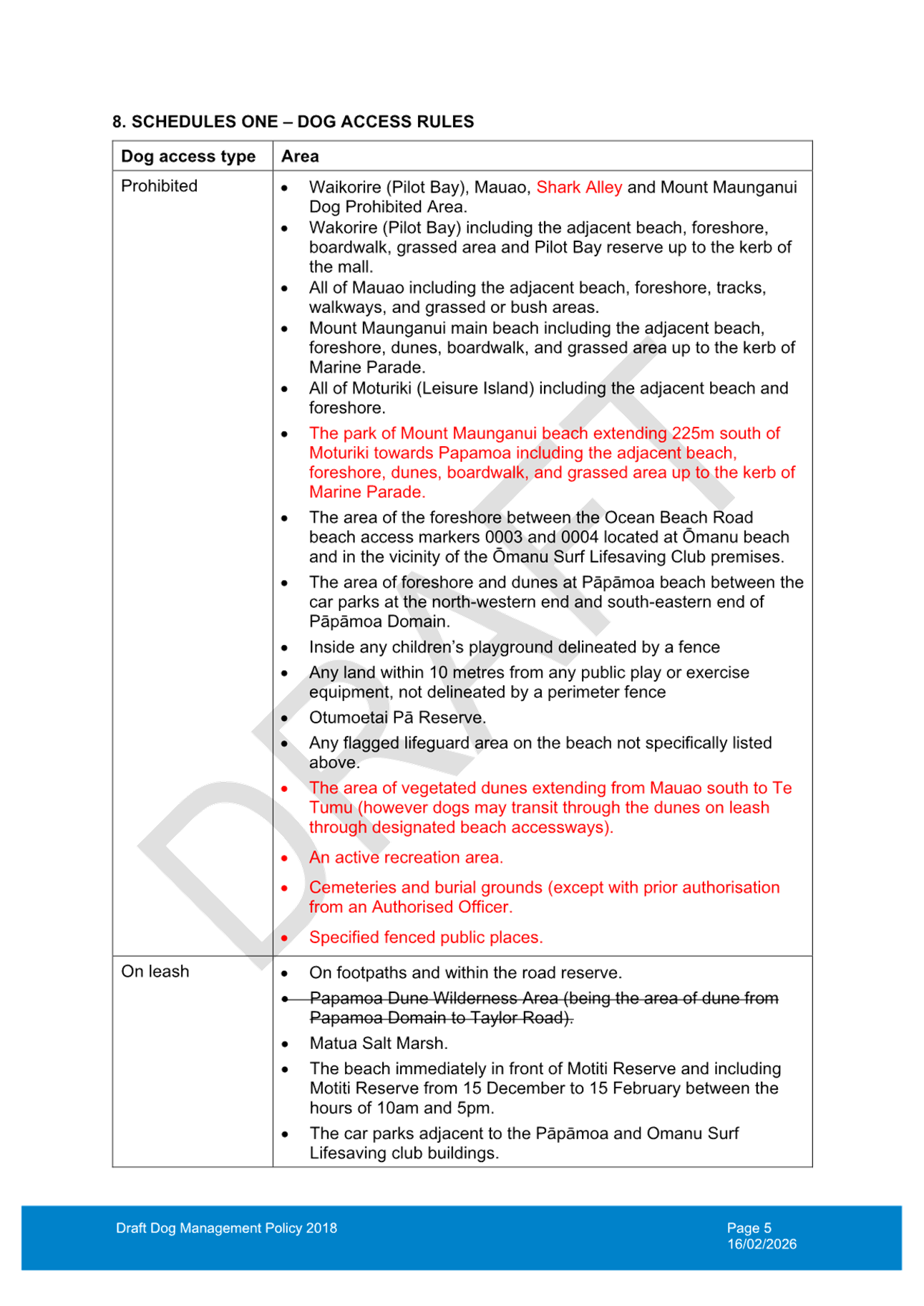
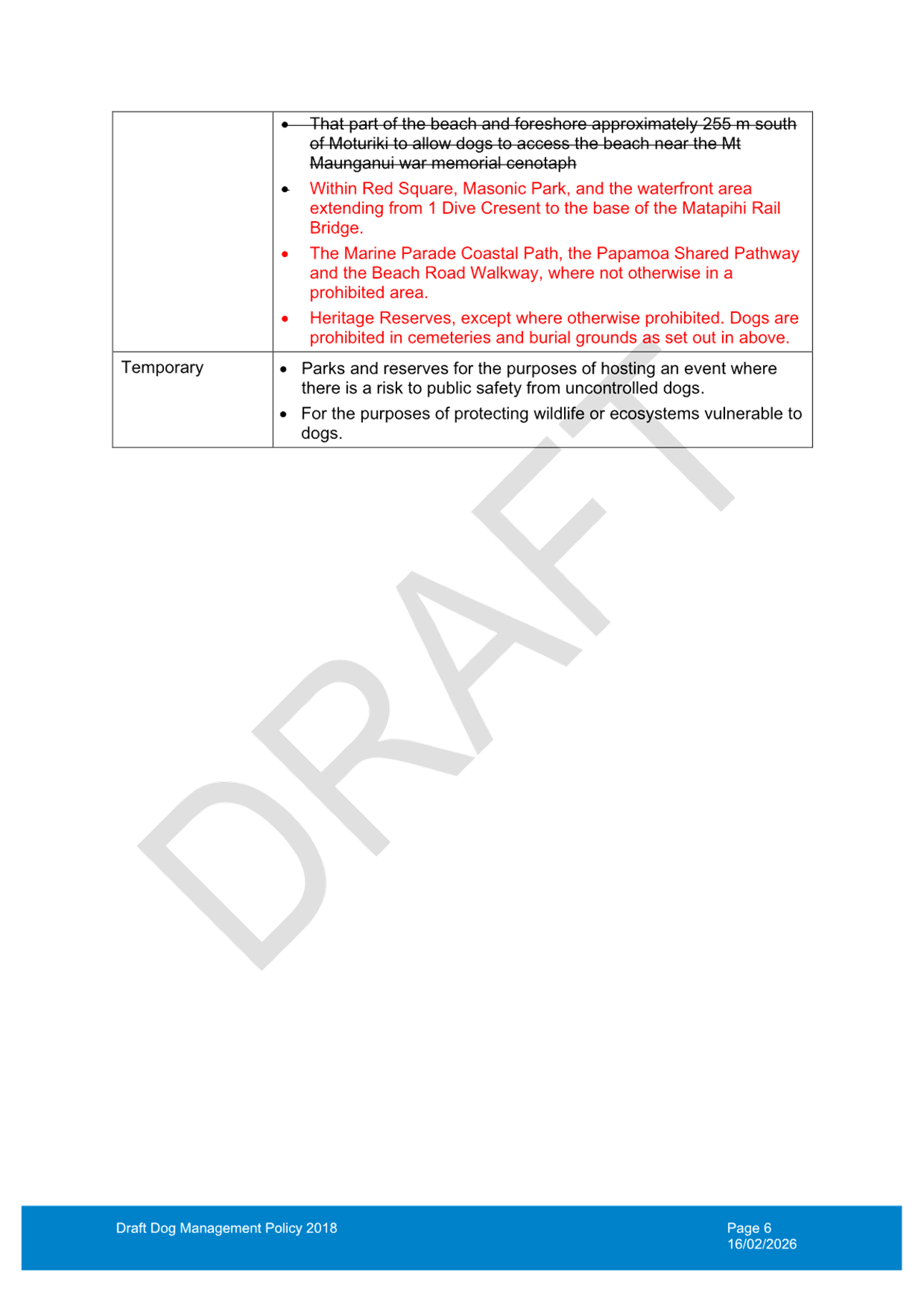
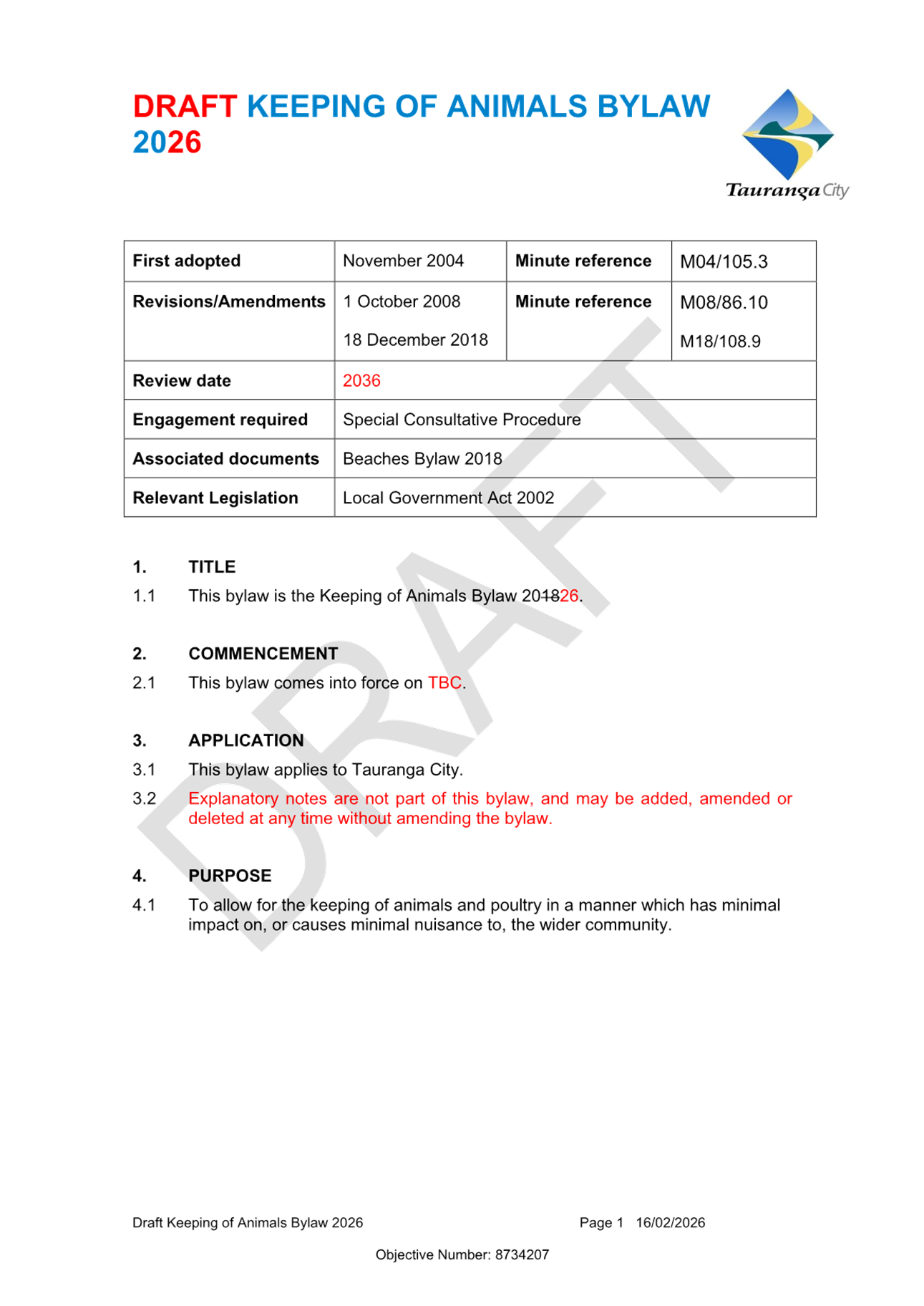
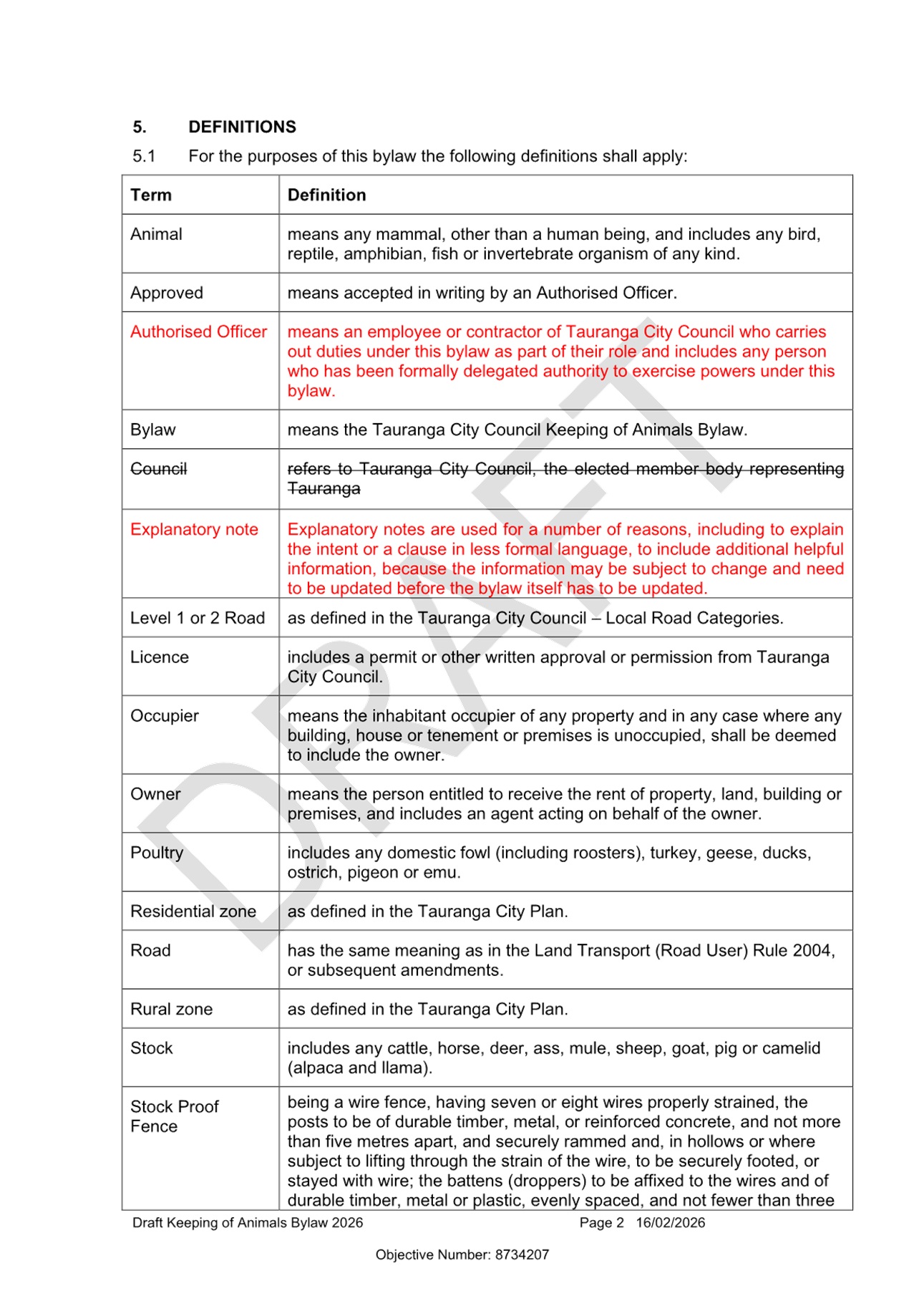
11.2 Draft Dog Management
Bylaw and Policy and Keeping of Animals Bylaw for adoption for consultation.
File
Number: A19522355
Author: Vicky
Grant-Ussher, Policy Analyst
Oscar Glossop, Team
Leader: Animal Services
Authoriser: Sarah
Omundsen, General Manager: Regulatory and Community Services
Purpose of the Report
1. Provide further direction
on certain issues and give approval to consult on the attached draft Dog
Management Bylaw and Policy and Draft Keeping of Animals Bylaw.
|
Recommendations
That the Council:
(a) Receives the report
"Draft Dog Management Bylaw and Policy and Keeping of Animals Bylaw for
adoption for consultation."
(b) Agree to the following
approaches to be included in the draft Bylaws, Policy and Statement of
Proposal for public consultation:
|
(i)
|
Issue 1 - Waterfront
Area
|
Option A -
Limit the leash restricted area to 1 Dive Cresent (the northern waterfront
park entrance) to the base of the Matapihi bridge.
|
|
(ii)
|
Issue 2
– Shark Alley boundaries
|
Option B - Add
dog restrictions to Shark Alley and encompass the adjacent dunes, grassed
area, boardwalk and greenspace up to the kerb of Marine Parade opposite 31
Marine Parade
|
|
(iii)
|
Issue 3
– areas fenced for accessibility and inclusion
|
Option C -
Prohibit dogs from specified fenced public places – fenced area, as
well as tailored rules for exit, entry and transit specific to each space.
|
|
(iv)
|
Issue 4
– beach accessways
|
Option A
– Require dogs to be on leash through designated beach accessways.
|
|
(v)
|
Issue 5
– Bee Regulation
|
Option B -
Remove the specific bee provision and instead use the new general powers
clause where this is necessary to manage bee issues.
|
(c) Agree to adopt for
consultation the attached draft Dog Management Bylaw (Attachment 1) and
Policy (Attachment 2) and draft Keeping of Animals Bylaw (Attachment 3) and
Statement of Proposal (Attachment 4).
(d) Resolves, in accordance with
section 155 of the Local Government Act 2002 (Attachment 5) that the draft
Dog Management Bylaw and draft Keeping of Animals Bylaw:
(i) are the most
appropriate ways to minimise danger, distress, and nuisance to the community
generally from dogs, and to protect public health and safety and minimise
nuisance from the keeping of animals
(ii) are the most
appropriate forms of the bylaw
(iii) are not inconsistent with
the New Zealand Bill of Rights Act 1990, noting that any implications are
considered reasonable and demonstrably justifiable in a free and democratic
society as they are necessary to protect public safety, amenity and the
rights of others using public places.
(e) Delegate to the General
Manager: Regulatory and Community Services authority to make any amendments
necessary to give effect to decisions in recommendation (b) and any minor or
typographic changes required prior to public consultation.
|
Executive Summary
2. On 29 October 2025
Council gave direction on several issues and options as part of the review of
the Dog Management Policy and Bylaw, and the Keeping of Animals Bylaw. Some
matters require further consideration and are set out in this report. These
include decisions on:
· the
waterfront leash area
· the Shark
Alley dog prohibited area
· the approach
to fenced public places provided for accessibility and inclusion
· rules
to transit dogs through coastal dunes.
The
report also provides further information on the Waikareao Wildlife Refuge.
3. Following the 29
October Council meeting, a fatality related to roaming dogs in Northland has
resulted in central government asking for urgent advice on dog control
legislation. As yet no changes have been proposed, but council staff will continue to monitor the issue throughout the bylaw review
process.
4. Whilst
Tauranga City Council dog related incidents have been largely static over the
period of the bylaw, several changes are proposed in the bylaw to reduce the
risk of dog attacks. This includes changes to the number of dogs that may be
kept on a property, and changes to dog rules to better protect the public in
community spaces. As part of the review process Council also agreed to review
the resourcing of education and enforcement in the upcoming Long-Term Plan.
5. Since the 29 October
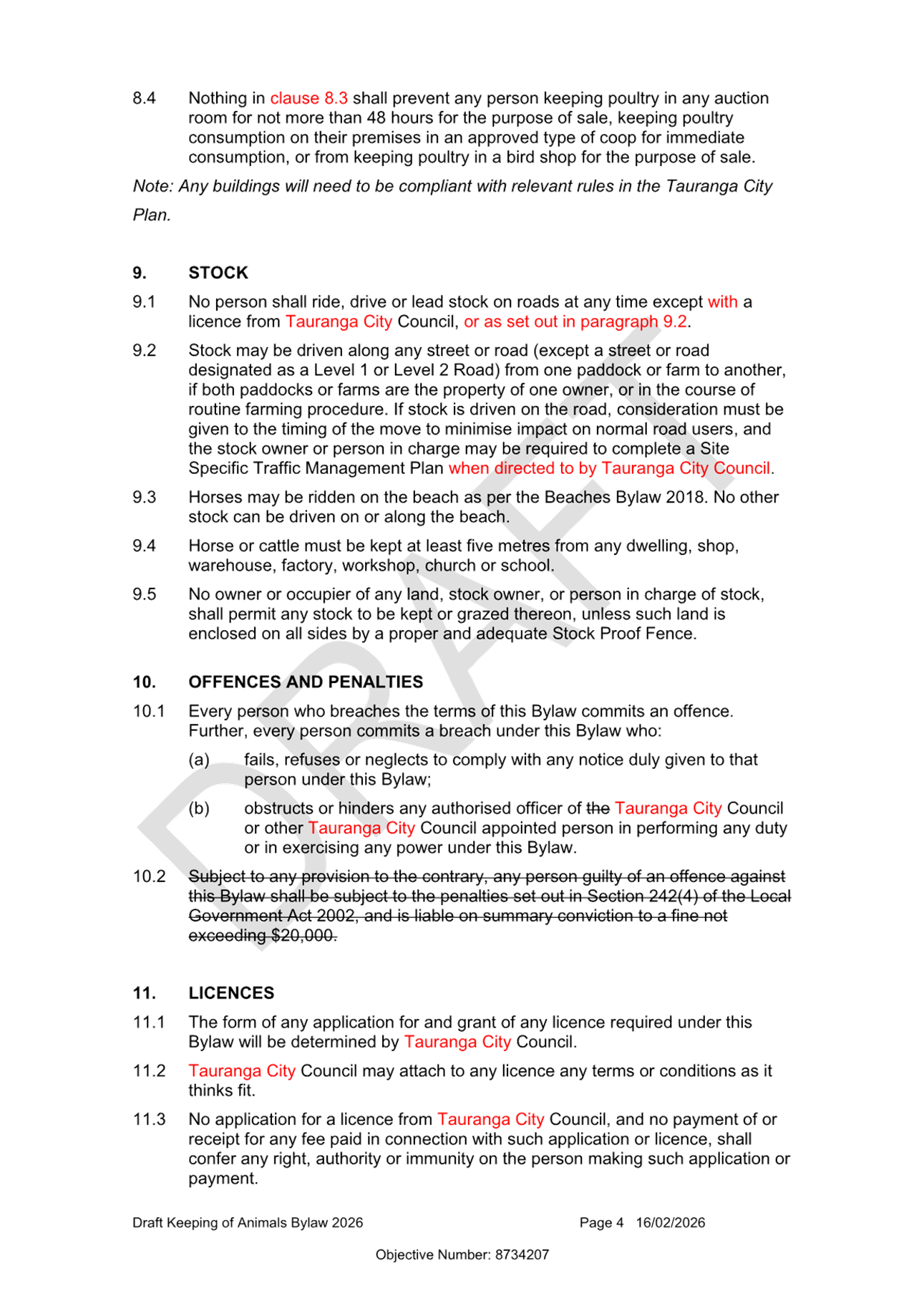
Council meeting, issues have also been raised about how bees are regulated
under the bylaw given the enforcement challenges. Options are provided within
this paper to either retain the current approach, or to remove the requirements
and focus on education only.
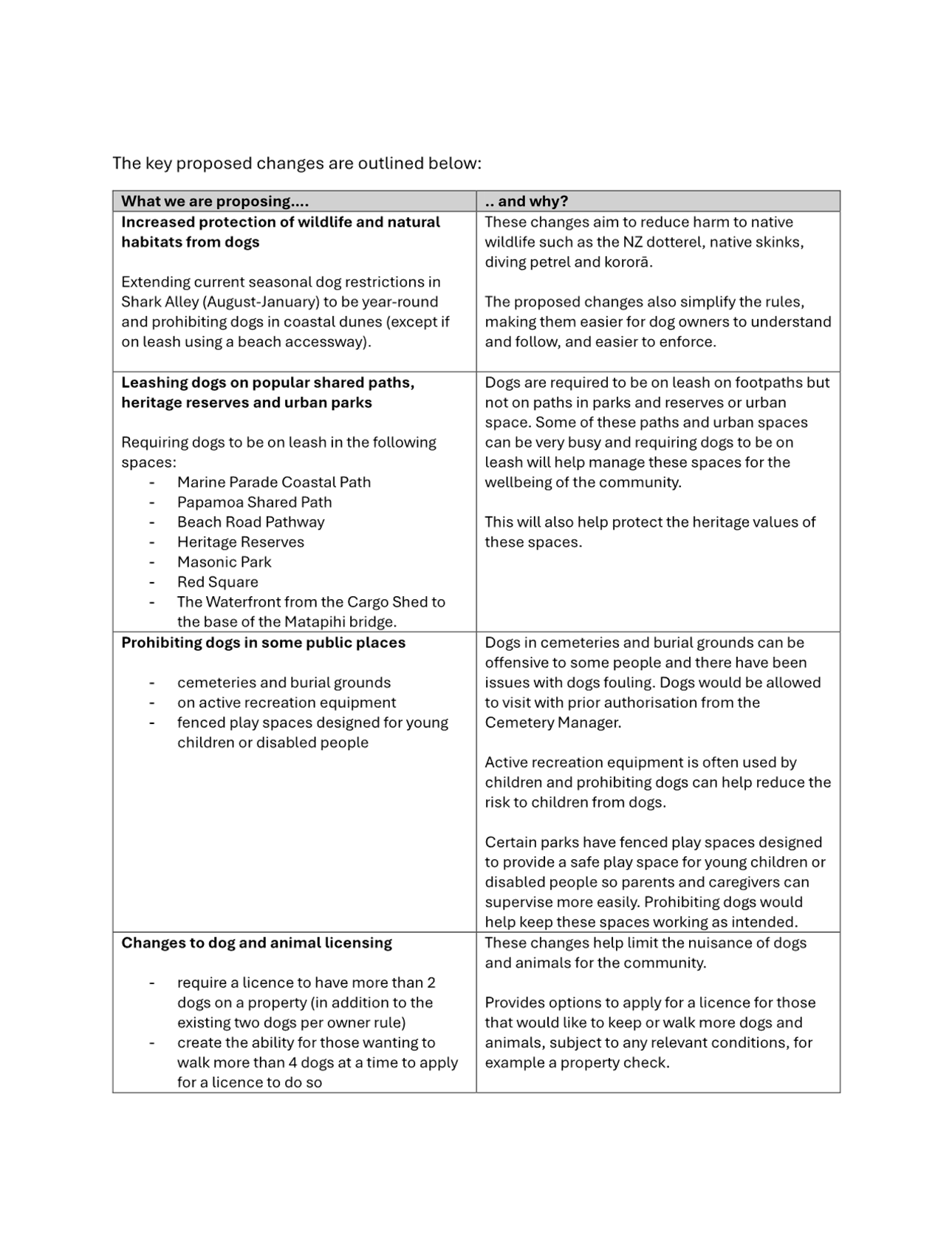
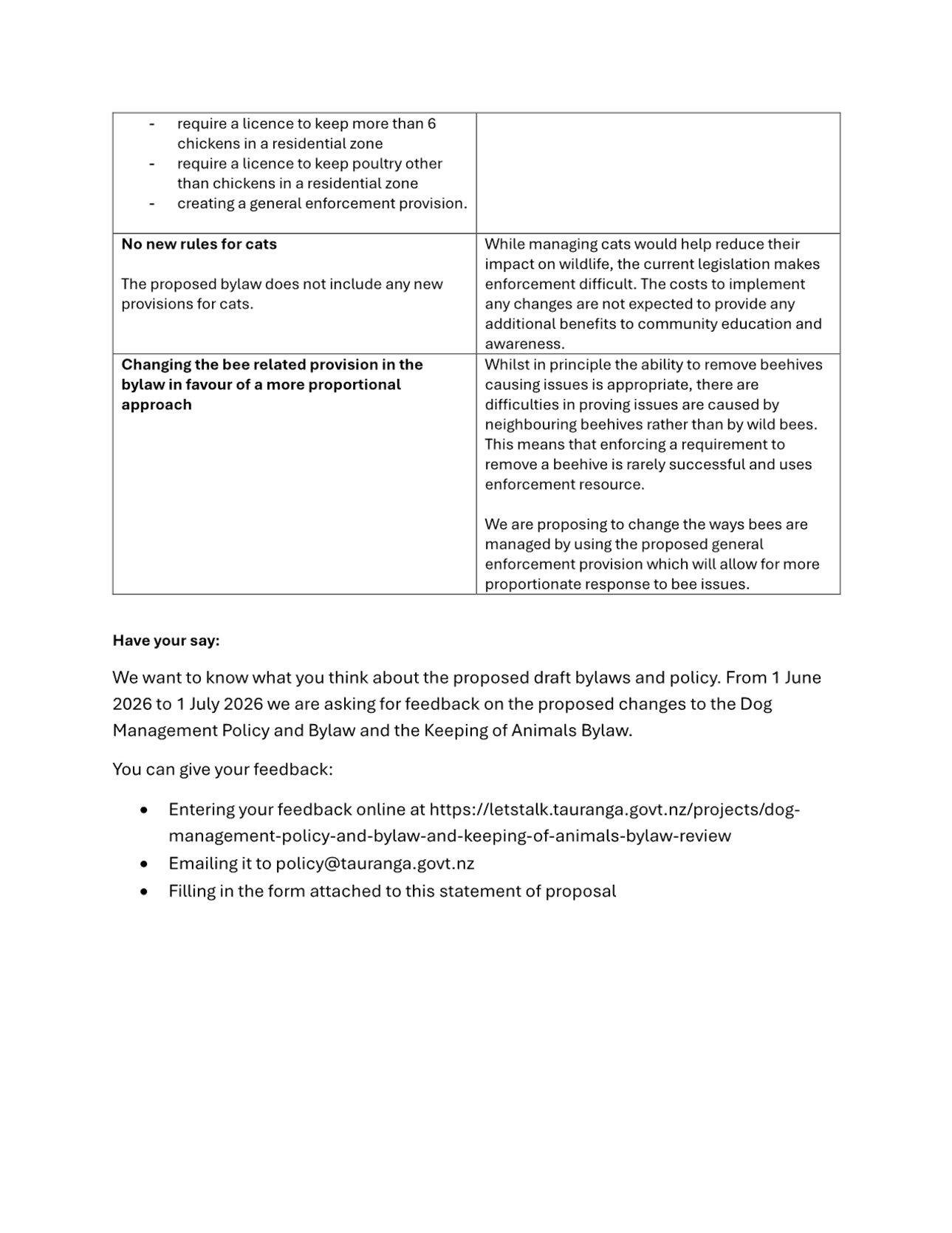
6. A draft policy and
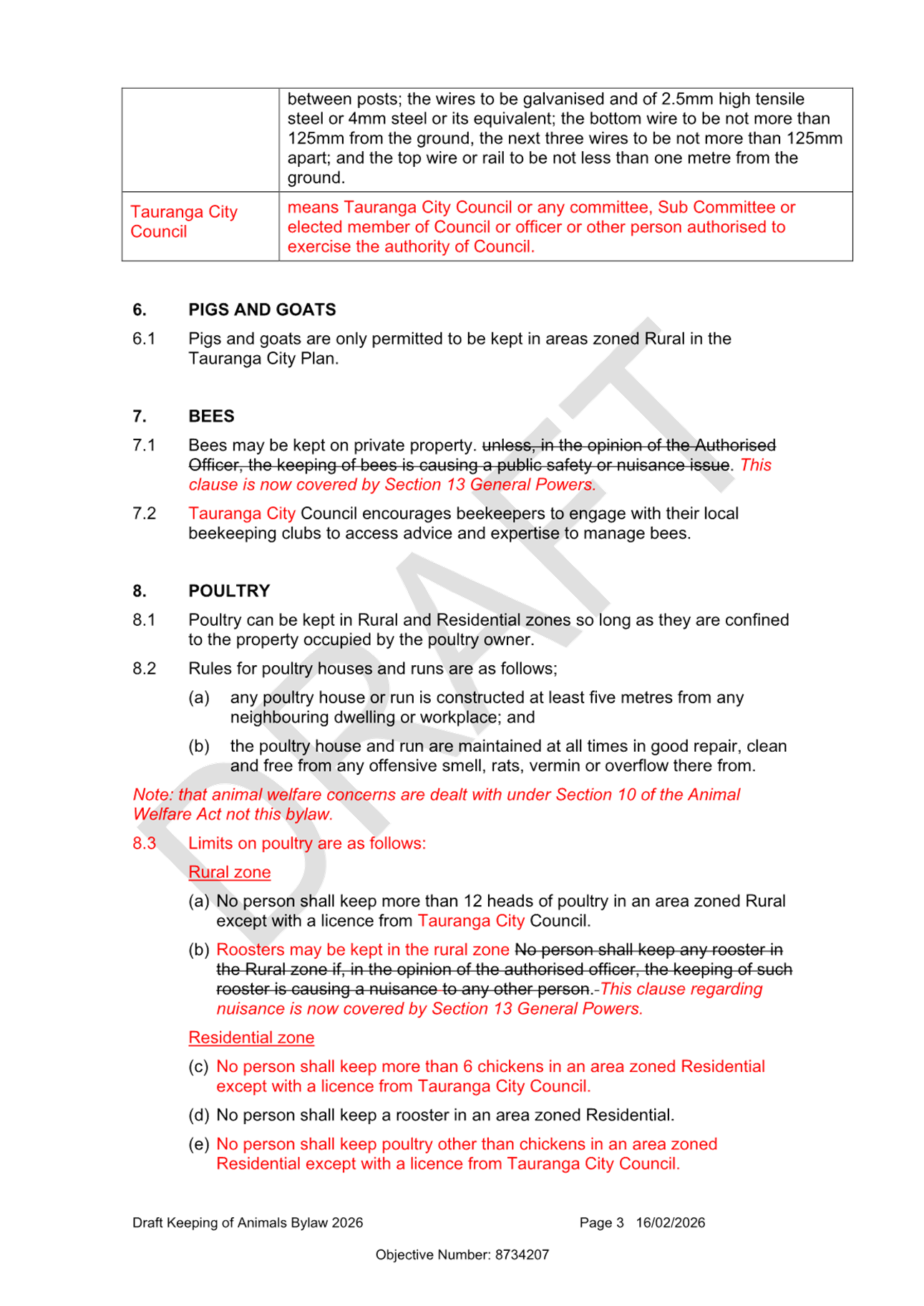
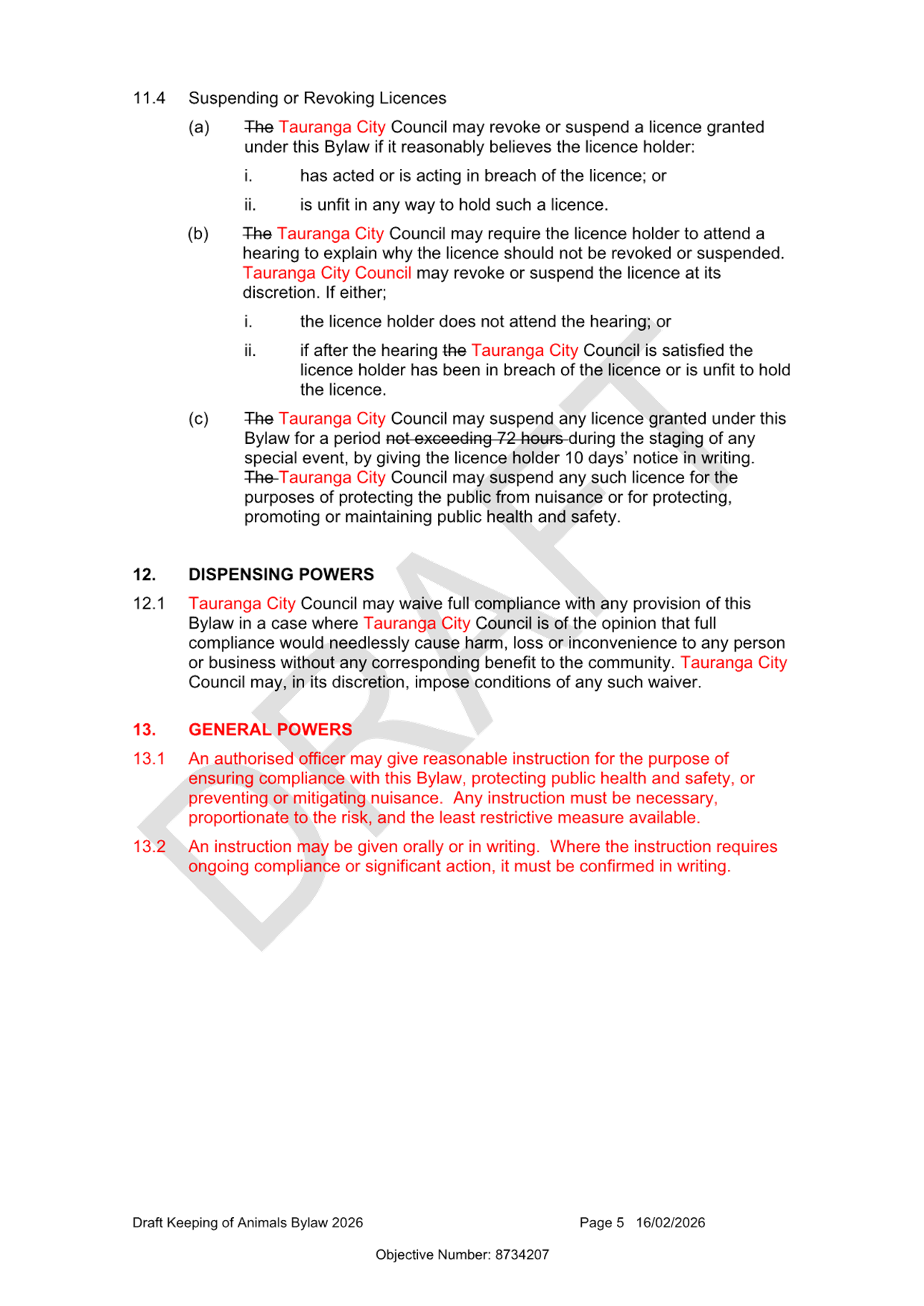
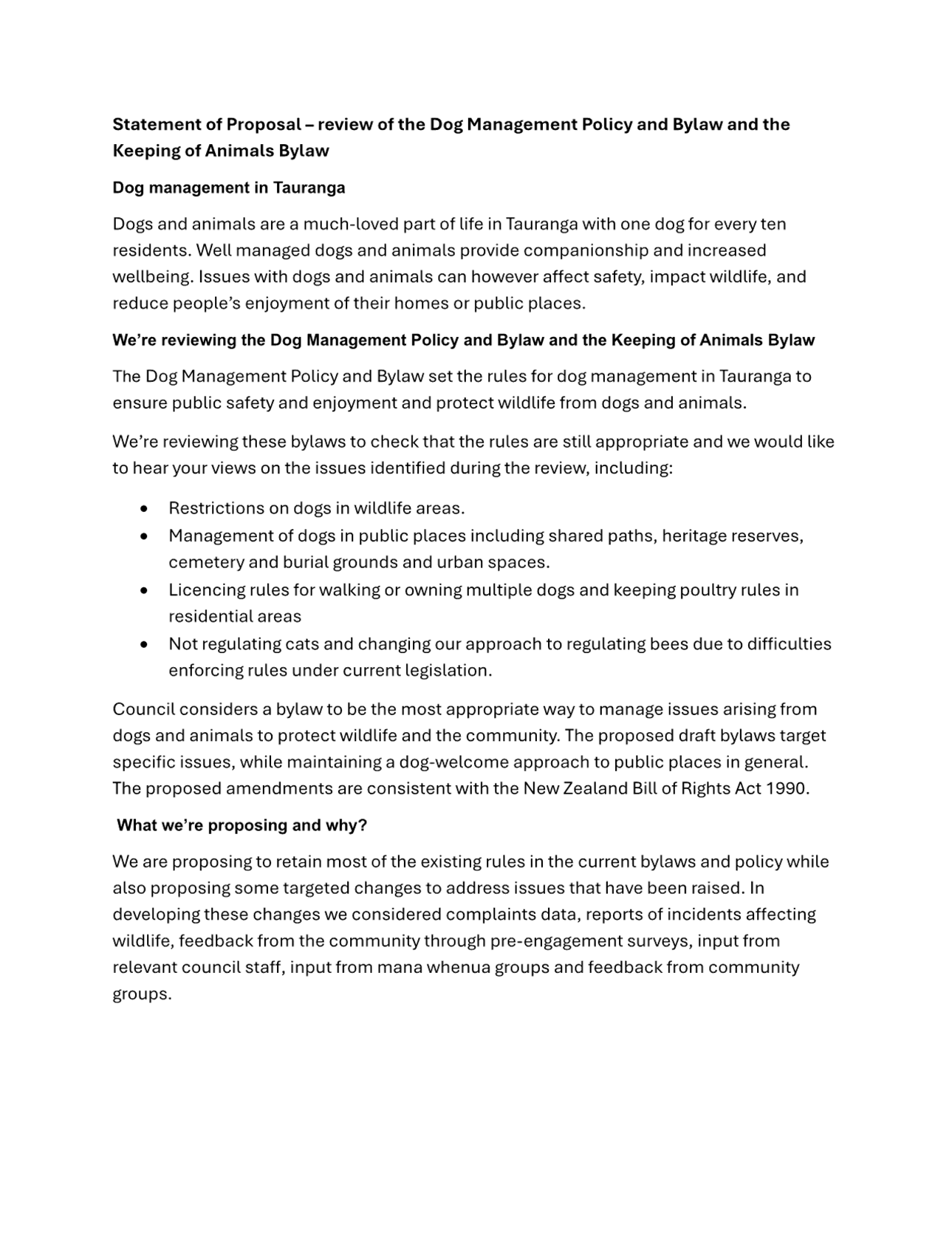
draft bylaws have been prepared based on the recommendations in this paper but
will be adjusted to reflect your decisions before public consultation, planned
for Wednesday 1 June 2026 to Saturday 1 July 2026.
7. Public consultation
will follow the Special Consultative Procedure and include notice of the review
to every registered dog owner in the district to meet legislative requirements.
This will be timing to coincide with dog registration notifications. Social
media and print ads will also be used to raise awareness of the bylaw review.
Background
8. The
current Dog Management Policy and Bylaw and Keeping of Animals Bylaw were last
reviewed in 2018. This review is an action from the Nature and Biodiversity
Action and Investment Plan to update the Dog Management Bylaw for Tauranga
City. It includes reviewing existing dog-prohibited areas and adding new ones
to protect threatened species.
9. On 29 October 2025, council staff provided Council with issues and options for the
review which included feedback from a community survey, the Department of
Conservation, community stakeholders, and the Te Rangapū policy
subcommittee. Council gave direction, which has been incorporated into the
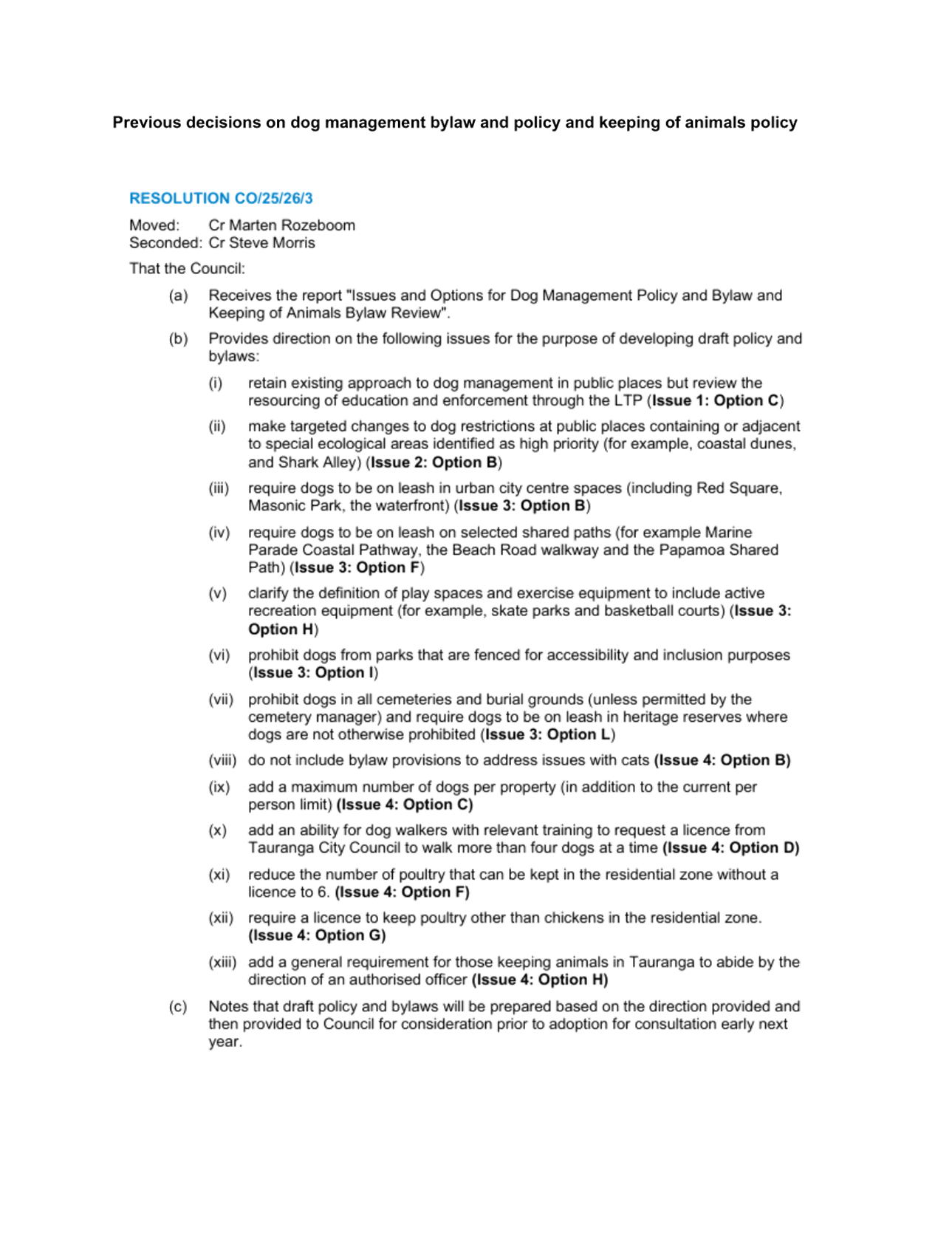
draft policy and bylaws attached to this report. Attachment 6 outlines the
decisions made on 29 October 2025 and how they have been incorporated into the
draft bylaws and policy.
10. Since the 29
October Council meeting, a fatality in Northland has prompted
central government scrutiny of dog control legislation with the Local
Government Minister asking for urgent advice from officials on options to
address the issue. Under the Dog Control Act 1996 dogs must be kept under control
at all times however there are issues enforcing this requirement. This death
was one of three in the last four years in Northland with groups of roaming
dogs identified as a key concern. In Western Bay of Plenty District in 2025 a
young boy was also the victim of a fatal dog attack involving three dogs. As
yet council staff do not have an indication of what the proposed central
government changes may involve but will continue to monitor the issue
throughout the bylaw review process.
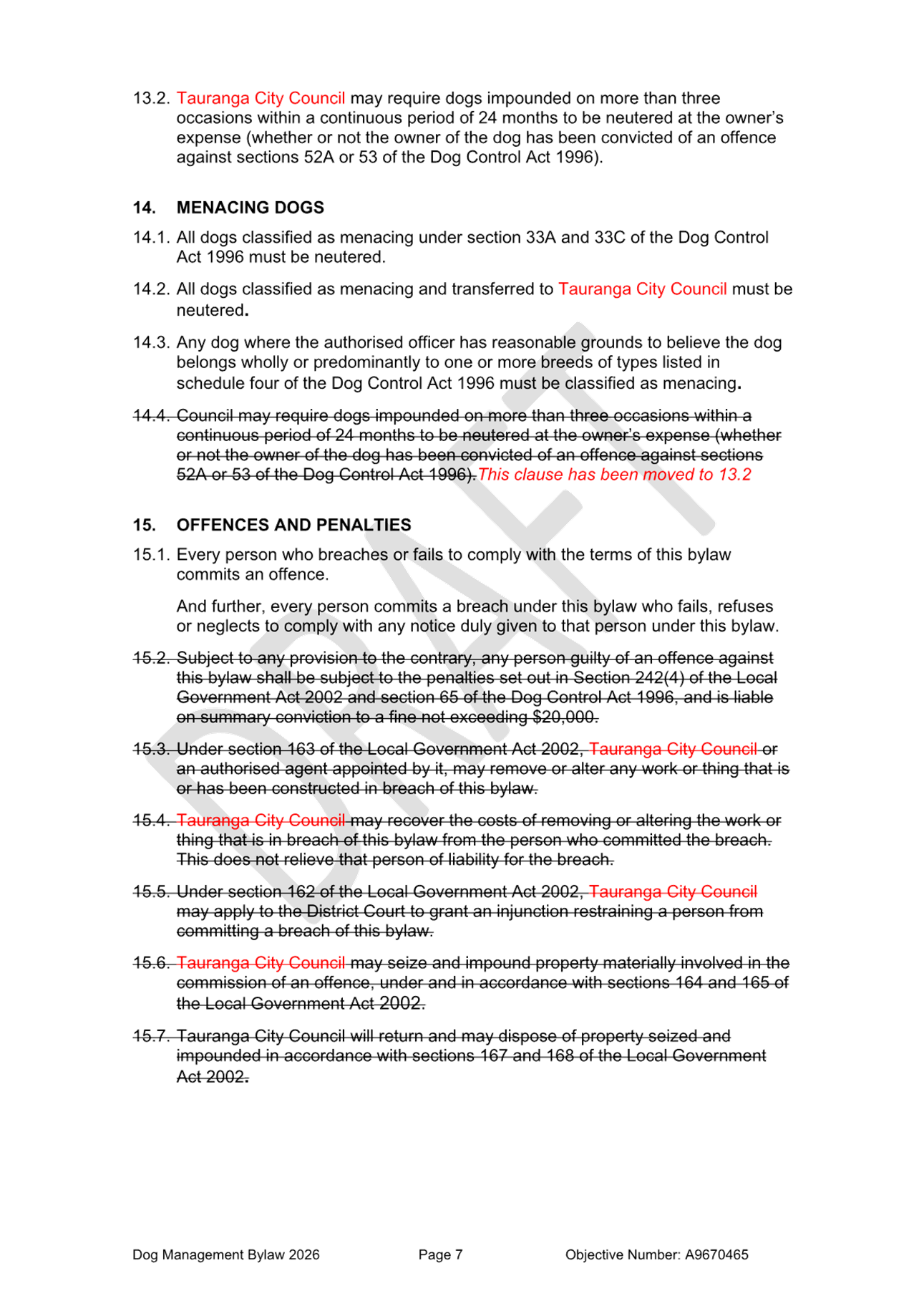
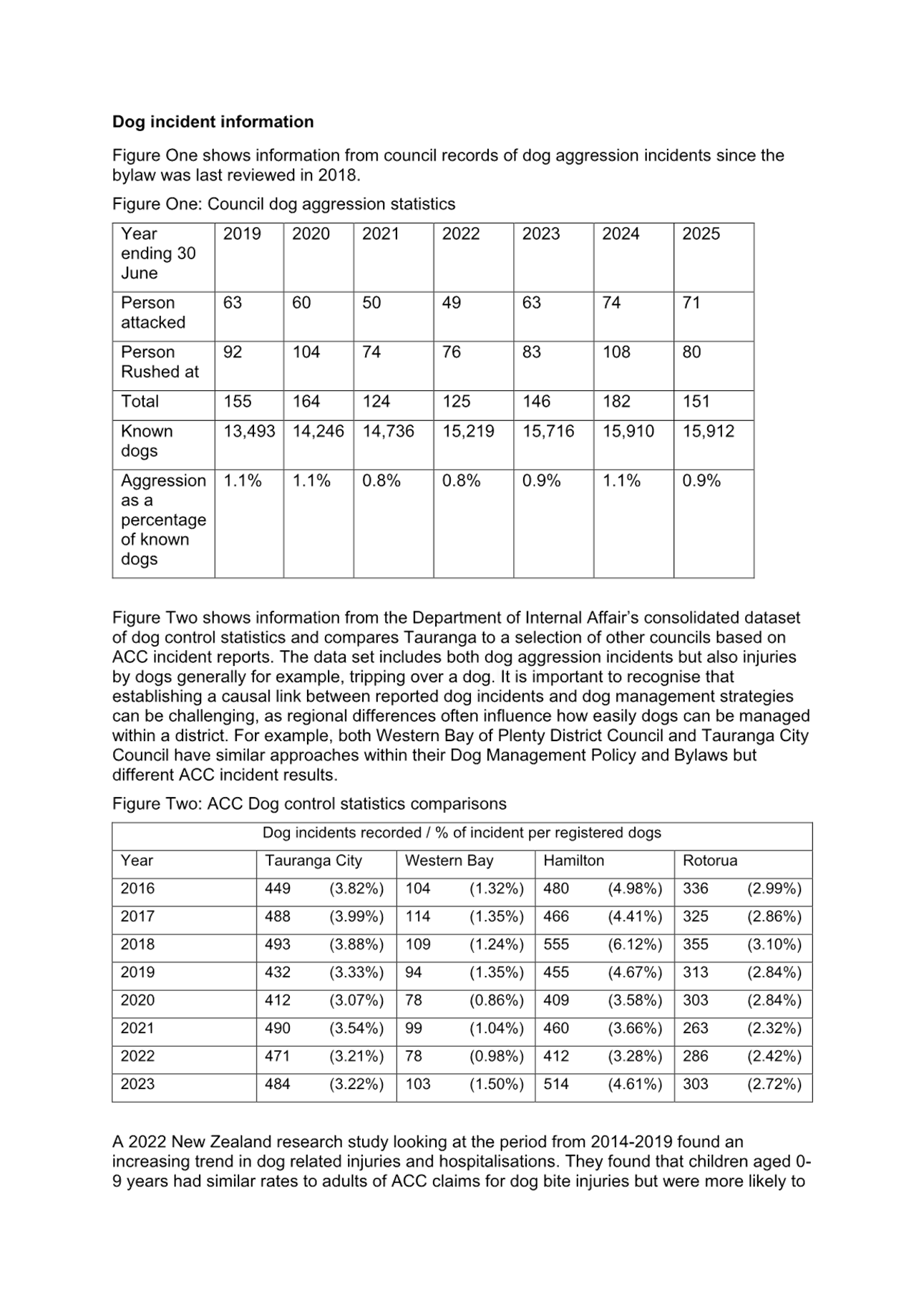
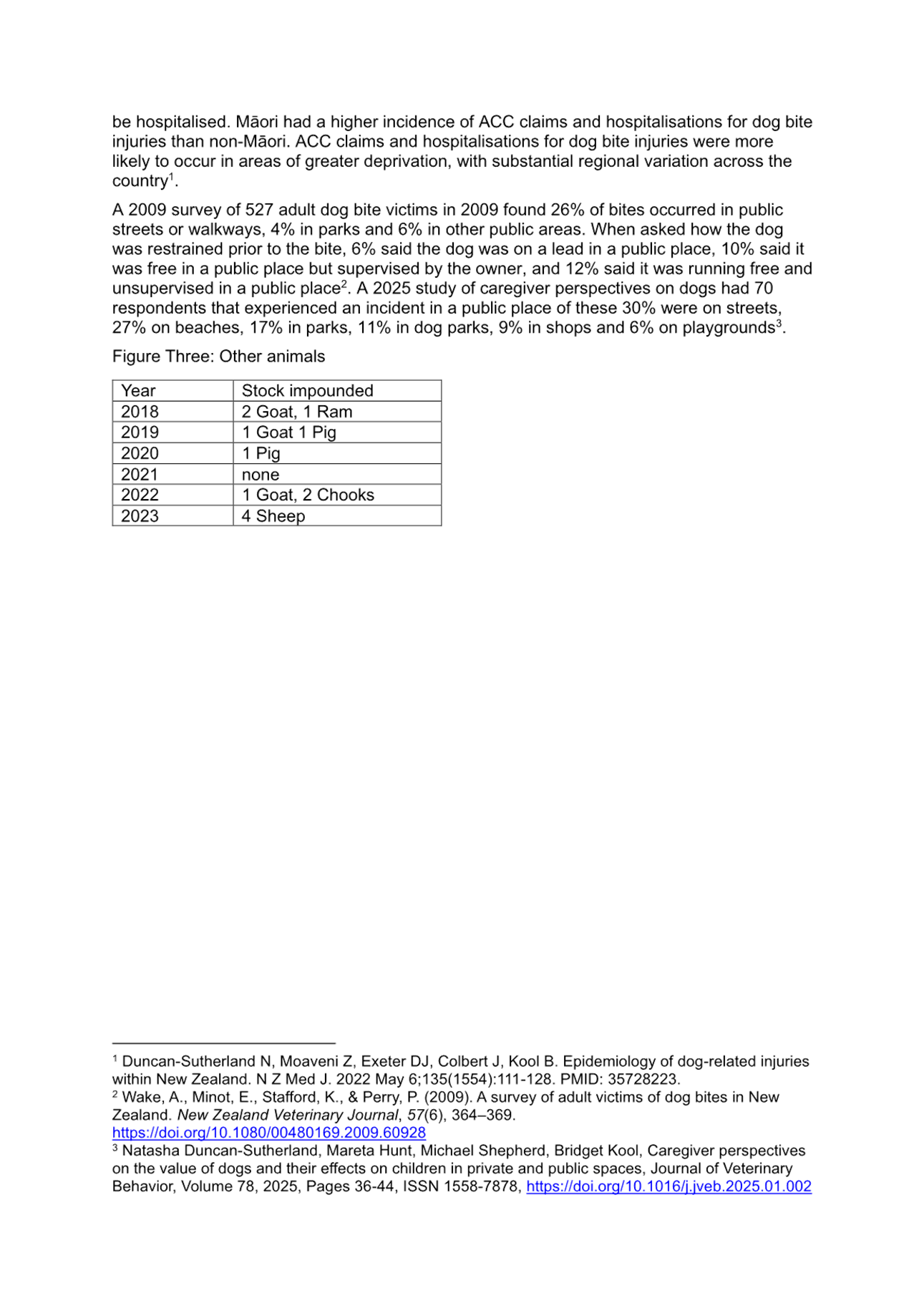
11. Whilst dog
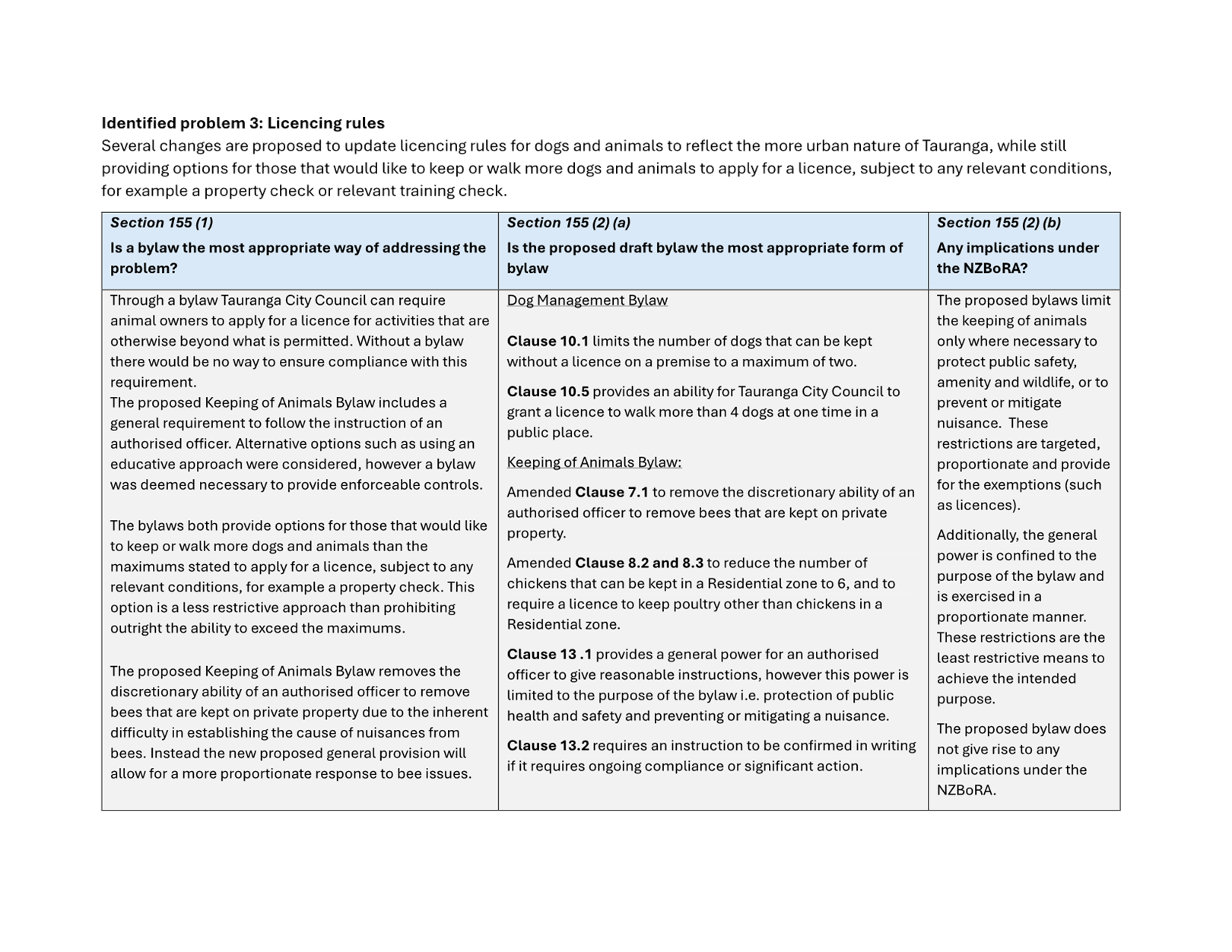
incident statistics have been relatively static in Tauranga (see
Attachment 7), through the bylaw review three options were approved to reduce
the risk of dog attacks this includes:
· reviewing
the resourcing of education and enforcement though the upcoming long-term plan
· proposed
changes to limit the number of dogs that may be kept on a property[5]
· changes
to better manage dogs certain in community spaces (for example, shared paths,
city spaces, spaces fenced for accessibility and inclusion reasons and active
recreation areas).
Statutory Context
12. The Dog Management Bylaw and
Dog Management Policy are made under the Dog Control Act 1996, and any
amendments require the use of a Special Consultative Procedure which includes
the requirement to prepare a Statement of Proposal (Attachment 4) and give notice
of the draft policy to every person who is, according to its register, the
owner of a dog. The Keeping of Animals Bylaw is made under the Local Government
Act 2002.
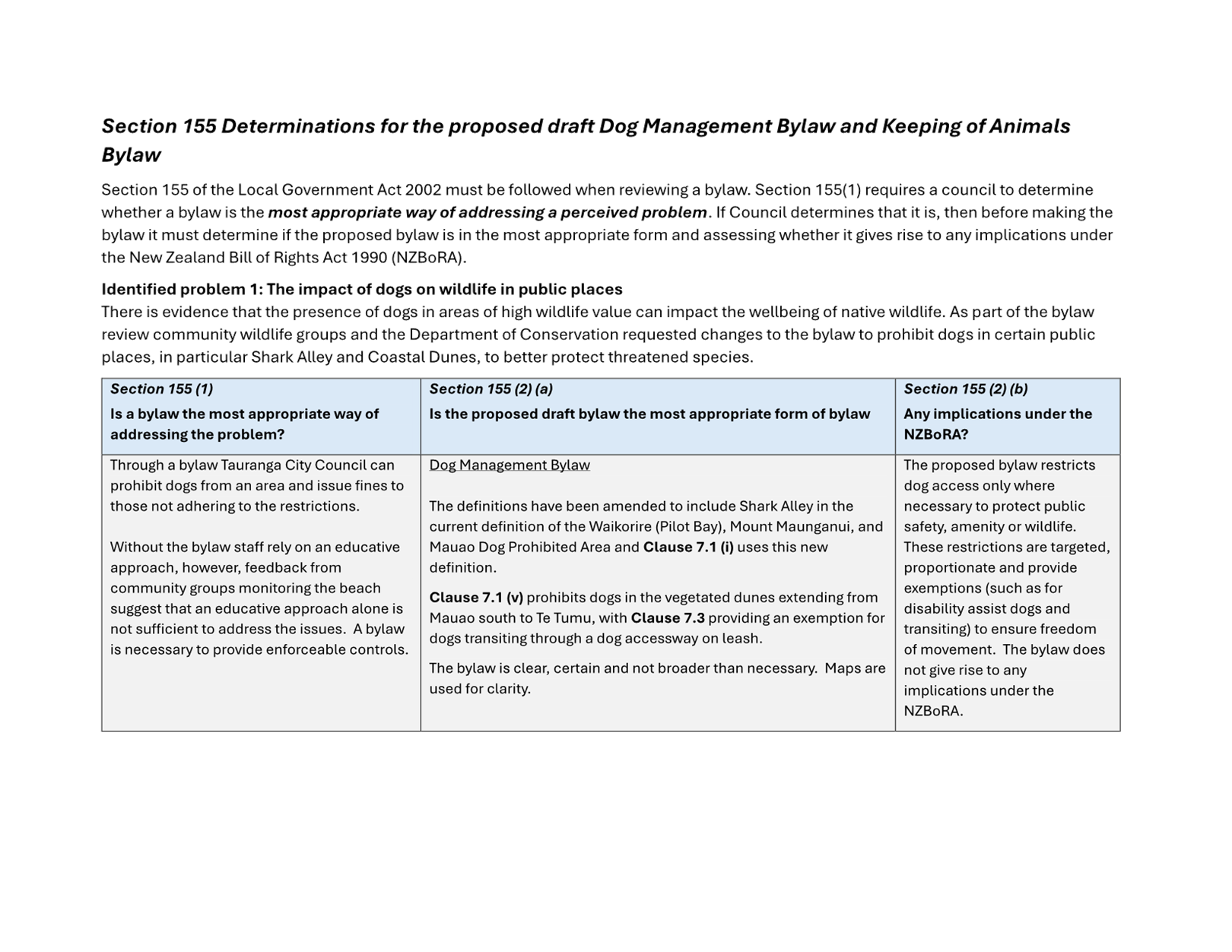
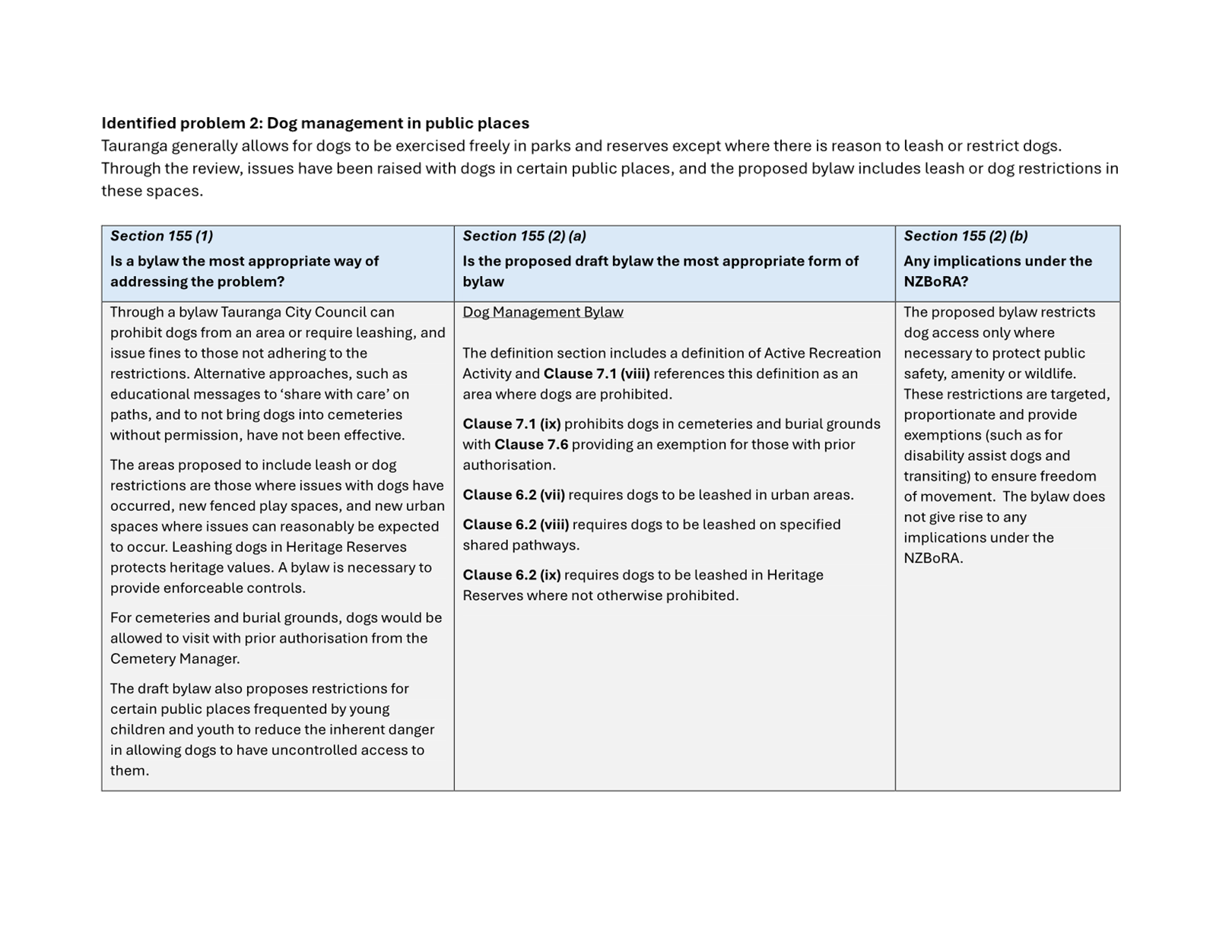
13. Under Section 155 of the Local
Government Act 2002 Council needs to assess whether the bylaw and its proposed
form is the most appropriate way to address the issues raised and is not
inconsistent with the New Zealand Bill of Rights Act 1990.
STRATEGIC ALIGNMENT
14. This contributes to the
promotion or achievement of the following strategic community outcome(s):
|
Contributes
|
|
We are an inclusive city
|
ü
|
|
We value, protect and enhance the environment
|
ü
|
|
We are a well-planned city that is easy to move
around
|
☐
|
|
We are a city that supports
business and education
|
☐
|
|
We are a vibrant city that embraces
events
|
☐
|
15. Effective dog and animal management ensures that
dogs and animals do not cause distress or nuisance to the community
(particularly children), wildlife and the environment.
16. Action 23 in the Nature and Biodiversity Action
and Investment Plan is to update the Dog Management Bylaw for Tauranga City to
review existing, and include additional, dog prohibited areas to protect
threatened species. The Tauranga Reserves Management Plan management statements
for the Kōpūrererua Valley notes to “consider excluding dogs
from significant habitat value areas in the valley”.
Options Analysis
Issue 1: Waterfront area
17. Council staff proposed
requiring dogs to be on leash on the waterfront. At the 29 October Council
meeting, staff were directed to limit the on-leash area to allow for off leash
options in other parts of the waterfront.
18. Table One: Waterfront area
requiring leashing
|
Option
|
Advantages
|
Disadvantages
|
|
Option A
Limit the leash
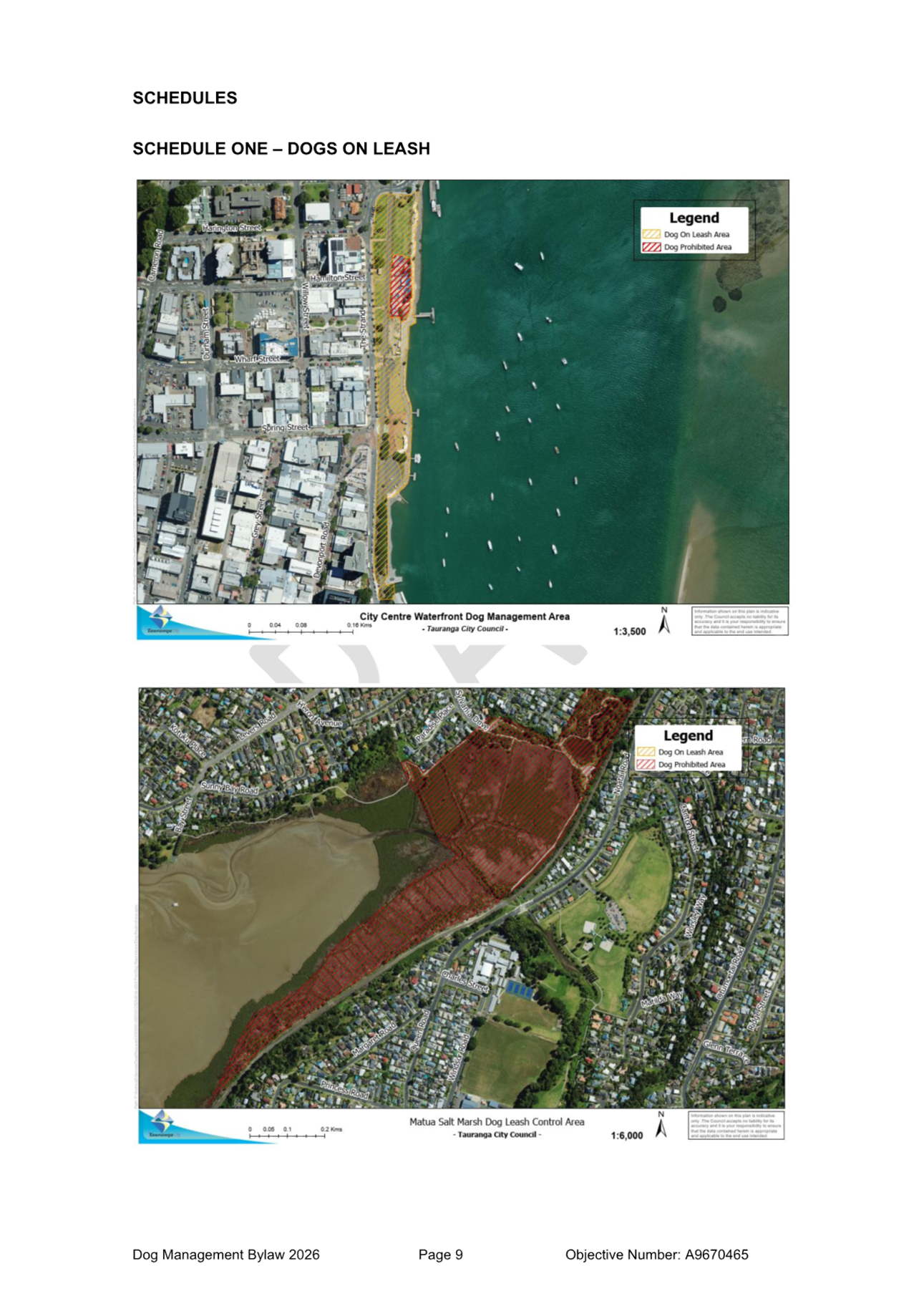
restricted area to 1 Dive Cresent (the northern waterfront park entrance) to
the base of the Matapihi bridge.
(map in attachment 1
page 9)
Recommended
|
· Ensures
dogs are on leash in busier waterfront areas likely to be popular with young
children.
· Provides
an off-leash access to the water north and south of the main waterfront
section.
|
· Restricts
the area where dogs may be off leash relative to option C.
|
|
Option B
Require dogs to be on
leash in all public waterfront areas.
|
· Consistent
with footpaths and other urban parks.
· Ensures
dogs are on leash in busier areas that are likely to be popular with young
children.
|
· Restricts
off leash areas more than option A and C.
· Reduced
option for off-leash water access for dogs.
|
|
Option C
Limit the area where
dogs need to be on leash to the green space north of the waterfront
playground.
|
· Provides
an off-leash option for dogs to enter the water at the tidal steps.
· Less
restrictive for dogs relative to option A and B.
|
· Dogs
will not be on leash on the tidal steps which can be busy and likely to be
popular with young children.
|
Issue 2: Shark Alley
19. Council agreed to extend dog
restrictions to Shark Alley to better protect wildlife including seals, diving
petrel and kororā (little blue penguin). Currently, seasonal restrictions
are in place for the beach area only. The proposed option introduces a
permanent prohibition on dogs in this area. Two potential boundary options for
this prohibition are proposed in Table Two for consideration.
20. Table Two: Shark Alley
boundaries
|
Option
|
Advantages
|
Disadvantages
|
|
Option A
Use the current Shark
Alley area limits but extend the prohibition on dogs to year round.
|
· Maintains
the same boundaries as the current seasonal restriction and leash area.
|
· Does
not provide a buffer for wildlife that live in the coastal dunes.
· Less
clear boundary for enforcement.
|
|
Option B
Prohibit dogs year
round in Shark Alley and include the adjacent dunes, grassed area, boardwalk
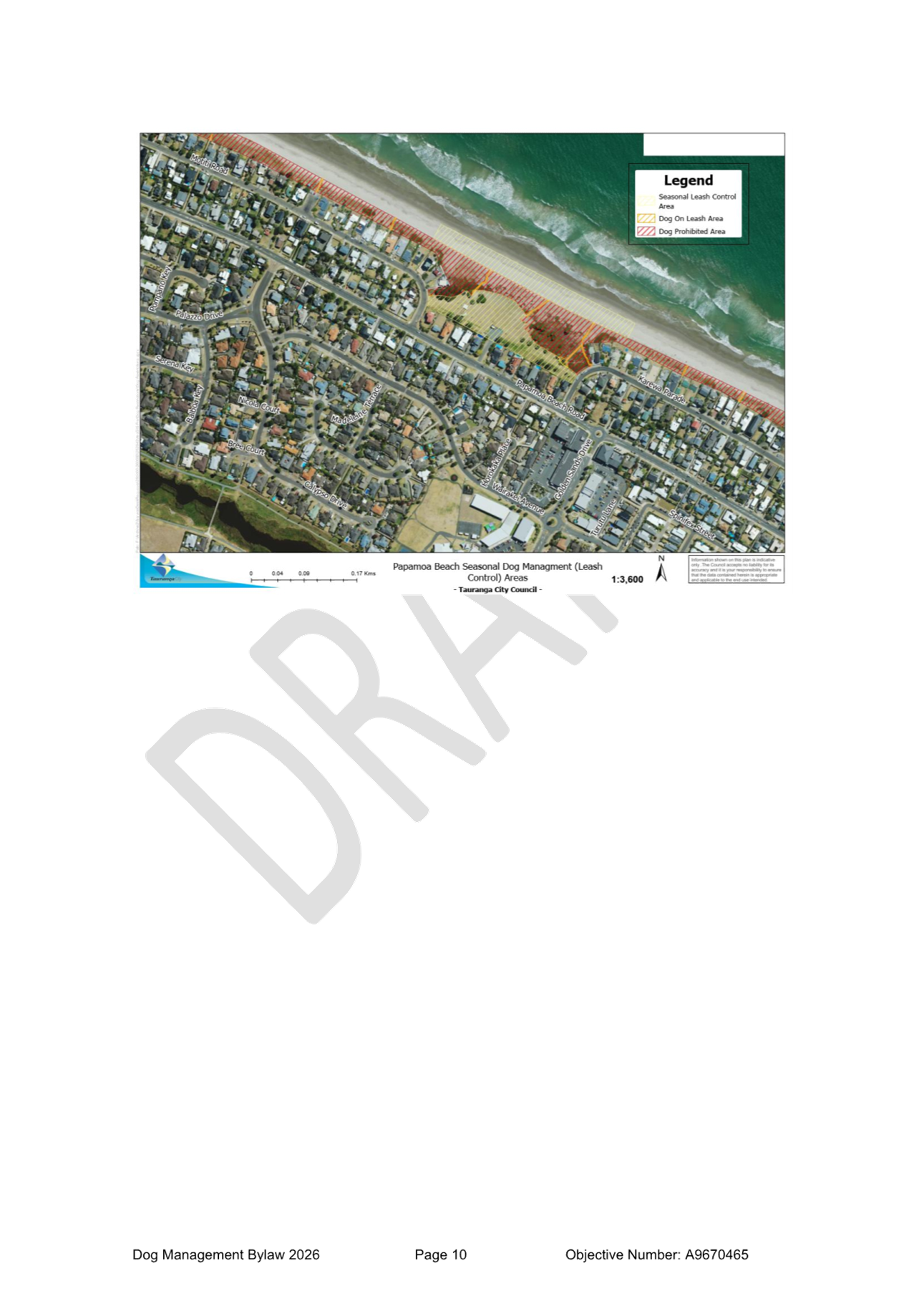
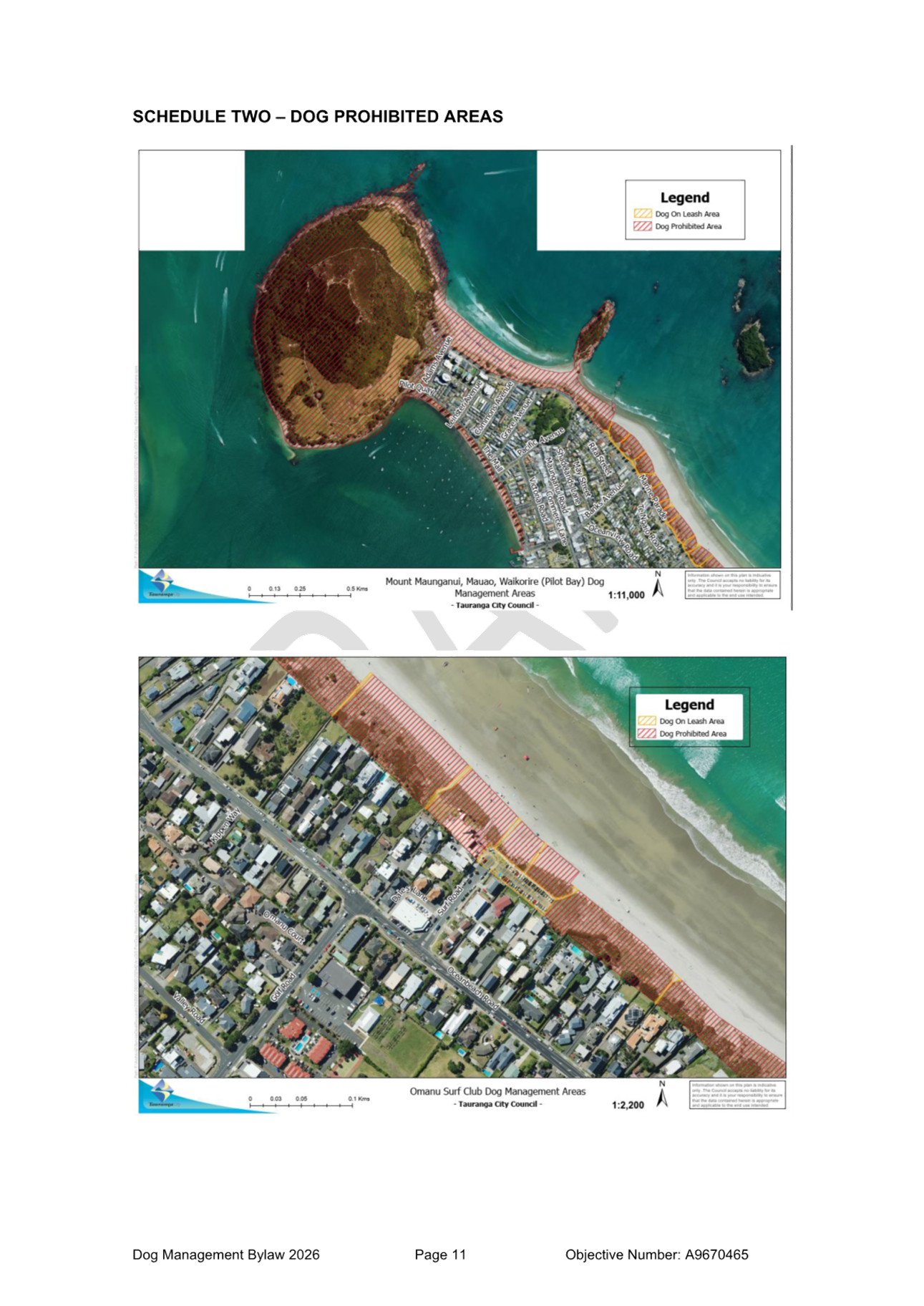
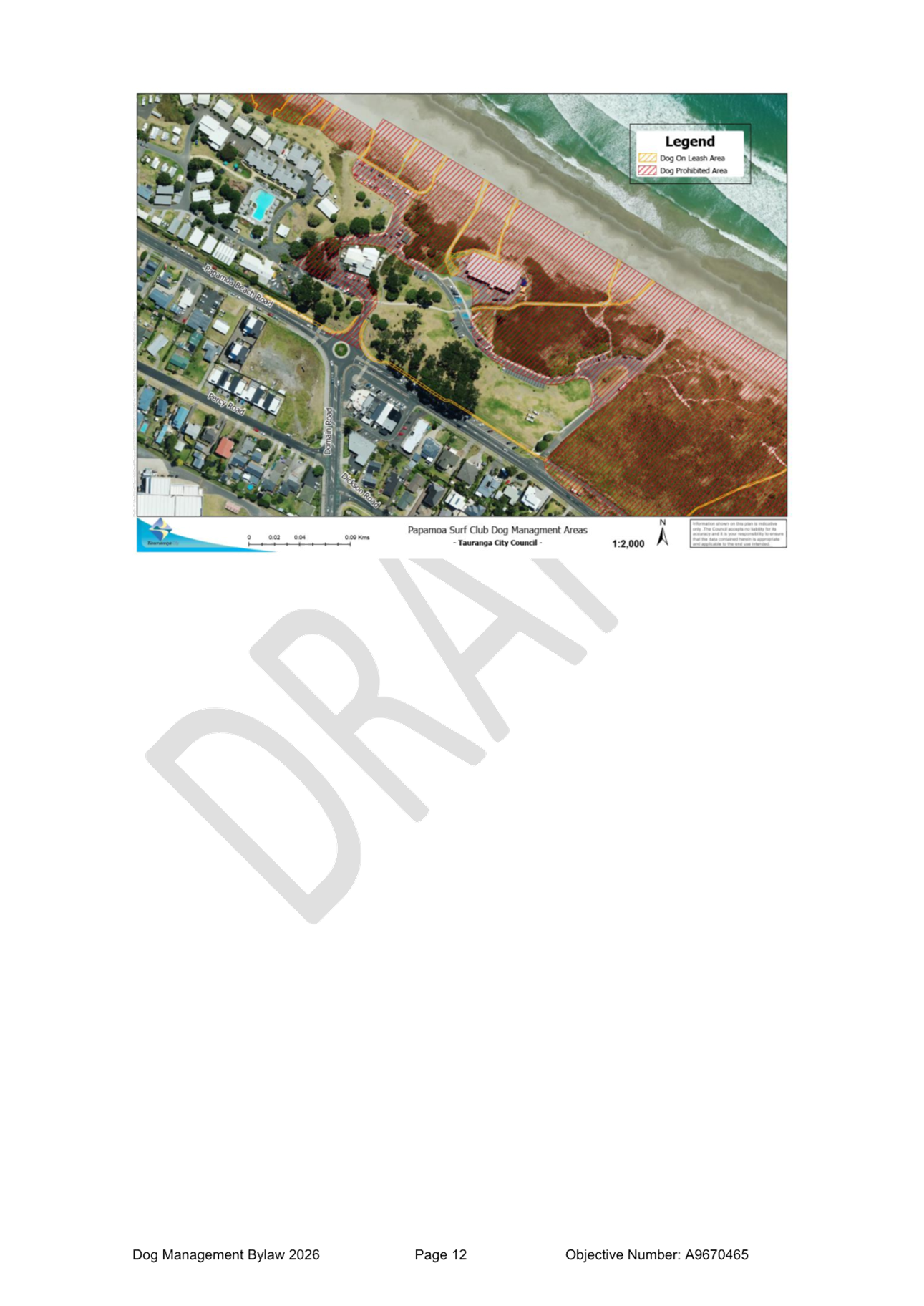
and greenspace up to the kerb of Marine Parade opposite 31 Marine Parade (map
Attachment 1, page 11)
Recommended
|
· Provides
a greater buffer for wildlife that frequent the coastal dunes.
· Provides
a clear boundary for enforcement.
|
· Area
differs from the current seasonal restriction and leash area which may cause
confusion.
|
Issue 3: Specified
fenced public places
21. A few parks and reserves are
being investigated for fencing to make them more accessible
and inclusive, with a particular focus on creating safe spaces for the
unhindered exploration and enjoyment for young children and disabled people. It
is expected that three or four of these spaces will be developed in the near-term.
22. Council staff
propose prohibiting dogs within these fenced spaces specified for this purpose.
When fencing is designed for each space council staff will assess the
appropriate dog requirements for each space. The intention is to ensure
dog-free access to the fenced area but, where appropriate, allow dogs elsewhere
in the park. The delegation to approve dog requirements for each space would
sit with the Team Leader: Animal Services consistent with the other delegations
within the bylaw[6].
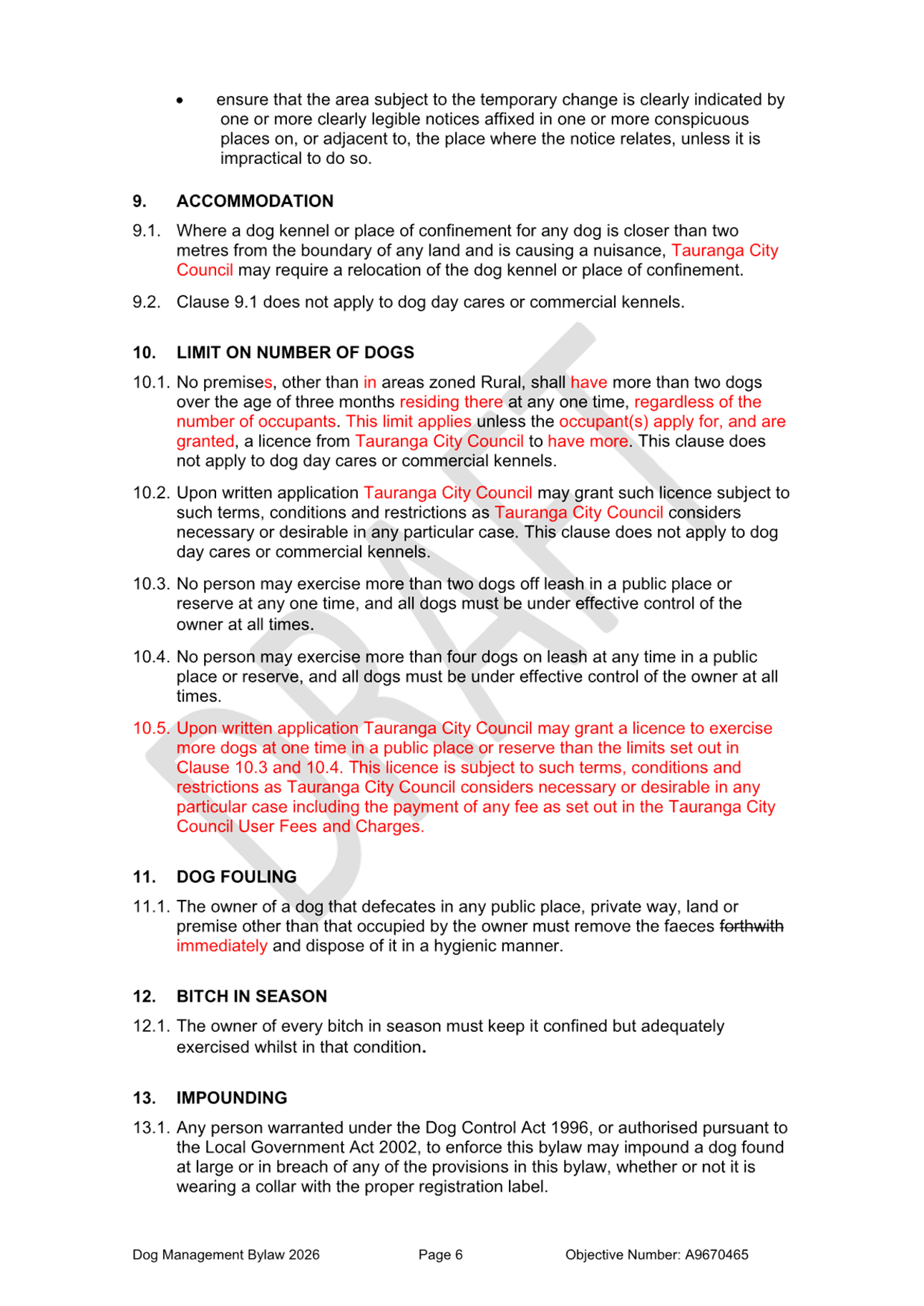
Each space will be listed in an attachment to the bylaw as a ‘specified
fenced public place’. This approach avoids capturing other parks,
reserves or public places that are fenced for other reasons, like traffic
safety.
23. Further
direction is needed on dog rules for the area surrounding the fenced area with
options outlined in Table Three.
24. Table Three: Specified fenced public places
|
Option
|
Advantages
|
Disadvantages
|
|
Option A
Prohibit dogs from the
specified fenced public places – fenced area only.
|
· Provides
a consistent approach.
· Limits
area dogs are restricted.
|
· Does
not manage dogs outside the fenced areas, which may still cause conflicts
between vulnerable users and dogs.
|
|
Option B
Prohibit dogs from the
specified fenced public places – whole park, reserve or place is dog
prohibited.
|
· Reduces
conflicts between vulnerable users and dogs.
|
· Would
limit the area dogs have access to more than may be required to ensure the
safety of users.
|
|
Option C
Prohibit dogs from
specified fenced public places – fenced area, as well as tailored
rules for exit, entry and transit specific to each space.
Recommended
|
· Allows
restrictions to be tailored to the space to minimise restrictions whilst
still ensuring the safety of users.
· Would
reduce conflicts between vulnerable users and dogs.
|
· Approach
would not be consistent across spaces (but signs would convey rules).
|
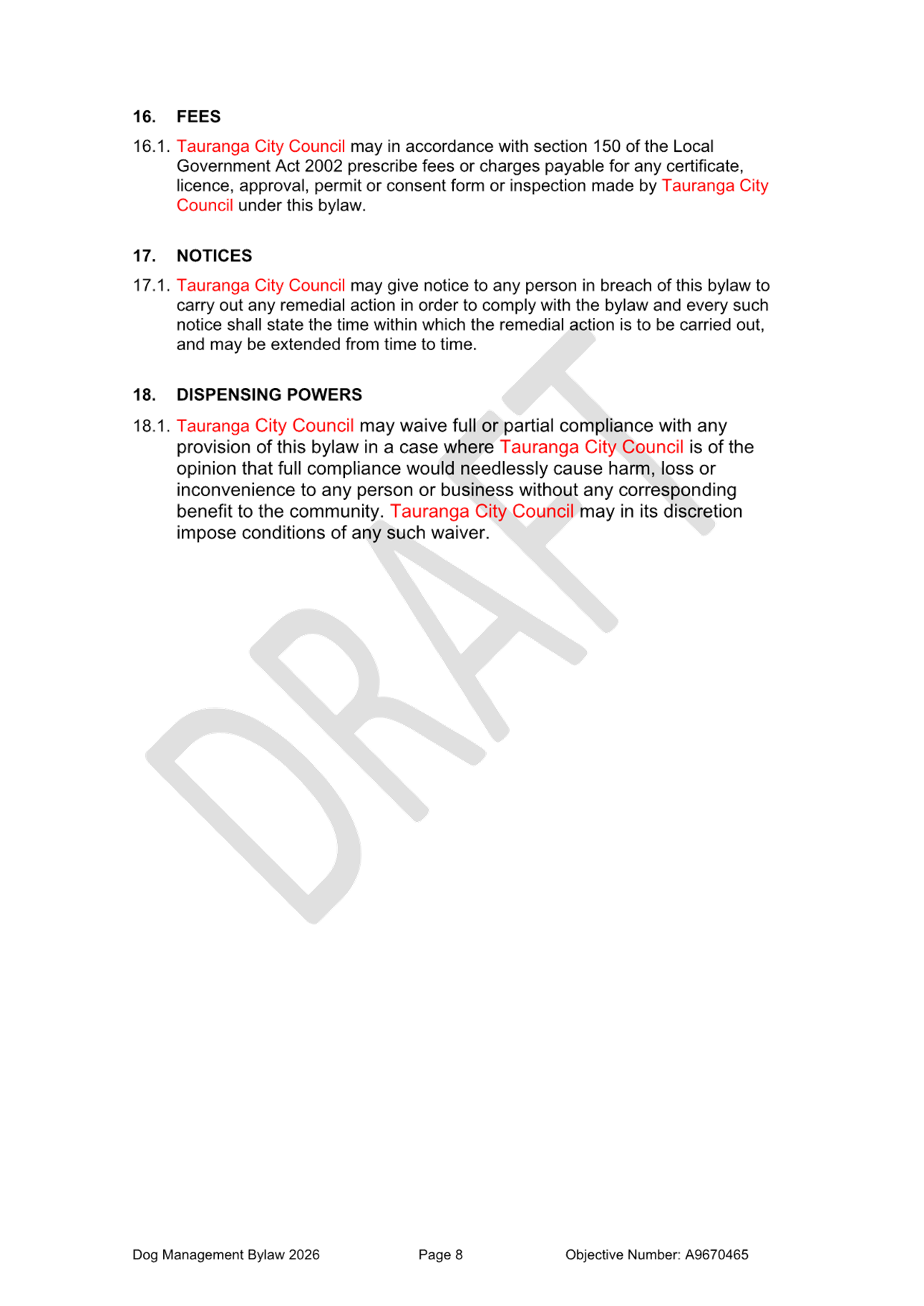
Issue 4: Beach accessways
25. The Council agreed to consult
on prohibiting dogs within the vegetated dune area. Further direction is
required on the rules for dogs transiting through coastal dunes.
26. Table Four: Beach accessways
|
Option
|
Advantages
|
Disadvantages
|
|
Option A
Allow off-leash transit
through designated beach accessways.
|
· Least
possible restrictions.
· Minimal
change in rules for those already using the beach accessways to transit their
dogs.
|
· Dogs
may not stick to the accessway area which may result in disturbance to dunes
or wildlife or other beach users.
· Inconsistent
with Papamoa Dune area rules, which require leashing through dunes.
|
|
Option B
Allow on-leash transit
through designated beach accessways.
Recommended
|
· Ensures
dogs stick to accessways reducing disturbance to dune or wildlife or other
beach users.
· Consistent
with Papamoa Dune area rules which require leashing through dunes.
|
· Change
in rules for those already using the beach accessways to transit their dogs.
· Greater
restrictions relative to Option A.
|
Issue 5: Bee Regulation
27. Urban beekeeping can support
food security, and support biodiversity outcomes. Issues periodically arise in
relation to bee excrement on neighbouring properties or potential bee stings.
Currently the Keeping of Animals Bylaw allows bees to be kept on private
property unless, in the opinion of an authorised officer, the bees are causing
a public safety or nuisance issue.
28. Whilst the ability to remove
beehives causing issues is appropriate in principle, the existing test based on
“in the opinion of the authorised officer”, can result in council
staff being pulled into subjective neighbour-to-neighbour disputes. A
recent case before the Enforcement Decision Group (EDG) at Tauranga City
Council highlighted the difficulties in the current subjective assessment.
Given these difficulties the EDG requested that staff consider the impact bee
regulation was having on resourcing.
29. Council staff have investigated
and in the last two years 38 complaints have been lodged about bees of which 34
are around nuisance from bee excrement, 3 are about stings and 1 about an
allergy. These complaints resulted in a total of 163 hours of staff time to
follow up.
30. Council
staff propose amending the bee provisions to remove the current assessment and
instead use the new general powers clause (clause 13), which allows an
authorised officer to issue reasonable written instructions where this is
necessary to:
· Ensure
compliance with the bylaw;
· Protect
public health and safety;
· Prevent or
mitigate nuisance.
1.
This is intended to give authorised officers a more defensible basis to
act with a more proportionate response[7]
and avoid getting drawn into nuisance level complaints.
2.
31. Table Five: Bee Regulation
|
Option
|
Advantages
|
Disadvantages
|
|
Option A
Continue with current
bylaw provision that allows bees to be removed if in the opinion of the
authorised officer they are causing a public safety or nuisance issue.
|
· Gives
residents an avenue to request bee safety and nuisance issues be followed up.
|
· Enforcement
action is unlikely to be successful if decisions are challenged due to the
subjective nature of the test and difficulty proving that bee nuisances are
caused by neighbouring beehives as opposed to wild bees.
· Resource
required to investigate and respond to issues.
|
|
Option B
Remove the specific bee
provision and instead use the new general powers clause (clause 13), which
allows an authorised officer to issue reasonable instructions where this is
necessary
Recommended
|
· Reduces
the expectation of enforcement that may not be possible.
· Reduces
resource required to investigate and respond to nuisance issues.
· Retains
an ability to issue a written direction where this is reasonable (for example
where health and safety concerns exist).
|
· May
help manage expectations from residents that bee issues, particularly
nuisance issues such as bee droppings be followed up with enforcement.
· No
specific provision to remove bee hives causing a public safety or nuisance
issue, however an instruction could be given in writing where this is
reasonable (for example where health and safety concerns exist).
|
Drafting clarifications and updates
32. In addition to the issues
raised, changes have been made to the bylaws and policy to improve the drafting
and are marked up in the attached bylaws and policies. These changes include:
· updating
definitions for consistency with other bylaws and policies
· replacing
current subjective decision making with more specific powers (refer Issue 5 for
more information)
· removing
redundant sections, improving phrasing or provide greater clarity.
Waikareao Wildlife Refuge Update
33. At the Council meeting, the
Department of Conservation raised issues about the wildlife refuge status of
the Waikareao Estuary. Council staff were instructed to investigate this issue
further.
34. Newspaper clippings from the
time suggest the purpose of the status was to reduce the impact of game hunting
on wildlife. The clippings note the return of ducks and birds to the area
following the decree. Council staff provided DOC with these findings and DOC
indicated an openness to work on updating the status to allow dogs if
safeguards were in place (likely leash restrictions).
35. Given that the Waikareao
Estuary was not assessed as the highest priority area for dog restrictions, no
changes are proposed to the draft bylaw at this stage, however this information
could support future reviews of the bylaw.
Financial Considerations
36. Timing the consultation to
coincide with dog registration will help reduce costs by utilising registration
letters to notify dog owners of the proposed changes. Digital and print ads
will raise awareness of the consultation and are expected to cost approximately
$1500.
37. Responding to submission
enquires and analysing submissions is expected to take 2-3 weeks of a policy
staff member’s time, depending on the level of response to the survey.
The pre-engagement survey in June 2025 had 1671 responses.
Legal Implications / Risks
38. The proposed consultation
approach is consistent with the Dog Control Act 1996 and the Local Government
Act 2002. A section 155 analysis has been prepared to ensure that the proposed
changes are the most appropriate way to address the issues raised and do not
unjustifiably limit rights under the Bill of Rights Act 1990 (Attachment 5).
TE AO MĀORI APPROACH
39. The Te Rangapū policy
subcommittee provided input into the review issues and options considered on 29
October 2025. The subcommittee supported the proposed changes to better protect
wildlife and manage community spaces. Te Rangapū will be notified that the
review is open for formal consultation.
CLIMATE IMPACT
40. Actions to
reduce the impact of dogs on wildlife will contribute to the goal of enhancing
nature and biodiversity.
Significance
41. The Local Government Act 2002
requires an assessment of the significance of matters, issues, proposals and
decisions in this report against Council’s Significance and Engagement
Policy. Council acknowledges that in some instances a matter, issue,
proposal or decision may have a high degree of importance to individuals,
groups, or agencies affected by the report.
42. In making this assessment,
consideration has been given to the likely impact, and likely consequences for:
(a) the current
and future social, economic, environmental, or cultural well-being of the
district or region
(b) any persons who are likely to be
particularly affected by, or interested in, the issue.
(c) the capacity of the local authority
to perform its role, and the financial and other costs of doing so.
43. In accordance with the
considerations above, criteria and thresholds in the policy, it is considered
that the issue is of high significance. However, the decision to adopt the
draft bylaws and policies for consultation is of low significance as this flows
from previous decisions made by Council.
ENGAGEMENT
44. Noting the assessment, that
the issues are of high significance, officers are of the
opinion that a Special Consultative Procedure is required under the Dog Control
Act 1996, together with notification to all registered dog owners within the
district at the point the draft bylaw is adopted for community consultation.
The draft Keeping of Animals Bylaw will be included in this consultation for
expediency.
45. Consultation is proposed to run from 1 June 2026 to 1 July
2026. In addition to notification to registered dog owners, council staff will
use social media, print media and signage (at sites where changes are proposed)
to raise awareness of the review. Interested stakeholders will be notified of
the consultation.
Next Steps
46. Council staff will make any
amendments necessary to give effect to decisions in recommendation (b) and
prepare consultation material for launch in June 2026. Emails and letters will
be sent to registered dog owners alongside the dog registration process.
47. Print ads and social media will
run during the consultation period.
Attachments
1. Draft
Dog Management Bylaw - A19766595 ⇩
2. Draft
Dog Mangement Policy - A19766596 ⇩
3. Draft
Keeping of Animals Bylaw - A19766597 ⇩
4. Draft
Statement of Proposal - A19762680 ⇩
5. Section
155 Analysis - A19762683 ⇩
6. Previous
Council Decisions - A19673031 ⇩
7. Research and
Statistics on Dog Related Incidents - A19132631 ⇩
|
Ordinary
Council meeting Agenda
|
3
March 2026
|
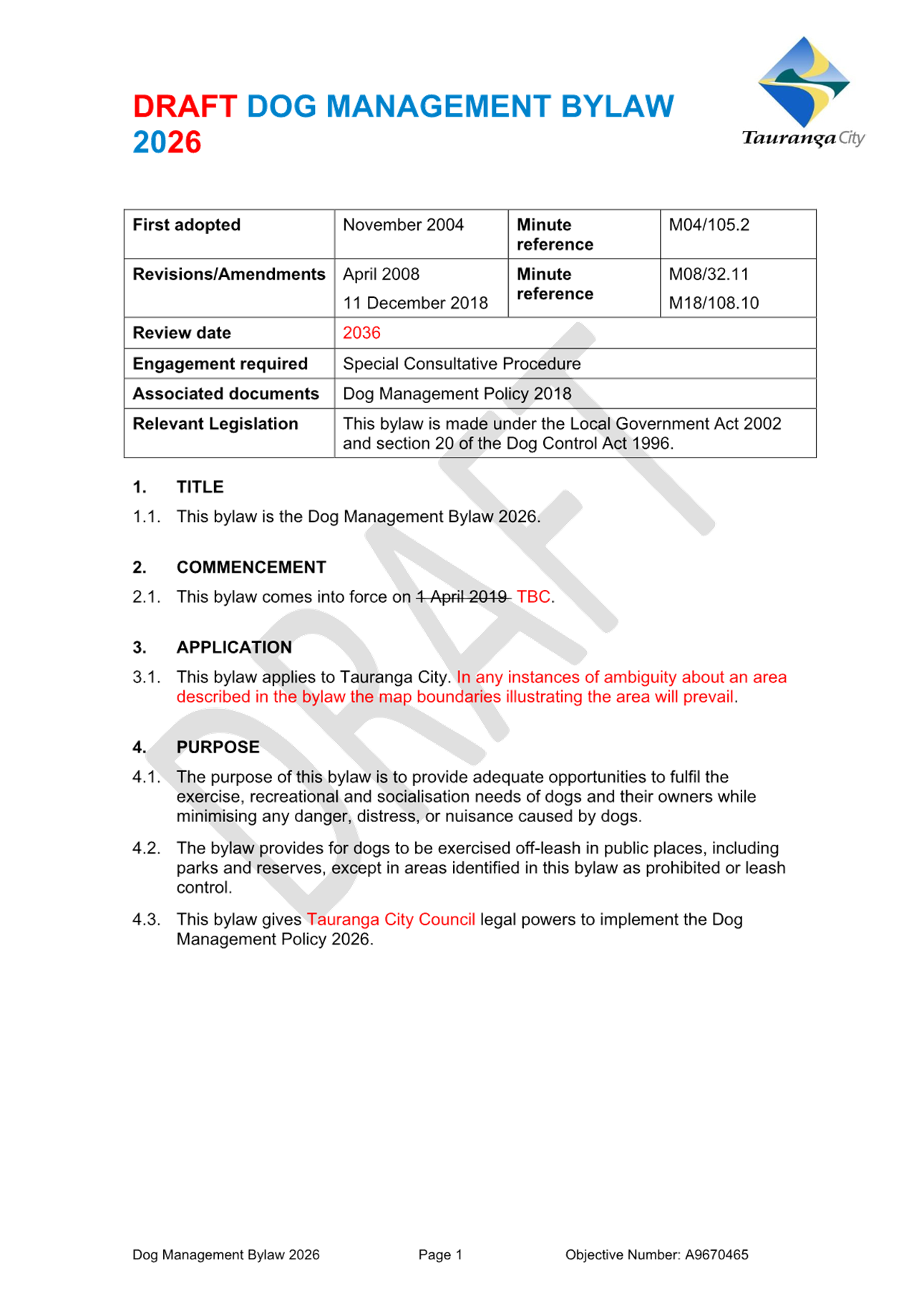
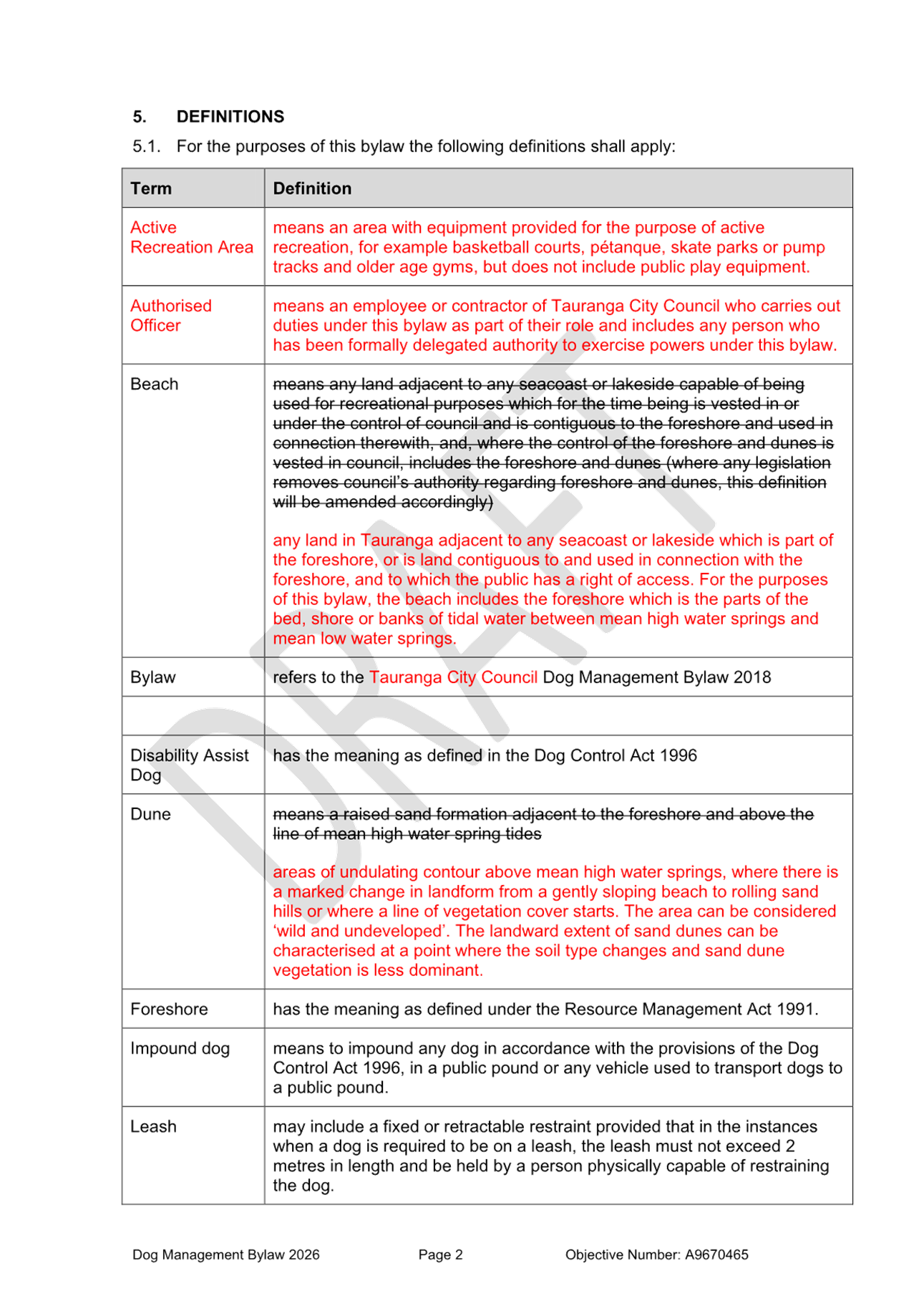
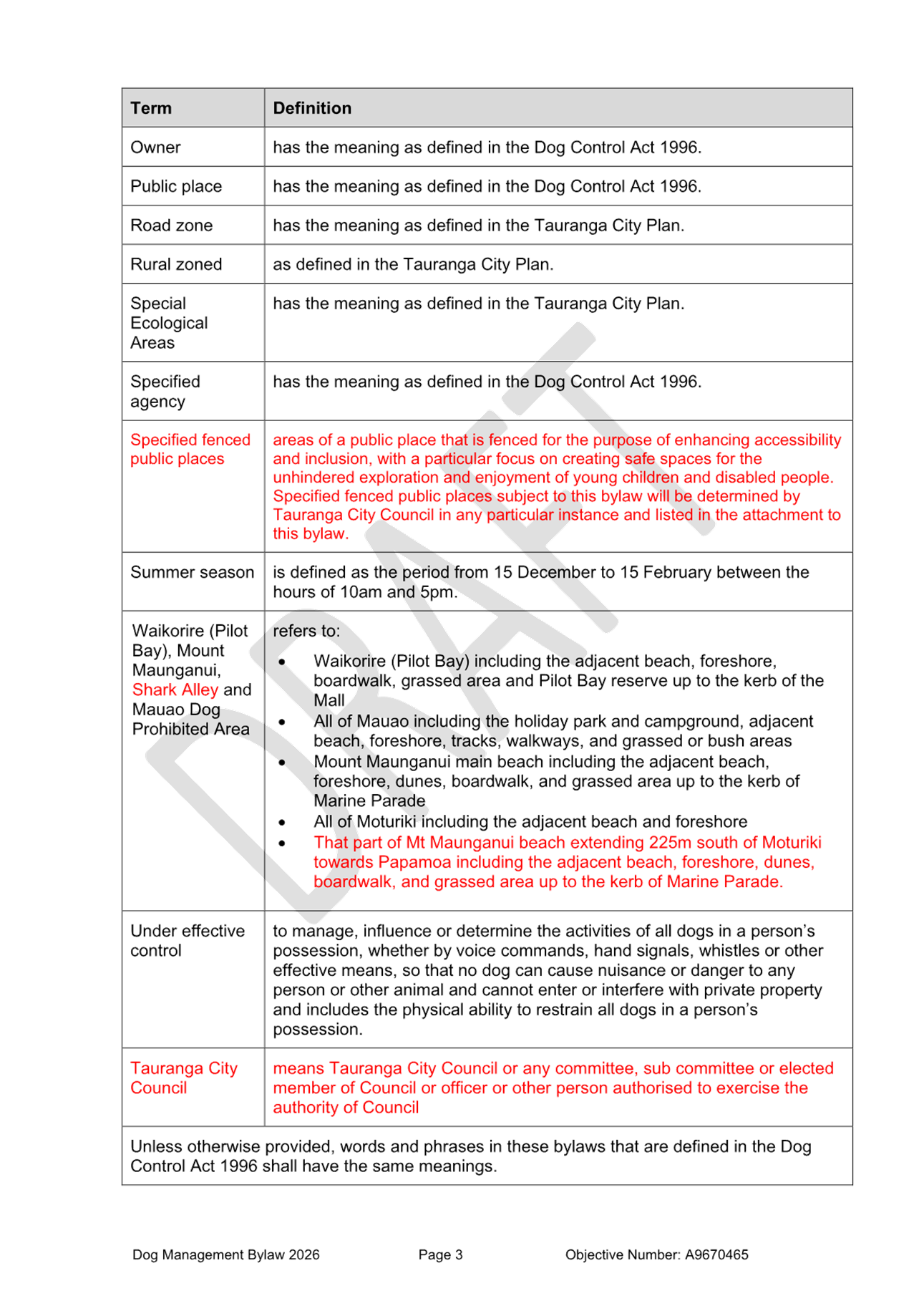
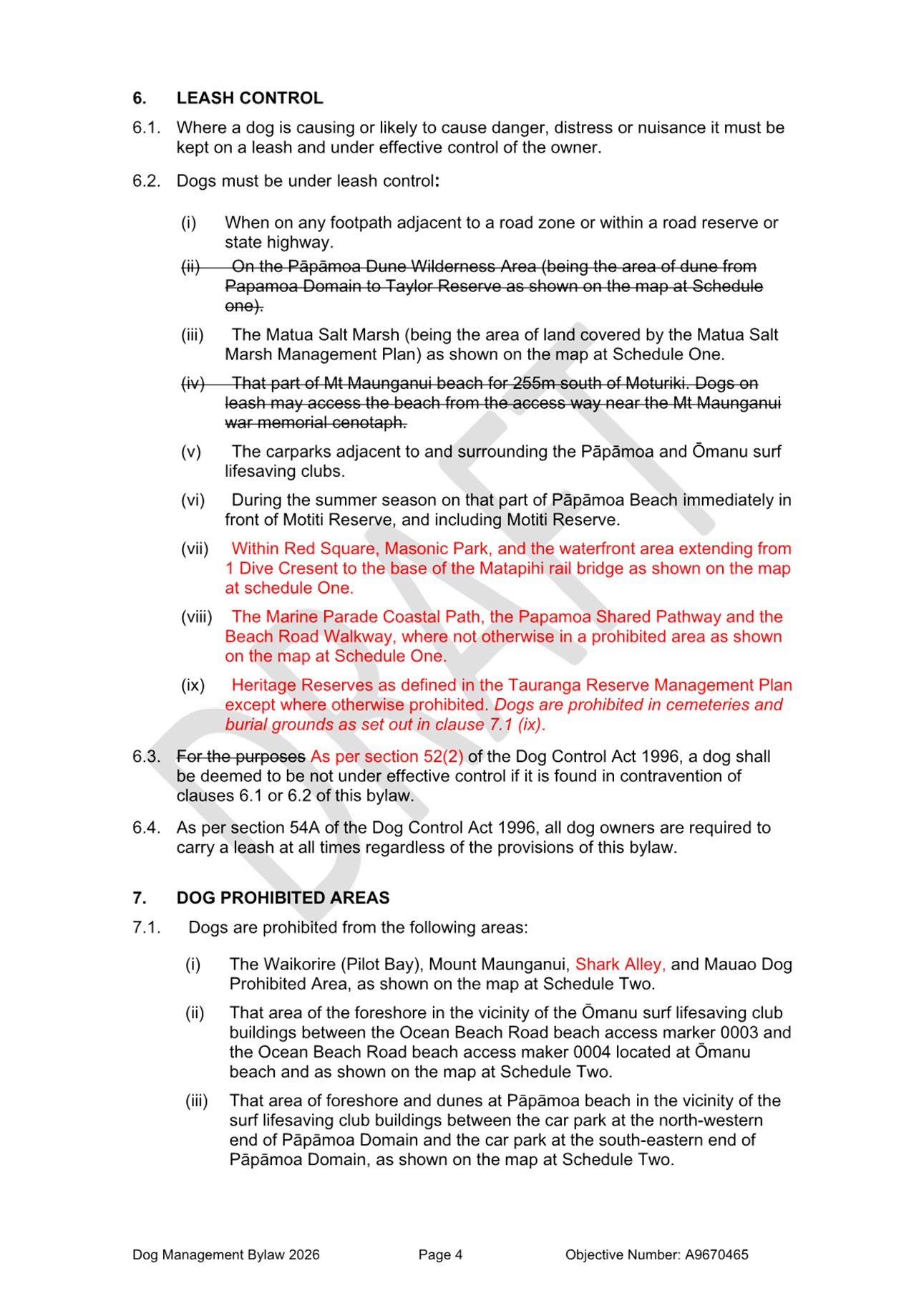
|
Ordinary
Council meeting Agenda
|
3
March 2026
|
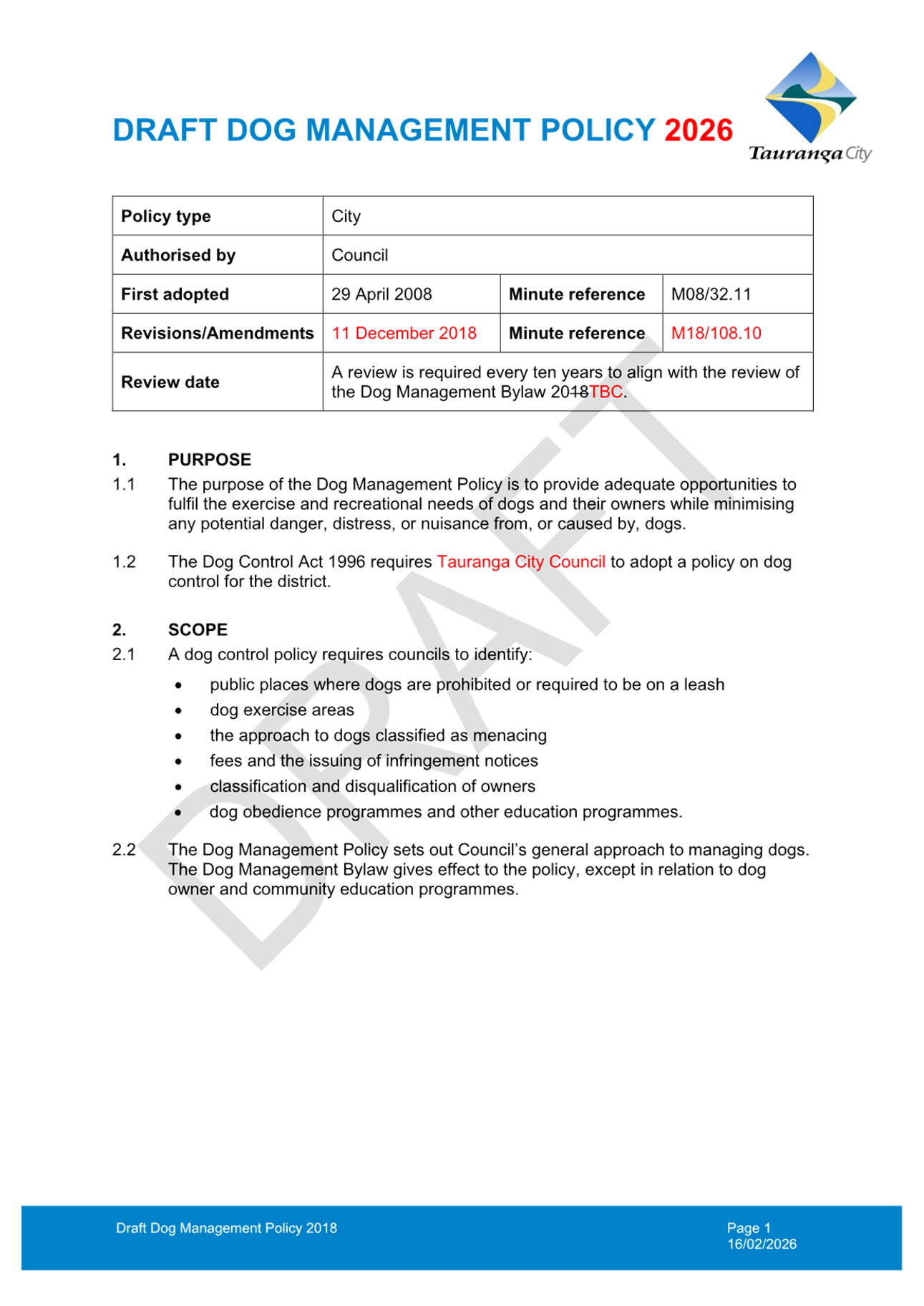
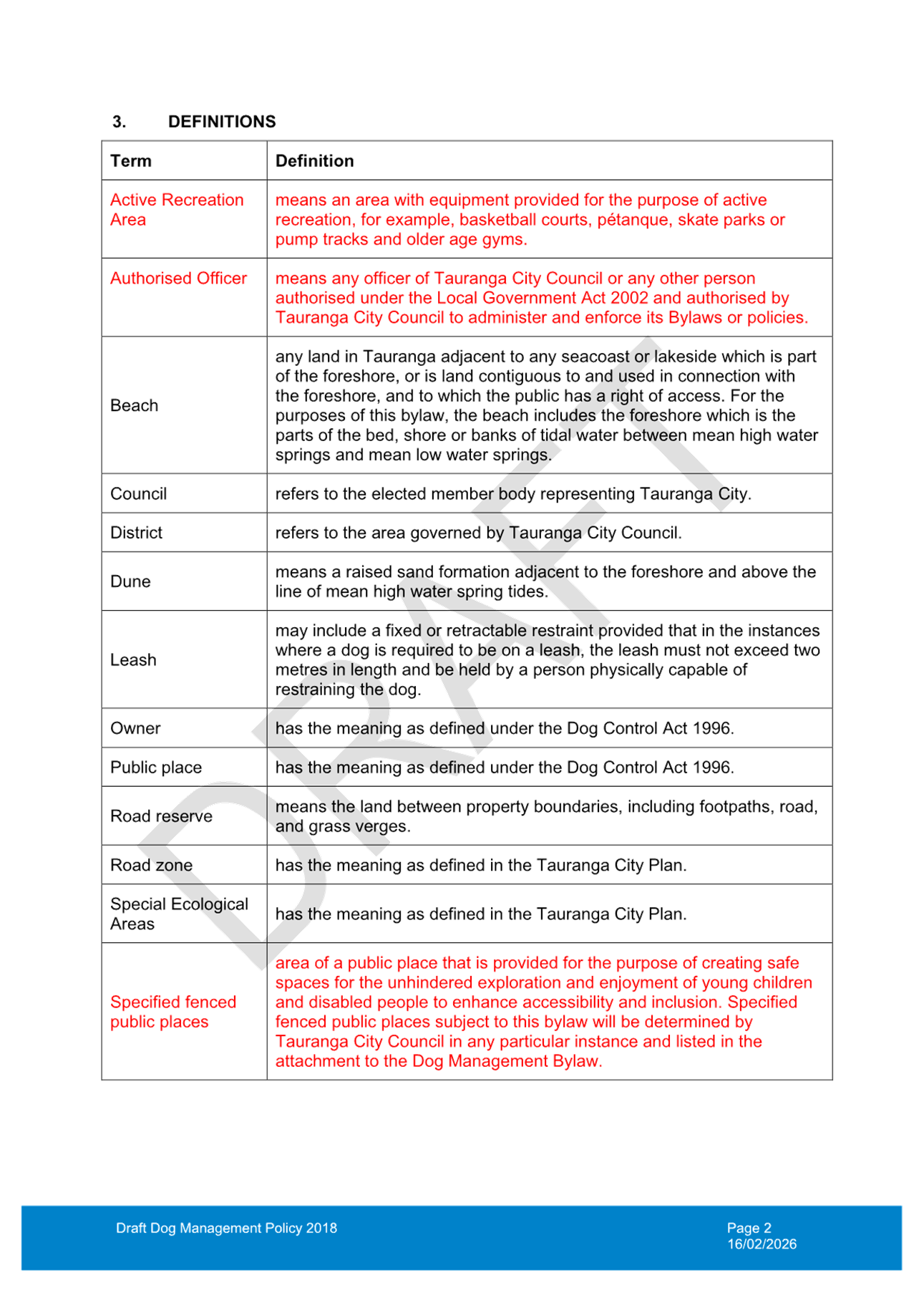
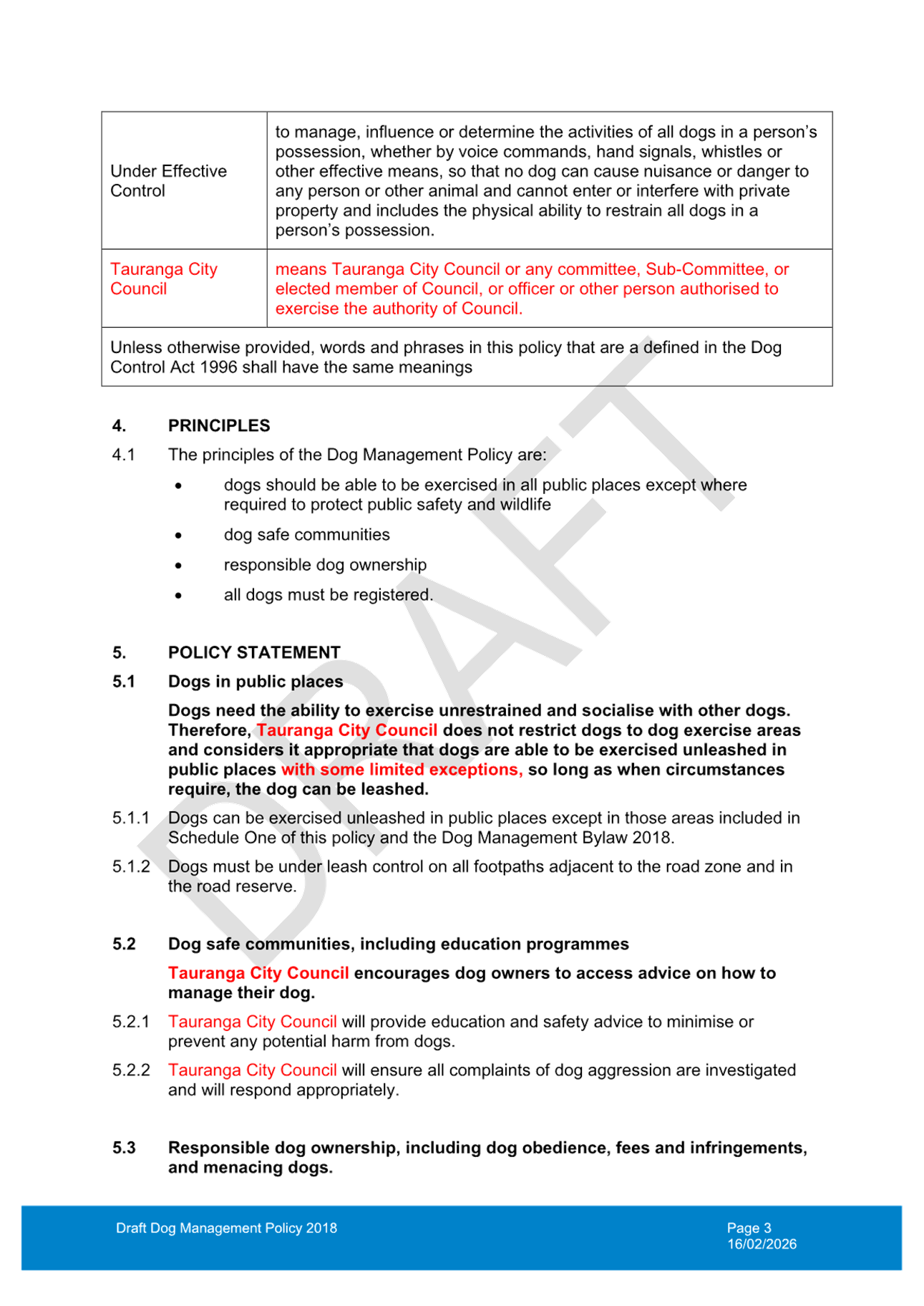
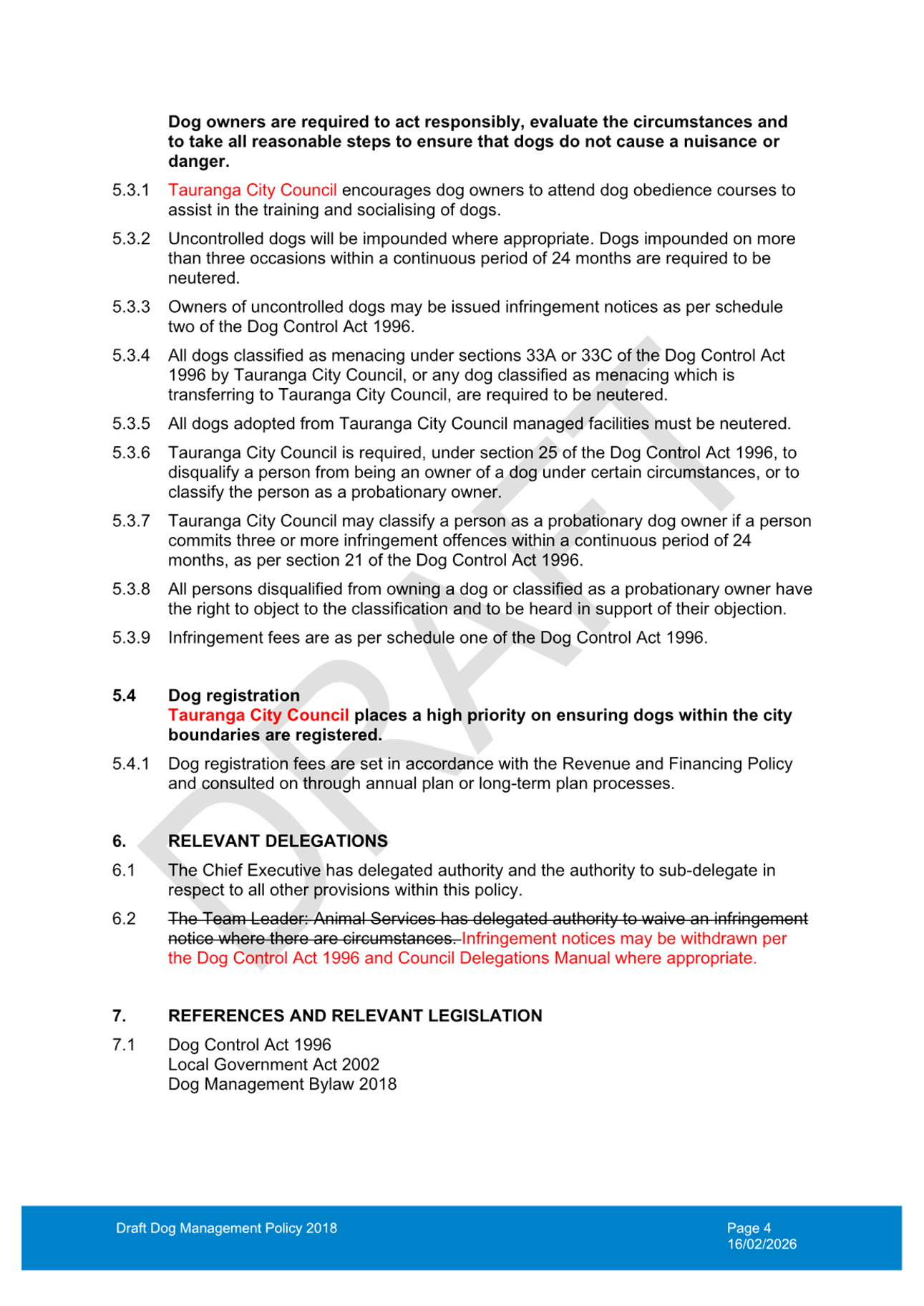
|
Ordinary
Council meeting Agenda
|
3
March 2026
|
|
Ordinary
Council meeting Agenda
|
3
March 2026
|
|
Ordinary
Council meeting Agenda
|
3
March 2026
|
|
Ordinary
Council meeting Agenda
|
3
March 2026
|
|
Ordinary
Council meeting Agenda
|
3
March 2026
|
|
Ordinary
Council meeting Agenda
|
3
March 2026
|
11.3 Elected Members'
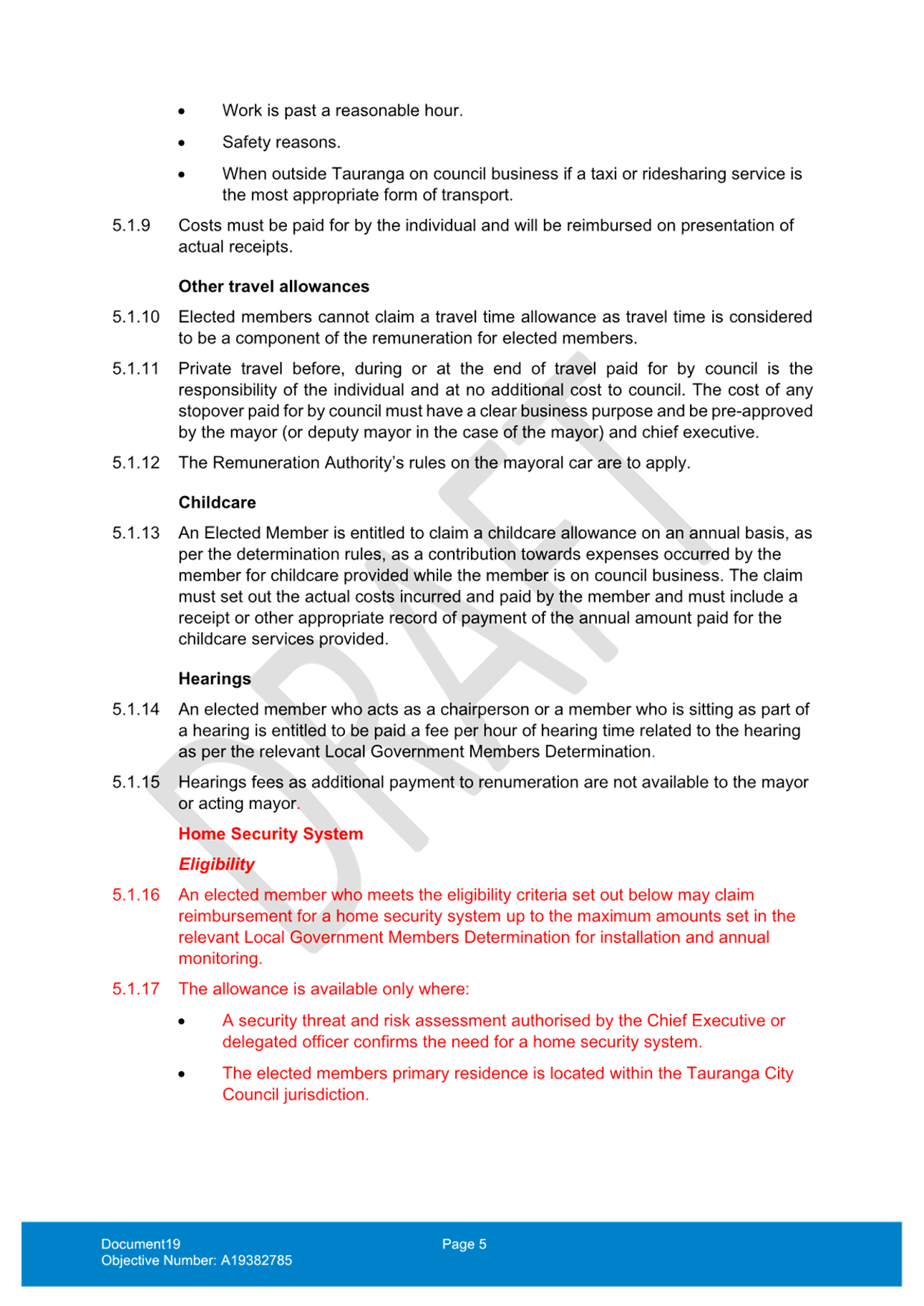
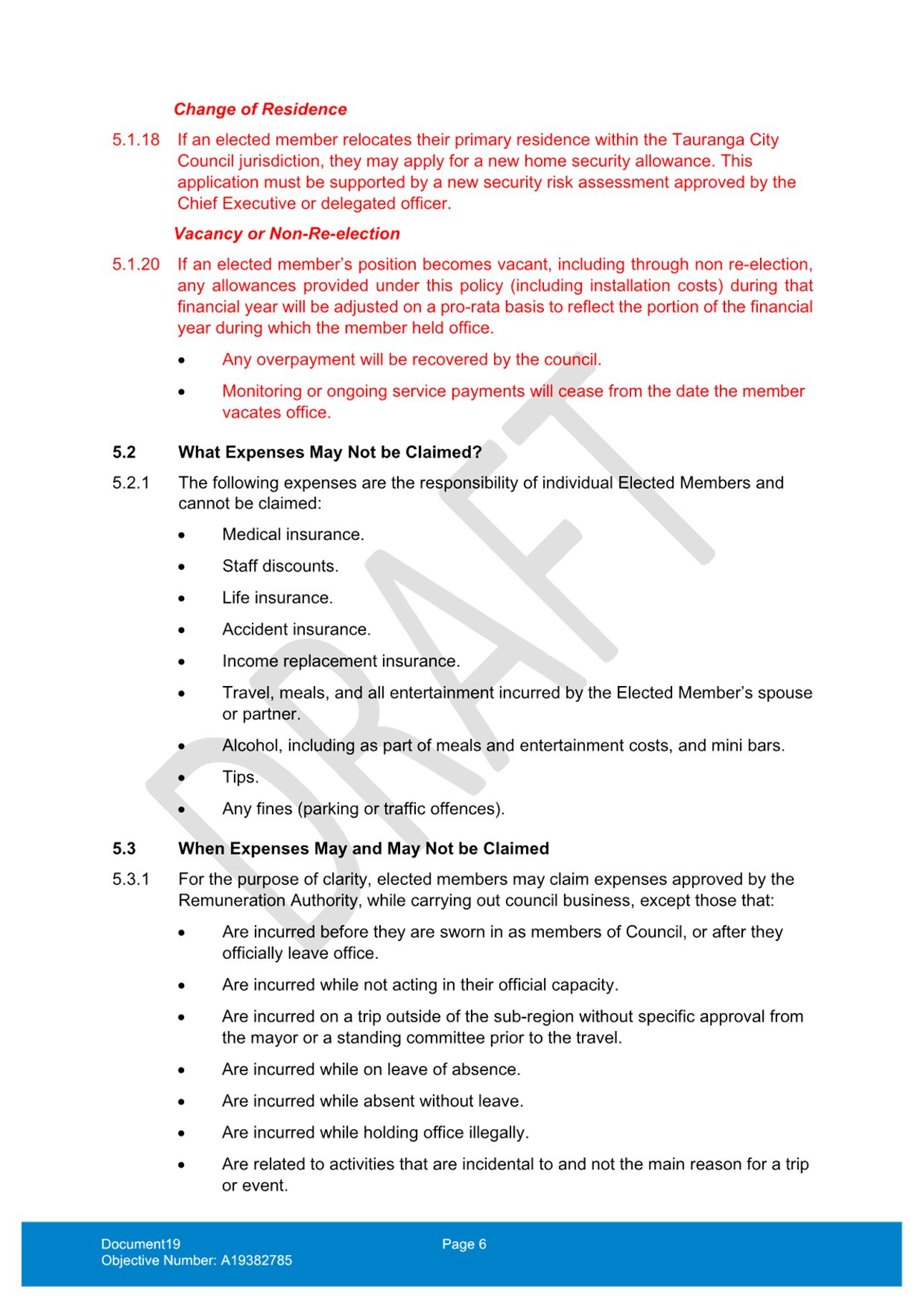
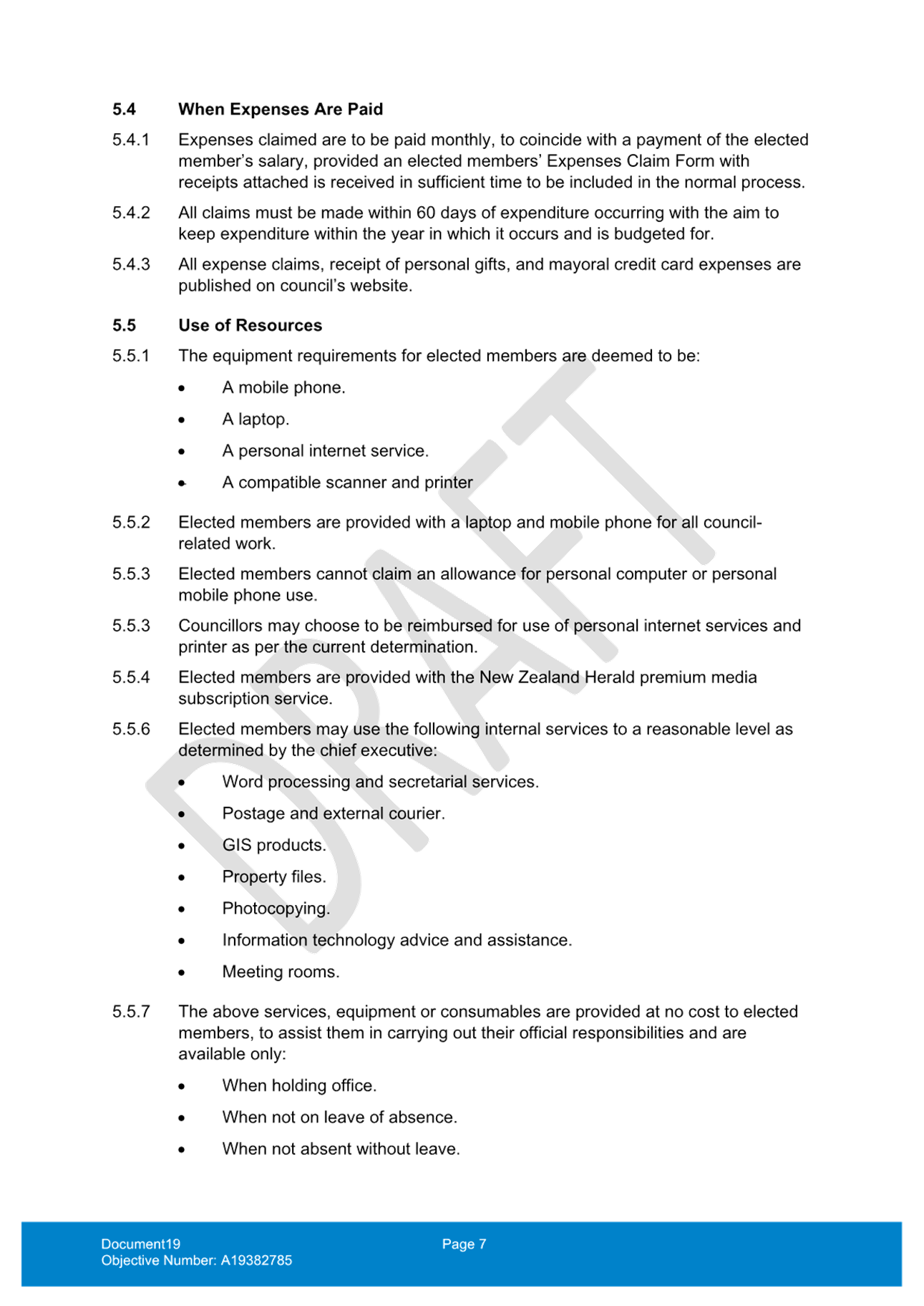
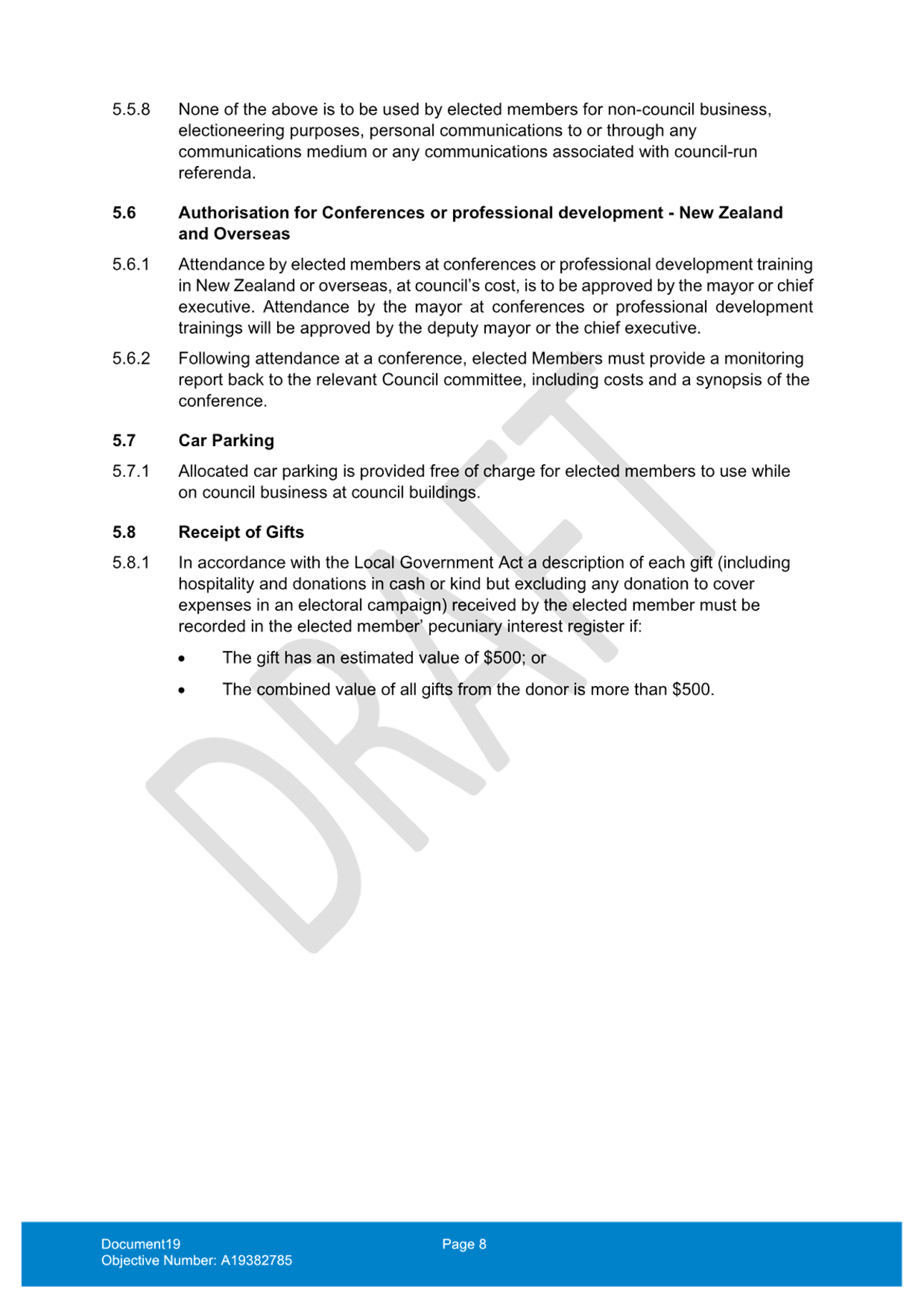
Expenses and Resources policy - home security allowance
File
Number: A19379584
Author: Jeremy
Boase, Head of Strategy, Governance & Climate Resilience
Jane Barnett, Policy
Analyst
Authoriser: Christine
Jones, General Manager: Strategy, Partnerships & Growth
Purpose of the Report
1. To seek Council approval
for adding wording to the Elected Members’ Expenses and Resources Policy.
This wording will provide for a home security allowance.
|
Recommendations
That the Council:
(a) Receives the report
"Elected Members' Expenses and Resources policy - home security
allowance".
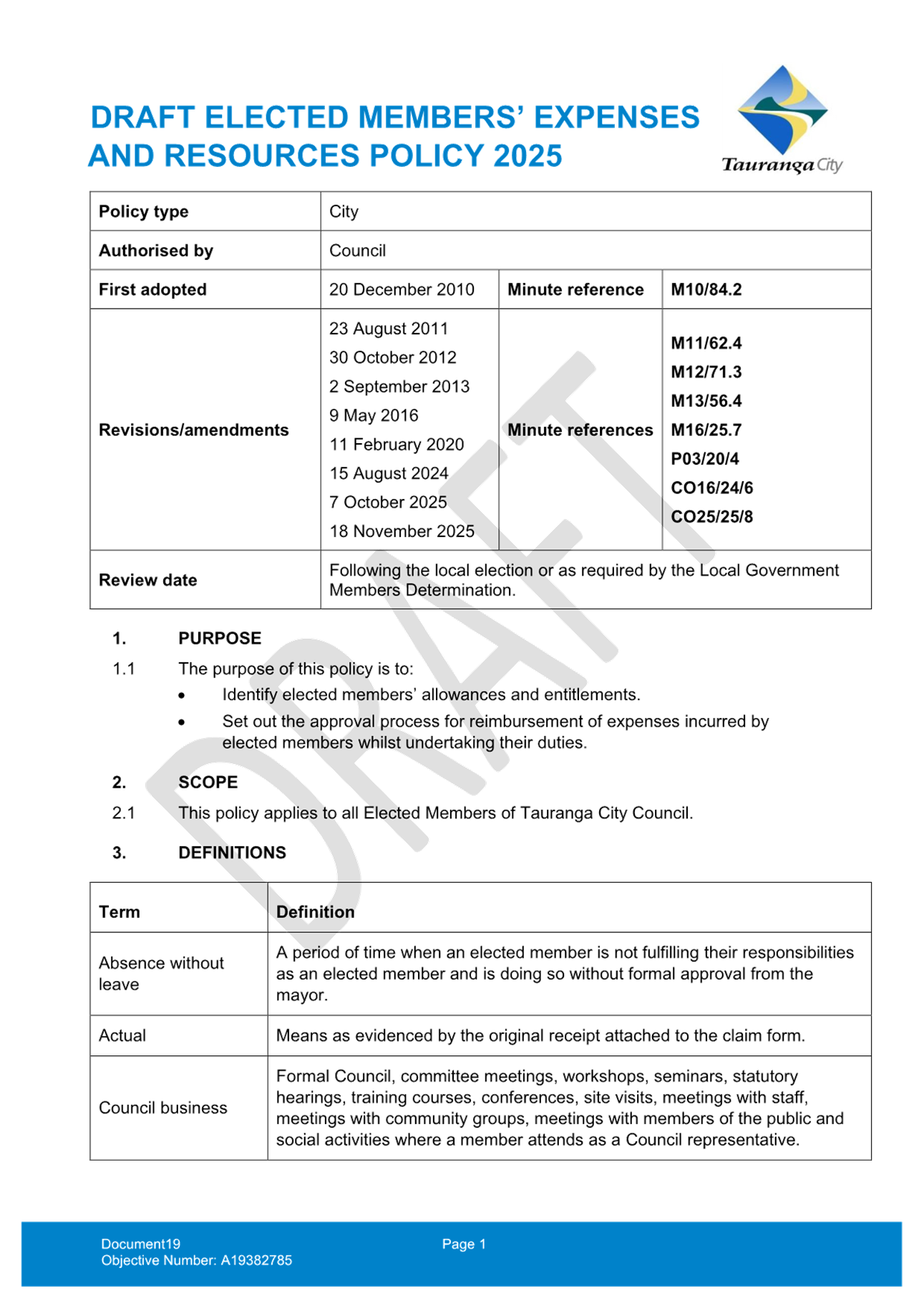
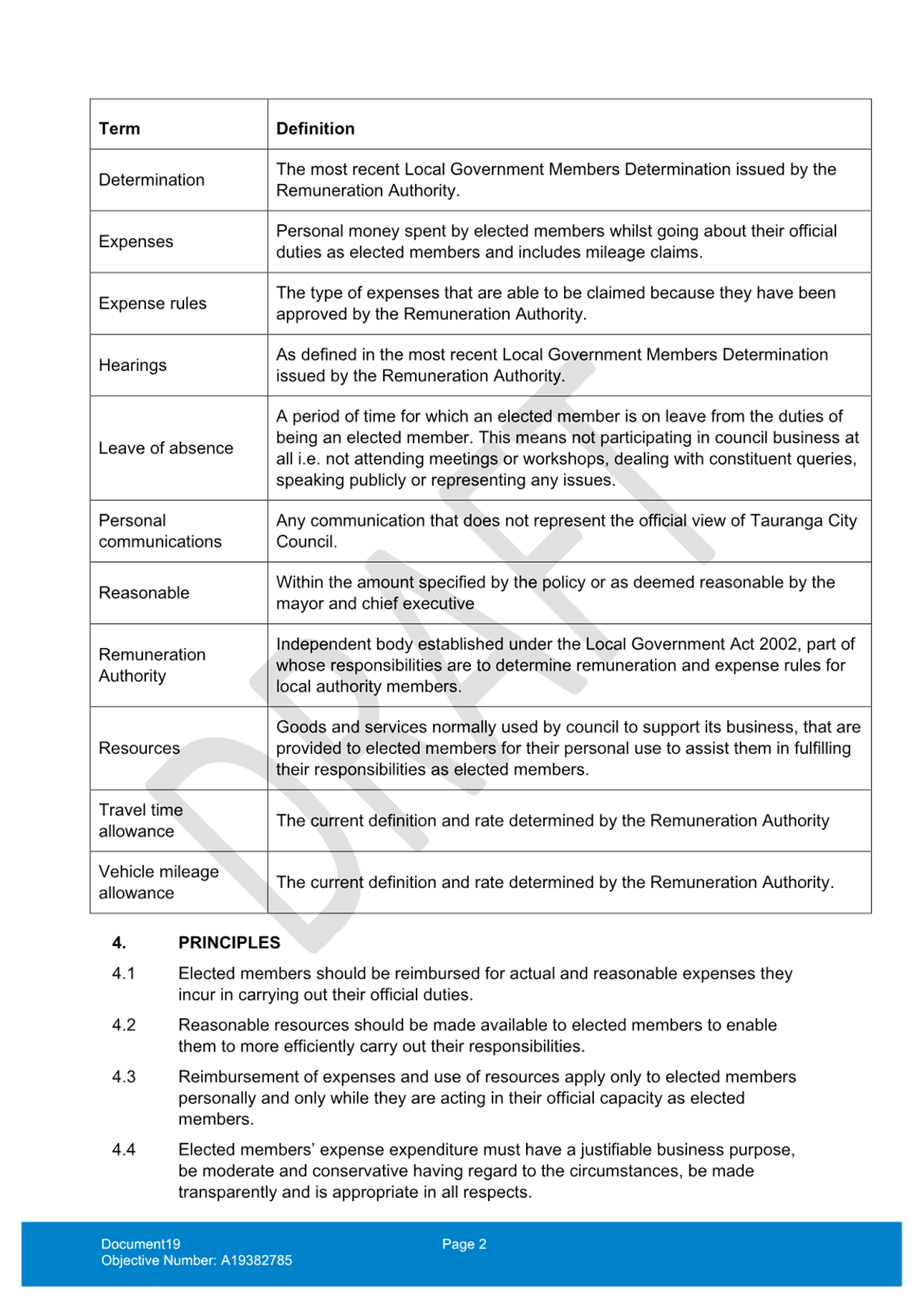
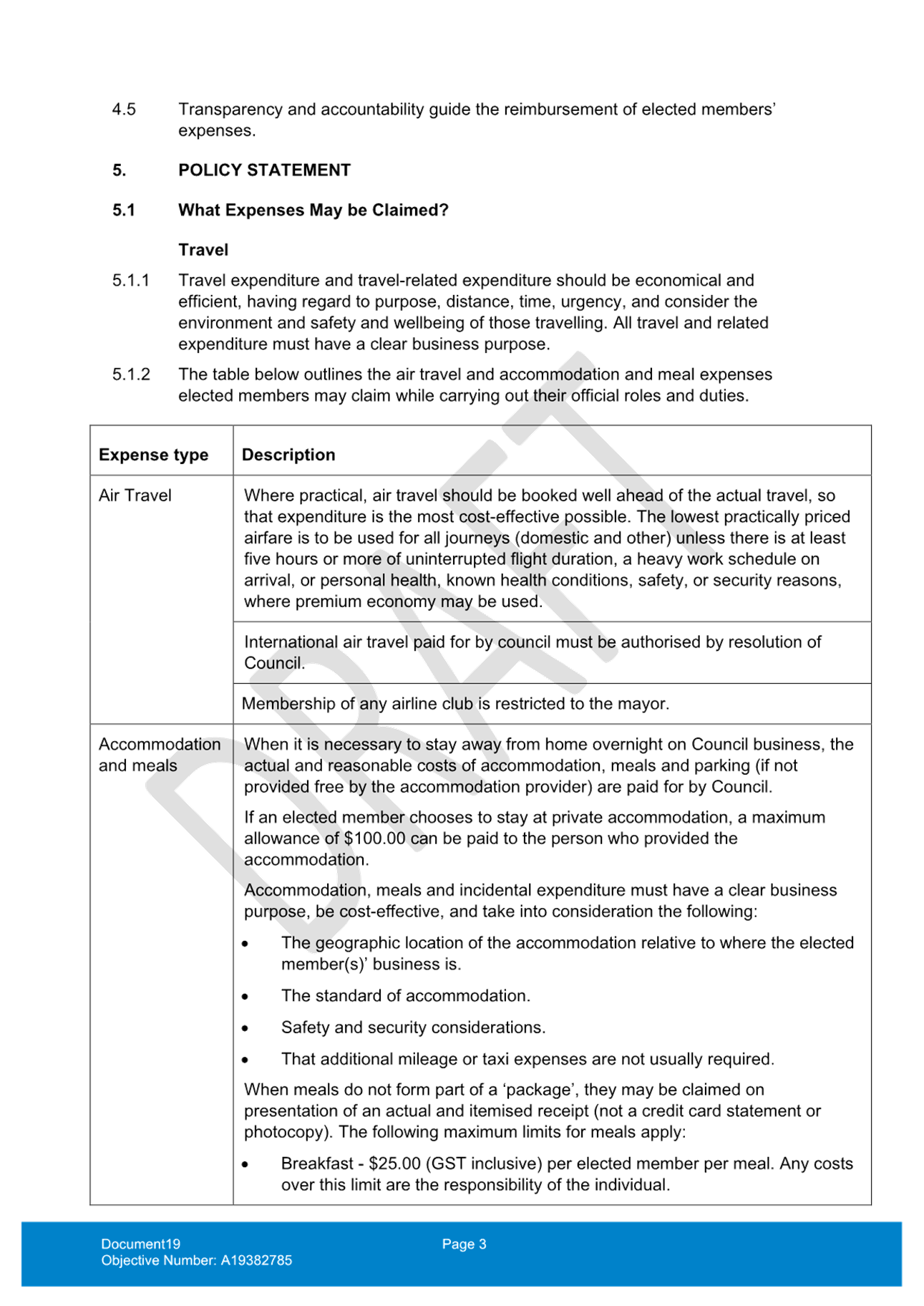
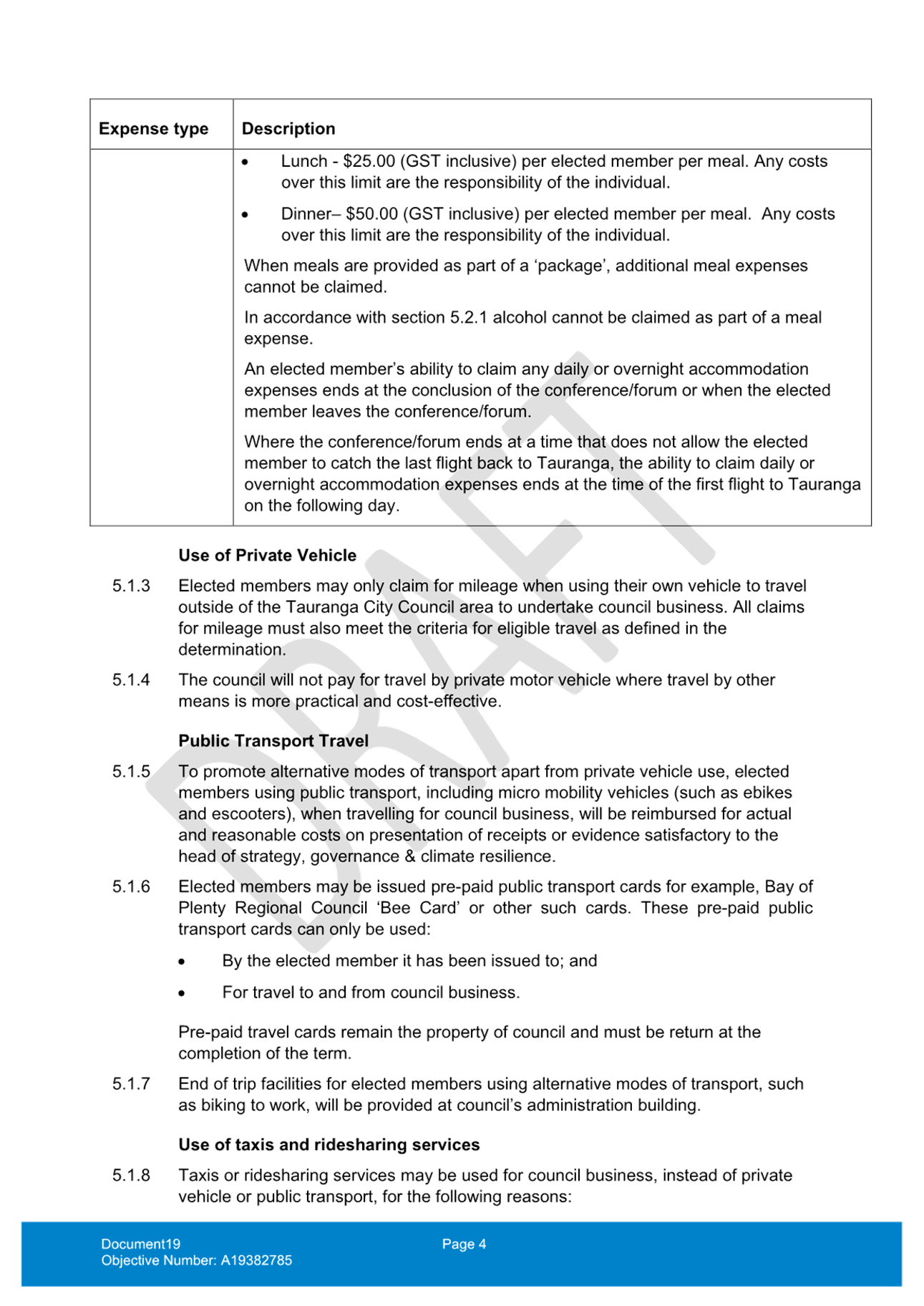
(b) Adopt the draft revised
Elected Members’ Expenses and Resources policy, incorporating the
addition of the home security section. (Attachment 1).
(c) Approves retrospective
reimbursement of any home security eligible under the Elected Members
Expenses and Resources Policy which was installed from 1 July 2025, being the
date the Local Government Elected Members (2025/26) Determination 2025 came
into force, where all requirements of the Policy have been met except for a
security threat and risk assessment being authorised prior to the
installation. The security threat and risk assessment must still be
completed and conclude that a security system is needed for reimbursement to
occur.
|
Executive Summary
2. On 18 November 2025
Council agreed to amend the Elected Members’ Expenses and Resources
Policy (the ‘policy’) to include a home security allowance. The
resolution set out eligibility criteria, security threat and risk assessment
requirements, maximum allowance limits and conditions that apply when a member
moves house, or their position becomes vacant
3. This report responds
to that resolution by presenting a proposed new ‘Home Security’
section within the policy. The section includes the eligibility criteria and
conditions that apply when an elected member changes their primary residence or
when their position becomes vacant, including cases of non-re-election (see Attachment
1).
4. There is no specific
budget allocation for this allowance. The financial impact will depend on
uptake, and any costs will be met from existing governance budgets.
Background
5. The
Local Government Elected Members (2025/26) Determination 2025 (“the
Determination”) issued by the Remuneration Authority includes provision
for a new home security allowance to be available for elected members. On 18
November 2025 Council decided to make this allowance available to all elected
members and that:
· the
required security threat and risk assessment would be prepared in house
· the
maximum allowances will be in accordance with the current Determination[8]
· if
an elected member changes their primary residence a new application (supported
by a new risk assessment) may be made for the new residence
· if
an elected member’s position becomes vacant all allowances (including
installation) scaled back proportional to the period of the financial year that
the member was in position
· approvals
for the allowance will be made by the mayor and chief executive, with mayoral
claims approved by the deputy mayor and one other councillor.
6. The
Determination 2025 came into force on 1 July 2025.
7. These
changes have been incorporated into the Elected Members’ Expenses and
Resources Policy 2025. The amendments are shown in red on page 5 of the revised
draft policy (Attachment 1).
8. As
required, the draft policy was submitted to the Remuneration Authority for
consideration. On 21 November 2025, the Authority approved the draft policy as
submitted.
9. Staff
have also prepared a security threat and risk assessment form to determine
eligibility for reimbursement of home security expenses.
Statutory Context
10. The Local Government Act 2002
(the Act) empowers the Authority to determine the allowances and expenses for
elected members and approve rules proposed by councils for reimbursing
expenses.
11. The Local Government Elected
Members (2025/26) Determination 2025 allows for reimbursement for up to $4,500
for installing a home security system and up to $1,000 per annum for
monitoring, call outs and repairs based on a safety risk assessment.
STRATEGIC ALIGNMENT
12. This contributes to the
promotion or achievement of the following strategic community outcome(s):
|
Contributes
|
|
We are an inclusive city
|
ü
|
|
We value, protect and enhance the environment
|
☐
|
|
We are a well-planned city that is easy to move
around
|
☐
|
|
We are a city that supports business and education
|
☐
|
|
We are a vibrant city that embraces events
|
☐
|
13. The addition of the home
security allowance promotes wellbeing by supporting the safety of elected
members.
Options Analysis
14. The table below outlines the
advantages and disadvantages of adopting or not adopting the Elected
Members’ Expenses and Resources Policy with the inclusion of a home
security allowance section.
|
3.
Option
|
4.
Advantages
|
5.
Disadvantages
|
|
6.
Option A: Adopt the Elected Members’ Expenses and
Resources policy, incorporating the addition of the home security section.
|
· Enhanced safety for elected
members where there is an identified risk.
· Sets clear eligibility and
conditions to ensure consistent application.
· Aligns with Remuneration
Authority Guidance.
|
· No specific budget
allocation and uptake could create costs.
· Requires processes for risk
assessments and approvals.
7.
|
|
8.
Option B: Do not adopt the Elected Members’ Expenses and
Resources policy, incorporating the addition of the home security section.
|
· Avoids financial impact of
allocating home security allowance.
· Eliminates the need for new
processes such as security threat and risk assessment.
9.
|
· No financial support for
security measures when there is an identified threat.
· Council has already resolved
to include these provisions so not adopting could create reputational issues.
|
Financial Considerations
15. The financial impact of the
proposed changes to the Elected Members’ Expenses and Resources Policy
will depend on the uptake of the home security allowances. The maximum
potential impact is likely to be 10 elected members x $4,500 for installation
plus $1,000 per annum for monitoring, call-outs and repairs i.e. $55,000 in
total. There is no separate budget provision for the allowance. Any expenditure
will be managed within the current governance budget.
16. As noted in paragraph 6 the
Determination came into force on 1 July 2025. The Council could choose to
retrospectively apply the policy to any home security installed since 1 July
2025 if it complies with the policy adopted.
Legal Implications / Risks
17. Personal
information collected via a security system owned and operated by an individual
solely for personal or domestic purposes, is generally not subject to the
Privacy Act 2020, unless considered highly offensive. Guidance will be
provided to elected members on the appropriate operation of a home security
system that collects personal information.
18. In addition, there are
governance and financial risks if approval processes and audit trails are not
robust, and reputational risks if the allowance is perceived as inequitable or
lacks transparency. These risks are mitigated by defining eligibility criteria,
referencing the limits set in the Local Government Members Determinations and
specifying conditions for when an elected member moves house or vacates their
position.
TE AO MĀORI APPROACH
19. The principle of Manaakitanga
meaning, Ahurutanga/haumarutanga – a strong duty of care and
safety for our people – underpins the provision of a home security
allowance, which is based on a security threat and risk assessment.
CLIMATE IMPACT
20. Decisions on the provision of a
home security allowance do not directly relate to climate change impact.
Significance
21. The Local Government Act 2002
requires an assessment of the significance of matters, issues, proposals and
decisions in this report against Council’s Significance and Engagement
Policy. Council acknowledges that in some instances a matter, issue,
proposal or decision may have a high degree of importance to individuals,
groups, or agencies affected by the report.
22. In making this assessment,
consideration has been given to the likely impact, and likely consequences for:
10.
(a) the current
and future social, economic, environmental, or cultural well-being of the
district or region
11.
(b) any persons who are likely to be
particularly affected by, or interested in, the decision.
12.
(c) the capacity of the local authority to
perform its role, and the financial and other costs of doing so.
23. In accordance with the
considerations above, criteria and thresholds in the policy, it is considered
that the decision is of low significance.
ENGAGEMENT
24. Taking into consideration the
above assessment, that the decision is of low significance, officers are of the
opinion that no further engagement is required prior to Council making a
decision.
Next Steps
25. If
Council adopts the revised policy, it will take effect from the date of
adoption.
Attachments
1. Draft
revised Elected Members Expenses and Resources policy - A19382785 ⇩ 
|
Ordinary
Council meeting Agenda
|
3
March 2026
|
|
Ordinary
Council meeting Agenda
|
3
March 2026
|
11.4 Status
update on actions from prior Council meetings
File
Number: A19660802
Author: Clare
Sullivan, Senior Governance Advisor
Sarah Holmes, Team
Leader: Governance & CCO Support Services
Authoriser: Christine
Jones, General Manager: Strategy, Partnerships & Growth
Please
note that this report contains confidential attachments.
|
Public Excluded Attachment
|
Reason why Public Excluded
|
|
Item 11.4 - Status
update on actions from prior Council meetings - Attachment 2 - Actions
requested from Council as at 19 February - public excluded
|
s7(2)(a) - The
withholding of the information is necessary to protect the privacy of natural
persons, including that of deceased natural persons.
|
Purpose of the Report
This report provides a status update on actions requested
during previous Council meetings.
|
Recommendations
That the Council:
(a) Receives the report
"Status update on actions from prior Council meetings".
(b) Attachment 2 is to
remain in the public excluded section to maintain the privacy of natural
persons (as per s7(2)(a) of the Local Government Official Information and
Meetings Act 1987).
|
Background
1. This is a recurring
report provided to every second Council meeting. The next report will be to the
21 April 2026 meeting.
2. The attached update
includes all open actions and actions completed since the last report on 16
December 2025.
3. Once reported,
completed actions are archived and made available to Elected Members in their
Stellar library.[9]
Discussion
4. A summary of
outstanding and recently closed actions, as at 19 February 2026, is provided in
the table on the following page:
|
Status of actions
|
No. actions
|
|
Closed (completed since
the last report – includes one action in the public excluded agenda)
|
10
|
|
Pending (waiting on
something)
|
5
|
|
In progress
|
5
|
|
To be actioned
|
1
|
|
Total actions
included in this report
|
21
|
5. The full status
update information is provided as Attachment 1 (20 actions from
public agenda items) and Attachment 2 (1 closed action from
public excluded agenda items).
Attachments
1. Actions
requested from Council as at 19 February 2026 - A19786413 ⇩
2. Actions requested
from Council as at 19 February - public excluded - A19786167 - Public Excluded
|
Ordinary
Council meeting Agenda
|
3
March 2026
|
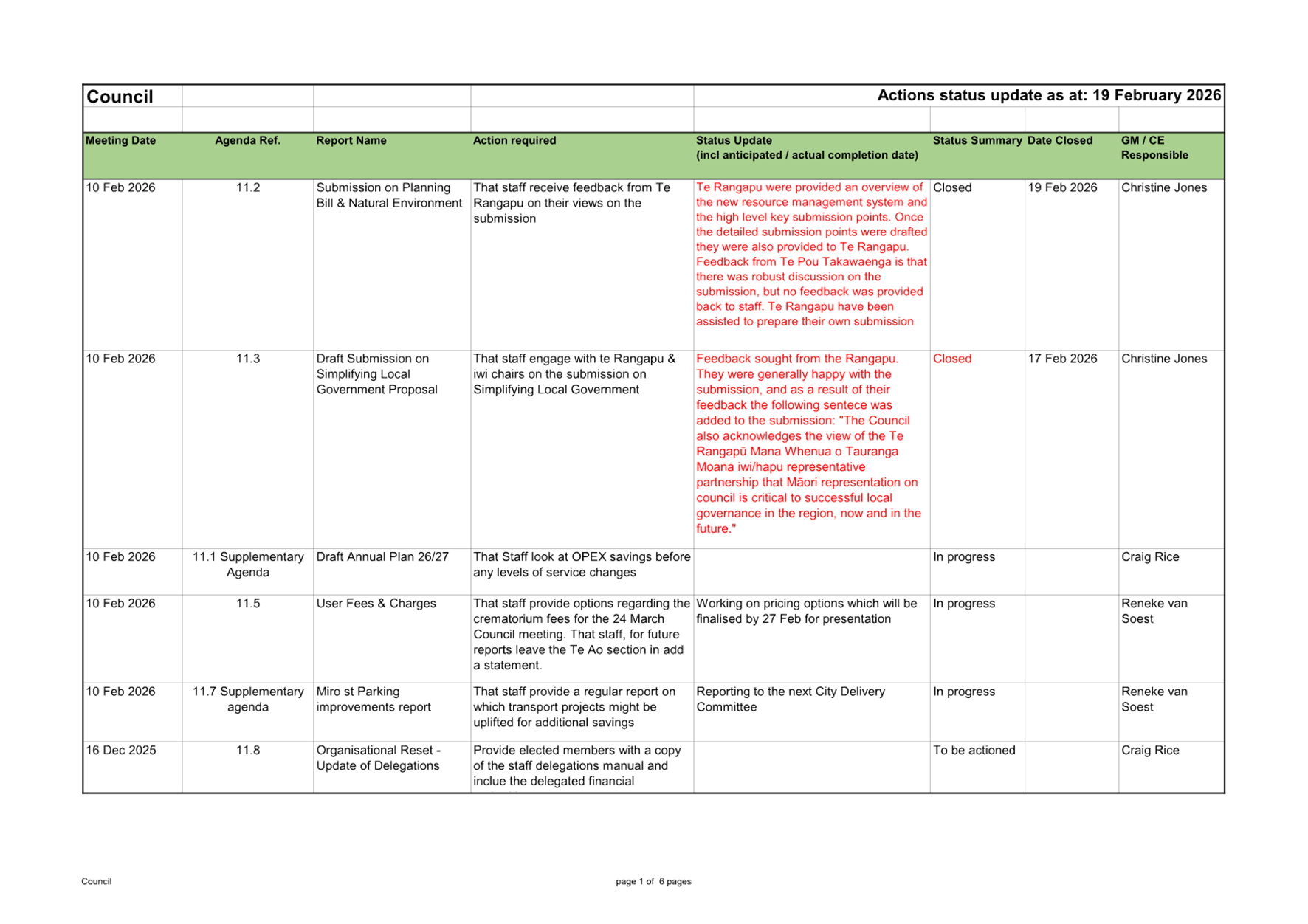
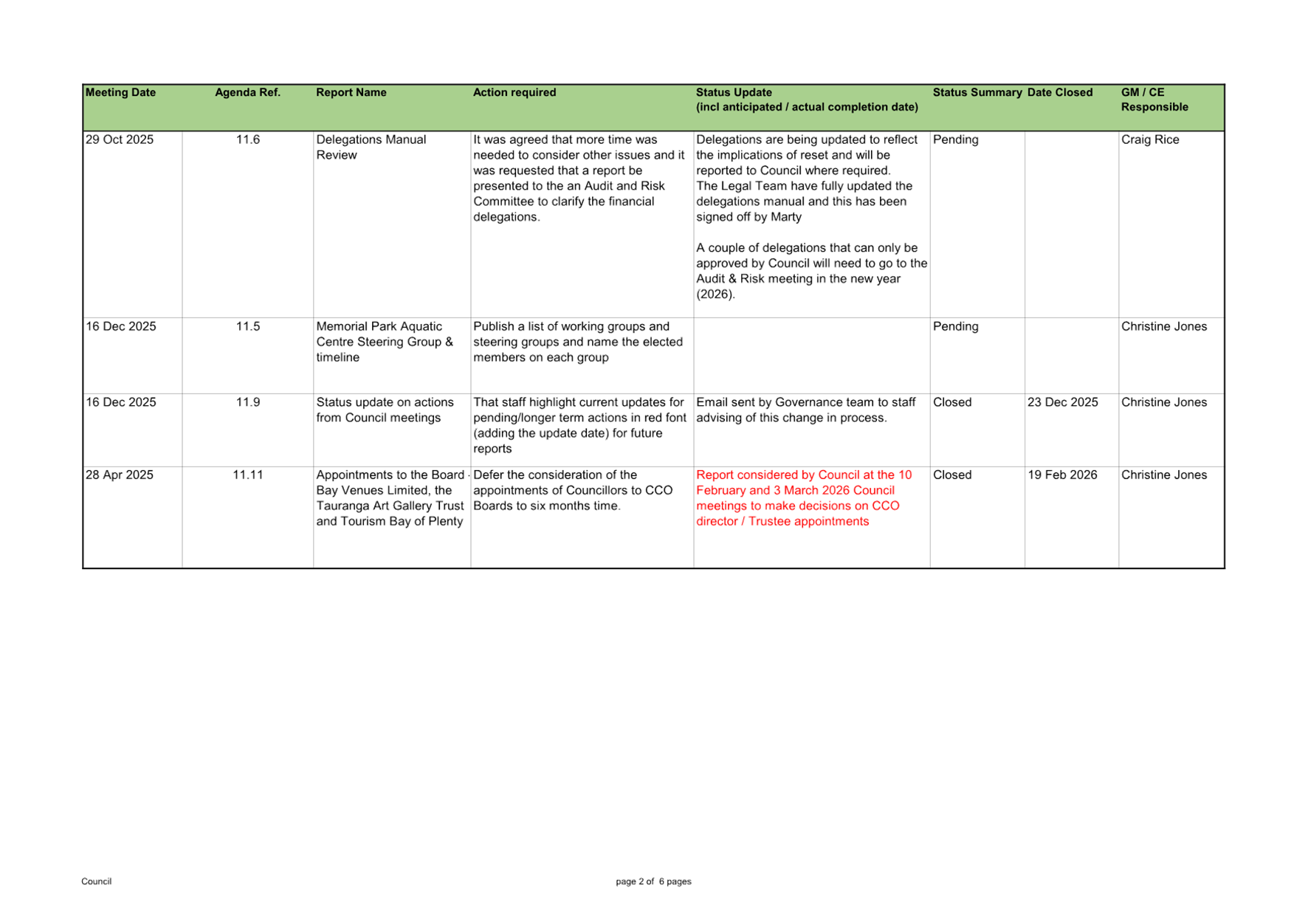
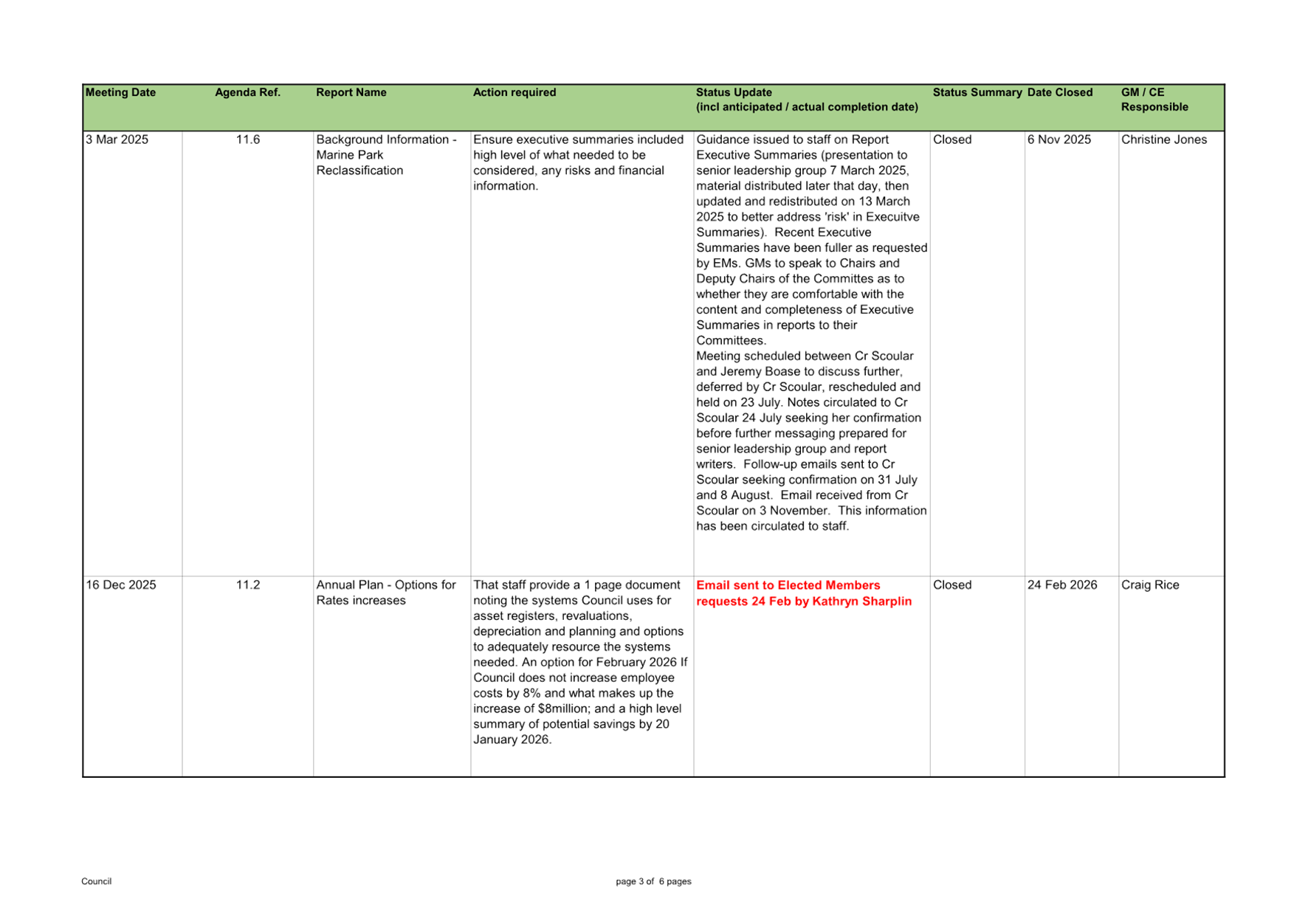
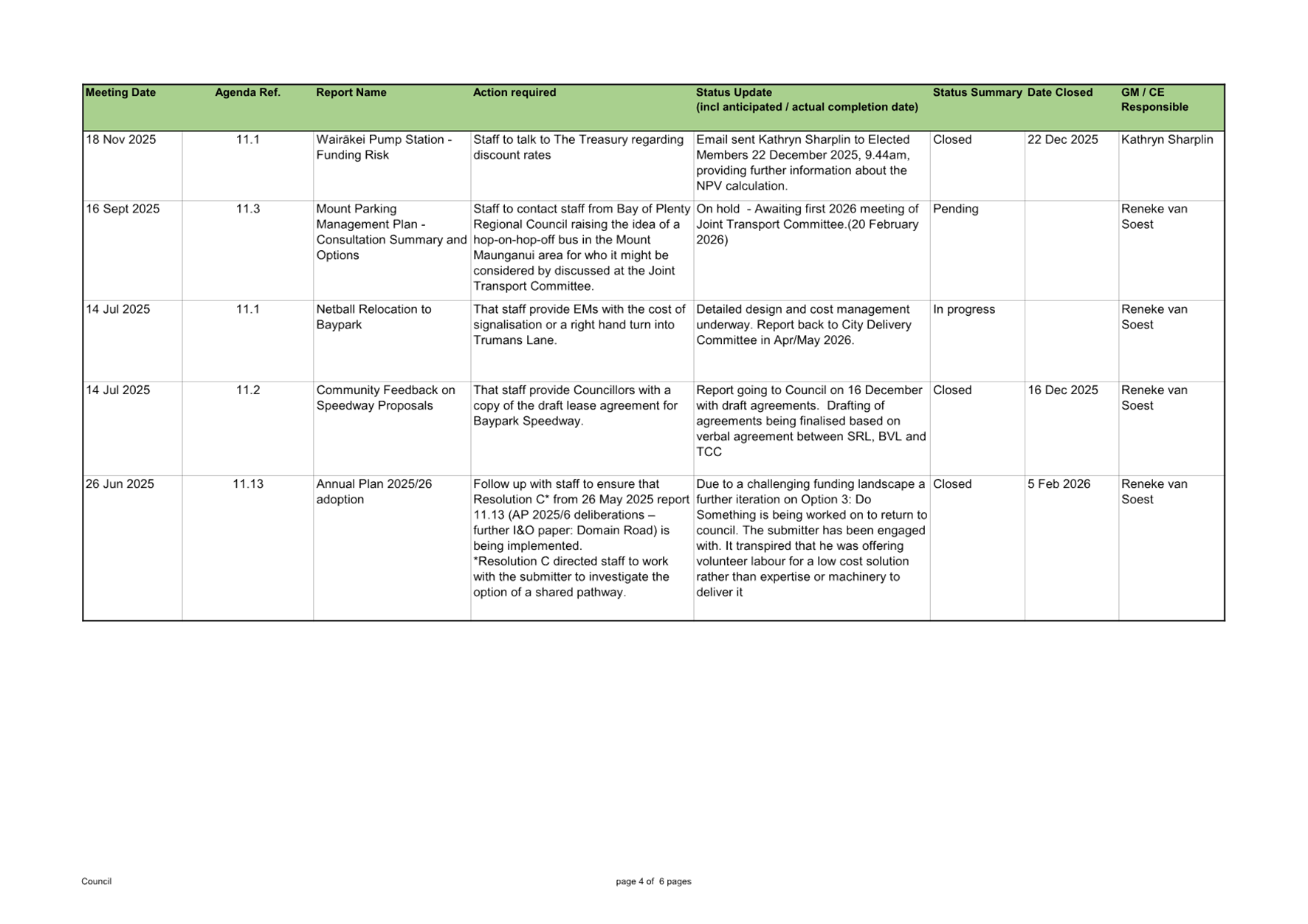
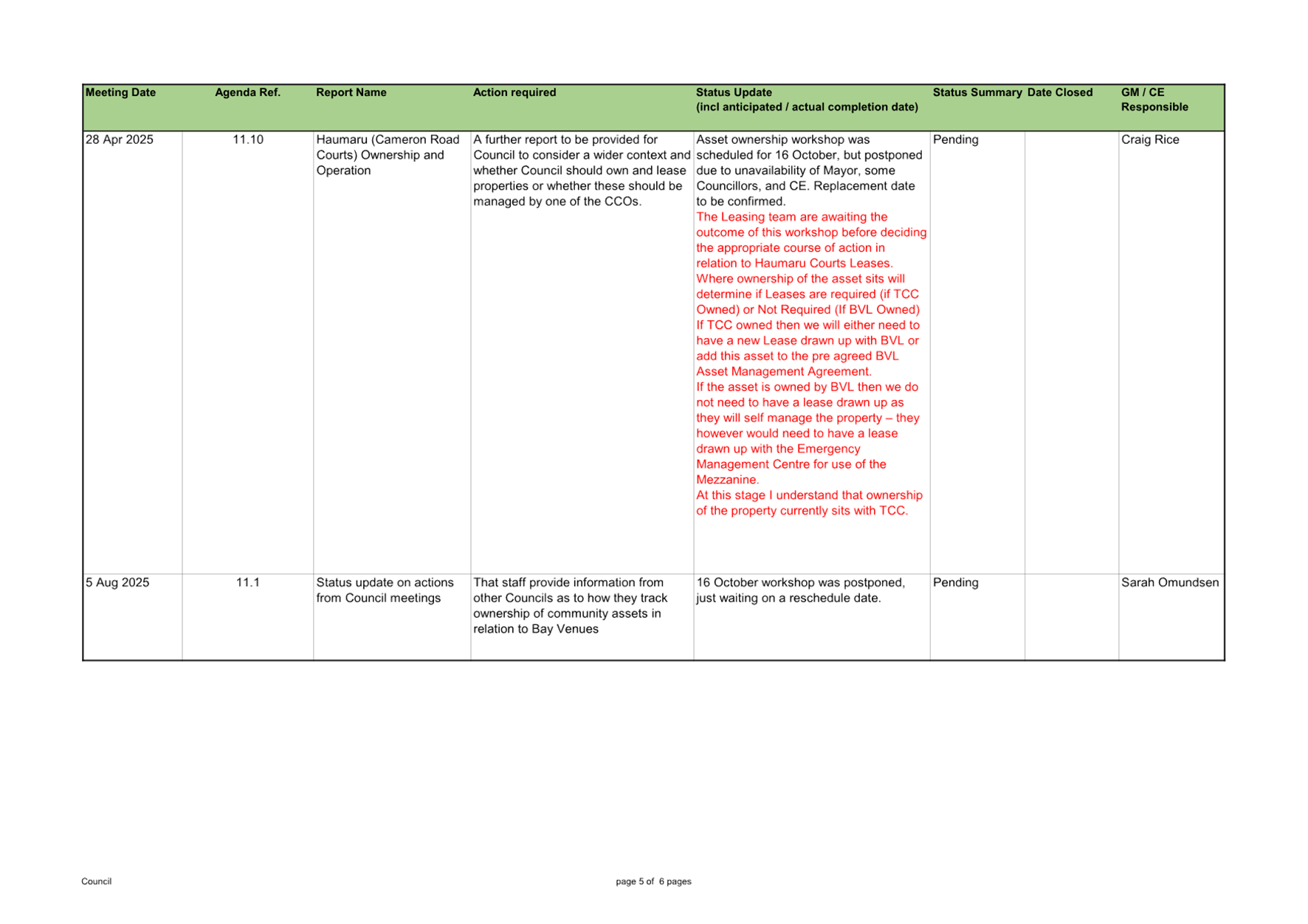
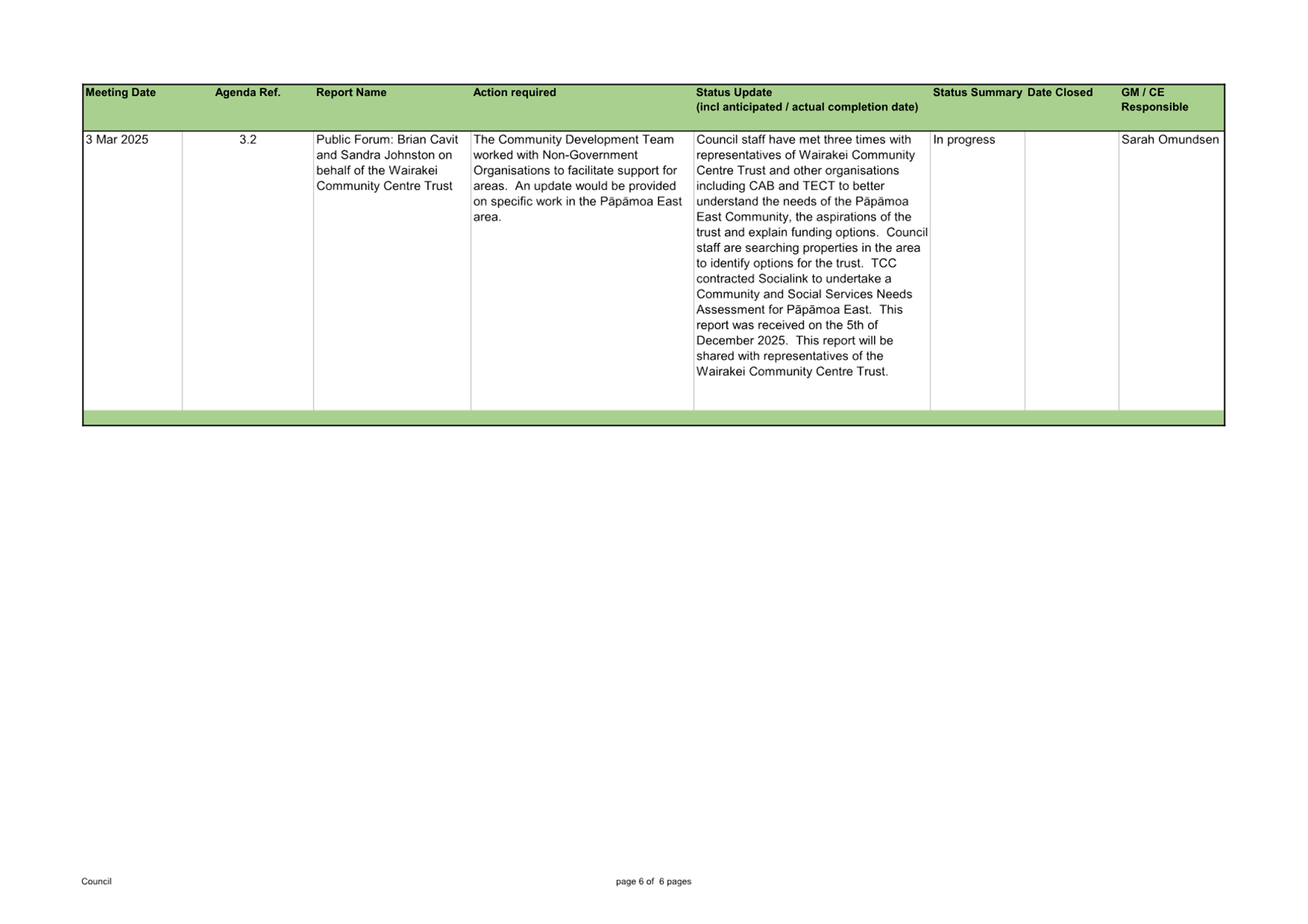
|
Ordinary Council meeting Agenda
|
3 March 2026
|
12 Discussion
of late items
|
Ordinary Council meeting Agenda
|
3 March 2026
|
13 Public
excluded session
Resolution to exclude
the public
|
Recommendations
That the public be
excluded from the following parts of the proceedings of this meeting.
The general subject
matter of each matter to be considered while the public is excluded, the
reason for passing this resolution in relation to each matter, and the
specific grounds under section 48 of the Local Government Official
Information and Meetings Act 1987 for the passing of this resolution are as
follows:
|
General subject of each matter to be
considered
|
Reason for passing this resolution in
relation to each matter
|
Ground(s) under section 48 for the
passing of this resolution
|
|
13.1 - CCO Board appointments - Bay
Venues Limited and Te Manawataki o Te Papa Limited
|
s7(2)(a) - The withholding of the information is
necessary to protect the privacy of natural persons, including that of
deceased natural persons
|
s48(1)(a) - the public conduct of the relevant
part of the proceedings of the meeting would be likely to result in the
disclosure of information for which good reason for withholding would exist
under section 6 or section 7
|
|
13.2 - University of Waikato MoU and
Student Accommodation
|
s7(2)(b)(ii) - The withholding of the information
is necessary to protect information where the making available of the
information would be likely unreasonably to prejudice the commercial
position of the person who supplied or who is the subject of the information
|
s48(1)(a) - the public conduct of the relevant
part of the proceedings of the meeting would be likely to result in the
disclosure of information for which good reason for withholding would exist
under section 6 or section 7
|
|
13.3 - Special litigation report
|
s6(a) - The making available of the information
would be likely to prejudice the maintenance of the law, including the
prevention, investigation, and detection of offences, and the right to a
fair trial
s7(2)(a) - The withholding of the information is
necessary to protect the privacy of natural persons, including that of
deceased natural persons
s7(2)(b)(ii) - The withholding of the information
is necessary to protect information where the making available of the
information would be likely unreasonably to prejudice the commercial
position of the person who supplied or who is the subject of the information
s7(2)(f)(ii) - The withholding of the information
is necessary to maintain the effective conduct of public affairs through
the protection of Council members, officers, employees, and persons from
improper pressure or harassment
s7(2)(g) - The withholding of the information is
necessary to maintain legal professional privilege
s7(2)(i) - The withholding of the information is
necessary to enable Council to carry on, without prejudice or disadvantage,
negotiations (including commercial and industrial negotiations)
|
s48(1)(a) - the public conduct of the relevant
part of the proceedings of the meeting would be likely to result in the
disclosure of information for which good reason for withholding would exist
under section 6 or section 7
|
|
Confidential Attachment 2 - 11.4 -
Status update on actions from prior Council meetings
|
s7(2)(a) - The withholding of the information is
necessary to protect the privacy of natural persons, including that of
deceased natural persons
|
s48(1)(a) the public conduct of the relevant part
of the proceedings of the meeting would be likely to result in the
disclosure of information for which good reason for withholding would exist
under section 6 or section 7
|
|
|
Ordinary Council meeting Agenda
|
3 March 2026
|
14 Closing
karakia