|

|
|
AGENDA
Water Organisation Joint Committee meeting
Monday, 29 June 2026
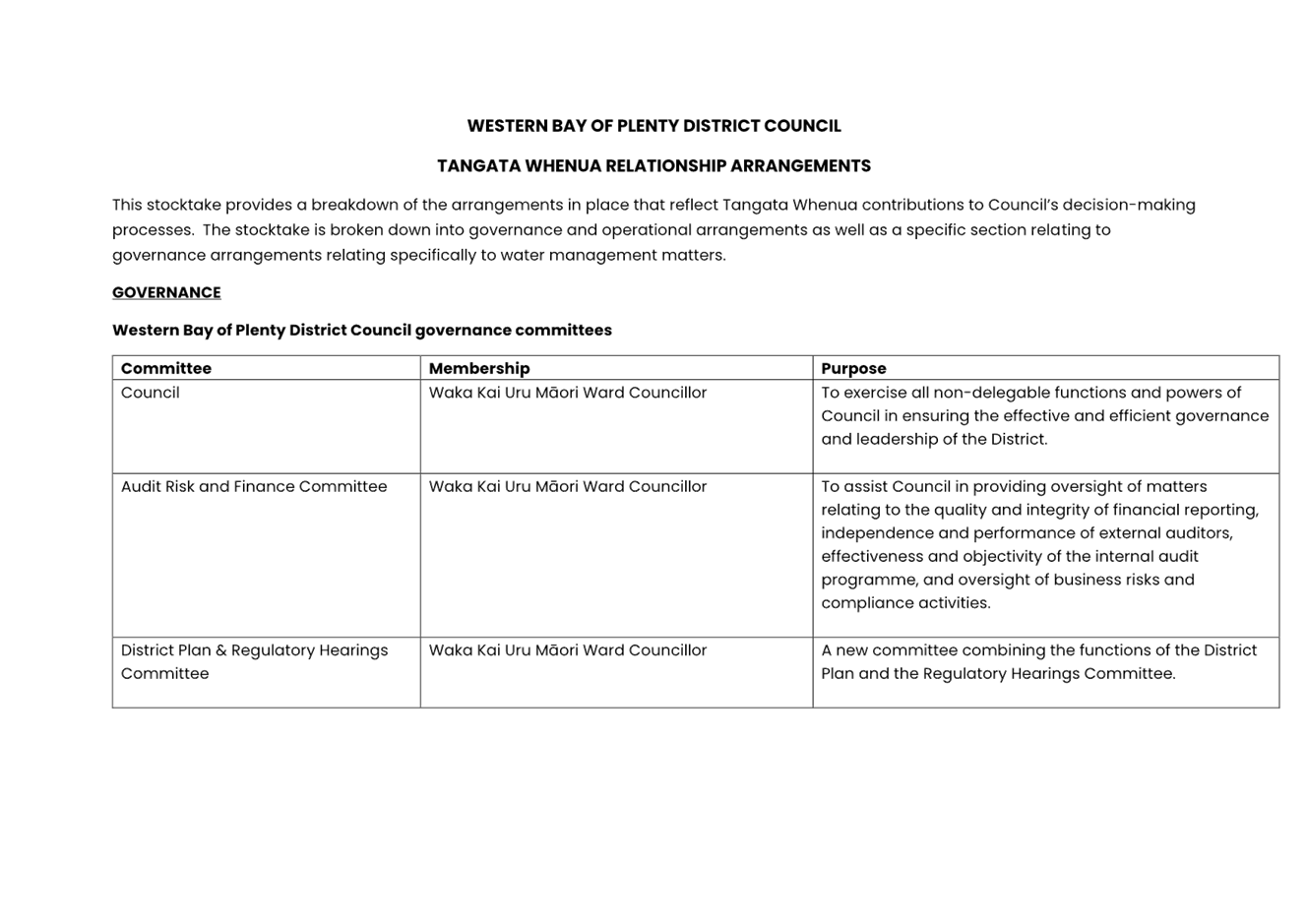
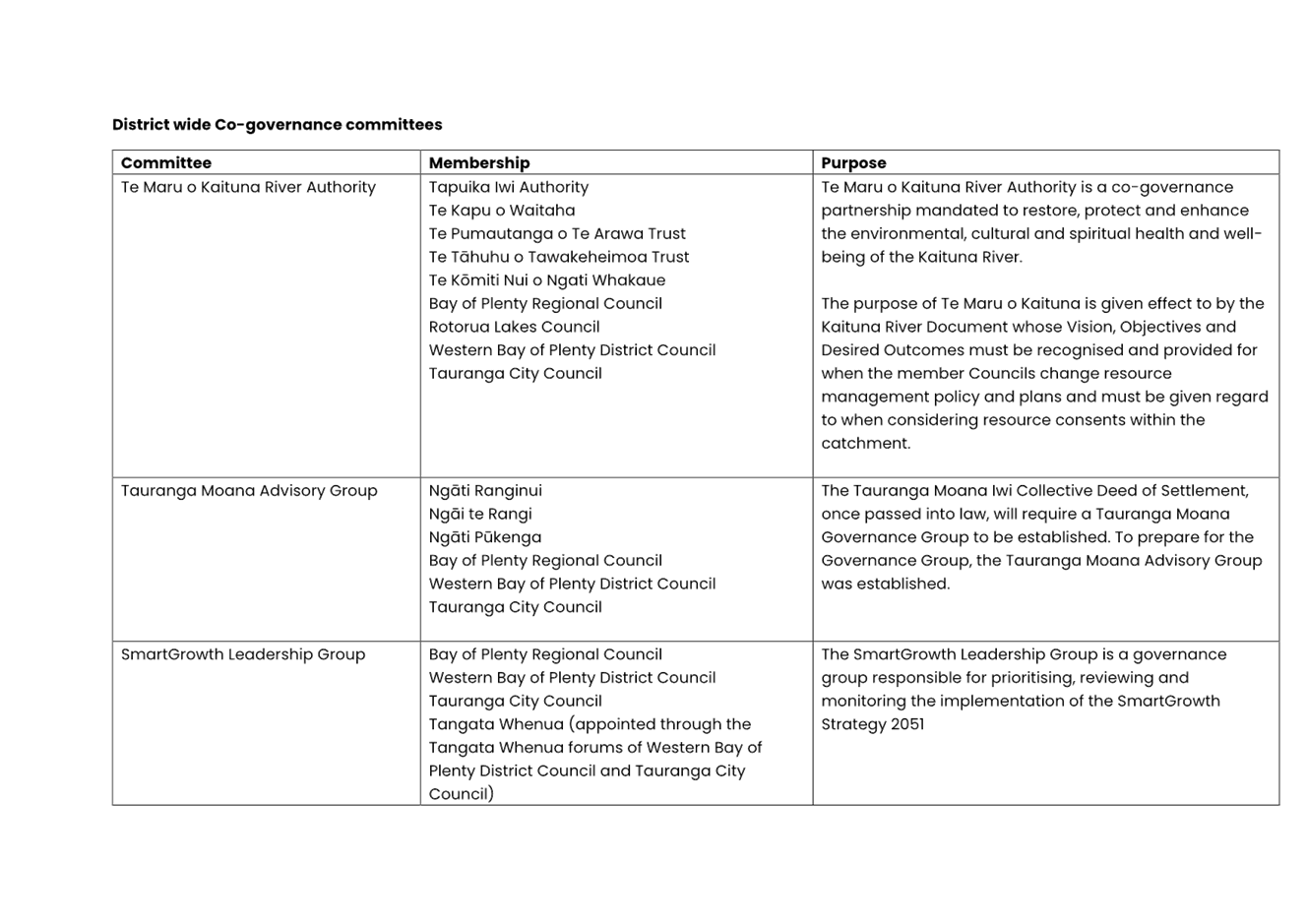
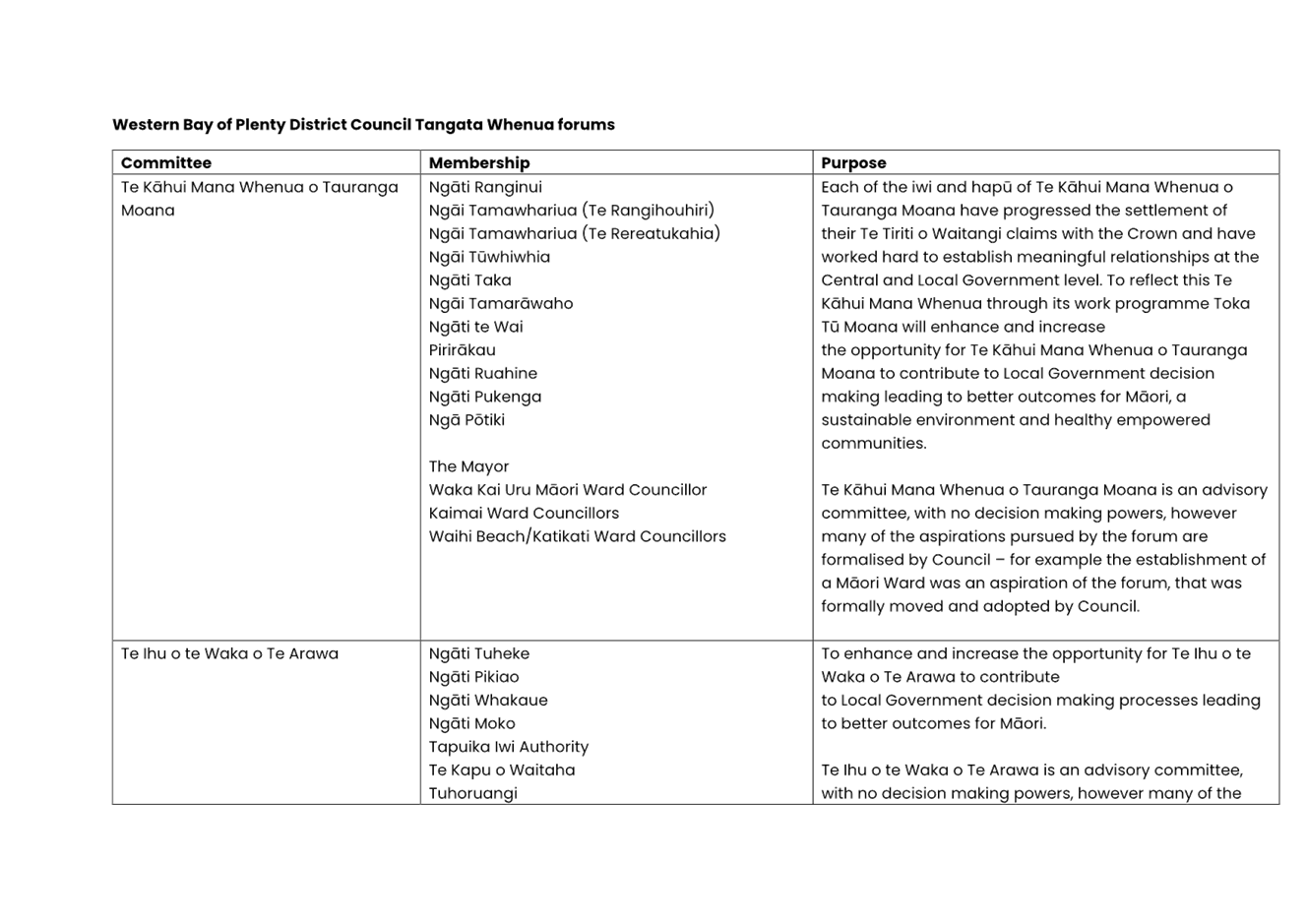
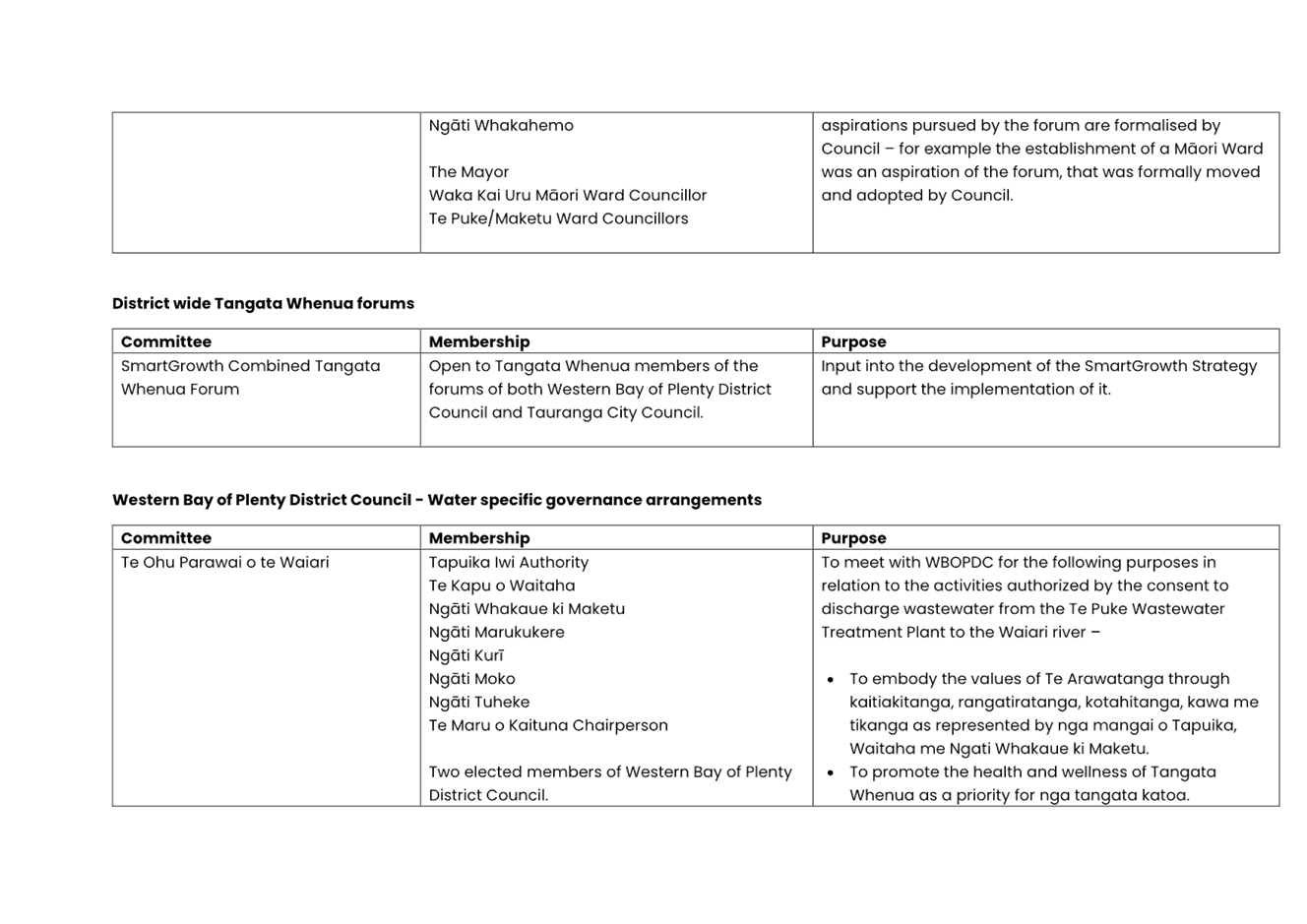
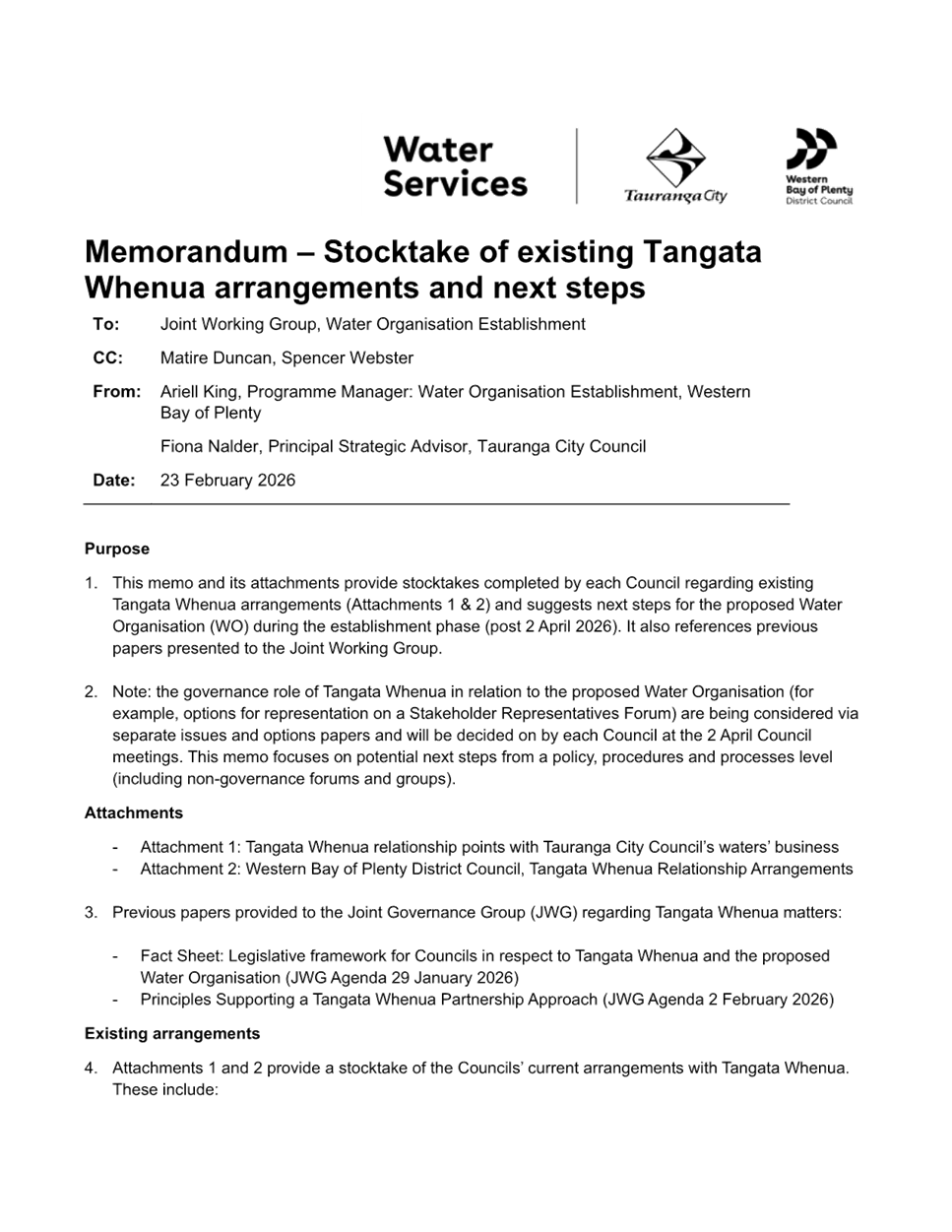
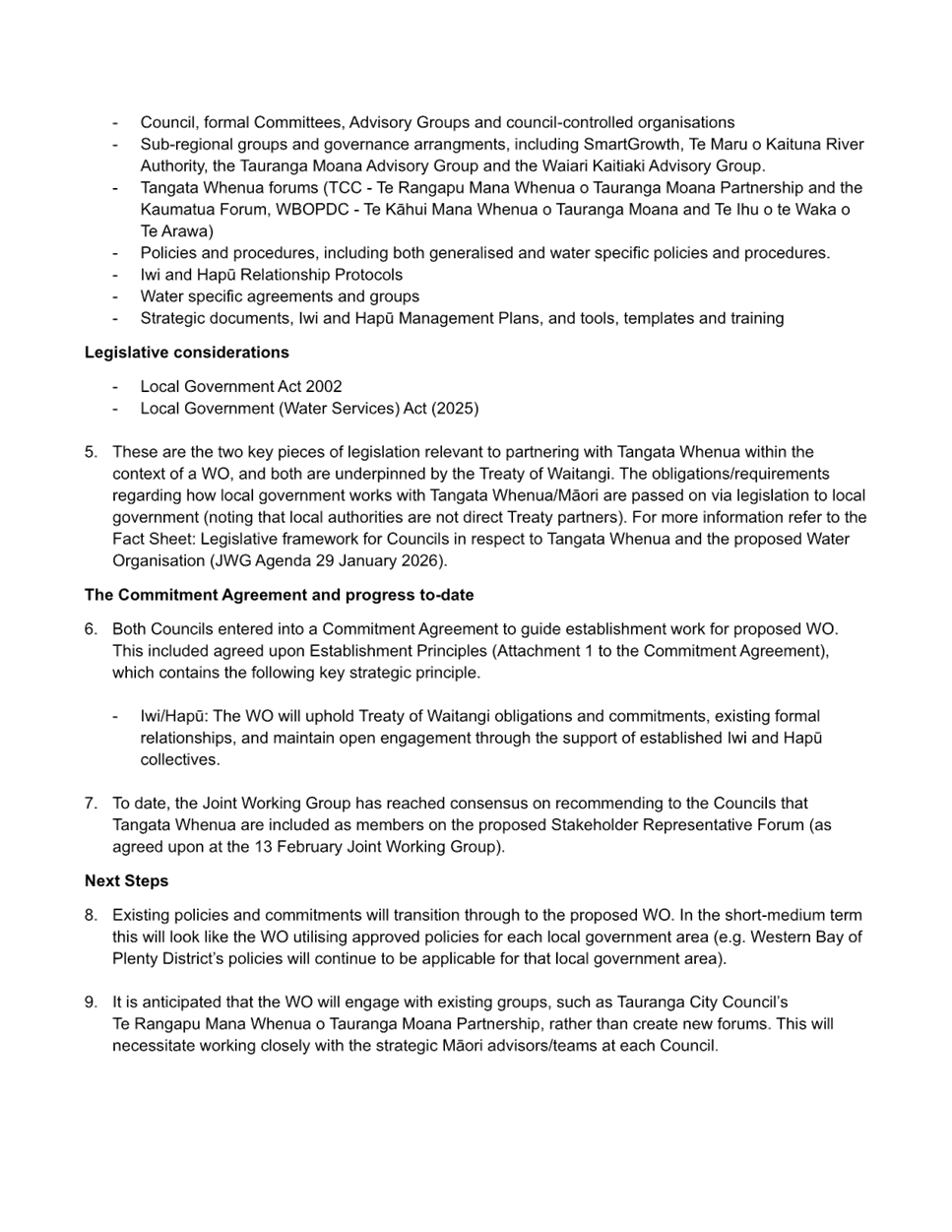
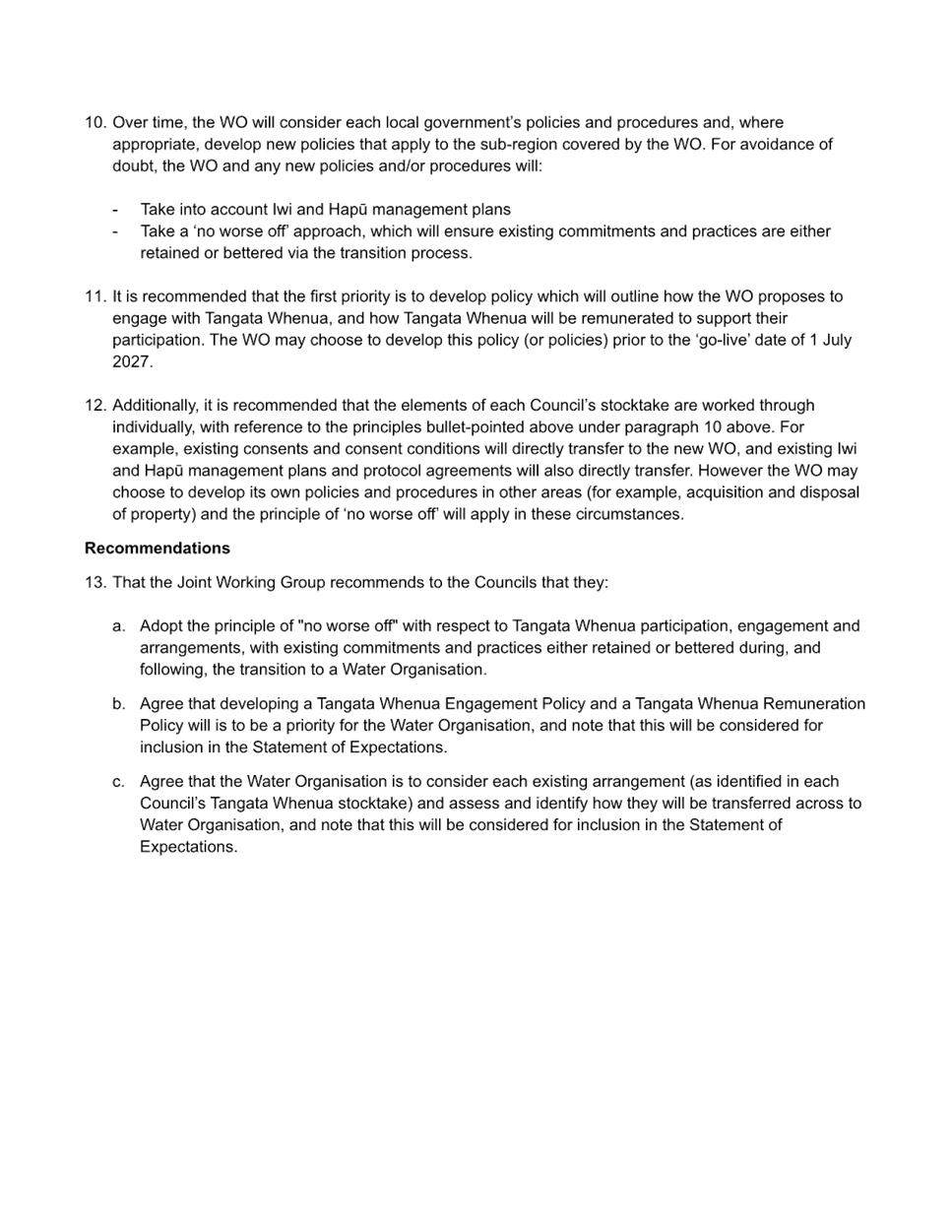
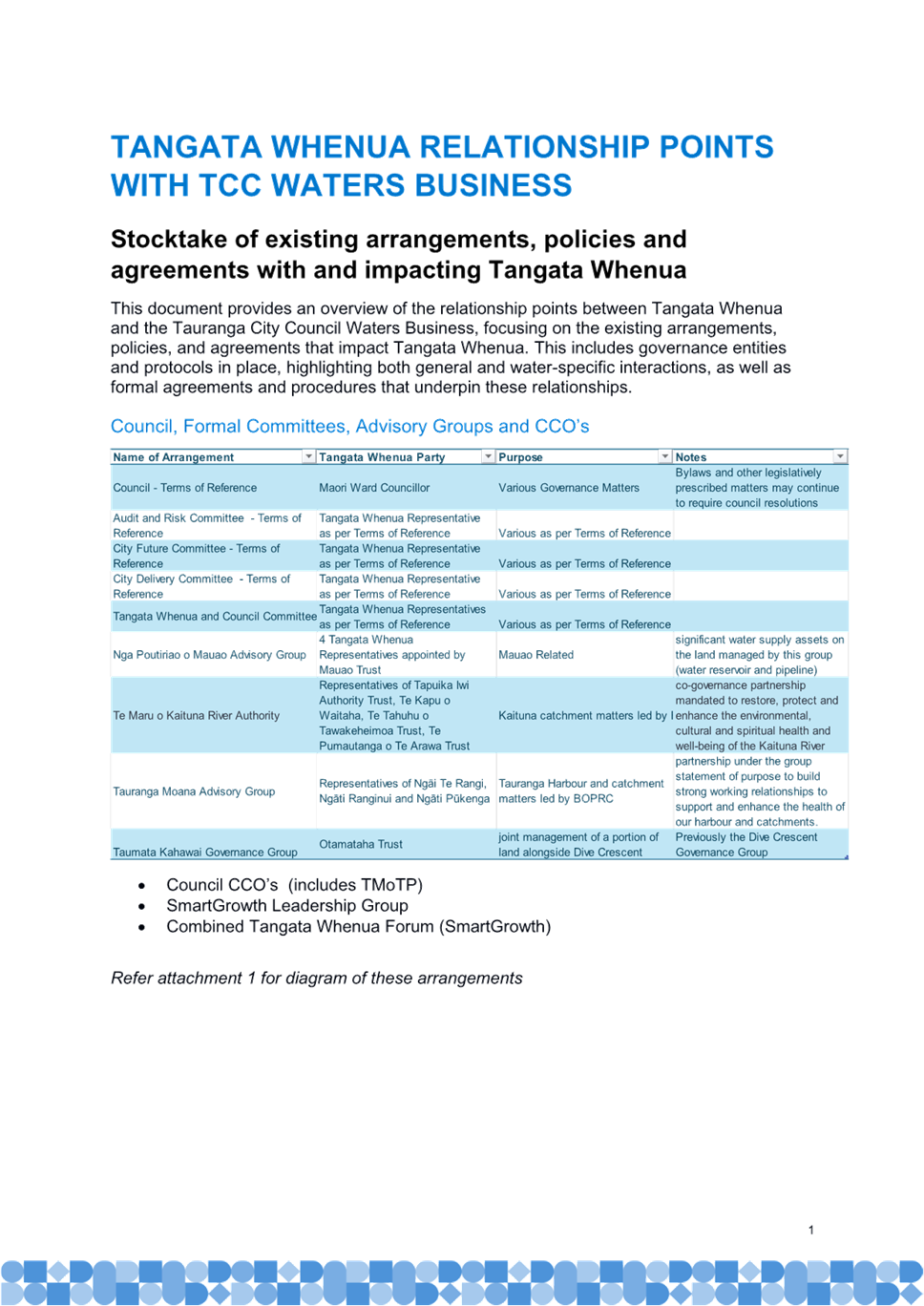
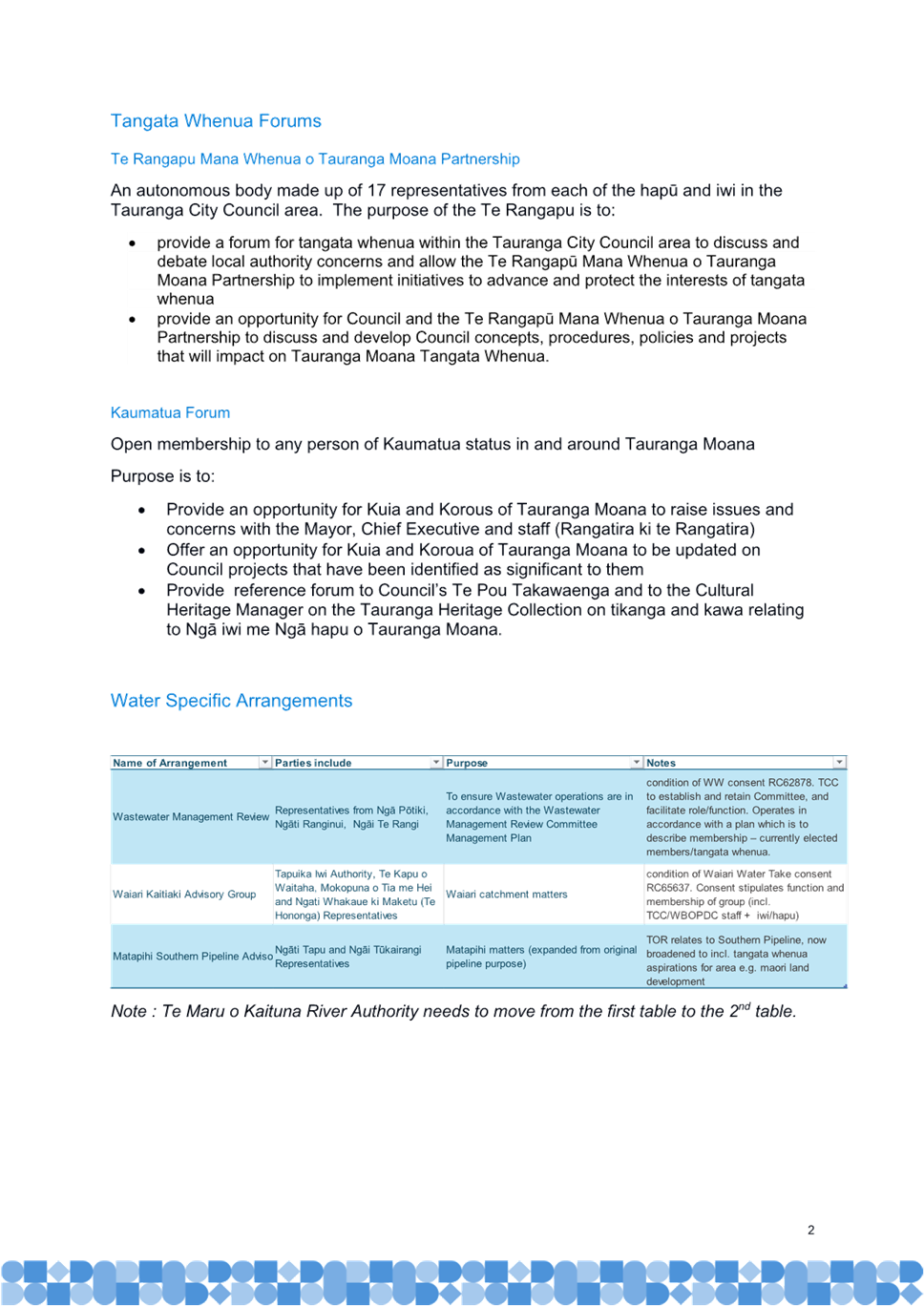
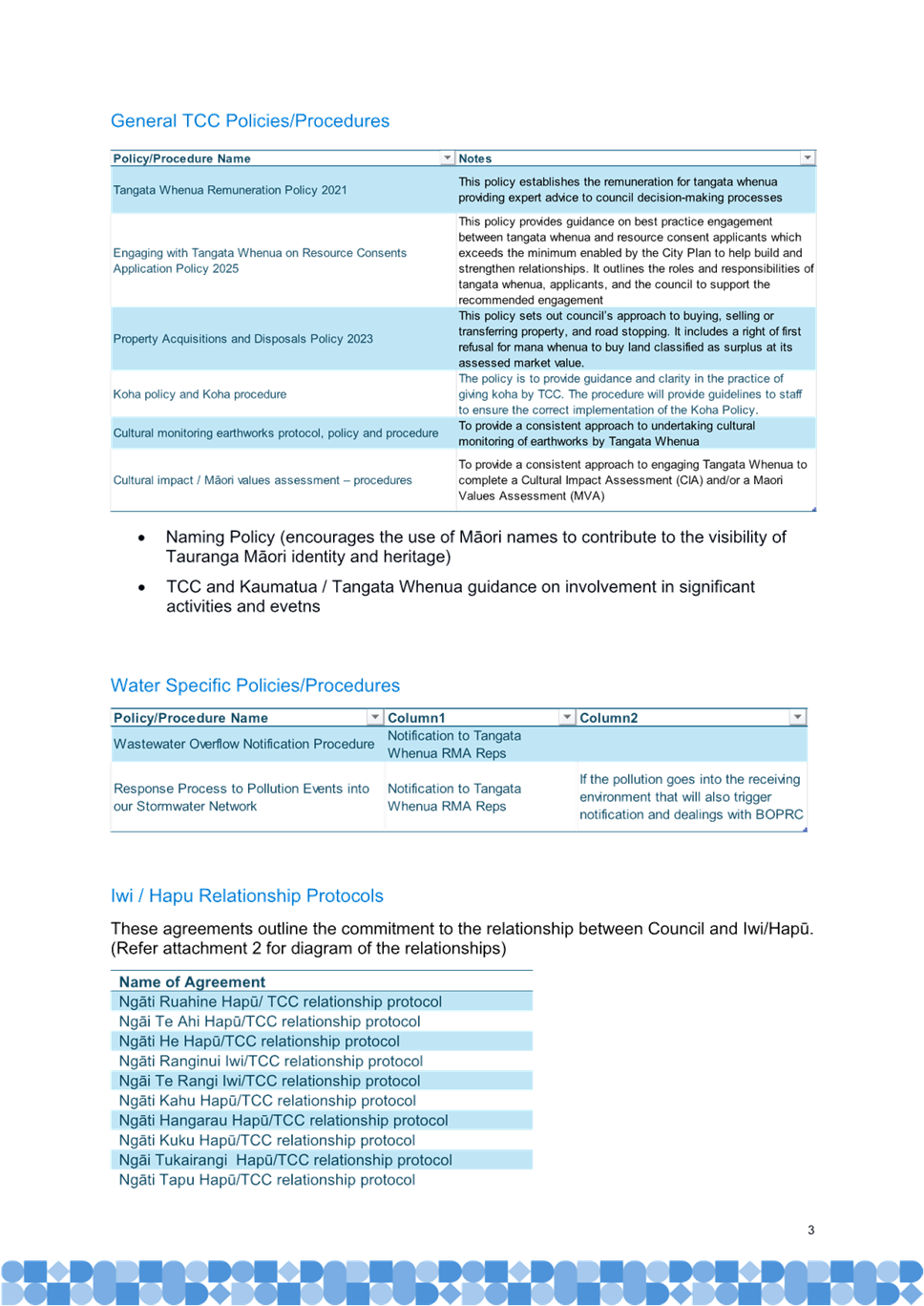
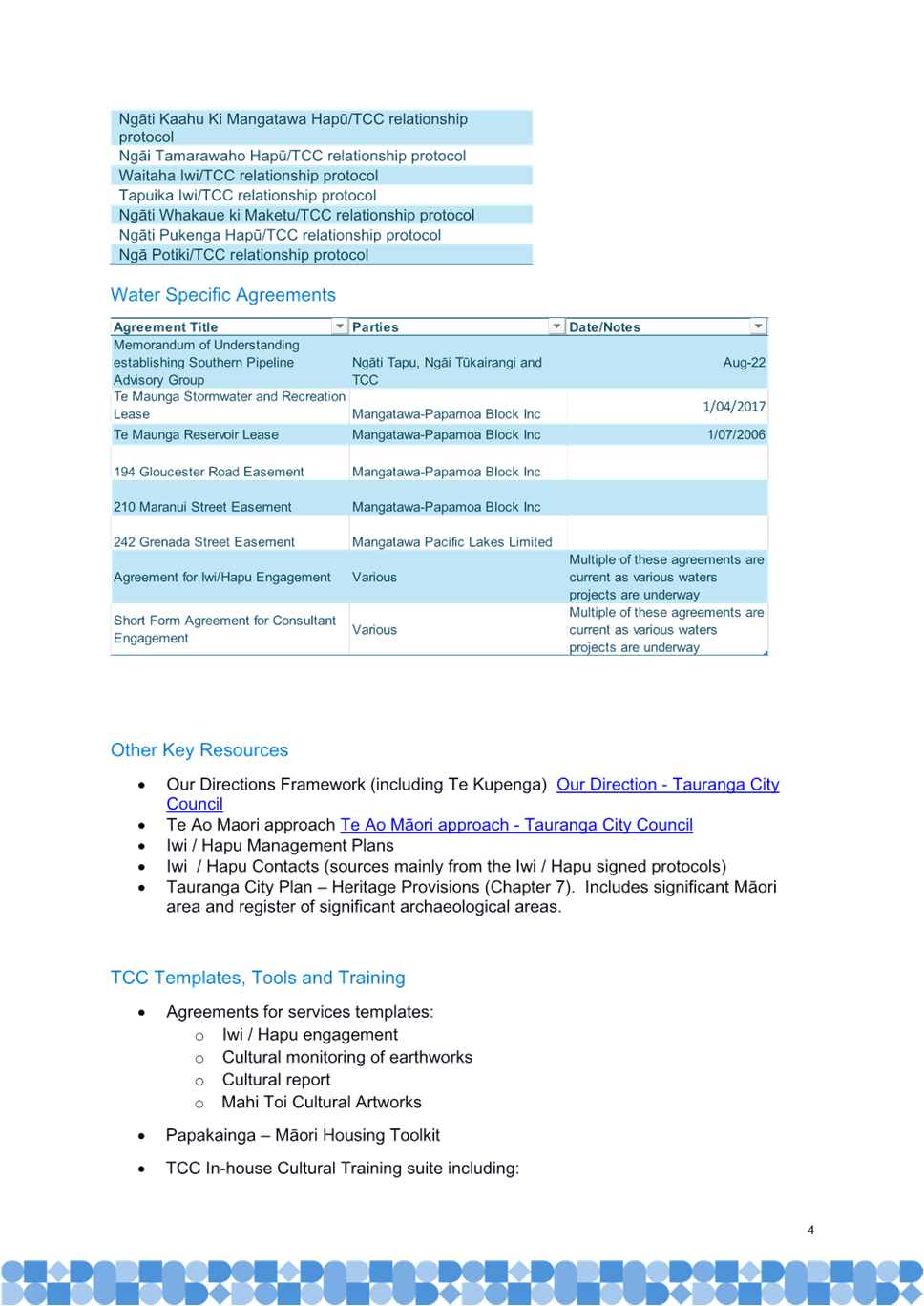
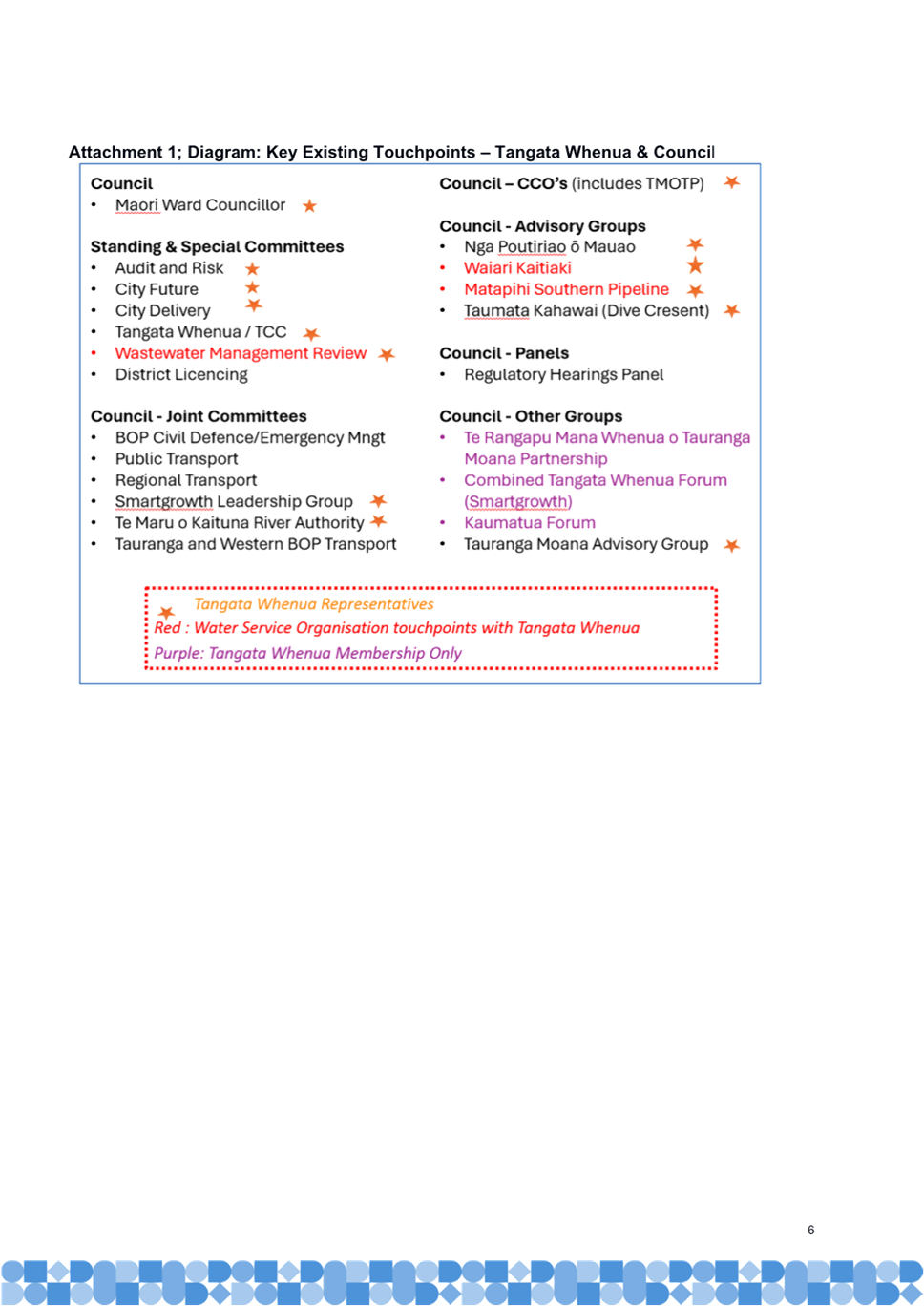
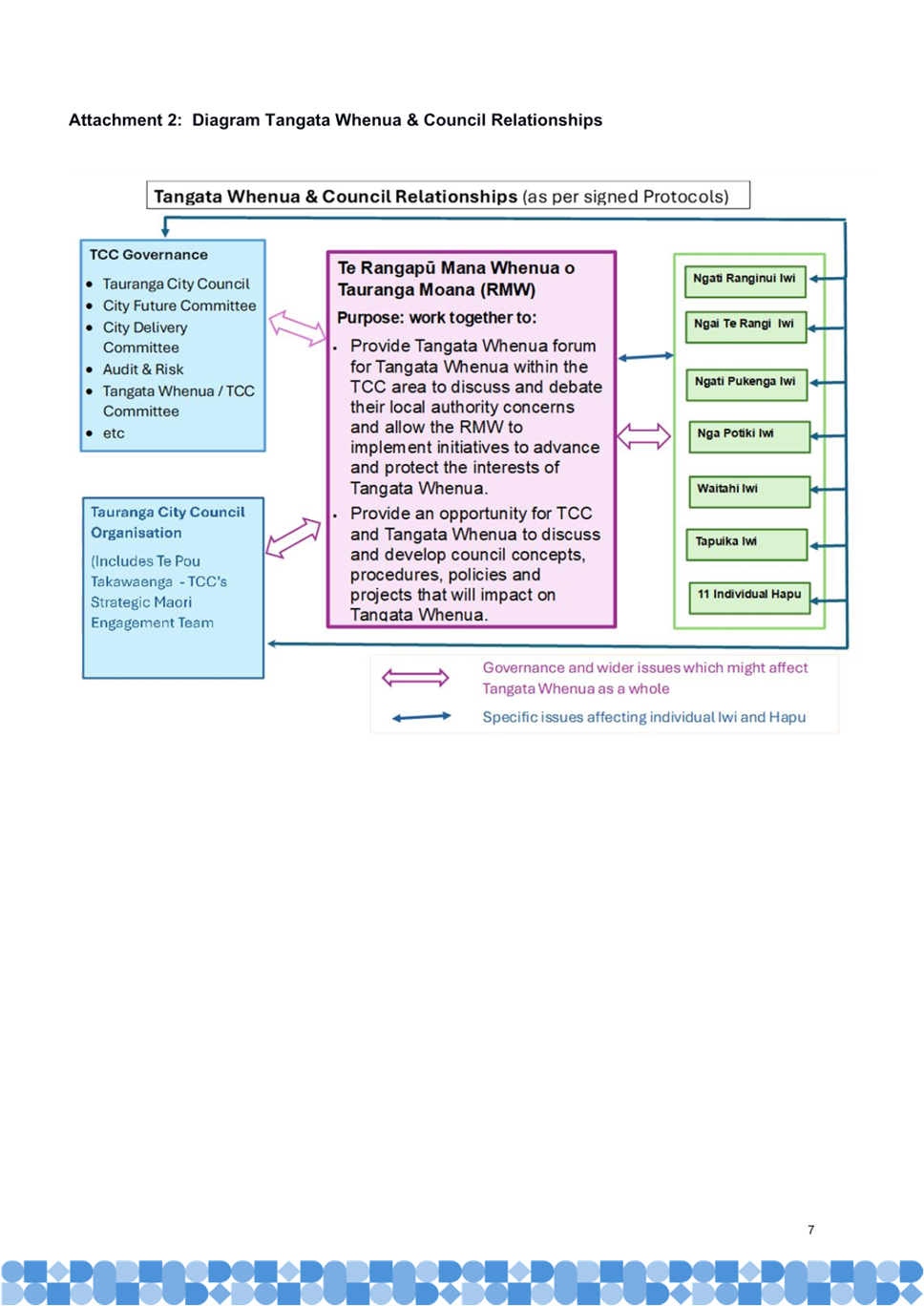
|
|
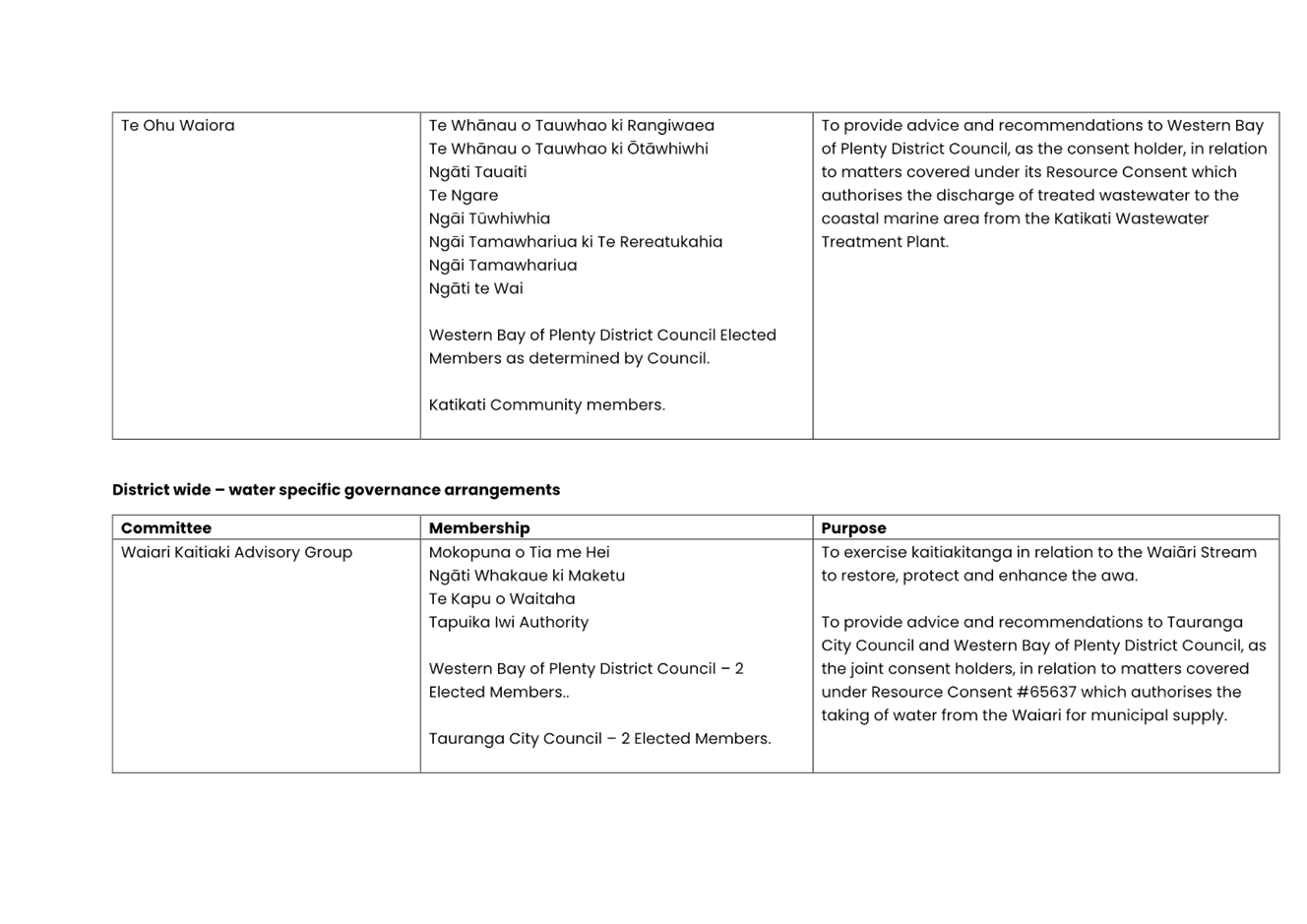
I hereby give notice that a Water Organisation Joint
Committee meeting will be held on:
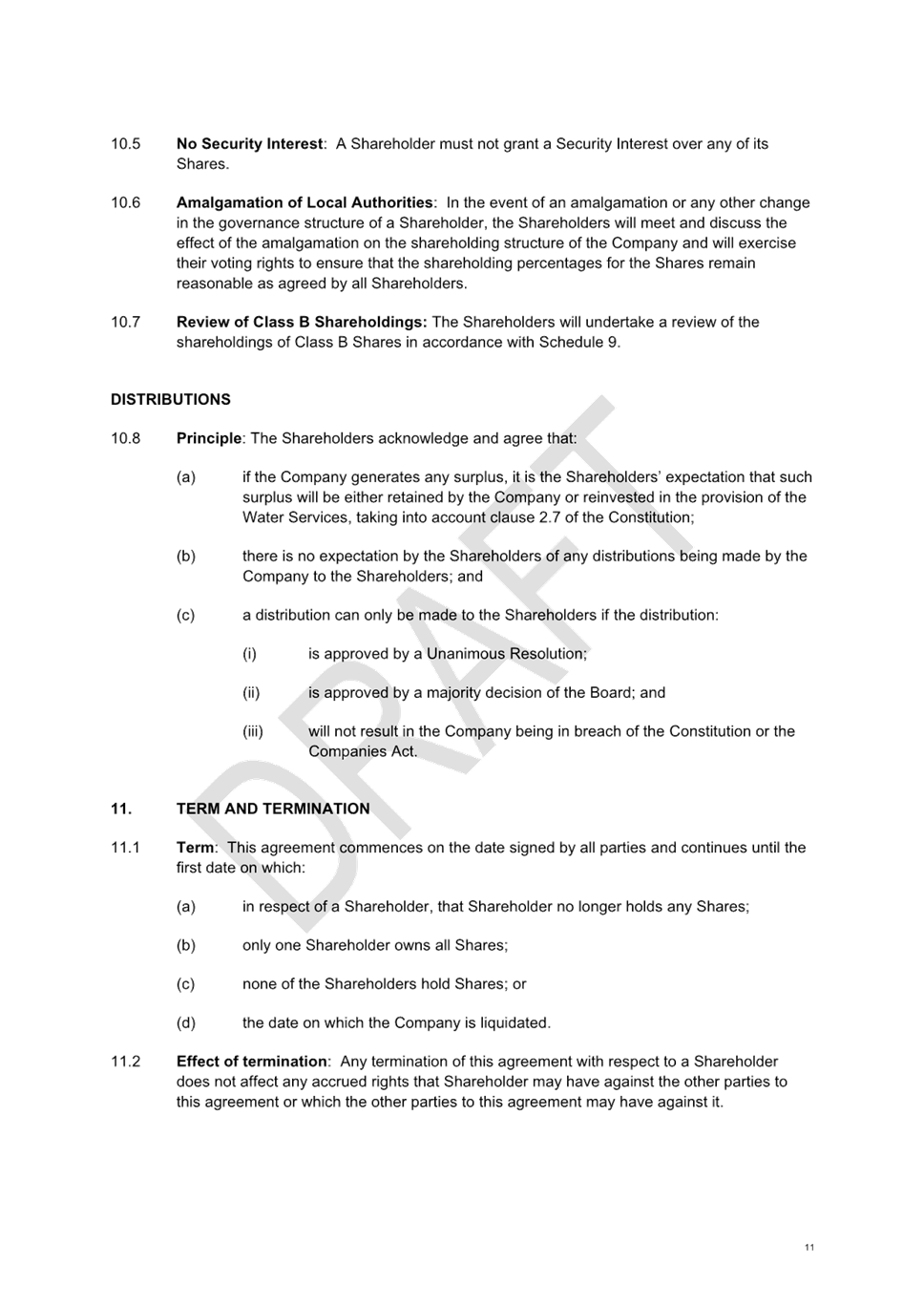
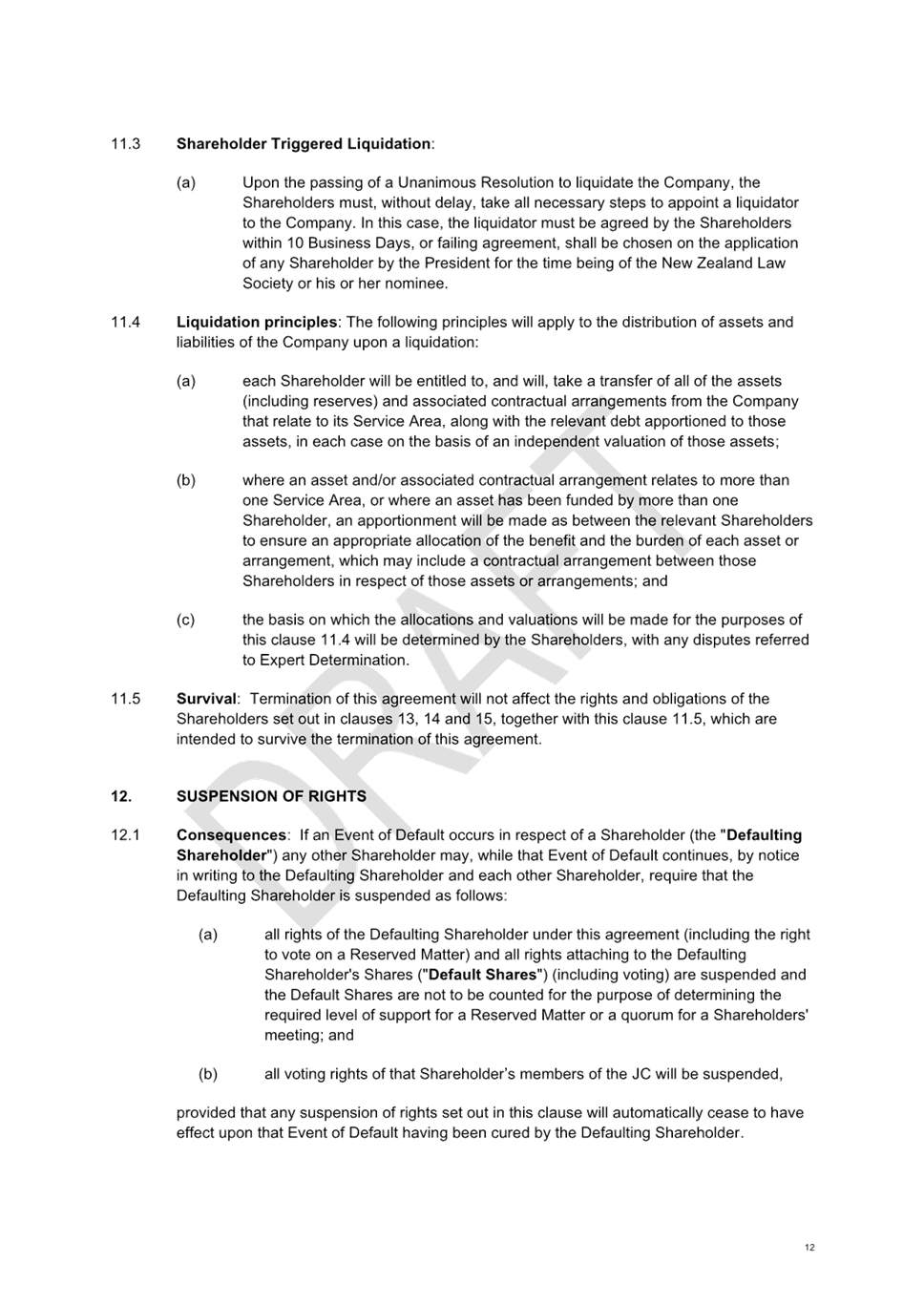
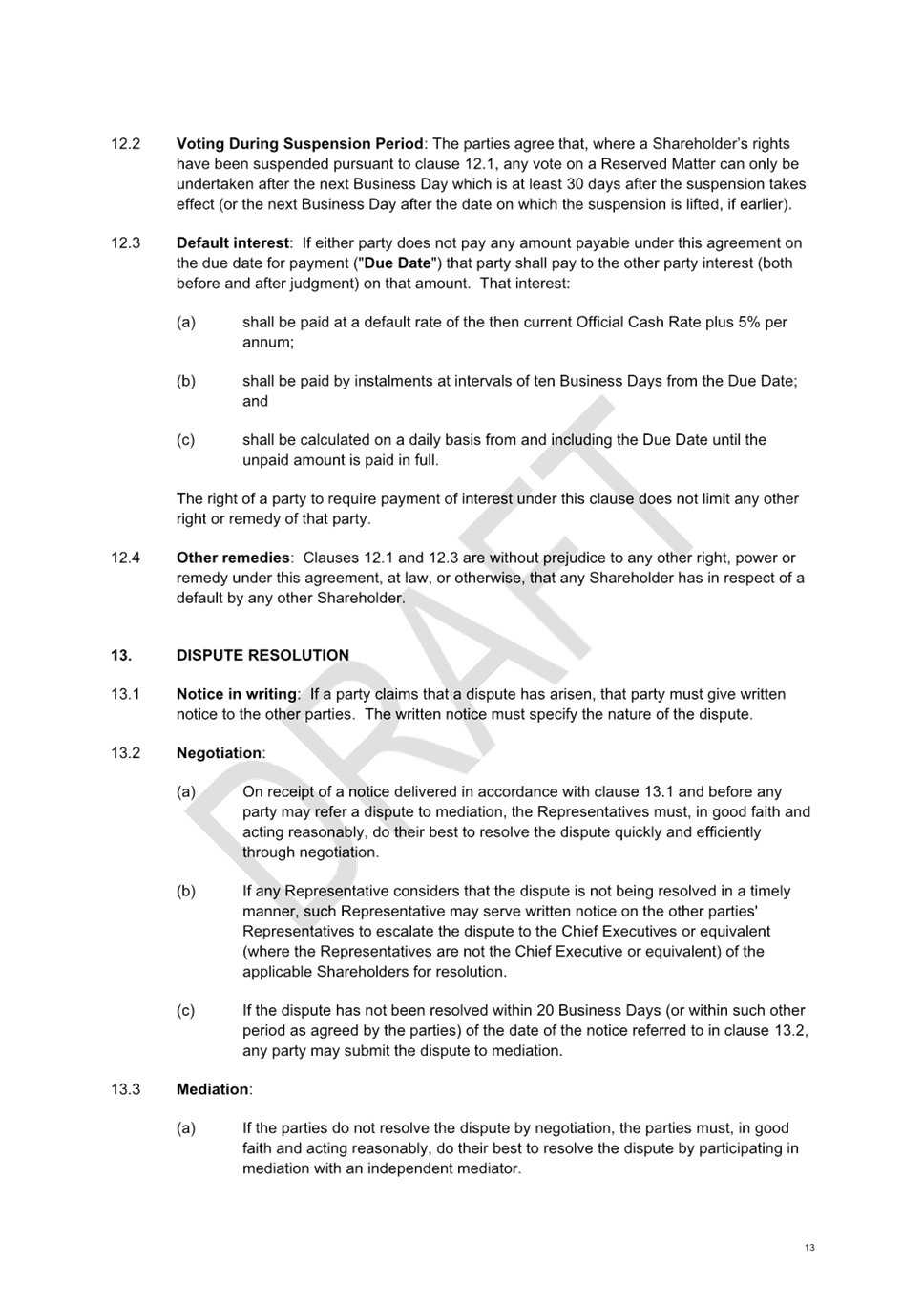
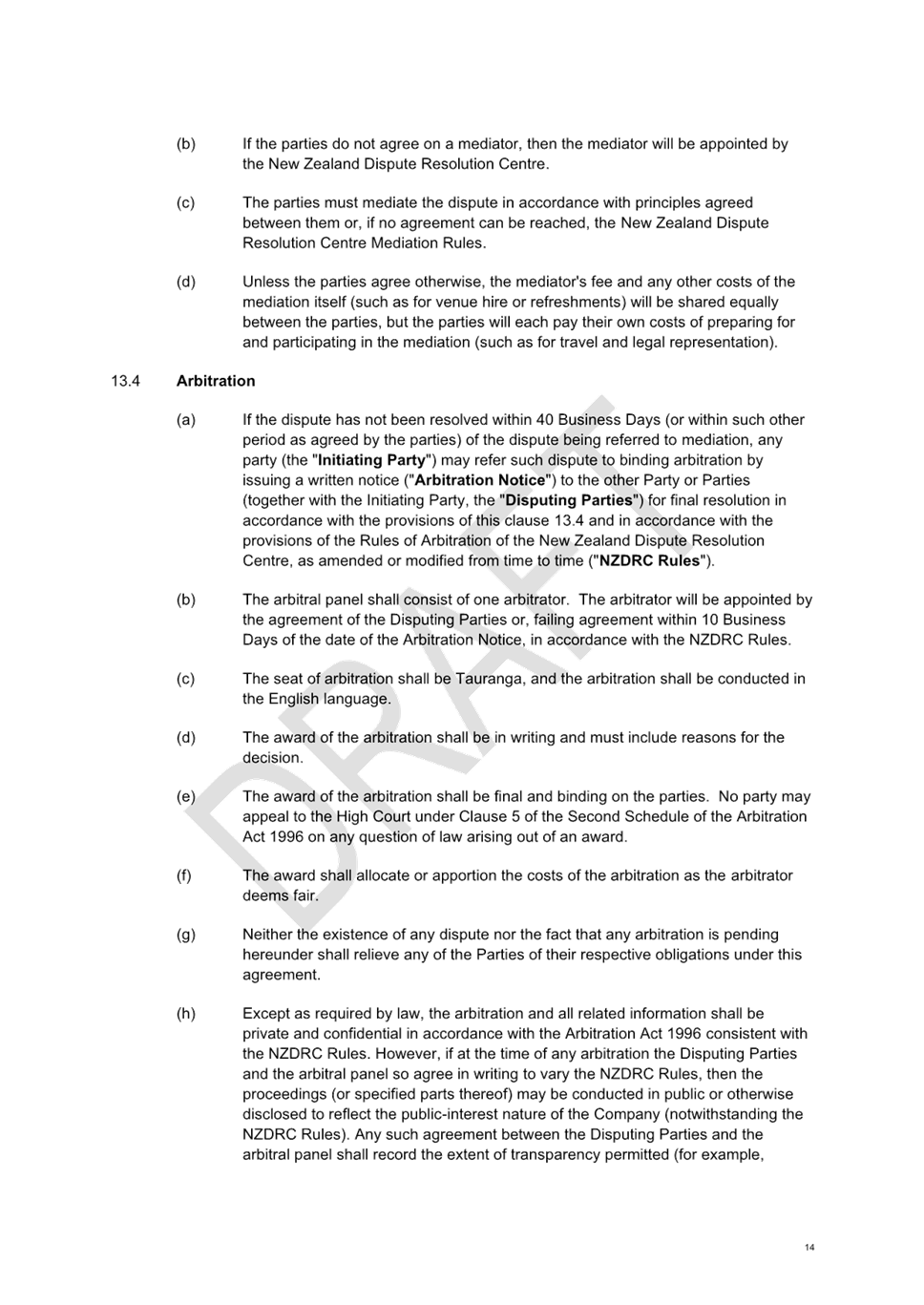
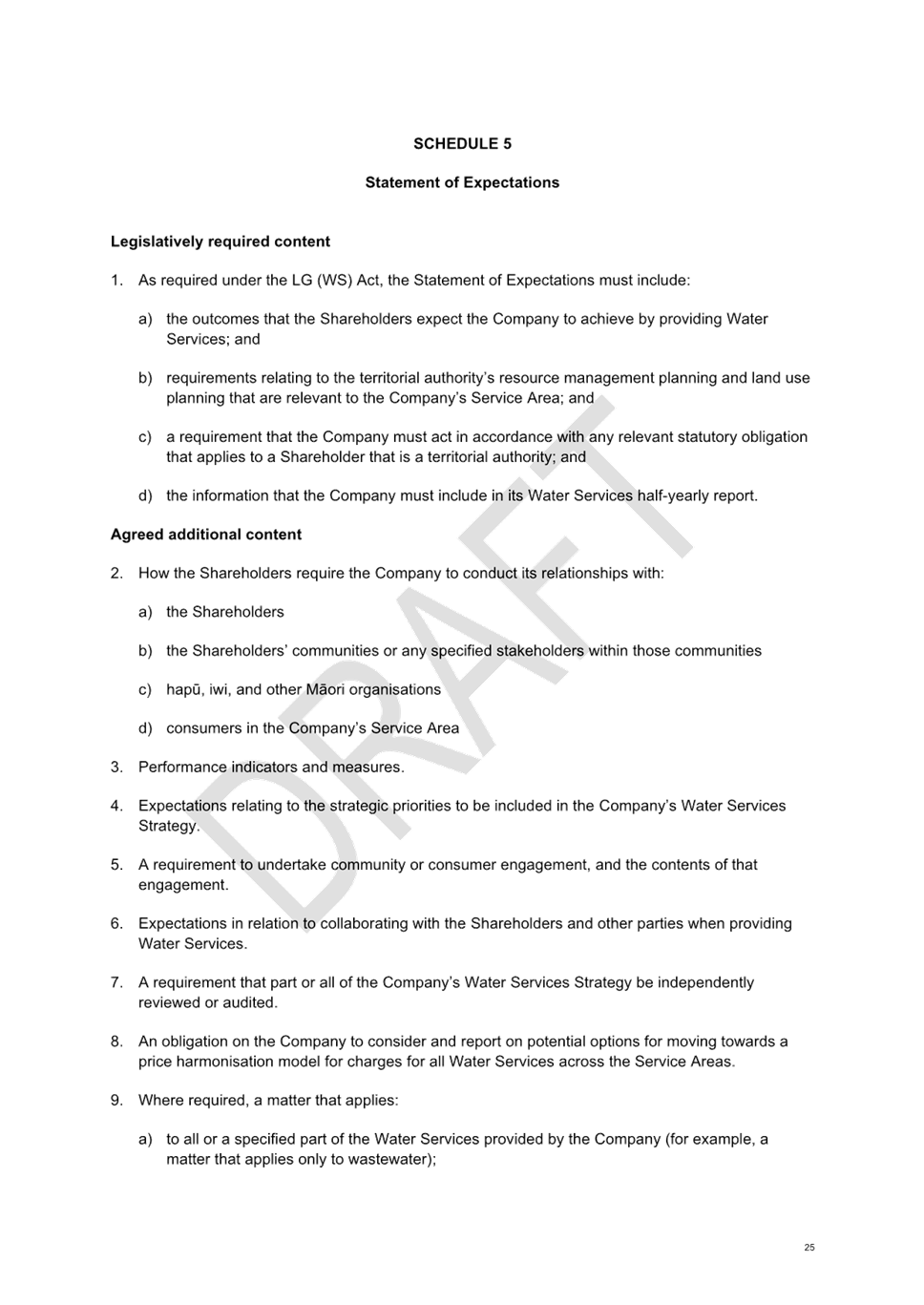
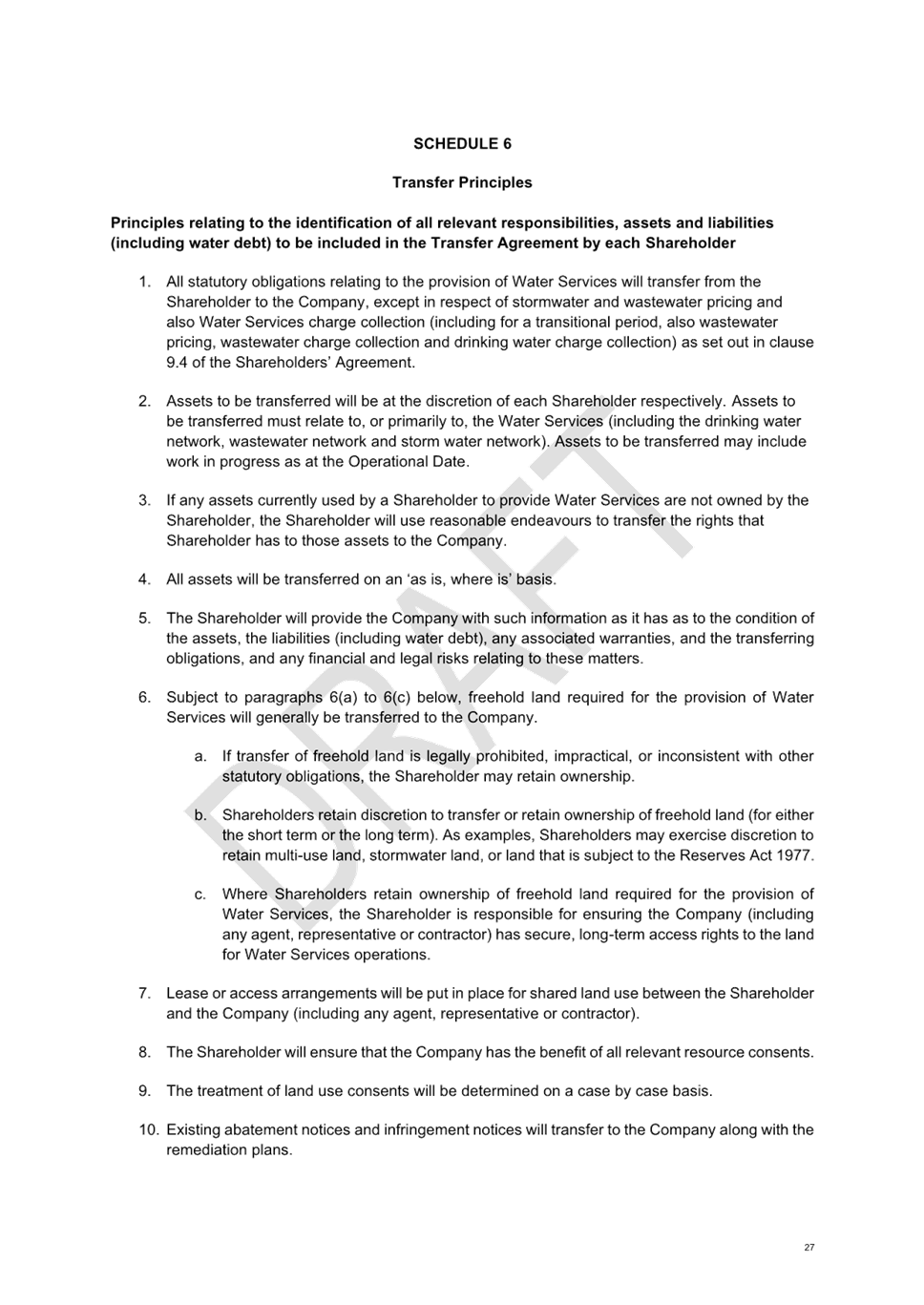
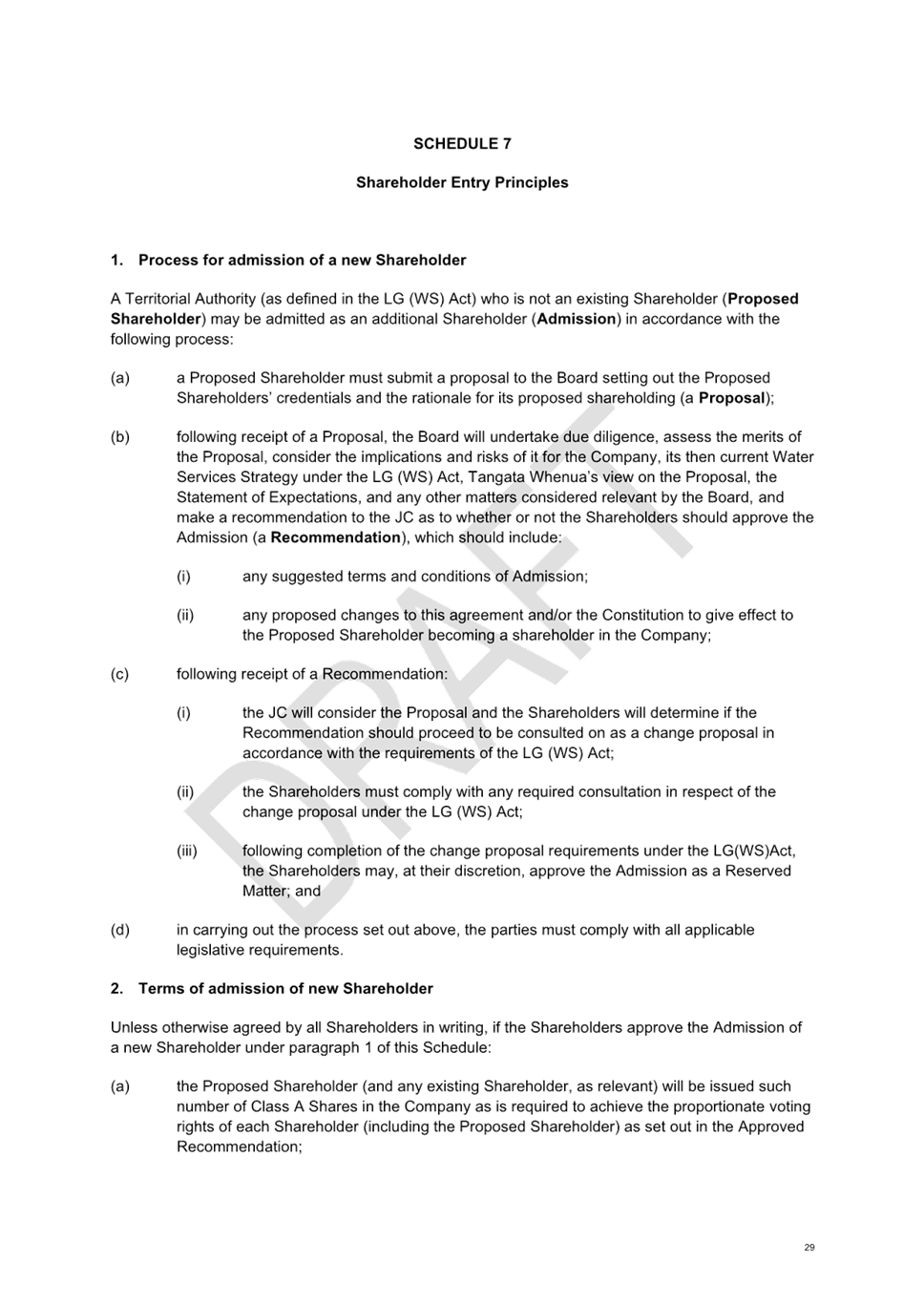
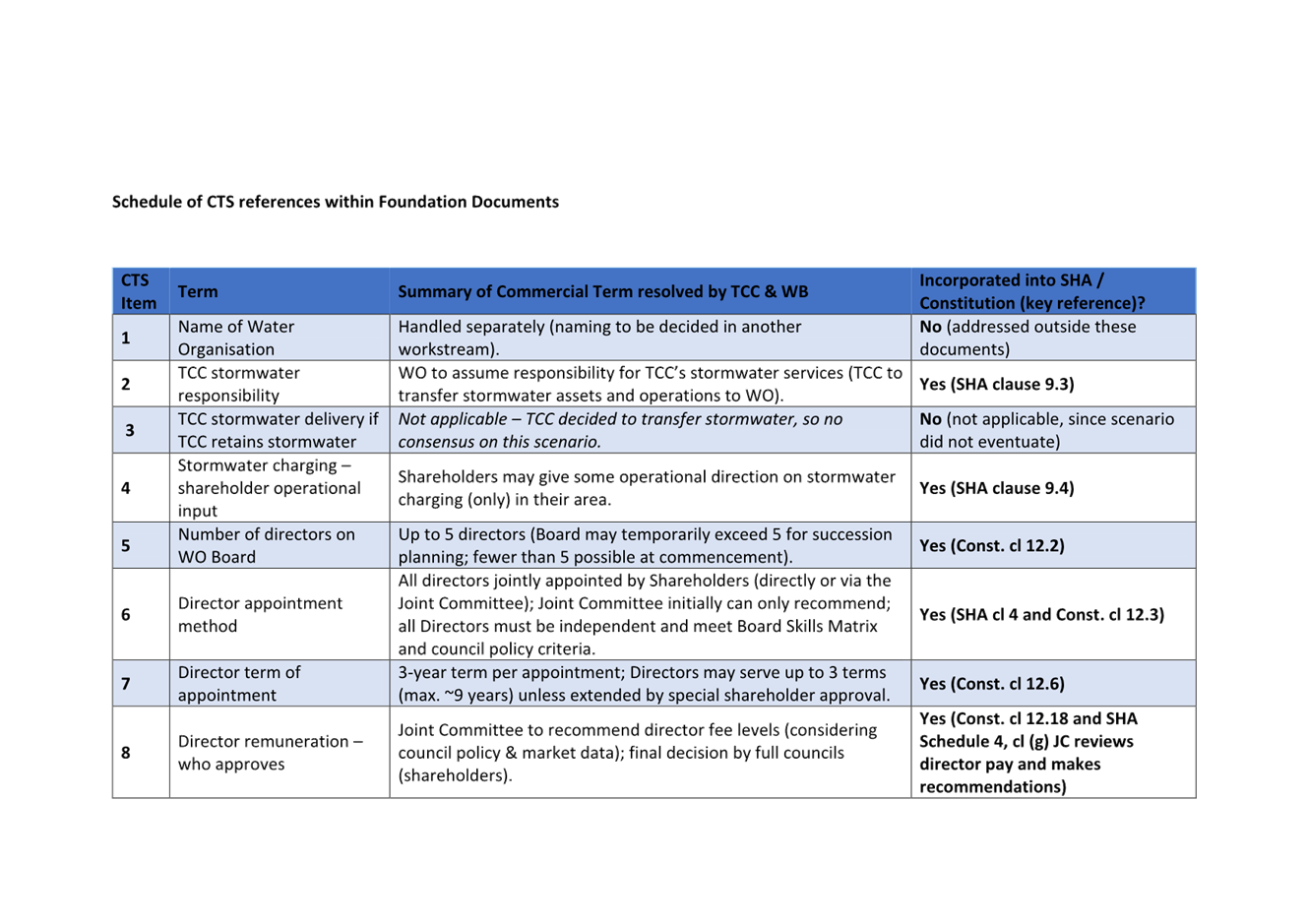
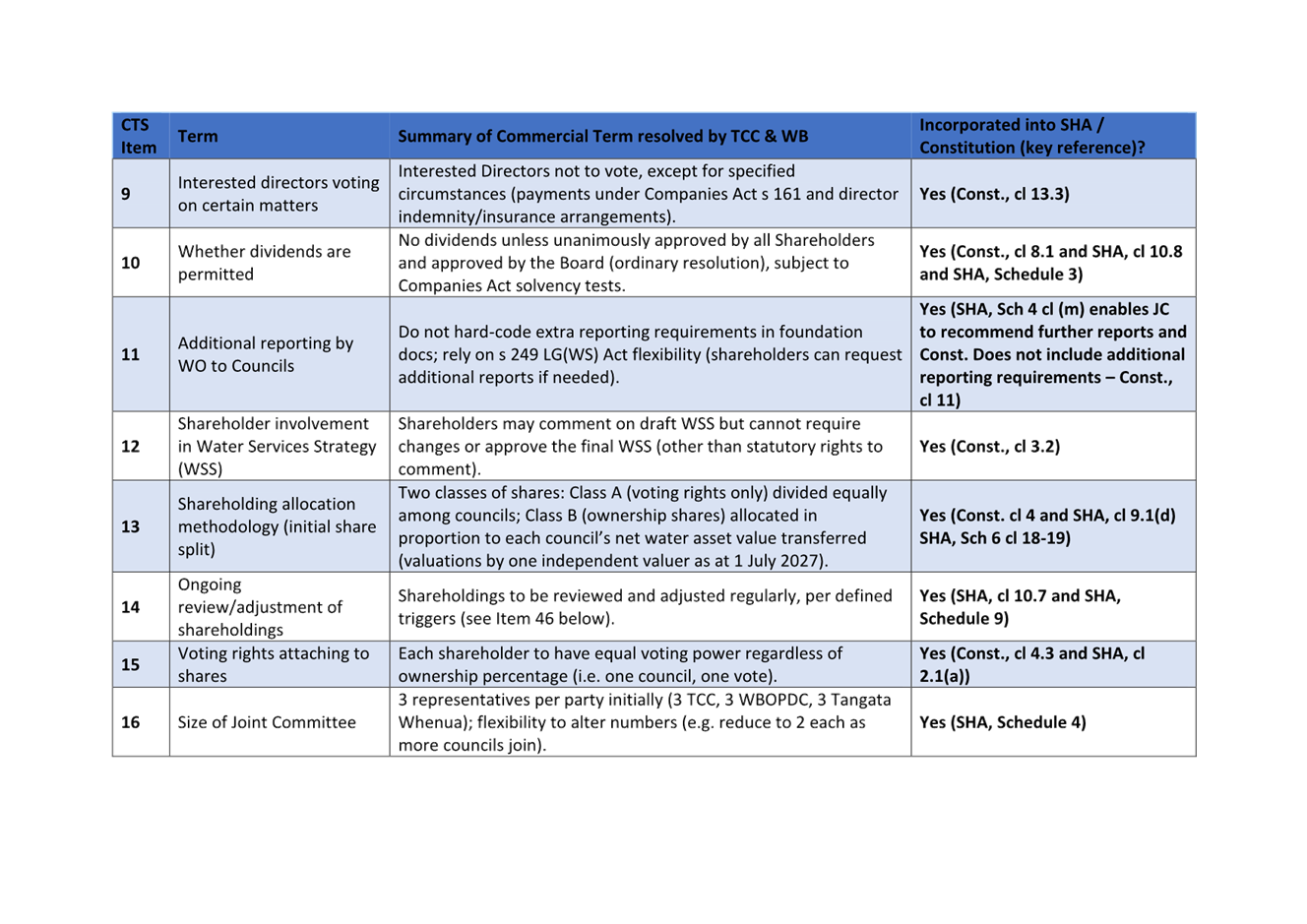
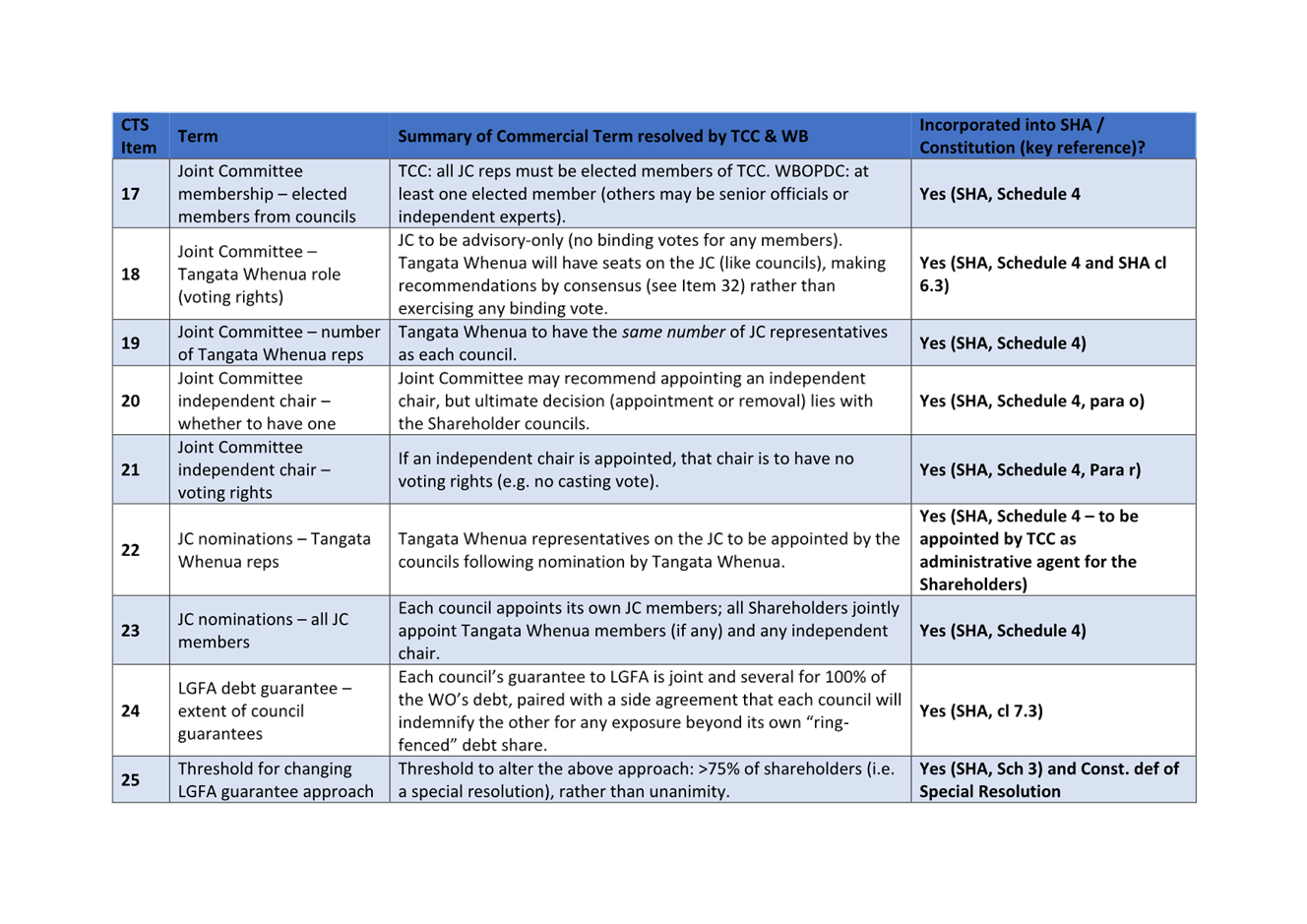
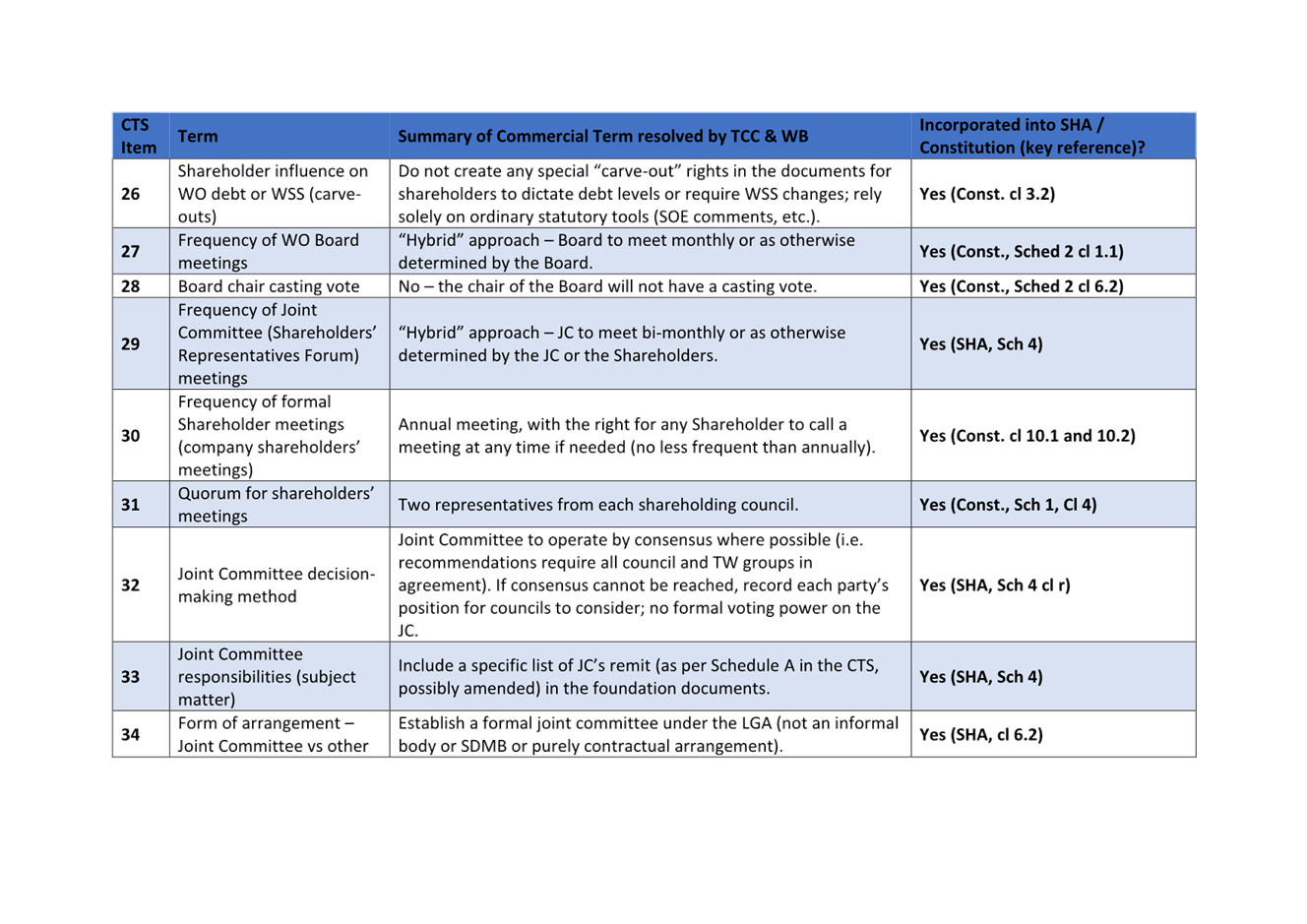
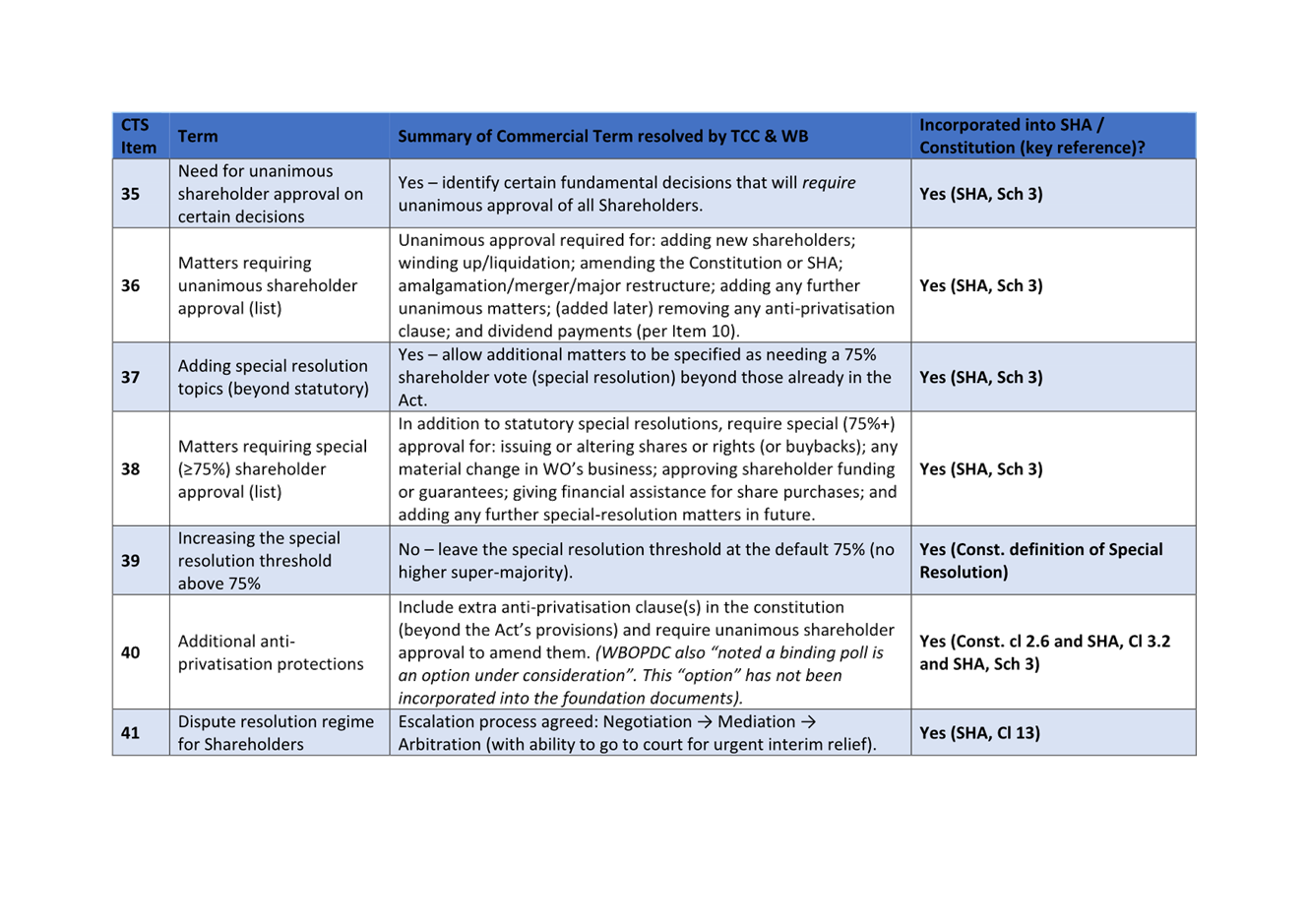
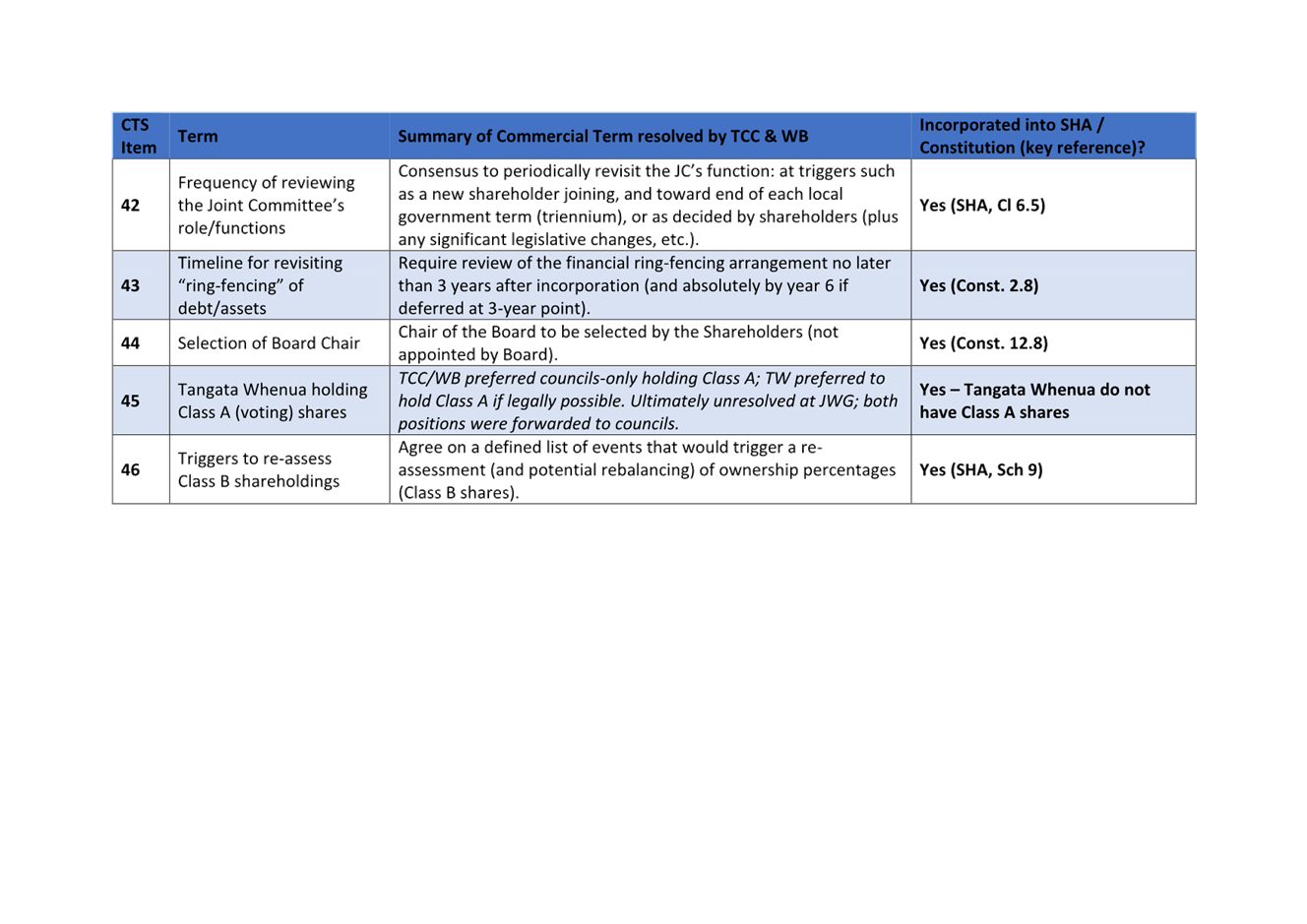
|
|
Date:
|
Monday, 29 June 2026
|
|
Time:
|
9:30 am
|
|
Location:
|
Tauranga City Council Chambers
L1, 90 Devonport Road
Tauranga
|
|
|
|
Marty Grenfell
Chief Executive
|
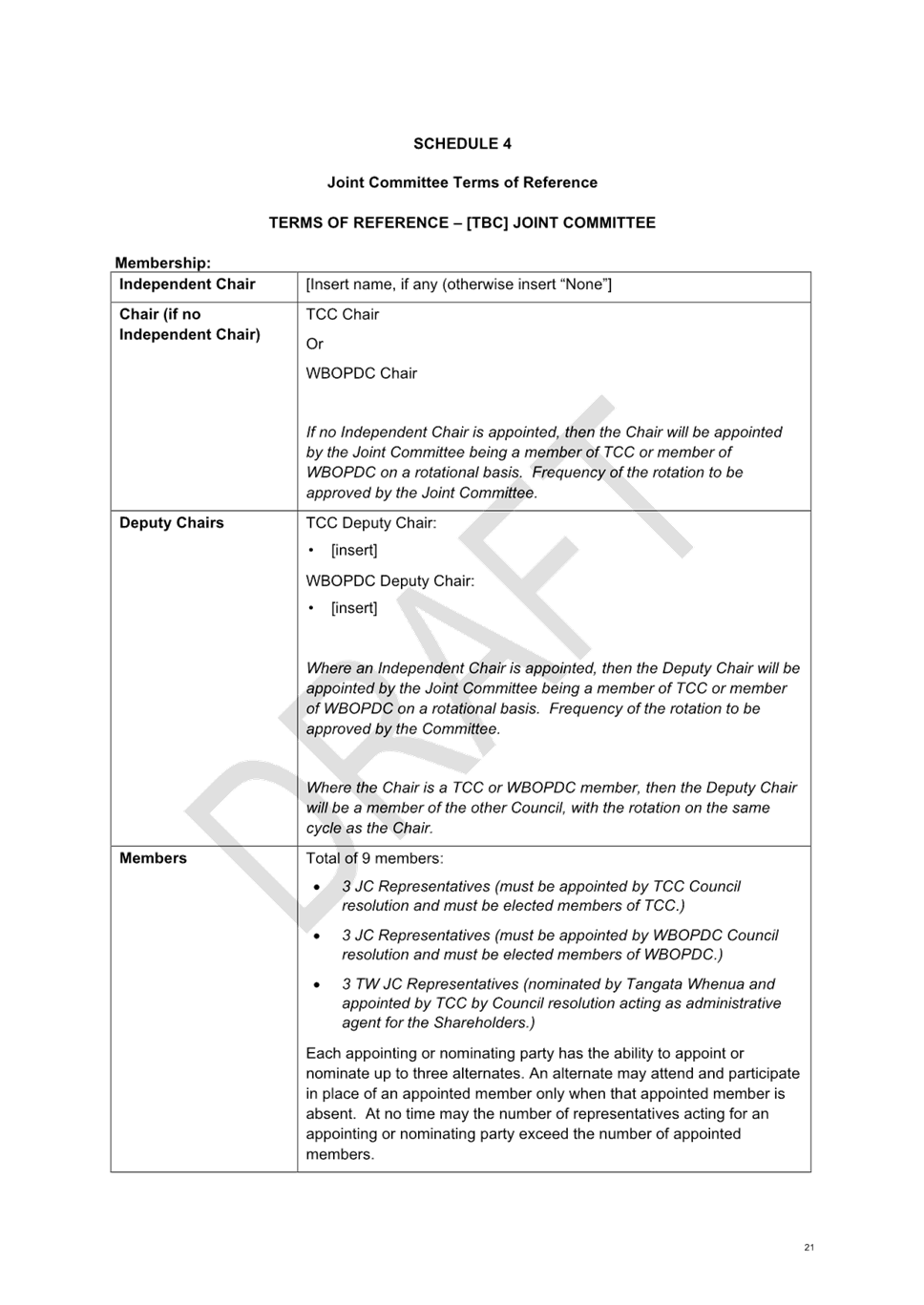
Membership:
|
Independent Chair
|
None
|
|
Chair (if no Independent Chair)
|
TCC Chair:
· Cr Marten Rozeboom (19 June 2026
– 30 November 2027)
If no Independent Chair is appointed, then the Chair
will be appointed by the Committee being a member of TCC or member of WBOPDC
on a rotational basis. Frequency of the rotation to be approved by the
Committee.
|
|
Deputy Chairs
|
WBOPDC Deputy Chair:
•
Mayor James Denyer
(19 June 2026 – 30 November 2027)
Where an Independent Chair is appointed, then the
Deputy Chair will be appointed by the Committee being a member of TCC or
member of WBOPDC on a rotational basis. Frequency of the rotation to be
approved by the Committee.
Where the Chair is a TCC or WBOPDC member, then the
Deputy Chair will be a member of the other Council, with the rotation on the
same cycle as the Chair.
|
|
Members
|
Total of 9 members:
· 3 TCC representatives (must be appointed via TCC Council
resolution and must be elected members of TCC)
o Cr
Marten Rozeboom
o Cr Kevin
Schuler
o Cr
Glen Crowther
o Cr Rick Curach
(alternate)
o Cr Steve Morris
(alternate)
o Cr Hautapu Baker
(alternate)
· 3 WBOPDC representatives (must be appointed via WBOPDC
Council resolution and must be elected members of WBOPDC)
o Mayor
James Denyer
o Deputy
Mayor Margaret Murray Benge
o Cr
Graeme Elvin
o Cr Rodney Joyce
(alternate)
o Cr Tracey Coxhead
(alternate)
o Cr Darlene Dinsdale
(alternate)
· 3 Tangata Whenua (TW) representatives (nominated by TW and
appointed by TCC by Council resolution acting as administrative agent for the
partnership.)
o Mr Hākopa
Tapiata
o Hon
Kiritapu Allan
o Ms Kylie
Smallman
o Mr Shadrach Rolleston
(alternate)
o Ms Rohario Murray
(alternate)
o Ms Roana Bennett
(alternate)
Each appointing or nominating party has the ability
to appoint or nominate up to three alternates. An
alternate may attend and participate in place of an appointed member only
when that appointed member is absent. At no time may the number of
representatives acting for an appointing or nominating party exceed the
number of appointed members
|
|
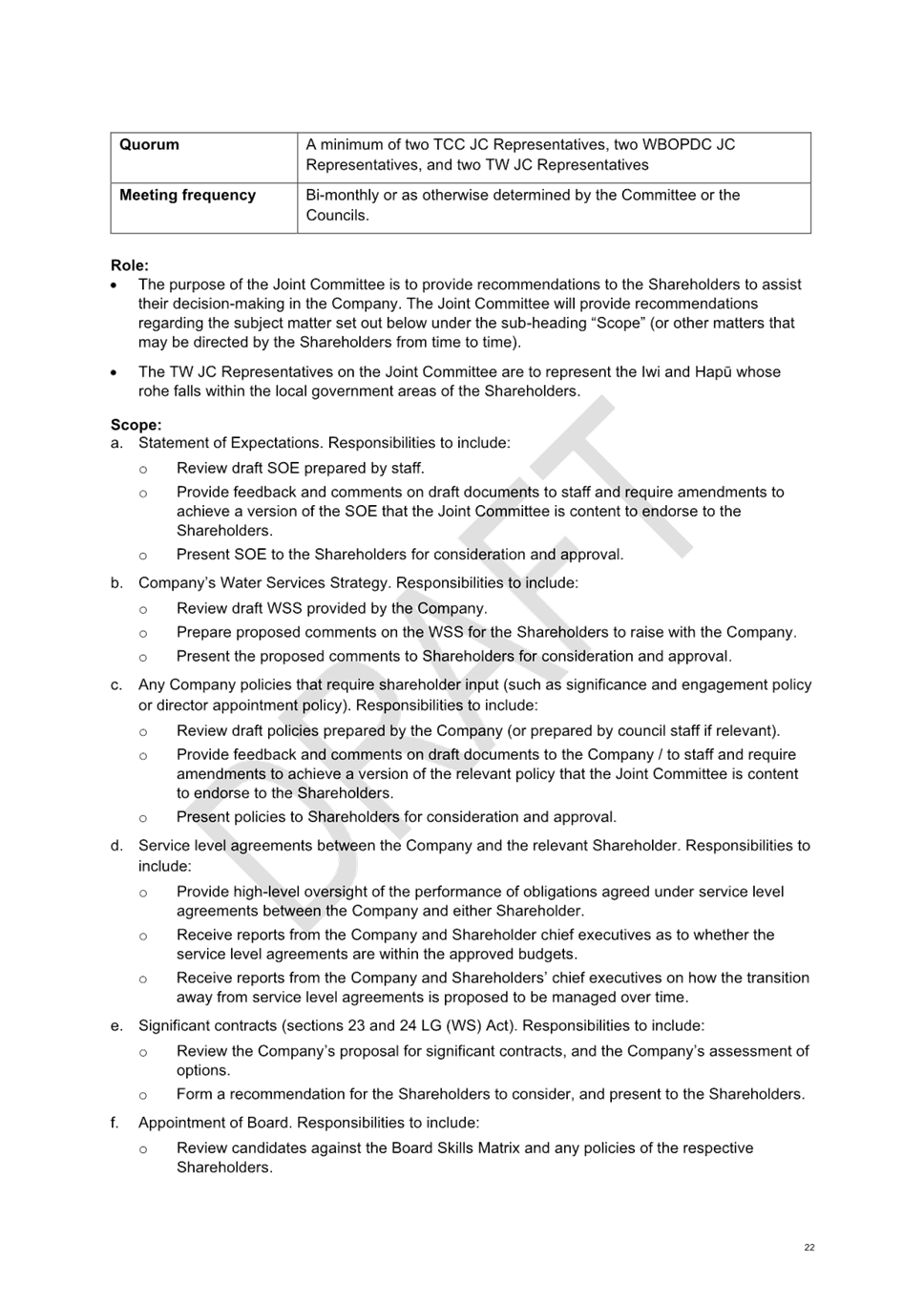
Quorum
|
A minimum of two persons each from TCC, WBOP, and TW
|
|
Meeting frequency
|
Bi-monthly or as otherwise determined by the Committee or
the Councils.
|
Role:
· The purpose of this Committee is to
provide recommendations to the TCC & WBOPDC (“Councils”)
to assist their decision-making as shareholders in [insert name of water
organisation (“WO”)]. The Committee will provide
recommendations regarding the subject matter set out below under the
sub-heading “Scope” (or other matters that may be directed by the
Councils from time to time).
·
The TW
representatives on the Committee are to represent the Iwi and Hapū whose
rohe falls within the local government areas of TCC and WBOPDC.
Scope:
· Statement
of Expectations (“SOE”). Responsibilities to include:
o Review draft SOE prepared by staff.
o Provide feedback and comments on draft
documents to staff and require amendments to achieve a version of the SOE that
the Joint Committee is content to endorse to the Councils.
o Present SOE to both Councils for consideration
and approval.
· WO’s
Water Services Strategy (“WSS”). Responsibilities to
include:
o Review draft WSS provided by WO.
o Prepare proposed comments on the WSS for
the Councils to raise with the WO.
o Present the proposed comments to
Councils for consideration and approval.
· Any
WO policies that require shareholder input (such as significance and engagement
policy or director appointment policy). Responsibilities to include:
o Review draft policies prepared by WO (or
prepared by Council staff if relevant).
o Provide feedback and comments on draft
documents to WO / to staff and require amendments to achieve a version of the
relevant policy that the Joint Committee is content to endorse to the Councils.
o Present policies to Council(s) for
consideration and approval.
· Service
Level Agreements between the WO and the relevant Council. Responsibilities to
include:
o Provide high-level oversight of the
performance of obligations agreed under SLAs between the WO and either Council.
o Receive reports from the WO and Council
Chief Executives as to whether the SLA's are within the approved budgets.
o Receive reports from the WO and Council
Chief Executives how transition off SLA's is proposed to be managed over time.
· Significant
contracts (sections 23 and 24 of the Local Government (Water Services) Act 2025
(“Act”)). Responsibilities to include:
o Review WO’s proposal for a
significant contract, and WO’s assessment of options.
o Form a recommendation for the Councils
to consider, and present to Councils.
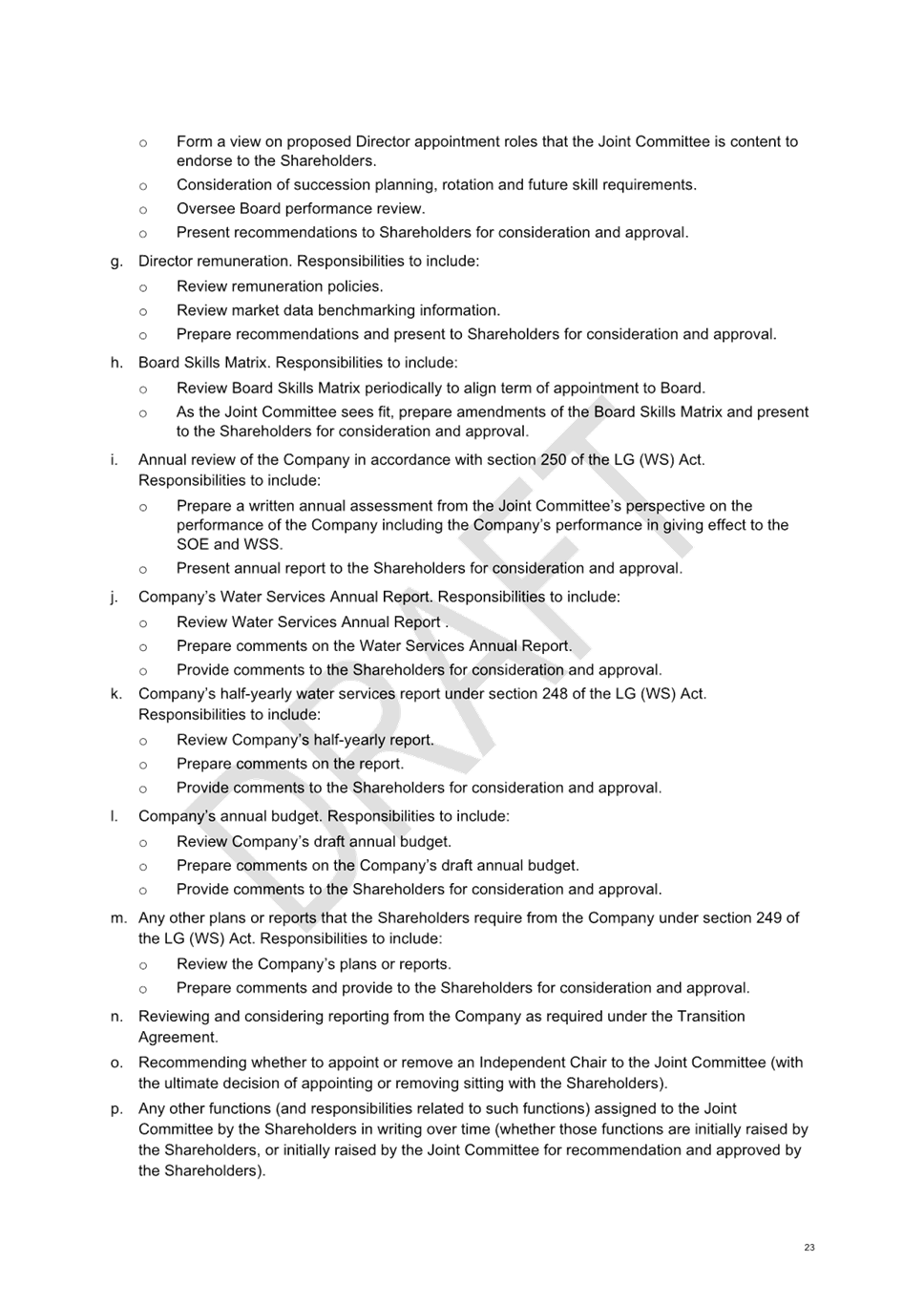
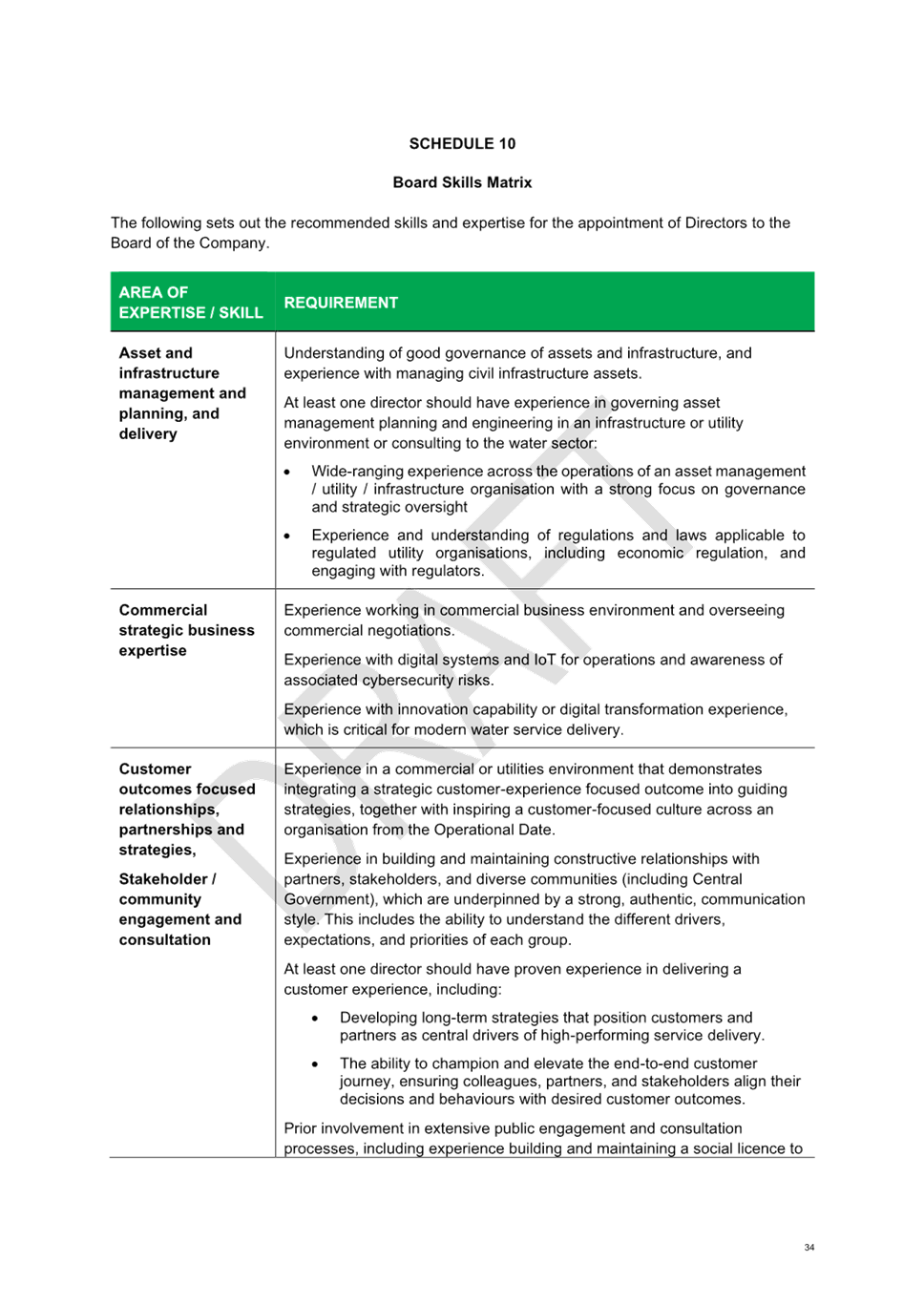
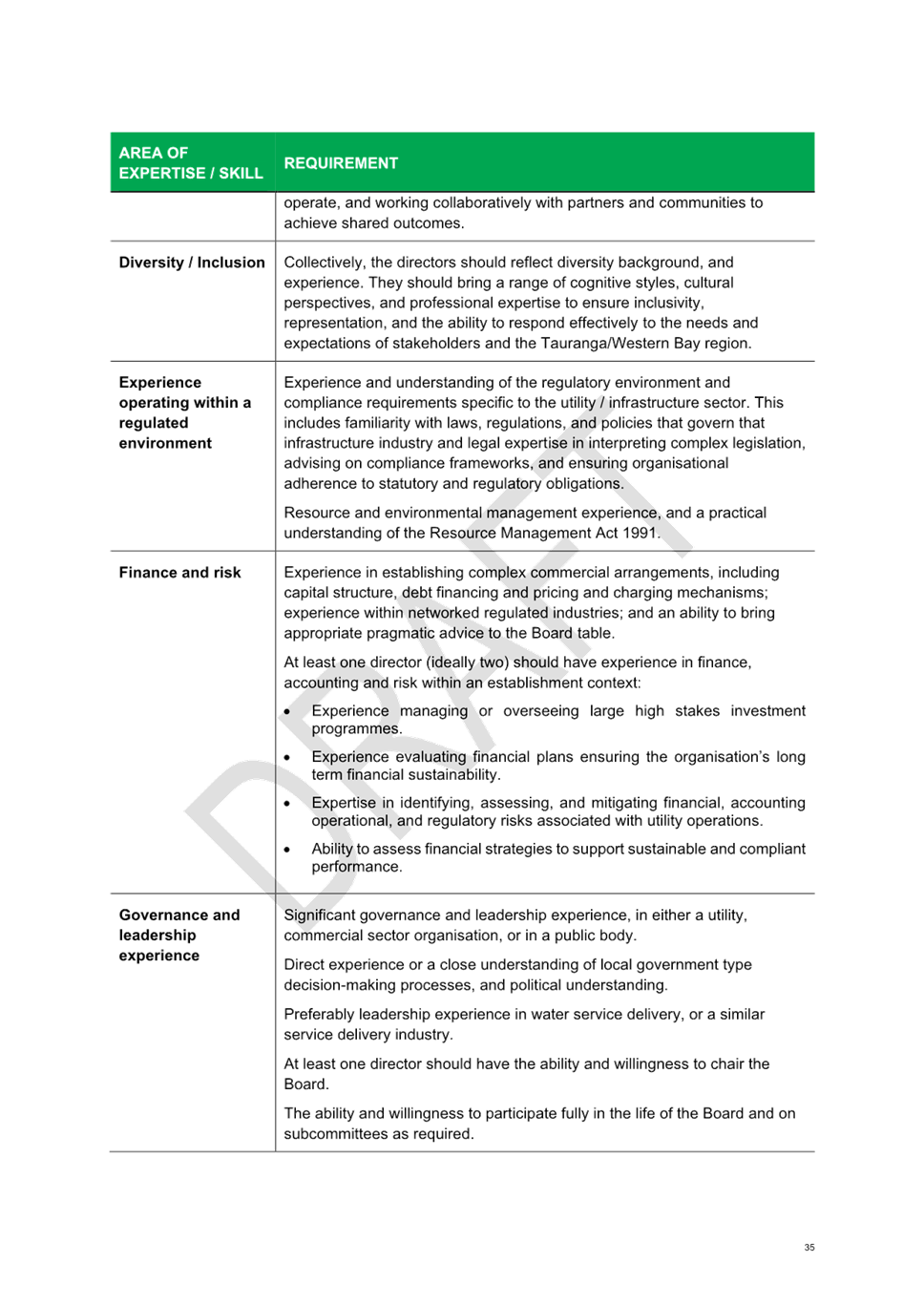
· Appointment
of Board of Directors. Responsibilities to include:
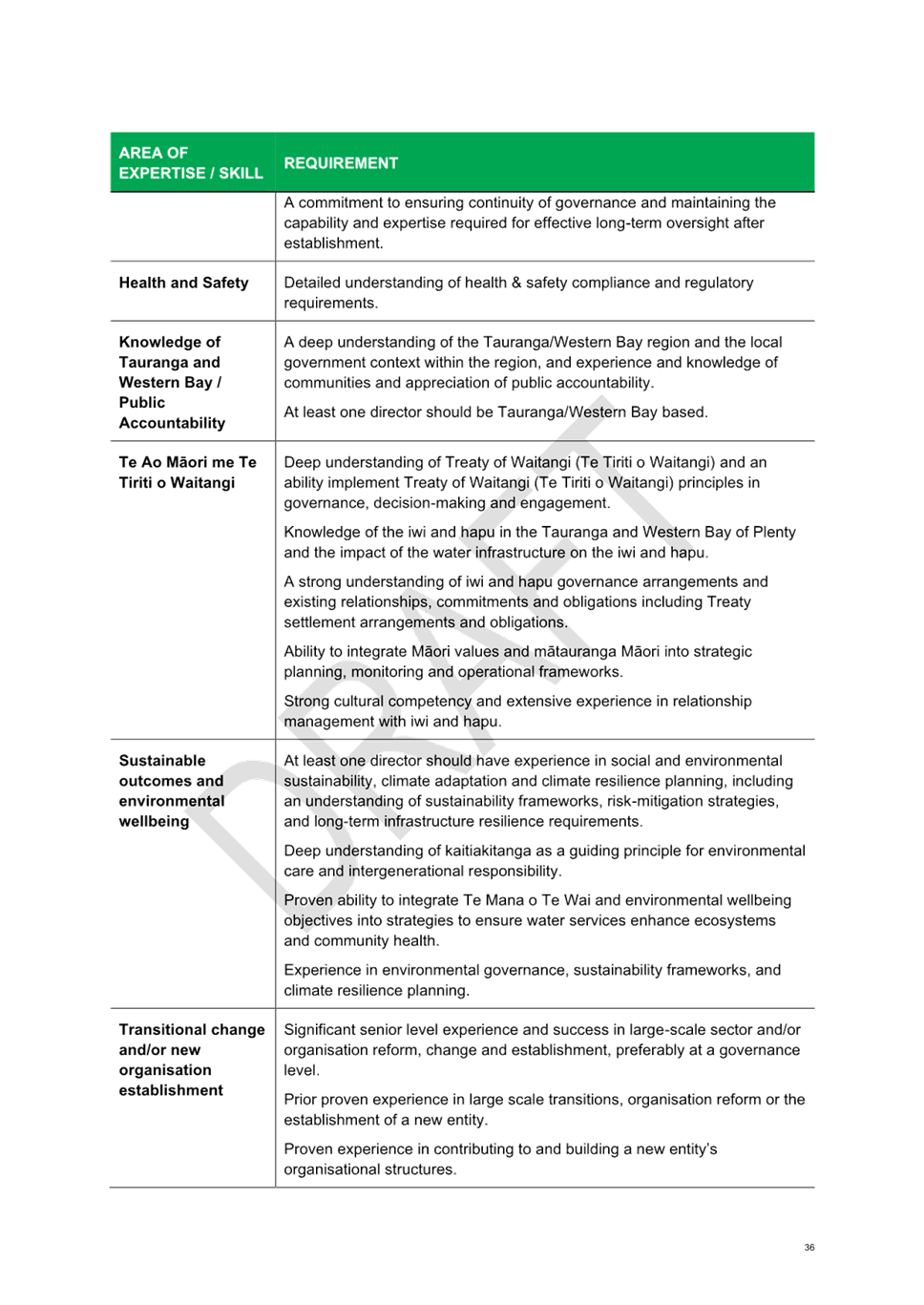
o Review candidates against Director
Skills Matrix and any policies of the respective Councils.
o Form a view on proposed Director
appointment roles that the Joint Committee is content to endorse to the
Councils.
o Consideration of succession planning,
rotation and future skill requirements.
o Oversee Board performance review.
o Present recommendations to both Councils
for consideration and approval.
· Director
remuneration. Responsibilities to include:
o Review remuneration policies.
o Review market data benchmarking
information.
o Prepare recommendations and present to
both Councils for consideration and approval.
· Director
Skills Matrix. Responsibilities to include:
o Review Director Skills Matrix
periodically to align term of appointment to Board.
o As the Joint Committee sees fit, prepare
amendments of the Matrix and present to both Councils for consideration and
approval
· Annual
review of the WO in accordance with s 250 of the Act. Responsibilities to
include:
o Prepare a written annual assessment with
the Joint Committee’s perspective on the performance of the WO including
the WO’s performance in giving effect to the SOE and WSS.
o Present annual report to both Councils
for consideration and approval
· WO’s
Water services annual report. Responsibilities to include:
o Review WO’s annual report
o Prepare comments on the WO’s
annual report.
o Provide comments to Councils for consideration
and approval.
· WO’s
half-yearly water services report under s 248 of the Act. Responsibilities to
include:
o Review WO’s half-yearly report.
o Prepare comments on the report
o Provide comments to Councils for consideration
and approval.
· WO’s
annual budget. Responsibilities to include:
o Review WO’s draft annual budget.
o Prepare comments on the WO’s draft
annual budget.
o Provide comments to Councils for consideration
and approval.
· Any
other plans or reports that the Councils require from the WO under section 249
of the Act. Responsibilities to include:
o Review WO’s plans or reports.
o Prepare comments and provide to Councils
for consideration and approval.
· Any
other functions (and responsibilities related to such functions) assigned to
the Joint Committee by the Councils in writing over time (whether those
functions are initially raised by the Councils, or initially raised by the
Joint Committee for recommendation and approved by the Councils).
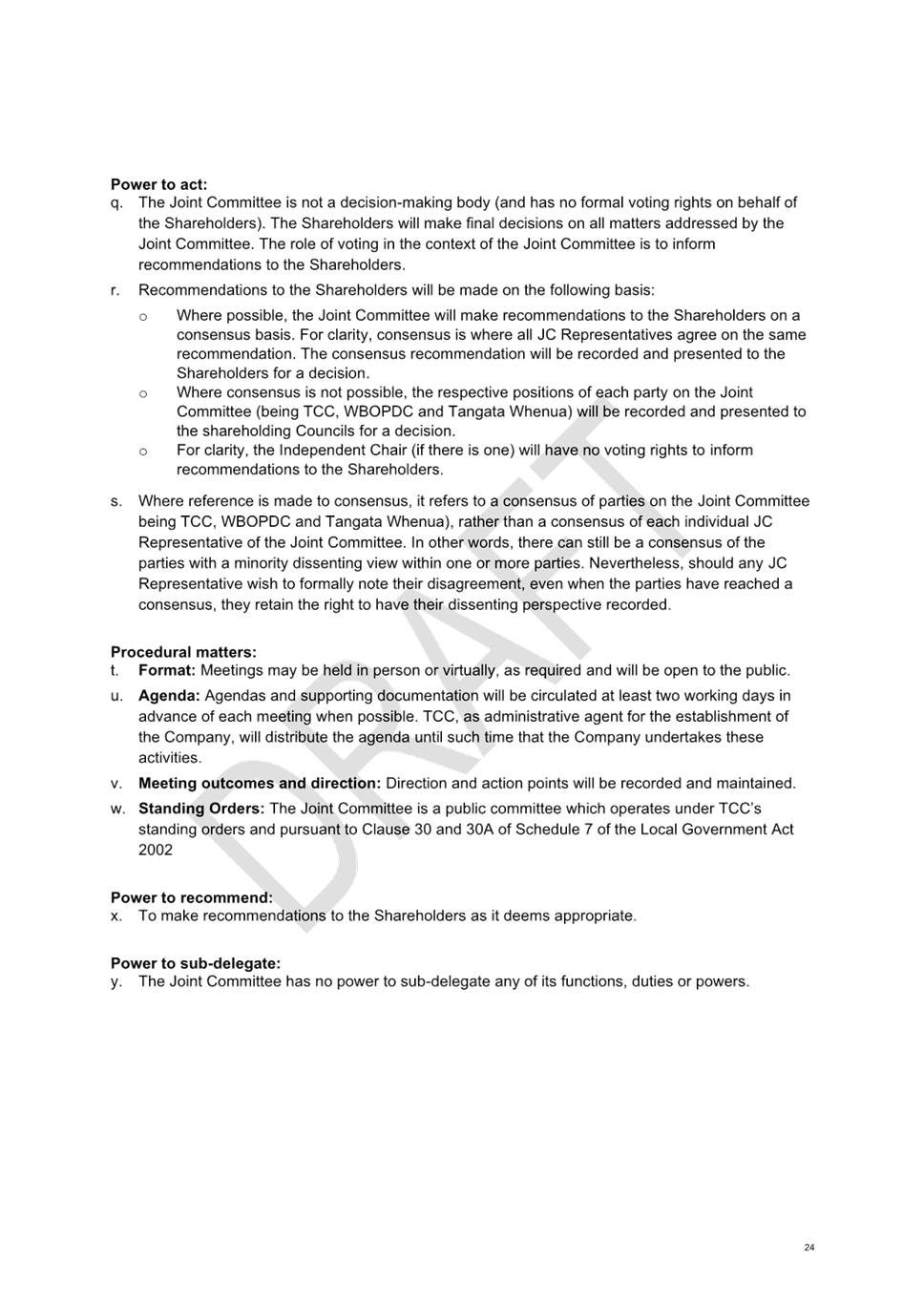
Power to act:
· The
Committee is not a decision-making body (and has no formal voting rights on
behalf of the Councils). The Councils will make final decisions on all matters
addressed by the Committee. The role of voting in the context of the Committee
is to inform recommendations to the Councils.
· Recommendations
to the Councils will be made on the following basis:
o
Where possible, the
Committee will make recommendations to the shareholding Councils on a consensus
basis. For clarity, consensus is where all parties on the Committee agree on
the same recommendation. The consensus recommendation will be recorded and presented
to the shareholding Councils for a decision.
o
Where a consensus is
not possible, the respective positions of each party on the Committee will be
recorded and presented to the shareholding Councils for a decision.
· Where
reference is made to consensus, it refers to a consensus of parties on the
Committee (being TCC, WBOPDC and TW), rather than a consensus of each
individual member of the Committee. In other words, there can still be a
consensus of the parties with a minority dissenting view within one or more
parties. Nevertheless, should any individual wish to formally note their
disagreement, even when the parties have reached a consensus, they retain the
right to have their dissenting perspective recorded.
Procedural matters:
· Format:
Meetings may be held in person or virtually, as required and will be open to
the public.
· Agenda:
Agendas and supporting documentation will be circulated at least two working
days in advance of each meeting when possible. TCC, as administrative agent for
the establishment of the WO, will distribute the agenda until such time that
the WO undertakes these activities.
· Meeting
outcomes and direction: Direction and Action points will be recorded and
maintained.
· Standing
Orders: The Committee is a public committee which operates under TCC’s
standing orders and pursuant to Clause 30 and 30A of Schedule 7 of the Local
Government Act 2002
Power to recommend:
· To
make recommendations to TCC and WBOPDC as it deems appropriate.
Power to sub-delegate:
· The
Committee has no power to sub-delegate any of its functions, duties or powers.
|
Water Organisation Joint Committee meeting Agenda
|
29 June 2026
|
8 Business
8.1 Water
Organisation - Founding Documents
File
Number: A20392894
Author: Tyler
Buckley, Commercial Solicitor
Charles Lane, Team
Leader: Commercial Legal
Authoriser: Adele
Henderson, Programme Director - Water Organisation
Christine Jones,
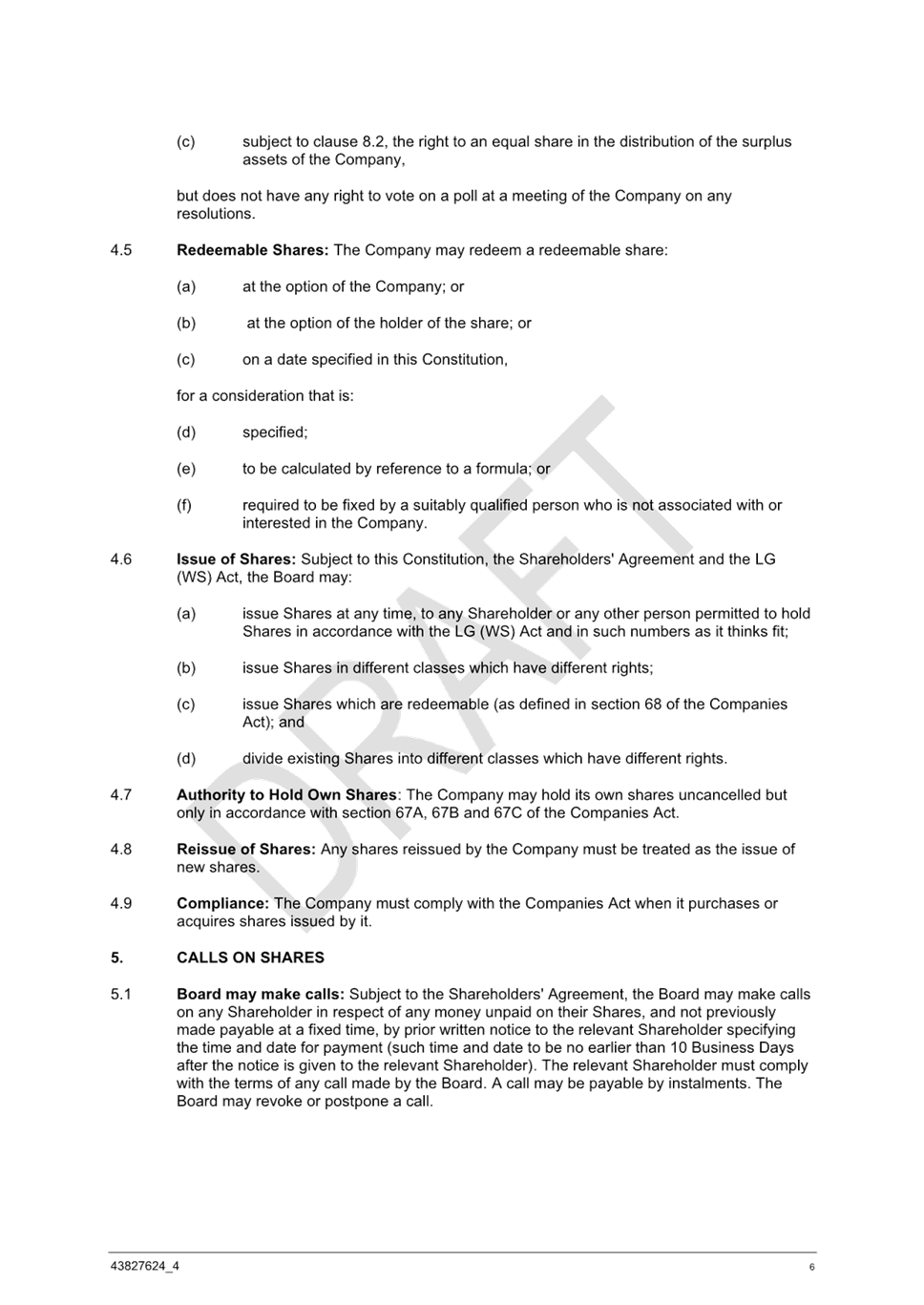
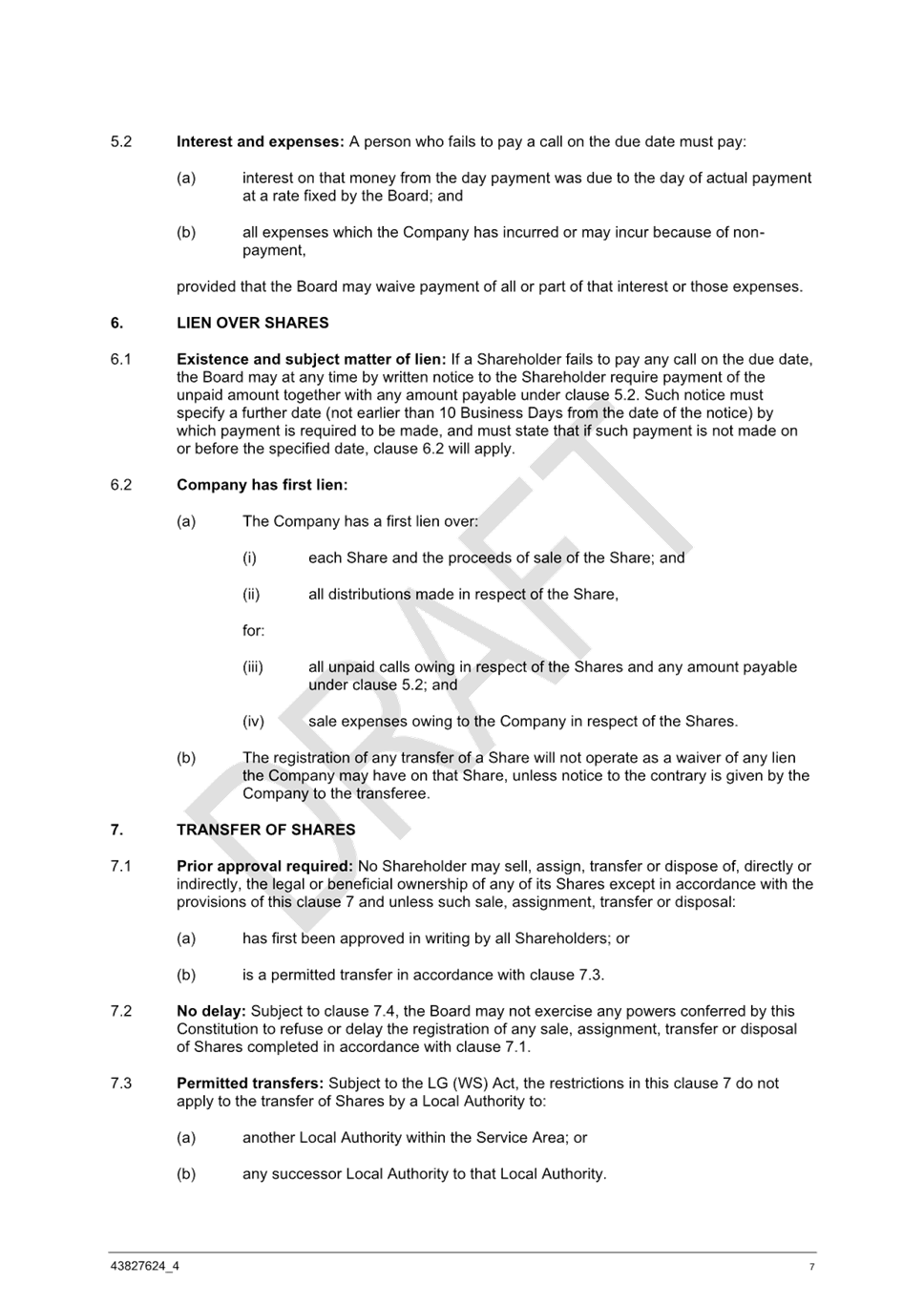
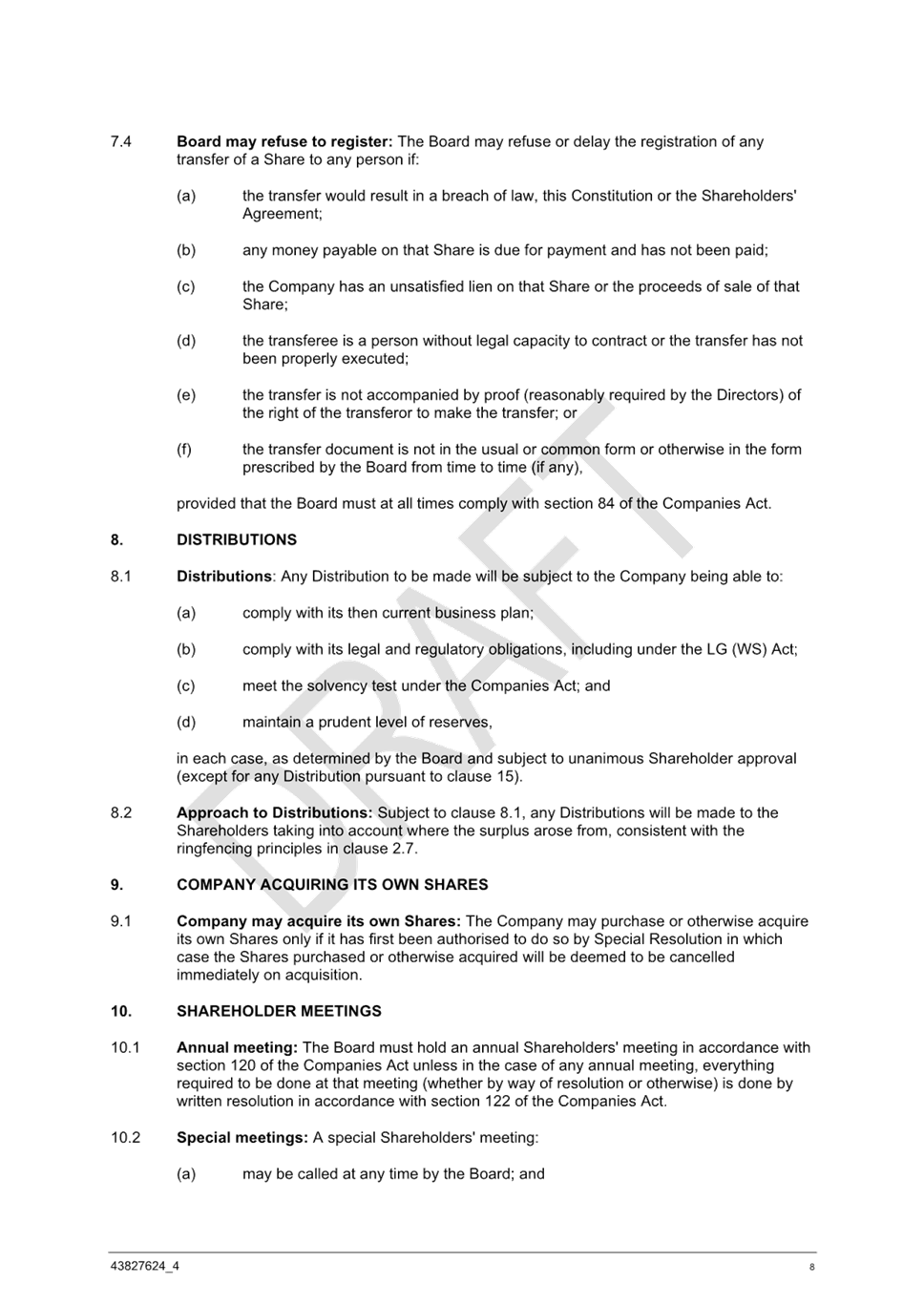
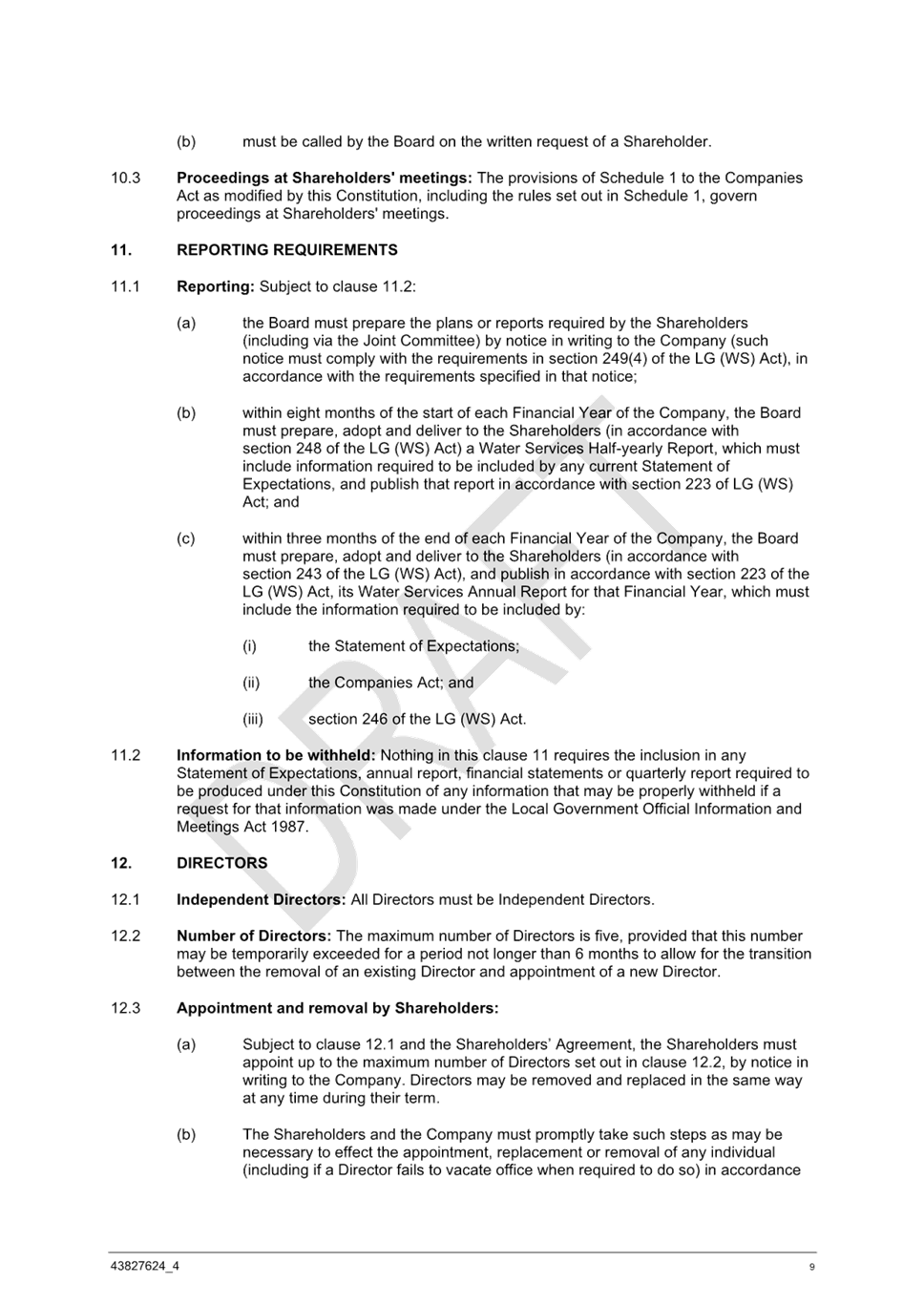
General Manager: Strategy, Partnerships & Growth
Purpose of the Report
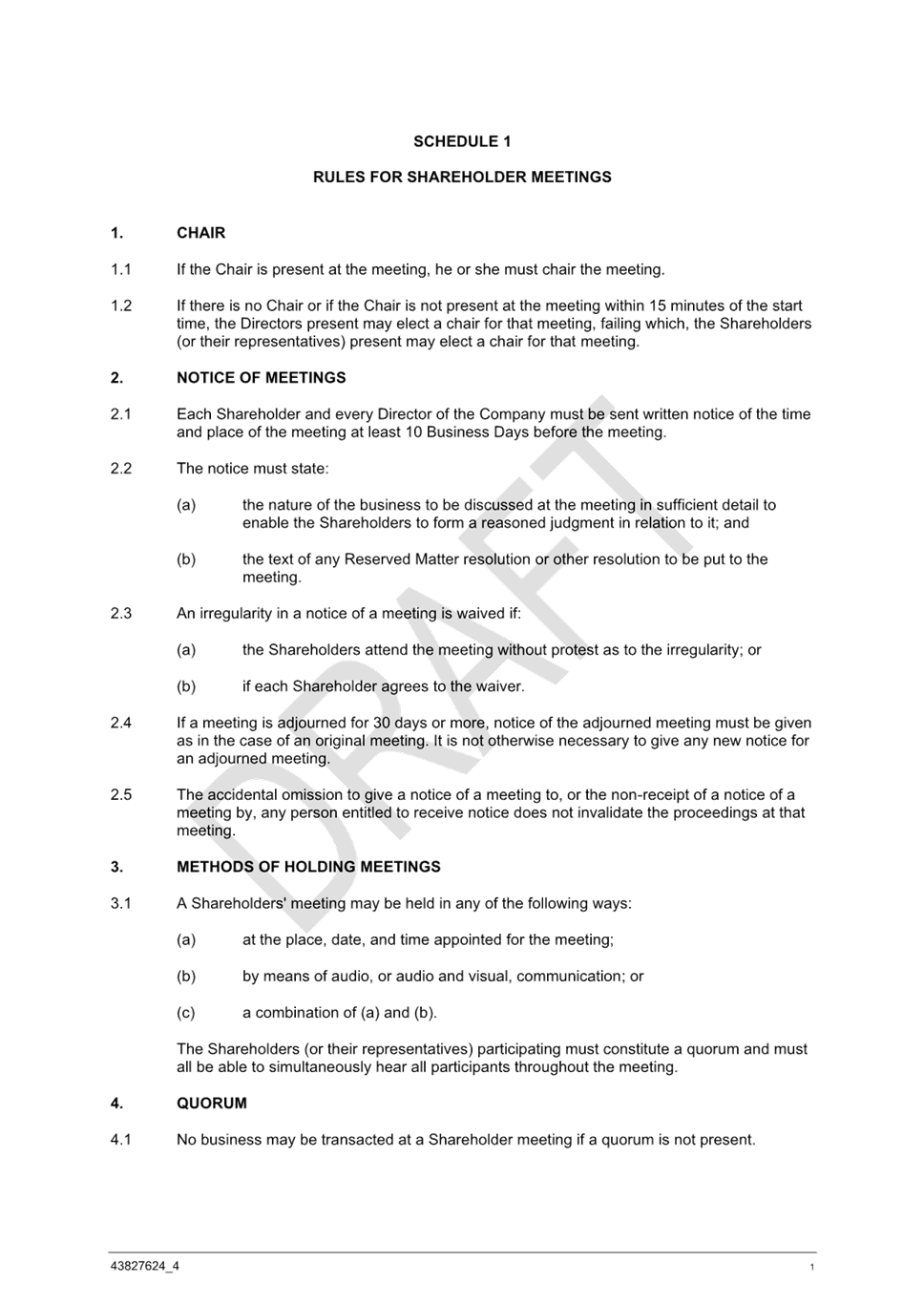
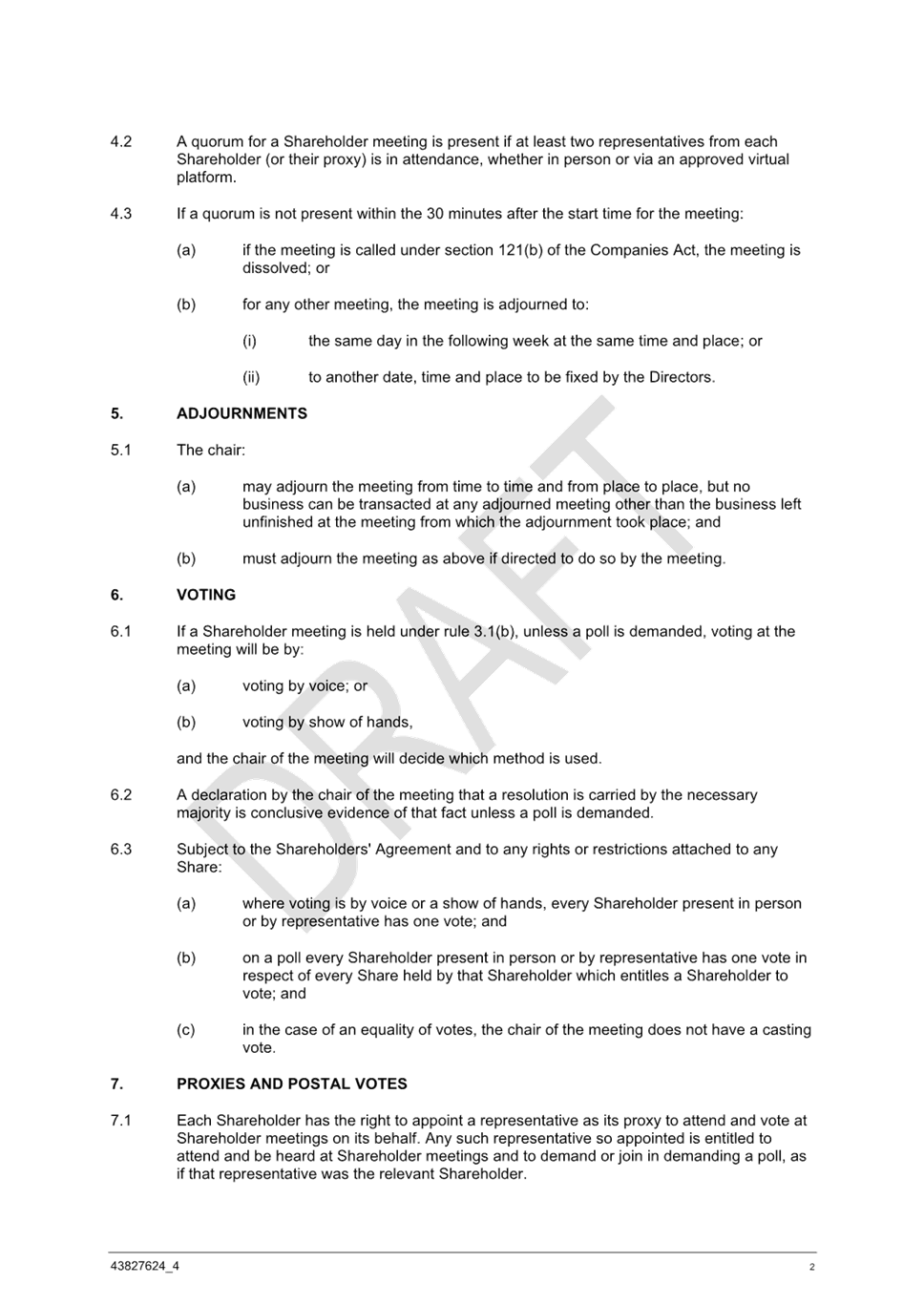
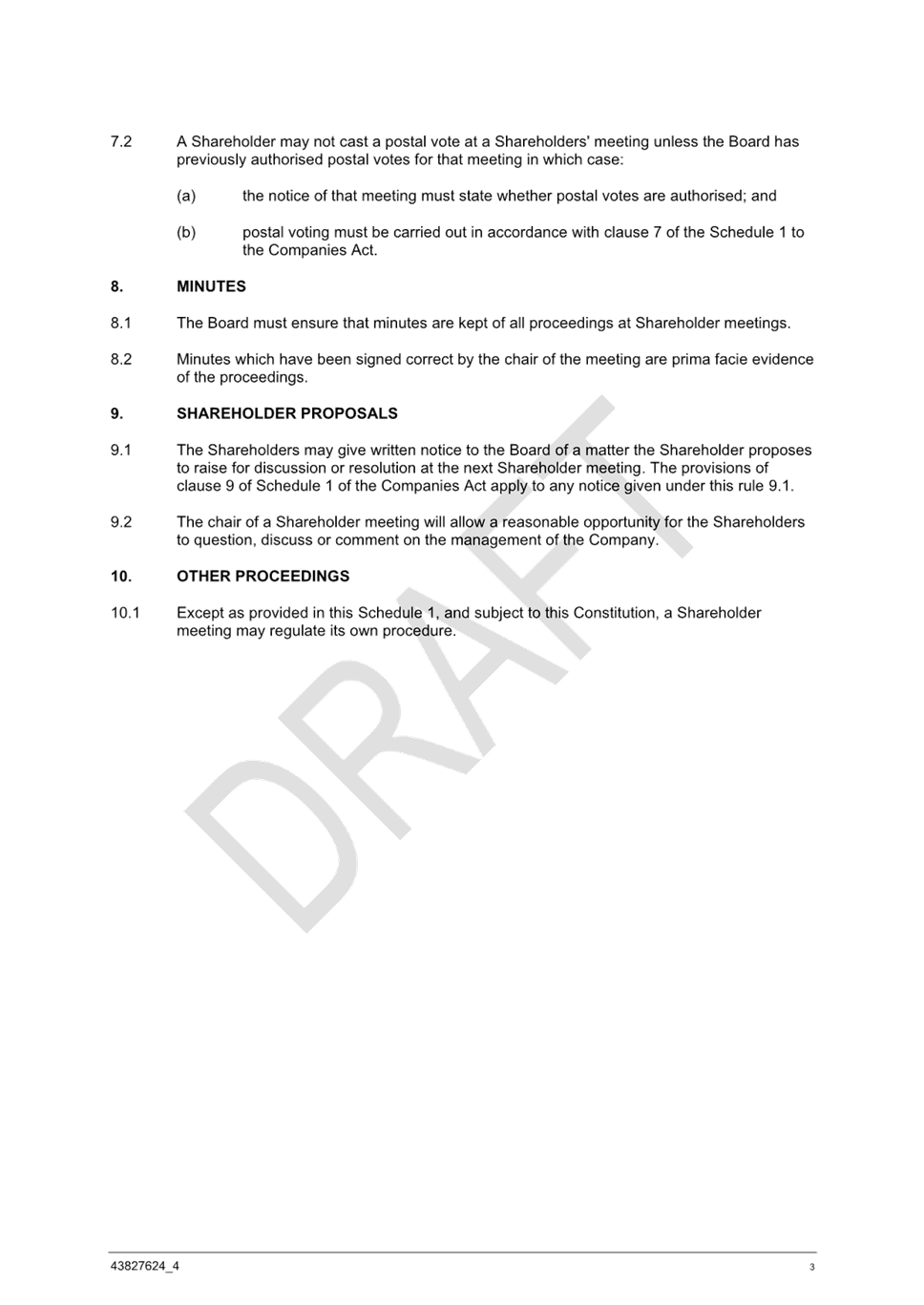
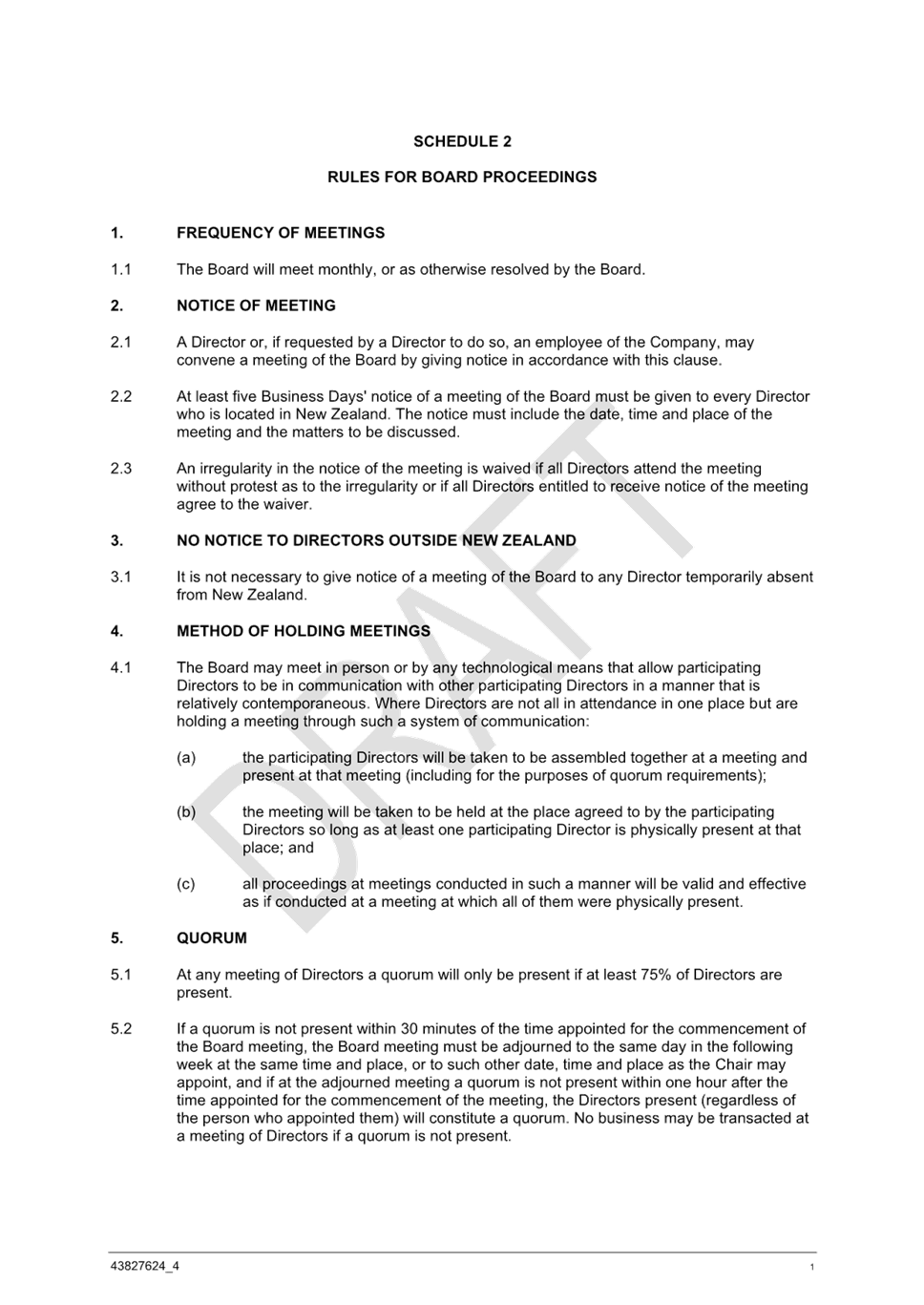
1. To present the draft
Constitution and Shareholders’ Agreement, and to seek the Joint
Committee’s recommendation that Tauranga City Council and Western Bay of
Plenty District Council approve those documents.
|
Recommendations
That the Water
Organisation Joint Committee:
(a) Receives the report
"Water Organisation - Founding Documents".
(b) Constitution
(i) Recommends the
Constitution, in the form attached at Attachment 1, to Tauranga City Council
and Western Bay of Plenty District Council for final approval.
Or
(ii) Recommends the
Constitution, in the form attached at Attachment 1, to Tauranga City Council
and Western Bay of Plenty District Council for final approval, with the
following amendments:
· [insert
amendment]
· [insert
amendment]
(c) Shareholders’
Agreement
(i) Recommends the
Shareholders’ Agreement, in the form attached at Attachment 2, to
Tauranga City Council and Western Bay of Plenty District Council for final
approval.
Or
(ii) Recommends the
Shareholders’ Agreement, in the form attached at Attachment 2, to
Tauranga City Council and Western Bay of Plenty District Council for final
approval, with the following amendments:
· [insert
amendment]
· [insert
amendment]
(d) In the event the Joint
Committee requests any amendments to the Constitution and/or the
Shareholders’ Agreement, the Joint Committee notes that Tauranga City
Council and Western Bay of Plenty District Council will work together in good
faith to resolve any outstanding issues before the final drafts are presented
to Tauranga City Council and WBOPDC for final approval.
|
Executive Summary
2. In September 2025,
Tauranga City Council (TCC) and Western Bay of Plenty District Council (WBOPDC)
entered into a Commitment Agreement to explore the establishment of a joint
Water Organisation (WO) under the Local Government (Water Services) Act
2025 (LG(WS) Act).
3. Between late 2025
and early 2026, the Councils undertook establishment planning and due
diligence, supported by a Joint Working Group (JWG) comprising
representatives from TCC, WBOPDC and Tangata Whenua. The JWG met on 10 separate
occasions, considering presentations and issues and options papers across 46
commercial terms to inform a Commercial Terms Sheet (CTS).
4. The JWG reached
consensus on 45 of the 46 terms. The remaining issue (whether Tangata Whenua
would hold Class A voting shares) was resolved by the Councils. On 24 March
2026, TCC and WBOPDC each approved the CTS, including that Tangata Whenua would
not hold Class A shares.
5. On 2 April 2026, the
Councils approved the due diligence and the establishment of the WO, with a
go-live date of 1 July 2027.
6. Staff have since
used the CTS to prepare the draft Constitution and Shareholders’
Agreement (Founding Documents), which establish the WO as a publicly
owned council-controlled organisation and sets out the framework for governance
and shareholder oversight.
7. Staff now request
that the Joint Committee recommends the Constitution and Shareholders’
Agreement to TCC and WBOPDC for final approval.
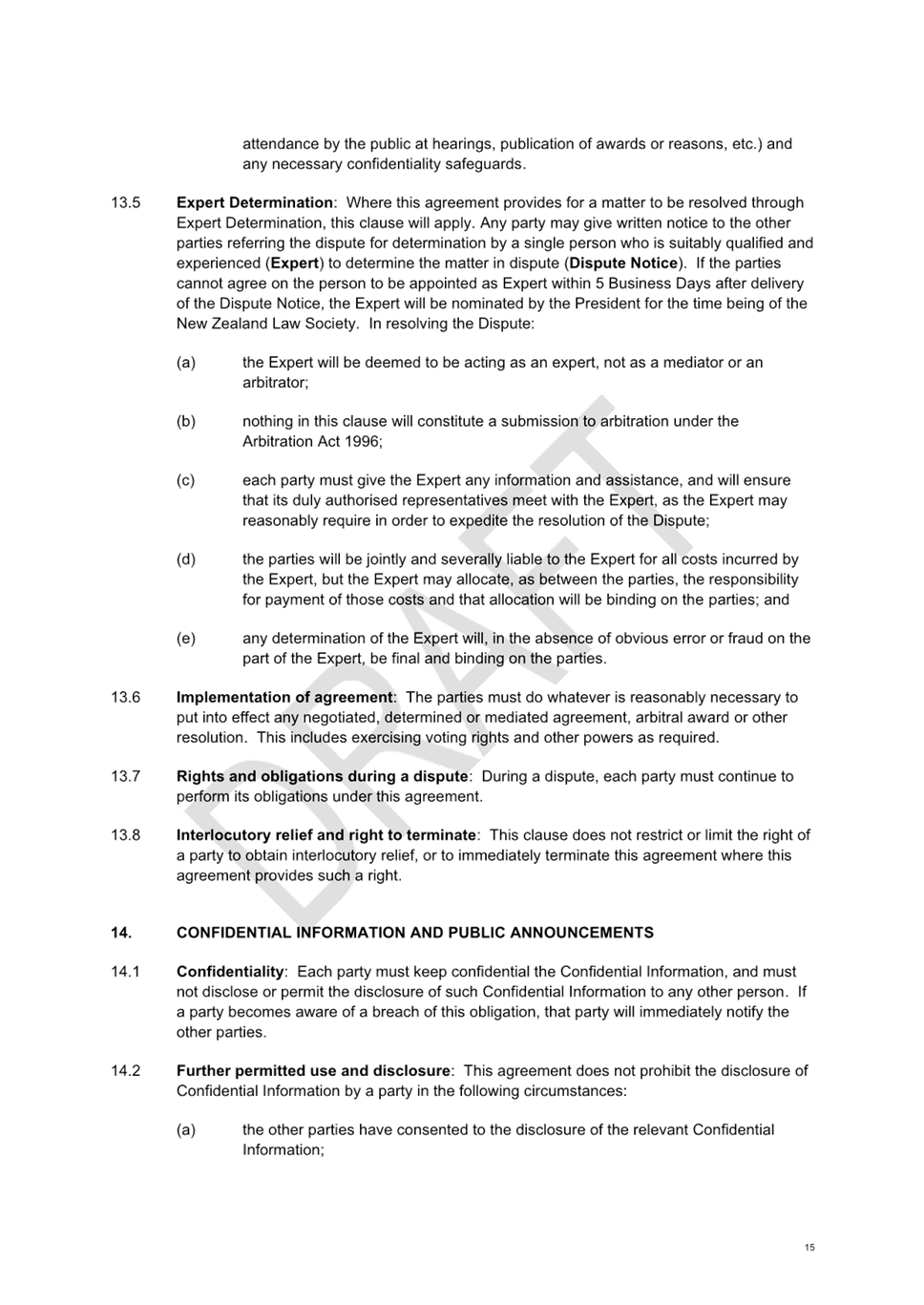
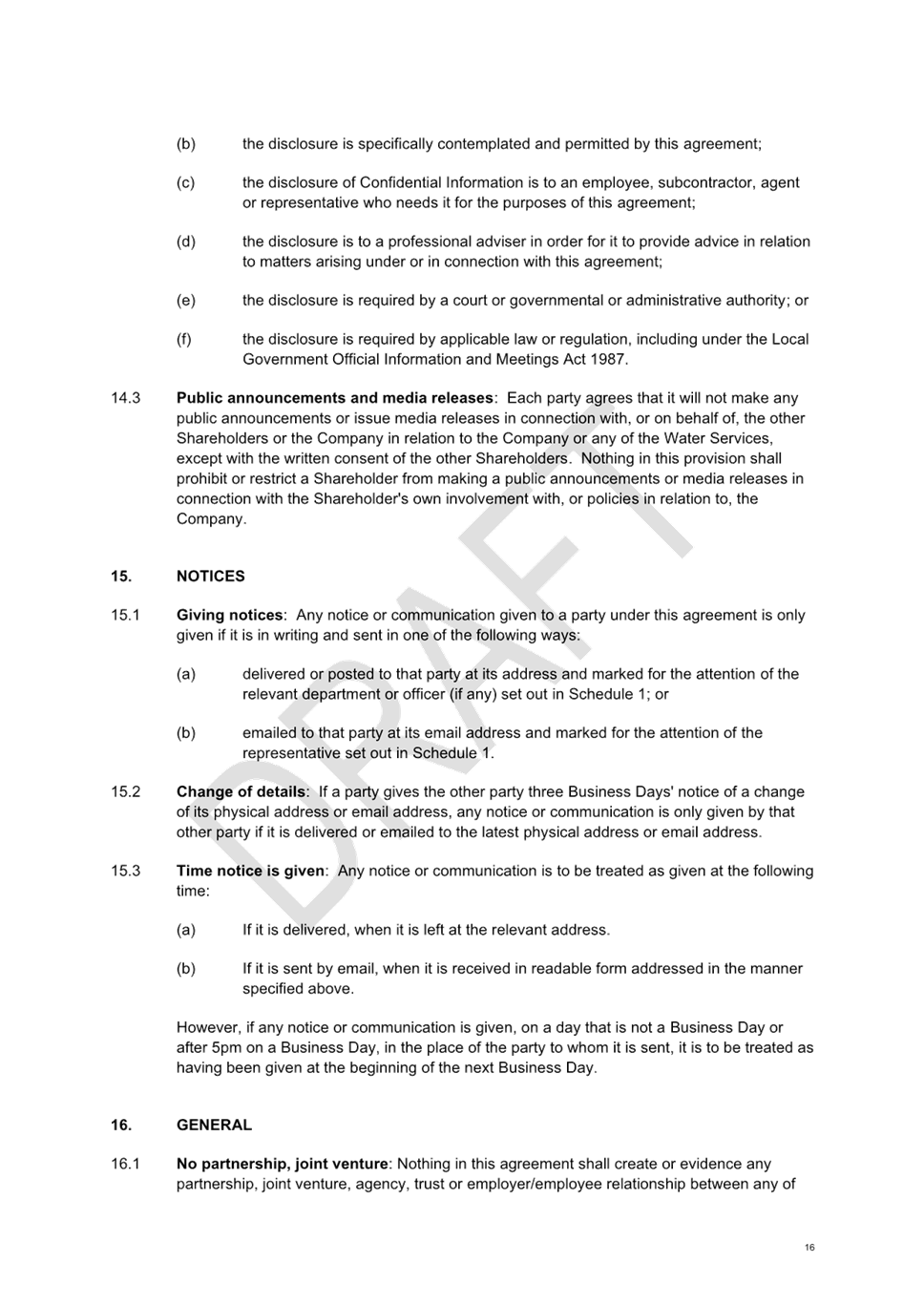
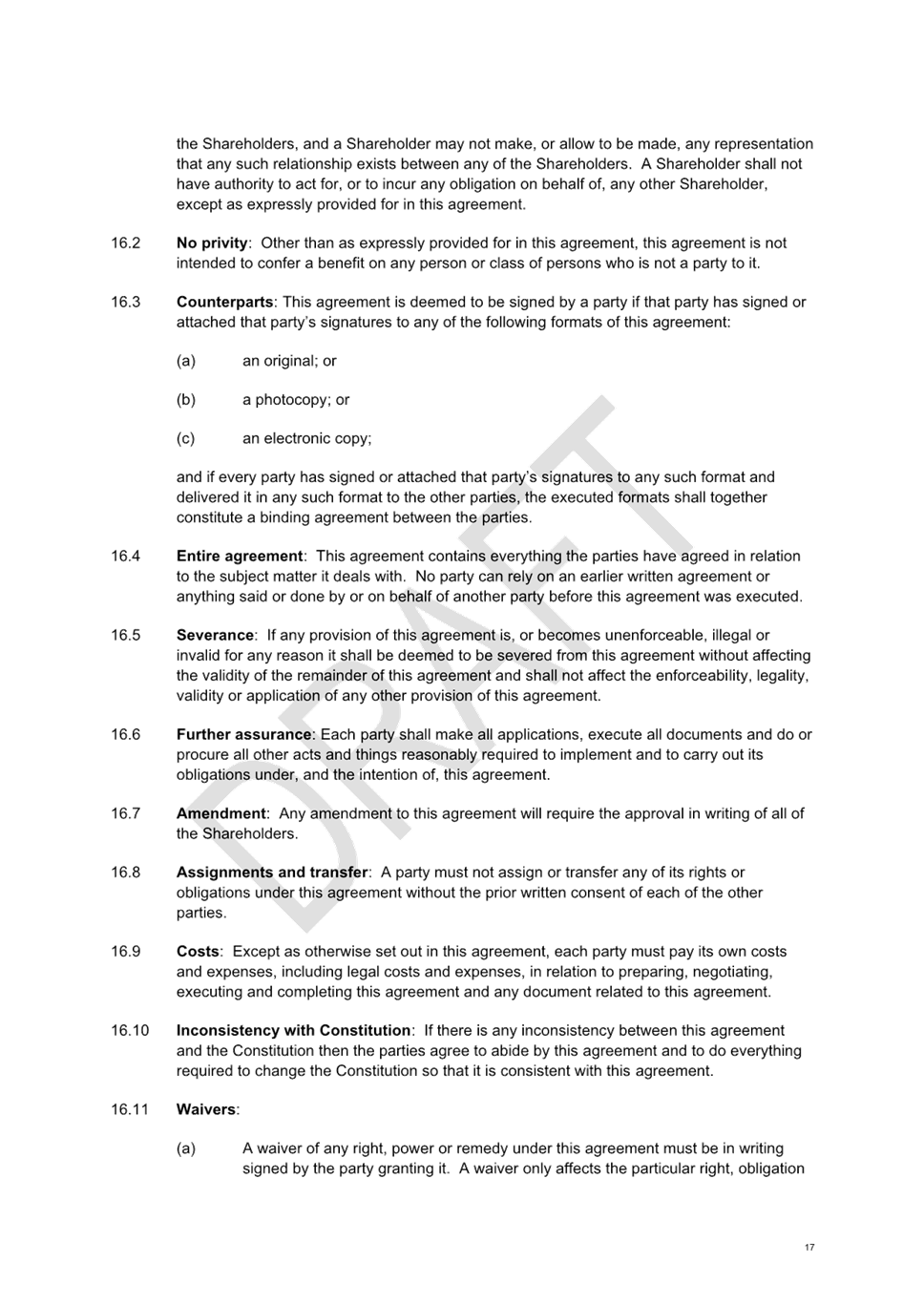
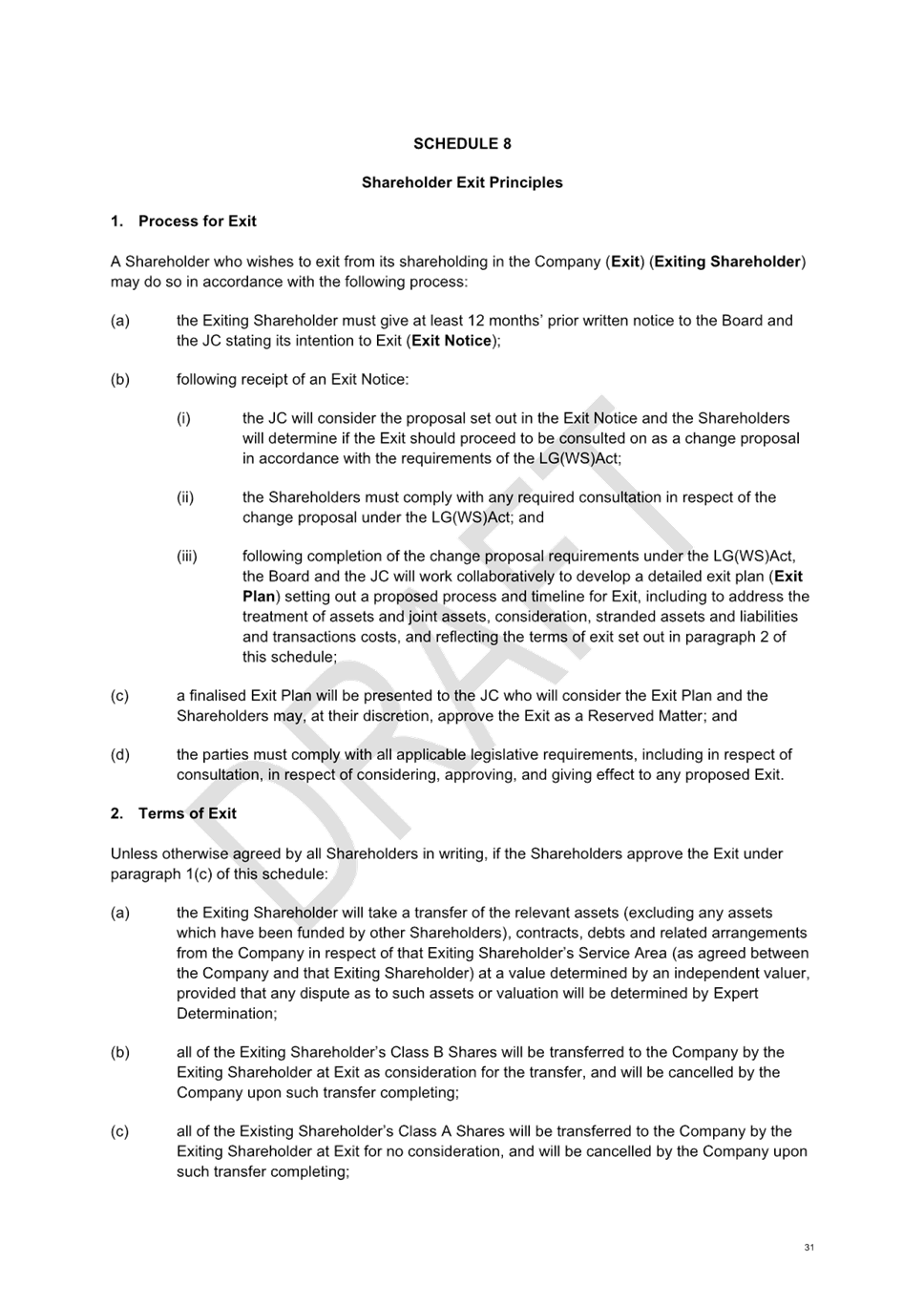
founding doucments
8. On 24 March 2026,
TCC and WBOPDC each passed the following resolution:
Notes
that staff will prepare the Water Organisation’s Shareholders’
Agreement and Company Constitution in a manner that is consistent with the
approved Commercial Terms Sheet and any additional commercial terms
subsequently agreed by TCC and WBOPDC.
9. In accordance with
this resolution, staff have now prepared the Founding Documents in accordance
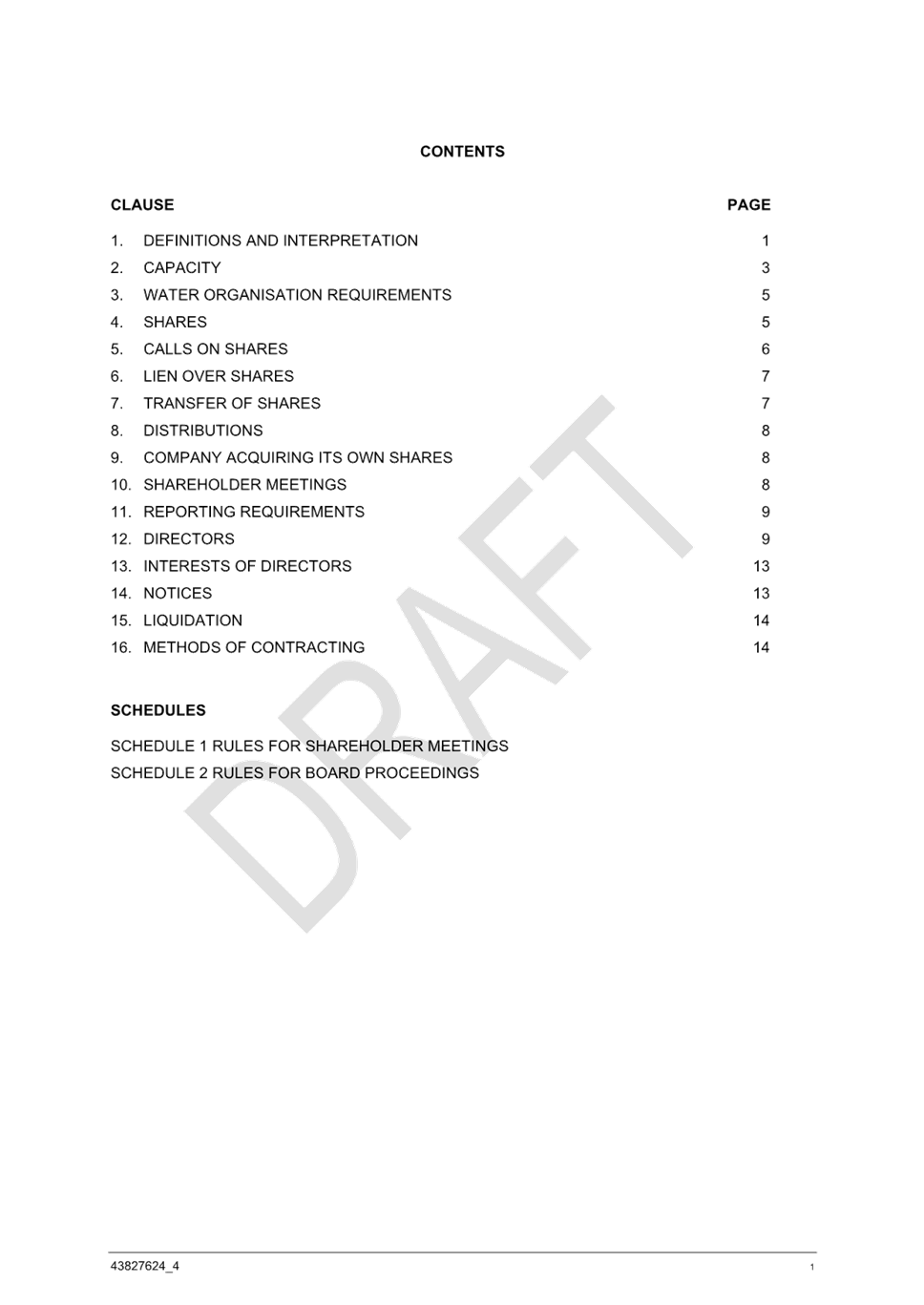
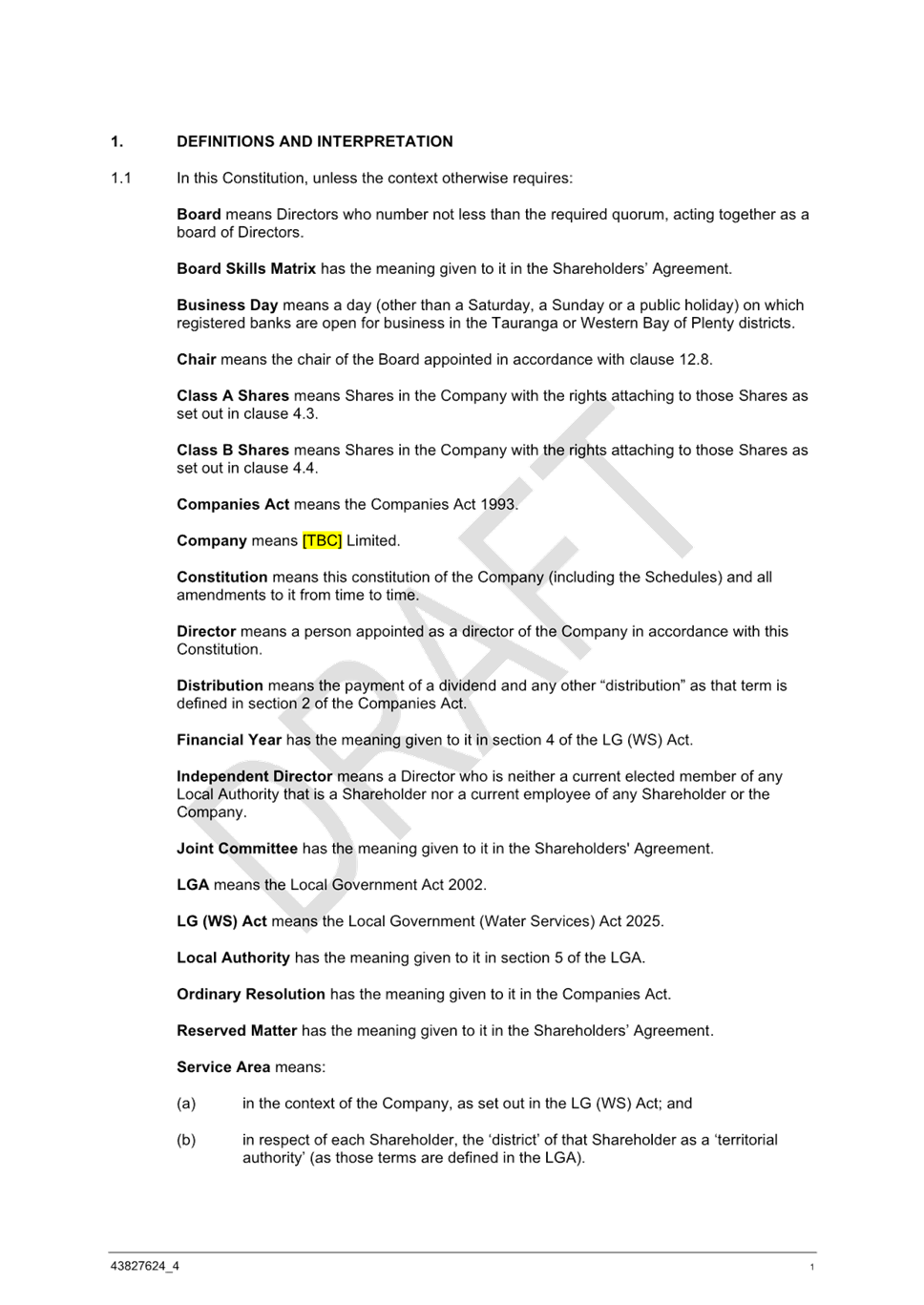
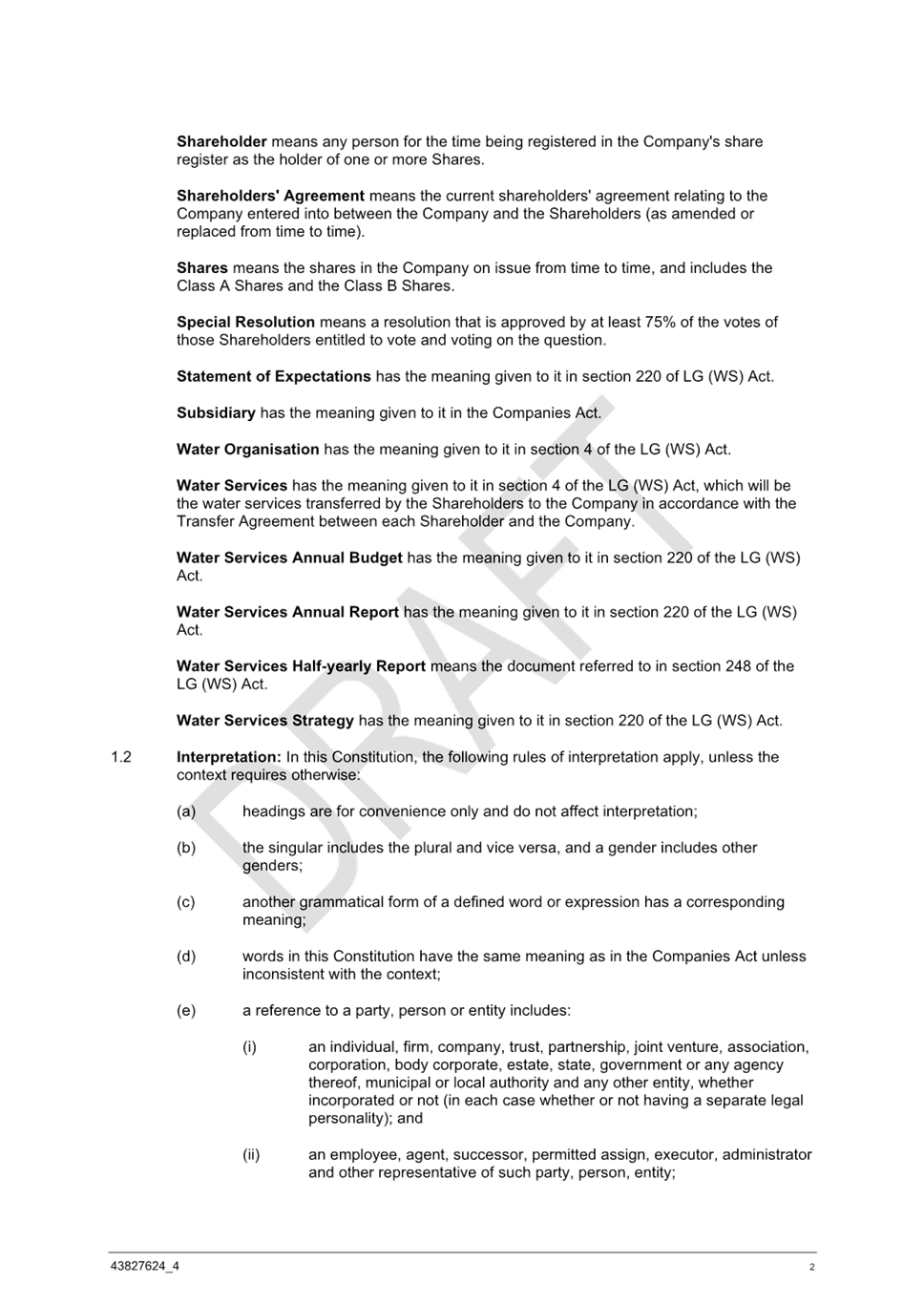
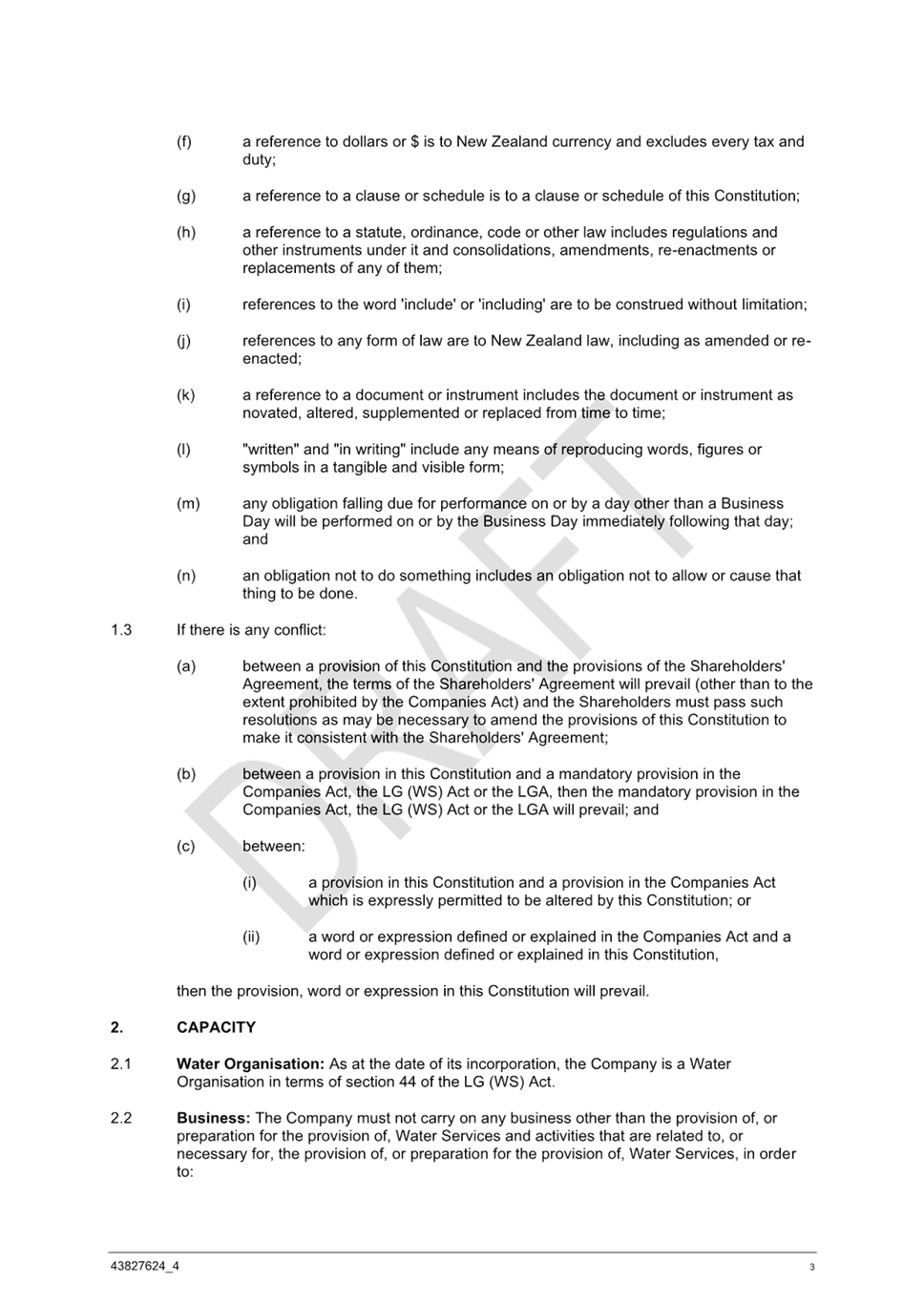
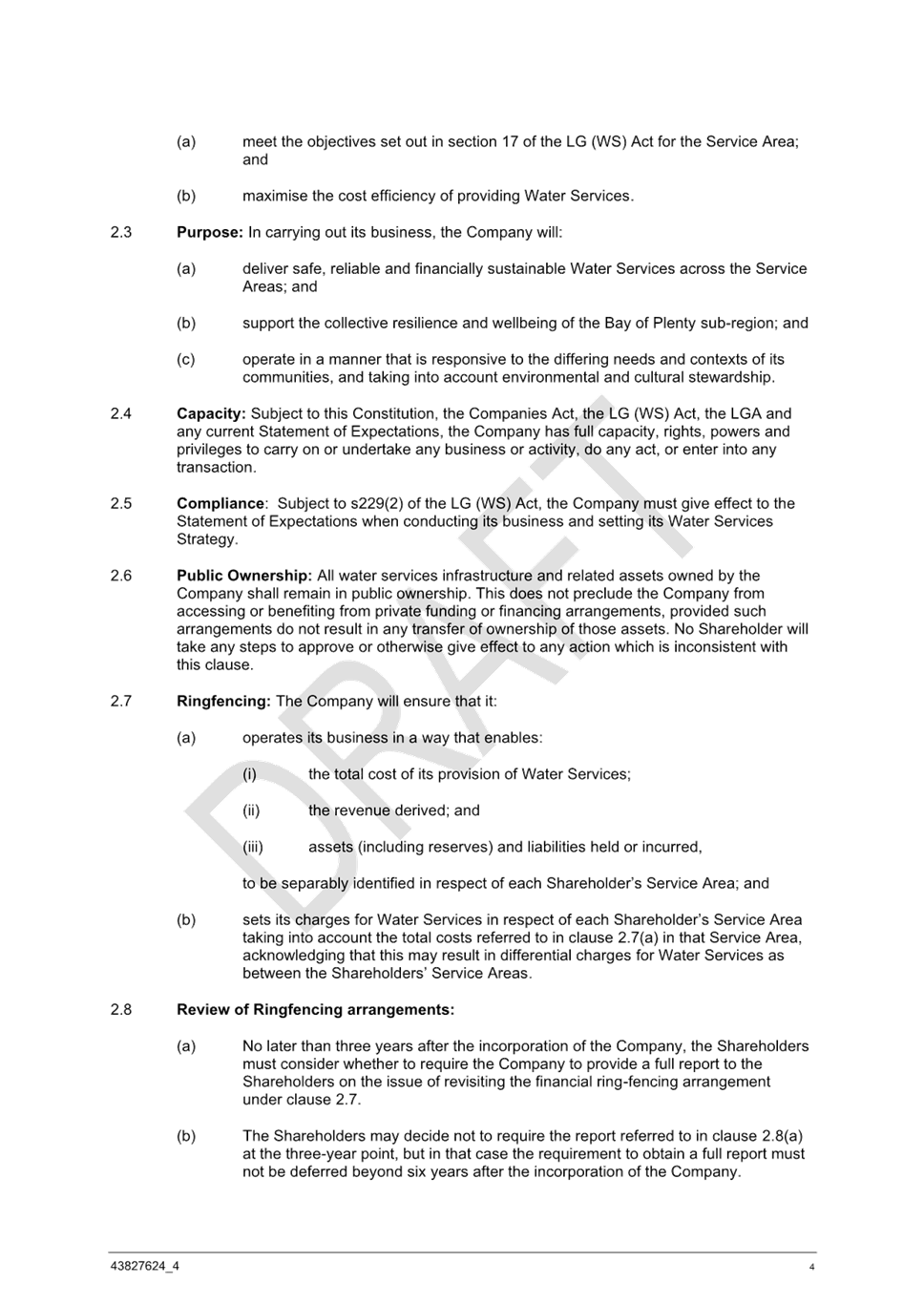
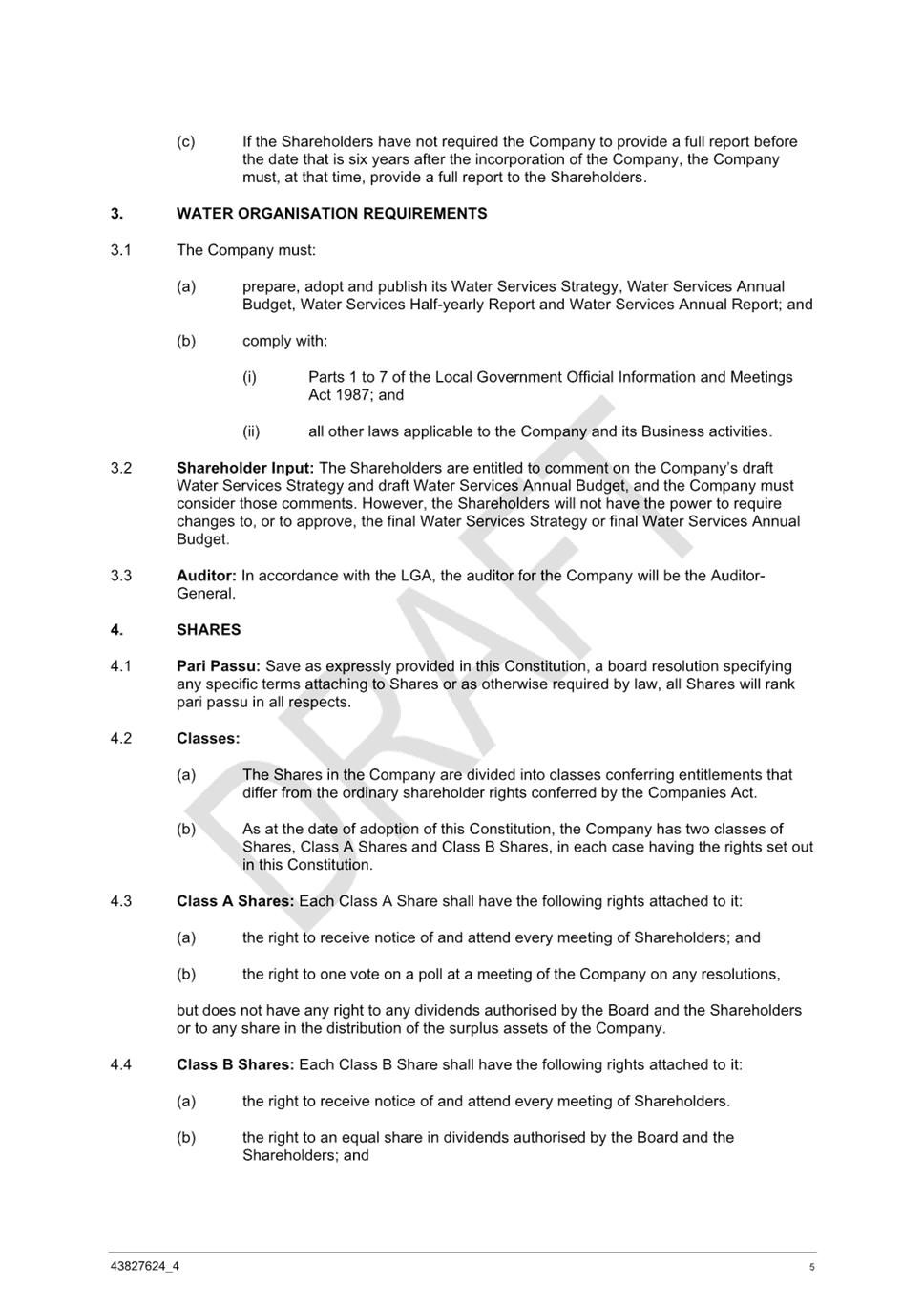
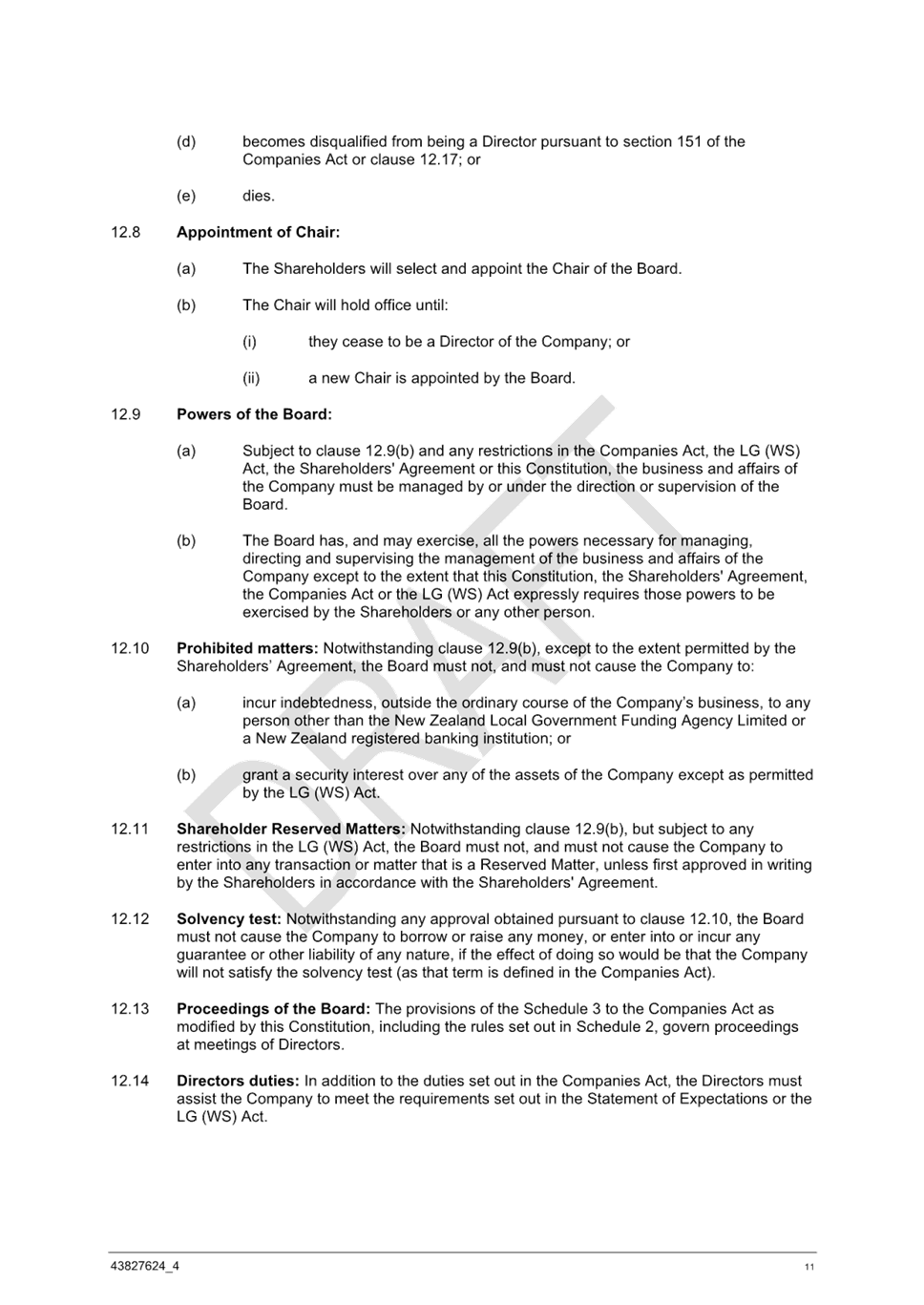
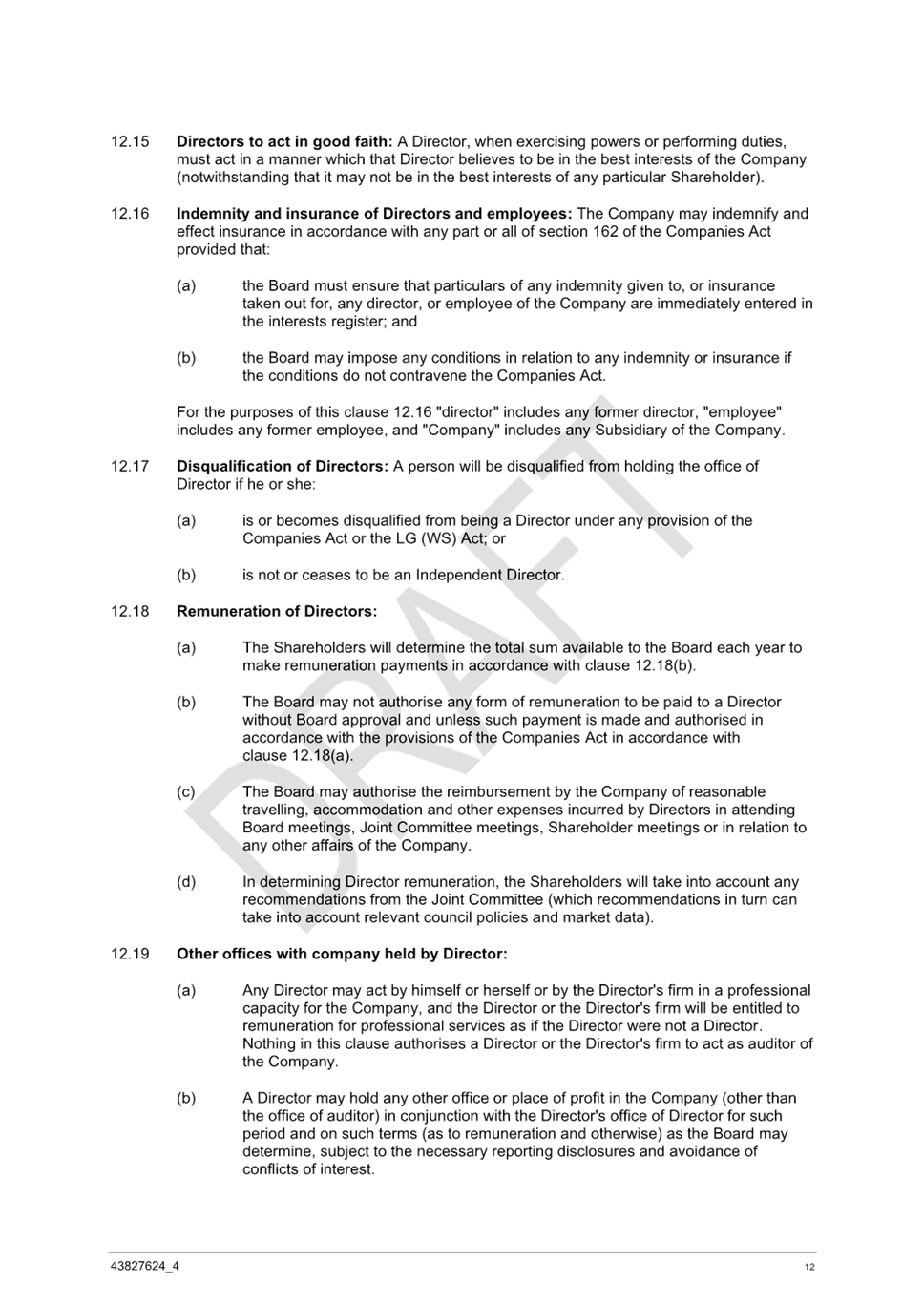
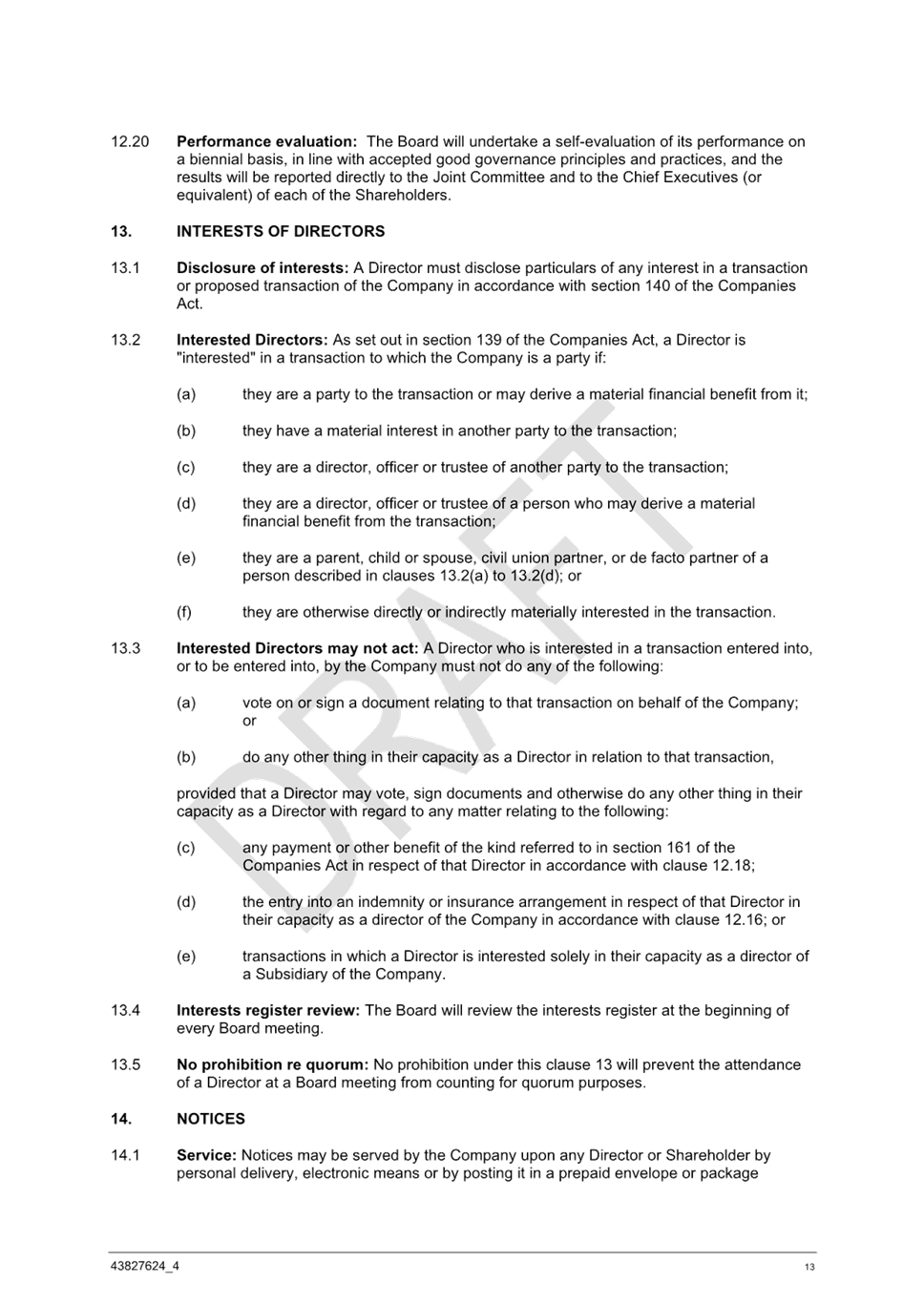
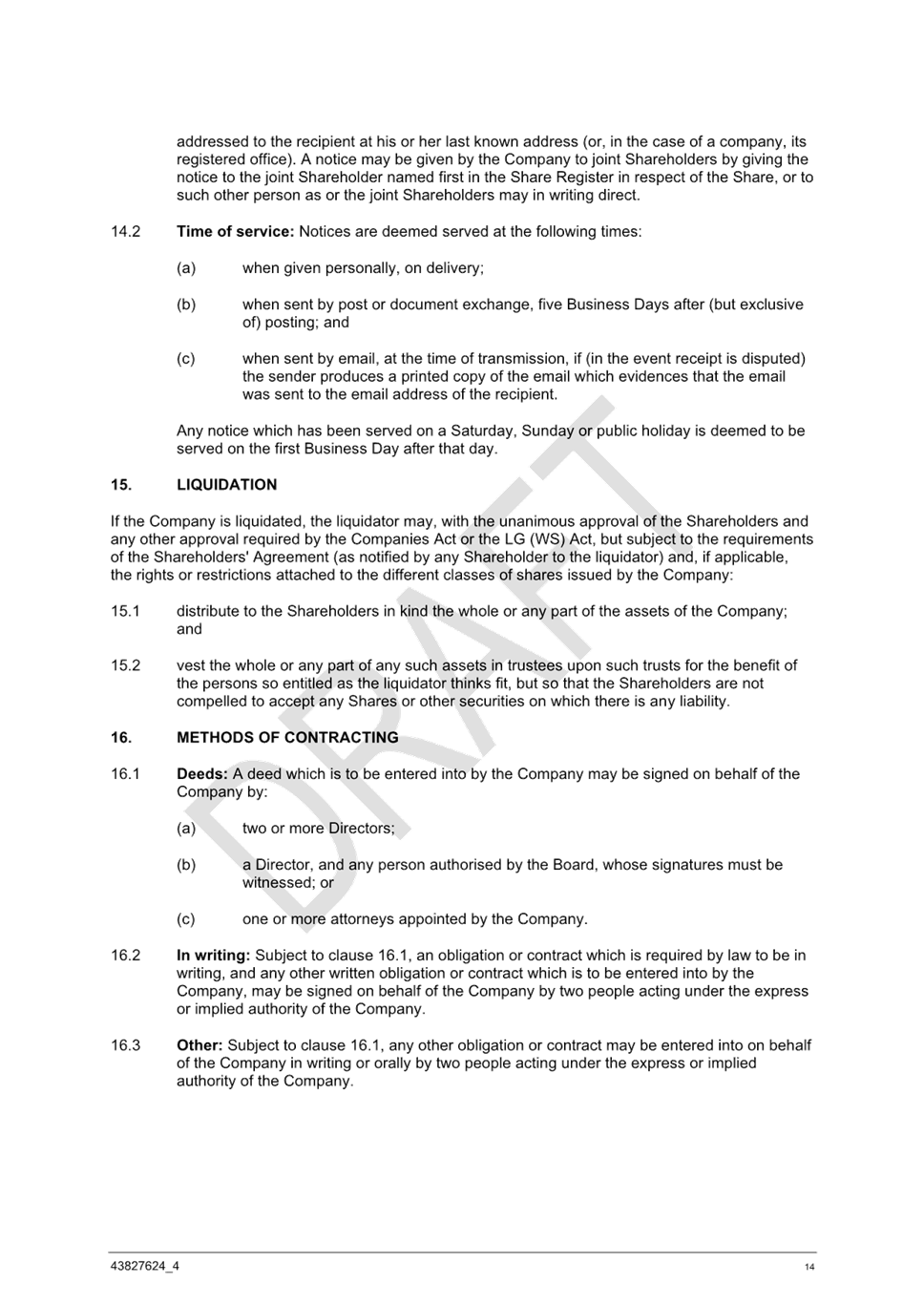
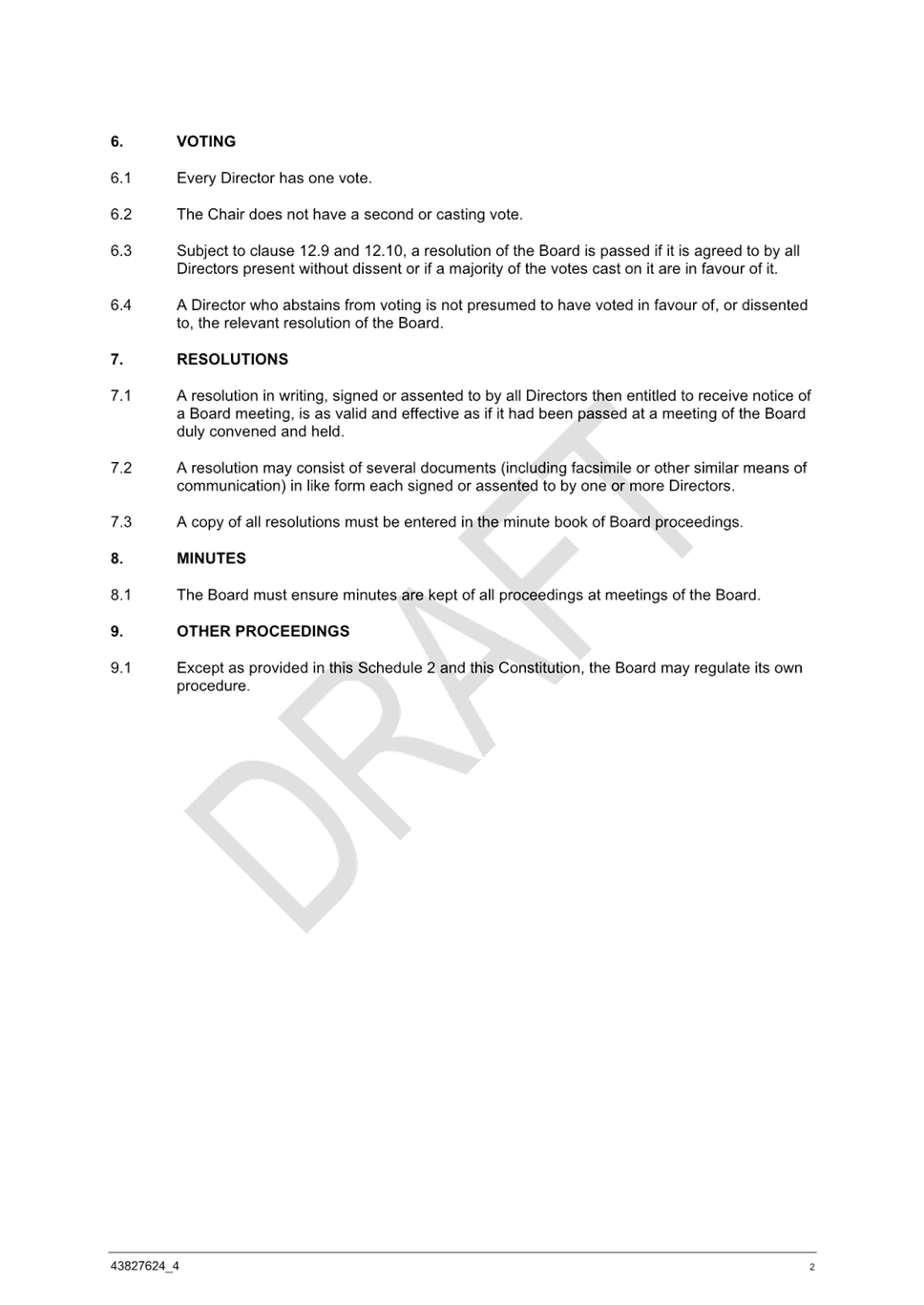
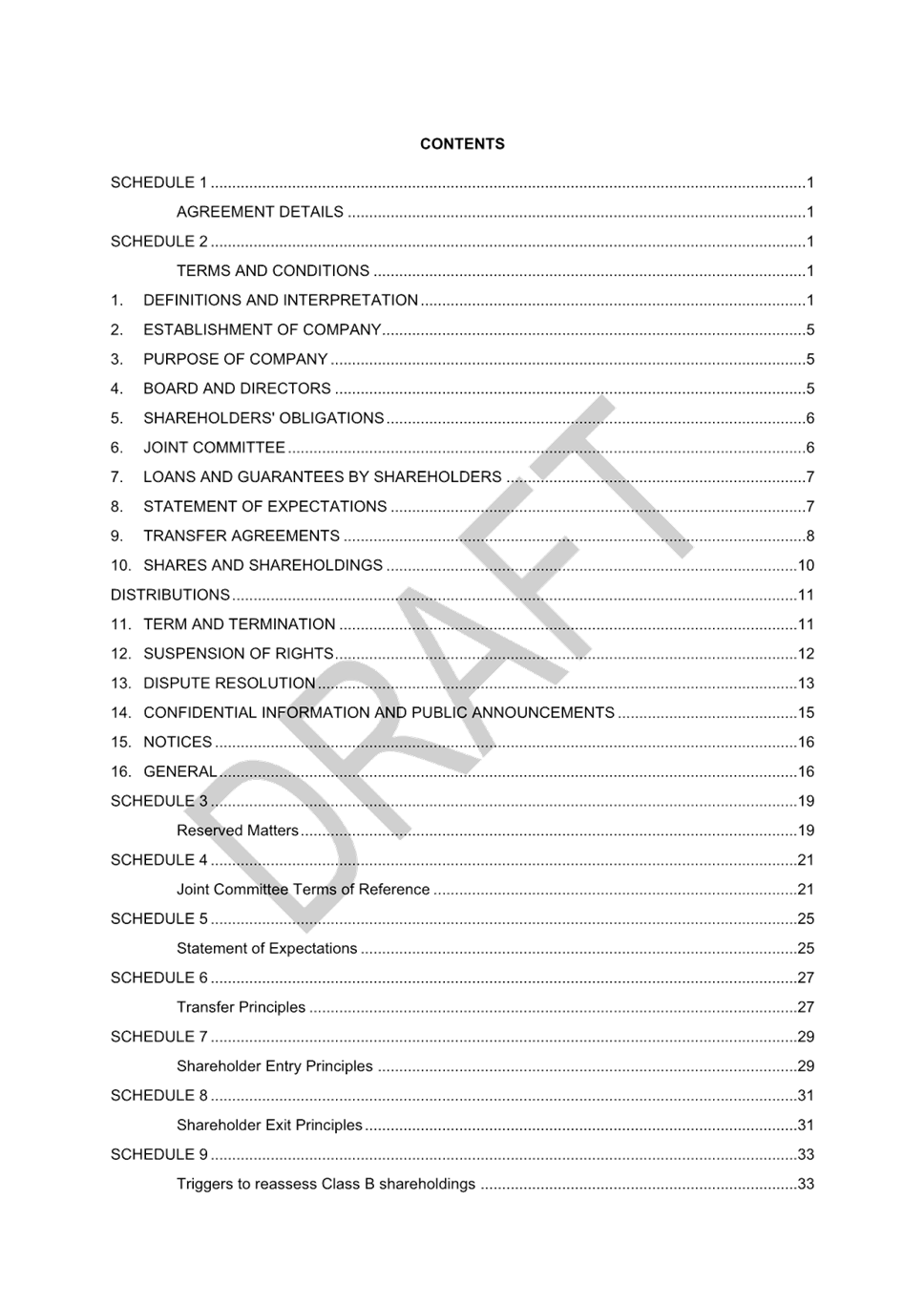
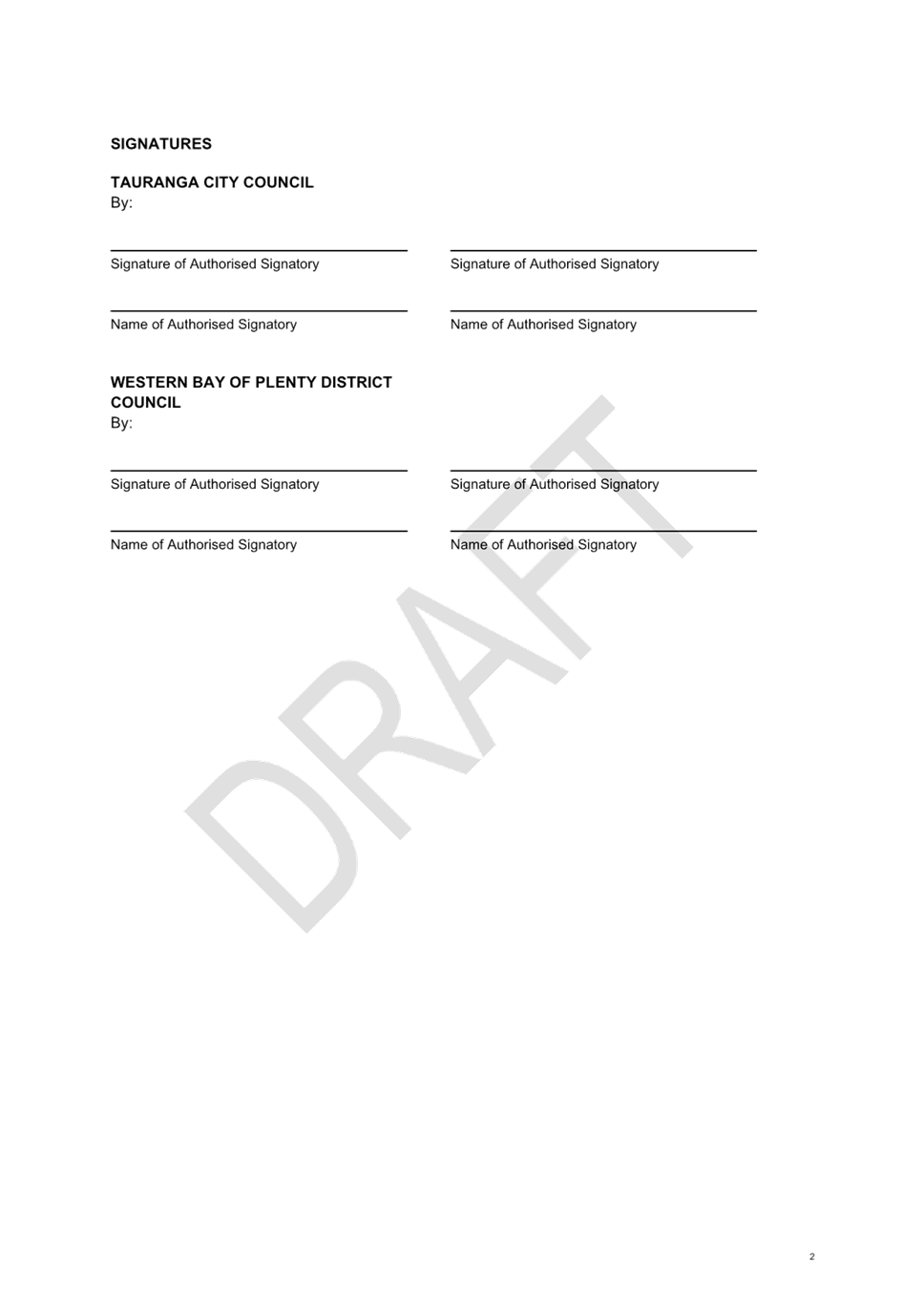
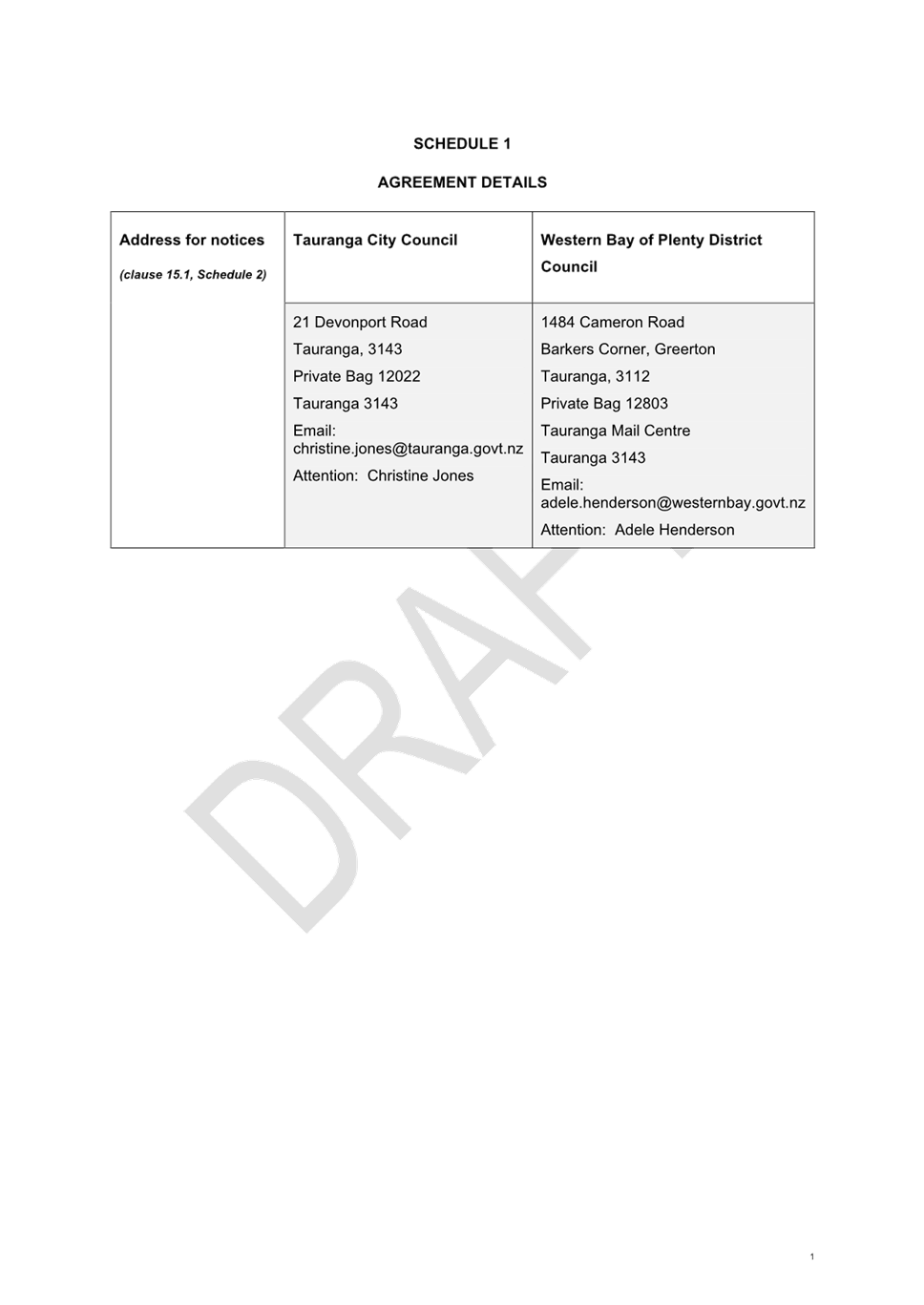
with the CTS. A copy of the draft Constitution is attached as Attachment 1,
and a copy of the draft Shareholders’ Agreement is attached as Attachment
2. Staff also confirm that nothing new has arisen since the
resolutions of 24 March 2026 that would materially affect the content or
substance of the CTS or the Founding Documents.
10. To enable the Joint Committee
to cross reference the CTS against the Founding Documents, a document titled “Schedule
of CTS references within Foundation Documents” is attached as Attachment
3. This document identifies where in the Founding Documents each term in
the CTS is addressed.
Key features of the Constitution
11. The key features of the
Constitution, include:
(a) Establishes the WO as a
Water Organisation: Constitutes the WO as a “Water
Organisation” under s 44 of the LG(WS) Act, and requires it to comply
with the statutory obligations applicable to a “Water
Organisation”, including preparation of core planning and reporting
documents (Water Services Strategy, annual budget, half‑yearly and annual
reports).
(b) Limits activities to water
services: Restricts the WO to providing (or preparing to provide) water
services and services directly related to water activities, with an express
objective of cost efficiency and meeting the objectives under s 17 of the
LG(WS) Act.
(c) Ensures public ownership of
assets: Includes an express anti‑privatisation clause requiring all
water infrastructure to remain publicly owned, and prohibiting shareholders
from approving any action inconsistent with that requirement, reinforcing the
strict public ownership framework under the LG(WS) Act.
(d) Provides governance
framework and board structure: Provides for a fully independent, skills‑based
board (maximum five directors), with shareholder appointment rights and defined
tenure and rotation. There is a clear separation between Board management
powers and shareholder control, with the Board responsible for managing the
WO’s business and affairs subject to the Constitution, applicable
legislation and the Shareholders’ Agreement. The Board must not enter
into any “Reserved Matter” without prior shareholder approval, with
those matters set out in the Shareholders’ Agreement.
(e) Establishes ringfencing
requirements: Requires the WO to implement full financial ringfencing by
service area (including separate identification of costs, revenues, assets and
liabilities), with pricing reflecting local cost bases. The Constitution also
provides for a review of ringfencing, including consideration of a report after
three years and a requirement for a report within six years of incorporation if
not undertaken earlier.
Key features of the
Shareholders’ Agreement
12. The key features of the
Shareholders’ Agreement, include:
(a) Governs relationship between
shareholders: Establishes a framework for how TCC and WBOPDC exercise their
rights as shareholders, including obligations to act collaboratively, in good
faith, and on a “no surprises” basis in their dealings with each
other and the WO.
(b) Establishes Joint Committee:
Provides for the establishment of this Joint Committee (with representatives
from TCC, WBOPDC and Tangata Whenua) as a recommendatory body to support
shareholder decision-making.
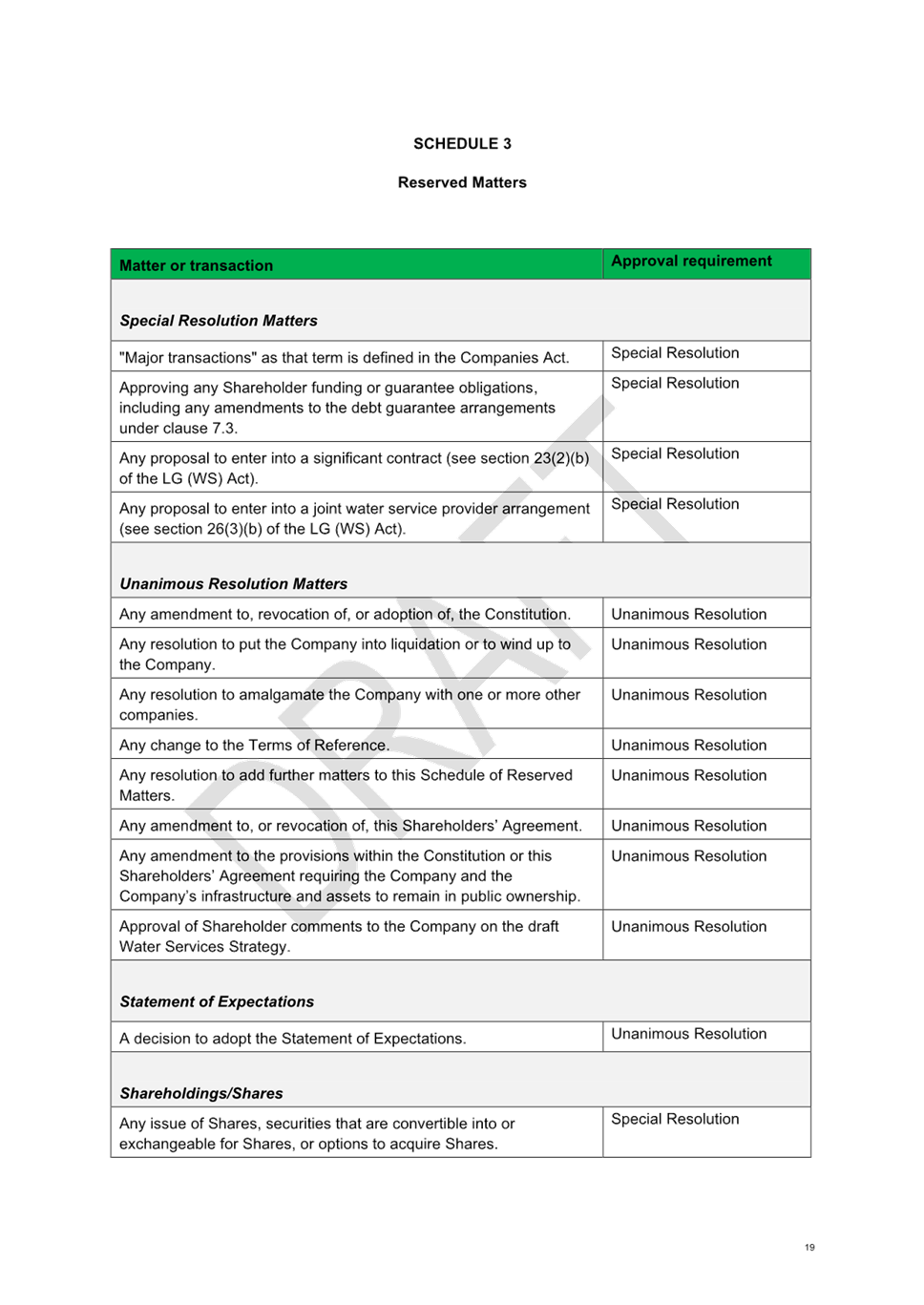
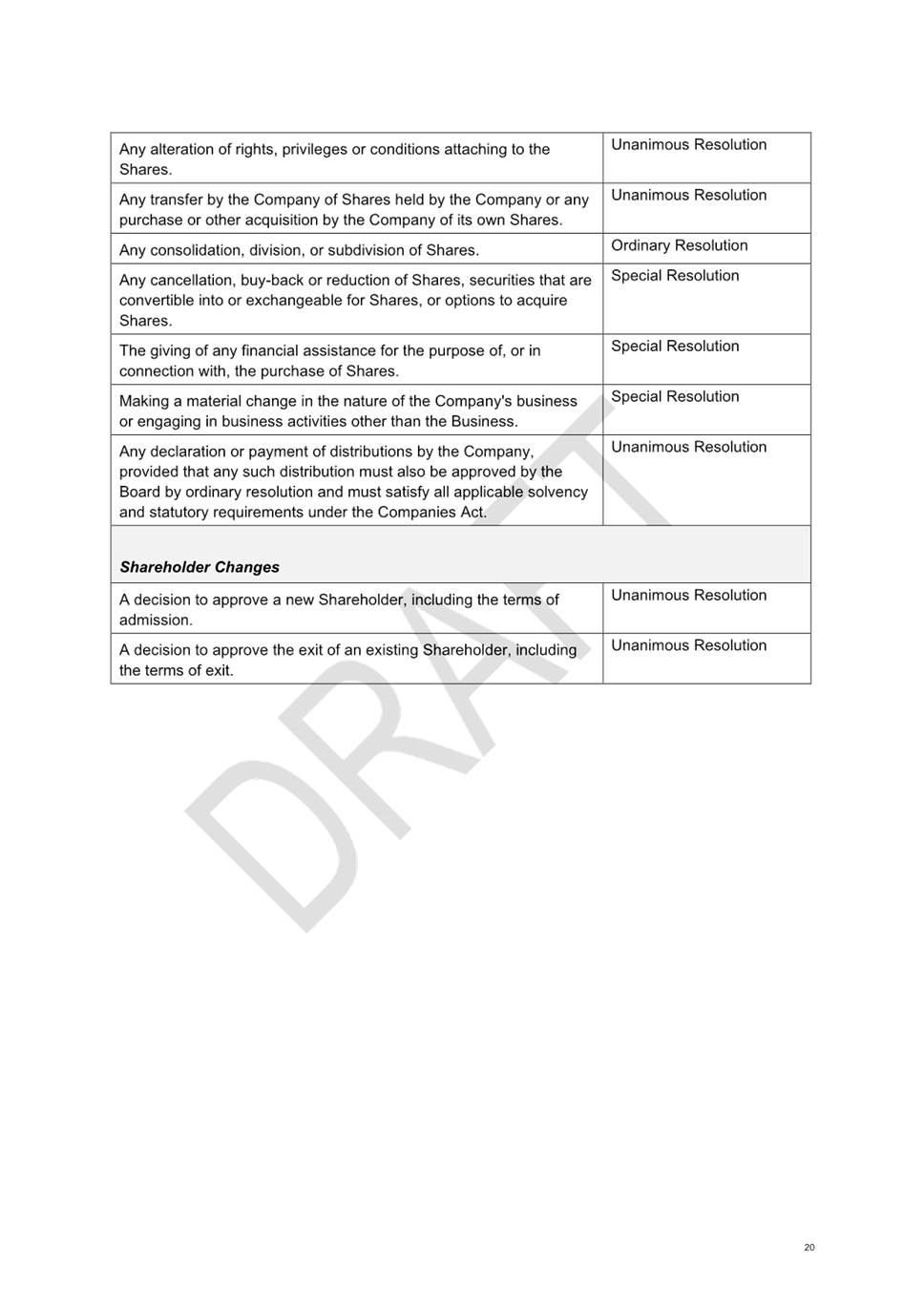
(c) Defines reserved matters:
Identifies key decisions that require shareholder approval (including matters
that require a special resolution or unanimous resolution threshold), ensuring
shareholder control over significant matters.
(d) Class A shares: Provides
for the issue and holding of Class A shares, which establish the foundational
governance and voting rights of the shareholders, with each shareholder holding
equal voting rights. Class A shares are issued in incorporation.
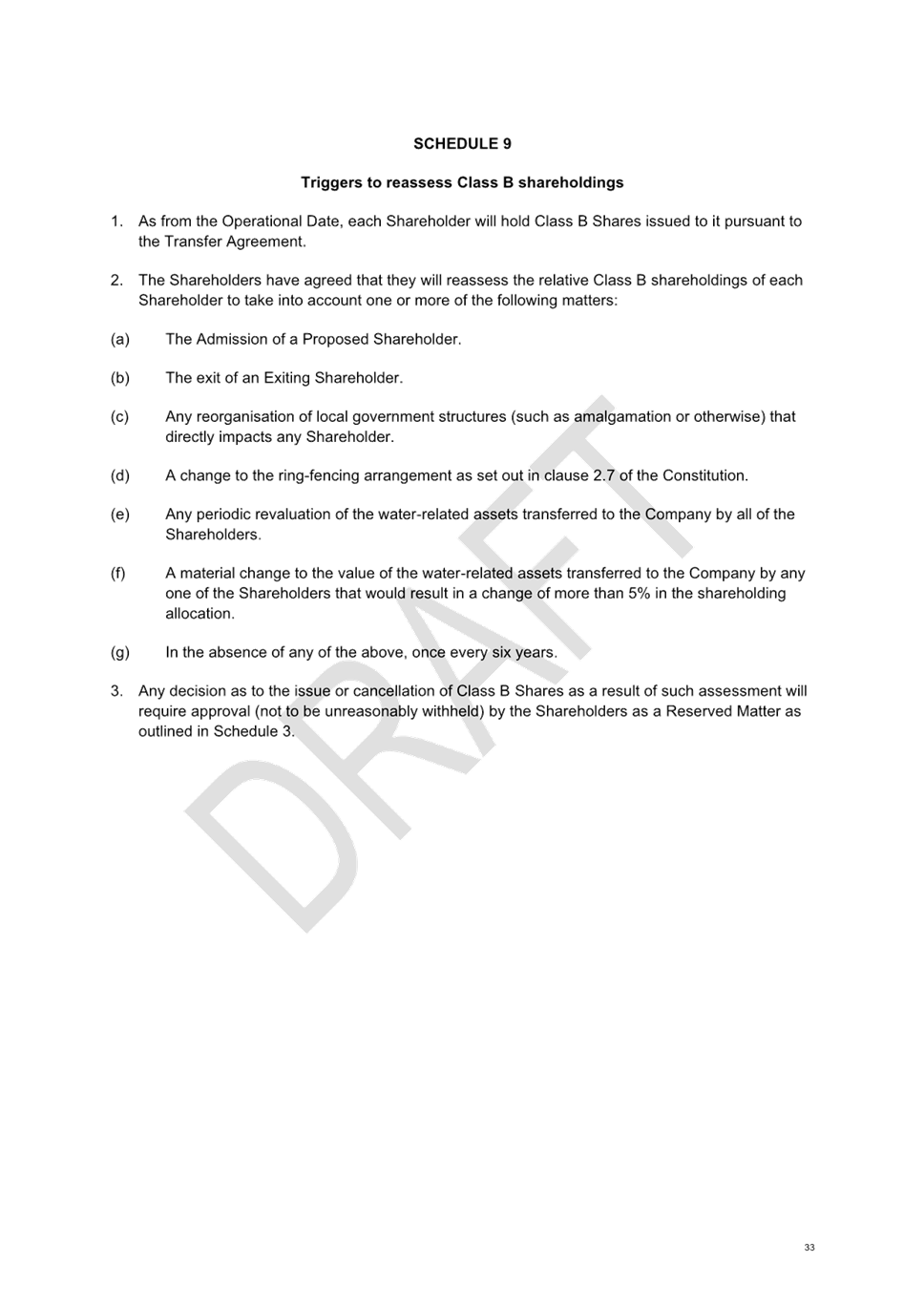
(e) Transfer of assets and Class
B shares: Provides for the transfer of water service related assets,
liabilities and agreements to the WO, and the issue and holding of Class B
shares reflecting the net asset value of the assets transferred. Class B shares
are issued on completion of the Transfer Agreement.
(f) Statement of
Expectations framework: Provides for the preparation and adoption of the
Statement of Expectations. A draft SOE is expected to be presented to the Joint
Committee in the coming months prior to the WO being incorporated.
(g) Includes a process for the
future addition or exit of shareholder councils: Establishes structured
processes (including statutory consultation where required) for admitting new
councils or managing shareholder exits, with defined principles for share
allocation, asset transfers and transition arrangements.
(h) Funding arrangements:
Provides for establishment funding, debt support (including LGFA‑related
arrangements), and the principles on which shareholders support the WO’s
financing requirements.
(i) Dispute resolution:
Provides for a staged dispute resolution process (negotiation, mediation,
arbitration and expert determination) to manage disagreements efficiently.
Statutory Context
13. The LG (WS) Act requires TCC
and WBOPDC to prepare a Constitution and a Shareholders’ Agreement for
the WO (ss 13(4)(e) and 44(4)). In turn, the WO needs to act in accordance with
the Constitution and Shareholders’ Agreement.
Options Analysis
14. As noted above, TCC and WBOPDC
have already approved the CTS. Staff confirm that the CTS has directly informed
the drafting of the Founding Documents, and that nothing new has arisen since
that approval which would materially affect the content or substance of either
the CTS or the Founding Documents. Accordingly, there is likely limited scope,
or need, for further amendment.
15. Against that background, two
options are likely available to the Joint Committee:
(a) Option 1: Resolve
to recommend the Constitution and Shareholders’ Agreement, in the form
attached at Attachments 1 and 2, to TCC and WBOPDC for final approval.
Or,
(b) Option 2: Resolve to
recommend the Constitution and Shareholders’ Agreement, in the form
attached at Attachments 1 and 2, to TCC and WBOPDC for final approval, subject
to clearly defined amendments.
16. If the Joint Committee elects
Option 2, staff recommend that any amendments be limited to new matters not
previously considered through the CTS process. In that event, staff also
recommend that the Joint Committee notes that TCC and WBOPDC will work together
in good faith to resolve any outstanding issues before updated drafts are
presented to both TCC and WBOPDC for final approval.
Financial Considerations
17. Approval of the documents does
not in itself create new financial obligations, but puts in place the framework
for:
(a) Establishment funding
arrangements;
(b) Transfer of assets and
liabilities; and,
(c) Future operational and capital
funding frameworks.
18. These matters will be addressed
in detail in further legal arrangements that will be presented to the Joint
Committee in due course.
Legal Implications / Risks
19. The Constitution and
Shareholders’ Agreement are core legal instruments required to establish
the WO under the LG(WS) Act. Key risks include:
(a) Potential disagreement between
shareholders on reserved matters.
(b) Need to ensure consistency with
legislation and transfer arrangements.
(c) Ongoing governance complexity
of a jointly owned council controlled organisation.
20. These risks are mitigated
through:
(a) Clearly defined dispute
resolution processes.
(b) Reserved matter thresholds.
(c) Statutory framework under the
LG (WS) Act.
TE AO MĀORI APPROACH
21. Tangata Whenua were represented
on the JWG, providing input into the development of the CTS. This
representation continues through the Joint Committee, enabling Tangata Whenua
to contribute to recommendations to the Councils, including in relation to the
Foundation Documents.
22. Accordingly, the governance
framework incorporates Tangata Whenua representation, supporting the
integration of Te Ao Māori perspectives into oversight and decision‑making.
CLIMATE IMPACT
23. Establishing a dedicated WO
supports improved planning, investment and resilience of water infrastructure,
contributing to climate adaptation outcomes. Having an effective (appropriately
resourced) waters infrastructure network will support successful planning,
asset management and delivery, contributing to water services which are
sustainable and responsive to climate change.
Consultation / Engagement
24. To date, both TCC and WBOPDC
have provided significant input into the formation of the Foundation Documents.
In particular, the two councils have resolved to approve the CTS, which has
directly informed the drafting of the Foundation Documents.
Significance
25. The Local Government Act 2002
requires an assessment of the significance of matters, issues, proposals and
decisions in this report against Council’s Significance and Engagement
Policy. Council acknowledges that in some instances a matter, issue,
proposal or decision may have a high degree of importance to individuals,
groups, or agencies affected by the report.
26. In making this assessment,
consideration has been given to the likely impact, and likely consequences for:
(a) the current
and future social, economic, environmental, or cultural well-being of the
district or region;
(b) any persons who are likely to be
particularly affected by, or interested in, the matter; and,
(c) the capacity of the local authority
to perform its role, and the financial and other costs of doing so.
27. In accordance with the
considerations above, criteria and thresholds in the policy, it is considered
that the matter is of medium significance. The substantive decisions have
previously been made by both Councils when they approved the CTS. This
report seeks recommendations of the formal documents which give effect to the
previous Council decisions.
ENGAGEMENT
28. Taking into consideration the
above assessment, that the matter is of medium significance, and that the Joint
Committee is a recommendation body only, officers are of the opinion that no
further engagement is required prior to Council making a decision.
Next Steps
29. The next steps are to:
(a) Resolve any issues identified
or amendments requested by the Joint Committee, and update the draft
Constitution and Shareholders’ Agreement accordingly. For clarity, this
is only relevant if issues are identified, or amendments are requested by the
Joint Committee;
(b) Present final drafts of the
Constitution and Shareholders’ Agreement to TCC and WBOPDC for final
approval;
(c) Subject to final approval from
TCC and WBOPDC, take all steps required to incorporate the WO (anticipated
around September 2026), including completing Companies Office registrations and
preparing associated establishment documents (such as director appointment
letters and directors’ and officers’ indemnity and insurance
arrangements).
(d) Work with the Joint Committee
and the shareholders to finalise and issue the Statement of Expectations to the
WO.
Attachments
1. FINAL
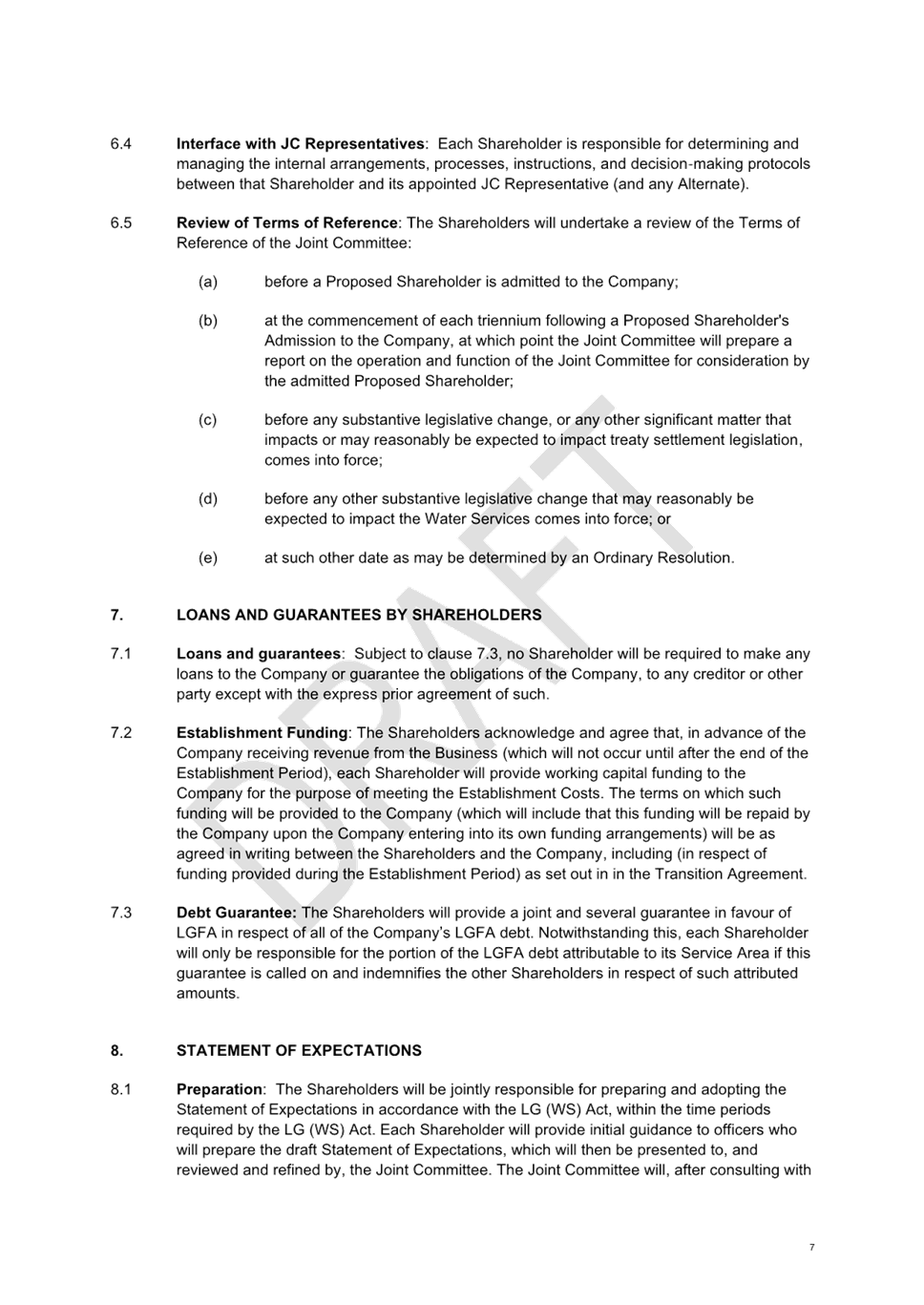
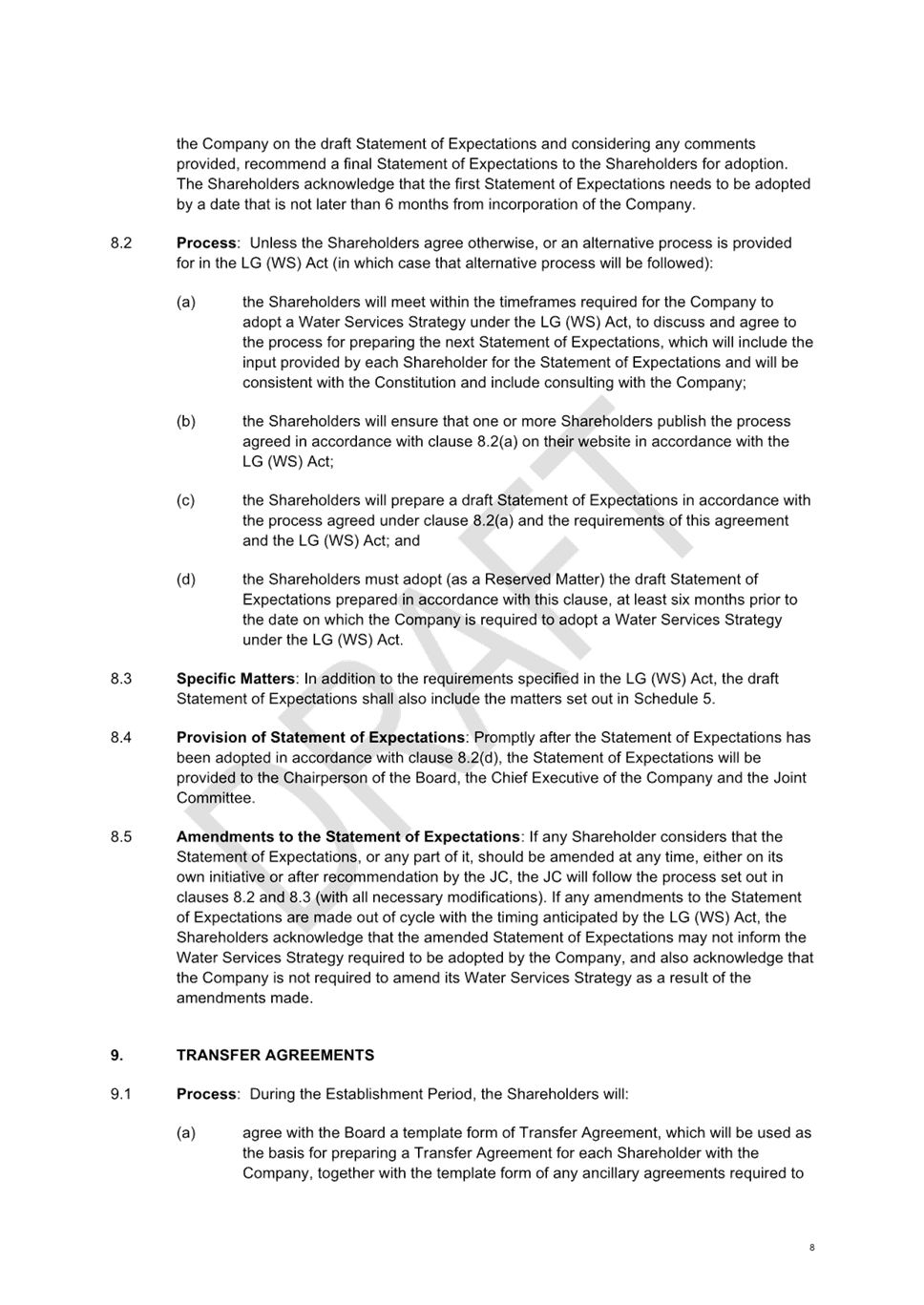
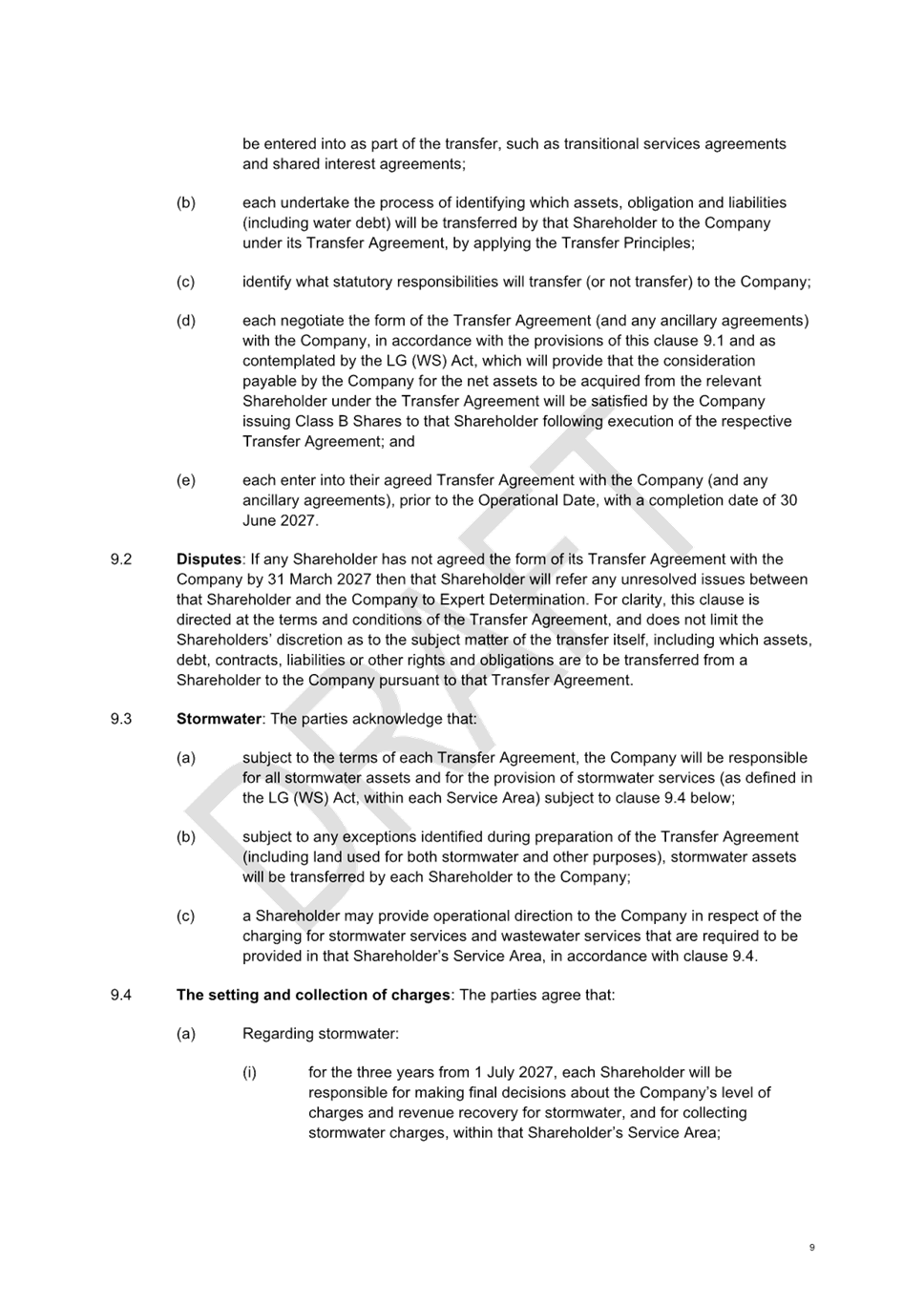
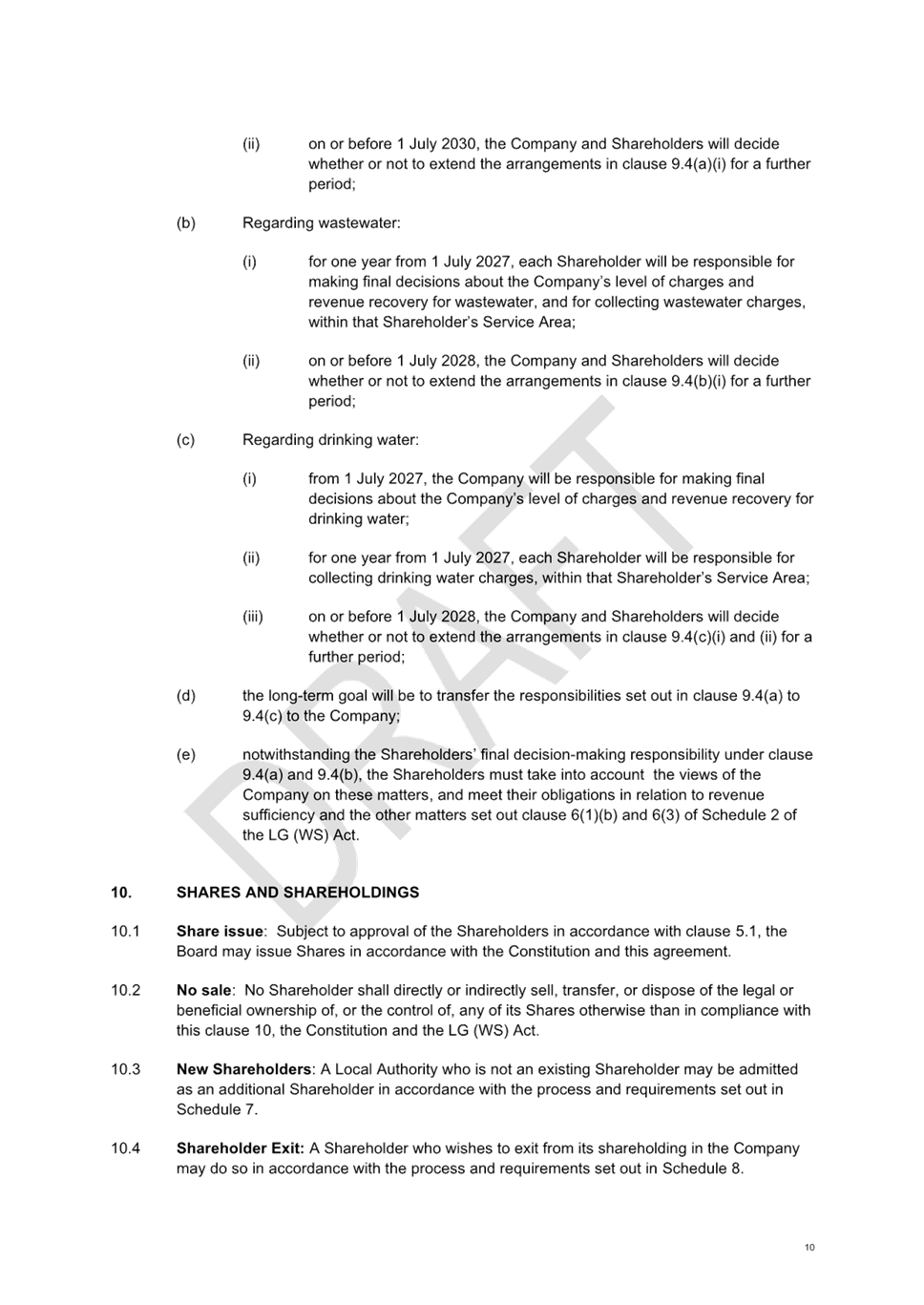
DRAFT PDF Constitution TCC _ WBOPDC WSCCO - (2) - A20598750 ⇩ 
2. FINAL
DRAFT PDF Shareholders Agreement TCC _ WBOPDC WSCCO - A20598748 ⇩
3. PDF Review of CTS
Items in SHA and Constitution - A20598746 ⇩
|
Water
Organisation Joint Committee meeting Agenda
|
29
June 2026
|


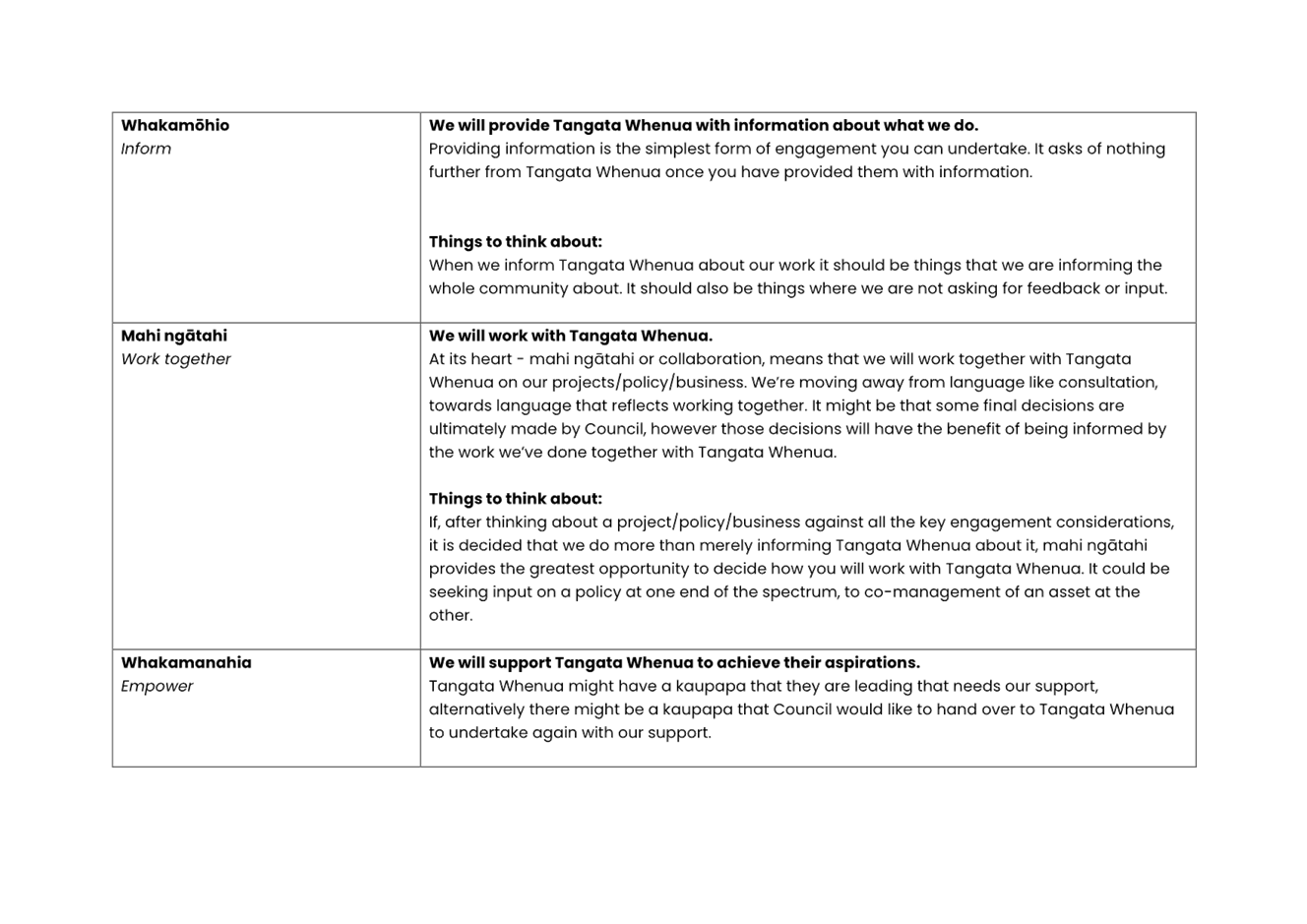
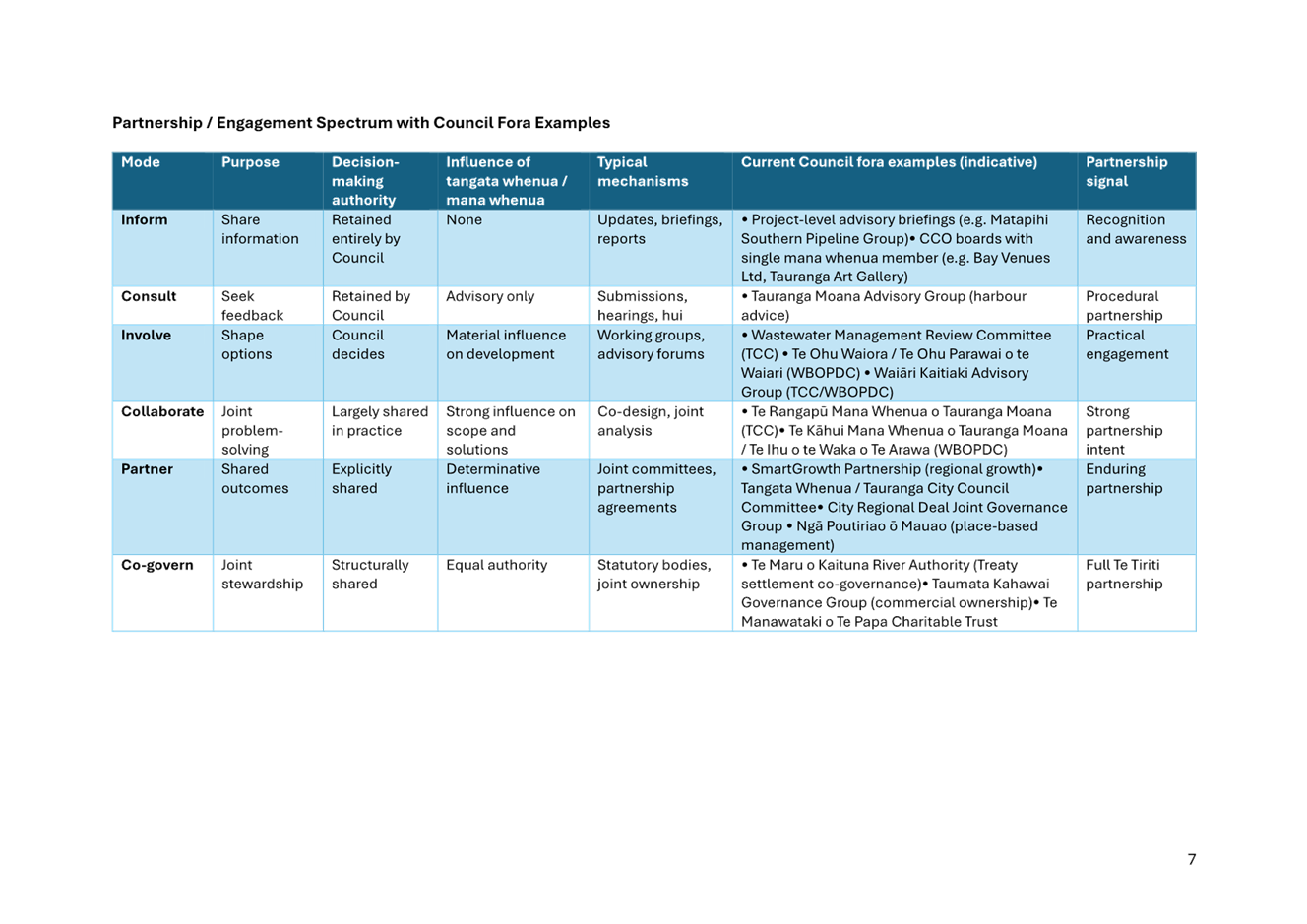
|
Water
Organisation Joint Committee meeting Agenda
|
29
June 2026
|



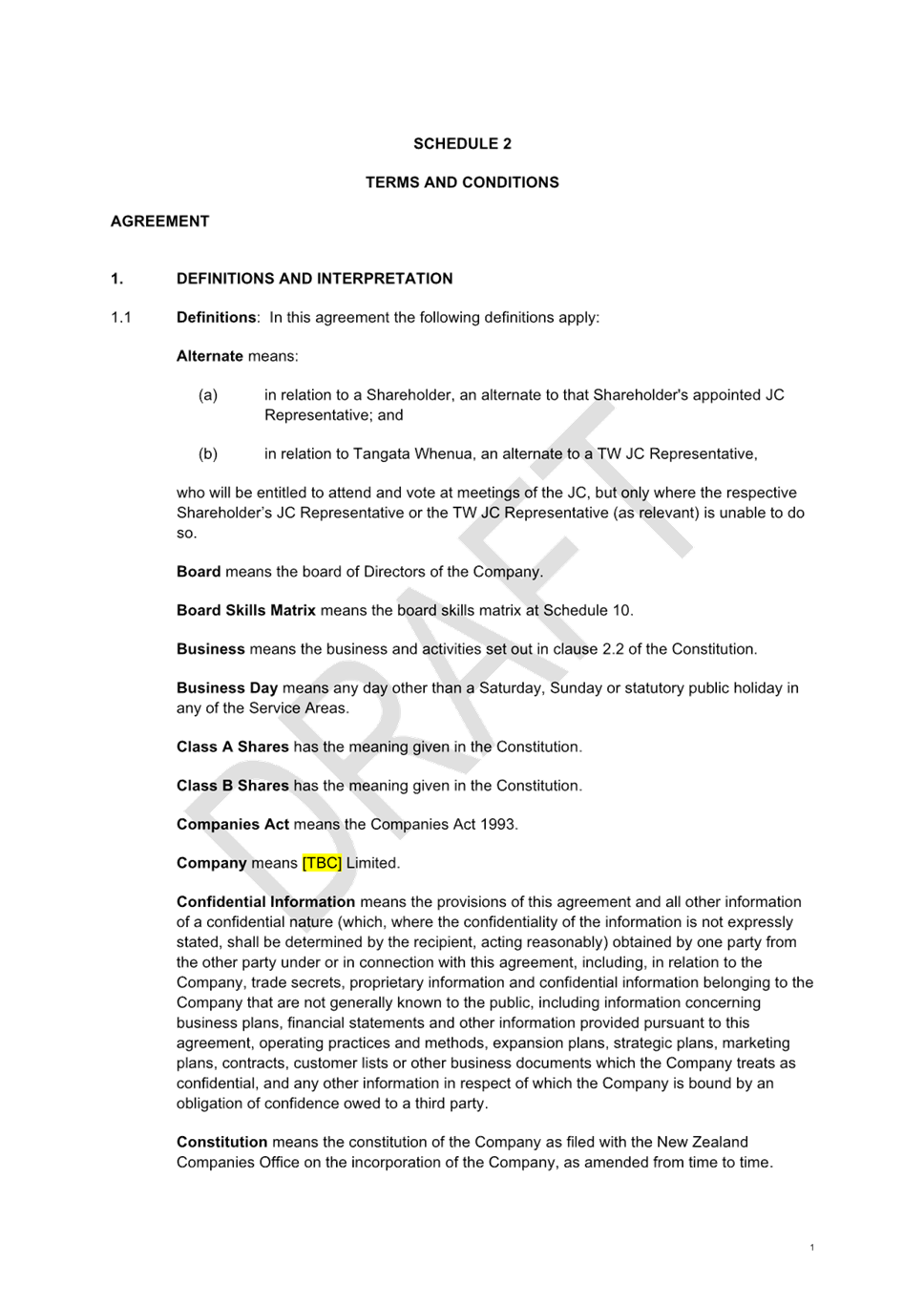
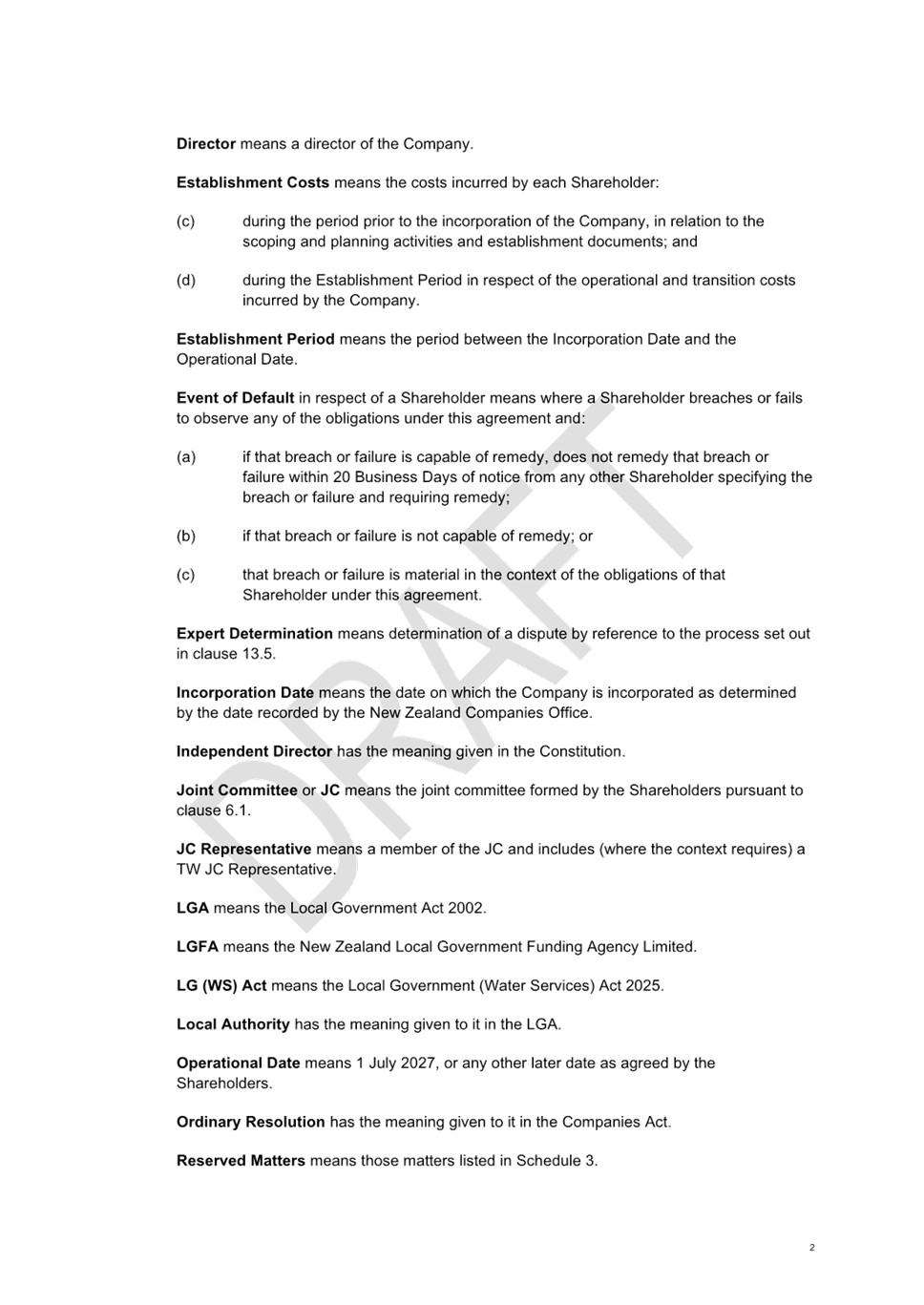


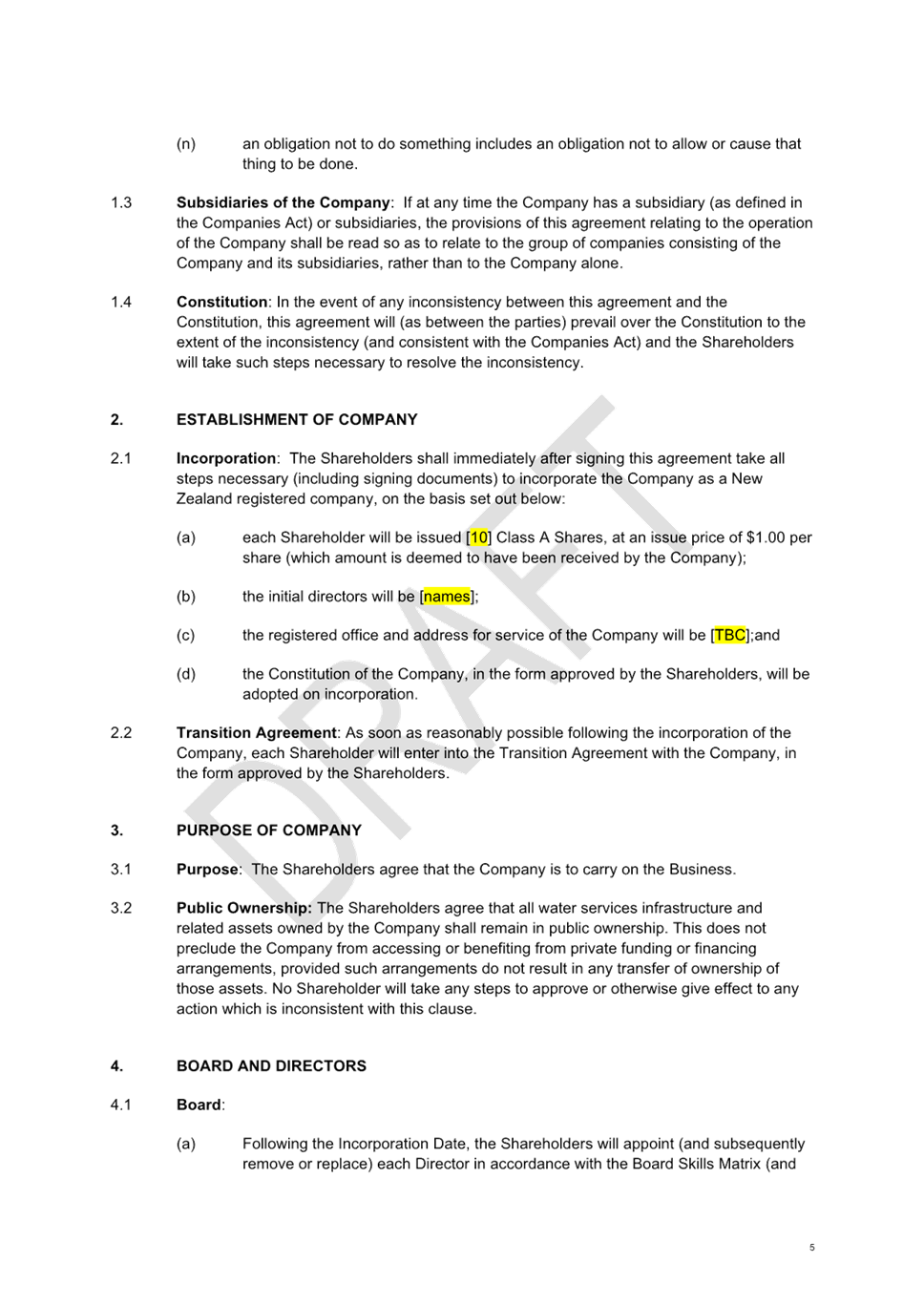
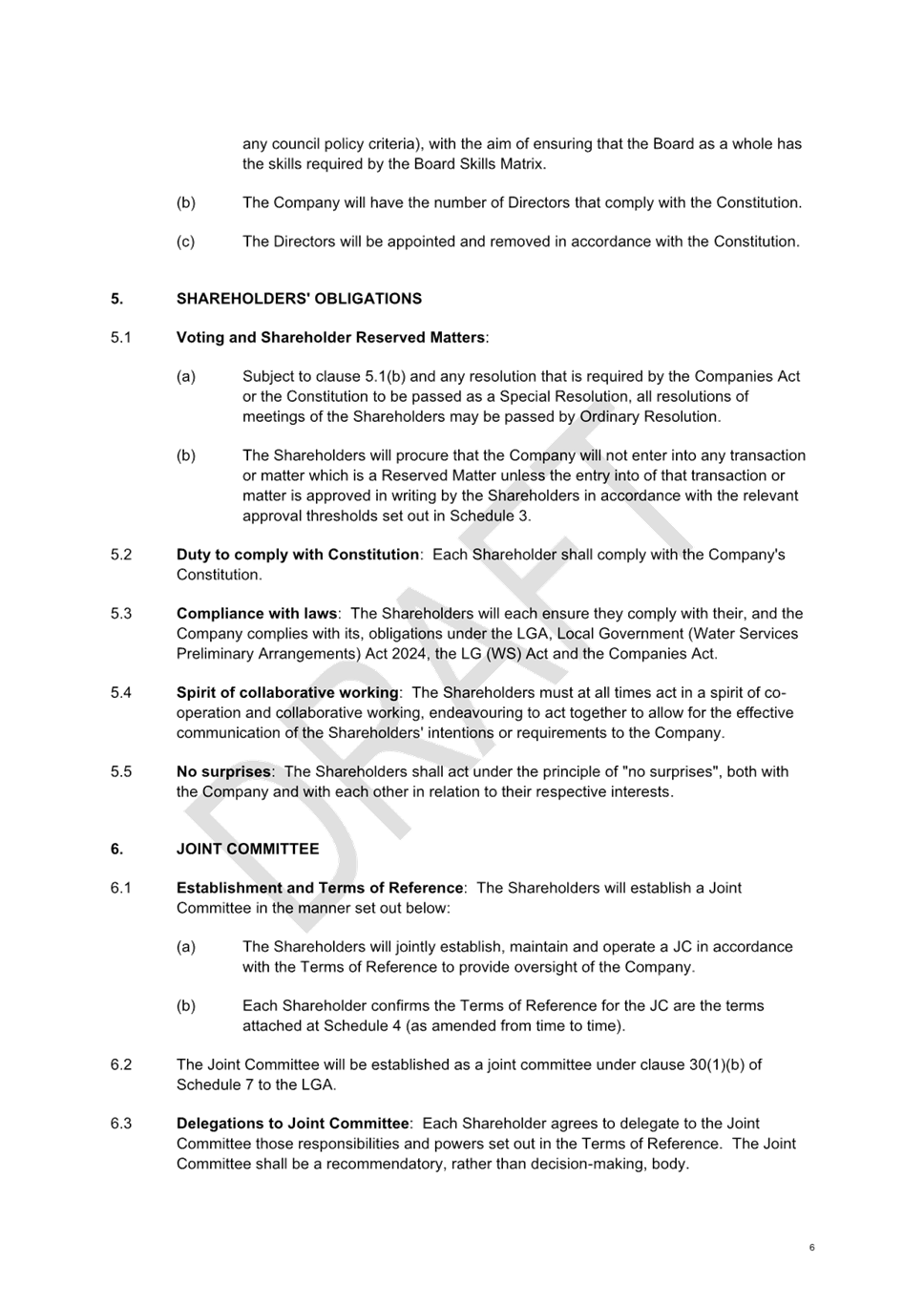






|
Water
Organisation Joint Committee meeting Agenda
|
29
June 2026
|
|
Water
Organisation Joint Committee meeting Agenda
|
29
June 2026
|
8.2 Development
of Tangata Whenua Relationships Work Plan
File
Number: A20518959
Author: Ariell
King, Workstream Lead, Strategy, Policy and Bylaws
Authoriser: Christine
Jones, General Manager: Strategy, Partnerships & Growth
Purpose of the Report
1. To provide an overview of
the proposed approach to the development of a Tangata Whenua workplan.
|
Recommendations
That the Water
Organisation Joint Committee:
(a) Receives the report
"Development of Tangata Whenua Relationships Work Plan ".
|
Executive Summary
2. This report outlines the
proposed scope and approach to developing a Tangata Whenua Relationships Work
Plan for the Water Organisation.
3. The workplan will build
on the existing stocktake, partnership principles paper and matters identified
for further consideration by the Joint Committee.
4. Additionally, the
workplan will confirm agreed outputs, responsibilities, timeframes and
engagement with Iwi and Hapū, including partnership principles,
representation, any impacts on resource consents and operational policies, and
tools and training.
5. Feedback is sought from
the Joint Committee on the proposed scope and approach.
Background
6. During the due diligence
process and development of the commercial terms for the Water Organisation a
stocktake of existing arrangements, policies and procedures in respect of
relationships and interactions between Tangata Whenua and Councils was prepared
(Attachment 1). The stocktake of these arrangements was received by the Joint
Working Group (JWG) on 23 February 2026.
7. Tangata Whenua
representatives on the JWG also presented a paper to the JWG (Attachment 2)
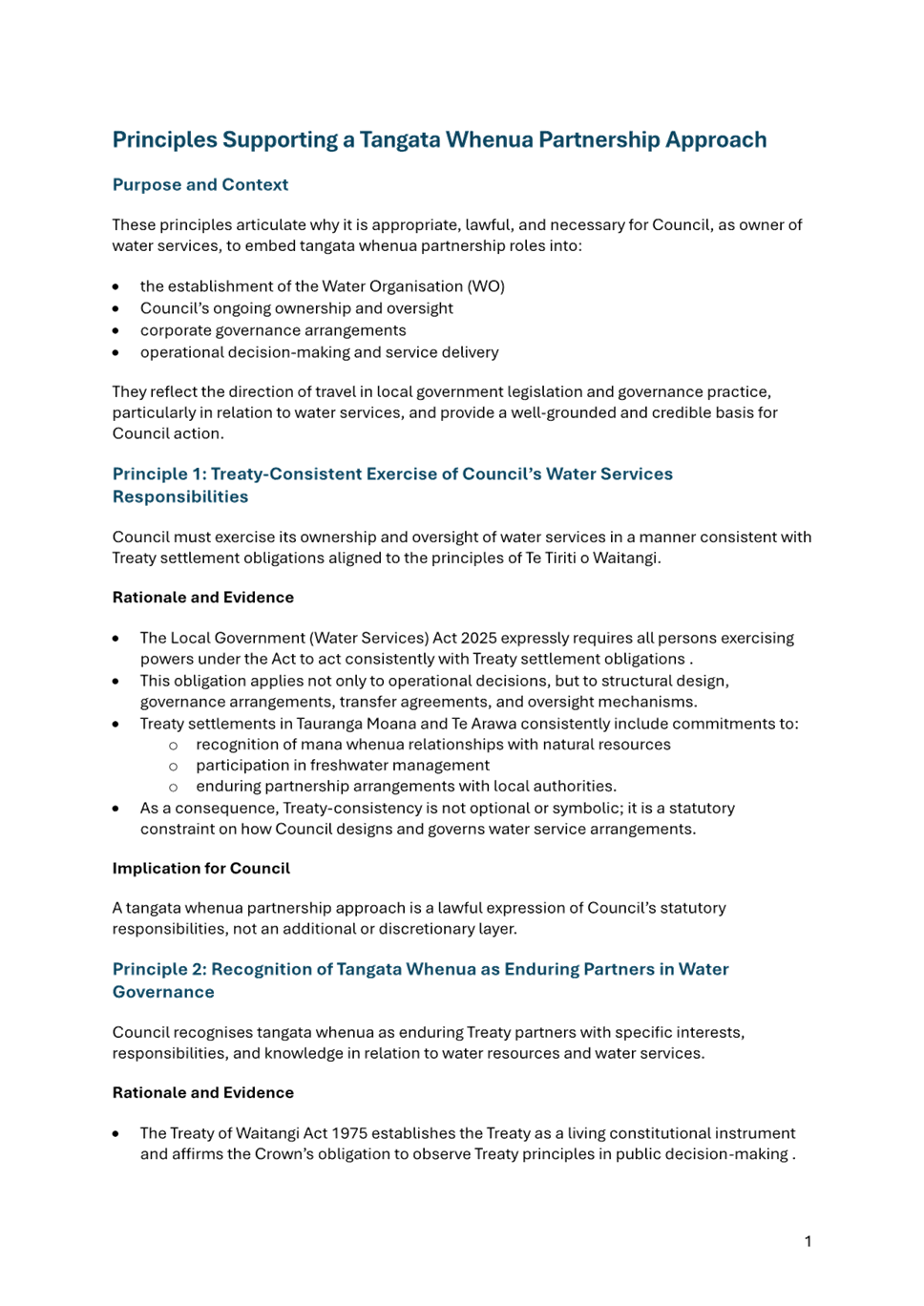
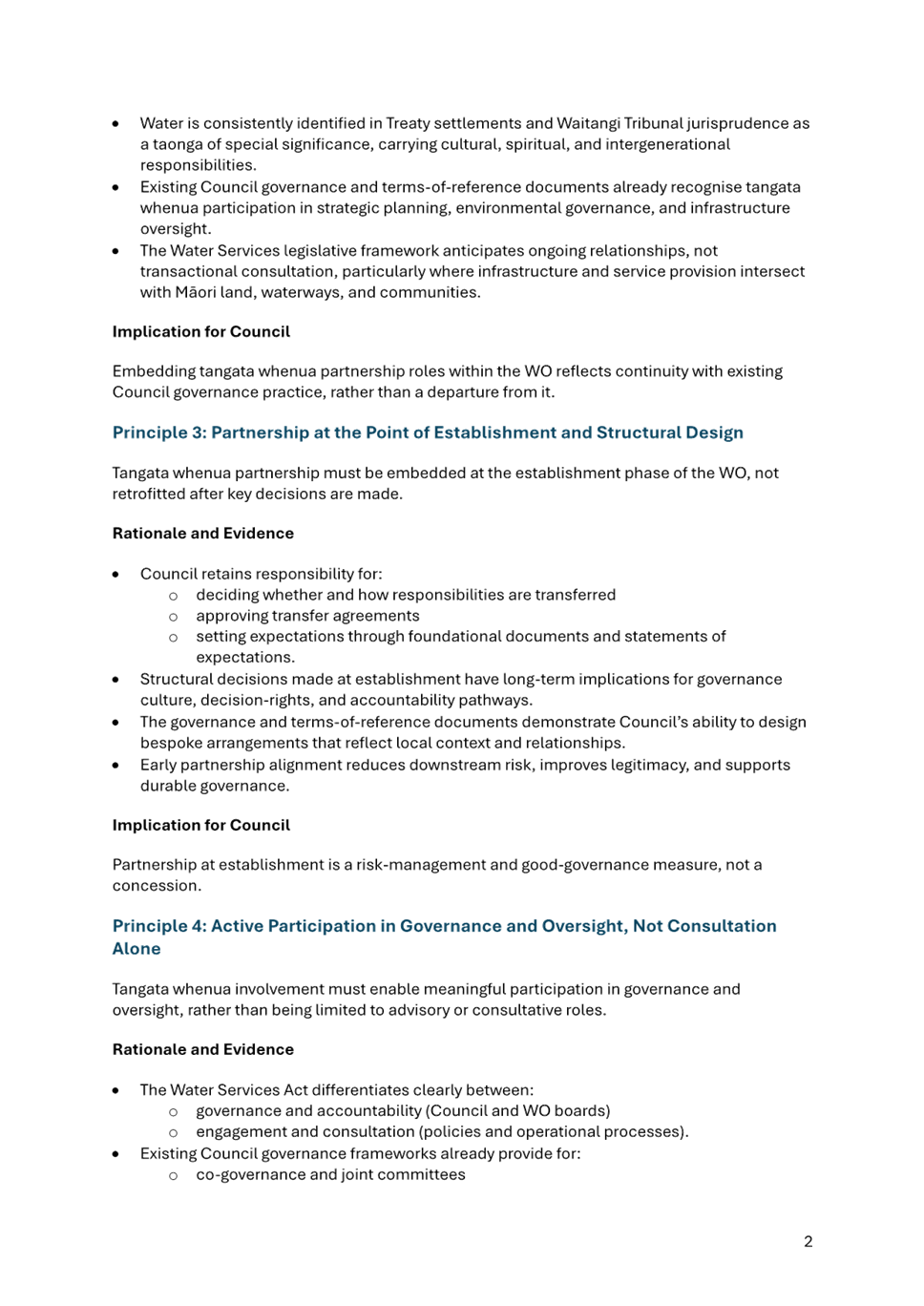
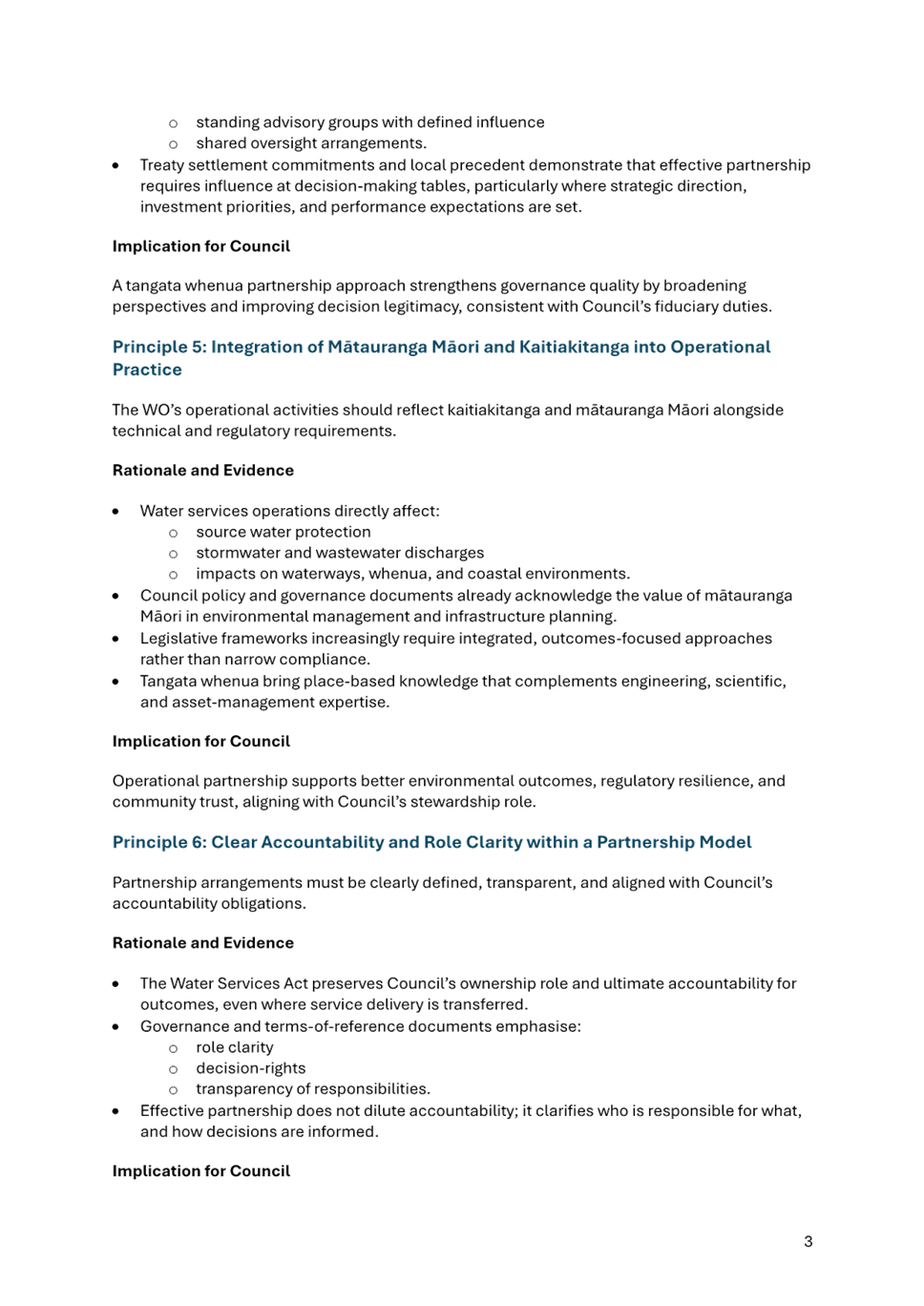
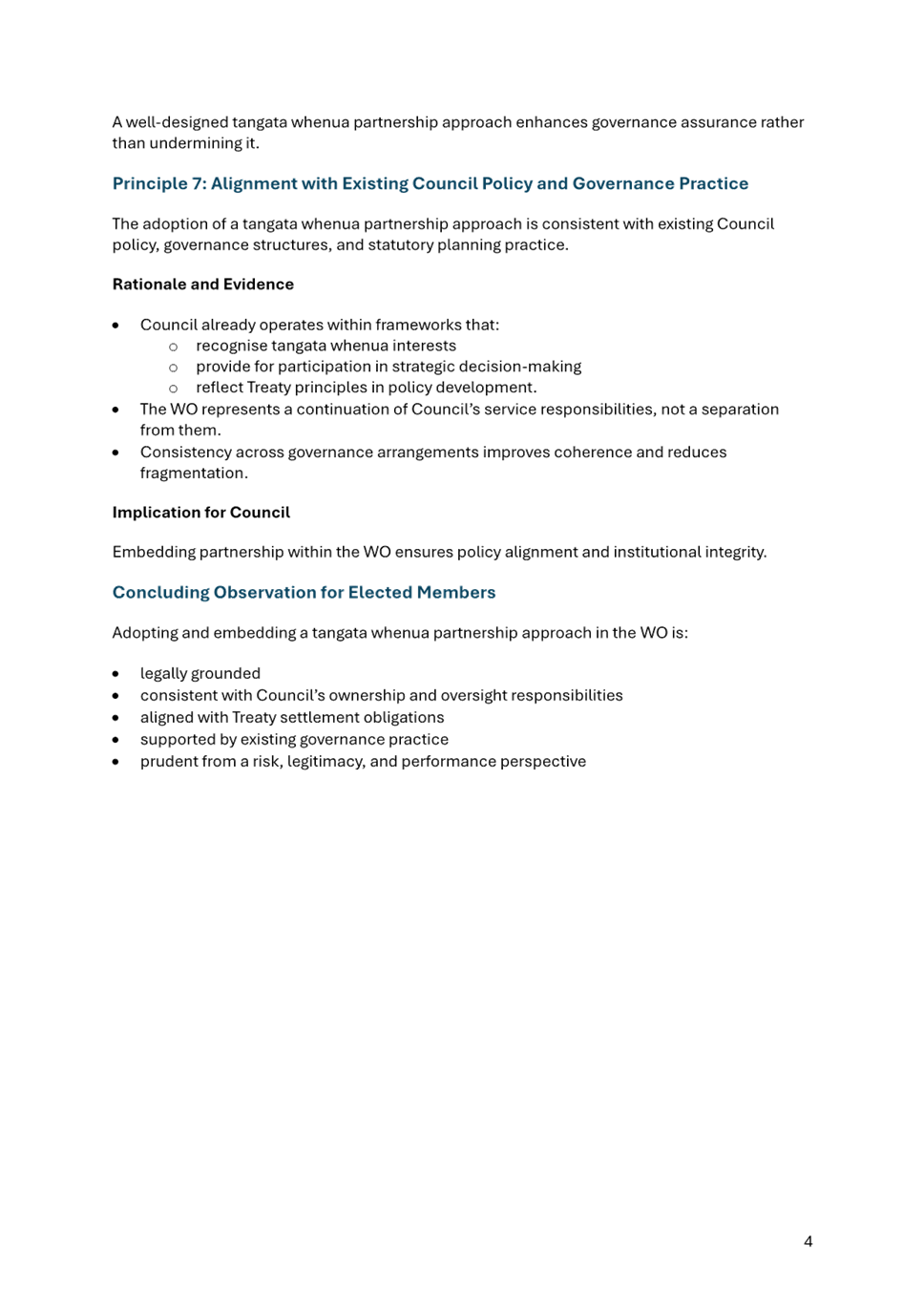
that set out the principles supporting a Tangata Whenua partnership approach.
8. There were several
Tangata Whenua related items that were added to the “Park and
Return” list that the JWG agreed could be progressed at a later date. The
following are considered relevant to the development of a workplan:
(a) Clarification of the Water
Organisations commitment to Treaty of Waitangi/Te Tiriti o Waitangi principles
and settlement obligations and clarification on the commitment and approach to
partnership with Tangata Whenua.
(b) Review of the Tangata Whenua
stocktake to determine how each item will be addressed in the Water
Organisation environment.
(c) Clarification on how the
establishment of the Water Organisation will impact existing resource consents
(including water-take consents) relating to Treaty of Waitangi/Te Tiriti o
Waitangi settlements. For example, Tangata Whenua are particularly concerned to
ensure that local Marae will have ongoing access to the Waiari water supply
(d) Discussion on the Water
Organisations approach to environmental performance.
9. TCC and WBOPDC at
their respective meetings on 24 March both passed the following resolution:
“Adopts
the principle of maintaining Tangata Whenua participation, engagement and
arrangements, with existing commitments and practices either retained or
bettered during, and following, the transition to a Water Organisation.”
Development of Tangata Whenua workplan
10. The proposed approach is to capture
what has been provided to date (outlined above) and then develop the draft
workplan. This would include confirming the agreed outputs, timeframes and
engagement with Iwi and Hapu on various components.
11. This approach recognises feedback
that a co-design approach is taken on matters related to Tangata Whenua.
12. It is intended that the draft
workplan is developed with Tangata Whenua representatives’ input and
guidance on further engagement will be sought during the development process.
13. The table below outlines the
proposed components of the workplan and who would be involved to progress each
component. Comments are welcome on this approach.
14. TCC is currently working with
Tangata Whenua on a Relationship Review. Those discussions will likely provide
direction on ‘who’ from Tangata Whenua is involved in various
processes and how that occurs. This will likely have flow on
impacts for these Water Organisation related discussions.
|
Component
|
Scope Outline
|
Who to progress
|
|
Partnership
principles
|
· Development
of partnership principles between Tangata Whenua and the Water Organisation
and how these principles will be implemented.
· Where
and how the Water Organisation will commit to Treaty of Waitangi/Te Tiriti o
Waitangi principles and settlement obligations.
· How
will the Water Organisation connect at a partnership level with Tangata
Whenua?
|
· Board
of Directors
· WO
CEO
· Tangata
Whenua
|
|
Partnership
representation
|
· Review
existing waters related Council Committees that Tangata Whenua have
representation on, and establish what the arrangements will be in the Water
Organisation environment (Note – the stocktake in Attachment 1
provides a starting point for this discussion).
|
· Board
of Directors
· WO
CEO
· Tangata
Whenua
|
|
Engagement approach
with Iwi and Hapu
|
· Discussion
on engagement approaches with Iwi and Hapu.
· How
should the Water Organisation engage on operational matters specific to
individual Iwi or Hapu. (Note – the stocktake in Attachment 1
provides a starting point for this discussion).
|
· WO
CEO
· Tangata
Whenua Relationships Lead
· Te
Rangapu, WB TW forums
|
|
Water Services
Strategy
|
· Develop
agreed process for engagement with Tangata Whenua on the Water Services
Strategy (WSS) content (e.g., is that via the Tangata Whenua representatives
on the Joint Committee or a different process?).
· Identify
areas of interest for early conversations in the development of the WSS
including Te Mana of Te Wai, levels of service, and investment priorities.
|
· Board
of Directors
· WO
CEO
· WO
Joint Committee
· Te
Rangapu, WB TW forums
|
|
Resource Consents
|
· How
will arrangements with Tangata Whenua relating to existing resource consents
(particularly where those consents provide for Tangata Whenua involvement,
engagement or considerations) be transferred into the WO environment.
|
· Councils
(via the Transfer Agreement)
· WO
CEO
· Tangata
Whenua Relationships Lead
· Iwi
and hapu (as per specific consents)
|
|
Operational Policies
|
· Which
policies transfer from current Council policies and apply (potentially for an
interim period) (Note – the stocktake in Attachment 1provides a
starting point for this discussion).
· Which
policies need to be reviewed creating a combined updated policy that applies
for the Water Organisation.
· Identify
any gaps in existing policy and how these could be addressed.
|
· WO
CEO
· Tangata
Whenua Relationships Lead
· Te
Rangapu, WB TW forums
|
|
Organisational
templates, tools and training
|
· Which
templates, tools and training currently utilised by the Councils transfer to
the Water Organisation and apply (potentially for an interim period), which
ones need to be reviewed and are there any gaps in existing templates, tools
and training which need to be addressed. (Note – the stocktake in
Attachment 1 provides a starting point for this discussion).
|
· WO
CEO
· Tangata
Whenua Relationships Lead
|
Statutory Context
15. The matters that this report
addresses are considered to be consistent with the requirements of the Local
Government Act and Local Government (Water Services) Act.
16. The Local Government Act 2002
requires an assessment of the significance of matters, issues, proposals and
decisions in this report against Council’s Significance and Engagement
Policy. Council acknowledges that in some instances a matter, issue, proposal
or decision may have a high degree of importance to individuals, groups, or
agencies affected by the report.
(a) In making this assessment,
consideration has been given to the likely impact, and likely consequences for:
(b) the current and future social,
economic, environmental, or cultural well-being of the district or region
(c) any persons who are likely to
be particularly affected by, or interested in, the decision
(d) the capacity of the local
authority to perform its role, and the financial and other costs of doing so.
17. In accordance with the
considerations above, criteria and thresholds in the policy, it is considered
that the decision is of low significance. The decision is seeking agreement to
continue the development of the Tangata Whenua workplan as part of the wider
Establishment Plan for the Water Organisation.
Options Analysis
18. No options have been considered in
preparing this report. This report is providing information on the proposed
approach to the development of the Tangata Whenua workplan.
Financial Considerations
19. The staff resources to undertake and
complete this work is included in the overall budget to establish the Water
Organisation.
CLIMATE IMPACT
20. Establishing a dedicated WO supports
improved planning, investment and resilience of water infrastructure,
contributing to climate adaptation outcomes. Having an effective (appropriately
resourced) waters infrastructure network will support successful planning,
asset management and delivery, contributing to water services which are
sustainable and responsive to climate change.
Significance
21. The Local Government Act 2002
requires an assessment of the significance of matters, issues, proposals and
decisions in this report against Council’s Significance and Engagement
Policy. Council acknowledges that in some instances a matter, issue,
proposal or decision may have a high degree of importance to individuals,
groups, or agencies affected by the report.
22. In making this assessment,
consideration has been given to the likely impact, and likely consequences for:
(a) the current
and future social, economic, environmental, or cultural well-being of the
district or region
(b) any persons who are likely to be
particularly affected by, or interested in, the .
(c) the capacity of the local authority
to perform its role, and the financial and other costs of doing so.
23. In accordance with the
considerations above, criteria and thresholds in the policy, it is considered
that the matter is of medium significance. The report brings together
discussions and directions from the work to date, and incorporates into a high-level
scope and approach. The Water Organisations’ relationship and
arrangements with Tangata Whenua are important to address prior to the
commencement of the entity on 1 July 2027.
ENGAGEMENT
24. Taking into consideration the above
assessment, and that views of the Tangata Whenua representatives on the Joint
Working Group are reflected in this report, and that the matter is of medium
significance, officers are of the opinion that no further engagement prior to
the Joint Committee considering this report.
Next Steps
25. Development of the draft
Tangata Whenua workplan will proceed working with Tangata Whenua
representatives.
26. The Water Organisation CEO
approves and begins implementation of the final workplan.
Attachments
1. Attachment
1 - Stocktake of Tangata Whenua Relationships with TCC and WBOPDC - A20583312 ⇩
2. Attachment 2 -
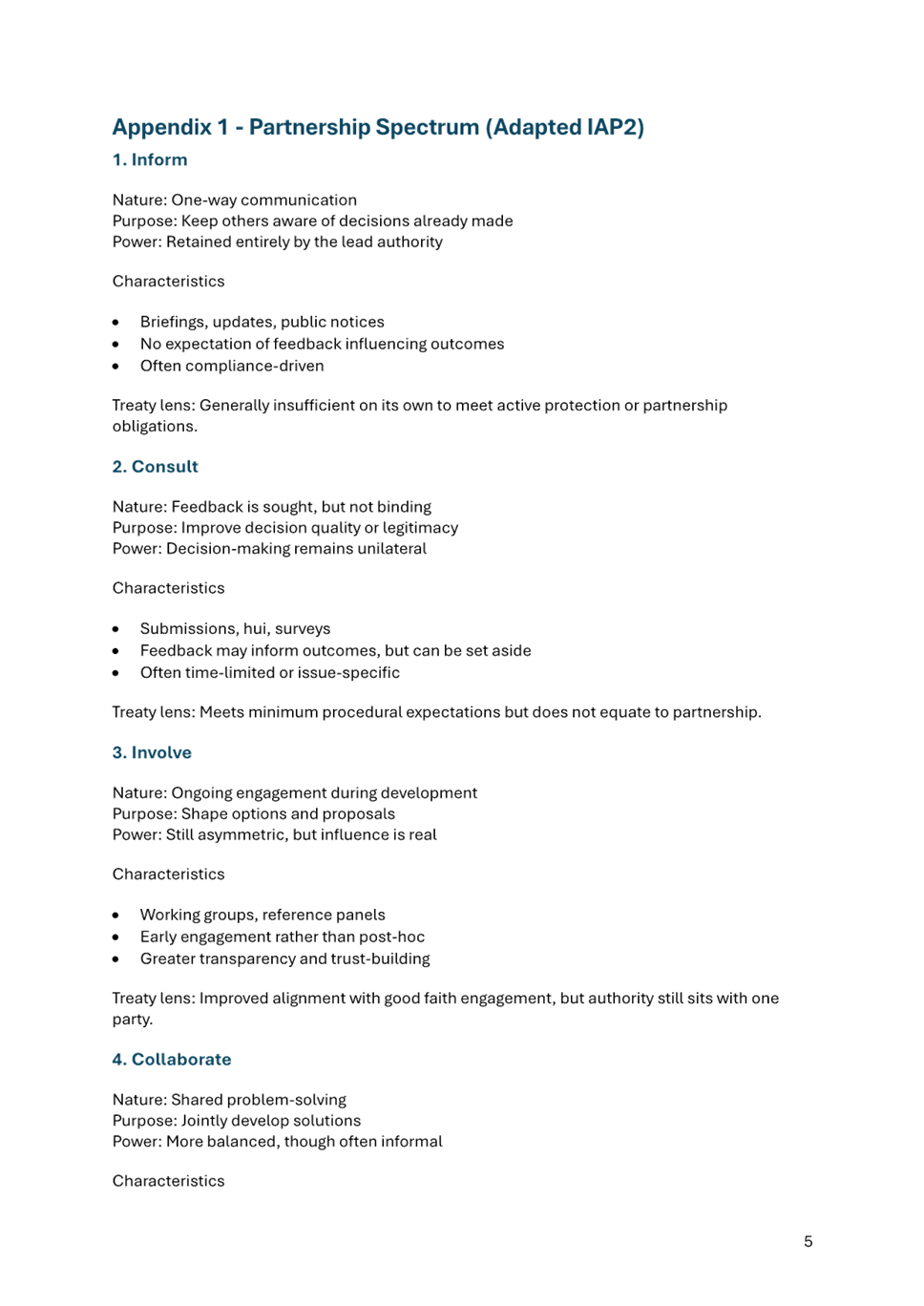
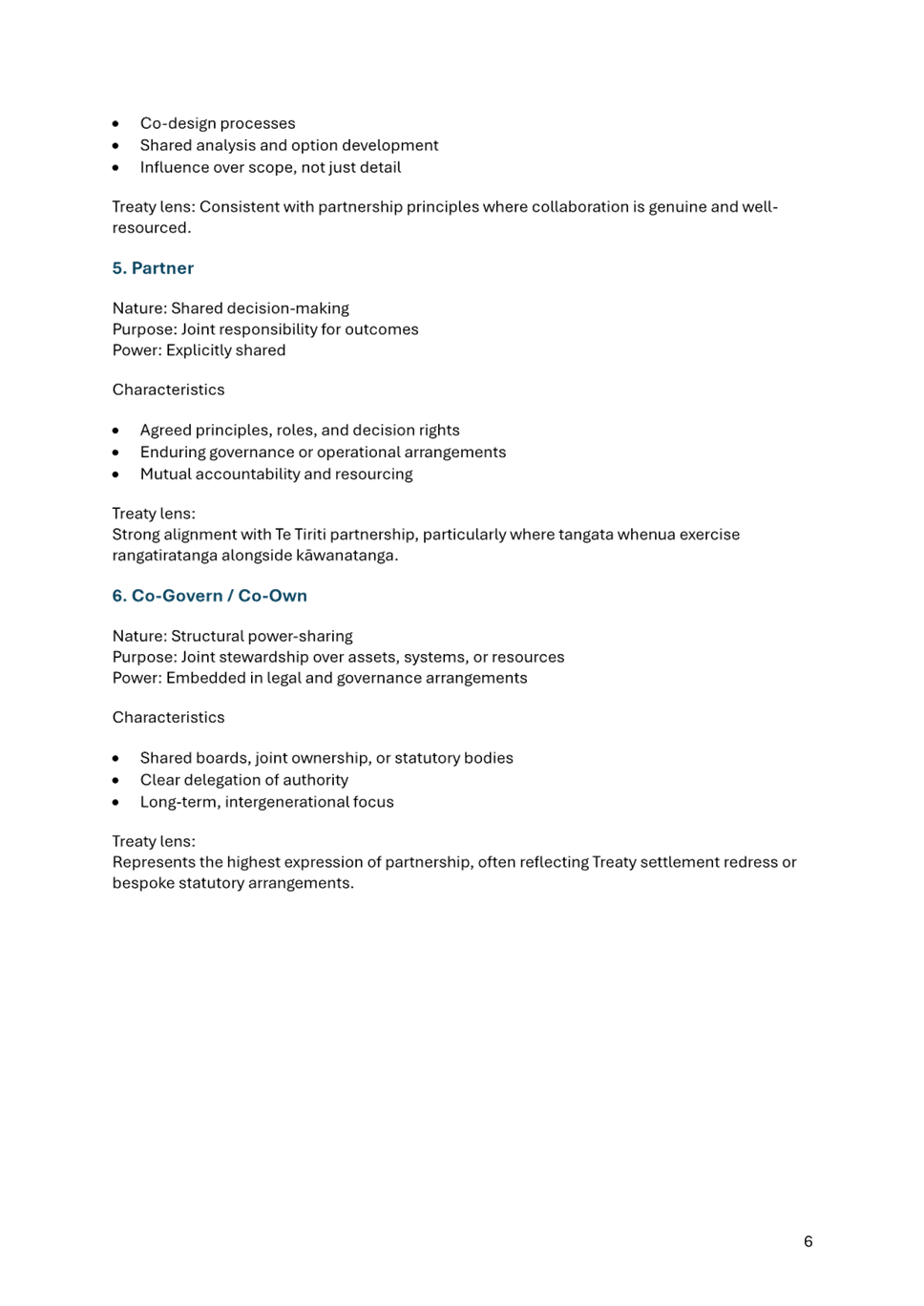
Tangata Whenua Principles Supporting Partnership Approach - A20583146 ⇩
|
Water
Organisation Joint Committee meeting Agenda
|
29
June 2026
|

|
Water
Organisation Joint Committee meeting Agenda
|
29
June 2026
|
|
Water Organisation Joint Committee meeting Agenda
|
29 June 2026
|
9 Discussion
of late items
|
Water Organisation Joint Committee meeting Agenda
|
29 June 2026
|
10 Public excluded
session
Resolution to exclude
the public
|
Recommendations
That the public be
excluded from the following parts of the proceedings of this meeting.
The general subject
matter of each matter to be considered while the public is excluded, the
reason for passing this resolution in relation to each matter, and the
specific grounds under section 48 of the Local Government Official
Information and Meetings Act 1987 for the passing of this resolution are as
follows:
|
General subject of each matter to be
considered
|
Reason for passing this resolution in
relation to each matter
|
Ground(s) under section 48 for the
passing of this resolution
|
|
10.1 - Presentation - Digital
Programme: Phase 2
|
s7(2)(i) - The withholding of the information is
necessary to enable Council to carry on, without prejudice or disadvantage,
negotiations (including commercial and industrial negotiations)
|
s48(1)(a) - the public conduct of the relevant
part of the proceedings of the meeting would be likely to result in the
disclosure of information for which good reason for withholding would exist
under section 6 or section 7
|
|
|
Water Organisation Joint Committee meeting Agenda
|
29 June 2026
|
11 Closing
karakia